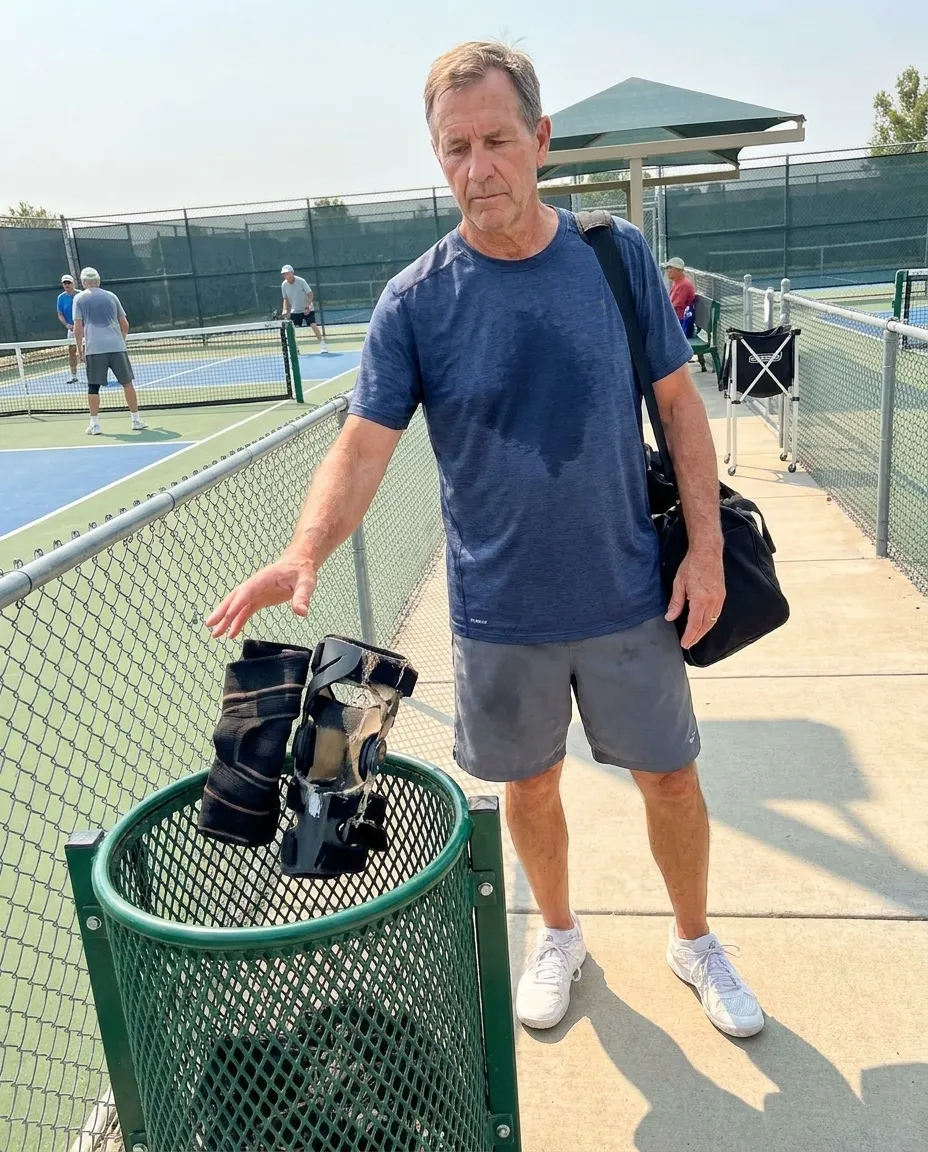
Pickleball is brutal on your knees
Ad Copy
I massively cheated on my partner and feel ashamed… I have been letting balls go on purpose for about 4 months. My pickleball partner still has not figured it out. Warren is 66. We have played together 3 mornings a week since the spring of 2024. He is the most competitive man I have ever met over a game that costs nothing to play. Last Thursday a ball came down the right sideline, wide and fast, exactly the kind I used to run down without thinking about it. I took one step and watched it drop. Warren said, "That was mine. I should have called it." It was not his. It was mine. I could have had it. I said nothing… I have done that maybe 40 times since March. I am 61 years old and I have started cheating my own partner out of points so that nobody has to watch how I walk to my car afterward. Let me back up… Two years ago I sold the HVAC business I had run for 26 years. I had exactly one plan for that first year, which was to not have a plan. Three weeks in, my wife told me I was going to have to find something to do with myself, or she was going to find something for me. A neighbor asked me to fill in at the pickleball courts down the street, just for one morning, and that was supposed to be the entire commitment. I played 4 days that first week. By the second month I was playing 5. By month 4 I was playing 6 days a week, and Denise (my wife) had started introducing herself at dinner parties as a pickleball widow, which she thinks is hilarious and has not stopped saying since. I want you to sit with that jump for a second, because it turned out to matter more than anything else in this story. For 26 years I sat in a truck and I sat at a desk. My exercise was walking job sites. Then inside of about 30 days I went from that to 15 hours a week of stop-and-go court sport on concrete. There was no gradual ramp, no scheduled off days, and no coach anywhere in the picture to tell me I was doing too much too fast. And honestly, I felt fantastic… Here is the part that people who do not play will never understand. It was never really about the pickleball. It is about the group! Tuesday, Thursday, Saturday, always the same courts. Warren, Sal, Deb, Marty, and whoever else gets there early enough to make the board. Afterward we walk over to Rosie's on Higley. Eggs, coffee, and 40 minutes of arguing about whether Marty's third shot was a drop or a drive. It was never a drop. And then somewhere around month 4, my body started sending mail. It started as a little stiffness in my right knee after a long session, nothing dramatic at first. I would just sit in the truck for a minute or two before I pulled out of the parking lot. By month 6 the stiffness had become a throb that showed up around 9 PM every night I played, like it was on a timer. By month 8 I was going down my own stairs sideways, one leg at a time, hand on the rail, the way my father did in his 70s. By month 10 there was one specific moment I had started dreading, and that was the moment of getting out of the truck after 3 hours on the court and putting that first weight onto the right leg in the parking lot. There is a guy on one of the pickleball forums who wrote that this sport gets sold as a gentle social game and then goes to work on your joints. I read that at 1am in the morning and felt like somebody had finally said it out loud. And I told myself exactly what you have been telling yourself. I am 61. I went from a desk to 15 hours a week of court sport. Of course my knee hurts. That is just what happens. So I did what everybody at those courts does. I started buying things… I started with a basic compression sleeve for 28$. It was warm and tight and it had slid halfway down my calf by the second game of the morning. I bought another one in a different size for 35$, because I assumed the size was the problem. Then I tried a wraparound elastic with a velcro closure for 22$, hoping that if I could adjust the tension myself it would finally stay in place. It didn't, and after two weeks I had the same missing results as before. Then I tried a copper one for 19$, because the reviews online were unbelievable and I am apparently the kind of man who believes reviews. It turned out to be exactly the same sleeve as the others, just with a marketing story attached. Then I went upmarket and got a hinged brace with metal stays down the sides for 89$. That thing worked in the sense that my knee hurt less, and also in the sense that my knee could no longer really bend. I wore it 3 times and I looked like I was recovering from something. I bought rolls of kinesiology tape and got good at applying them. I could do my own knee in 4 minutes. About 60$ over 5 months, and it peeled off halfway through the second game every single time. I bought new court shoes twice, once for 140$ and again for 155$ a few months later. I paid another 60$ for a set of insoles. I did six sessions of physical therapy at 145$ a session, which came to 870$ all in. The exercises helped while I was doing them. Then I stopped doing them, because they were tedious, and because given the choice between wall sits in my garage and actually playing, I am going to play. If you are being honest with yourself, so would you. I iced my knee after every single session, and I was taking two ibuprofen before every session, sometimes three when I knew we were going long. One night at the kitchen table I added it all up on my phone, because I wanted to know. 1,478 dollars! All of it lives in a plastic bin on the shelf above my workbench. Denise calls it the graveyard. But the thing that actually broke me was not the pain, and it was not the money. It was a Saturday in March. Four of us were waiting on a court and Deb was setting the teams. Deb is 68 and she is the kindest person at those courts by a wide margin, which is exactly what made it worse. She said, "Gary, you take the left side. Warren can cover the middle." Warren can cover the middle… She was being nice, and she had watched me play for 3 weeks and made a small adjustment, the way you make an adjustment for somebody's bad shoulder or somebody's hearing. I said sure. Thanks, Deb. I played the whole session with my ears burning. Because here is the thing I had not let myself think about until that morning. There is a version of this where I am still showing up, still on the group text, still at Rosie's afterward, and everybody has just built the mornings around me. Nobody in that group is ever going to be unkind about it. That is not who they are. They will just keep making small, generous adjustments until one day I am the guy who sits out the third game and nobody suggests otherwise. I went to an orthopedist that Monday. He read the chart, moved my leg around for about 6 minutes, and said the thing I already knew was coming. "You are going to need to take a break from pickleball. Three months minimum. And honestly, at 61, at this volume, you may need to look at something lower impact permanently." I told him I was not going to stop. He said then it will keep getting worse. He was not unkind about it. He was already writing something down. I sat in my truck in that parking lot for 10 minutes, thinking about stopping the one thing that had made me feel like myself for the first time since I sold the business. That Thursday I told the group at Rosie's what the doctor said. Warren put his fork down. Deb stopped mid sentence. Sal said one word. "Mullen." "Who?" "Ray Mullen. Sports physio, office off Southern. Marty went to him for his achilles 2 years ago. Marty is 70 and he plays 5 days a week now." Deb was already typing the address into my phone. "He is not going to tell you to stop," she said. "He still plays. That is the whole difference." I want to describe his waiting room, because it told me more in 30 seconds than the orthopedist told me in 6 minutes. There is a whiteboard with a court diagram on it and somebody's footwork pattern drawn on it in blue marker. There is a plastic bin by the front desk, an actual bin, full of sleeves and straps and braces that patients handed in and never asked for back. There is a framed photo of a men's 4.0 team holding a trophy and Mullen is standing in the back row. Ray Mullen is 63 years old, lean and gray, with forearms that look like he still uses them for something more than typing. He has been putting court players back on court for 20 years and he plays 5 mornings a week himself. He shook my hand and said, "Tell me the whole thing. Do not summarize." So I did. I told him about the stiffness at month 4, the 9 PM throb, the way I had to go down the stairs, the moment in the truck, the bin above my workbench, the 1,478 $, and Deb setting the teams. He did not interrupt once. Then he stood up and pointed at the bottom step of the little staircase in the corner of his exam room, and the next 20 seconds ended a year of guessing for me. "Stand on that. Right foot only. Left foot hanging off." I did it. "Now lower yourself down until your left heel touches the floor. Slowly. Count 5." I got about halfway. Then my knee wobbled inward, and the last part of it was not a lower. It was a drop. My left heel hit the floor harder than I meant it to and I put a hand on the wall. "Now the left leg." Then I did the same test on the left leg, and it went smoothly the whole way down, a full 5 seconds under control, with no wobble and no drop at the end. I stood there on his exam room floor with my hand still against the wall. He said, "Do you know what you just showed me?" "That my right knee is bad." "No. Your right knee is fine. Your right knee is the thing getting hit. What you just showed me is that the brake on that side lets go about 4 inches in." He pulled up a chair and sat across from me. "Let me ask you something. Which part of your leg do you think absorbs the impact when you stop hard on a court?" "The knee??." "Everybody says that. It is the wrong answer, and it is the reason nothing in that bin of yours ever worked." He tapped the front of his own thigh. "This does. The quadriceps. When you plant to stop, that muscle takes the hit and hands a softened version of it down to the joint. Your knee was never the shock absorber. It is what gets hit when the shock absorber stops showing up." Then he said the sentence I have thought about almost every day since. "Pickleball is not a running sport. It is a stopping sport." "Every split step, every stop at the kitchen line, every lunge to dig one out of the corner. Each of those movements drives three to six times your body weight through the front of one knee. What are you, 195?" "About that." "So call it 1,000 pounds, hundreds of times a session, six days a week. And that is fine. That is exactly what the system was built to handle, as long as the brake is doing its job." He held up two fingers. "Here is what happens after 60. That muscle loses 3% to 4% of its strength every single year. And it loses its speed faster than it loses its strength. The speed is the part that matters, because a split step does not wait. The whole impact is over in about a tenth of a second." "Now here is the cruel part, and it is the part nobody tells you." He pointed at my legs. "Muscle weakens far faster than it shrinks. I measured your thighs before you sat down. They are within a quarter inch of each other. Your legs look exactly the way they looked at 45. You feel like the same player. The brake is gone anyway." "There was no warning light," I said. "There is never a warning light. That is what the step down was. That was me switching the light on for you." "So what about all of it?" I asked him. "The sleeves, the brace, the tape, the physio, the shoes." "Let us go through it properly, because you deserve to know why you lost that money." "Rest lowers the load. It also lowers the brake, because a muscle you stop using gets weaker. So you come back to the court with less tolerance than you left with, and the first hard session undoes the whole break. That is why 2 weeks off feels wonderful and week 3 is worse than before you stopped." "Pills mute the alarm, but they do not touch the brake." "Ice is mopping the floor while the tap is still running." He nodded at the bin by his door. "And the sleeves. A sleeve squeezes the joint, that is all compression is. It is a hug for something that already got hit. Not one item in that bin changed how hard the joint got hit on the next split step. Which is why every one of them felt like it was working for about 2 weeks, and then did not." Then he said the thing that reorganized the entire last year for me. "Everything you have bought operates outside the window. Warm ups you skip, hours before. Ice and pills and the hot tub, hours after. The damage is decided in a tenth of a second in between, and nothing you have ever owned was in the room." "Alright," I said. "So I rebuild the muscle." "Yes. And you should, and I am going to give you exactly how. But I am going to be straight with you about the timeline, because the guys who lose their season are the guys nobody was straight with." "Rebuilding that brake is months of work. And you are playing on Thursday." "There is a second thing you should know. Underneath the muscle is the tendon, the band right below your kneecap that everybody points at when they say my knee hurts. That tendon can get stronger. It cannot get newer. It stopped replacing itself when you were a teenager. It builds tolerance slowly, and it does not build any of it in 2 weeks." "So the load has to come down while the tolerance goes up. Both lines have to move at once. If you only work on one of them, you are asking a tendon to catch up to a demand that never pauses." "So what do I do on Thursday?" "You get a second brake." I said, what?! "Right now you have one brake and it is biological. It is the real one, and it is also the slow one, because it has to receive a signal, decide, and contract. Decision speed is precisely what age takes first. That is why a man can be as strong as he was at 45 and still land unprotected." "A second brake is a mechanical one. It does not have to decide anything, and it does not wait for a nerve signal. It is already there when your foot lands. It is already there when the muscle is a fraction late. And it is still there on point 400, when the muscle has stopped showing up at all." Then he showed me what he meant, and I have not been able to unsee it since. He reached into the bin by the door and pulled out a strap with a solid gel pad in it. Somebody had handed that in. "Press your thumb into this one first." I pressed. The gel gave, and then it stayed given, flat under my thumb like putty. When I let go it came back slowly and not all the way. Then he opened a drawer and put a second one in my other hand. "Now this one. Press it hard. Then press it fast." I cannot fully explain what happened next. It gave under my thumb. But the harder I pressed, the harder it pressed back. And when I pressed it fast, it got firmer than when I pressed it slowly. Then it came straight back to shape, immediately, every time, like something alive was in there. I sat there with one in each hand. "These are not the same category of object." "They are not," he said. "Gel and foam have one setting. They crush flat and they stay crushed, and by your third game they are done. Air compresses at the speed of physics, not at the speed of nerves. And air gets stiffer the harder the hit is. So your worst landing of the day is the one it does the most for." "What is it?!" "Tenvic AirPad Pro. It is the only one I have found built around a sealed air chamber instead of a pad. Everything else in that bin is either a squeeze or a cushion." "Is this just a nicer knee brace?" "No, and I would drop that word entirely. A brace holds a joint still. A sleeve squeezes it. This does neither. It sits directly on the tendon, at the exact point where the force concentrates, and it stands in the way of the hit. Your knee is not the brake. This is." "How much." "34.99 dollars for one." I actually laughed out loud in his office. "I have 1,478 $ of things in a bin in my garage." "I know. And every one of those was built to make an already hit joint feel better afterward. This is the first one that is in the way when the hit happens." "Then why is every guy at my courts wearing a sleeve?" "Because a sleeve costs almost nothing to make, and it is what the big brands put at the front of the aisle. There is no money in explaining the difference to you. There is a great deal of money in selling you a piece of neoprene with a logo on it every 9 months when the last one stretches out." He wrote something on a card and handed it to me. "Most of my patients take two." "Two? It is only one knee that hurts." "For now…" he said. "Ask me again in 6 months." "And do the routine. It comes with the 2 pack. 14 exercises, about 10 minutes, and you can do every one of them in a chair in your kitchen. That is brake one. The pad is brake two. Neither one is the whole answer on its own, and anybody who tells you different is selling you something." I drove home and I did not order it that night. I want to be honest about that, because if you are anything like me, you are about to do the same thing. I had been burned 9 times. The bin was sitting right there on the shelf when I pulled into the garage. A 34.99 dollar strap was not going to succeed where 1,478 $ had failed. That is what I thought… Two mornings later, Saturday at 5:50 AM, I swung my legs off the bed, put weight on the right one, and had to sit back down. It was not the pain. I was used to the pain. It was that I sat back down without deciding to. I made coffee standing on my left leg with my right hand flat on the counter. Then I opened the group text and typed that I was going to skip, and I stared at it for a long time without sending it. And I thought about Deb setting the teams. I went to the site on my phone. The first thing I saw was a 90 day guarantee. So I stood in my own kitchen and did the math out loud like a crazy person. If it does nothing, I send it back and I have lost nothing. If it works, I get my Tuesdays back for the price of a tank of gas. I ordered two. They arrived on Wednesday, and by Thursday morning I had one on in the parking lot before the first game. It took about 15 seconds to put on: two centimeters below the kneecap, right on the tendon, buckle pulled snug. The first thing I noticed had nothing to do with pain. It was that I could not feel it. I kept checking it between points for the first 20 minutes the way you check a bandage, and it had not moved an inch even after an hour of hard play, and it had not soaked through despite the Arizona heat in June. The second thing came on the first hard stop at the kitchen line. It felt different underneath, and the best word I can find for it is "held" rather than "padded". It was like the hit landed on something solid before it landed on me. I played 2 hours. Friday morning, I put my feet on the floor and stood up. I just stood up. By the end of week 2 the 9PM throb had stopped being a nightly appointment. By week 4 I was coming down my stairs facing forward, like a person, one hand off the rail. In week 5 I did the routine 4 mornings out of 7, in a kitchen chair, while the coffee ran. It took about 10 minutes each time, and Denise has opinions about the sight of it. In week 7 I stood on the bottom step in my own house and did Mullen's test on the right leg. I lowered myself for a full 5 seconds down, with no wobble and no drop at the end. The second Saturday in June, a ball came down that same right sideline, the wide one, exactly like the one I had been letting go since March. I went and got it. Warren looked at me across the court and said, "Where has that been?" I did not tell him that day. I told him 3 weeks later. Now here is what I actually want from you, and it is not a purchase. Do not order anything yet. Do this first, before you close this page, because it takes 20 seconds and it told me more than a year of appointments did. Go find a step, whether that is your bottom stair, a curb, or a low bench in your garden. Stand on it with one foot and let the other foot hang free. Now lower yourself slowly until the hanging heel touches the floor. Count 5 seconds on the way down. Watch the knee you are standing on. Does it hold the whole way, or does it wobble inward somewhere in the middle? Does the last part come down as a controlled lower, or does it come down as a drop? Now do the other leg. If one side drops and the other one does not, you just found it. That is the brake letting go. It has been letting go on every stop you have made at the kitchen line for months. And your legs will still look identical in the mirror tonight. It is not your age. Mullen has patients past 70 playing 5 and 6 days a week with none of this. It is not that you played too much. Volume did not break you. Volume without a working brake did. It is not that you are finished. You did everything right. You bought the orthopedic shoes. You warm up when you remember. You ice afterward. You paid for the physio. You bought every piece of gear at the front of the aisle. None of it was ever in the room at the moment that actually decides things, and nobody told you that, because there is no money in telling you. So let me tell you exactly what this thing is, because I want you making this decision the way I made it, with the whole picture. It is a sealed, 8-shaped silicone air chamber that sits directly on the patellar tendon, 2 centimeters below the kneecap. That is the exact spot where the force from a hard stop concentrates. The first thing that makes it different is what Mullen calls Advanced Kinetic Absorption. Instead of gel or foam, the whole pad is built around a sealed air chamber, which means it takes the hit at the exact point of impact rather than squeezing the joint after the fact. The second thing is what he calls High-Intensity Response, and it is the part that changed my mind on the whole category. Air actually gets firmer the harder and faster you compress it, which means your hardest stop of the entire session is the one this pad does the most work for. Gel and foam do the exact opposite of that. They bottom out under the biggest hit, which is precisely the moment you needed the protection. The third piece is what he calls Unrestricted Stability, and it means the pad holds the tendon in place without ever locking the joint itself. You can still lunge, you can still split step, you can still chase the wide ball into the corner. That is the entire reason I stopped wearing that hinged brace after three sessions, because it made every one of those movements impossible. And the last thing is what they call Ultralight Breathability. I played three hours on a hard court in Arizona in June, in full sun, and by the end of it I had actually forgotten I was wearing it. And a few things that matter more than they sound like they do. The SureLock ribbed silicone interior is why it does not slide down your leg by game 2. If you are honest, that is the single most irritating thing about every sleeve you have ever owned. The reinforced metal buckle means you set it once at the start and it does not creep loose over a 2 hour session. It fits 11 to 18 inches, fully adjustable, so there is no sizing guesswork and no ego involved in the number. 13,000 players are wearing these, and the Pro version has 1,146 reviews at 4.89 out of 5. And it carries a 90 day guarantee, not just 30, but a full ninety days. That is long enough to play a full block of your season and find out properly, which is exactly how I tested mine. I am not going to tell you it fixed my knee. Mullen would climb through the screen and stop me. It did not fix my knee. It stood in front of it while I did the work that actually fixes it. That is the honest version, and it is the only version worth 34.99$ to a man who already has 1,478$ in a bin. - Gary Halfbert P.S. For the love of god, get two. I mean that, and it is not because I want you spending more. Mullen told me to take two before I understood why, and it took me about 6 weeks on the court to work it out. First, you have two legs, and whatever your good knee is doing for you right now, it is doing it because the bad one asked it to. Second, and this is the one nobody warns you about, when one leg stops taking full load, you do not stop playing. You shift onto your other leg. Every stop, every lunge, every push off gets rerouted through the side that still works, and you will not notice yourself doing it. That is not a theory. That is what my left knee had been doing since March, and Mullen found it in 20 seconds with a step. Protect one side only and you have not removed the load. You have moved it. The other knee gets more of it, not less. I would rather you know that now than find out the way most guys at my courts are going to find out. Third, the 2 pack is cheaper per knee. A single is 34.99. In the 2 pack it comes to 29.75 each. You pay less per knee for two than you would pay for one. Fourth, and this is the part I would not skip, the 2 pack is where the free routine-guide comes into play. 14 exercises built by a physiotherapist hired by Tenvic, that take about 10 minutes, all of it doable in a kitchen chair on the days you are not playing. Mullen was blunt with me and I will be blunt with you. The pad is the second brake. The routine is the first one. The pad works from your very first session. The routine takes months. Which is exactly why you want both of them running at the same time instead of one after the other, and why I would not order a single. Warren has one now. Deb ordered two the week after I showed her the step test at Rosie's.
More from TenvicGear
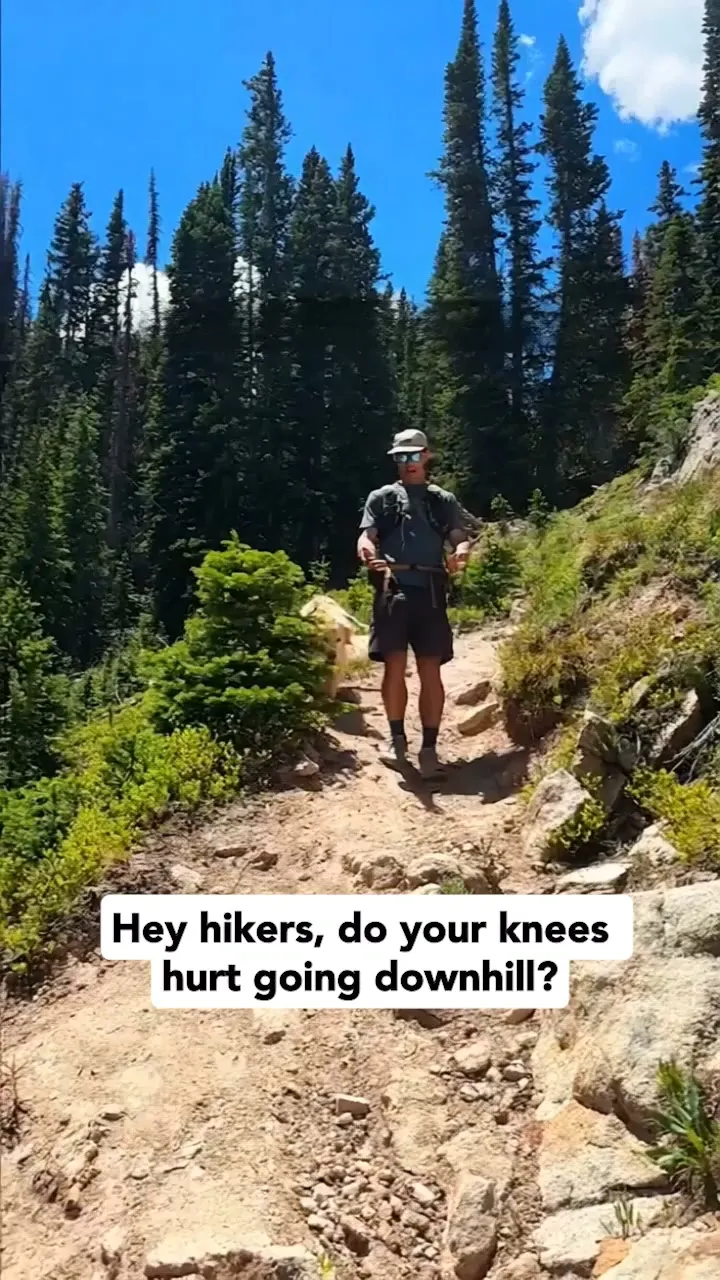
Save Your Knees on Every Descent (60% Off Today)
TenvicGear
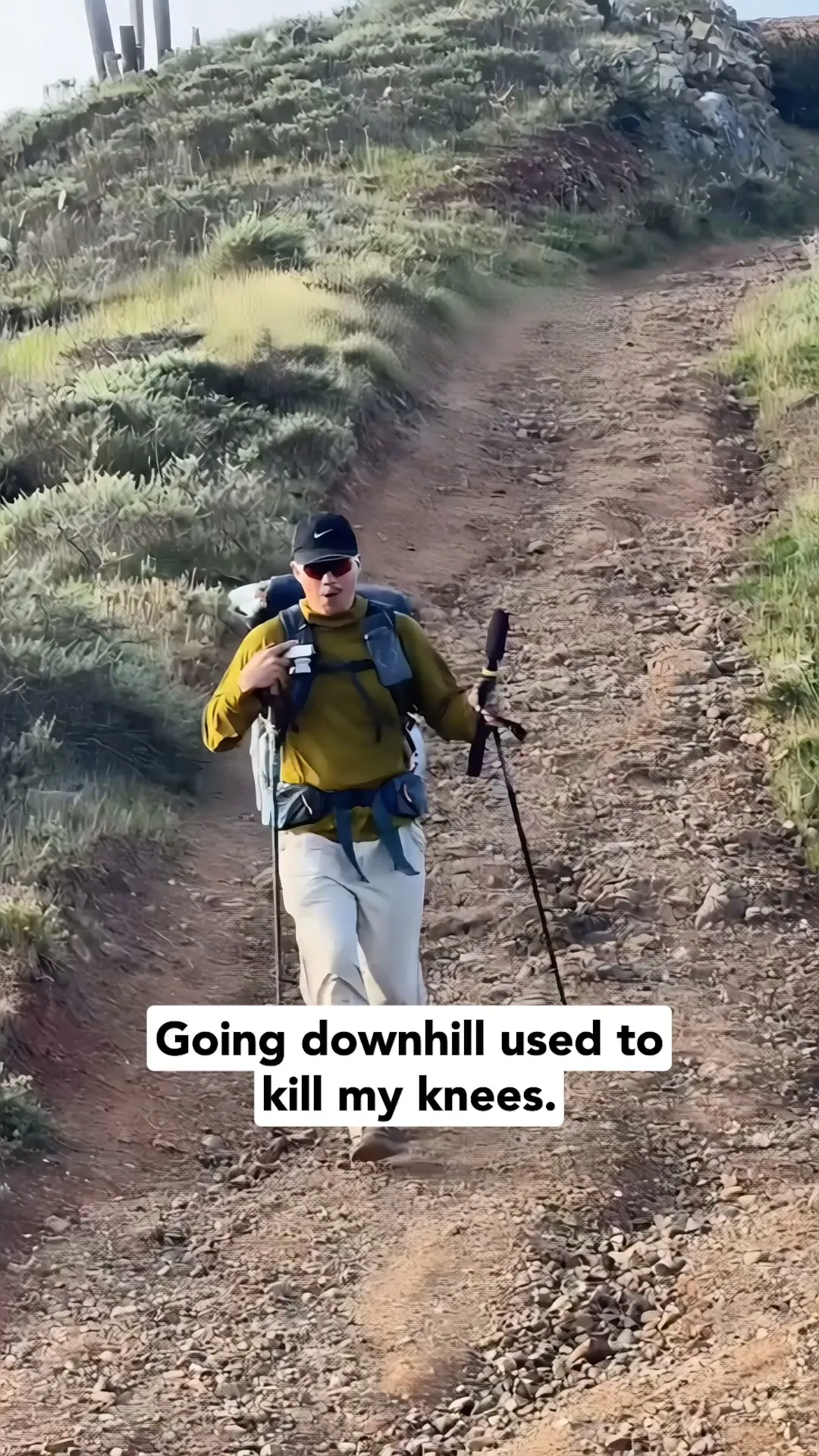
Save Your Knees on Every Descent (60% Off Today)
TenvicGear
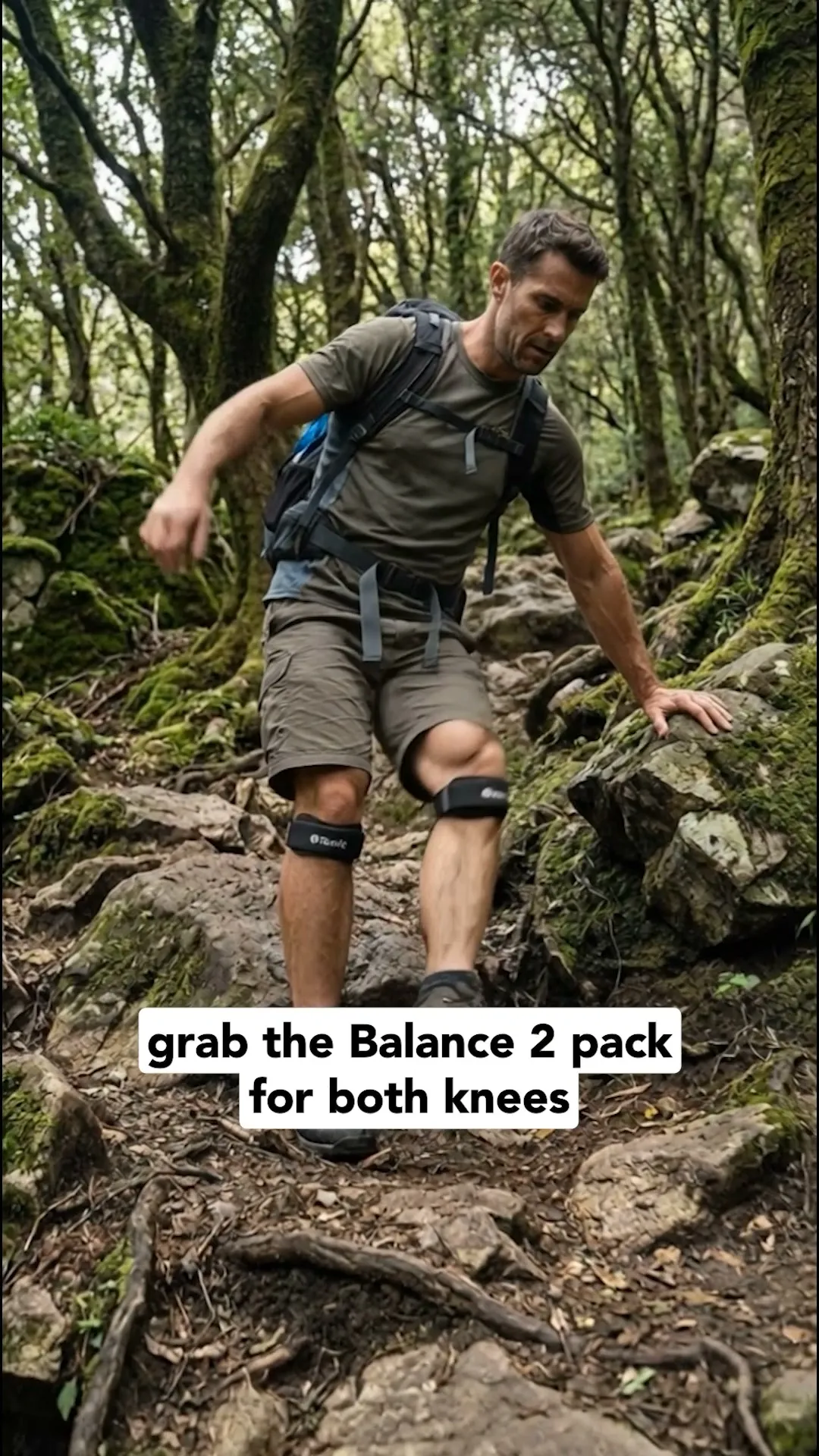
Save Your Knees on Every Descent (60% Off Today)
TenvicGear
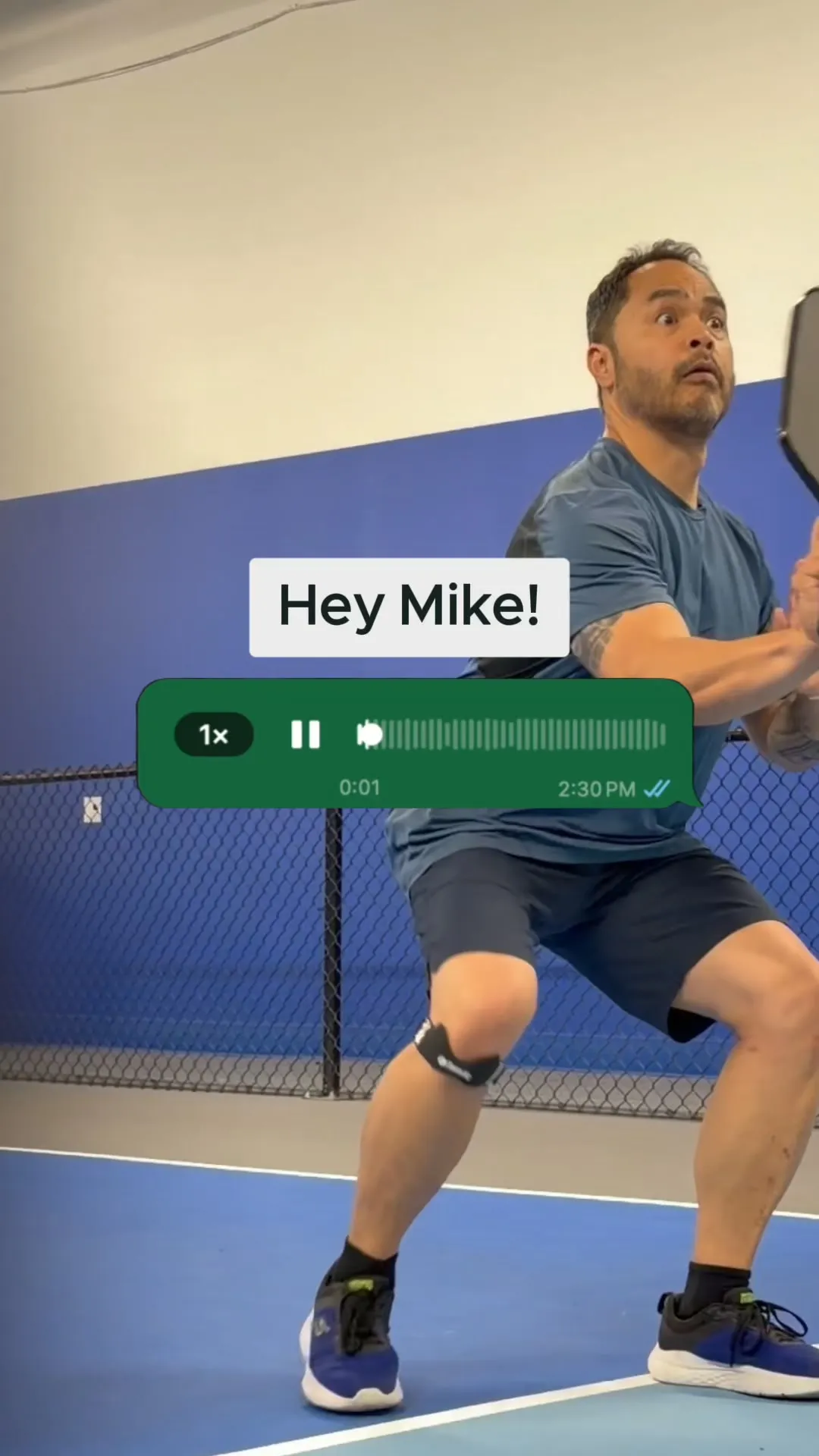
My Friend Was Right About My Knees
TenvicGear
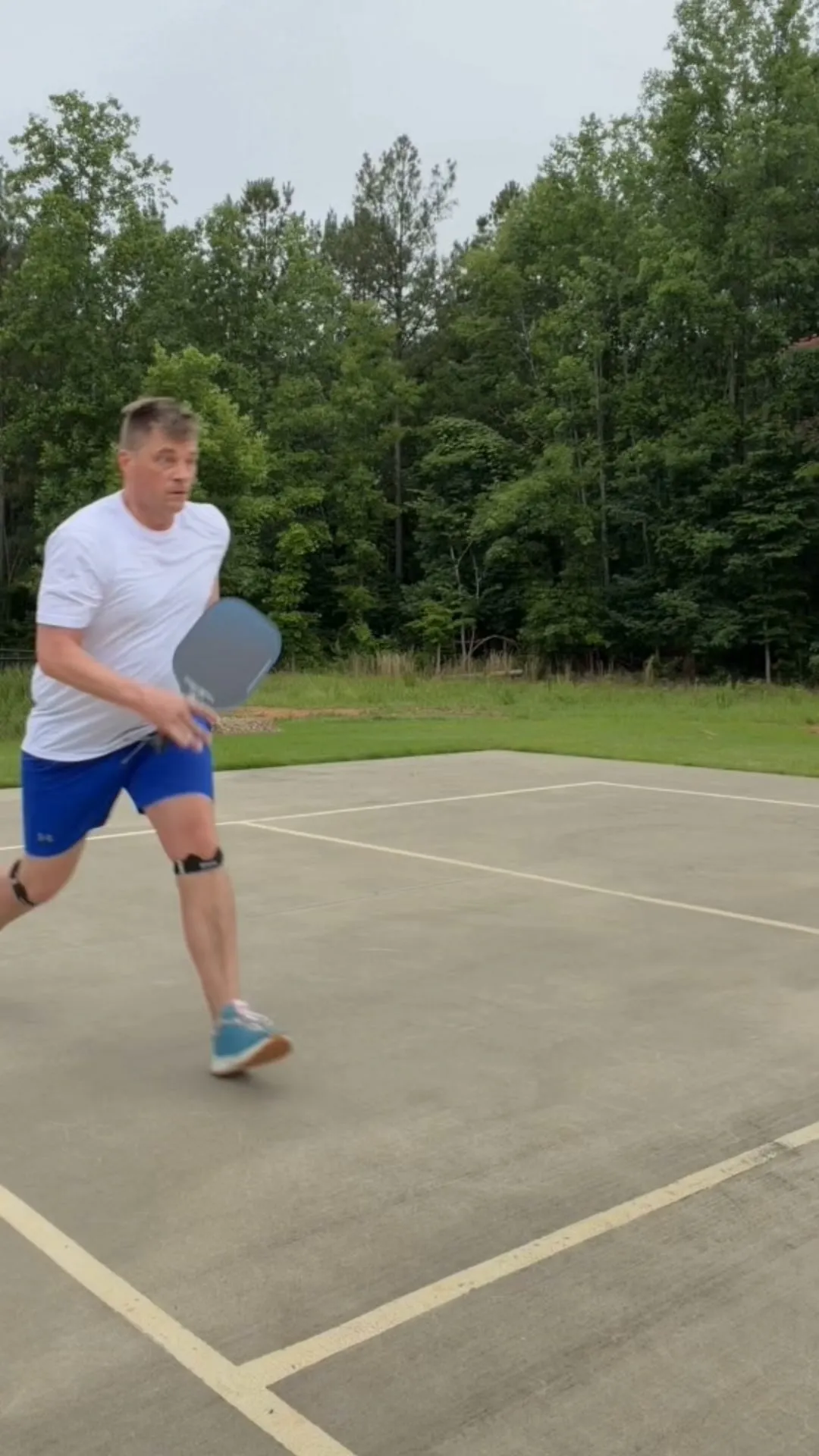
Support Your Knees the Right Way ✔️
TenvicGear
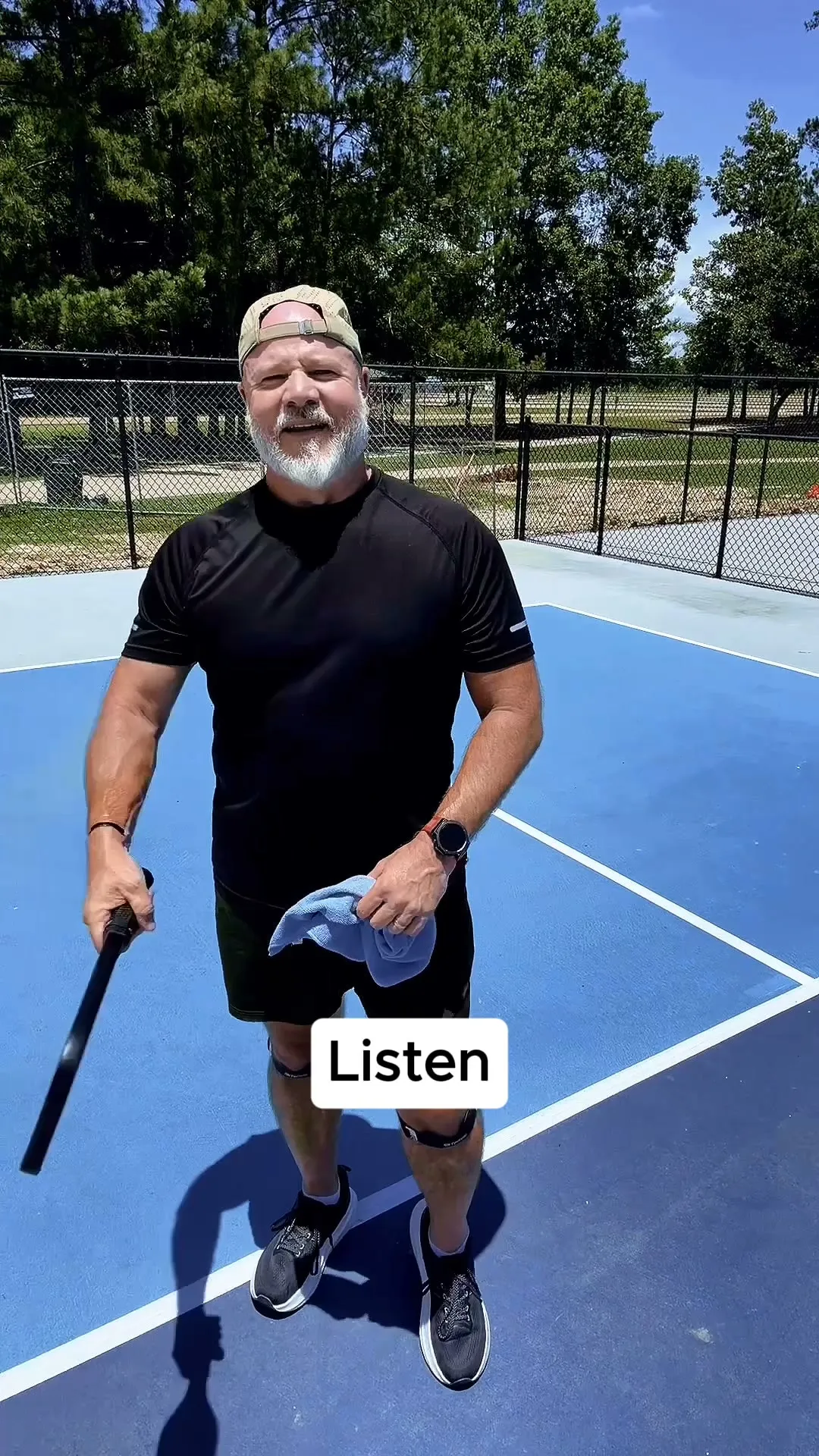
Support Your Knees the Right Way ✔️
TenvicGear
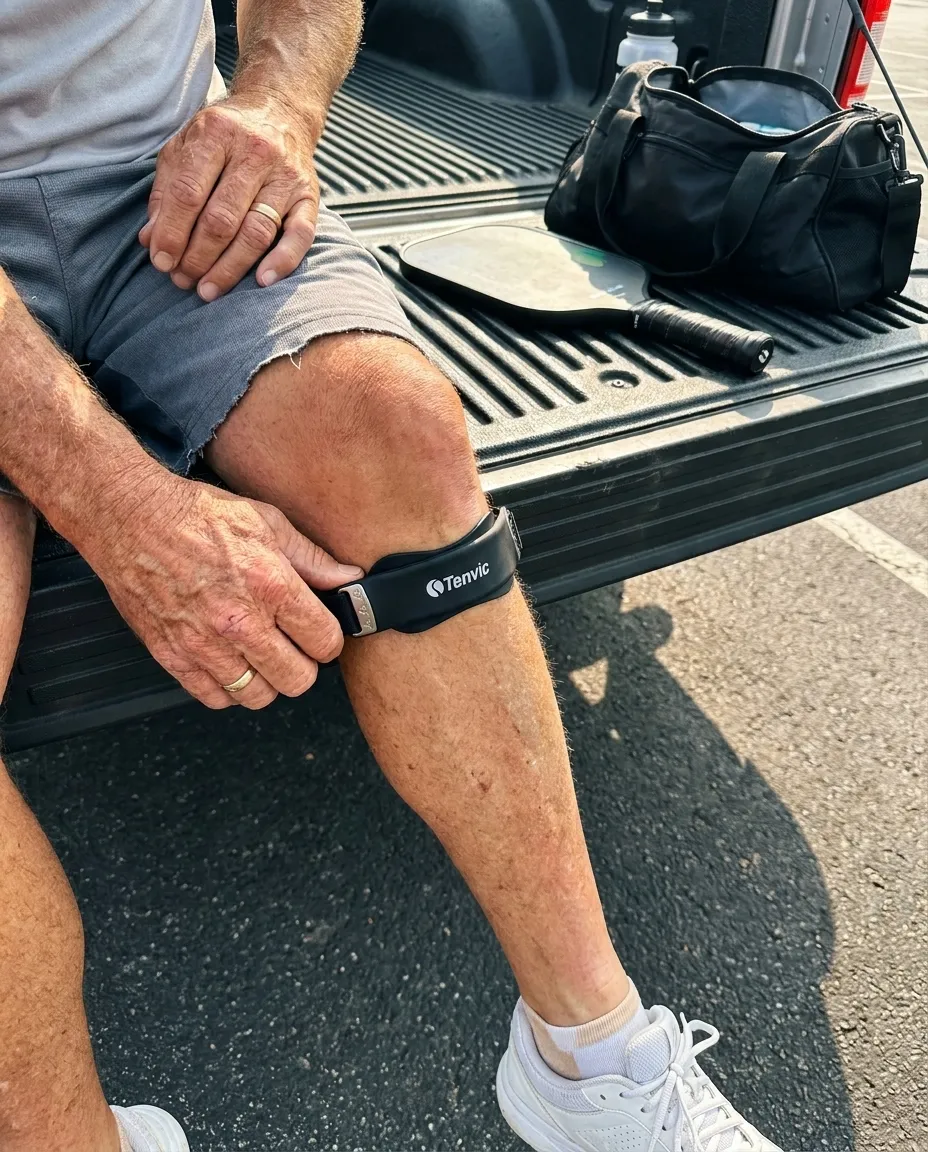
Pickleball is brutal on your knees
TenvicGear
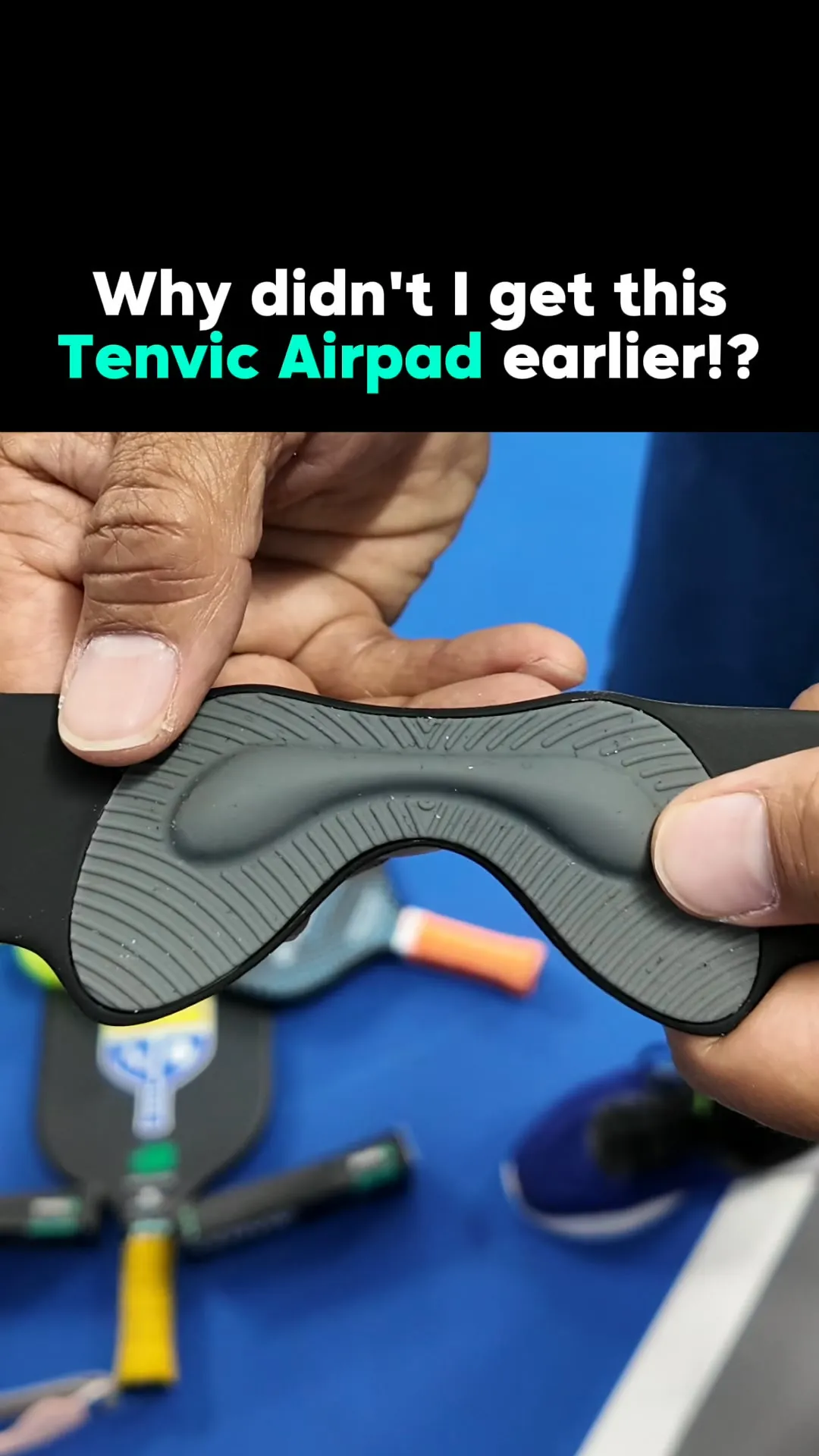
✅ The Pickleball Knee Fix My Trainer Gave Me
TenvicGear
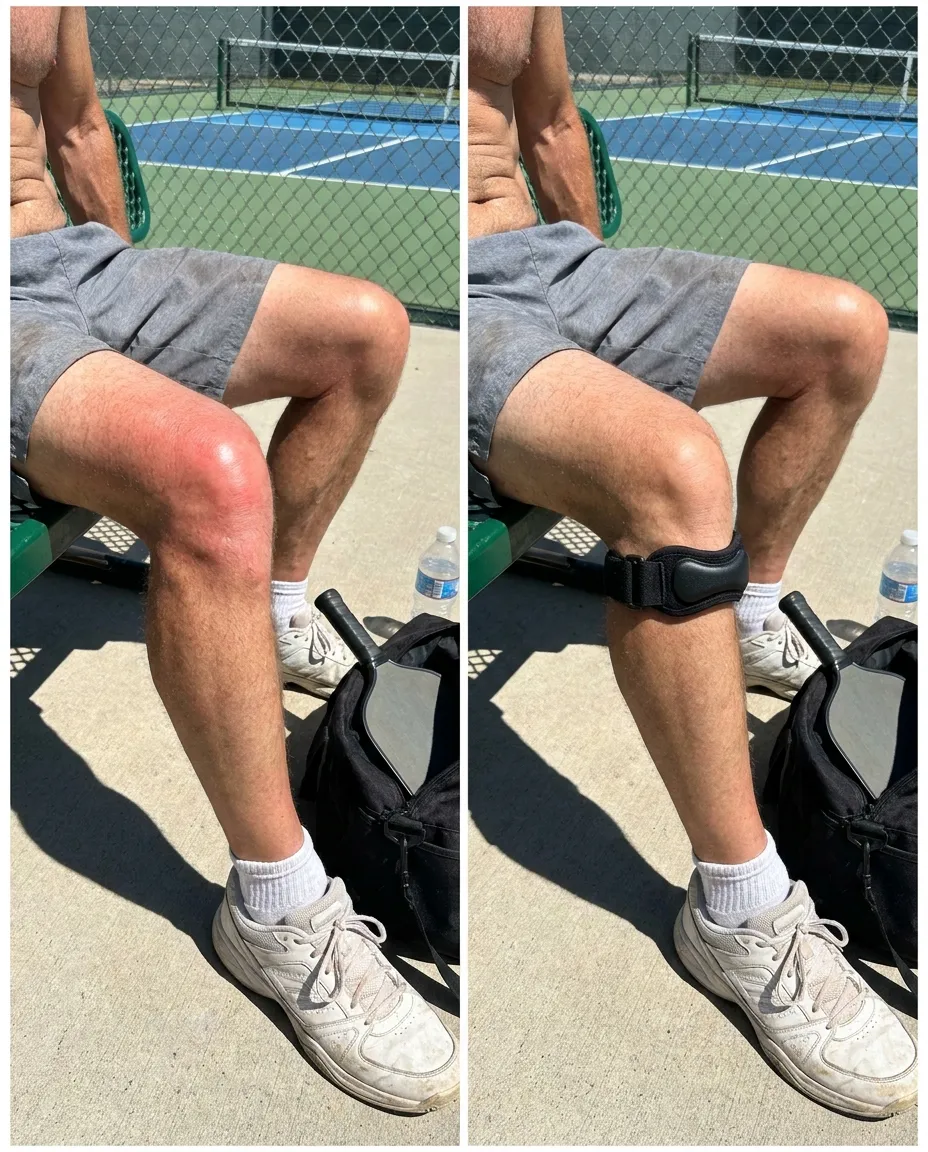
Pickleball is brutal on your knees
TenvicGear
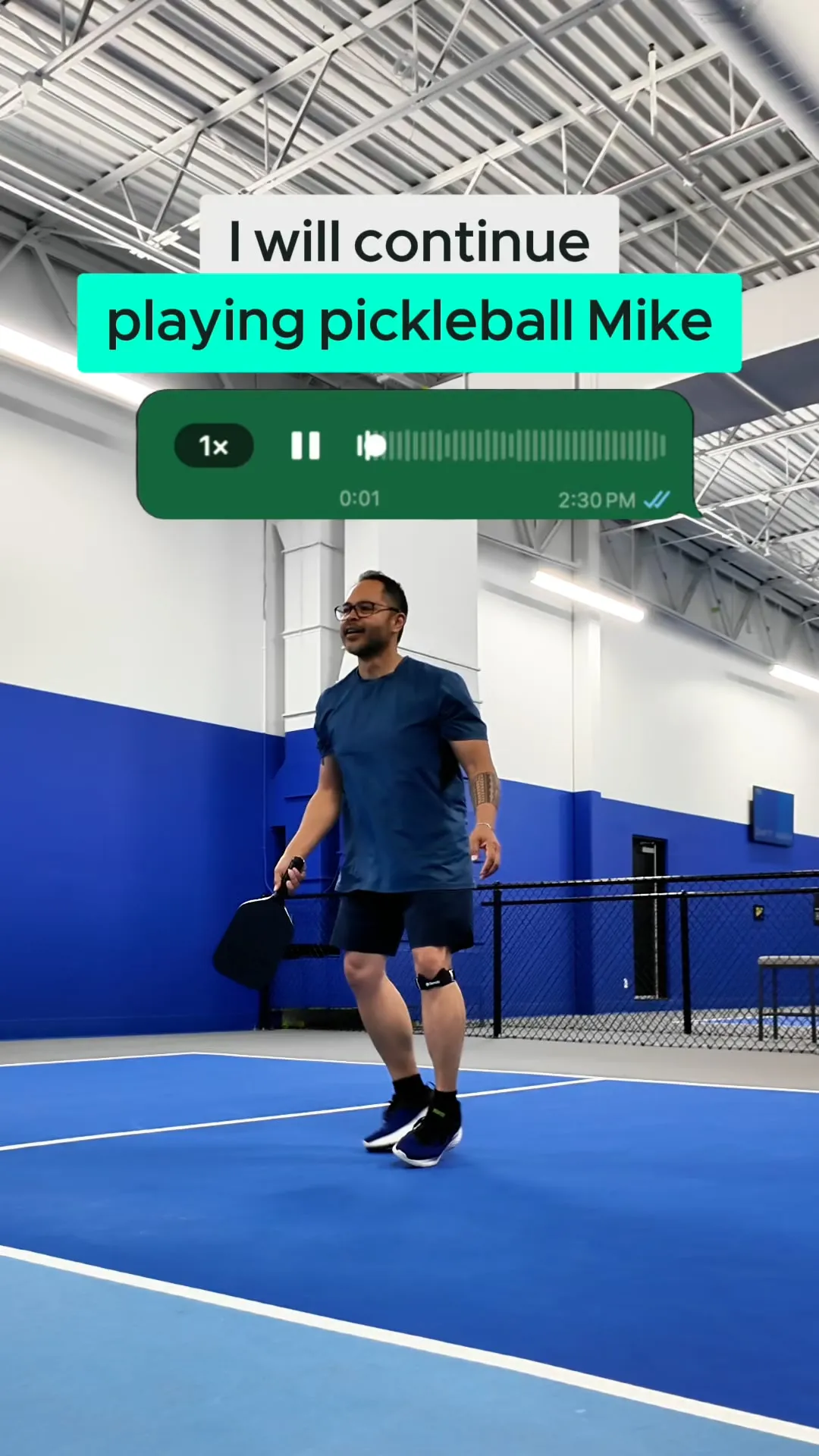
My Friend Was Right About My Knees
TenvicGear
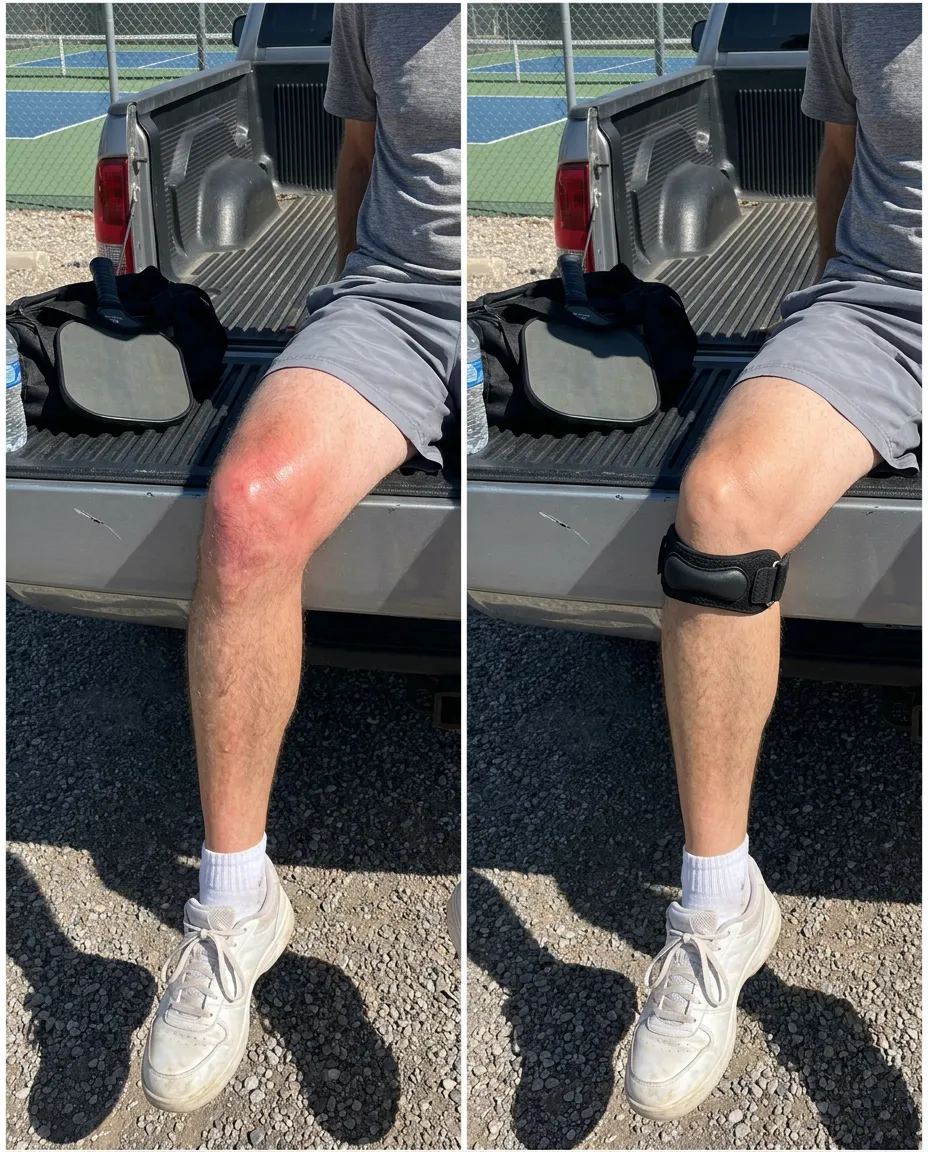
Pickleball is brutal on your knees
TenvicGear
Support Your Knees the Right Way ✔️
TenvicGear

 Add to Chrome