Pickleball is brutal on your knees
Ad Copy
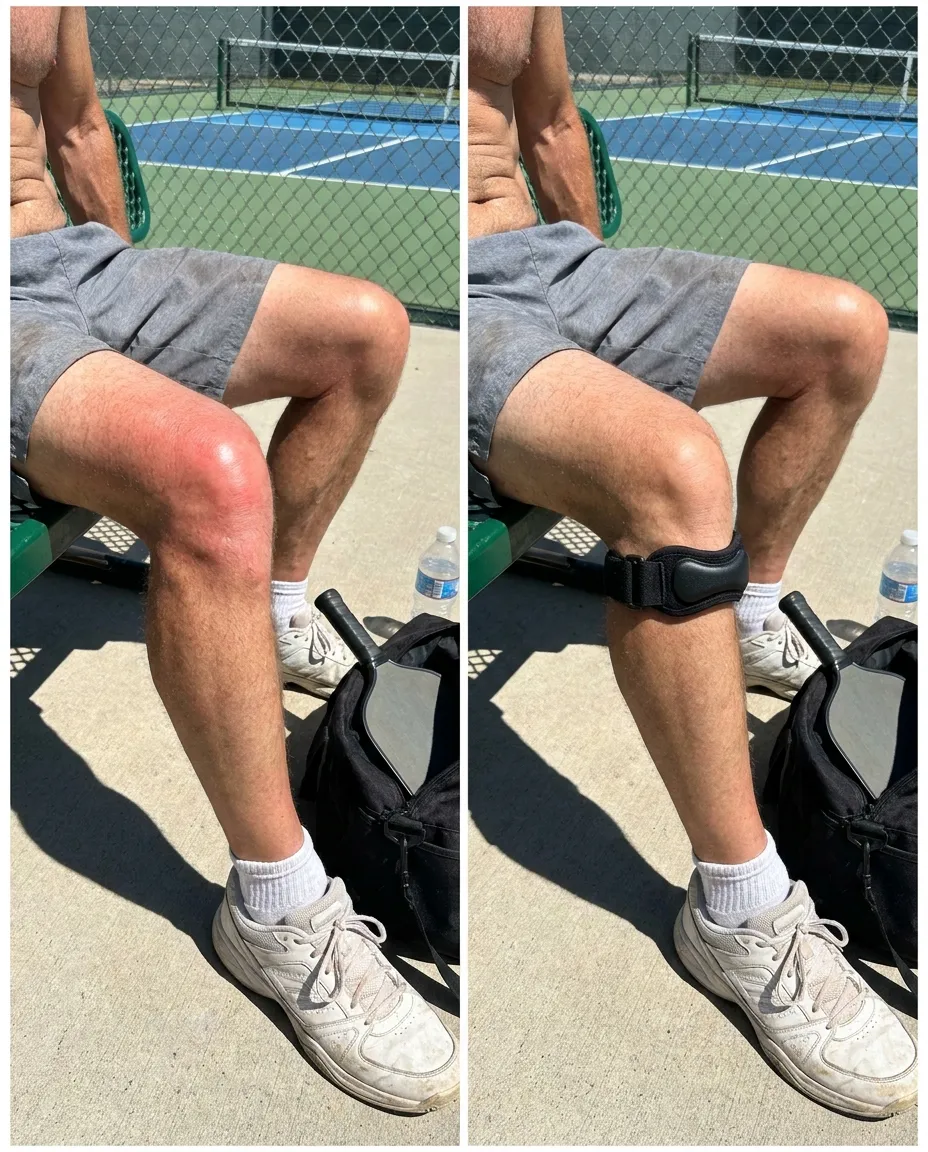
There are two photos of my husband's right knee on my phone, taken 24 days apart. Both of them after Tuesday open play. Same couch, same lamp, same time of night. Doug is 63, he plays 5 mornings a week, and he cried in our driveway on Sunday. Not about anything big. Our grandson asked him to dink and he said yes, and the two of them went at it for about 20 minutes, and Cole won a point off him, and then Cole went inside for a drink and Doug sat down on the bumper of the truck and cried. I want to tell you why that happened, because if there is a man in your life who used to be first on the board and has started saying not today, this might be the most useful 4 minutes you spend all week. Doug retired 3 years ago. He had never played a sport in his life, unless you count softball in 1979. A neighbor dragged him down to open play to fill in as a fourth, and he came home at 61 years old and told me he had found his thing. Inside of a month he was playing 5 days a week. He learned what a third shot drop was before he learned how to work our new thermostat. He went from a desk chair to 15 hours a week of stop-and-go on concrete, and not one person in his life told him that was a problem. Including me. There is a man in their group named Ray who is 78 and still plays 5 mornings a week, and Doug used to point at him and say, that is the plan. Then it started coming apart, and it came apart on the court before it came apart anywhere else. First he stopped chasing the wide ball. He told me that was smart play. It was not smart play. Then he started sitting out the third game. His shoulder, or his shoe, or he just wanted to watch for a bit. Then he only went if they were short a fourth. Then he stopped answering the group text at night when somebody asked who was in for the morning. He would read it and put the phone face down on the arm of the chair. He stopped mentioning Ray. At home it showed up in smaller ways. He came down our stairs sideways, one leg at a time, hand on the rail. He needed a second before he put weight on it getting out of the truck after 3 hours on the court. And his paddle stopped moving. It leaned against the same spot by the front door for 5 weeks and I dusted around it. Then he stopped taking Cole. Cole is 9. Doug taught him to dink over a net he rigged up in our driveway, with a paddle that was too big for the boy's hands, and he used to tell him you have to earn your way up to the kitchen. And at some point Cole stopped asking, because Cole had worked out on his own that Doug was going to say not today. That is the one I had trouble forgiving. He tried what a stubborn man tries. Two compression sleeves, 28 and 35 dollars, both of which had slid halfway down his calf by the second game. A hinged brace with metal stays, 89 dollars, worn 3 times and abandoned because he could not lunge in it. Rolls of tape. New court shoes. Insoles. Six physio sessions at 145 apiece. Just under 1,500 dollars, and every bit of it is in a plastic bin on the shelf above his workbench. I started counting the ibuprofen. Two before he left, two when he got home, and an ice pack on the couch by 8 o'clock. By February that was just the routine. And then there was the Saturday he came home and told me something at the kitchen table that he has never brought up again. They were 5 people for 4 spots, and somebody had put the rotation together so that Doug sat the first one out and then went in on the side with less ground to cover. Nobody said why. Nobody was unkind about it. They had watched him for a few weeks and quietly made an adjustment, the way you make an adjustment for somebody's bad shoulder. He told me that story like it was funny. Two weeks later he went to a sports doctor who spent 6 minutes with him and said that at 63, at that volume, he should probably start looking at something lower impact. Doug came home and posted in the group text that he was going to sit out for a while. He did not say quit. He said sit out. He is not a man who says quit. He did not go back for 5 weeks. The last Tuesday he played before all of that, he came home and sat down on the couch and rolled his pant leg up, and I took a photo of his knee on my phone. I cannot fully tell you why I did that. I think I wanted a record of it, because I could see where this was going and I did not want to be the only person who had noticed. That is the photo on the left. It is red. It is puffy. The skin over the kneecap is tight and shiny. You can almost see the heat coming off it. That is what he looked like after open play for the better part of a year. I found the AirPad in a comment section under something else entirely. Another wife had written about her husband and pickleball and I stood in my kitchen with the dishwasher hanging open and read the whole thing. 34.99$. 90 day money back guarantee. I ordered two without telling him. Doug laughed when the box came. He said, honey, I have a bin full of those. He put one on because I had bought it and he felt bad. Two centimeters below the kneecap, right on the tendon, buckle pulled snug. He said it felt like nothing at all. Then he stood up. Then he walked to the kitchen. Then he came back and sat down and said, Ellen, that is strange. I said what is strange. He said the thing did not happen. The thing was the jab under his kneecap every time he got up out of a chair. He had not stood up without the thing in over a year. I did not say anything. I just watched him for the next 3 weeks. Day 4 he took Cole out to the driveway for 15 minutes. Day 9 he drove to open play and told me on the way out that he would probably just watch. He played one game. Day 16 he came down our stairs facing forward with both hands free and did not appear to notice he had done it. Day 20 he played 4 games without sitting one out, and then went back the next morning and played again. Back to back days had not happened in over a year. Day 24 he took Cole to the actual courts. That is the night I took the second photo. Same couch. Same lamp. Same time of night. Same pant leg rolled to the same place. And after Tuesday open play, same as the first one, which is the part that matters. No red. No shine on the skin. Just his knee, and a black strap sitting 2 centimeters under the kneecap. Here is the honest version of what this thing does, because I asked and I wanted to know before I told anybody about it. It does not numb anything. It does not heal anything. It changes where the impact lands. Pickleball is not a running sport. It is a stopping sport. Every split step and every hard stop at the kitchen line drives 3 to 6 times his body weight through the front of one knee, hundreds of times a session. And the knee was never supposed to catch that. The muscle above it was. After 60 that muscle loses 3% to 4% of its strength every year, and it loses its speed faster than it loses its strength, which is the part that matters, because the whole impact is over in about a tenth of a second. That is the piece nobody told him. Everything in that bin works outside that window. Ice and pills, hours after. Warm ups he skipped, hours before. A sleeve squeezes the joint after it has already been hit. The AirPad is a sealed air chamber that sits on the tendon at the exact spot where the force concentrates, and it is already there when his foot lands. It does not have to decide anything. Air gets firmer the harder it gets hit, so his worst landing of the day is the one it does the most for. Two other things about it that he brought up, which I did not expect him to care about. It does not move. Ribbed silicone on the inside and a metal buckle. He is out there in the fourth game drenched and it has not slid down his leg once. Every sleeve he ever owned had given up by the second game. And it does not restrict him. He still splits, he still lunges up to the kitchen. He said that is the reason he kept this one and finally threw the hinged thing out. 92% of players say their knee discomfort dropped inside the first few matches. Doug was one of them, and he felt it standing up off my couch before he ever got back on a court. I ordered two and I would tell you to do the same, and not because I want you spending more. A single is 34.99$. In the 2 pack it comes to 29.75$ each, so two knees cost you less per knee than one does. But the money is not the real reason. Doug only ever complained about the right one. The physio he stopped seeing had told him a year ago that his left knee had been carrying him, and he did not listen at the time. Protect one side only and you have not removed the load. You have moved it. The other knee gets more of it, not less. And the 2 pack is the one that comes with the routine. 14 exercises from a physiotherapist, about 10 minutes, all of it doable in a kitchen chair on the days he is not playing. He does it 4 mornings a week now with the coffee going. That is the part that rebuilds the muscle. The strap is what keeps him on the court while that happens. He needed both. Anybody who tells you one of them is enough on its own is selling you something. 90 day guarantee. If his knee does not change, send them back and you are out nothing. That is exactly how I bought them. If there is a man in your life who has started saying not today, take a photo of his knee tonight after he plays. Just take it. Then take another one in 3 weeks and put them side by side. That is all I did. I am not saying a strap is going to put your husband back on the board. I am saying Doug's did. - Ellen Miller
More from TenvicGear
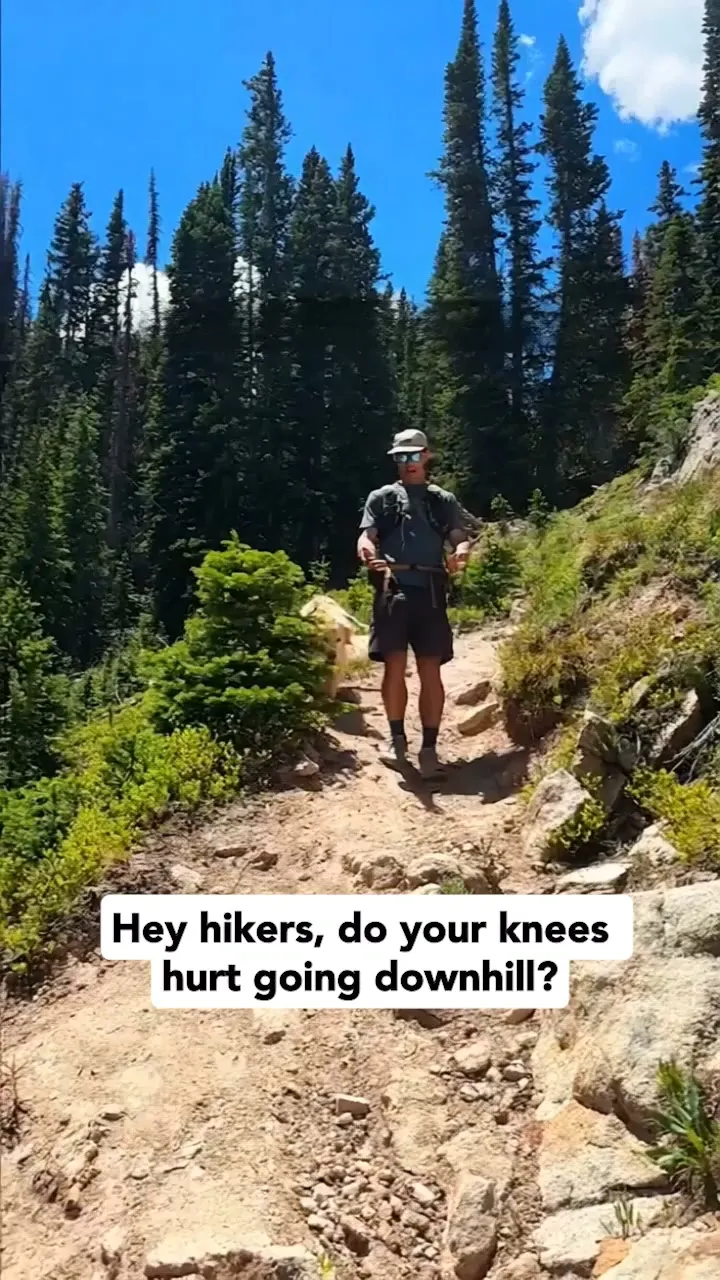
Save Your Knees on Every Descent (60% Off Today)
TenvicGear
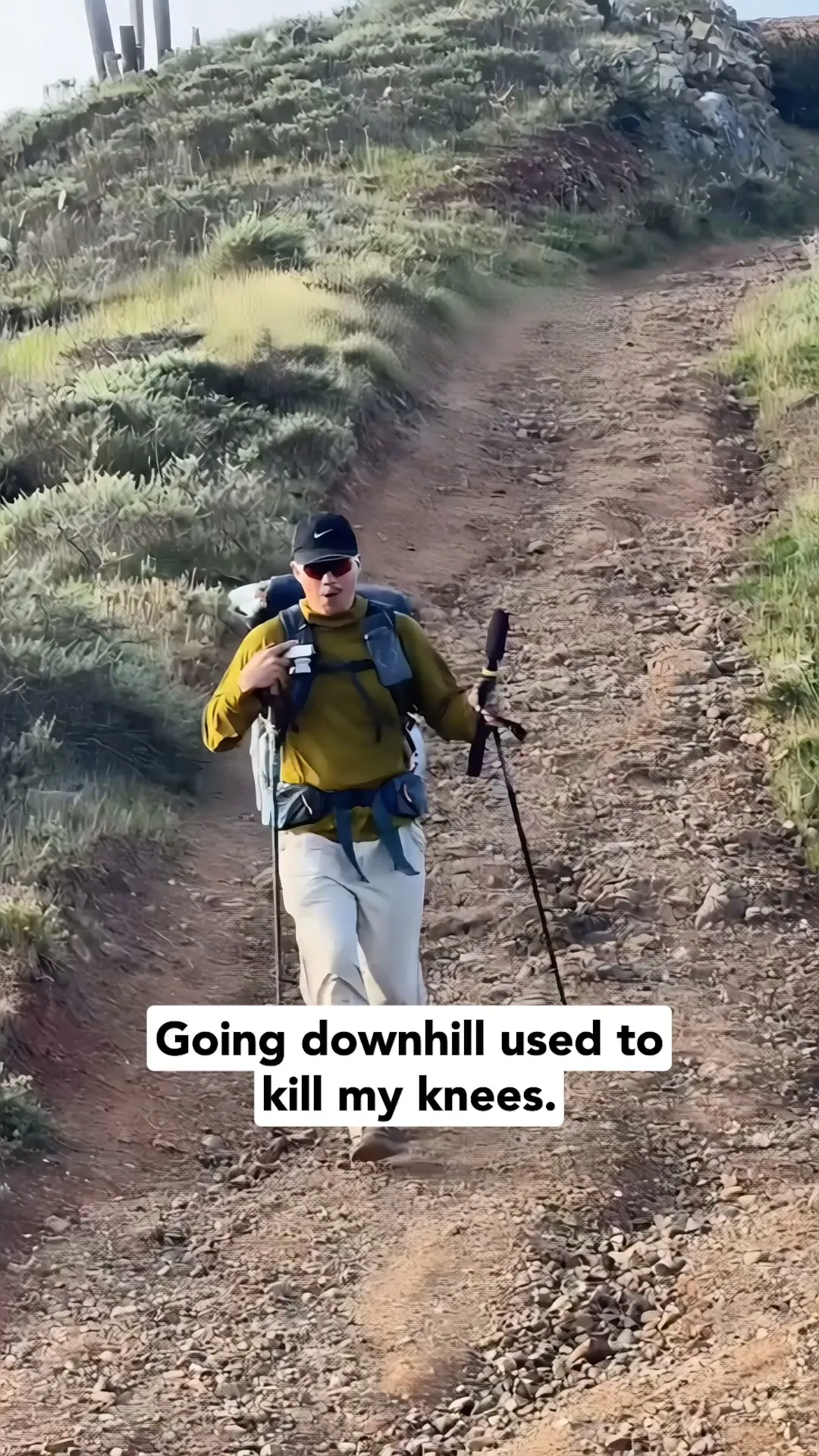
Save Your Knees on Every Descent (60% Off Today)
TenvicGear
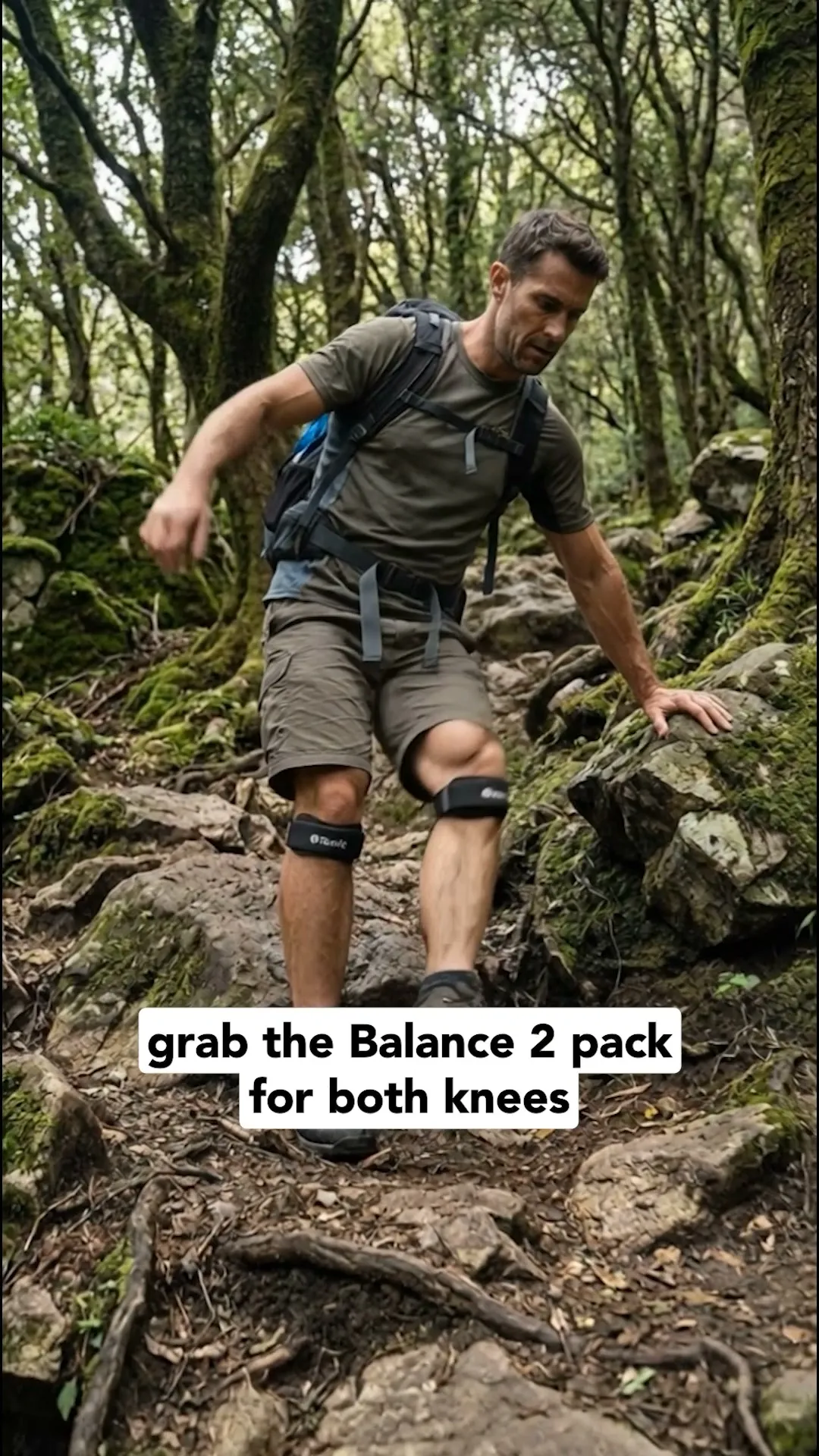
Save Your Knees on Every Descent (60% Off Today)
TenvicGear
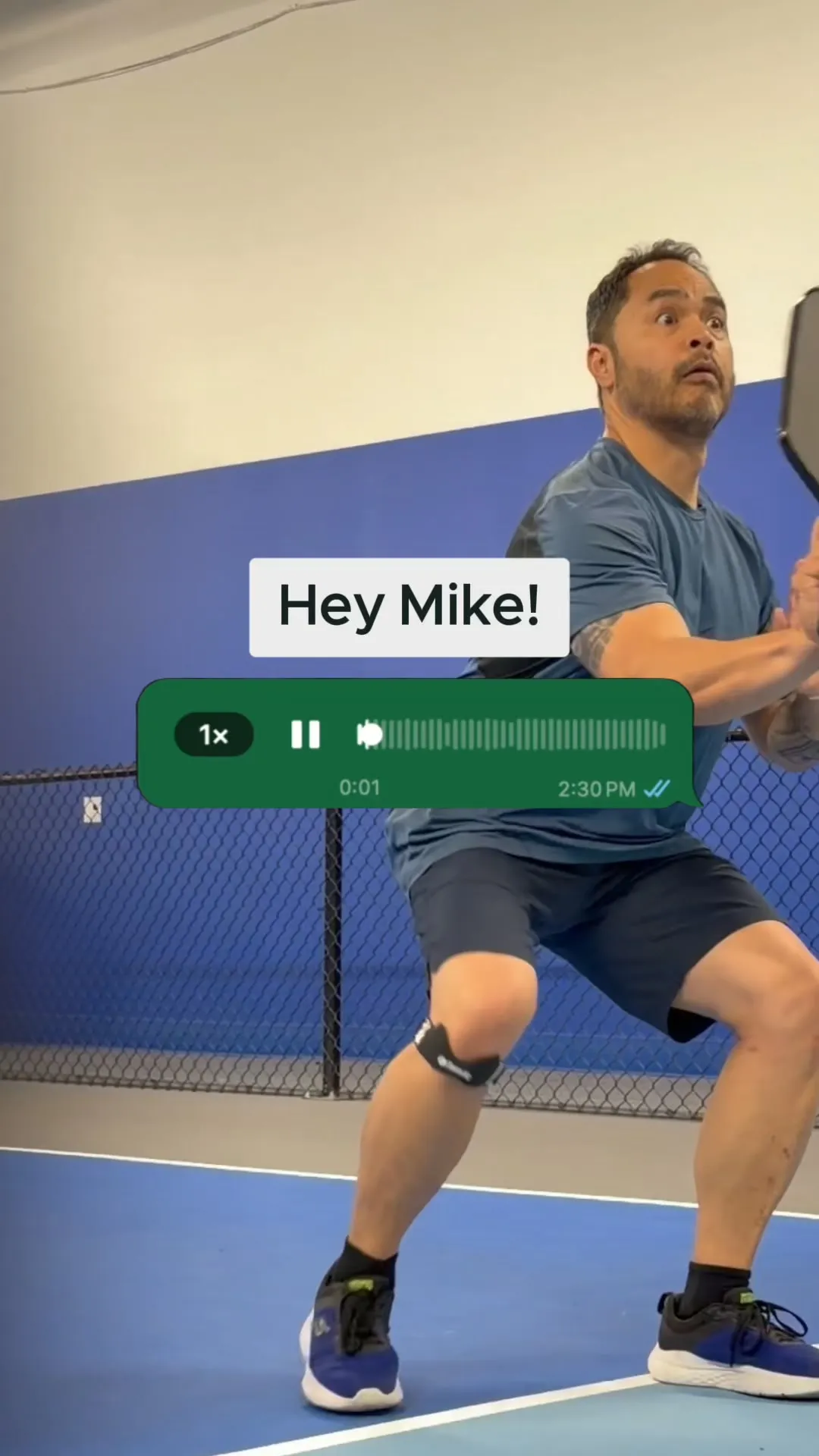
My Friend Was Right About My Knees
TenvicGear
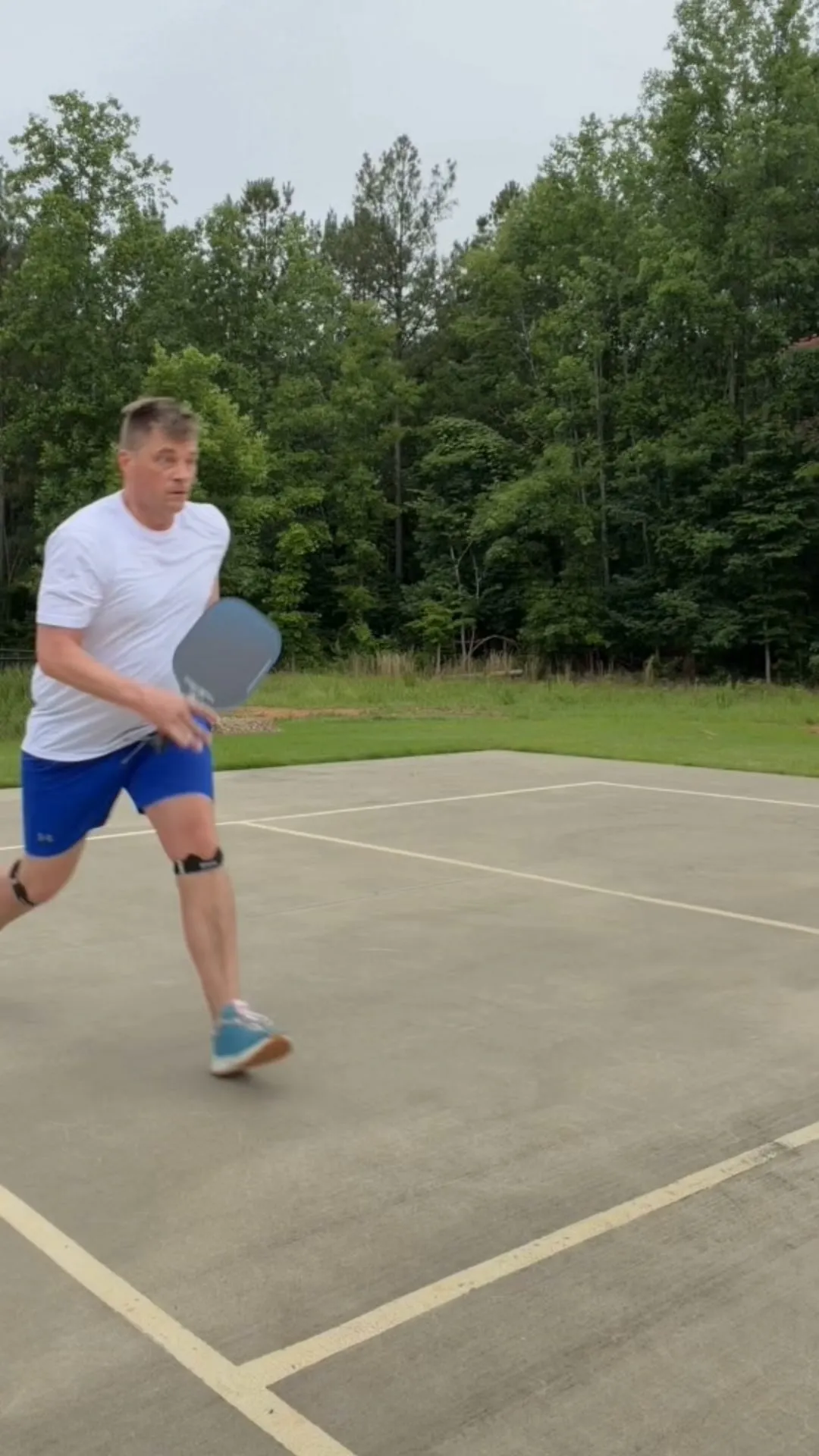
Support Your Knees the Right Way ✔️
TenvicGear
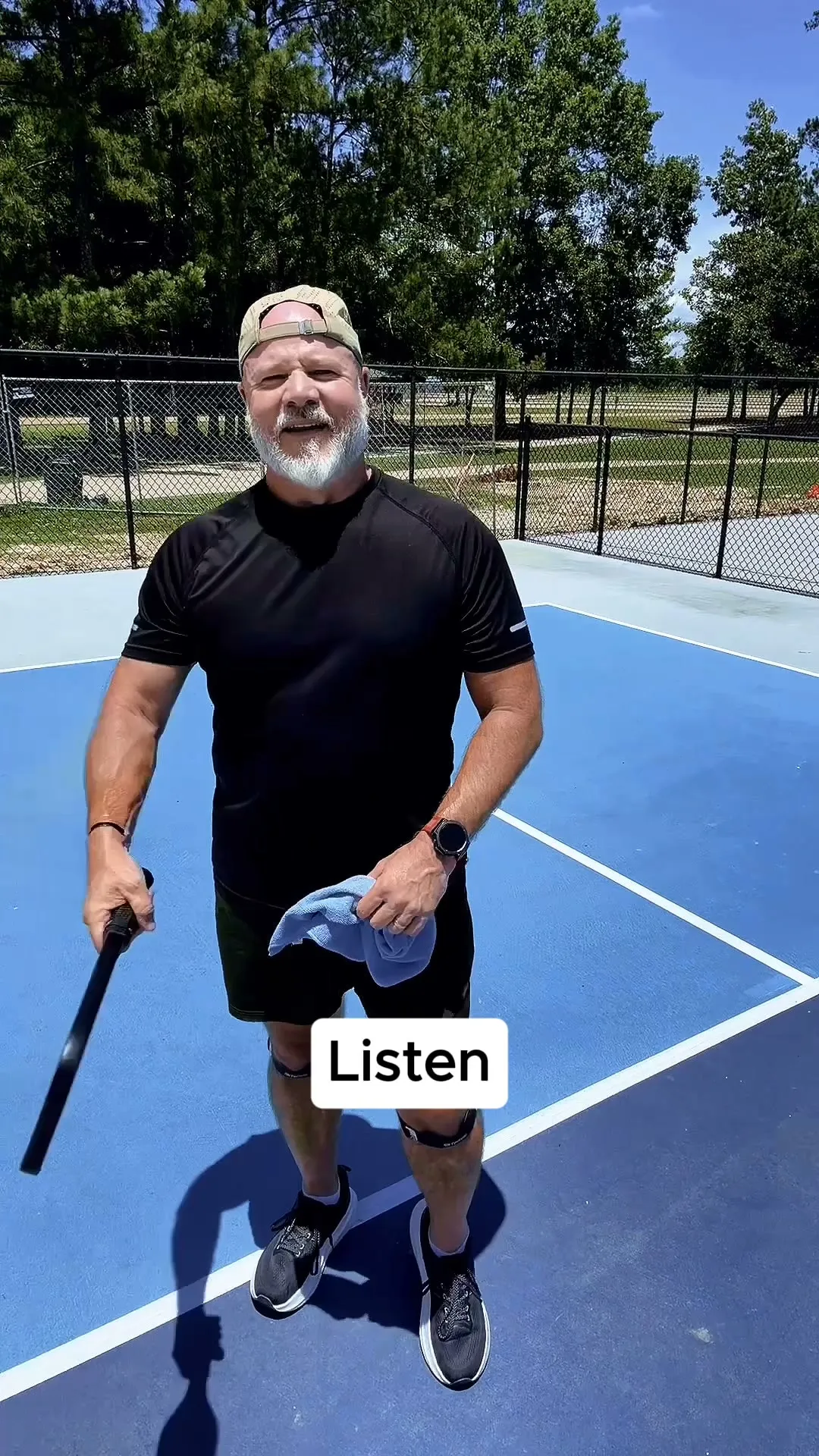
Support Your Knees the Right Way ✔️
TenvicGear
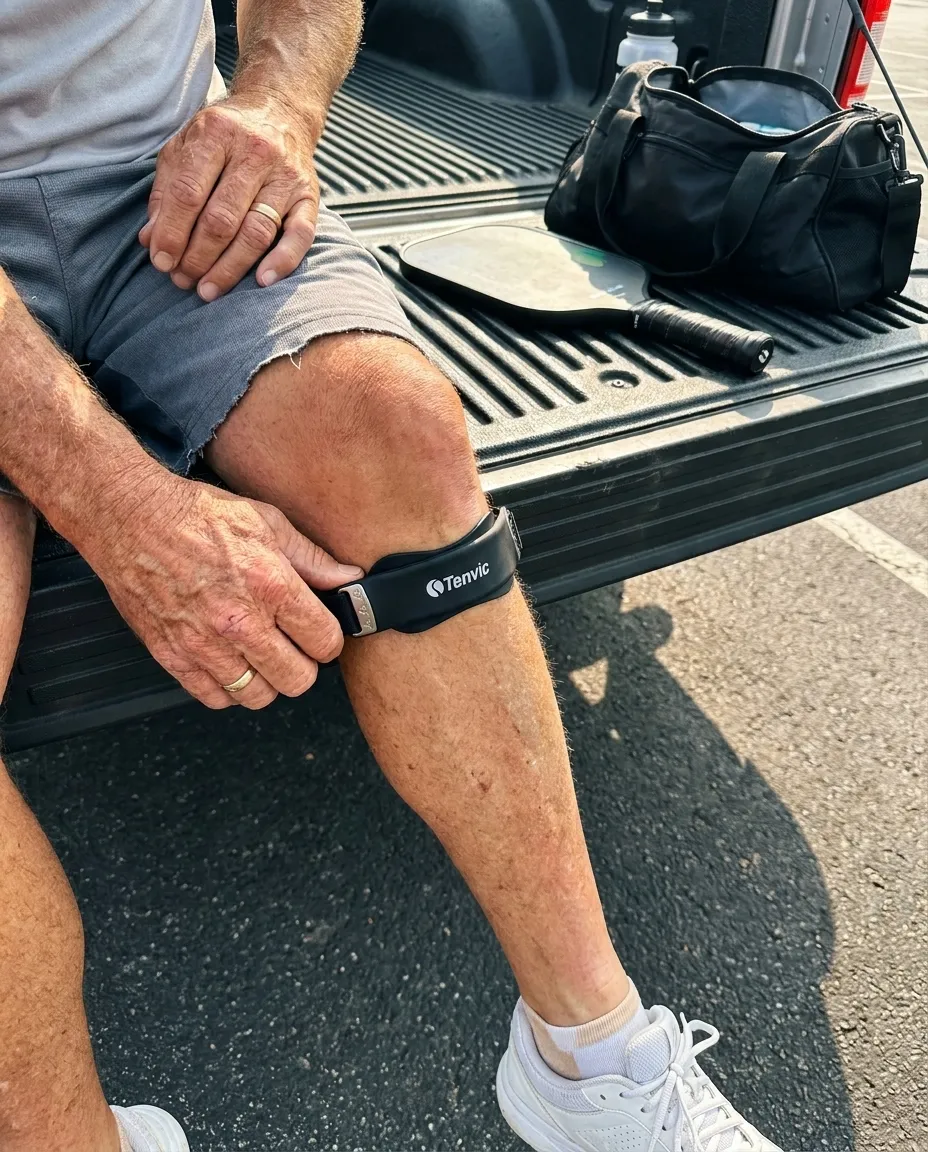
Pickleball is brutal on your knees
TenvicGear
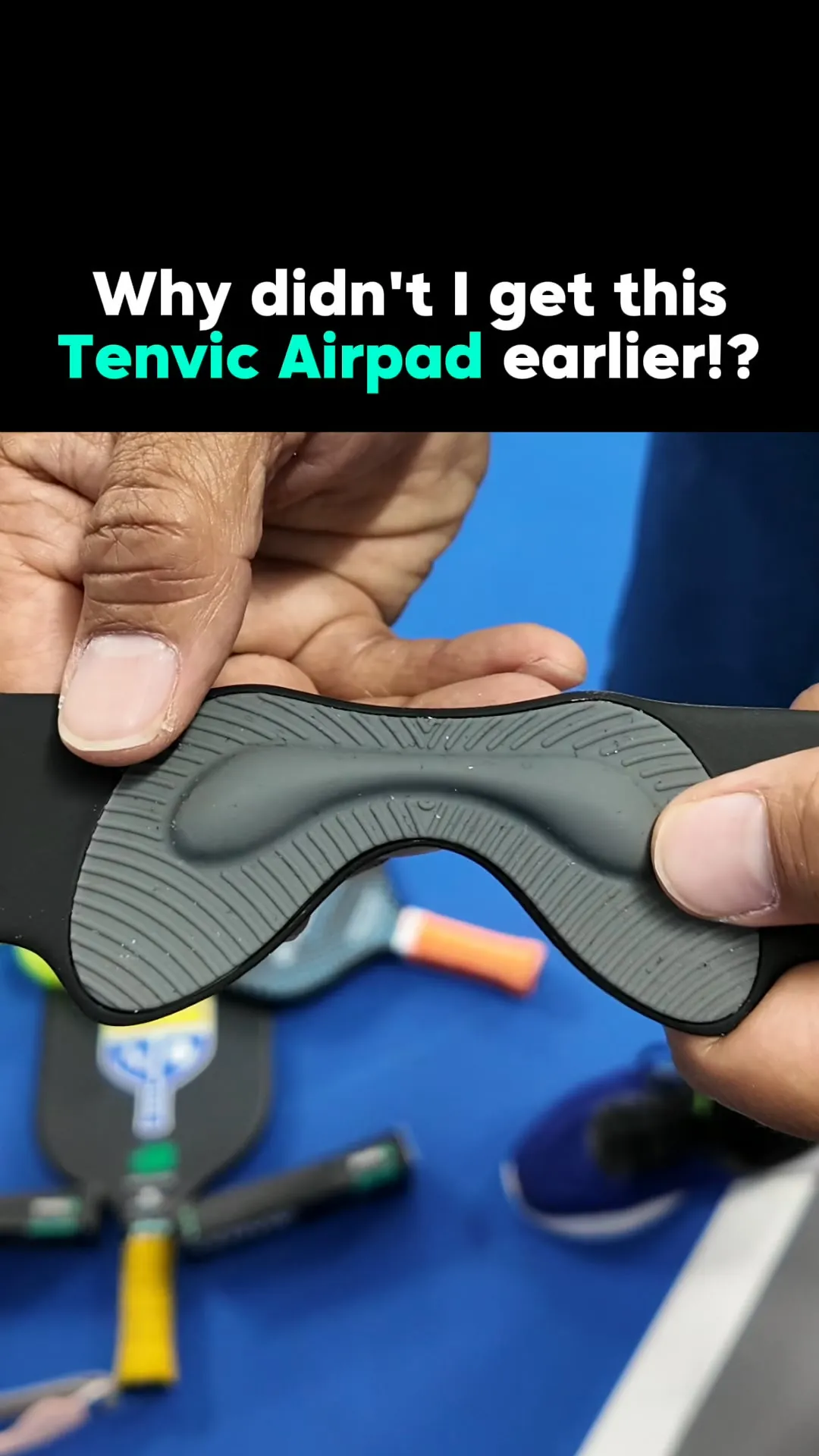
✅ The Pickleball Knee Fix My Trainer Gave Me
TenvicGear
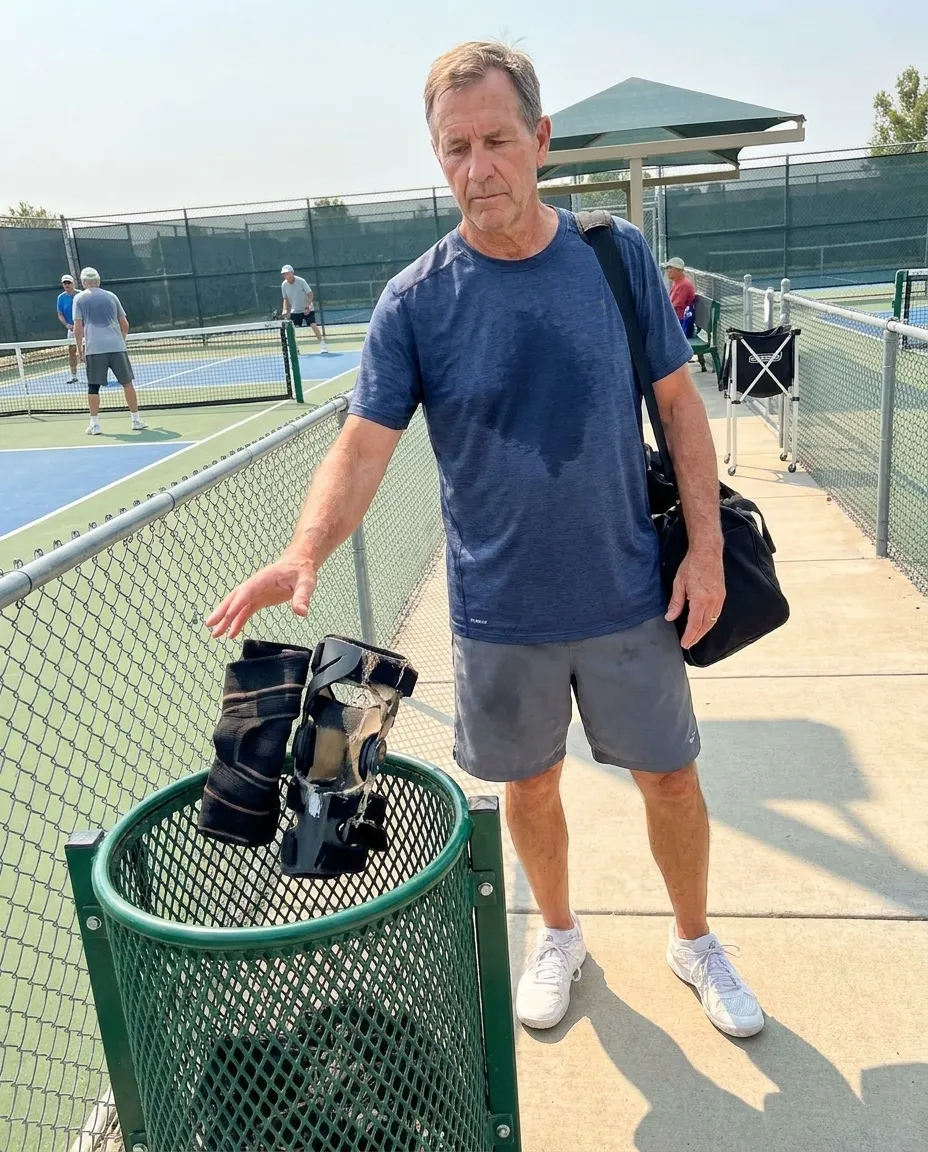
Pickleball is brutal on your knees
TenvicGear
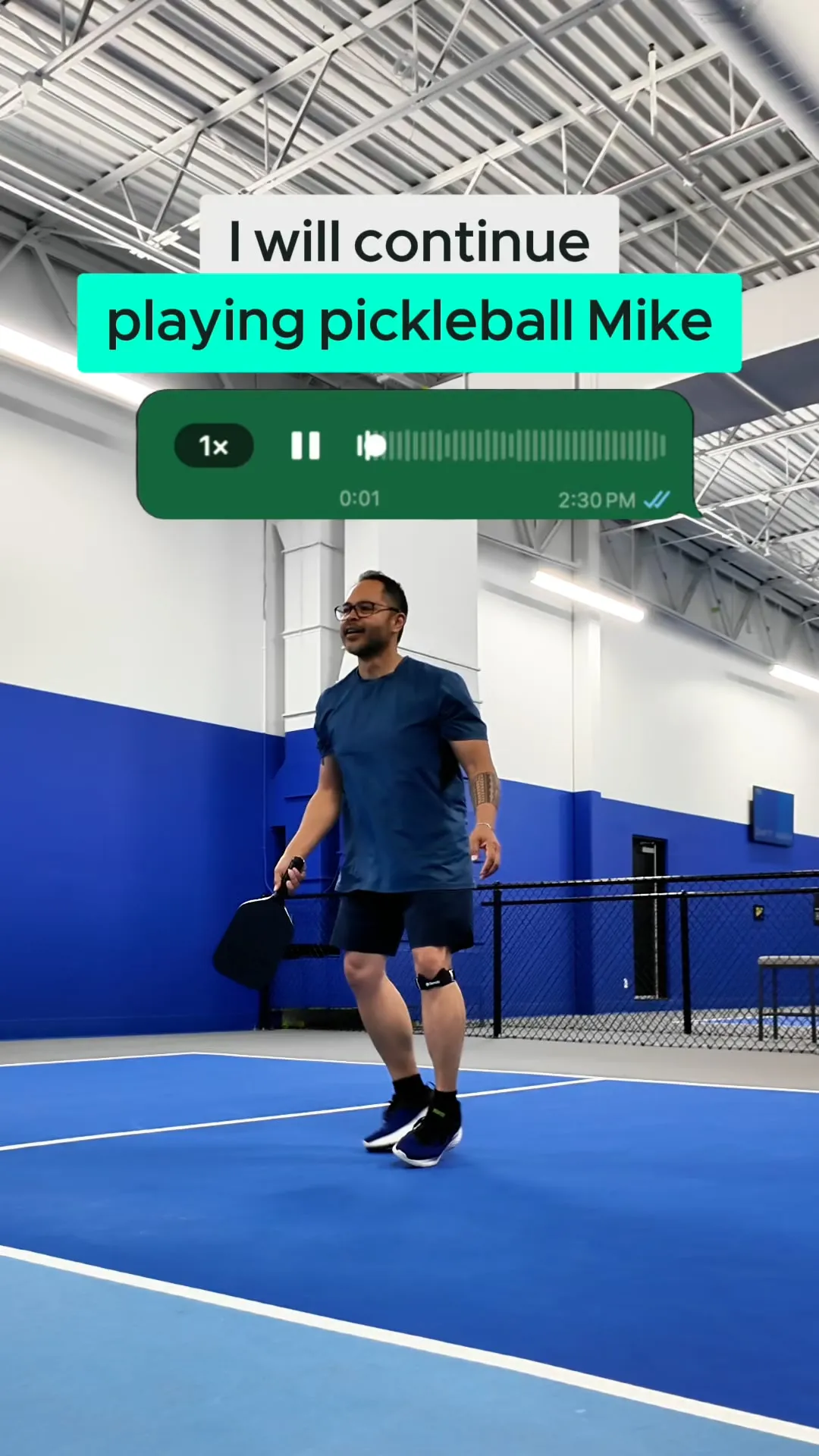
My Friend Was Right About My Knees
TenvicGear
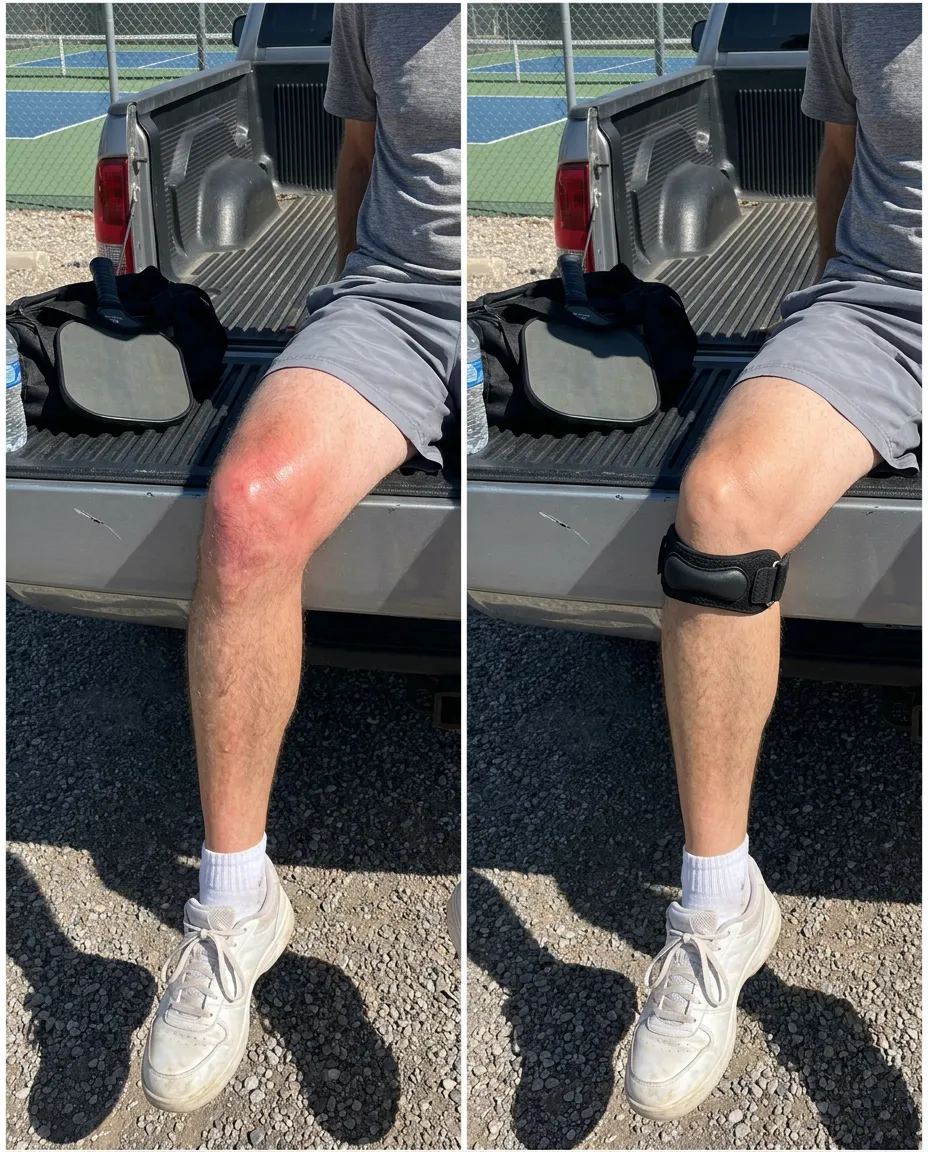
Pickleball is brutal on your knees
TenvicGear
Support Your Knees the Right Way ✔️
TenvicGear

 Add to Chrome