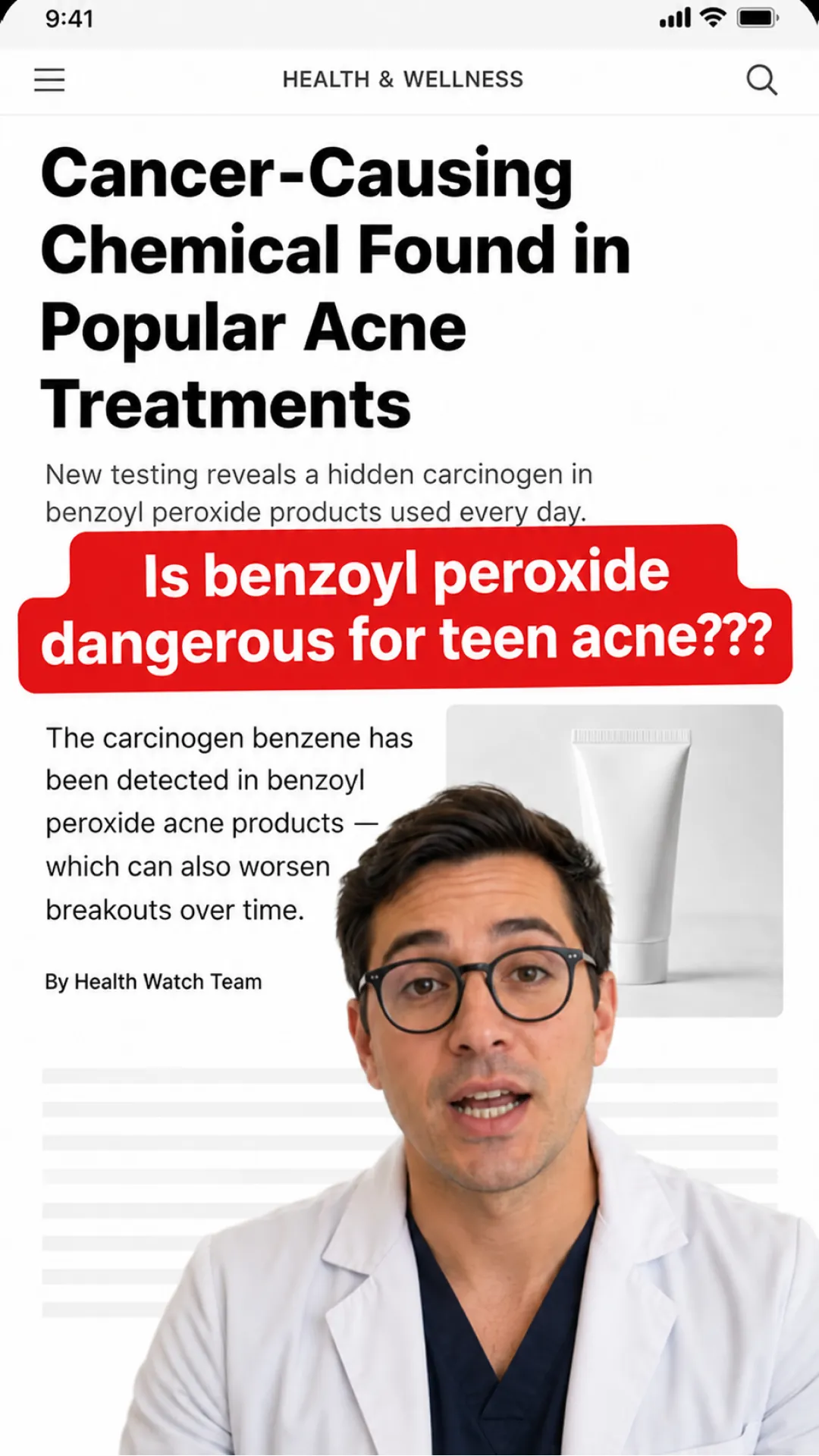
You have to read this if you have acne …
Ad Copy
⚠️ A chemistry professor could have predicted this. Nobody at the FDA did… In March 2024, an independent lab tested benzoyl peroxide-based acne creams from six of America's biggest brands. Every single one contained benzene. A WHO Group 1 carcinogen. Same category as asbestos and tobacco smoke. The finding wasn't a manufacturing accident. It was chemistry. "Benzoyl peroxide is inherently unstable," the Valisure petition explains. "The molecule breaks down into benzene at elevated temperatures, humidity, and over time." Think of it like storing gasoline in a spice rack. Given enough heat, enough time, and any spark, the chemistry does what chemistry does. The specific numbers: Room temperature: some products already exceeded the FDA benzene limit. 40°C (a hot bathroom): benzene levels reached 1,500 ppm. FDA exposure limit: 2 ppm. That's up to 750× the safe threshold, produced by daily bathroom conditions. The chemistry has been known since the 1980s. What changed in 2024 was that an independent lab measured it and told the public. Norse skipped benzoyl peroxide from the beginning. We built acne skincare around cold-pressed Arctic plants. Sea buckthorn. Rosehip. Chamomile. Chemically stable. No decomposition products. Nothing on a Group 1 list. See a formula that doesn't decompose on your shelf → https://norseorganics.co/pages/acne Sources: Valisure LLC. "Citizen Petition on Benzoyl Peroxide Products." Filed with U.S. FDA, March 5, 2024. IARC Monographs Vol. 100F, "Benzene," 2012.
More from Dr. Amy
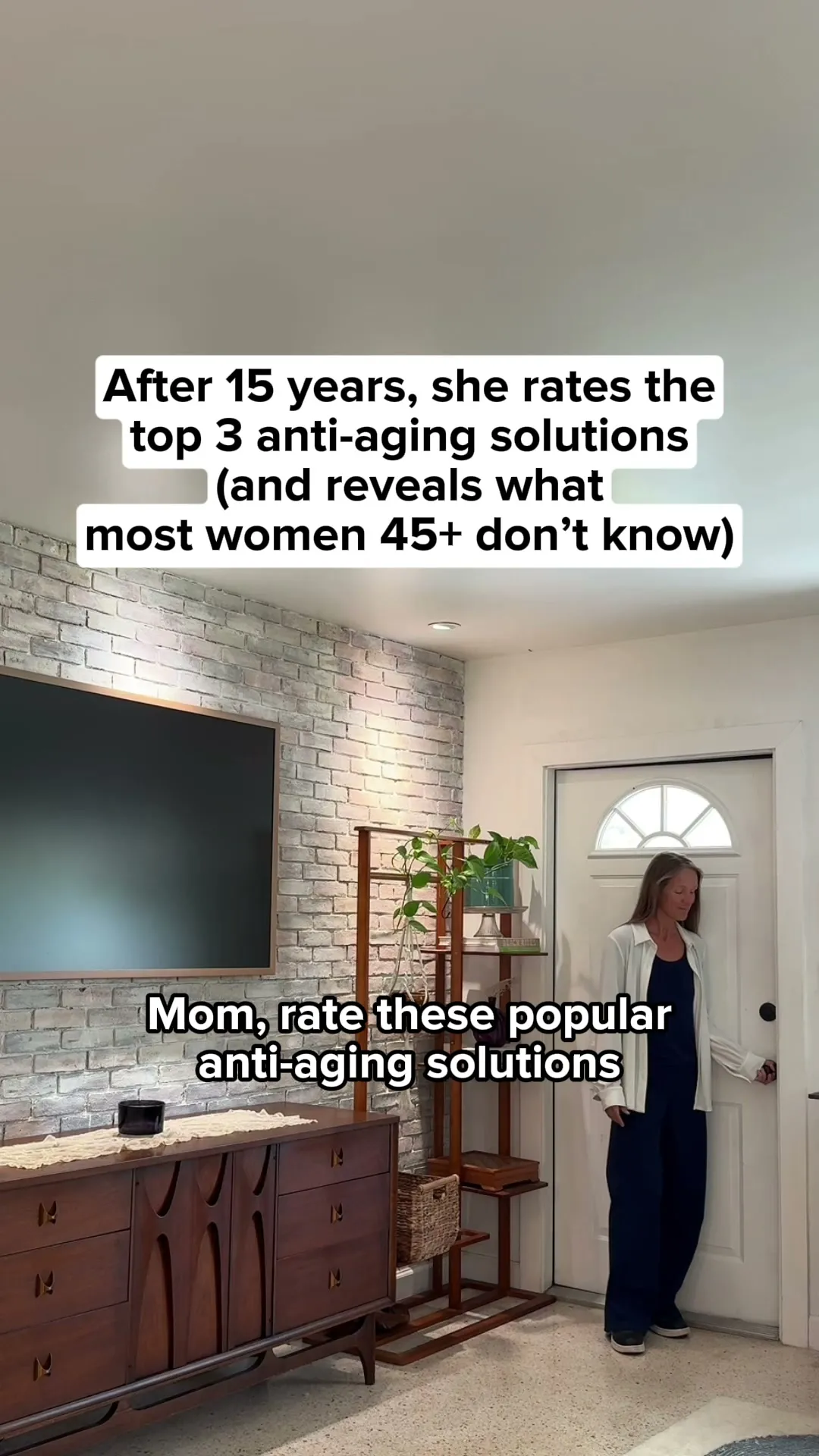
Side effect: Younger skin
Dr. Amy
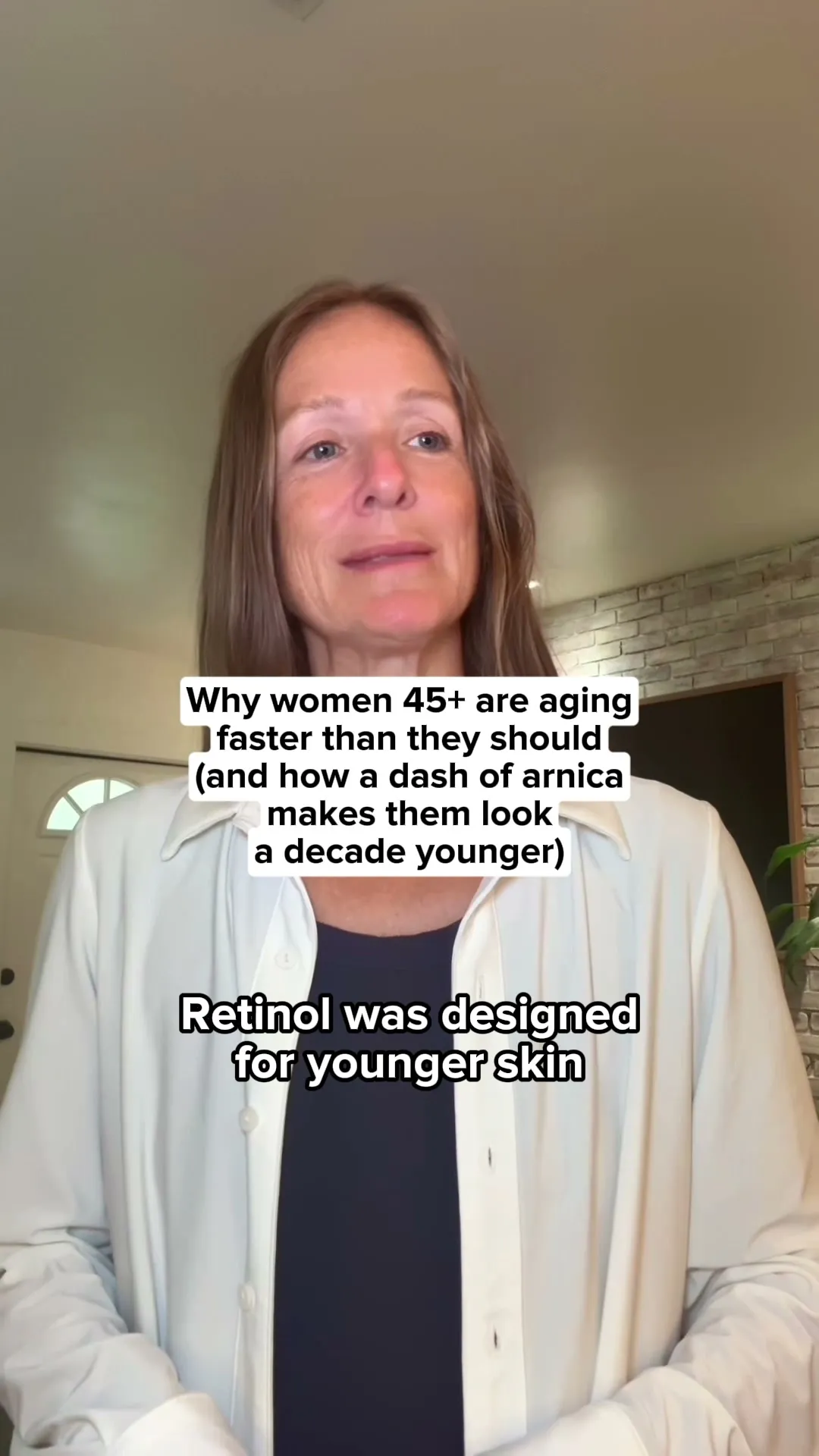
Side effect: Younger skin
Dr. Amy
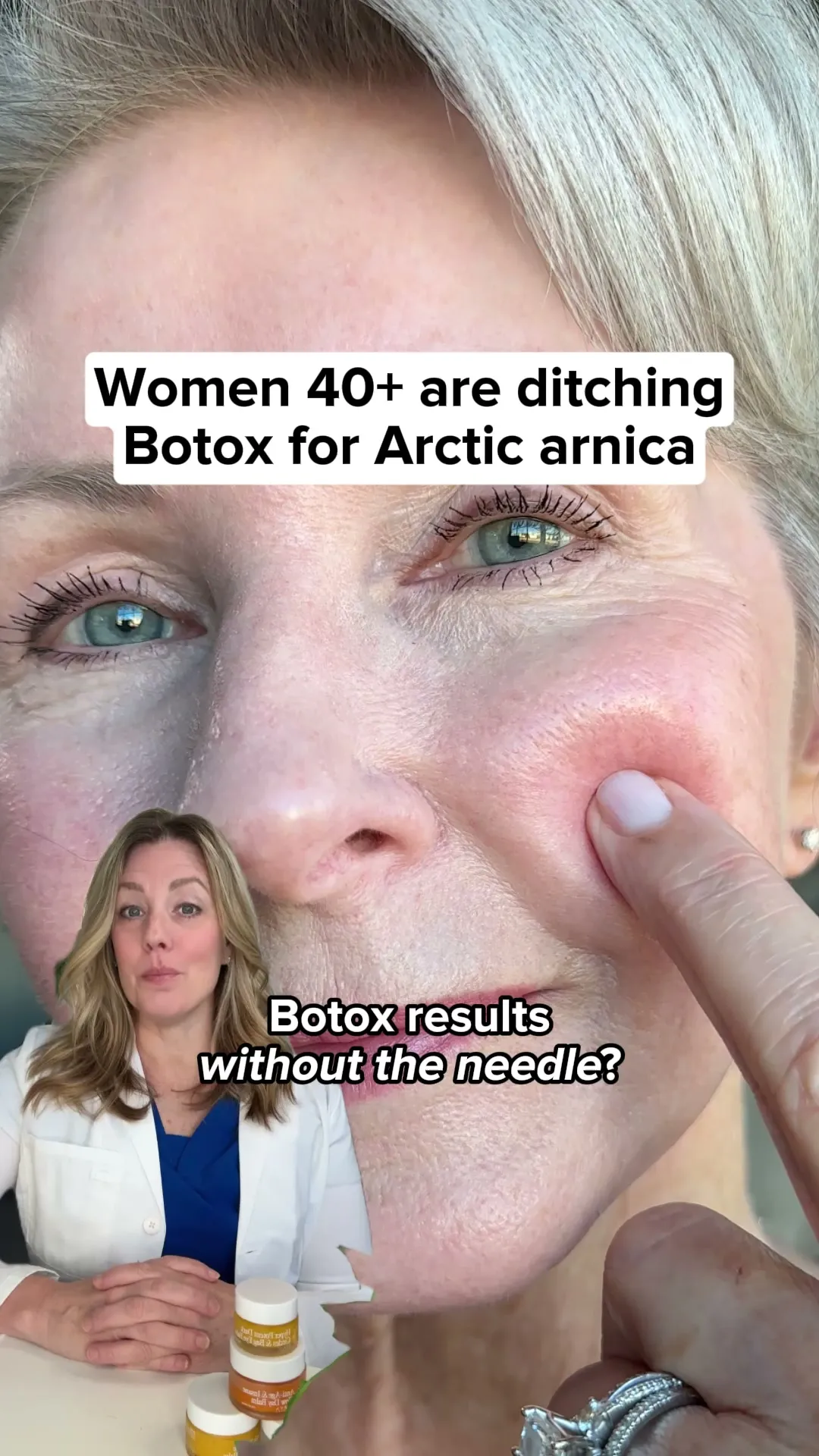
Dermatologists Hide This From You 🤫
Dr. Amy
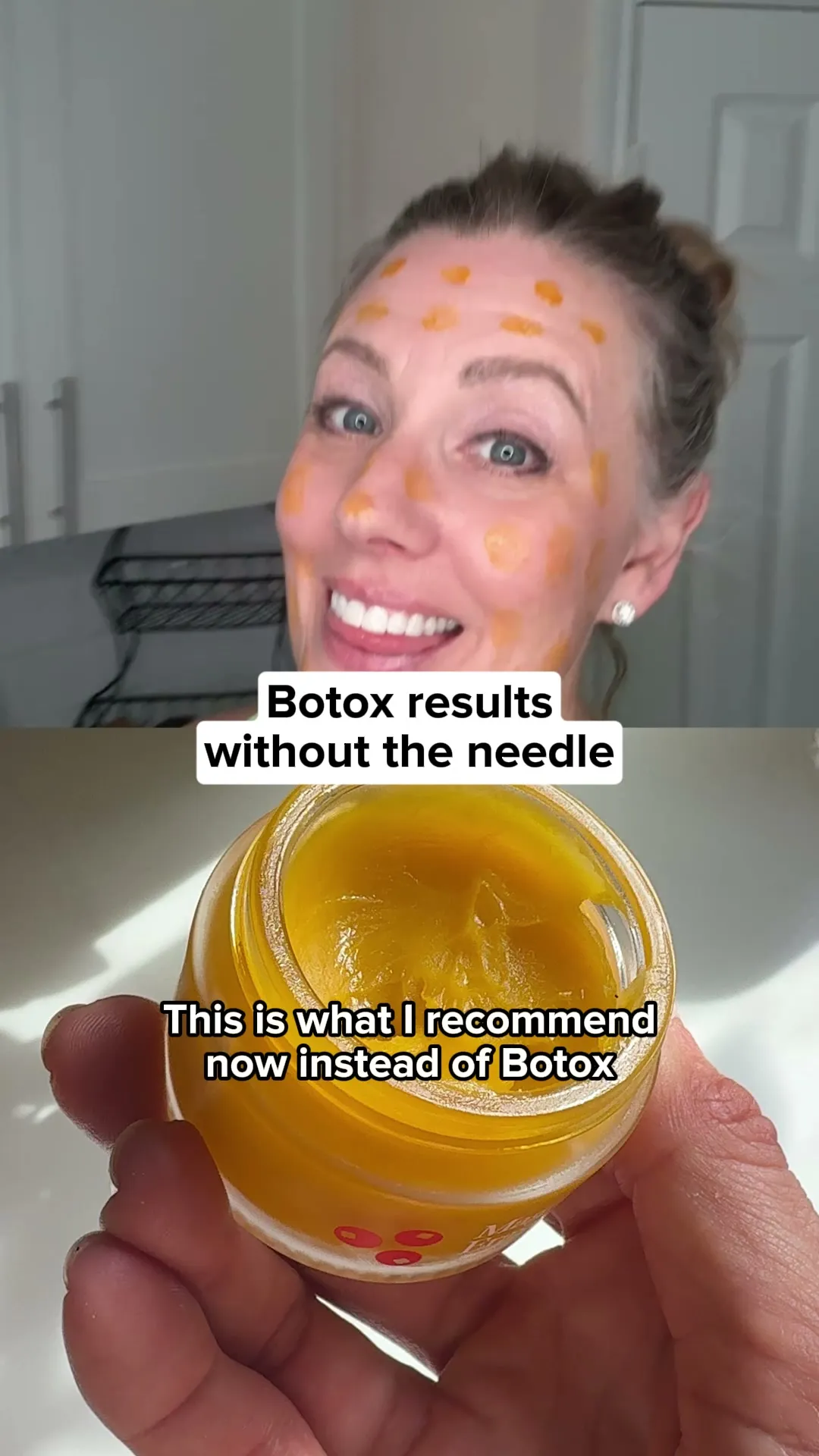
Dermatologists Hide This From You 🤫
Dr. Amy
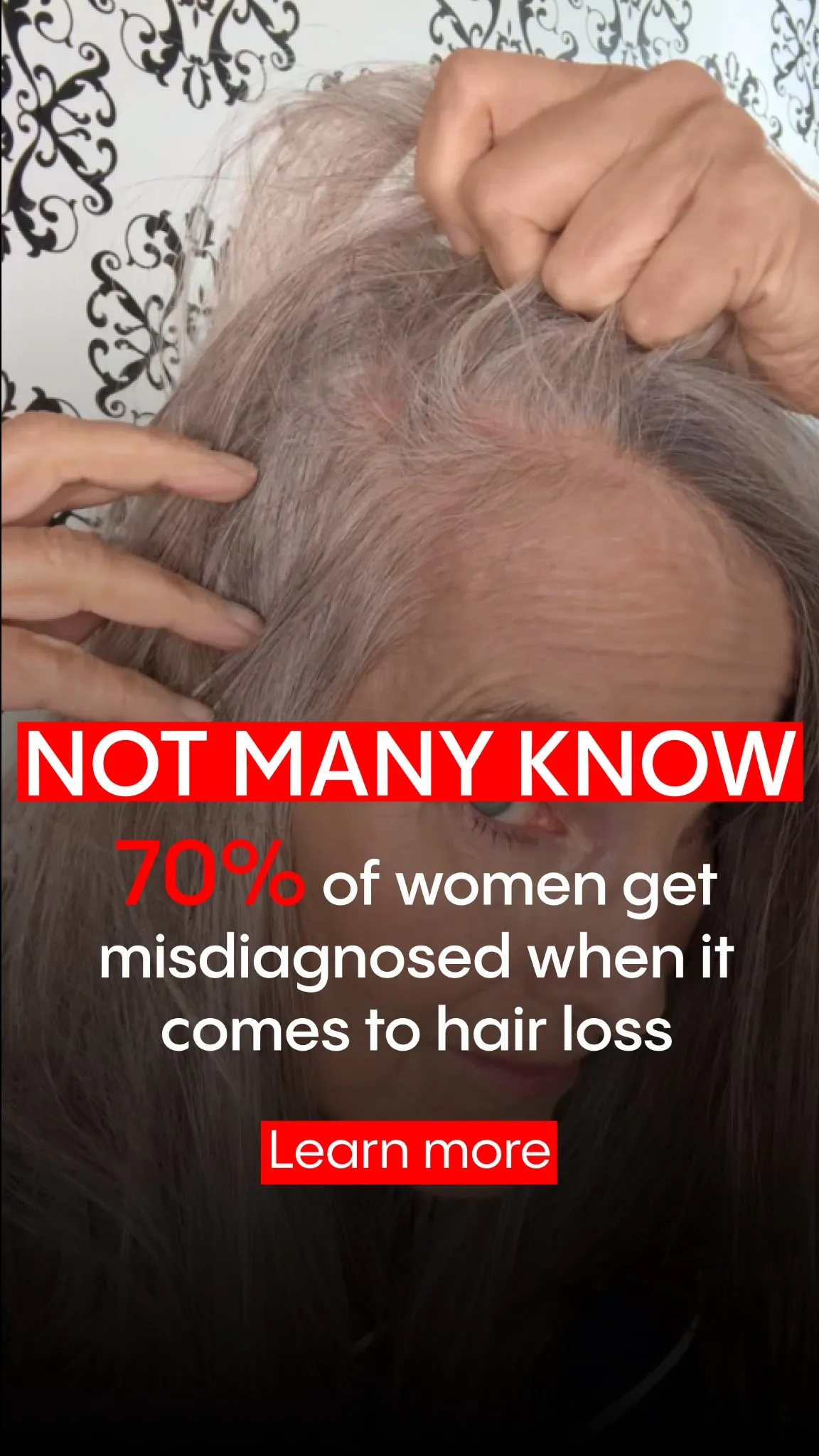
Thinning Hair After 40? The Real Cause Might Surprise You
Dr. Amy
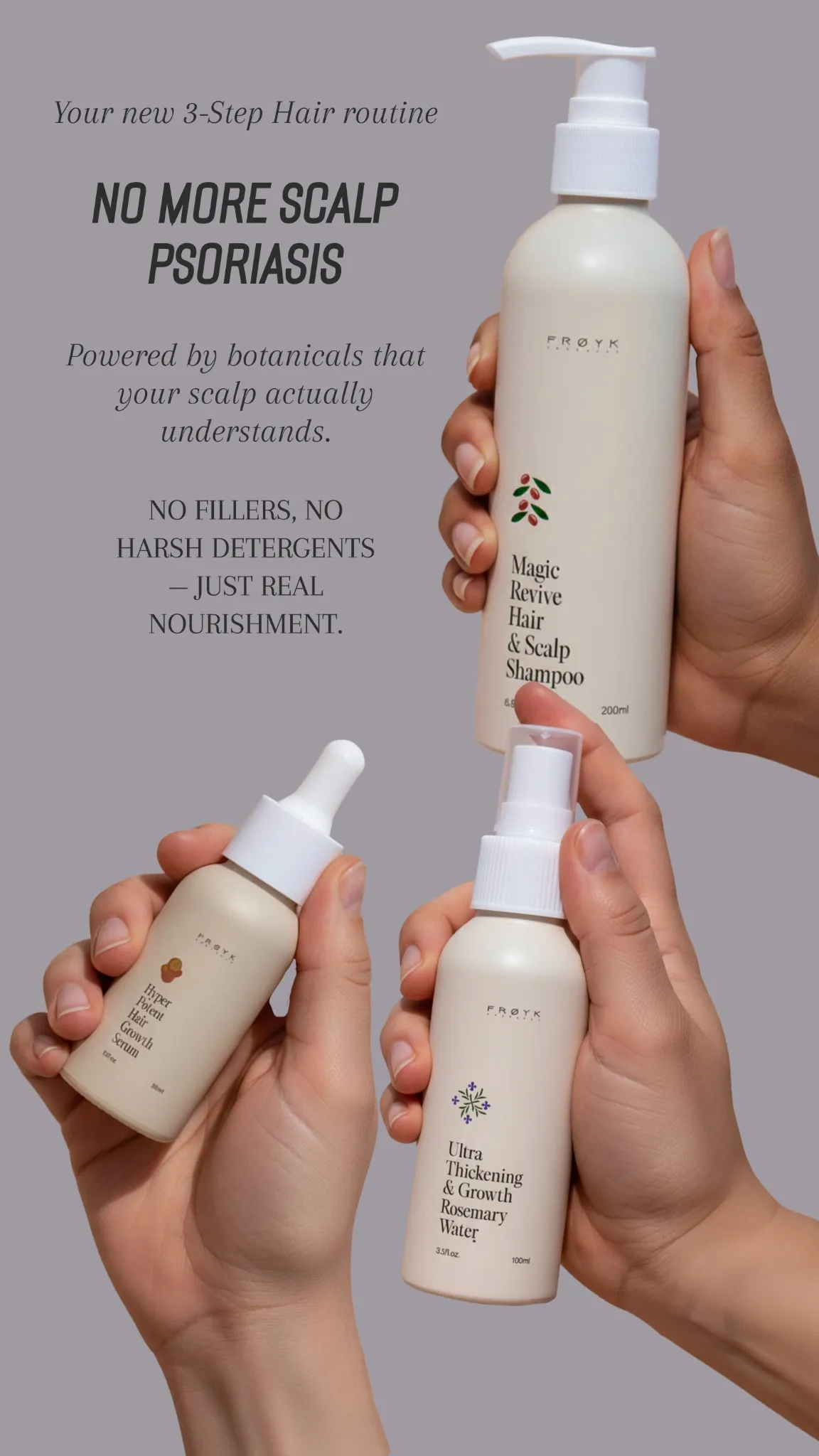
Tired of flare-ups? Frøya calms, naturally.
Dr. Amy
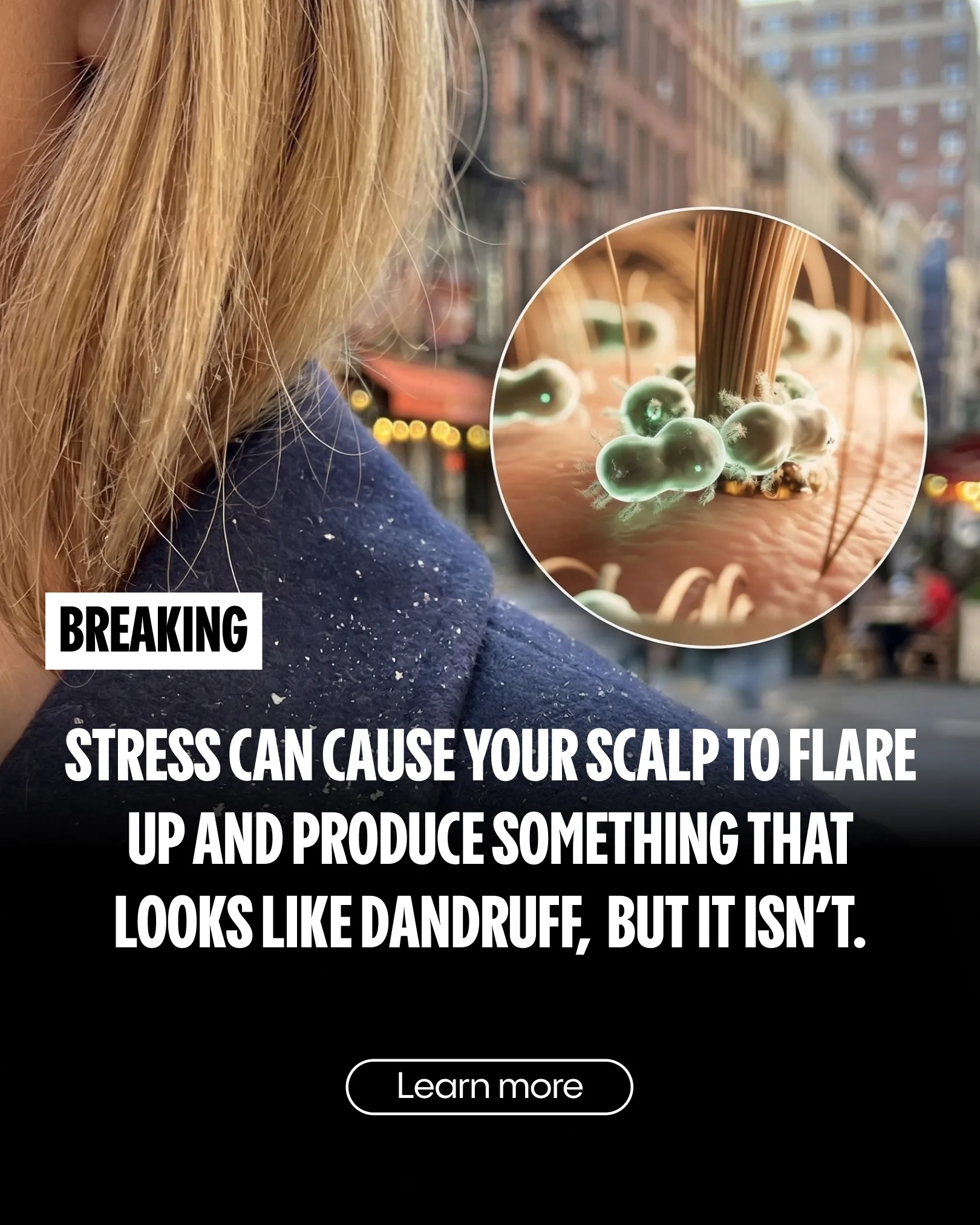
One Thing That Fixed My Stress Dandruff 👉
Dr. Amy
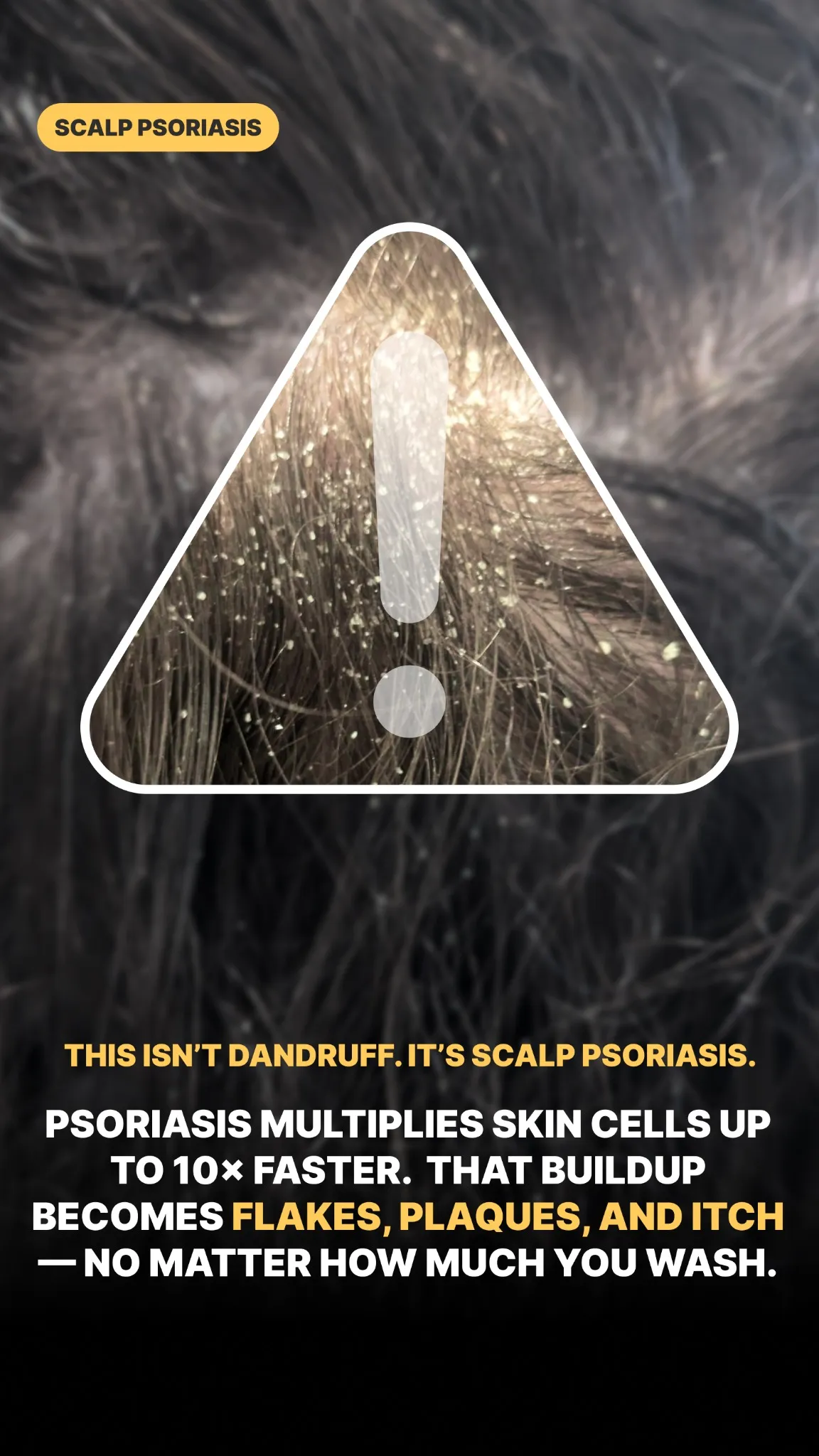
Tired of flare-ups? Frøya calms, naturally.
Dr. Amy
Tired of flare-ups? Frøya calms, naturally.
Dr. Amy
Tired of flare-ups? Frøya calms, naturally.
Dr. Amy
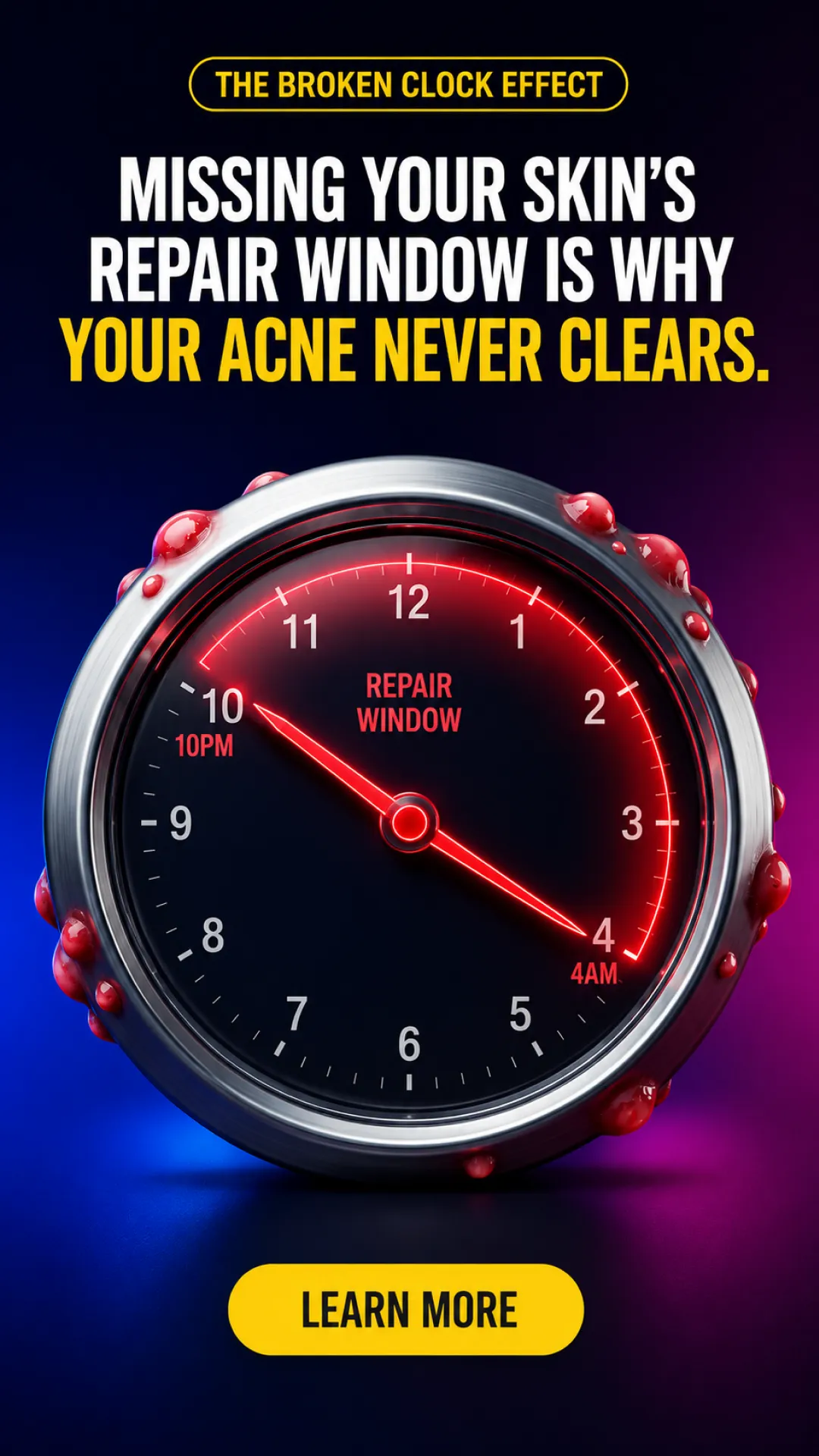
Acne Care That Actually Works🌿
Dr. Amy
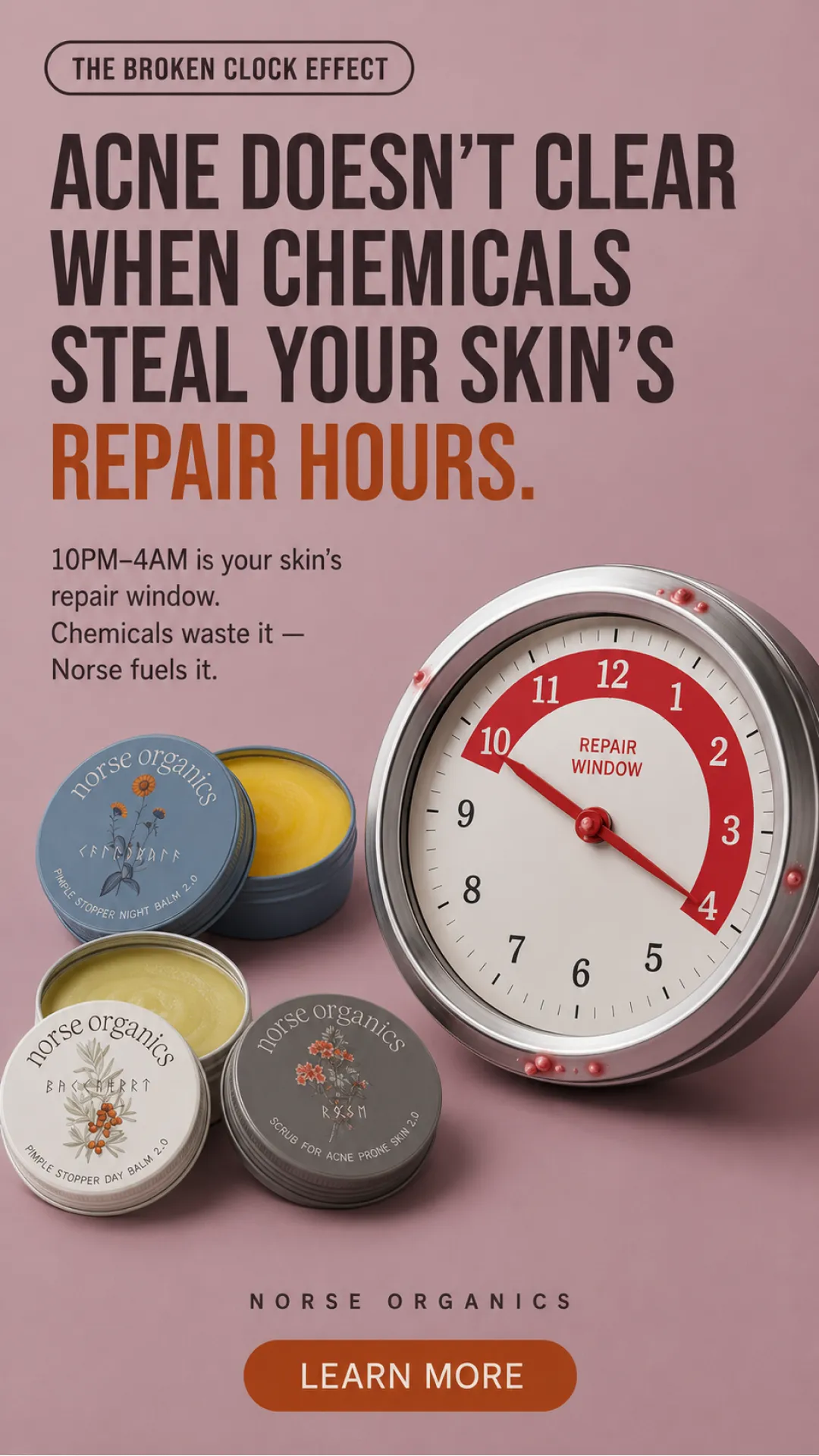
Acne Care That Actually Works🌿
Dr. Amy

 Add to Chrome