My SI Joint Was Never The Problem. Here's What Nobody Checked.
Ad Copy
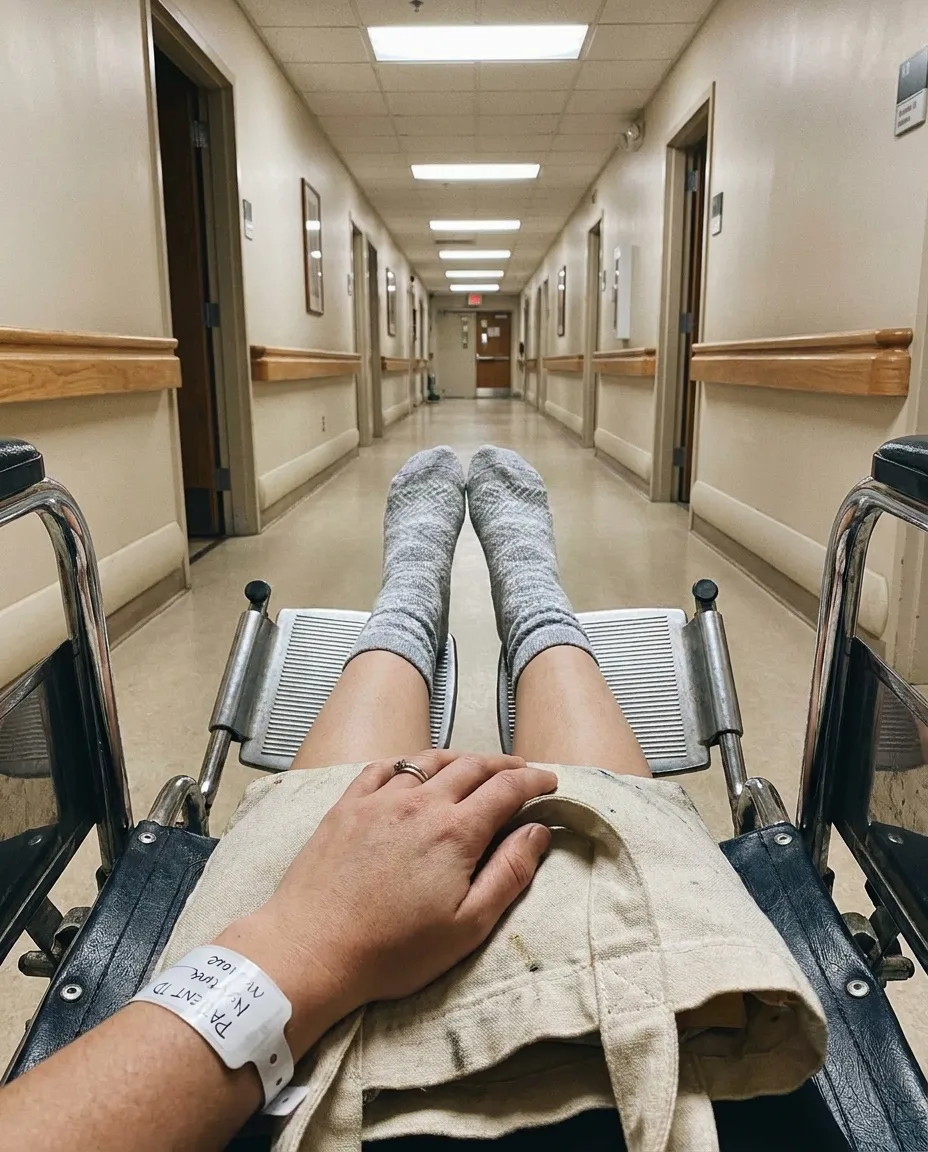
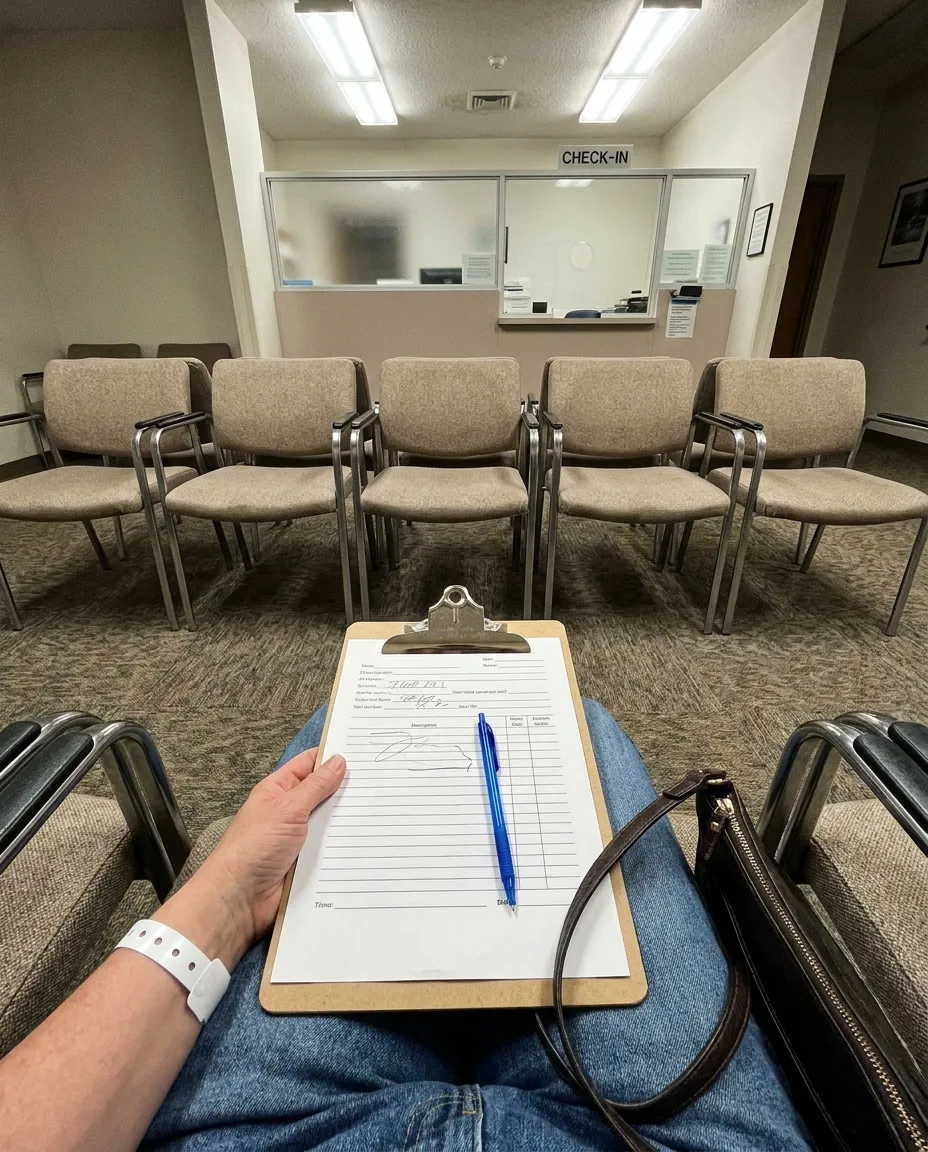
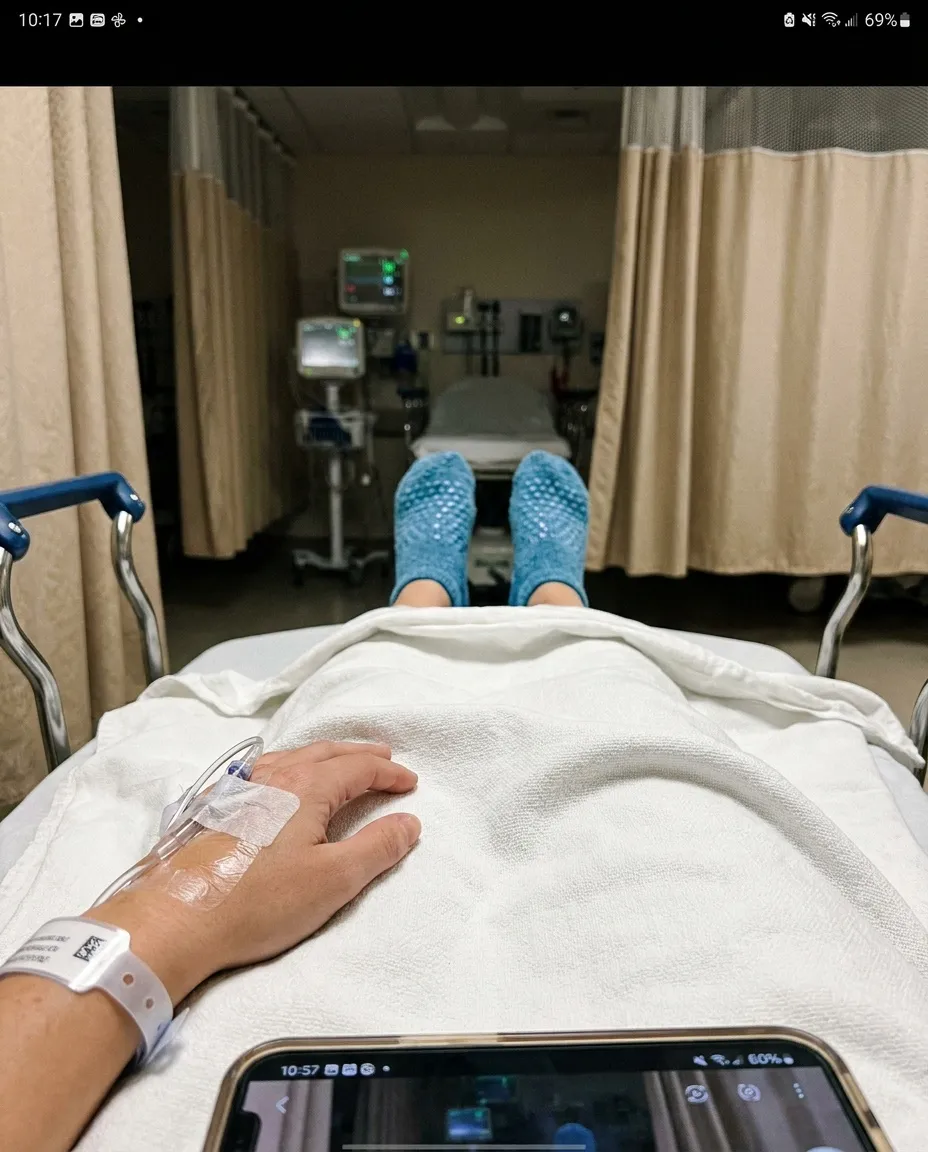
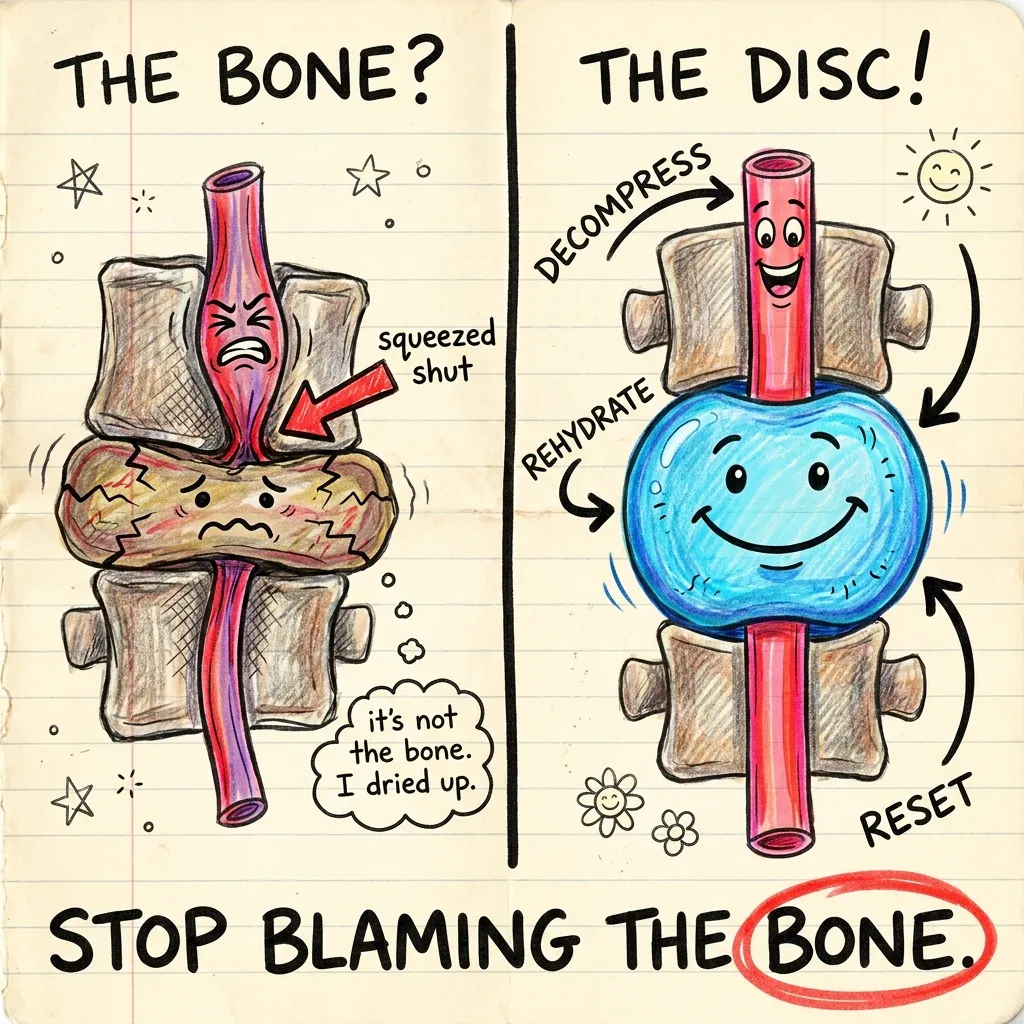
I was diagnosed with sacroiliac joint dysfunction at 53. I'm 58 now. Turns out my SI joint was just the surface. Let me explain. For five years, I "managed" a version of myself I didn't actually recognize. Five years of cortisone shots that bought me a few good weeks and then quit. Five years of an SI belt, wrapped on to help me stand, that just made every chair I sat in worse. Five years of being handed a new stretch and told "this is just wear and tear." I did everything they asked. I gave up sitting through movies. Gave up the garden. Gave up my Saturday hikes. Then I gave up saying yes to almost anything. I tried physical therapy. Then a chiropractor. Then a second chiropractor. I took ibuprofen by the fistful. Then muscle relaxers. Then turmeric, then collagen, then a joint-support blend from a $99-a-month subscription. I tried a TENS unit. Then an inversion table. Then a $300 "ergonomic" chair. Then prolotherapy a doctor swore would "stabilize it for good." It helped a little. For a while. Then it didn't. When the injections stopped working, they sent me down the line. An orthopedist first. Then a physiatrist. Then a pain clinic. Then a surgeon. Three years. MRIs, X-rays, one waiting room after another. They looked at my scan and called it a disc bulge. Normal for my age. Then piriformis. Then hip bursitis. Then "mechanical low back pain." Four specialists. Four different answers. Not one of them agreed with the last. "Your imaging looks about how I'd expect at your age," the surgeon said. "This is just wear and tear. We manage it until it's bad enough to fuse." He handed me a printout of stretches and told me to come back in 6 months. I felt like I was losing my mind. The scans were "fine." The doctors weren't worried. But every single day, I didn't recognize the woman getting out of that bed. By the time my alarm went off, the day was already a negotiation. I set it 45 minutes early. Not to get up. To lie there and let the joint wake up before I dared move it. Move too fast, and I'd pay for it until noon. By mid-morning I was already rationing. How far to the next chair. How long I could stand at the counter. Which way to twist to get out of the car. By afternoon, if I'd sat too long, the deep ache would spread from my buttock into my hip and down my leg, and the rest of the day was gone. And then the nights. At 3am I'd roll onto the wrong side and a hot ache would light up the base of my spine, and that was it. Wide awake. Every night. The same spot. The same 3am. And the math never stopped. If I sat through a whole dinner, I'd pay for it at 3am. If I drove more than thirty minutes, I wouldn't make it up the stairs that night. If I pushed through one good day, the next two were gone before they started. My husband slept straight through. I watched him breathing beside me. Same breath. Same spot. Every single night. I resented him for it. Then felt awful about that. Then moved to the guest room so I wouldn't wake him when I finally cried. I stopped saying yes to anything. My grandson's Little League games. A coffee with my best friend. Dinner at my sister's. I made it to the third inning of one game before I had to leave. My grandson watched me walk to the car. I know what he thought. He was wrong. I have never wanted to stay anywhere more. I stopped cooking real dinners, because thirty minutes at the counter wasn't worth three days flat. We eat a lot of rotisserie chicken now. That is not who I am. I looked completely fine on the outside. Inside I was doing frantic math, all day, every day. And every doctor just nodded. "That's your age. Weight makes it worse. Have you tried losing a few pounds? Have you tried more physical therapy?" I said I'd tried the physical therapy. It made it worse. I tried a new mattress. A heated seat cushion. A foam roller, kinesiology tape, a $300 zero-gravity recliner, and a set of morning stretches that took longer than my old workouts. Nothing held. I started to believe this was just my life now. That I'd spend my sixties the way I was spending my fifties. Watching everyone else live while I calculated my way through the day. Then my neighbor said something no doctor ever had. She'd spent thirty years as a physical therapist, most of it with spine and pelvis patients, before she retired. We were talking over the fence one evening, and I was telling her I'd stopped saying yes to anything with a chair in it, because I always knew what it would cost me. She asked me one quiet question. "In all those years, all those doctors, did anyone ever actually look at your discs?" The MRI showed a little wear, I said. Nothing they were worried about. She shook her head slowly. "They're all treating the joint. But your SI joint is one of the strongest joints in your body. It doesn't just crumble on its own." "Something has to be beating on it, for years, to do that. And that something is almost always sitting one inch above it." "Above it?" "Picture the discs in your spine like cushions full of fluid. When they're healthy, they soak up every step you take before the force ever reaches your pelvis. Your SI joint never even feels it." "But after 40, those discs dry out. They go flat. And a flat disc can't absorb anything." "So now every step, every time you stand, every pothole you hit in the car, it all drives straight down your spine and jackhammers into your SI joint. A joint that was never built to take that pounding." "That's what inflames it. That's what wears it down." "And that," she said, "is exactly why your injections kept failing. You were numbing the joint that was getting hit. Nobody ever touched the thing that was hitting it." I couldn't speak. "Your SI joint was never the problem," she said. "It's the victim." It landed like a key turning in a lock. The cortisone never held, because a needle can't put the cushion back into a flat disc. The PT never lasted, because no stretch re-inflates a dehydrated disc. The belt never worked, because strapping the pelvis doesn't stop the hammer coming down on it. Every single thing I'd tried was aimed at the joint. Not one had been aimed at the discs doing the damage. I went home and couldn't stop thinking about it. I searched "dehydrated discs SI joint pain" and fell into a hole I wasn't ready for. Turns out this isn't fringe. Back in 1987, Swedish researchers found that 91% of patients with spinal degeneration and SI joint pain had significant disc dehydration. 91%. The discs were the common thread the entire time. Everything she'd said over that fence checked out. I texted her the next morning. "Okay. Say you're right. What do I actually do about it?" She called me on her lunch break. "You take the pressure off those discs and let them draw their fluid back in, so they can go back to cushioning your steps." "Three things have to happen at once. You decompress the spine to open up space. You add heat to pull blood and nutrients back into the discs. And you release the muscles that have been locking everything down for years." "Do only one, and you're wasting your time." "There's a device that does all three at home. You lie on it for fifteen minutes." "We started using it at the clinic for exactly these patients. The SI joint people whose injections had stopped working. The ones being handed to surgeons. I watched women who'd hurt for a decade get their lives back." "One thing. Don't buy a cheap one off Amazon. Most of them are a heat pad with a motor and no real traction. The one we used is the SmoothSpine Triple Fusion. It actually decompresses. It's the only one I've seen do the job." After five years of needles and belts and specialists, it sounded almost insultingly simple. But I was six weeks from letting a man drill screws into my pelvis. 90-day money-back guarantee. I decided the screws could wait 90 days. I started that same week. Night 1, I didn't notice much. Night 2, I rolled onto the bad side at 3am, braced for the ache, and it was quieter. Not gone. Quieter. I fell back asleep before I could even be surprised. Day 4, I stood up out of a chair and was halfway across the room before I realized I hadn't braced on the armrests. By the end of week 2, I sat through an entire family dinner and never once did the math on the chair. I sat in the car afterward and cried. Then came week three. I rolled over at 3am and waited for it. The hot ache at the base of my spine that had met me every night for five years. It wasn't there. It just... wasn't there. For the first time in five years, I sat through my grandson's whole game. Every inning. For the first time in five years, I stood at the stove and cooked a Sunday dinner and never sat down once. For the first time in five years, I got out of a low chair without planning it first. For the first time in five years, my husband looked at me across the kitchen and said, "you seem like you again." I still have an SI joint that took years of abuse. I always will. But I didn't have the problem they kept treating. I had five years of collapsed, dried-out discs jackhammering my pelvis with every step I took, while one specialist after another put needles into the joint that was only ever the victim. And not one person in a white coat ever thought to look one inch higher. My spine is still 58. I still sit more than I should. But every day now, for fifteen minutes, I take the pressure off and let those discs drink their fluid back in. The jackhammer stops. The joint finally gets to heal. If you've been told your pain is "just lower back pain," or "just wear and tear," or "just your age." If you've tried the injections and the belt and the PT and the stretches, and nothing has held. If your scans keep coming back "fine," but you still can't roll over at night without waking in a burning ache. If you've started choosing chairs by how fast you can get out of them. If a surgeon has started using the word "fusion." I'm not saying your story is mine. But I spent five years blaming my SI joint for something it wasn't doing, while the real culprit sat one inch above it, doing fresh damage with every step I took. SmoothSpine is a small company. They make the Triple Fusion in small batches, it sells out, and restocks take months. There's a sale on right now. I checked this morning and ordered a second one for the guest room, because I honestly panicked when I saw it was still in stock. 90-day money-back guarantee. Three full months. If nothing changes, you send it back and you're out nothing. But if by week two you stand out of a chair and forget to brace? If a month from now you sit through the whole game? If you wake up one ordinary morning and realize you forgot you even have an SI joint? You'll wish you'd found this five years ago. I know I do. https://try.smoothspine.com/tfsm-coc-adv2 Stop letting them treat the joint that was only ever the victim.
More from Loretta Collins

6 Weeks From a Wheelchair. Last Sunday I Walked Up the Aisle.
Loretta Collins
My SI Joint Was Never The Problem. Here's What Nobody Checked.
Loretta Collins

• Result (Opener B) — 6 Weeks From a Wheelchair. Last Sunday I Walked Up the Aisle.
Loretta Collins

• Result (Opener B) — 6 Weeks From a Wheelchair. Last Sunday I Walked Up the Aisle.
Loretta Collins

I Leaned on the Cart for a Year. Here's What Nobody Told Me.
Loretta Collins
My SI Joint Was Never The Problem. Here's What Nobody Checked.
Loretta Collins

I Leaned on the Cart for a Year. Here's What Nobody Told Me.
Loretta Collins
I Leaned on the Cart for a Year. Here's What Nobody Told Me.
Loretta Collins
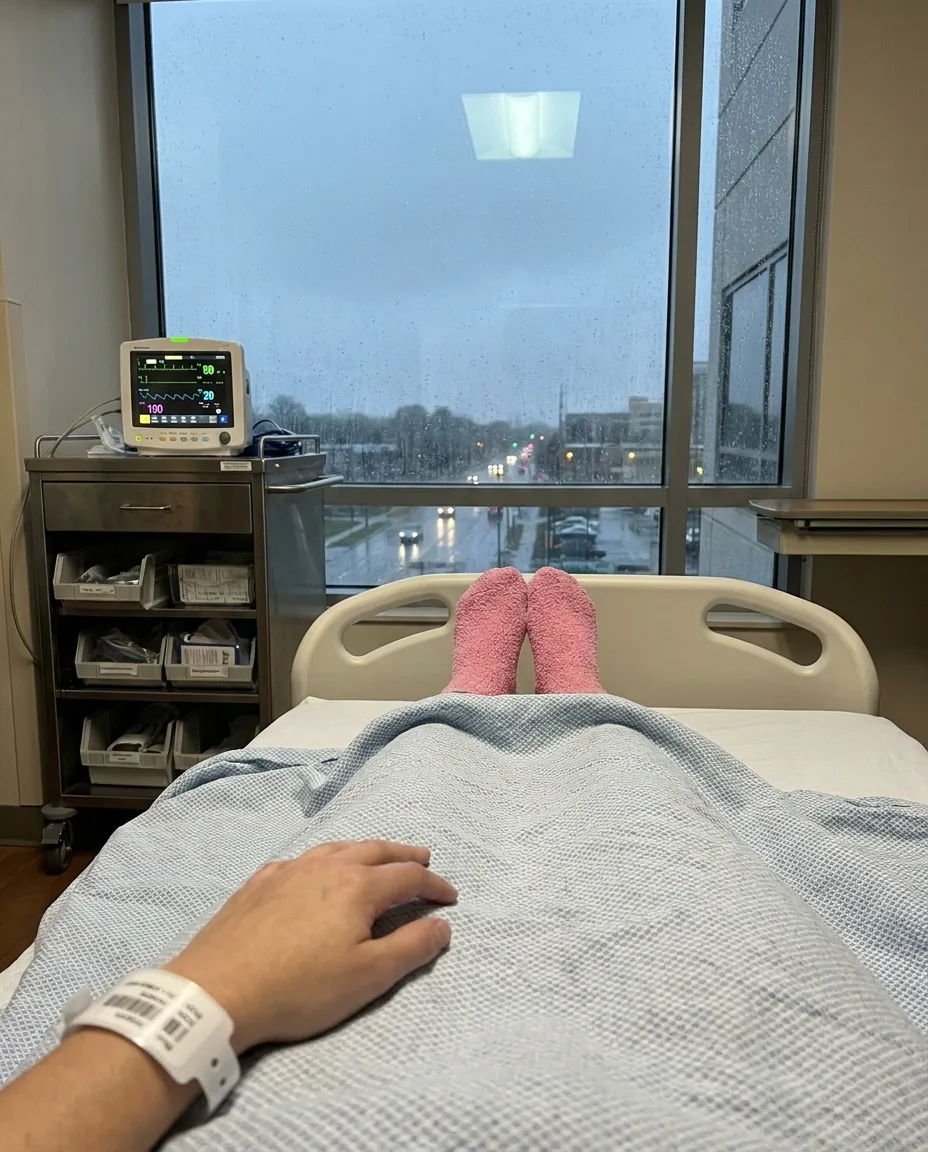
My SI Joint Was Never The Problem. Here's What Nobody Checked.
Loretta Collins

• Result (Opener B) — 6 Weeks From a Wheelchair. Last Sunday I Walked Up the Aisle.
Loretta Collins
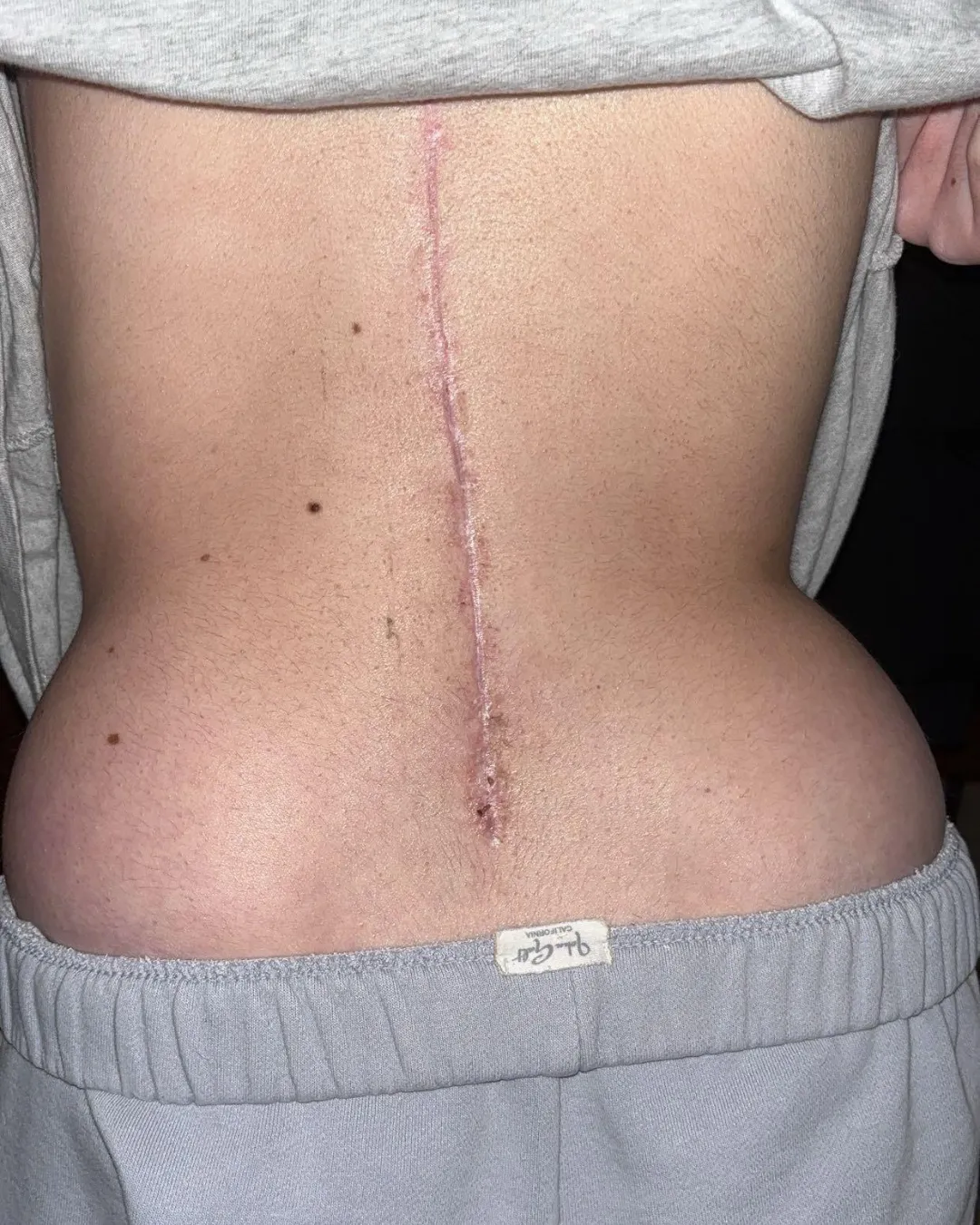
3 Ways To Get Back Pain Relief
Loretta Collins

3 Ways To Get Back Pain Relief
Loretta Collins

 Add to Chrome