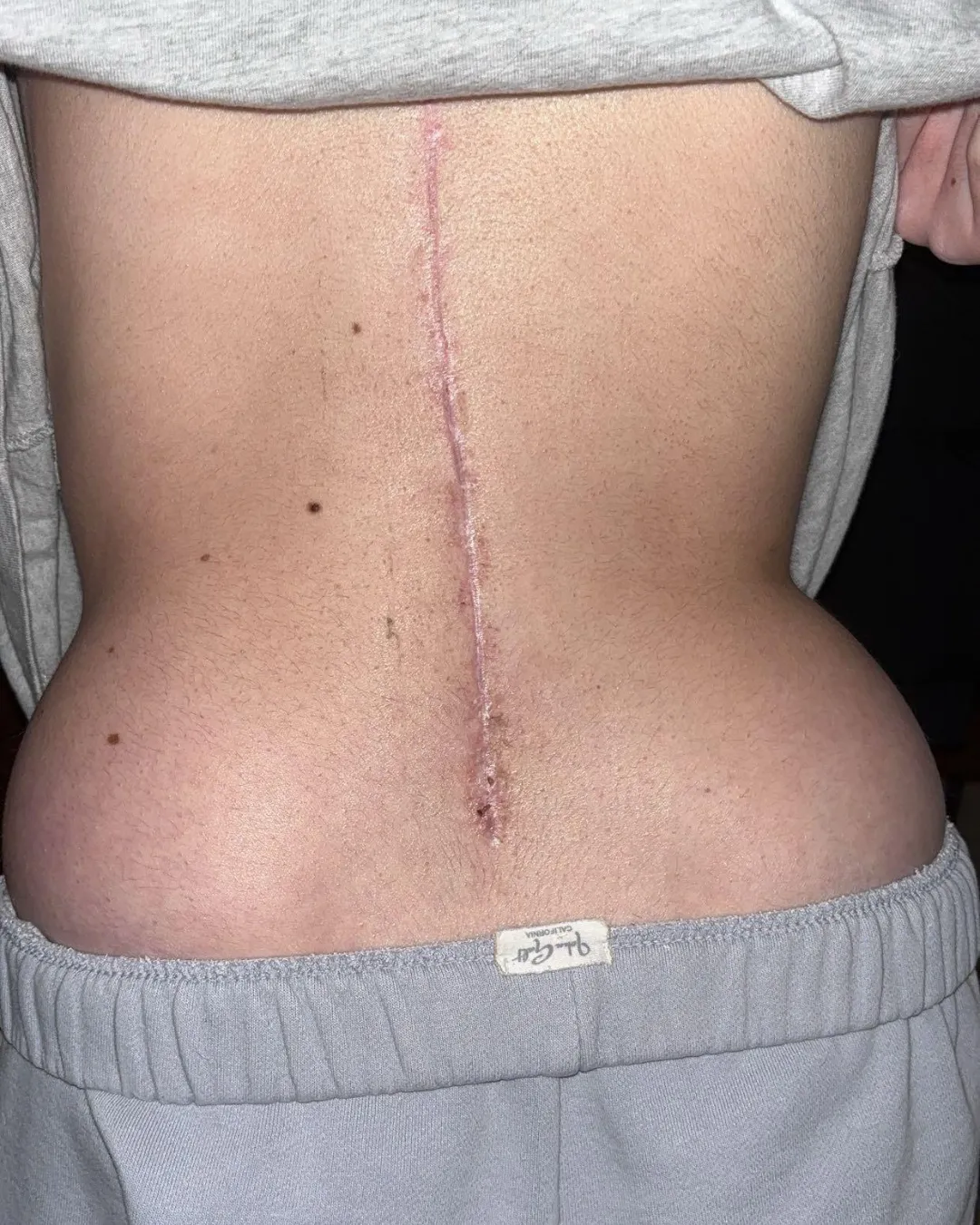
3 Ways To Get Back Pain Relief
Ad Copy
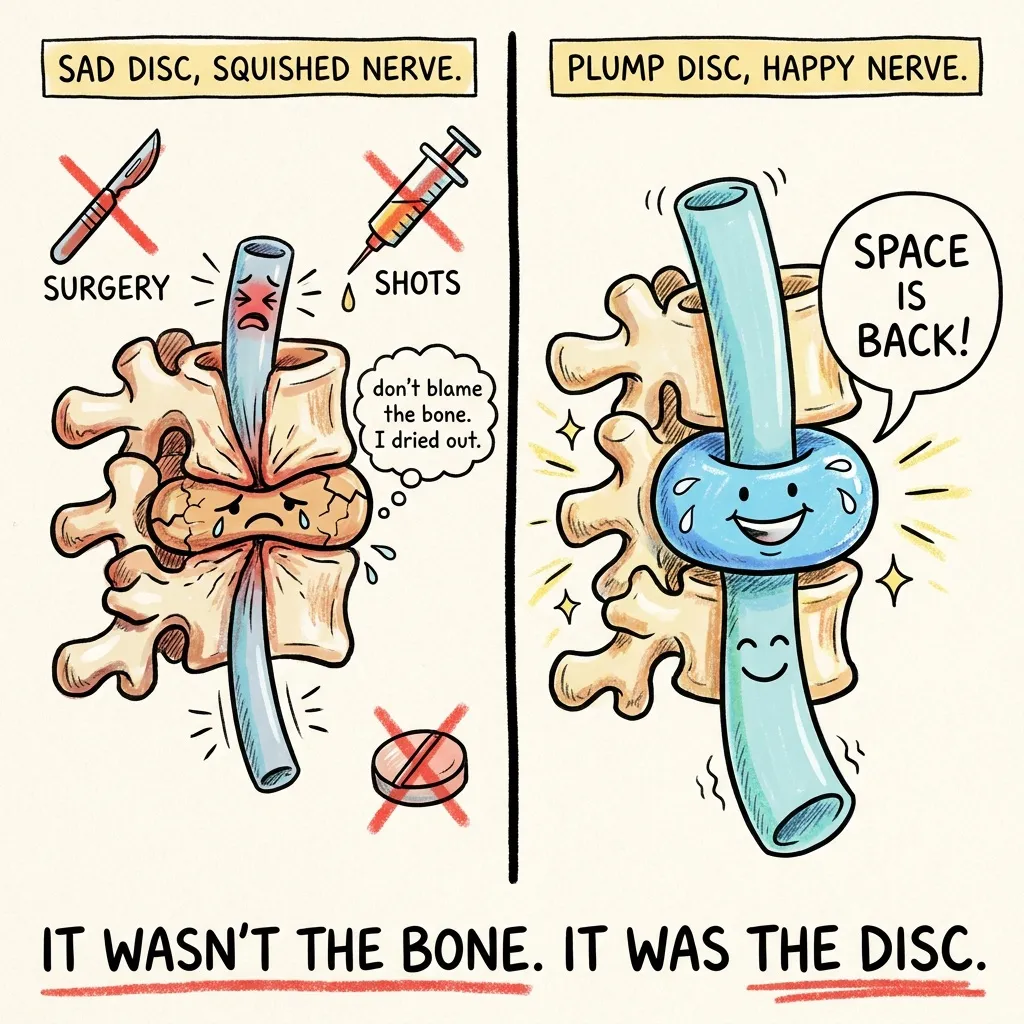
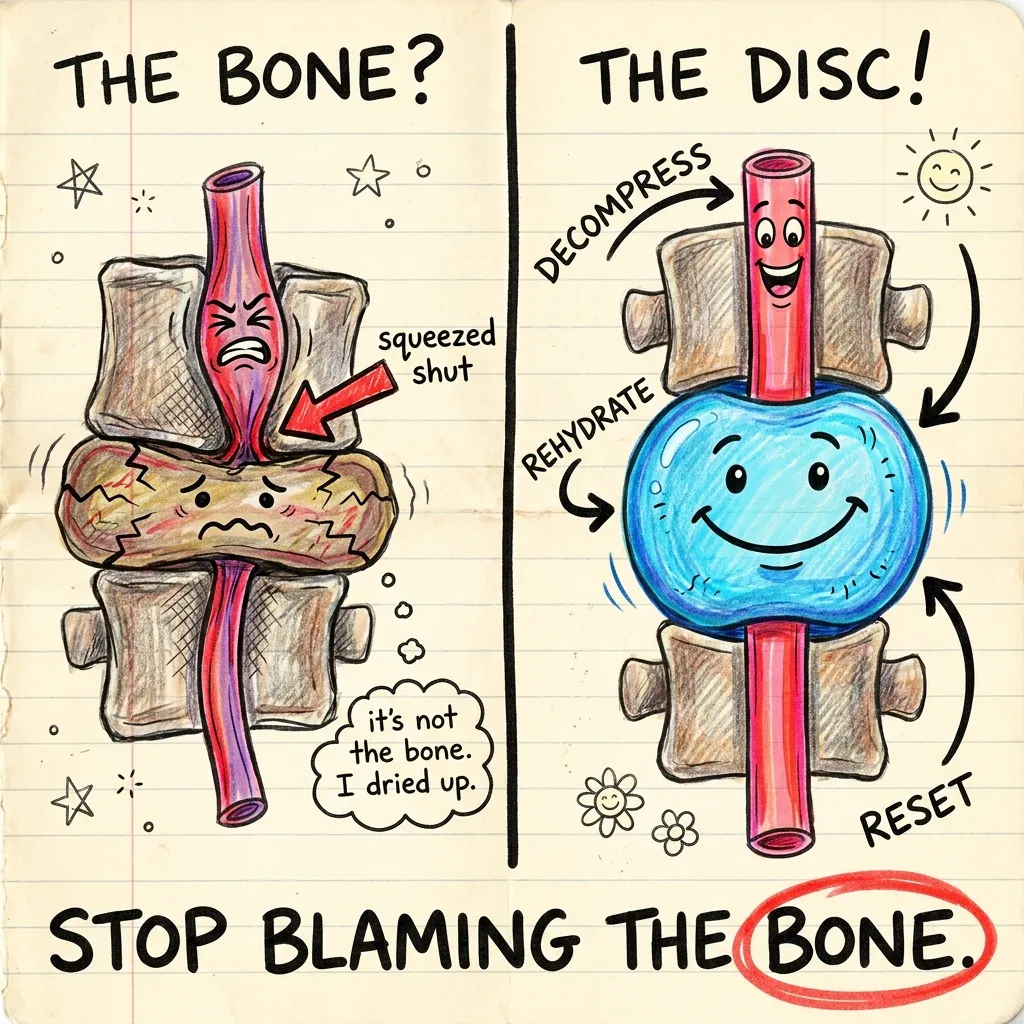
I've made over 500 post-op phone calls to back surgery patients. Those calls are why I can't stay silent anymore. For 15 years as a surgical nurse coordinator, part of my job was calling patients two weeks, six weeks, and three months after their spinal surgeries. "Hi, this is Sarah from Dr. Miller's office. Just calling to check on your recovery." I was supposed to hear success stories. Instead, I heard the truth. "The pain is still there. Maybe even worse." "I still can't sleep through the night." "I'm walking with a cane now. I wasn't before the surgery." "I spent my retirement savings on this. And nothing changed." At first, I thought these were outliers. Bad luck. Complicated cases. But after 500 calls? I couldn't pretend anymore. The failures weren't outliers. They were a pattern. I started keeping my own records. Unofficial. Just tallies on a notepad I hid in my desk drawer. After three years of tracking: 34% of patients reported no significant improvement 12% said they felt worse than before surgery Only 50% were genuinely satisfied with results We were running a coin flip and calling it medicine. And the worst part? The surgeons never saw these numbers. They did the procedure, declared it successful, and moved on. They didn't make the follow-up calls. They didn't hear the crying. I did. I remember one call that broke me. Her name was Dorothy. 68 years old. Former school cafeteria worker. She'd had a lumbar fusion six months earlier. "How are you feeling, Dorothy?" Silence. Then quiet sobbing. "I can't get off the bathroom floor," she finally said. "I fell last night and my husband had to call our son to come lift me. I'm 68 years old and I can't get off my own bathroom floor." "I thought this surgery was supposed to fix me. I spent $52,000. I did six months of recovery. And I'm worse than before. Nobody warned me this could happen." I didn't know what to say. Because she was right. Nobody warned her. Not really. We mentioned "risks" in the consent form. Buried in medical jargon that no one reads. But we never said, "There's a 40% chance this won't work. There's a 12% chance you'll be worse off than you started." We never said that. After Dorothy's call, I started researching. Why were so many surgeries failing? I found a study from Sweden that changed everything I thought I knew. It said: "Disc dehydration plays a greater role in chronic nerve dysfunction than herniation alone." That's when I understood. Surgery removes the herniated material. But it doesn't fix WHY the disc herniated in the first place. Years of compression - standing, sitting, lifting, living - squeeze the fluid out of your spinal discs. They become thin, dry, unable to cushion or protect. The herniation is just the final symptom of a spine that's been slowly breaking down for decades. Surgery treats that one symptom. It doesn't address the dehydration. The compression. The real cause. That's why 40% of patients don't get better. We're cutting out a symptom while the disease keeps progressing. I needed to find what actually works. That's when I discovered the three therapies that can actually restore disc health: Spinal traction - creates space between vertebrae so discs can reabsorb fluid. Therapeutic heat - increases blood flow and delivers nutrients to starving discs. Deep tissue massage - releases the muscles that keep the spine locked in compression. But here's the key: they have to work together. Simultaneously. None of the treatments that failed my patients did all three. I found a device that does. SmoothSpine. Uses the same principles as $10,000 clinical equipment, but at home, in 15 minutes a day. I bought one for Dorothy. "I know I'm just a nurse," I told her. "But please try this before you give up. It has a 90-day guarantee. If it doesn't help, you send it back." She was hesitant. After everything she'd been through, hope felt dangerous. But she tried it. Three weeks later, she called me. Not the clinic - me, personally. "Sarah... I got off the floor by myself yesterday." She was crying again. But this time, different tears. "I got UP. By MYSELF. First time since the surgery. First time in eight months." Two weeks after that: "I slept through the night." A month after that: "I made dinner for my husband. Standing. The whole meal." This $119 device did what a $52,000 surgery couldn't. Not because it's magic. Because it addresses the actual cause. I've since recommended it to dozens of patients - both the ones whose surgeries failed and the ones thinking about surgery. Most of them have cancelled their surgical consultations. I should feel guilty about that. I work in a surgical practice. But I don't. Because I made those follow-up calls. I heard the crying. I know the truth. Here's what I want you to know: Surgery costs $45,000 to $100,000. Six months recovery. 40% failure rate. This device costs $119. Takes 15 minutes. Has a 90-day guarantee. If you're considering back surgery, try this first. If surgery has already failed, try this now. You have nothing to lose except the pain. Here's the link. https://try.smoothspine.com/coc-tfbm-adv-nu2 No pressure. Just the truth from someone who spent 15 years hearing what happens after the surgeon leaves the room. Sometimes the best surgery is the one you never have.
More from Loretta Collins

6 Weeks From a Wheelchair. Last Sunday I Walked Up the Aisle.
Loretta Collins
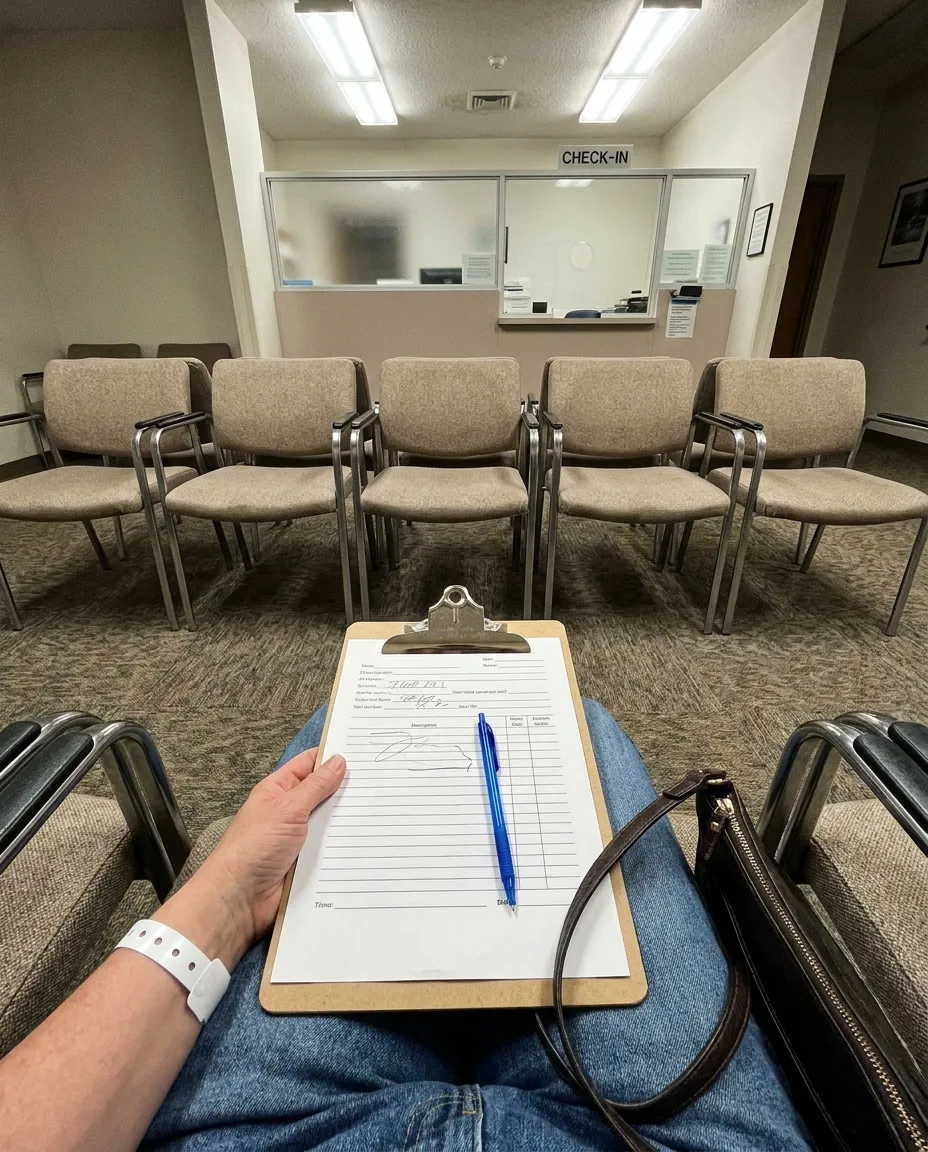
My SI Joint Was Never The Problem. Here's What Nobody Checked.
Loretta Collins

• Result (Opener B) — 6 Weeks From a Wheelchair. Last Sunday I Walked Up the Aisle.
Loretta Collins

• Result (Opener B) — 6 Weeks From a Wheelchair. Last Sunday I Walked Up the Aisle.
Loretta Collins
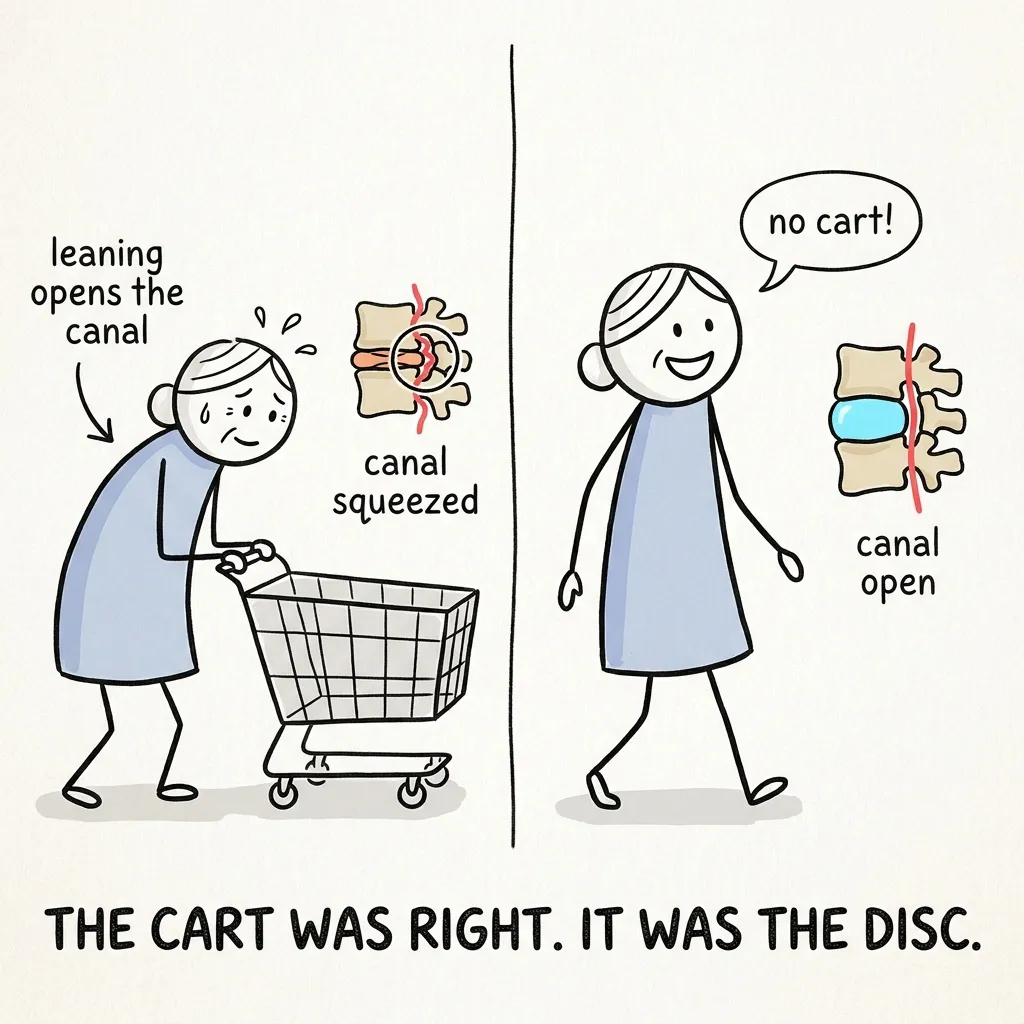
I Leaned on the Cart for a Year. Here's What Nobody Told Me.
Loretta Collins
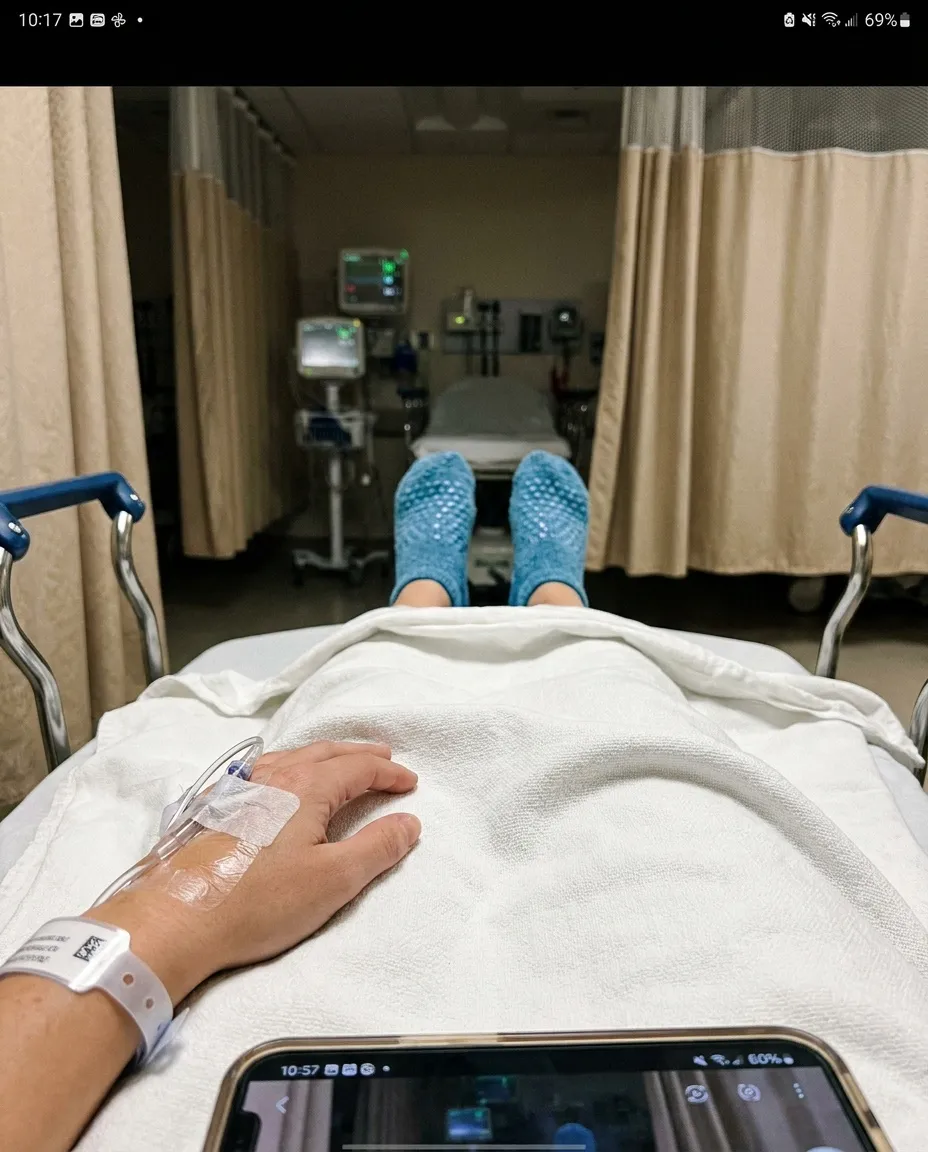
My SI Joint Was Never The Problem. Here's What Nobody Checked.
Loretta Collins
I Leaned on the Cart for a Year. Here's What Nobody Told Me.
Loretta Collins
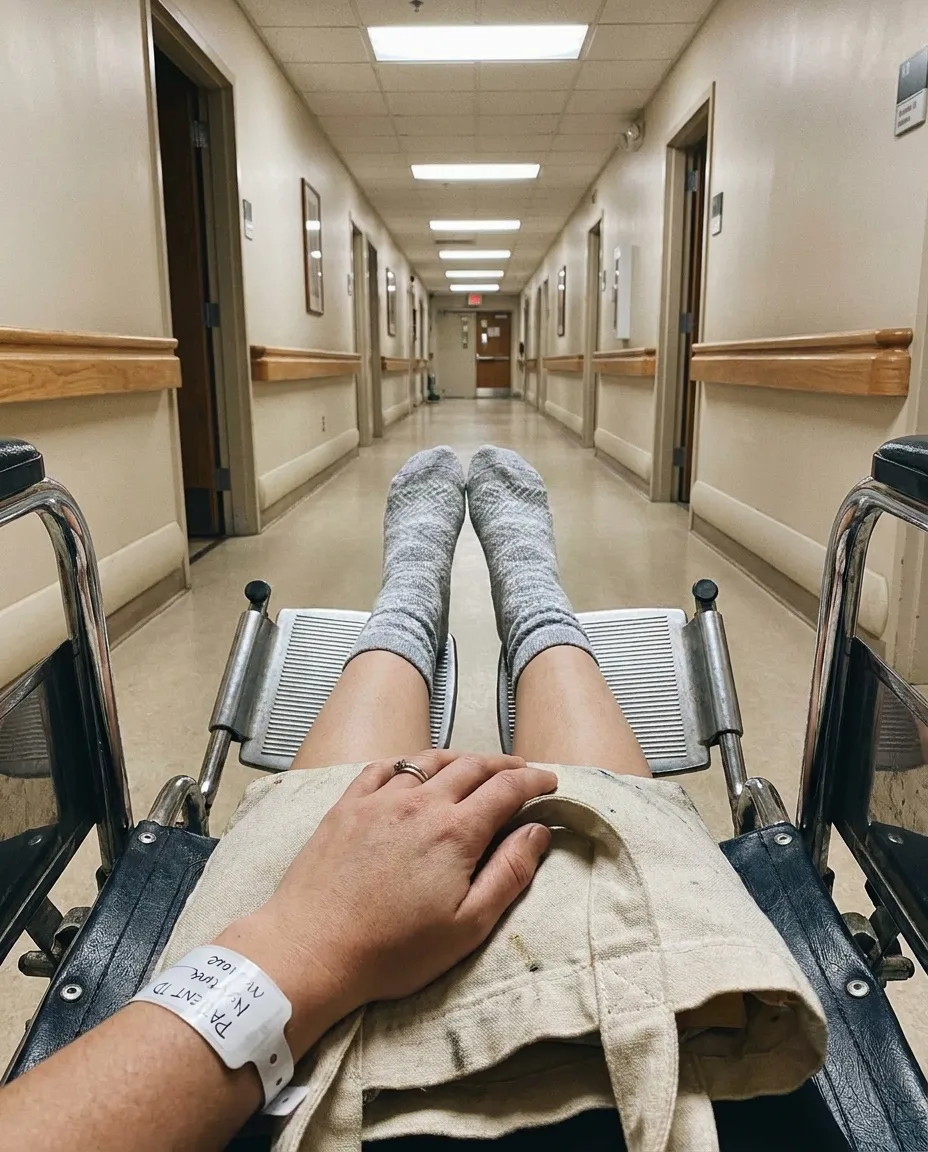
My SI Joint Was Never The Problem. Here's What Nobody Checked.
Loretta Collins
I Leaned on the Cart for a Year. Here's What Nobody Told Me.
Loretta Collins
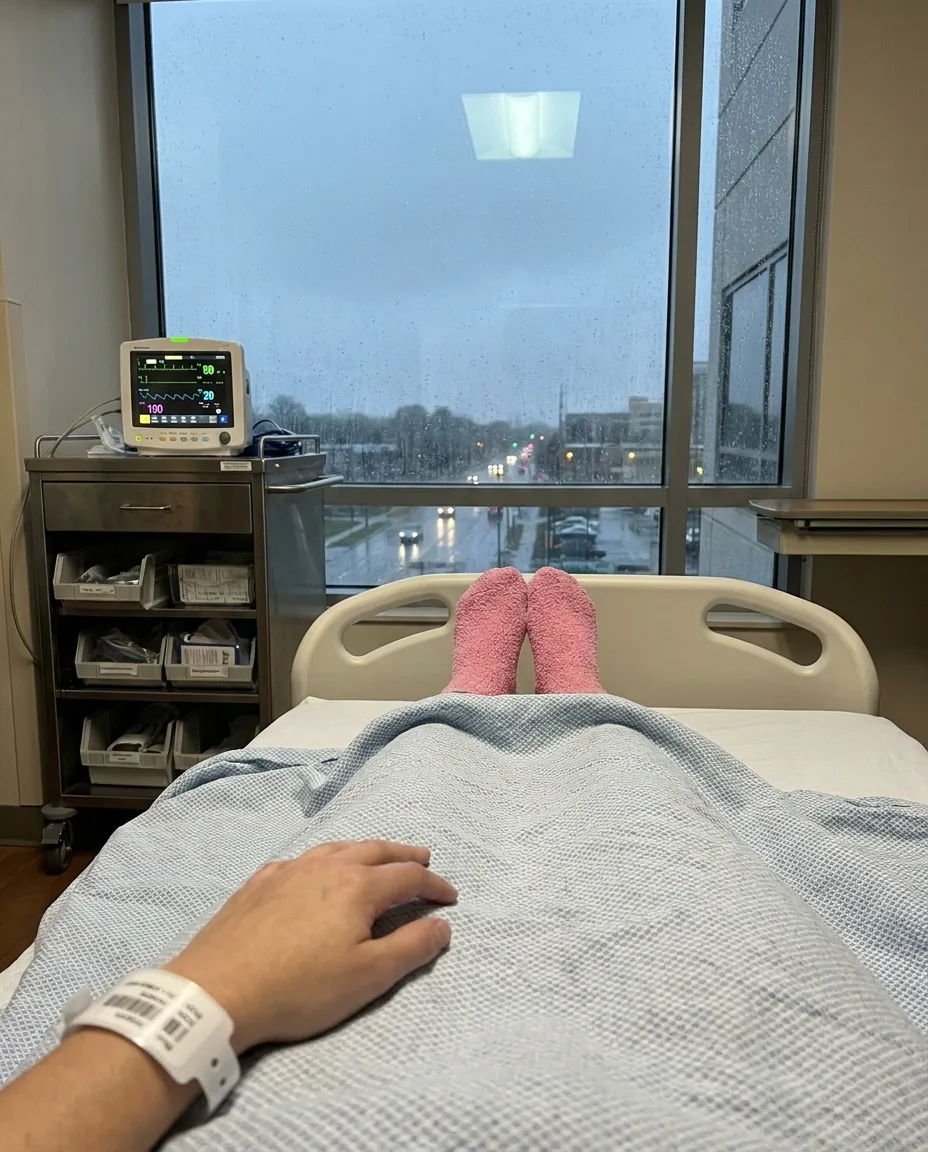
My SI Joint Was Never The Problem. Here's What Nobody Checked.
Loretta Collins

• Result (Opener B) — 6 Weeks From a Wheelchair. Last Sunday I Walked Up the Aisle.
Loretta Collins

3 Ways To Get Back Pain Relief
Loretta Collins

 Add to Chrome