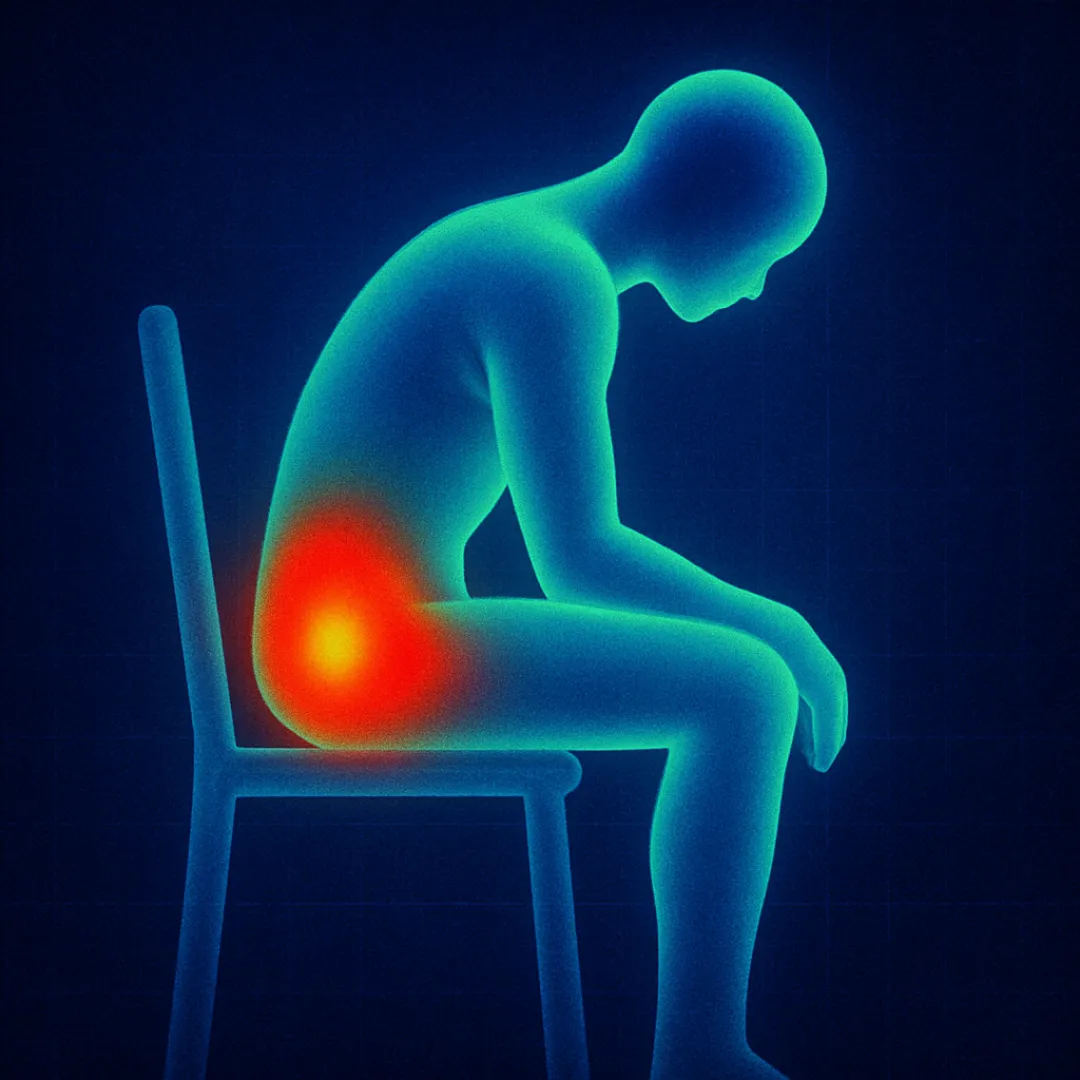
After Years of Pain, I Finally Learned the Real Reason It Hurts to Sit.
Ad Copy
The pain in my tailbone was so loud in my head I couldn't focus on the words on the page. My granddaughter asked me to read her a story and I couldn’t even make it through page one. That’s the moment I knew something had to change. The book was The Velveteen Rabbit, her favorite. Her little seven year old body was curled up next to me on the sofa, her head resting on my arm, the familiar weight of it a comfort I cherished. But as I started to read the words aloud, another feeling began to build. A dull, insistent ache, starting deep in my left buttock. At first, it was like a low grade static, a background noise I’ve become an expert at ignoring over the last few years. I shifted my weight, trying to find a position that didn't aggravate it. The static grew louder. The ache began to sharpen, radiating a familiar, hot numbness down my thigh. The words on the page started to blur. I read the same sentence twice. “Grandma?” Lily’s little voice cut through the haze. “You stopped.” I looked down at her. Her wide, blue eyes were full of confusion. I opened my mouth to continue, but the pain was no longer background noise. It was a screaming siren in my head, demanding all of my attention. I couldn’t focus on the words, on the story, on the sweet, warm weight of my own grandchild beside me. “I’m sorry, sweetie,” I managed, my voice tight. “Grandma’s… Grandma’s just a little tired.” I closed the book. The look of disappointment on her face broke a piece of my heart. She wiggled off the couch and went to play with her dolls. And I sat there, a prisoner on my own sofa, feeling like the worst grandmother in the world. For years, my life has been defined by that pain. A constant, grinding companion that was never bad enough for the emergency room, but always bad enough to steal my focus. It dictated where I could sit, for how long, and what I could do. My world had shrunk to the confines of my big, worn out recliner. That was my “safe chair.” In it, the pain was usually just a manageable hum. But the rest of my house felt like a minefield of hard, unforgiving surfaces. The wooden chairs at my kitchen table. The firm sofa. Even my own bed. The pain wasn't just a physical sensation. It was a thief. It stole my ability to concentrate on a movie, to enjoy a cup of coffee at the kitchen table, to lose myself in a good book. It was a constant, distracting hum that consumed my energy and my joy, leaving me feeling foggy, irritable, and old. My breaking point came on a Sunday. My son and his family were over for dinner. I was determined to be normal, to sit at the dining room table with everyone else. I’ve always loved the noise of a family dinner—the clinking of forks, the overlapping stories, the laughter. I placed a pillow on the hard oak chair and sat down, smiling, bracing myself. For the first fifteen minutes, I thought I might make it. But as the meal went on, the static started to build. The pressure on my tailbone became more and more intense. The ache in my hip began its slow burn. Soon, the pain was so loud in my head I couldn't follow the conversation. I was just sitting there, nodding and smiling, while a battle raged inside my body. I felt a wave of hot panic. I couldn’t take another minute. “I’m just going to… move to the comfy chair,” I mumbled, trying to sound casual. I pushed my chair back and made the slow, careful walk to my recliner in the living room, leaving my half eaten plate behind. I sank into the cushions with a sigh of relief as the pressure eased. And I sat there, in the quiet dimness, listening to the sounds of my family laughing and talking in the next room. I had never felt so alone in my own home. The pain had physically removed me from my own life. It had banished me from the table. That night, I couldn't sleep. The pain had subsided to its usual dull roar, but my heart ached with a sense of despair. 1:38 AM. I sat in the dark, the pale blue light of my tablet illuminating my face. My search history was a sad logbook of my quiet desperation. “Constant ache in buttock when sitting” “How to relieve sciatic pain at home” “Best cushion for tailbone pain” I’d tried everything. I ordered a grey foam wedge cushion that tilted my pelvis forward. It helped for a day, then the pain found its way back. I bought a memory foam donut cushion that made me feel like I was sitting on a toilet seat. It relieved the direct pressure, but created new aches in my hips. I tried stacks of pillows, folded blankets, expensive ergonomic seat pads that all promised the world. Each new attempt came with a flicker of hope, followed by the same, inevitable disappointment as the pain crept back in, sometimes hours, sometimes only minutes later. It was a maddening cycle. Why did nothing work? Was I just broken? My son, who saw the look on my face after that Sunday dinner, refused to let me give up. He booked me an appointment with a young physical therapist who supposedly specialized in "stubborn, chronic pain." I went, but I had no hope. I expected to be handed another sheet of paper with diagrams of stretches I’d already tried a hundred times. But Dr. Evans, who looked far too young to understand my years long struggle, did something different. He listened. He listened for twenty minutes without interrupting me once. Then, he pointed to a chair with a thin, gridded mat on it. “Carol, I want you to sit on this for me.” I sat, and he turned a monitor towards me. It showed a heat map of my body’s pressure points. Most of it was a gentle sea of blue and green. But there was one area, no bigger than a silver dollar, glowing an angry, menacing red right over my tailbone. “That’s your problem,” he said, pointing to the red spot. I just stared. That was it. That was the spot. The epicenter of every wince, every shift, every stolen moment. “You see,” he explained, “your other cushions failed, not because they weren't soft, but because they couldn't stop that. All of your body weight gets focused into that one tiny point, like a magnifying glass focusing the sun on a single leaf. That constant, concentrated pressure is why the nerve is always inflamed. It never gets a chance to calm down.” In that moment, everything clicked. I finally saw the real enemy. It wasn’t my body. It wasn’t my age. It was pressure. Relentless, focused, unforgiving pressure that no amount of foam or fluff could ever truly stop. He then brought out a cushion that looked like a blue, rubbery grid. “This is designed to fight the pressure, not just pad it,” he said. “The grid columns are engineered to buckle and transfer the pressure outwards, scattering it. It makes it physically impossible for that hot spot to form.” He placed it on the mat. I sat down, half expecting another failure. I looked at the screen. The red spot was gone. The entire map was a cool, even, beautiful green. I felt tears well up in my eyes. It wasn't just a picture on a screen. It was proof. It was hope. I took the cushion home, still cautious. My first test wasn’t anything grand. I simply sat on one of my hard kitchen chairs and drank a whole cup of tea. Start to finish. Without shifting. Without wincing. When I stood up, I waited for the familiar, agonizing ache. It wasn't there. A few days later, I sat on the sofa and watched a whole movie with my husband. I didn’t have to retreat to my recliner halfway through. I followed the plot. I laughed at the jokes. I realized how much of my mental energy the pain had been consuming, every single day. The static was finally gone, and the world felt clearer. And then came the real test. Lily came over last week, holding The Velveteen Rabbit. “Grandma,” she asked, her voice small, “can we try reading again?” I felt that old, familiar knot of fear in my stomach. But this time, something was different. I took a deep breath, placed the cushion on the floor, and sat down. “Of course, sweetie,” I said, patting the spot next to me. She snuggled in. I opened the book. And I read. I read the whole thing. I did the scratchy voice for the Skin Horse. I did the high pitched voice for the rabbit. We laughed when the rabbit met the real rabbits in the garden. We got quiet when the nursery magic became real. When we finished, Lily looked up at me, her face beaming. “That was the best, Grandma.” It was. Because for the first time in years, I was completely there. I wasn't just a body in a room with a child. I was a grandmother, sharing a story. The pain hadn't just been stealing my comfort. It had been stealing my focus, my presence, my joy. It had been stealing the moments that make a life. If you know what that static feels like, that constant, draining background noise of pain that fogs your mind and keeps you from being truly present—please know this. It might not be a life sentence. For me, the answer wasn't another pill or another stretch. It was finally understanding the real enemy. It might just be the chair you’re in. You can see the cushion that changed everything for me, and the science that makes it work, by clicking the link below. https://volosso.com/products/ultimate-gel-seat-cushion
More from Volosso
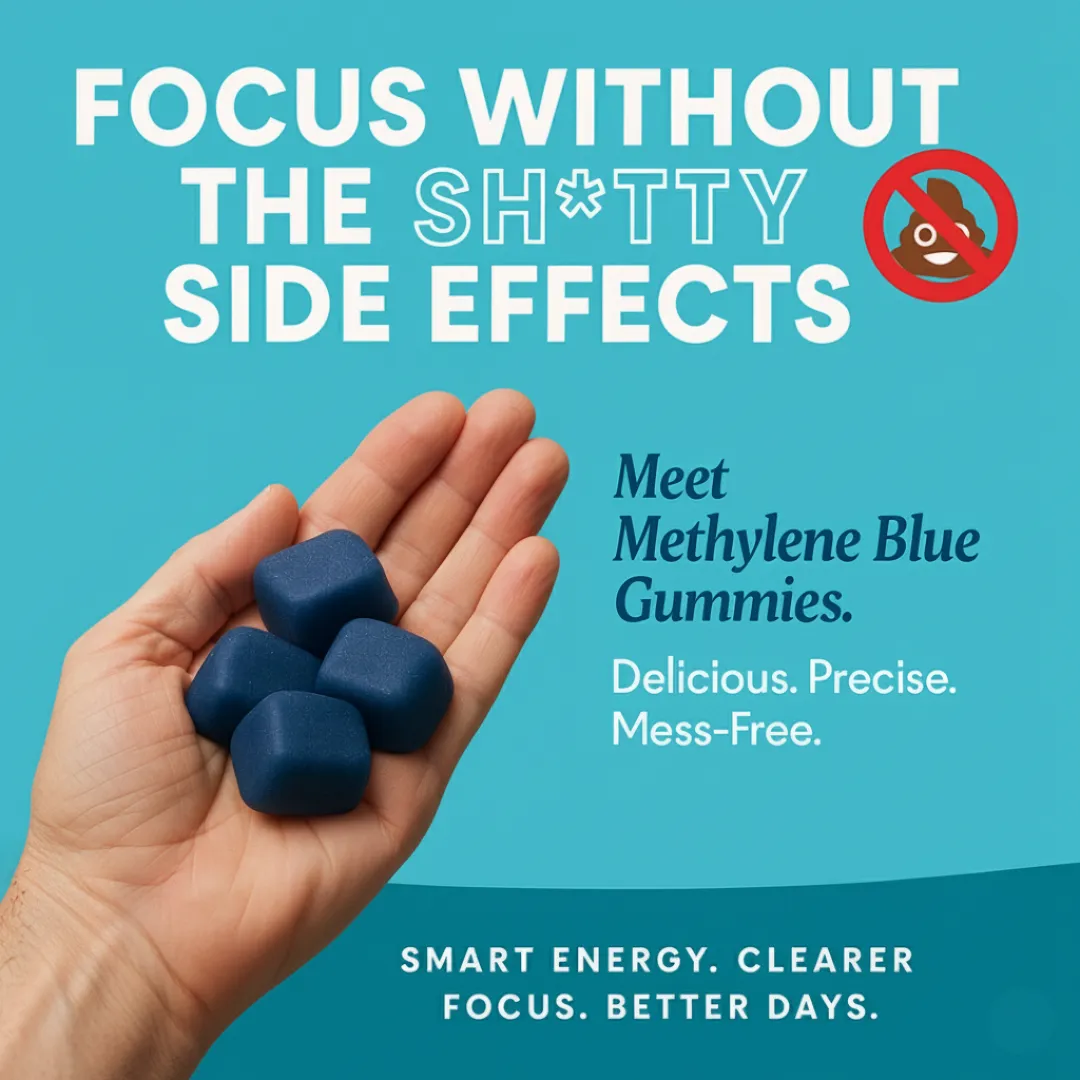
The Most Powerful Brain Enhancer
Volosso
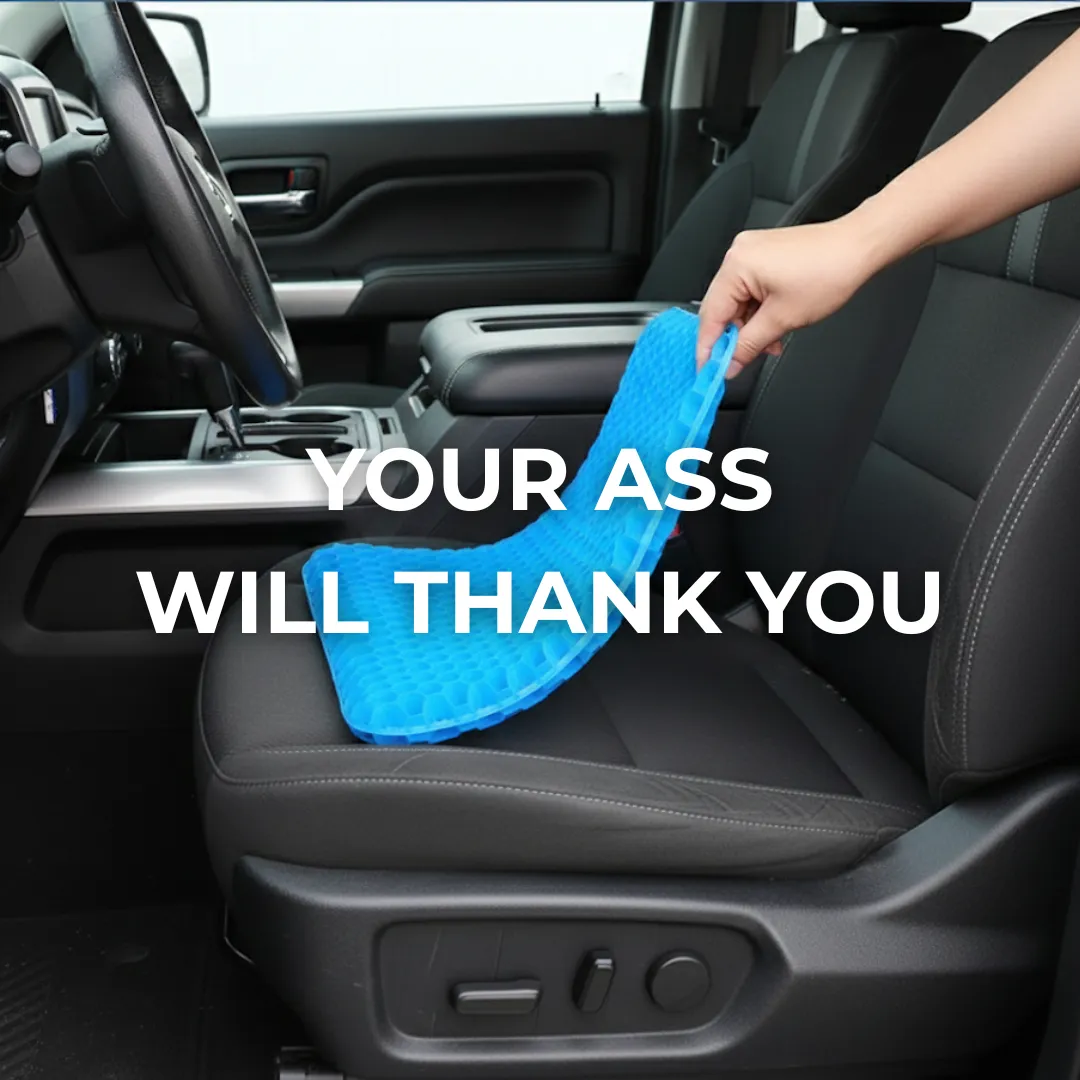
Your Butt Will Thank You
Volosso

I laid out fifteen years of my father's life on his hospital bedside table at 11 PM. Not photographs. Not memories. Pill bottles. The nurse had given me a plastic bag when Dad was admitted. "Medication reconciliation," she called it. I was supposed to tell them what he'd been taking. I started pulling them out. One bottle. Then another. Then another. By the time I'd emptied the bag, there were twenty-three bottles lined up on that table. I arranged them by date. Oldest to newest. And I saw something that made my hands start shaking. 2009: Ibuprofen, 600mg, three times daily. I take Ibuprofen, 600mg, three times daily. Dad's in kidney failure. That's why we're here. His creatinine levels are through the roof. They're talking about dialysis. He's 83. I'm 68. I sat there looking at those bottles, a timeline of pharmaceutical escalation, and I realized I was looking at my own future. Let me back up. I've had chronic lower back pain for about seven years now. Sciatica that shoots down my left leg when I sit too long. The usual story. Doctors did their tests, found "normal degenerative changes," gave me the standard advice. Take Ibuprofen. Stay active. Come back if it gets worse. It got worse. So I took more Ibuprofen. By year three, I was taking it daily. 600mg, three times a day. Maximum recommended dose. It helped enough that I could function. Could sit through dinner. Drive to see my daughter. Do normal life things without wanting to scream. My doctor warned me about the stomach. Said take it with food, watch for black stool, that kind of thing. Nobody mentioned kidneys. Nobody mentioned that I was following a path that millions of people have followed before me, a path that doesn't end well. Dad started having back problems when he was 65. I remember because I was 40, and he'd complain about his "old man back" while we'd work on his car together. He started taking Ibuprofen. Just like me. For years, that's all it was. Ibuprofen as needed. Then Ibuprofen daily. Then Naproxen when Ibuprofen stopped working as well. I watched this happen in real-time across twenty years, but I never connected the dots. Sitting in that hospital room, I picked up each bottle and read the labels. 2009: Ibuprofen 600mg 2011: Naproxen 500mg 2014: Tramadol 50mg 2016: Meloxicam 15mg 2018: Tramadol 100mg (dosage increased) 2020: Oxycodone 10mg (as needed for severe pain) 2022: (this year) Oxycodone 15mg, Gabapentin 300mg, plus all the stomach protection meds—Omeprazole, Famotidine And now: kidney failure. I pulled out my phone. Opened my pharmacy app. Current prescriptions: Ibuprofen 600mg, 90-count, refilled every month like clockwork. I was at 2009 on Dad's timeline. I had fourteen years of bottles ahead of me. Unless I did something different. It was 11:47 PM. Dad was sleeping. The machines beeped their steady rhythm. I started searching on my phone. Not "back pain treatment", I'd done that search a thousand times. Same useless advice every time. I searched: "why does pain medication keep escalating" and "NSAID kidney damage timeline." What I found made me feel sick. Chronic NSAID use, the stuff I've been taking daily for seven years, is one of the leading causes of kidney disease in people over 60. Not "can cause" kidney damage. One of the leading causes. The studies showed it clearly: long-term NSAID use causes progressive kidney function decline. Slowly. Quietly. You don't feel it happening. Until suddenly you're in a hospital room and they're talking about dialysis. But here's what made me angry: The NSAIDs were never fixing anything. They were masking a signal. My back pain… Dad's back pain… It's caused by pressure. When you sit, your entire body weight concentrates on a few square inches of your pelvis. That pressure compresses nerves and tissues. For people with any inflammation or nerve sensitivity, that concentrated pressure triggers pain signals. The pills block those signals. But the pressure never stops. So the signals never stop. So you keep taking pills to keep blocking the signals. Meanwhile, your kidneys are filtering all those drugs, every single day, for years, and they're slowly failing. I sat there at midnight in that hospital room and I had this crystal-clear thought: I'm not managing pain. I'm on an escalator. First floor: Ibuprofen as needed. Second floor: Ibuprofen daily. Third floor: Prescription NSAIDs. Fourth floor: Opioids. Basement: Kidney failure. My dad rode that escalator all the way down. I was currently on the second floor. I looked at him sleeping in that hospital bed. Tubes and wires. Dialysis port in his chest. He followed every doctor's instruction. Took every prescribed medication. Did everything "right." And here he is. Because nobody, not one doctor in twenty years, ever asked: "What if we remove the pressure instead of masking the pain?" I spent the next three hours searching. Not for pain medications. For the thing nobody had offered my father: mechanical solutions. Why does sitting create concentrated pressure? Because hard surfaces don't distribute weight, they concentrate it. Why don't regular cushions help? Because foam compresses. After a few weeks, you're sitting on flattened foam that creates the same pressure points. Memory foam is even worse. It "molds to your body," which means it holds those pressure points in place. Plus it retains heat, increasing inflammation. That's why every cushion I'd tried helped for a week, then stopped working. Then I found something different. A clinical study on long-haul truck drivers, people who sit 8-12 hours a day, just like Dad did in his courier job for thirty years. They tested gel cushions. Medical-grade gel. The results stopped me cold: Drivers using gel cushions had 60% reduction in pain intensity scores. And they could sit 3-4 times longer before pain started. More importantly: they significantly reduced NSAID consumption. Here's what gel does differently: It doesn't compress. It redistributes. When you sit on medical-grade gel, your weight spreads across the entire surface. The gel flows and adjusts constantly, equalizing pressure so there are no concentrated points. No concentrated pressure = no nerve compression = no pain signal = no pills needed. This is what hospitals use to prevent pressure ulcers in bedridden patients. They've known this works for decades. But it's been locked in medical supply catalogs while pharmacies sell us pills. I ordered one at 2:34 AM from that hospital room. It arrived at my house six days later. My husband brought it to me at the hospital. I didn't tell anyone what I was doing. I just quietly used it in the hospital chair while I sat with Dad during his treatments. First day: Three hours sitting. No pain. I kept waiting for it to start. The familiar burning. The shooting sensation down my leg. Nothing. That was eleven months ago. Dad's still on dialysis three times a week. His kidney function isn't coming back. Twenty years of NSAIDs saw to that. But I stopped taking Ibuprofen completely. Not gradually. Just stopped. I use the cushion everywhere. Car. Kitchen chair. My desk. Anywhere I'm going to sit for more than a few minutes. I haven't taken a pain pill in eleven months. Last week I had my annual physical. Routine bloodwork. My doctor called me two days later. Said my kidney function numbers looked great. "Whatever you're doing, keep doing it," she said. I thought about telling her what I'm doing is NOT taking the medication she prescribed seven years ago. But I didn't. I just said thanks. Here's what nobody tells you: Pain medication isn't a solution. It's a delay mechanism. You're not treating the problem. You're postponing the consequences. The pressure that caused the pain yesterday will cause it again today. And tomorrow. And every day until you either address the pressure or mask the signal. If you mask the signal, you'll need pills forever. And the pills have a cost that comes due later. Much later. When you're 83 and sitting in a hospital room with tubes in your chest. I think about the conversations I never had with Dad. About whether the pills were actually helping or just masking. About whether there was something else we should try. About whether following the standard path was the only path. I can't have those conversations now. His path is set. But mine isn't. And if you're reading this because you're taking daily pain medication, if you've been taking it for months or years, if you've noticed you need more than you used to, if you've ever wondered where this ends, I need you to understand something: You're not at the end. You're at the beginning. I have a plastic bag in my closet. Just like the one the nurse gave me in Dad's hospital room. It has one bottle in it: my last prescription of Ibuprofen, dated eleven months ago, still three-quarters full. I keep it as a reminder. That's the first bottle on my timeline. And if I do nothing, in fifteen years someone will lay out my bottles on a hospital bedside table and see the same pattern. Or I can make this the only bottle. The first and last. The gel cushion I bought that night costs less than three months of my Ibuprofen prescription. It's the same medical-grade pressure redistribution technology hospitals have used for decades, just finally available without a prescription or a $500 price tag. I've been using it for eleven months. Every single day. It hasn't compressed, hasn't stopped working, hasn't let me down once. Most importantly: I haven't needed pills. Not one. My daughter is pregnant with her first child. My first grandchild. Due in March. I'm going to be there. I'm going to hold that baby as long as I want. I'm going to sit in the rocking chair in the nursery and I'm going to be present. And fifteen years from now, when that child is in high school, I'm going to be at every game, every play, every moment. Because I'm not following the timeline anymore. The pattern ends with me. If you're taking daily pain medication right now, if you've been on the escalator for months or years, you need to ask yourself one question: Are you solving the problem, or postponing the consequences? The pattern doesn't have to repeat. Not for you. Not for your kids watching you. The timeline ends when you decide it ends.
Volosso
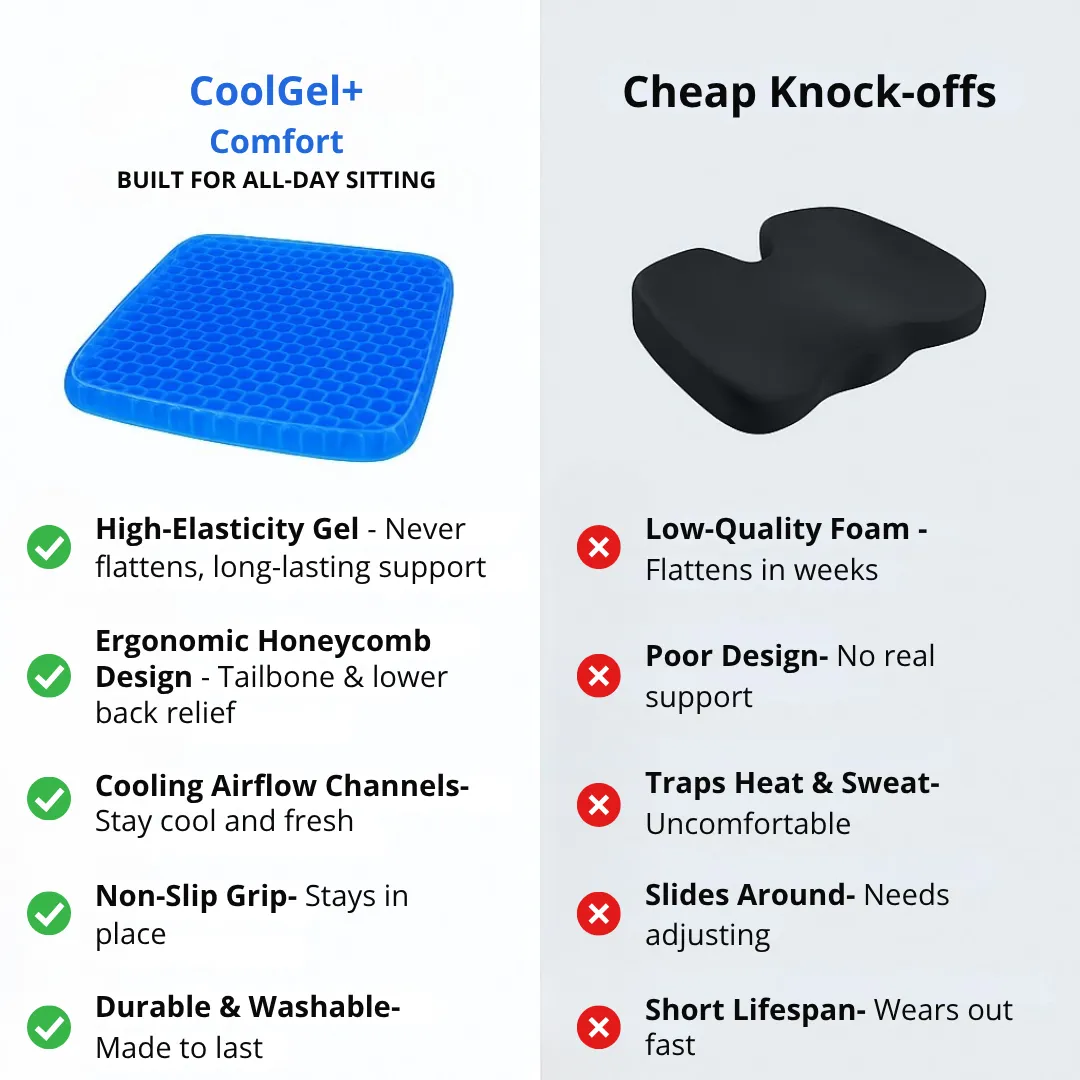
Your Butt Will Thank You
Volosso
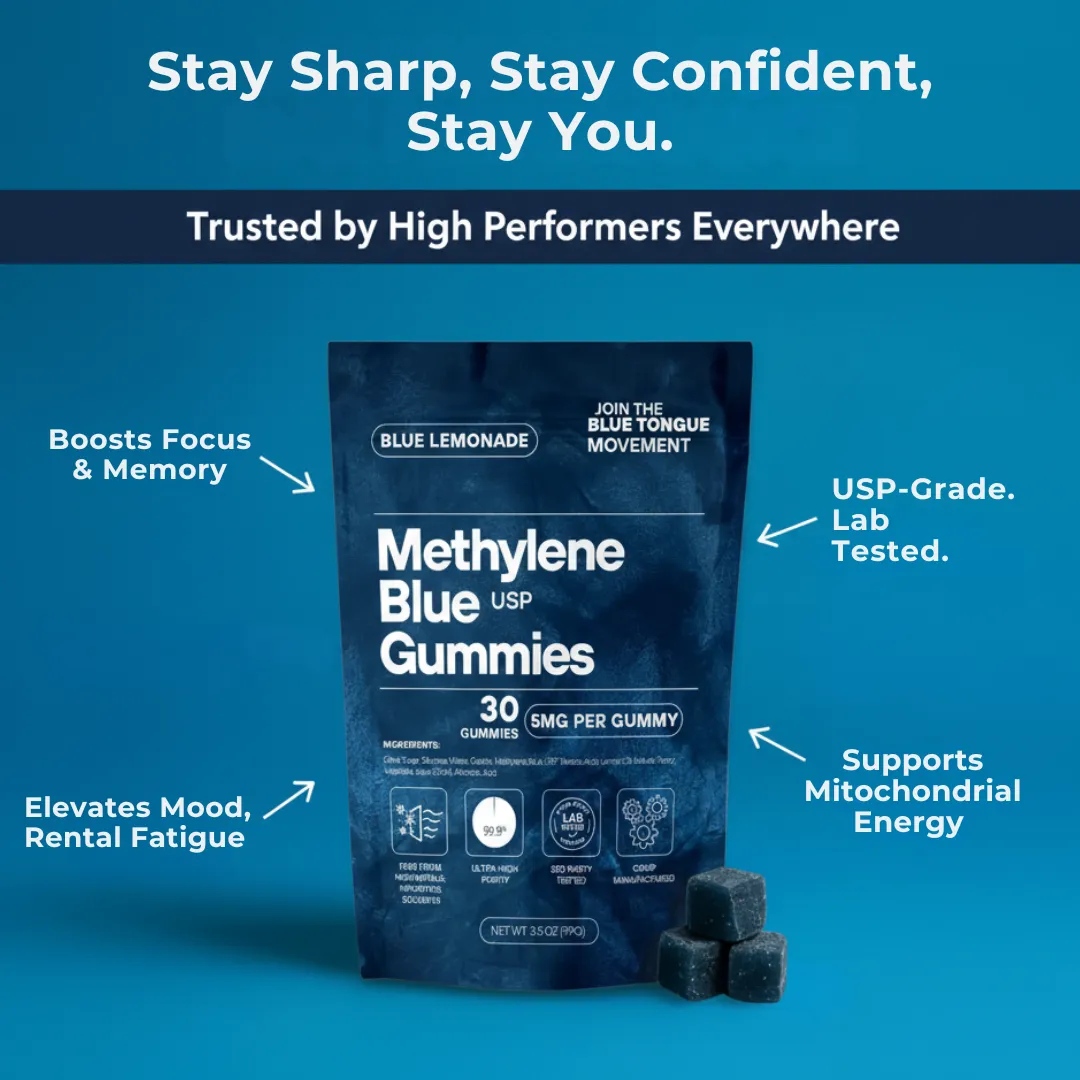
The Most Powerful Brain Enhancer
Volosso
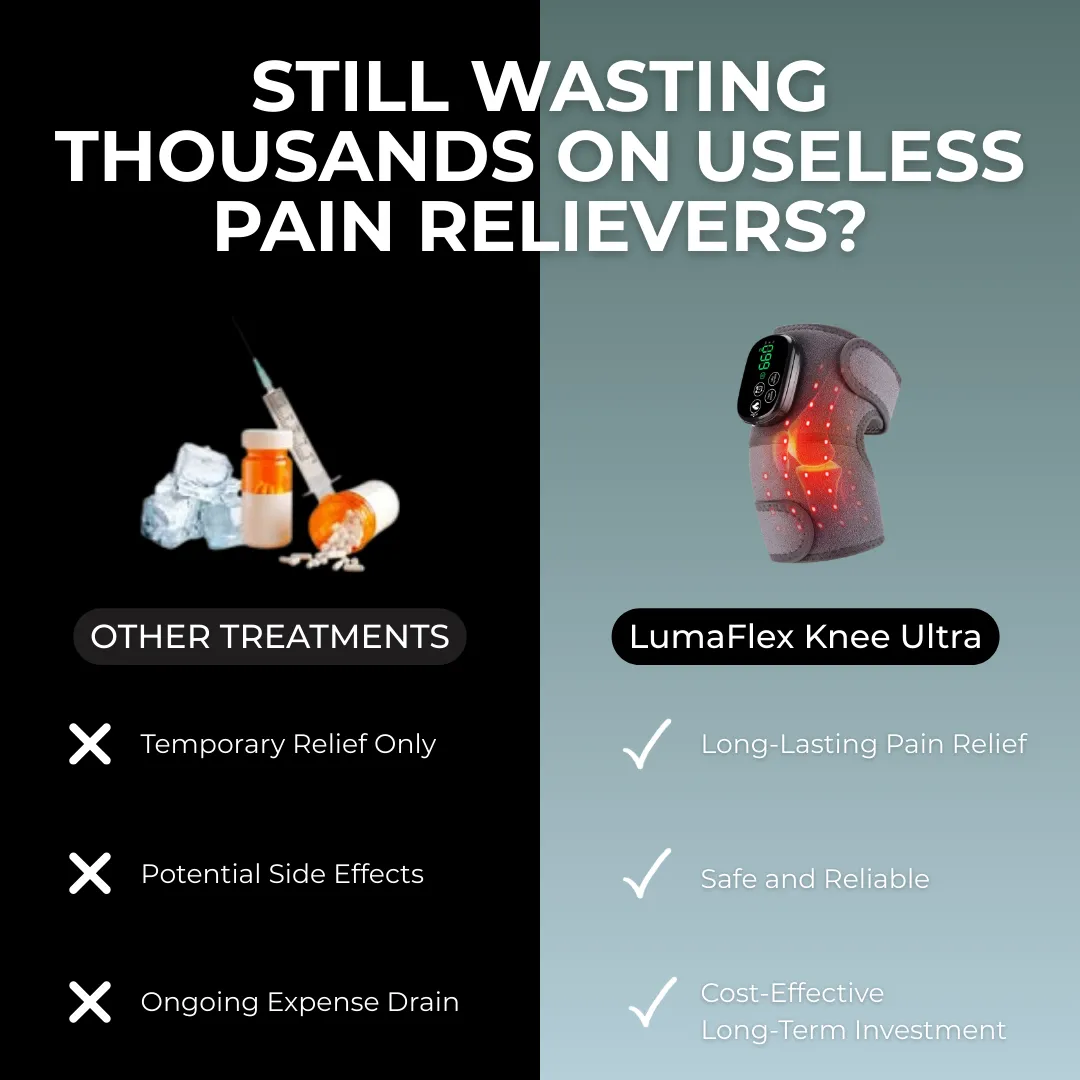
Bestselling Red Light Therapy For A Reason!
Volosso
Bestselling Red Light Therapy For A Reason!
Volosso
Bestselling Red Light Therapy For A Reason!
Volosso

Bestselling Red Light Therapy For A Reason!
Volosso
Bestselling Red Light Therapy For A Reason!
Volosso
Bestselling Red Light Therapy For A Reason!
Volosso

The Most Powerful Brain Enhancer
Volosso

 Add to Chrome