The Most Powerful Brain Enhancer
Ad Copy
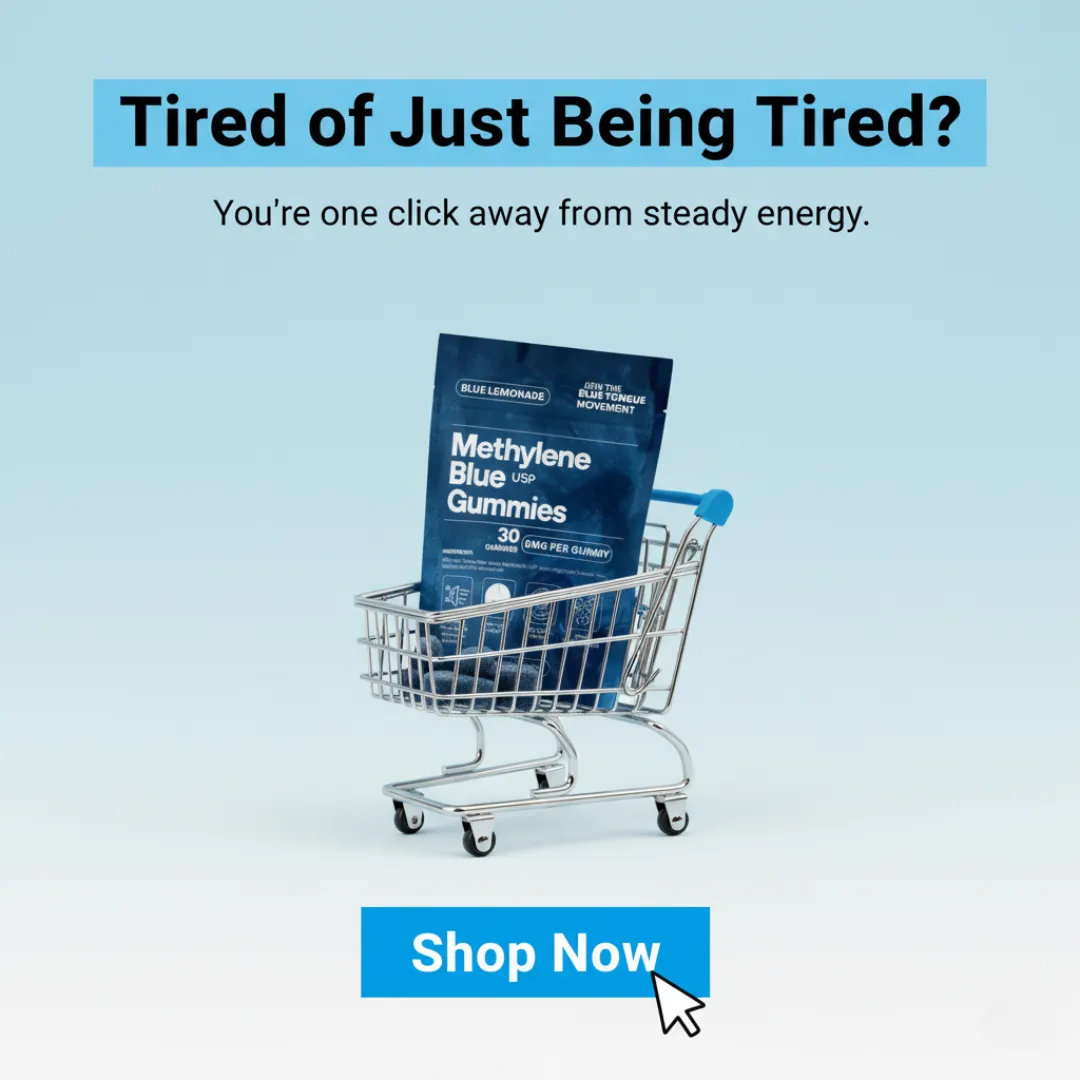
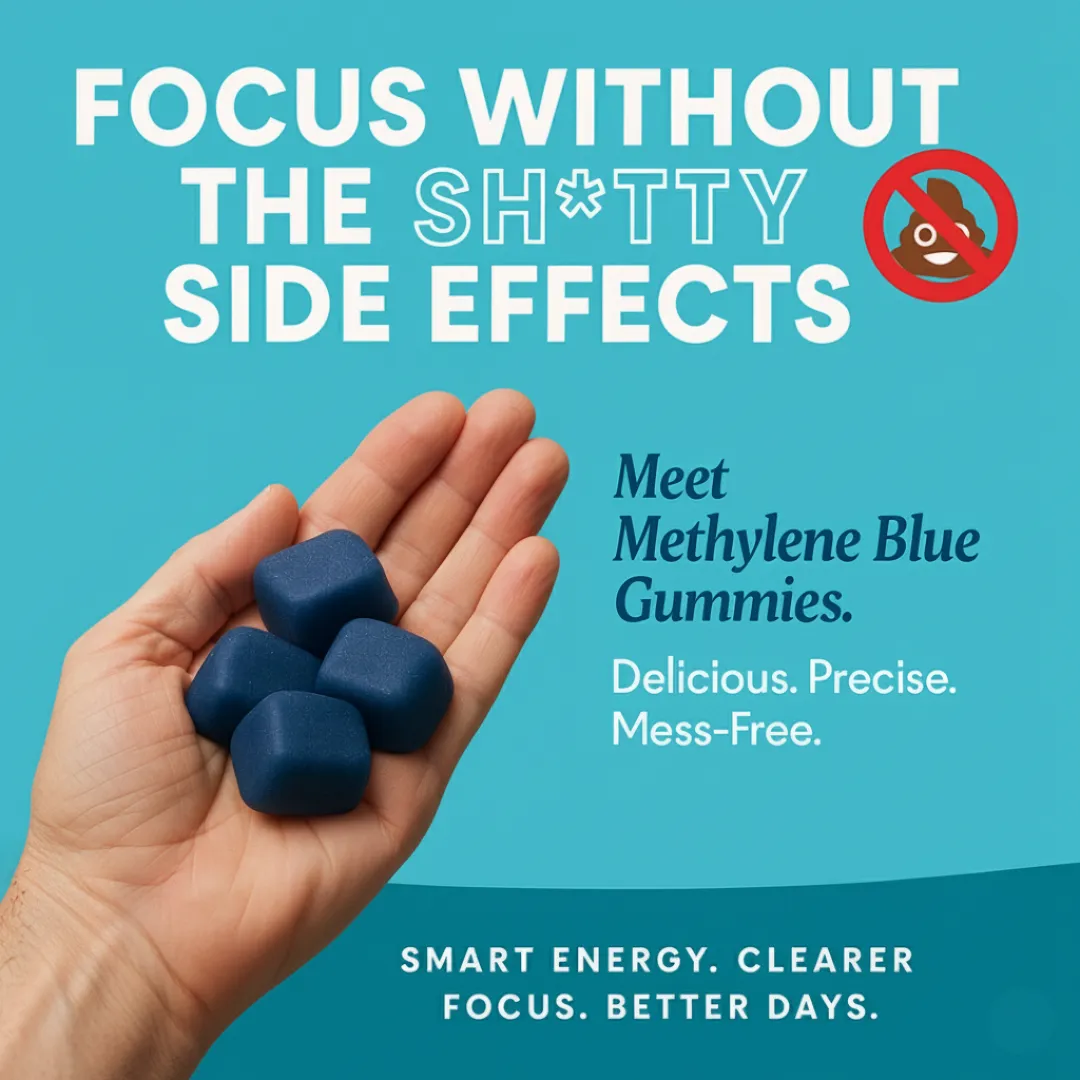
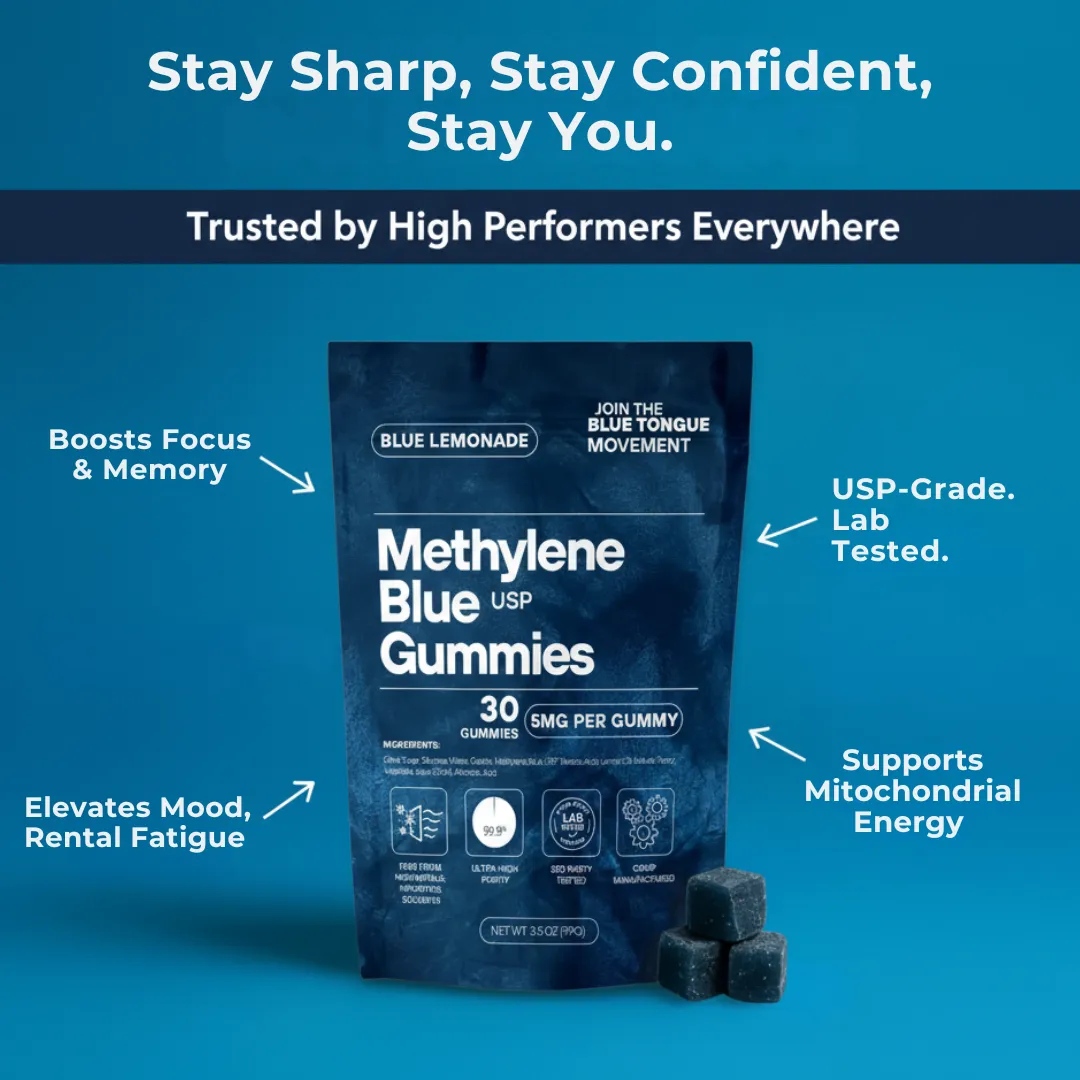
😣 Anyone else tired of being tired? 😴 We get it. That exhaustion that better sleep doesn't fix. The mental fog that makes everything harder. When your "get up and go" got up and left. You've probably tried the usual suspects - extra coffee ☕ (hello, jitters), vitamin B12 💊 (barely noticed), those energy drinks 🥤 (crash central). Here's what's different: pharmaceutical-grade methylene blue. It's been used in hospitals since 1876. Now people use it daily for cellular energy support.* The key? It supports your mitochondria - your body's cellular power plants. When they work better, you feel better. Many notice a difference within days.* ⚠️ Important: Not all MB is created equal. Those bargain versions online? May contain impurities that cause discomfort. Why our MB stands out: ✓ USP-pharmaceutical grade (same standard hospitals require) ✓ Made in FDA-registered facilities ✓ Every batch tested for purity & potency ✓ Made with Vitamin C for optimal use ✓ 5mg per gummy, precise concentration Plus, it's simple - just a gummy or two daily. No complicated routines. Try it risk-free for 60 days. Not feeling the difference? Full refund, no questions asked 💯 Learn more → https://volosso.com/products/usp-grade-methylene-blue-gummies *Individual results may vary
More from Volosso
The Most Powerful Brain Enhancer
Volosso
Your Butt Will Thank You
Volosso

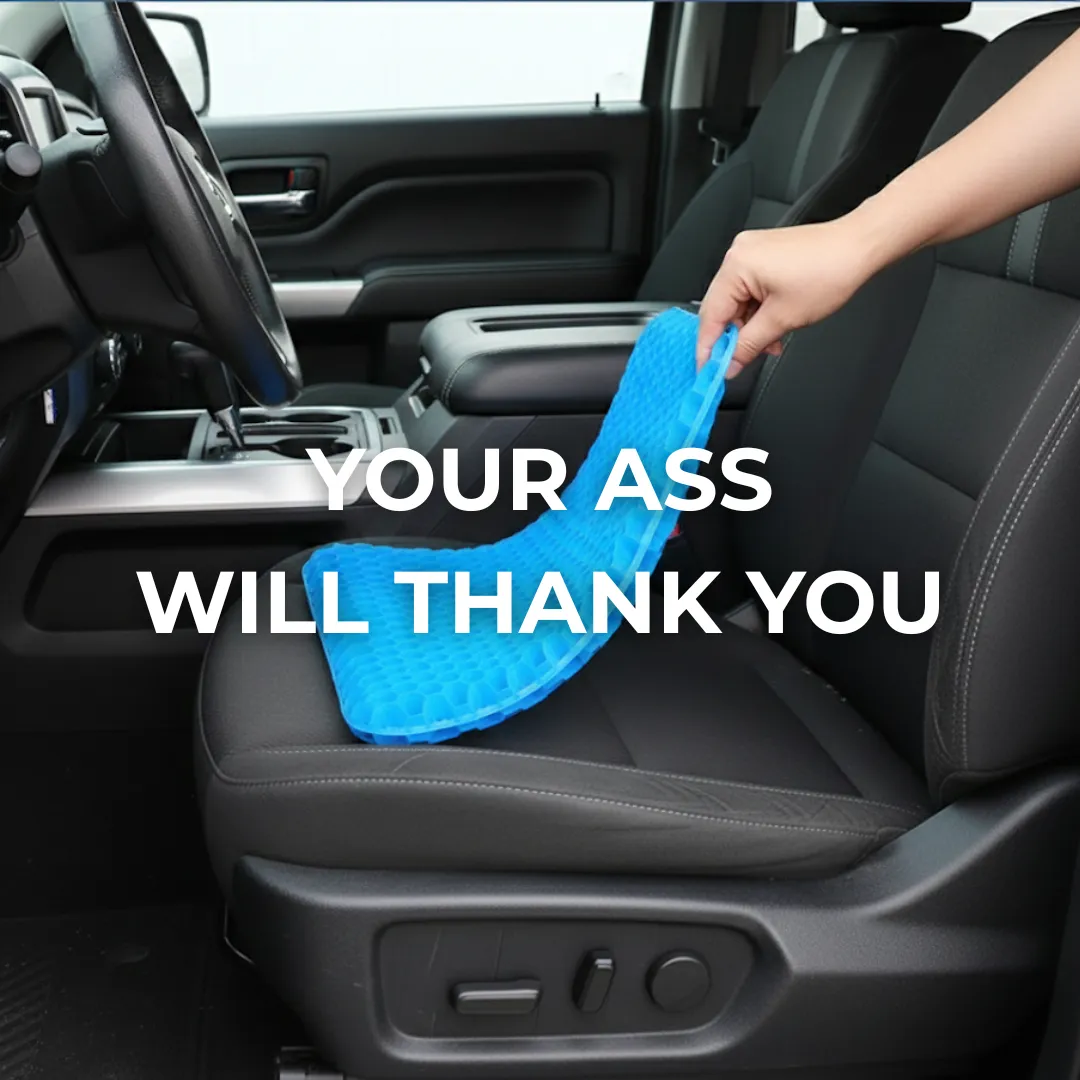
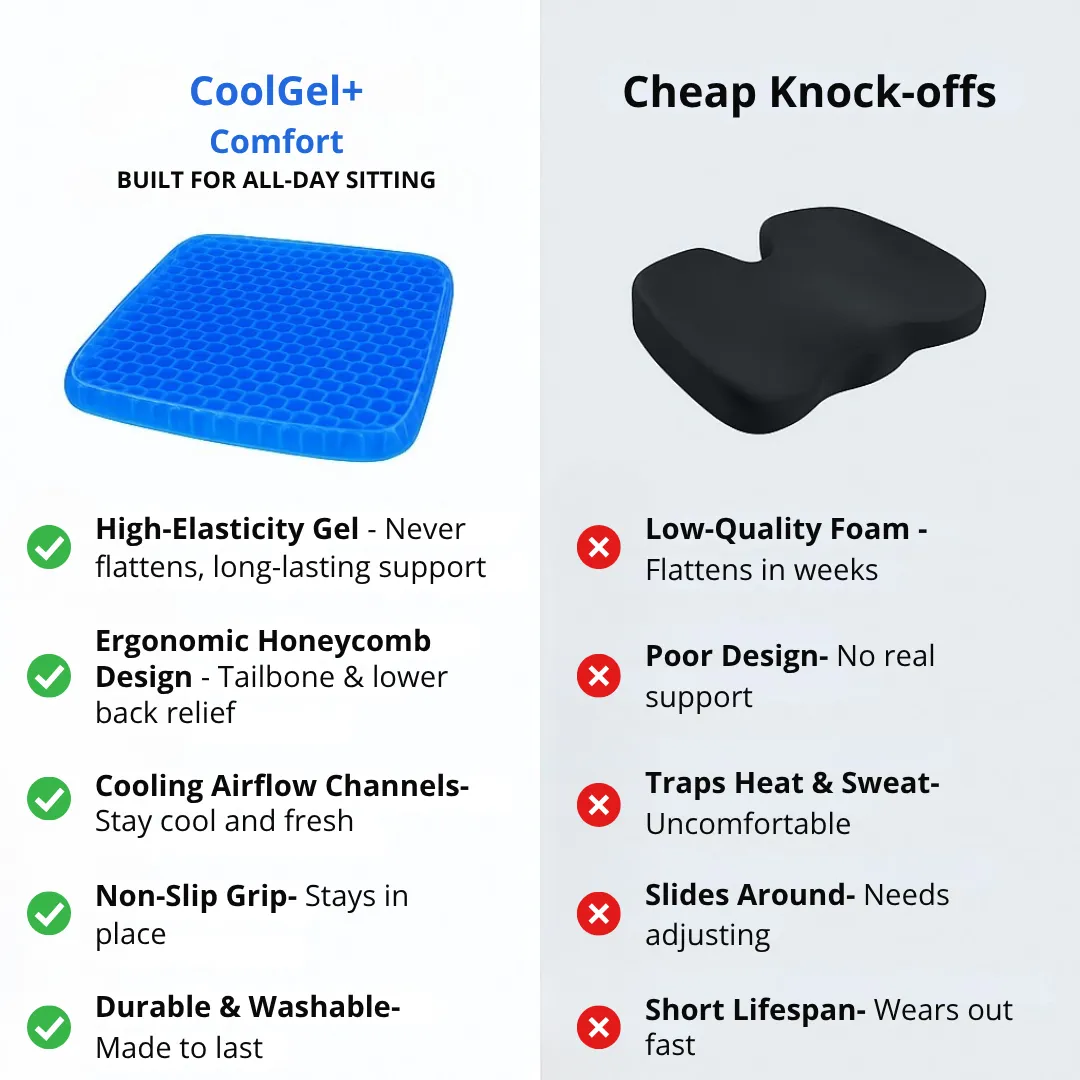
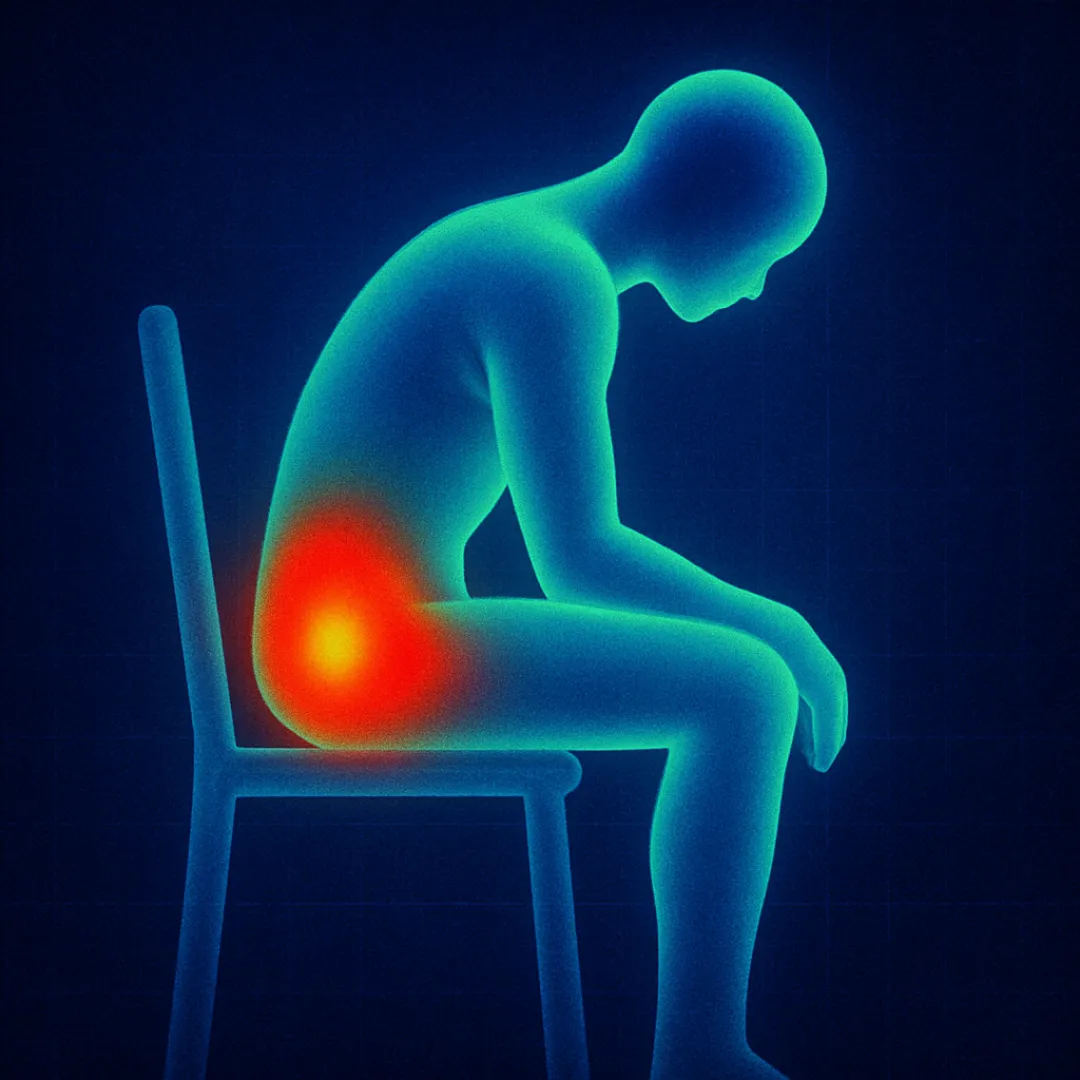
I laid out fifteen years of my father's life on his hospital bedside table at 11 PM. Not photographs. Not memories. Pill bottles. The nurse had given me a plastic bag when Dad was admitted. "Medication reconciliation," she called it. I was supposed to tell them what he'd been taking. I started pulling them out. One bottle. Then another. Then another. By the time I'd emptied the bag, there were twenty-three bottles lined up on that table. I arranged them by date. Oldest to newest. And I saw something that made my hands start shaking. 2009: Ibuprofen, 600mg, three times daily. I take Ibuprofen, 600mg, three times daily. Dad's in kidney failure. That's why we're here. His creatinine levels are through the roof. They're talking about dialysis. He's 83. I'm 68. I sat there looking at those bottles, a timeline of pharmaceutical escalation, and I realized I was looking at my own future. Let me back up. I've had chronic lower back pain for about seven years now. Sciatica that shoots down my left leg when I sit too long. The usual story. Doctors did their tests, found "normal degenerative changes," gave me the standard advice. Take Ibuprofen. Stay active. Come back if it gets worse. It got worse. So I took more Ibuprofen. By year three, I was taking it daily. 600mg, three times a day. Maximum recommended dose. It helped enough that I could function. Could sit through dinner. Drive to see my daughter. Do normal life things without wanting to scream. My doctor warned me about the stomach. Said take it with food, watch for black stool, that kind of thing. Nobody mentioned kidneys. Nobody mentioned that I was following a path that millions of people have followed before me, a path that doesn't end well. Dad started having back problems when he was 65. I remember because I was 40, and he'd complain about his "old man back" while we'd work on his car together. He started taking Ibuprofen. Just like me. For years, that's all it was. Ibuprofen as needed. Then Ibuprofen daily. Then Naproxen when Ibuprofen stopped working as well. I watched this happen in real-time across twenty years, but I never connected the dots. Sitting in that hospital room, I picked up each bottle and read the labels. 2009: Ibuprofen 600mg 2011: Naproxen 500mg 2014: Tramadol 50mg 2016: Meloxicam 15mg 2018: Tramadol 100mg (dosage increased) 2020: Oxycodone 10mg (as needed for severe pain) 2022: (this year) Oxycodone 15mg, Gabapentin 300mg, plus all the stomach protection meds—Omeprazole, Famotidine And now: kidney failure. I pulled out my phone. Opened my pharmacy app. Current prescriptions: Ibuprofen 600mg, 90-count, refilled every month like clockwork. I was at 2009 on Dad's timeline. I had fourteen years of bottles ahead of me. Unless I did something different. It was 11:47 PM. Dad was sleeping. The machines beeped their steady rhythm. I started searching on my phone. Not "back pain treatment", I'd done that search a thousand times. Same useless advice every time. I searched: "why does pain medication keep escalating" and "NSAID kidney damage timeline." What I found made me feel sick. Chronic NSAID use, the stuff I've been taking daily for seven years, is one of the leading causes of kidney disease in people over 60. Not "can cause" kidney damage. One of the leading causes. The studies showed it clearly: long-term NSAID use causes progressive kidney function decline. Slowly. Quietly. You don't feel it happening. Until suddenly you're in a hospital room and they're talking about dialysis. But here's what made me angry: The NSAIDs were never fixing anything. They were masking a signal. My back pain… Dad's back pain… It's caused by pressure. When you sit, your entire body weight concentrates on a few square inches of your pelvis. That pressure compresses nerves and tissues. For people with any inflammation or nerve sensitivity, that concentrated pressure triggers pain signals. The pills block those signals. But the pressure never stops. So the signals never stop. So you keep taking pills to keep blocking the signals. Meanwhile, your kidneys are filtering all those drugs, every single day, for years, and they're slowly failing. I sat there at midnight in that hospital room and I had this crystal-clear thought: I'm not managing pain. I'm on an escalator. First floor: Ibuprofen as needed. Second floor: Ibuprofen daily. Third floor: Prescription NSAIDs. Fourth floor: Opioids. Basement: Kidney failure. My dad rode that escalator all the way down. I was currently on the second floor. I looked at him sleeping in that hospital bed. Tubes and wires. Dialysis port in his chest. He followed every doctor's instruction. Took every prescribed medication. Did everything "right." And here he is. Because nobody, not one doctor in twenty years, ever asked: "What if we remove the pressure instead of masking the pain?" I spent the next three hours searching. Not for pain medications. For the thing nobody had offered my father: mechanical solutions. Why does sitting create concentrated pressure? Because hard surfaces don't distribute weight, they concentrate it. Why don't regular cushions help? Because foam compresses. After a few weeks, you're sitting on flattened foam that creates the same pressure points. Memory foam is even worse. It "molds to your body," which means it holds those pressure points in place. Plus it retains heat, increasing inflammation. That's why every cushion I'd tried helped for a week, then stopped working. Then I found something different. A clinical study on long-haul truck drivers, people who sit 8-12 hours a day, just like Dad did in his courier job for thirty years. They tested gel cushions. Medical-grade gel. The results stopped me cold: Drivers using gel cushions had 60% reduction in pain intensity scores. And they could sit 3-4 times longer before pain started. More importantly: they significantly reduced NSAID consumption. Here's what gel does differently: It doesn't compress. It redistributes. When you sit on medical-grade gel, your weight spreads across the entire surface. The gel flows and adjusts constantly, equalizing pressure so there are no concentrated points. No concentrated pressure = no nerve compression = no pain signal = no pills needed. This is what hospitals use to prevent pressure ulcers in bedridden patients. They've known this works for decades. But it's been locked in medical supply catalogs while pharmacies sell us pills. I ordered one at 2:34 AM from that hospital room. It arrived at my house six days later. My husband brought it to me at the hospital. I didn't tell anyone what I was doing. I just quietly used it in the hospital chair while I sat with Dad during his treatments. First day: Three hours sitting. No pain. I kept waiting for it to start. The familiar burning. The shooting sensation down my leg. Nothing. That was eleven months ago. Dad's still on dialysis three times a week. His kidney function isn't coming back. Twenty years of NSAIDs saw to that. But I stopped taking Ibuprofen completely. Not gradually. Just stopped. I use the cushion everywhere. Car. Kitchen chair. My desk. Anywhere I'm going to sit for more than a few minutes. I haven't taken a pain pill in eleven months. Last week I had my annual physical. Routine bloodwork. My doctor called me two days later. Said my kidney function numbers looked great. "Whatever you're doing, keep doing it," she said. I thought about telling her what I'm doing is NOT taking the medication she prescribed seven years ago. But I didn't. I just said thanks. Here's what nobody tells you: Pain medication isn't a solution. It's a delay mechanism. You're not treating the problem. You're postponing the consequences. The pressure that caused the pain yesterday will cause it again today. And tomorrow. And every day until you either address the pressure or mask the signal. If you mask the signal, you'll need pills forever. And the pills have a cost that comes due later. Much later. When you're 83 and sitting in a hospital room with tubes in your chest. I think about the conversations I never had with Dad. About whether the pills were actually helping or just masking. About whether there was something else we should try. About whether following the standard path was the only path. I can't have those conversations now. His path is set. But mine isn't. And if you're reading this because you're taking daily pain medication, if you've been taking it for months or years, if you've noticed you need more than you used to, if you've ever wondered where this ends, I need you to understand something: You're not at the end. You're at the beginning. I have a plastic bag in my closet. Just like the one the nurse gave me in Dad's hospital room. It has one bottle in it: my last prescription of Ibuprofen, dated eleven months ago, still three-quarters full. I keep it as a reminder. That's the first bottle on my timeline. And if I do nothing, in fifteen years someone will lay out my bottles on a hospital bedside table and see the same pattern. Or I can make this the only bottle. The first and last. The gel cushion I bought that night costs less than three months of my Ibuprofen prescription. It's the same medical-grade pressure redistribution technology hospitals have used for decades, just finally available without a prescription or a $500 price tag. I've been using it for eleven months. Every single day. It hasn't compressed, hasn't stopped working, hasn't let me down once. Most importantly: I haven't needed pills. Not one. My daughter is pregnant with her first child. My first grandchild. Due in March. I'm going to be there. I'm going to hold that baby as long as I want. I'm going to sit in the rocking chair in the nursery and I'm going to be present. And fifteen years from now, when that child is in high school, I'm going to be at every game, every play, every moment. Because I'm not following the timeline anymore. The pattern ends with me. If you're taking daily pain medication right now, if you've been on the escalator for months or years, you need to ask yourself one question: Are you solving the problem, or postponing the consequences? The pattern doesn't have to repeat. Not for you. Not for your kids watching you. The timeline ends when you decide it ends.
Volosso
Your Butt Will Thank You
Volosso
The Most Powerful Brain Enhancer
Volosso
Bestselling Red Light Therapy For A Reason!
Volosso
After Years of Pain, I Finally Learned the Real Reason It Hurts to Sit.
Volosso
Bestselling Red Light Therapy For A Reason!
Volosso
Bestselling Red Light Therapy For A Reason!
Volosso

Bestselling Red Light Therapy For A Reason!
Volosso
Bestselling Red Light Therapy For A Reason!
Volosso
Bestselling Red Light Therapy For A Reason!
Volosso

 Add to Chrome