signup.ruutlabs.com
Ad Copy
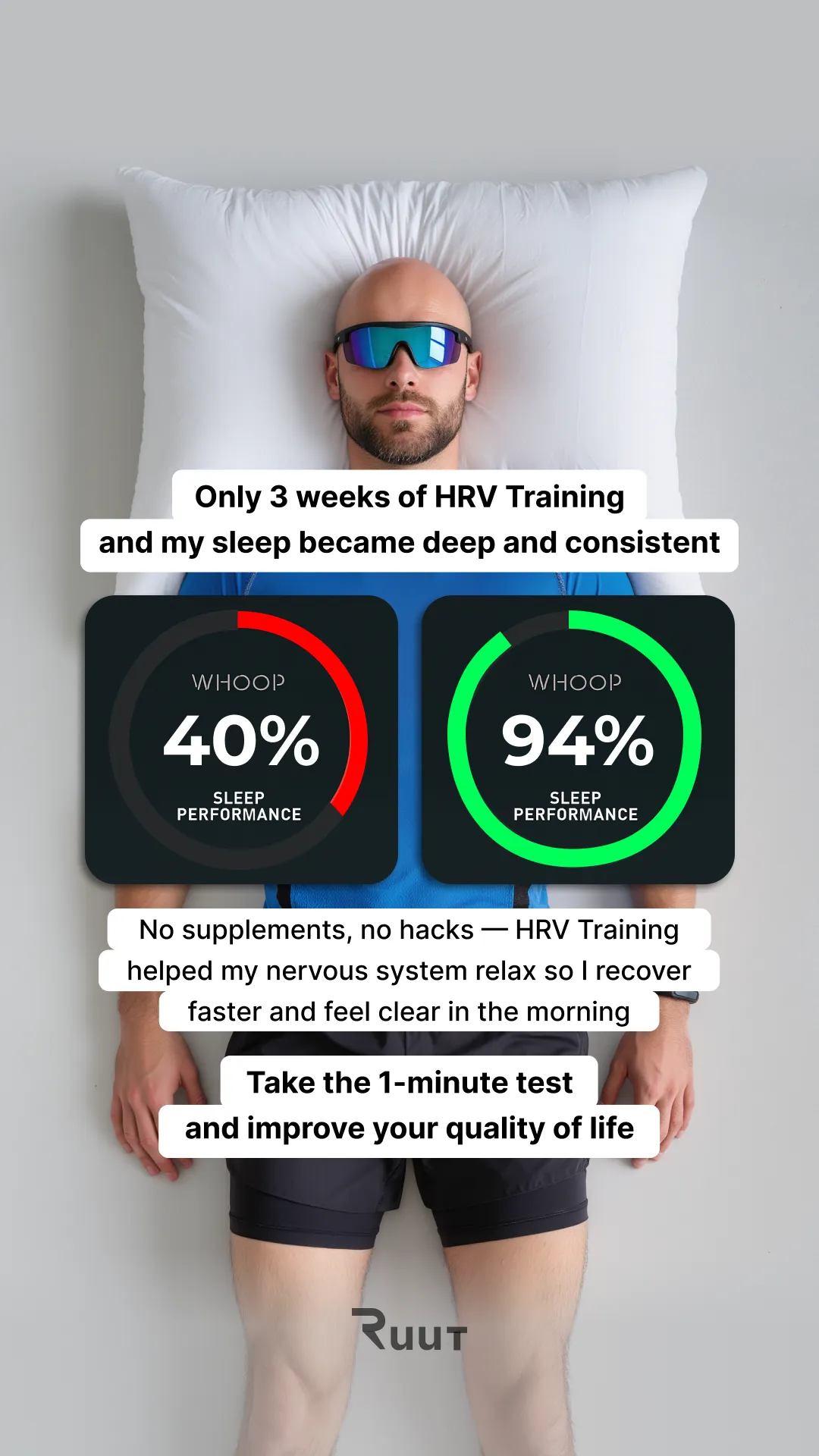
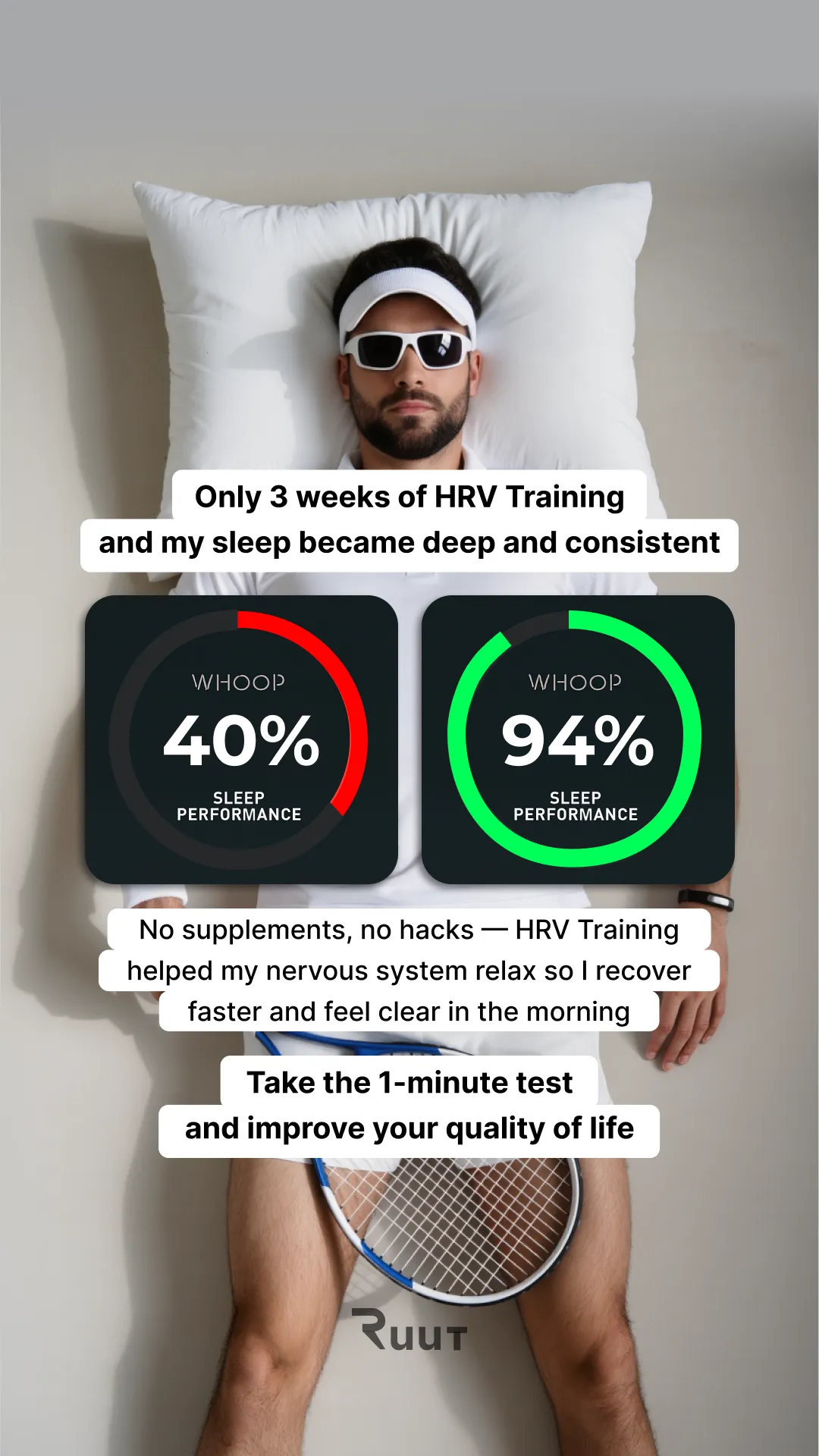
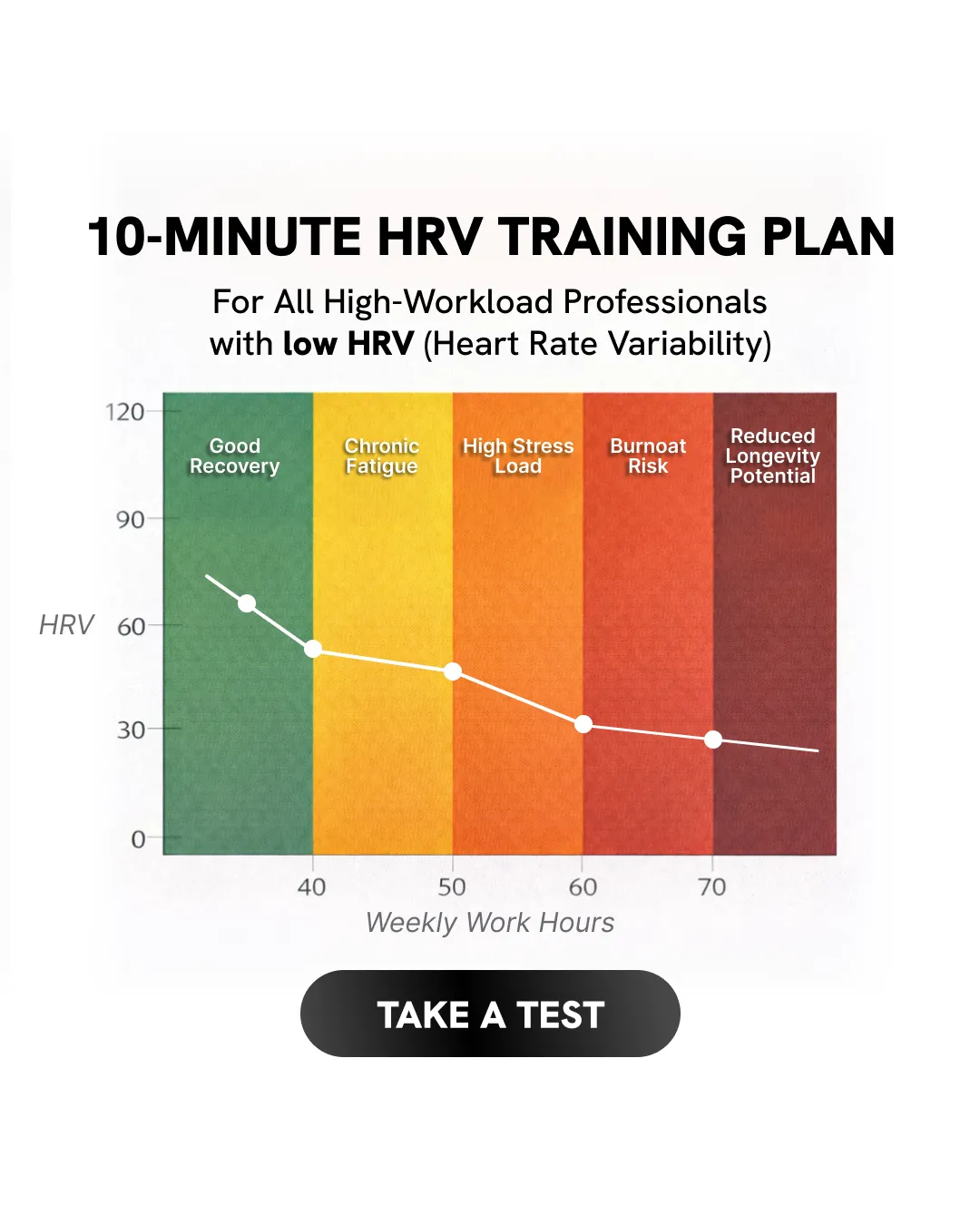
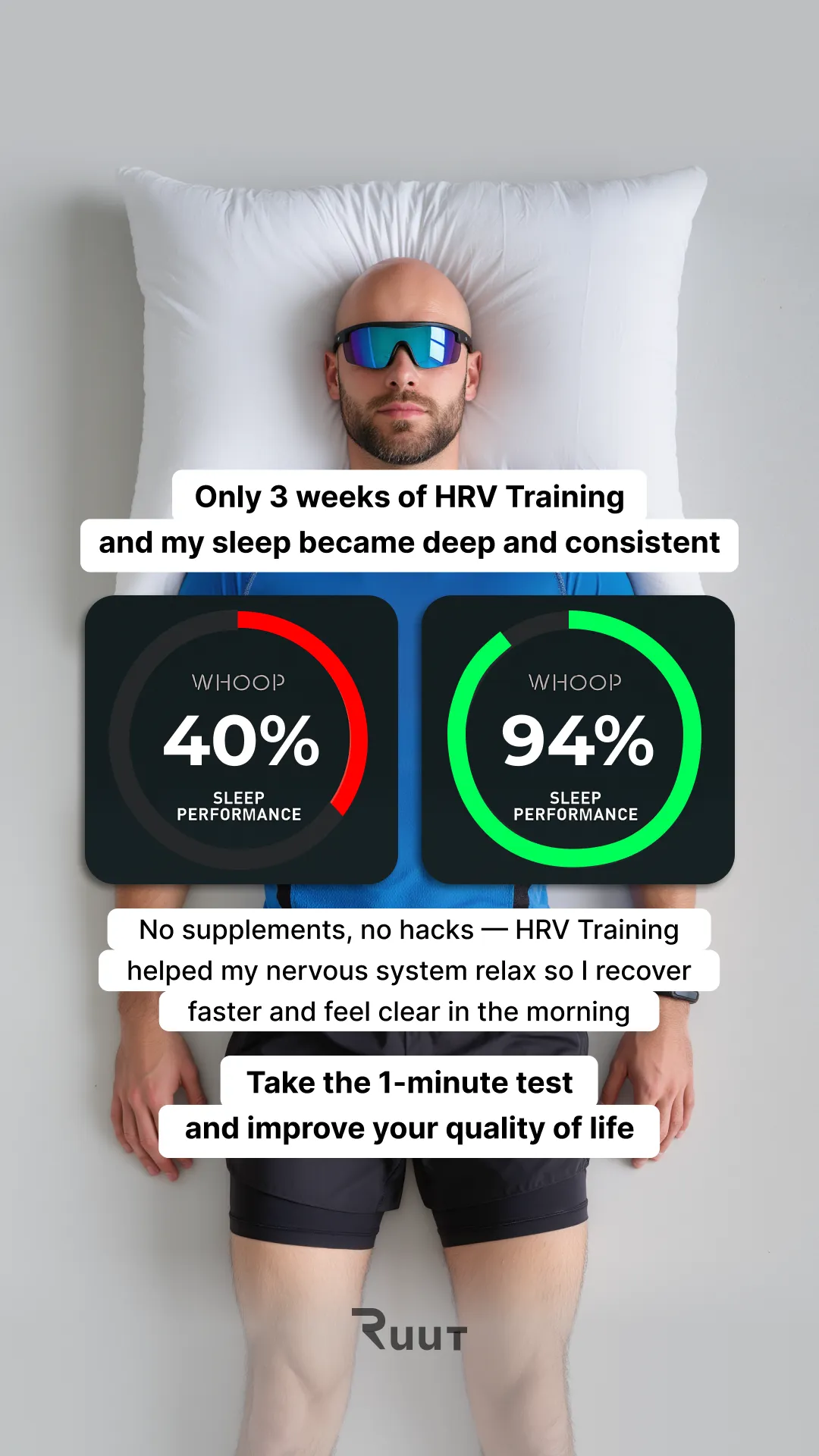
My sleep coach told me something I didn't expect: "Your problem isn't sleep." I woke up again at 3 AM. Wide awake, mind racing. This had been my reality for the past two years. Wake up multiple times every night. Dreams about stress and problems that wouldn't stop. Even when I slept eight hours, I'd wake up exhausted, like I hadn't rested at all. My fitness tracker showed barely any deep sleep. Just light, restless cycles that left me drained. The exhaustion affected everything. My focus was shot. Everything felt urgent and overwhelming. Simple tasks took forever because my brain couldn't process them efficiently. I started working longer hours to compensate for low productivity. It only made things worse. More effort, less sleep, worse results. My temper got short. I'd snap at my kids, apologize, then snap again the next day because I had no patience left. My wife would find me passed out on the couch most evenings, too tired to function. I tried everything over those two years. Blackout curtains, magnesium, melatonin, meditation apps, breathing exercises. Changed my entire routine. No caffeine after 2 PM, no screens before bed, optimized room temperature. Nothing worked. I kept tracking obsessively. The data never improved. After months of this, my wife said I needed professional help. She found a sleep coach who specialized in chronic sleep issues. In the first session, I brought all my data. Months of tracking, everything I'd tried. He looked through it, then said: "Your problem isn't sleep. It's your nervous system." I didn't understand. I'd tried everything for sleep. What did my nervous system have to do with it? "Sleep happens when your nervous system shifts into recovery mode," he explained. "All your sleep hygiene doesn't matter if your system won't downshift." He had me measure something called HRV. Heart Rate Variability. Result: 31. Healthy range for my age: 50-70. "Your nervous system is stuck in stress mode," he said. "Even when you're lying in bed. That's why nothing's working. Your body doesn't feel safe enough to fully rest." Everything clicked. The constant wake-ups, the racing mind, the exhaustion despite hours in bed. "Train your HRV," he said. "Retrain your nervous system to shift between stress and recovery. Fix that, and everything else follows." I found Ruut's HRV Training that night. 10 minutes a day. Breathing practices, movement techniques, sleep schedule optimization, nutrition habits, and biohacking methods that teach your nervous system how to downshift into recovery mode. Week one: HRV went from 31 to 38. Woke up one morning without that heavy dread. Just felt... normal. Week two: HRV hit 46. The constant tension in my shoulders and jaw started releasing. That tight feeling in my chest began to ease. Week three: HRV at 54. The afternoon crashes disappeared. My focus sharpened. I could actually retain information when reading. One month: HRV 70. Energy felt stable for the first time in years. No more peaks and crashes. Could handle stress without it draining me for days. My boss noticed. "Whatever you're doing, keep doing it. You're sharp again." Three months: HRV at 95. Sleeping through the night. My body is transformed. I stopped checking the data obsessively. Could feel the difference without needing numbers to confirm it. Here's what I learned: You can't hack sleep with bedroom optimization. If your nervous system is stuck in stress mode, nothing else matters. HRV training fixes the foundation. Everything else follows. Over 500,000 people use Ruut's HRV Training. 87% report better sleep within the first month. 10 minutes a day. That's what it took to fix what years of sleep hacks couldn't touch. Your body wants to rest properly. It just needs to learn it's safe. Take the free HRV test. See where your nervous system is. Start now.
More from Brian Miller
Normalize Blood Pressure in minutes!
Brian Miller
Easy to Follow HRV Training Plan
Brian Miller
Normalize Blood Pressure in minutes!
Brian Miller
Normalize Blood Pressure in minutes!
Brian Miller
Easy to Follow HRV Training Plan
Brian Miller
Normalize Blood Pressure in minutes!
Brian Miller
signup.ruutlabs.com
Brian Miller
Normalize Blood Pressure in minutes!
Brian Miller
Normalize Blood Pressure in minutes!
Brian Miller
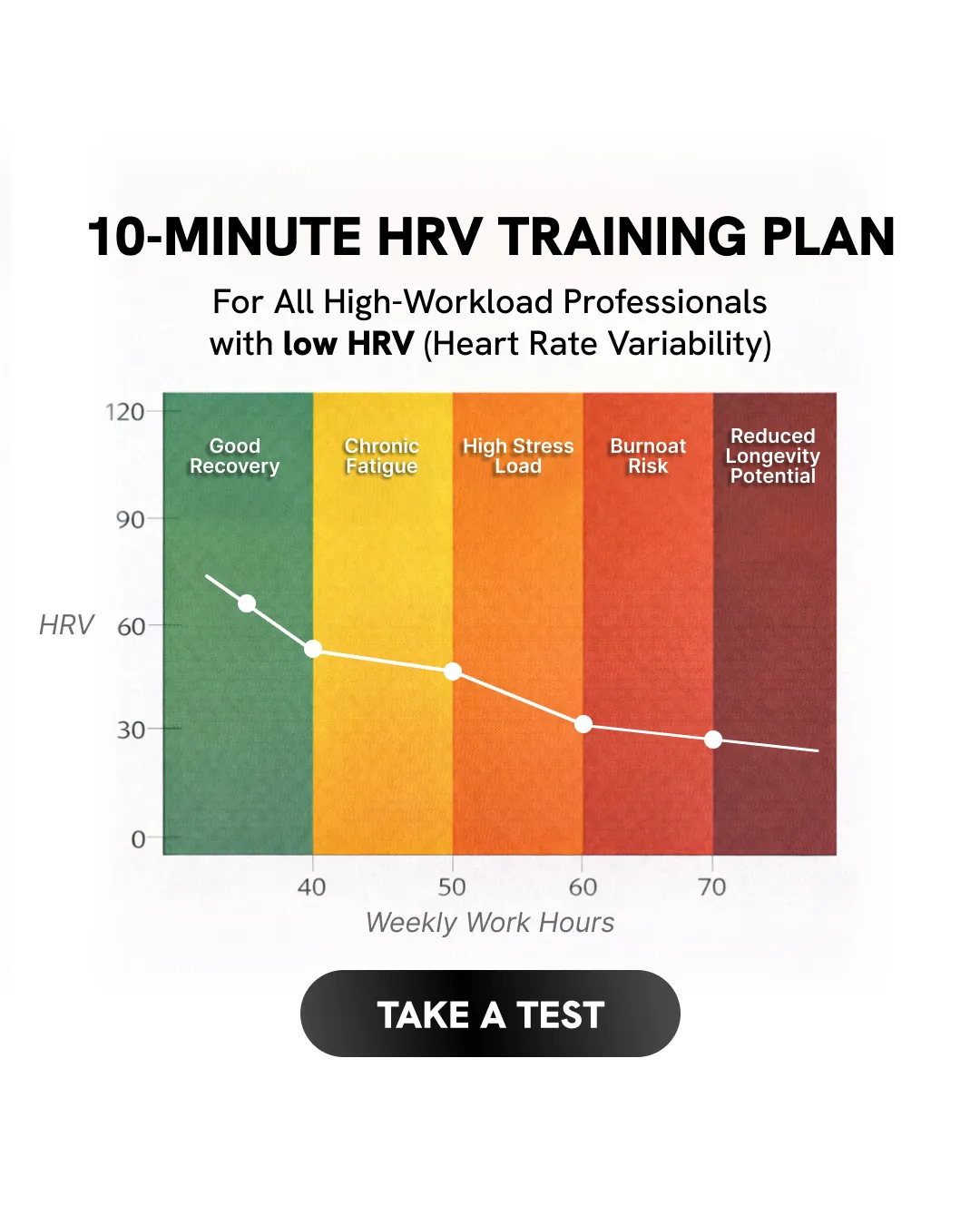
Easy to Follow HRV Training Plan
Brian Miller

signup.ruutlabs.com
Brian Miller
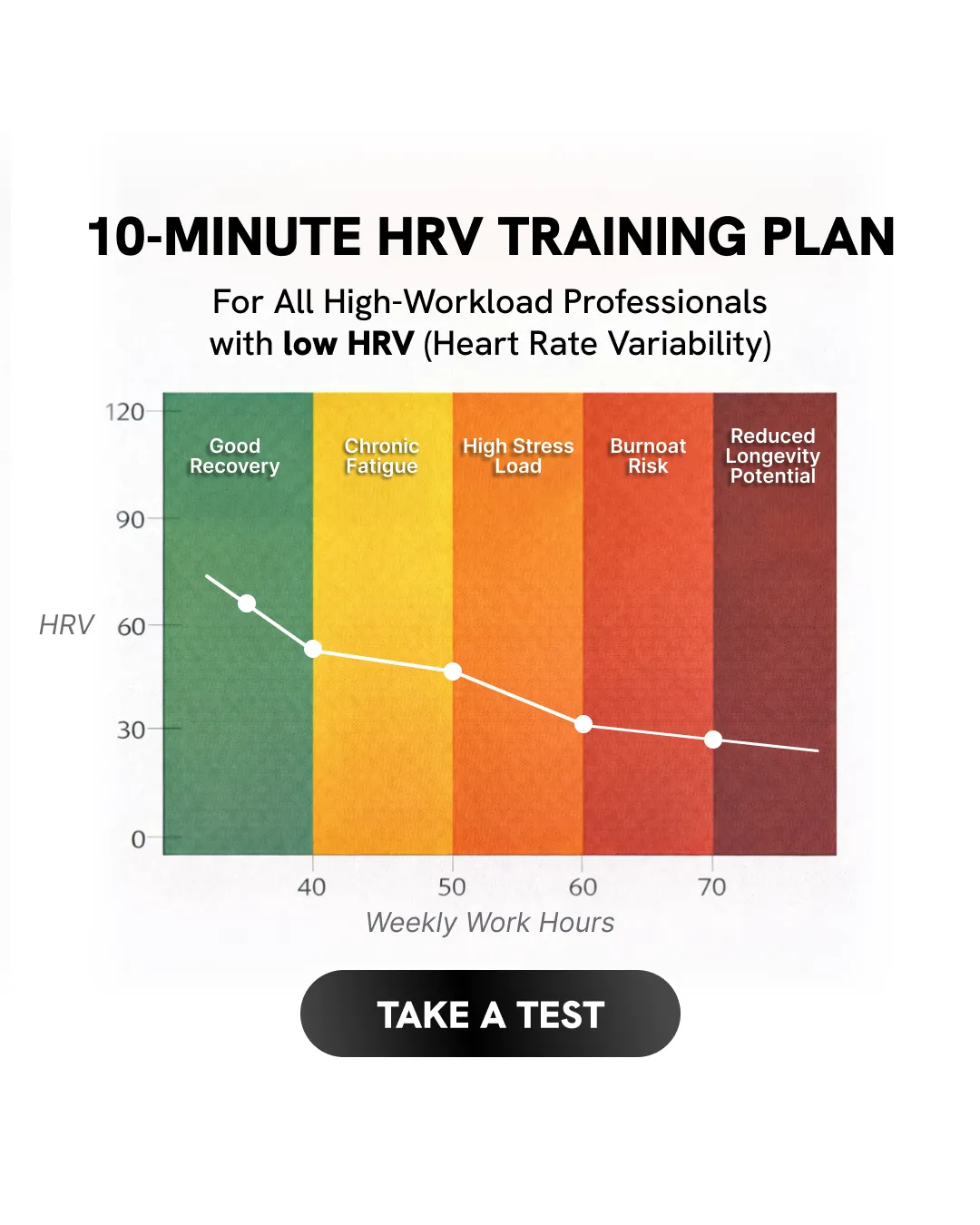
Easy to Follow HRV Training Plan
Brian Miller

 Add to Chrome