
signup.ruutlabs.com
Ad Copy
My chest was tight. I thought I was having a heart attack right at my desk. But it was something completely unexpected… 9:23 AM. Tuesday. I was just sitting there, staring at my screen. My heart was pounding again. I pressed my hand against my chest, trying to force myself to breathe evenly. My wife found me like that 15 minutes later. Pale. Sweating. Spooked. "Brian, maybe you need to rest a bit?" she asked. I nodded. Again. It started six months ago. At first, just fatigue. Normal, I thought.. work, kids, life on the wrong side of 40. Then came the daily energy crash at 3 PM. Then waking up wrecked, even after eight hours of sleep. Then being unable to focus when my kid was talking to me because my head was buzzing. And the snapping. My wife would ask something simple, and I’d bite her head off. The kids would make noise, and I felt my insides tighten up. Muscles constantly tense. Shoulders, neck, back — like I was carrying a backpack all day, even when I was doing nothing. And the heart… it just started going crazy at the weirdest times. During a presentation. In the grocery store. Driving home. "Just getting old," I’d joke to my colleagues. I’m 40. Not 70. I stopped wrestling with the kids after work. Stopped going to the gym. Stopped really talking to my wife — I just wanted quiet. Sleep stopped fixing it. I could sleep 9 hours and wake up feeling like I hadn’t slept at all. No focus. In meetings, someone would be talking, and I’d catch myself realizing I hadn’t heard a word for the last five minutes. You know the worst part? I didn’t understand WHY. I wasn’t working more than I was a year ago. I wasn’t sleeping less. But my body felt like it was running at 30% capacity. Constantly. I tried everything they tell you to try. Vitamins. More cardio. Less coffee. More water. Meditation apps before bed. Nothing worked for more than a few days. My brother said: "Maybe you just need to let go, stop stressing so much." Easy to say. How do you "stop stressing" when your body is physically tense even when you’re doing absolutely nothing? I just wanted to feel normal. To wake up and not wonder, "How much battery do I have today?" One night, I didn’t search for "anxiety symptoms" or "how to relax." I searched: "why is my body in fight-or-flight when I'm safe." And I found an article about HRV. Heart Rate Variability. I’d never heard of it. Long story short: it’s not how FAST your heart beats. It’s how FLEXIBLE it is. When your nervous system is balanced, your heart adapts constantly. Micro-seconds of difference between beats. That’s normal. That’s healthy. When your nervous system is fried, your heart beats like a metronome. No margin for error. The article listed symptoms of low HRV: - Chronic fatigue, even after sleep - Focus issues and brain fog - Irritability over small things - Constant muscle tension - Random heart palpitations - A feeling of being "wired" I read that list and felt a cold pit in my stomach. It was me. Every single point. Check, check, check. "Low HRV means your body is stuck in survival mode. Even when there is no threat." I decided to finally measure mine to see where I stood. The result hit me hard: 28 ms. Normal for my age: 50-80 ms. I looked at the number. Then I re-read the article. My body wasn’t broken. It was redlining. For months. Maybe years. My nervous system was stuck in the "ON" position. And I didn’t even know you could measure that. I started searching differently. Not "how to calm down." But "how to train my nervous system." I found the research. Elite athletes use HRV training for recovery. People recovering from severe burnout use it to find balance. And then I found Ruut. Not another habit tracker. Not a meditation app. It’s a HRV training plan that restores your mobility, reduces muscle tension, melts belly fat, and makes your body feel 20 years younger. Just 10 minutes a day, that’s all it takes to feel energized and look better, especially if you haven't felt rested in years. I was skeptical. But I was also a guy who was terrified this would never change. So I tried it. Week one? Nothing earth-shattering. I did the drills in the morning. Followed the breathing guides. I just trusted the process. Week two: HRV hit 35. A little better. Sleep felt deeper. Week three: My heart didn't race once. The muscles in my shoulders actually dropped. Four weeks in, my HRV was 52. I was sleeping. I was waking up without feeling wrecked. I could stay focused in a meeting. Three months in — HRV 74. I’m playing with the kids again. Back in the gym. Actually having conversations with my wife instead of just nodding and waiting for silence. My wife said something recently: "You look like yourself again." I’ve been following this HRV Management Plan every morning, just 10 minutes, and I cannot believe what it's done for my balance, my heart rate, even my mood. Here’s what I realized. My body wasn’t broken. It just never switched off. My nervous system was stuck in an alarm loop, and I didn’t know how to reboot it. Not more coffee. Not more willpower. Not "just relax." Training. Like a gym, but for your nervous system. HRV isn’t just a number. It’s a gauge of how well your body can handle life. And you can improve it. I don’t know if you’re reading this after another sleepless night. Or after realizing you’re running on fumes but don’t know why. But I know this 👉 your body isn’t breaking. It’s overloaded. And there is a way to fix it. These 10 minutes a day might just give you back the energy you lost without even realizing it. Take the free 1-minute HRV test, discover what’s draining your body, and become fully recharged.
More from Brian Miller
Normalize Blood Pressure in minutes!
Brian Miller
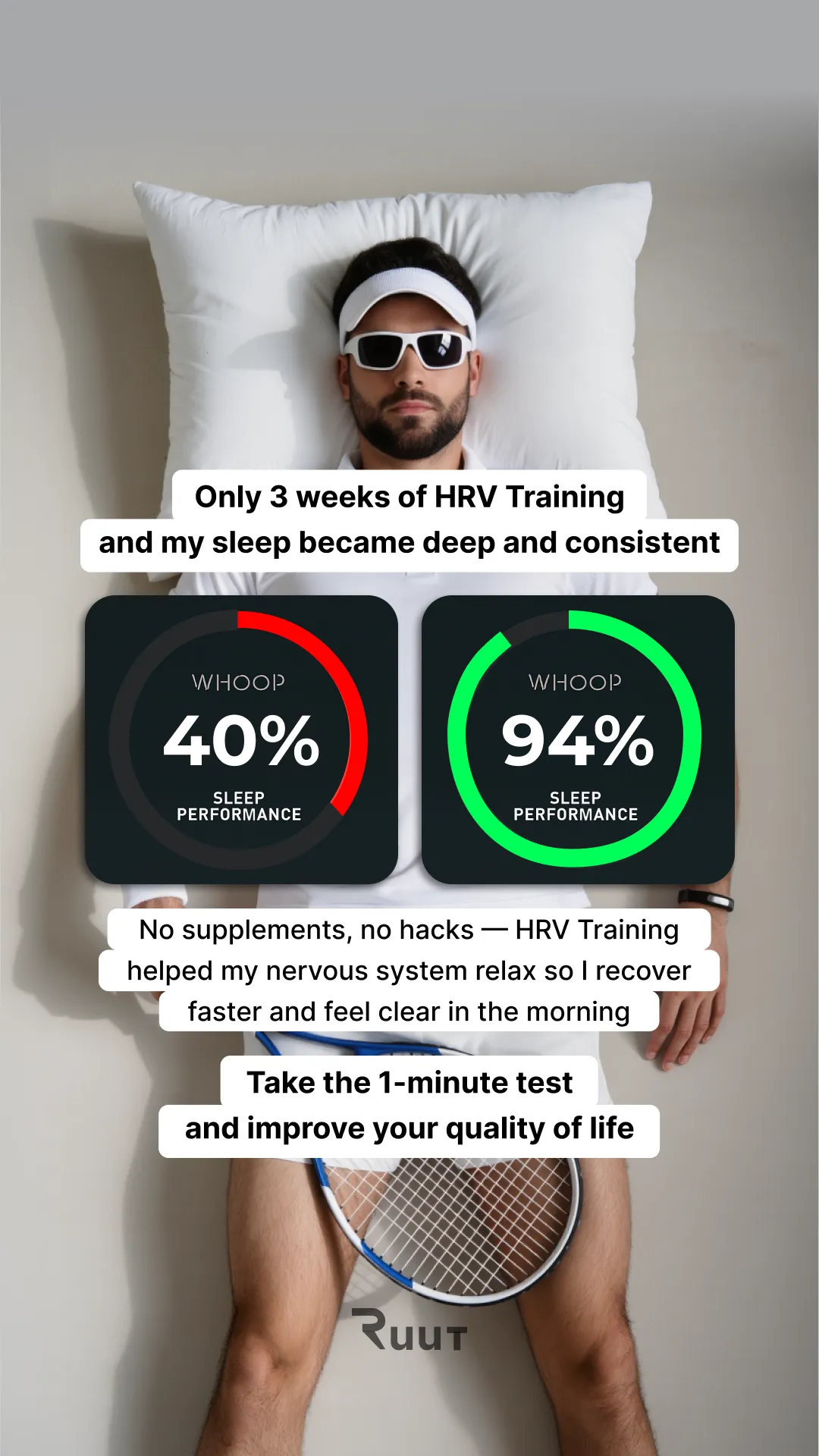
Easy to Follow HRV Training Plan
Brian Miller
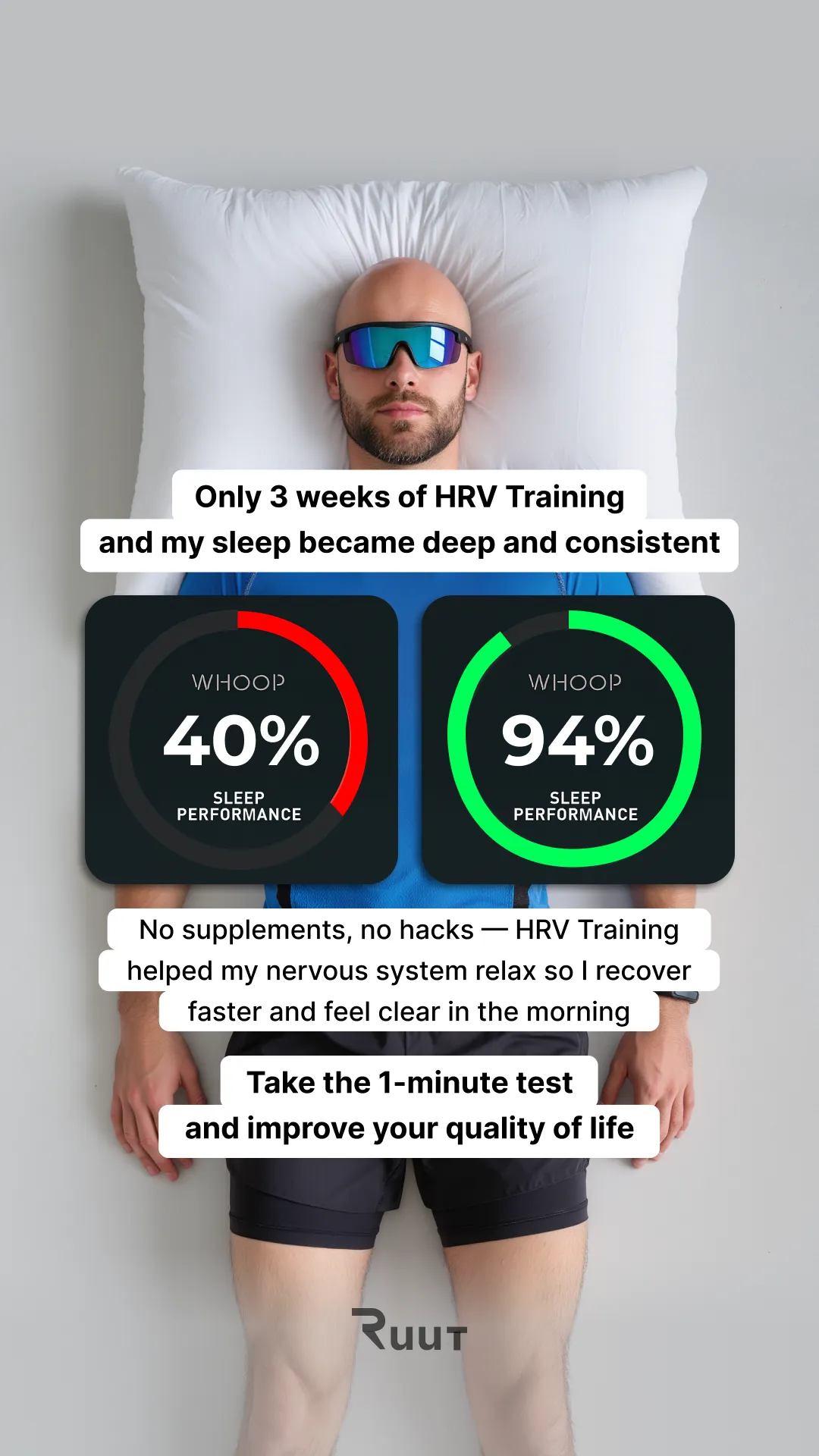
signup.ruutlabs.com
Brian Miller
Normalize Blood Pressure in minutes!
Brian Miller
Normalize Blood Pressure in minutes!
Brian Miller
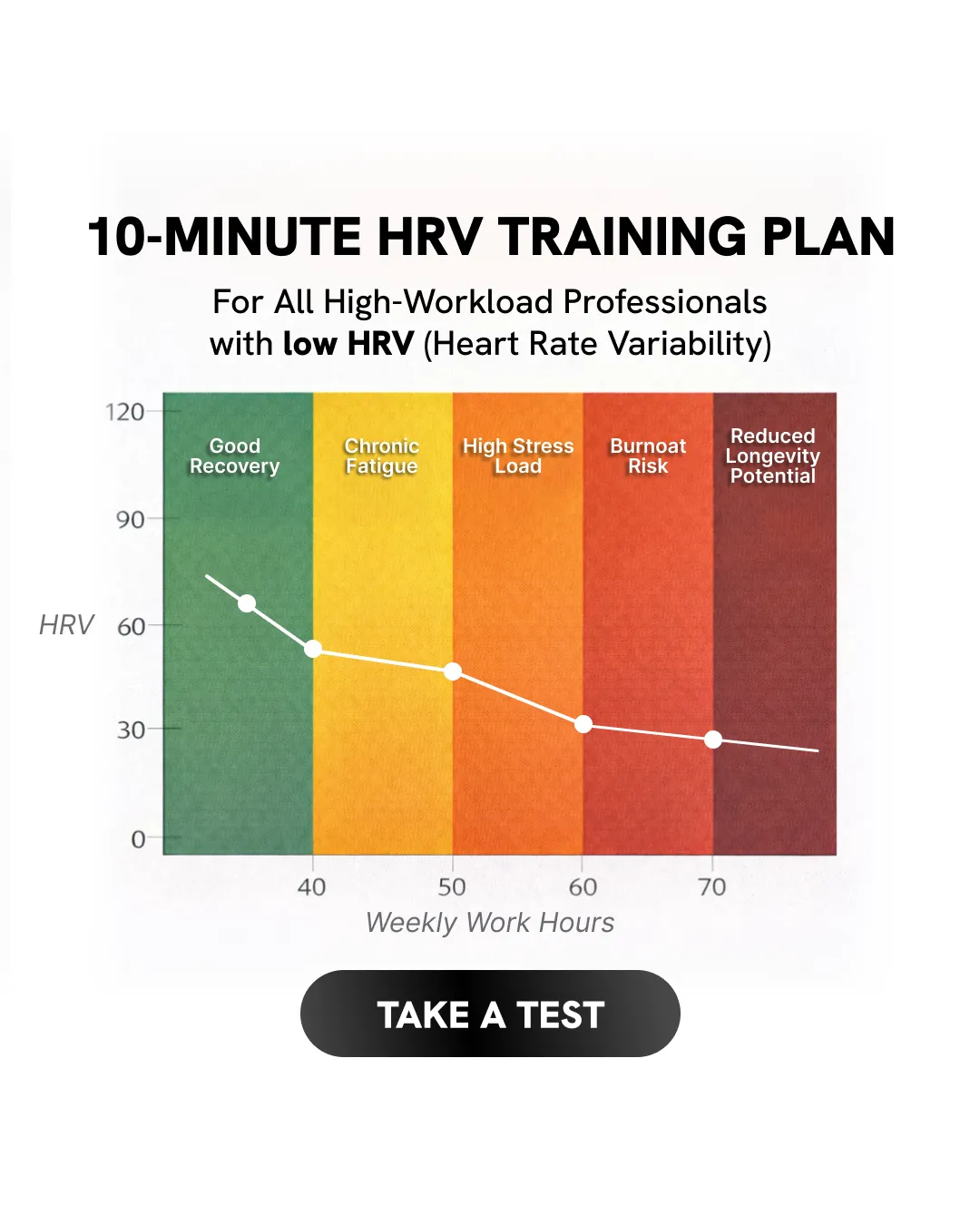
Easy to Follow HRV Training Plan
Brian Miller
Normalize Blood Pressure in minutes!
Brian Miller
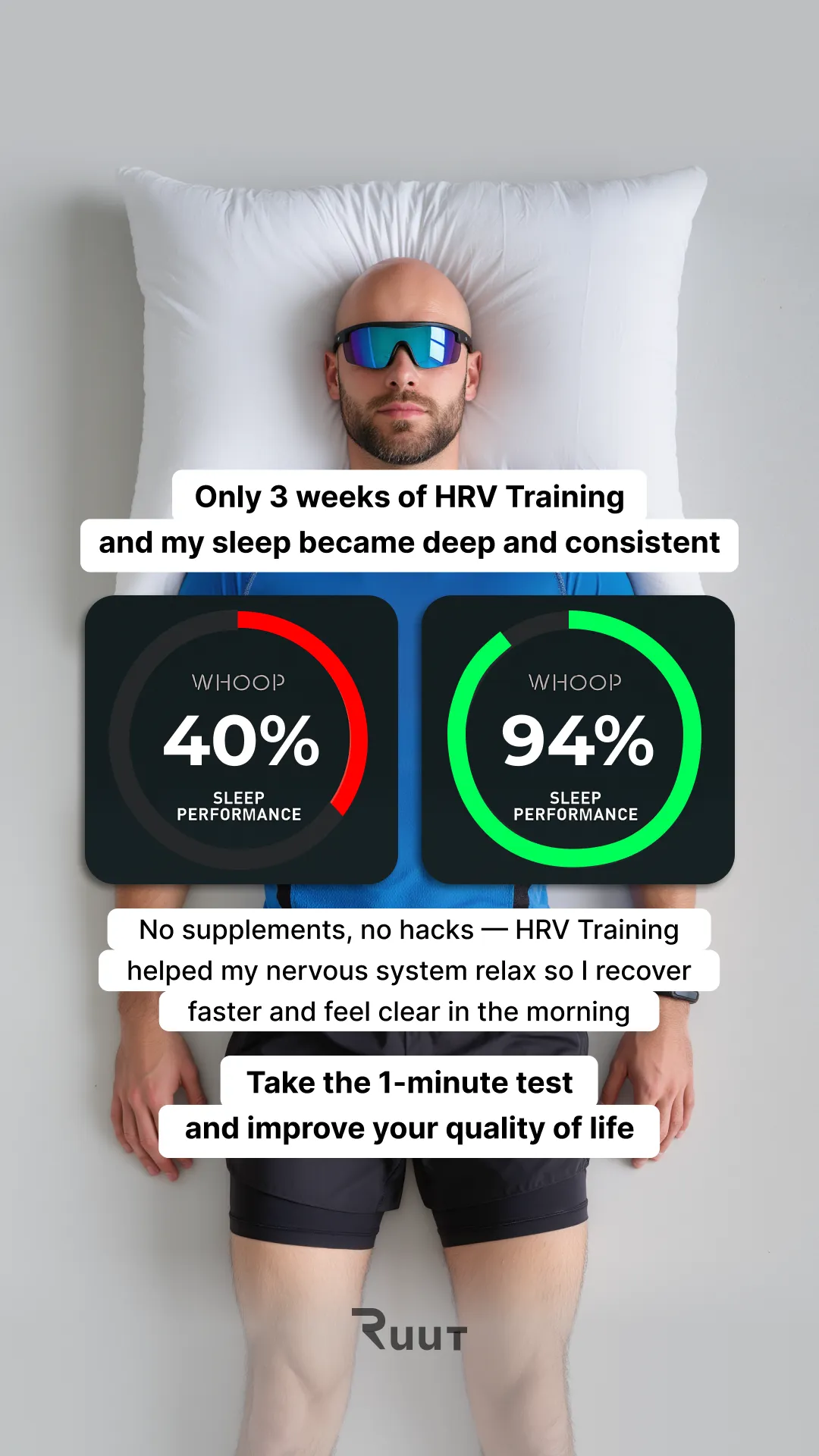
signup.ruutlabs.com
Brian Miller
Normalize Blood Pressure in minutes!
Brian Miller
Normalize Blood Pressure in minutes!
Brian Miller
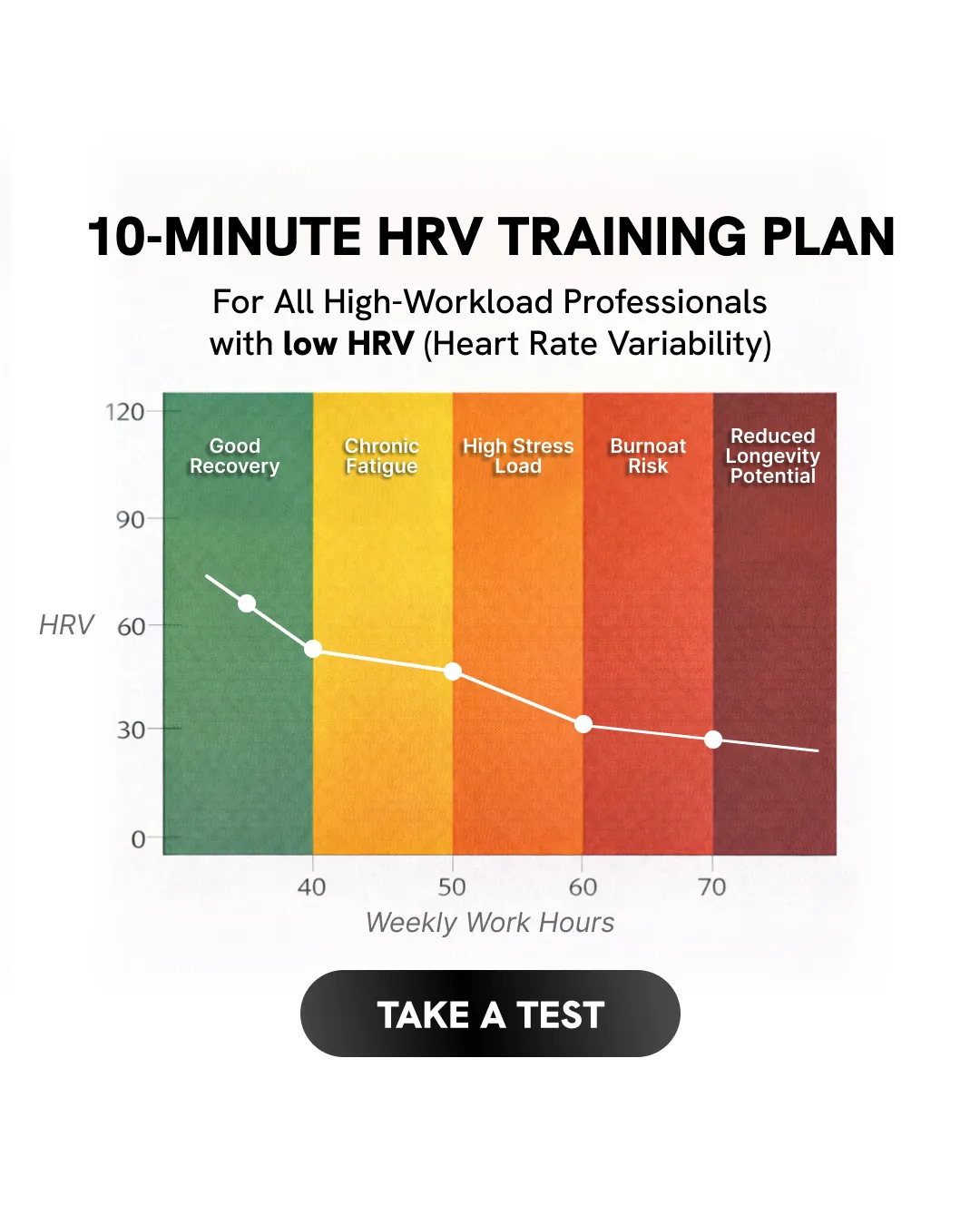
Easy to Follow HRV Training Plan
Brian Miller
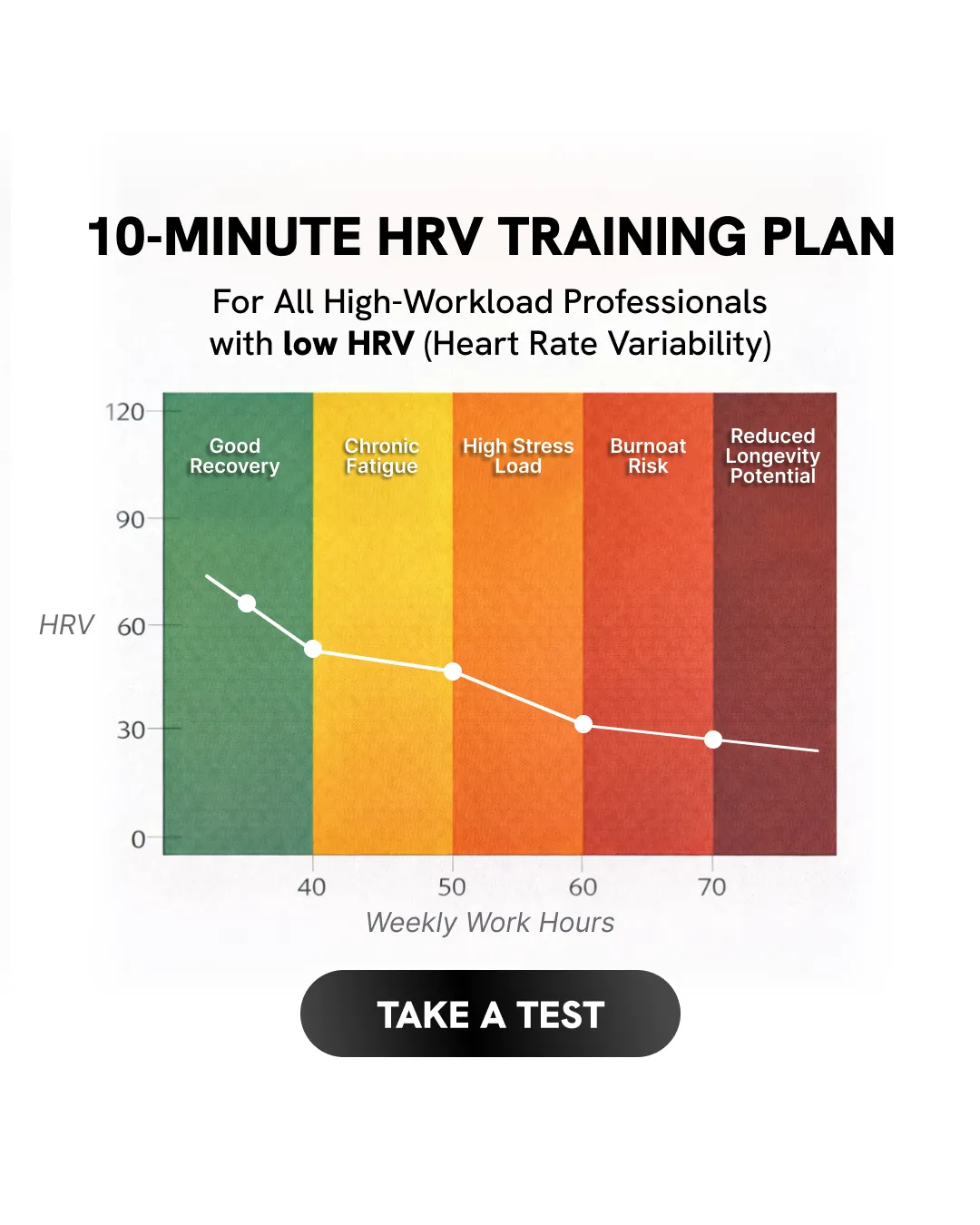
Easy to Follow HRV Training Plan
Brian Miller

 Add to Chrome