What Your Skin Is Trying To Tell You
Ad Copy
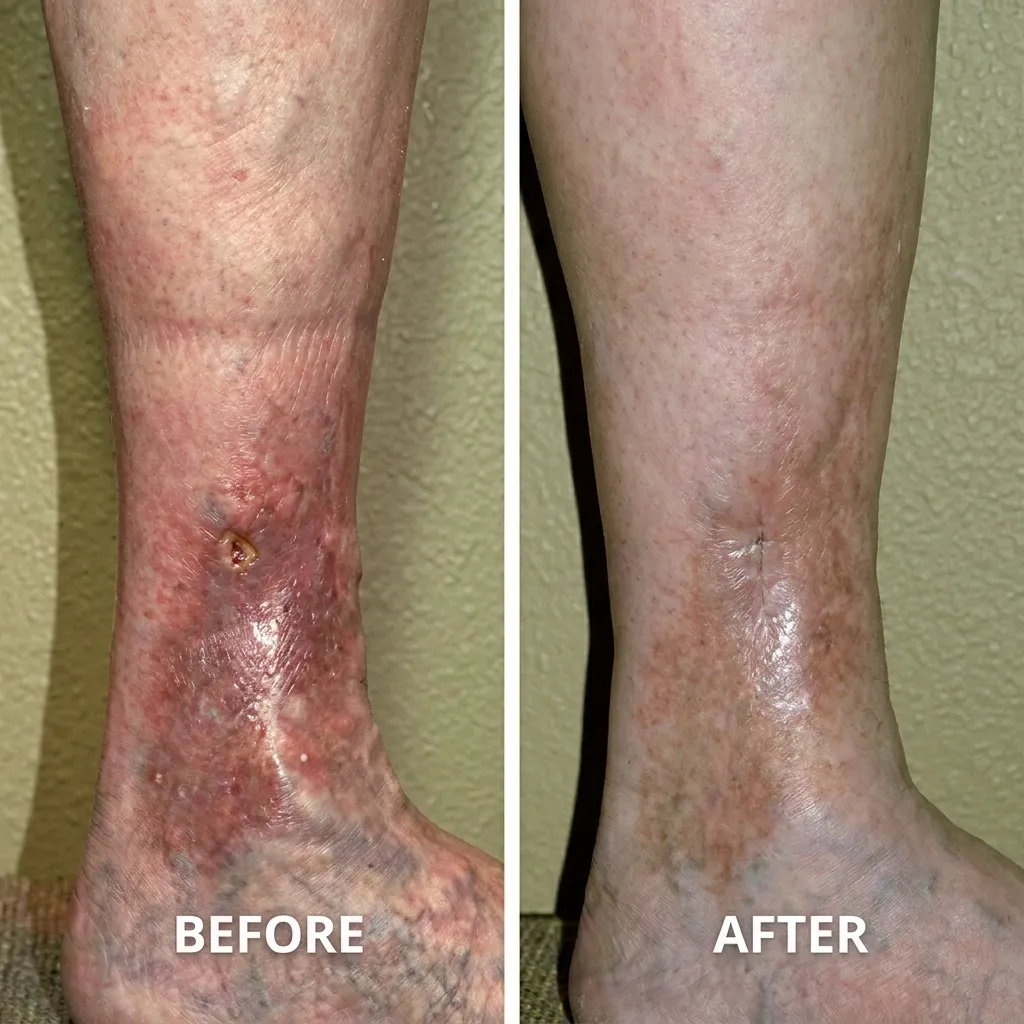
If you have varicose veins and there's a brownish patch above your ankle that you've been calling a bruise — it's not a bruise. If the skin on your lower legs itches and no cream fixes it, that's not dry skin. I'm a dermatologist, roughly a third of my patients have vein disease underneath the skin conditions they bring me, and I want to translate what your skin is actually telling you — because almost every woman hears this translation for the first time in my office, years after the conversation should have happened. ⠀ When a woman comes to my office with brown discoloration above her ankle, itching that will not resolve, or skin that feels tight and dry around her lower legs, she almost always says the same thing. ⠀ "I thought it was a skin problem." ⠀ I understand why. The symptoms are on the skin. The creams are for skin. The dermatologist is a skin doctor. Of course it looks like a skin problem. ⠀ It is not a skin problem. ⠀ It is a vein problem that has been progressing for years — quietly, internally — and has finally worked its way out to the surface where you can see it. ⠀ I'm Dr. Michelle Torres, a board-certified dermatologist with a subspecialty in chronic skin conditions of the lower legs. And here's what my specialty has taught me that most patients never hear: the skin doesn't just suffer from vein disease. The skin documents it. Every change follows a predictable sequence, and each stage of that sequence corresponds to a specific stage of what's happening inside your veins. ⠀ So let me do the translation. Stage by stage. Because somewhere on this list is where your legs are right now — and knowing where you are changes everything about what you should do next. ⠀ Stage one: the itching. ⠀ This is the first thing most women notice, and the first thing most women dismiss. Itching around the visible veins, usually on the lower leg. You buy a moisturizer. It helps for an hour. The itch comes back. ⠀ Here's the translation: that itch is not dry skin. It's your nerves complaining. ⠀ The chronic pressure in your veins activates an inflammatory cascade — driven by an enzyme called 5-LOX — that impairs the tiny blood vessels feeding the tissue around your veins. The cells in that tissue start receiving less oxygen than they need. Not dramatically less yet. Just... less. And the nerves living in that tissue notice first. ⠀ The itching is their complaint. The earliest one. The quietest one. And the one that matters most — because at this stage, almost everything is still reversible. ⠀ Stage two: tightness and dryness. ⠀ As the cascade keeps running, those inflammatory molecules start breaking down the structure of the tissue itself — the elastin and collagen that give your skin and the layer beneath it their normal stretch and bounce. ⠀ So the skin starts to feel tight. Not because of the skin — because the tissue underneath it is losing its elastic quality. And it feels dry because the blood supply to the surface keeps shrinking. ⠀ Your moisturizer is now fighting a circulation problem. It will lose. ⠀ Stage three: the brown discoloration. ⠀ This is the one that finally gets women into my office. A brownish, sometimes reddish-brown stain above the ankle that doesn't fade. Most patients arrive calling it a bruise that won't heal, or sun damage, or "just an age thing." ⠀ Here's the translation, and I need you to really hear it: that brown color is iron. ⠀ The vein walls — degraded for years by the same inflammatory cascade — have become compromised enough that red blood cells are leaking through them into the surrounding tissue. The iron in those cells deposits in your skin as a pigment called hemosiderin. ⠀ You are looking at iron stains from your own leaking vein walls. ⠀ That is not cosmetic. That is your skin filing an official report: the walls in here have been structurally compromised. ⠀ Stage four: hardening. ⠀ If the cascade keeps running past stage three, the chronically inflamed tissue under the skin begins to fibrose — to scar from the inside. The skin starts to feel hard. Wooden. Bound down to what's underneath it, instead of sliding freely the way healthy skin does. ⠀ This is called lipodermatosclerosis, and when I find it on an exam, I know the inflammation has been running, unopposed, for a very long time. ⠀ Stage five: the wound. ⠀ Tissue that has been oxygen-starved and structurally degraded for years eventually does the only thing left for it to do. It breaks down. The skin opens. A venous ulcer — a wound that can take many months to heal, if it heals, and loves to come back. ⠀ That's the end of the sequence. And every patient who reaches it passed through stages one through four first — usually with a moisturizer in hand and a "skin problem" in mind. ⠀ So let's put the translation all in one place. ⠀ The itching? Early nerve irritation from oxygen-starved tissue. ⠀ The tightness and dryness? Connective tissue being dismantled by the cascade. ⠀ The brown stain? Iron leaking through compromised vein walls. ⠀ The hardening? Years of inflammation turned into internal scarring. ⠀ The ulcer? The tissue finally giving out. ⠀ None of these are skin problems. ⠀ All of them are the skin documenting — in order, on schedule — what the inflammatory cascade has been doing inside your veins. ⠀ Now, here's where my two jobs come in. Because there are genuinely two levels to treat. ⠀ When the skin changes are already advanced, I treat what the skin is showing: corticosteroids for the inflammation, emollients for the fragility, compression for the pressure. That's real medicine and I'll keep practicing it. ⠀ But none of that touches what the skin is documenting — the cascade itself, still running underneath every cream I prescribe. ⠀ That's the level the botanical formula works at. ⠀ Boswellic acids from Frankincense inhibit the 5-LOX enzyme directly — interrupting the cascade producing every single stage on the list you just read. ⠀ Angelica Sinensis restores blood flow through the impaired small vessels — re-oxygenating the exact tissue whose starvation generates the itching, the deterioration, the breakdown. ⠀ Comfrey allantoin actively supports the fibroblasts — the cells whose job is rebuilding the very collagen and elastin the cascade has been eating. ⠀ Peppermint delivers immediate circulation and relief on contact. ⠀ All of it in Senzio Miracle Balm, in a sesame oil base that carries the compounds down to the tissue depth where the cascade actually lives — because this entire disease happens below where any surface cream can reach. ⠀ One level treats the surface. The other addresses the mechanism generating the surface. Both belong in the picture. ⠀ But the mechanism intervention belongs earlier — ideally before the skin has anything to show at all. ⠀ So here's my direct advice, stage by stage. ⠀ If you have itching around your varicose veins: that is stage one. That is the invitation. Start now, while the tissue still has nearly all of its repair capacity. ⠀ If you have the tightness, the dryness: the cascade is gaining ground. Start now. ⠀ If you have a brown patch above your ankle that you've been calling a bruise: it is not a bruise. It is iron from your vein walls, and the clock matters now. Start now — and get your legs in front of a doctor. ⠀ The skin is showing you what the inside has been doing. ⠀ The inside can be addressed before the showing gets worse. ⠀ Senzio Miracle Balm is 50% off right now with a 60-day money-back guarantee. Three to four minutes massaged into both legs before bed, on intact skin. The symptoms that precede the skin changes — the itching, the heaviness — respond within the first two weeks. If yours don't, every dollar comes back. ⠀ Your skin has been writing you reports for years. Today is the day you finally read one in time. ⠀ P.S. — The most common sentence I hear from patients with advanced venous skin changes: "I wish someone had told me what the itching meant three years ago." The itching was the first sign — the one the skin gave when the inside was just beginning. If the inside intervention had started at the itching, the brown staining and the hardening would have had far less mechanism to grow from. The itching is the invitation. Do not miss it. ⠀ P.P.S. — 60-day guarantee. Be clear-eyed about the timeline: the skin changes reverse slowly — months, not weeks. The symptoms that precede them reverse in weeks. The guarantee covers the symptom reversal; the skin confirms it over the months that follow. Symptom improvement in weeks, skin improvement in months. Both are coming. The guarantee covers the beginning. ⠀ — Dr. Michelle Torres, MD Board-Certified Dermatologist Subspecialty: Chronic Skin Conditions of the Lower Extremity
More from Senzio Remedies

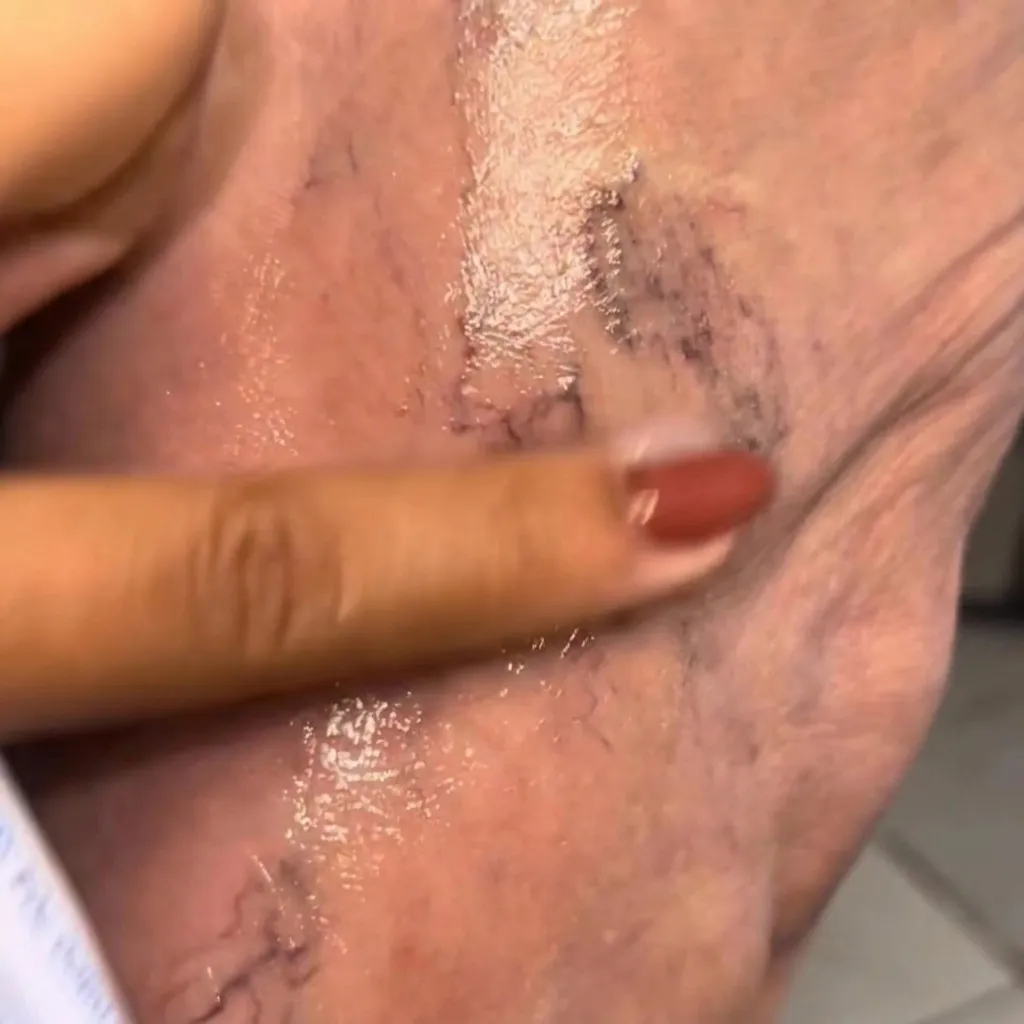
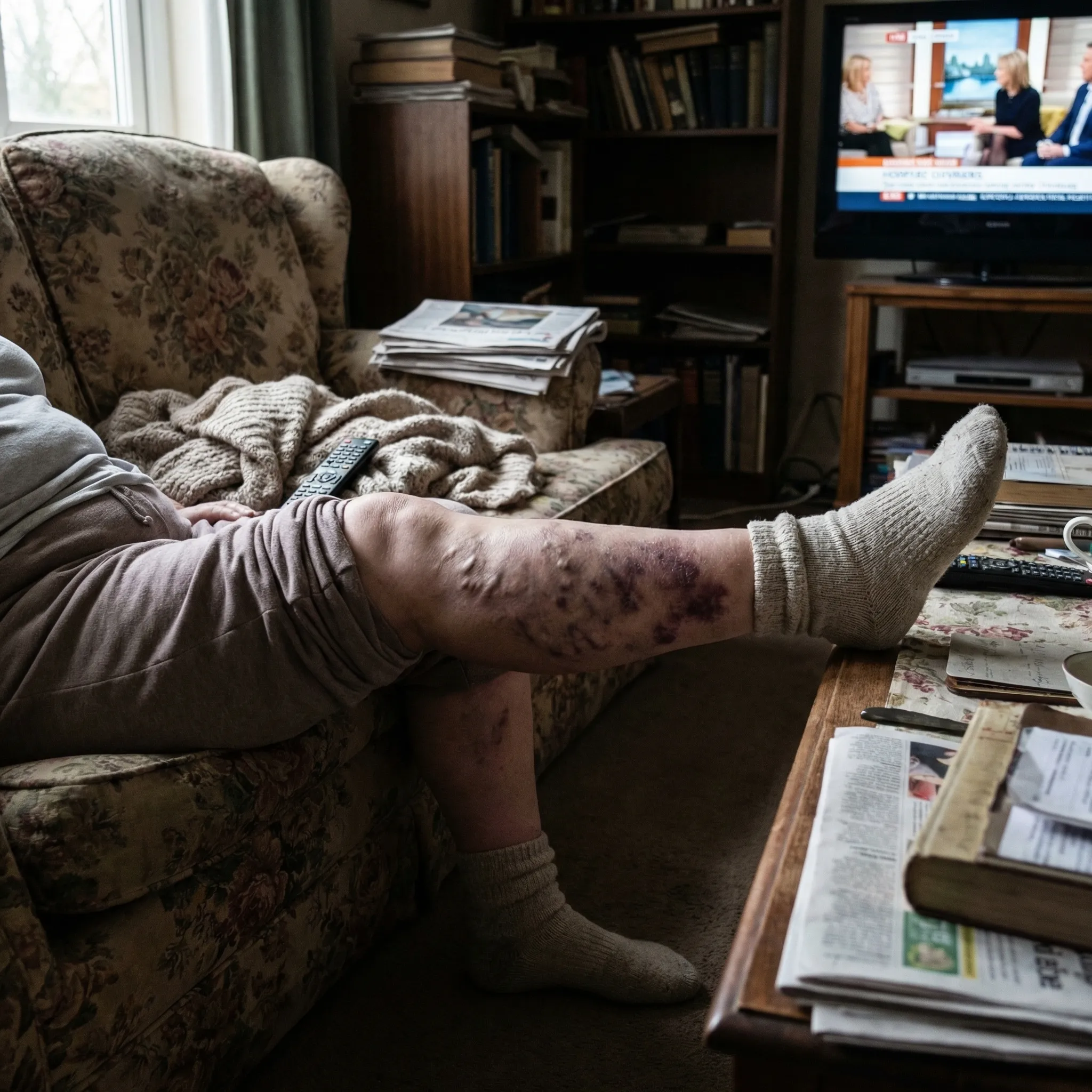
If your legs are tired, heavy, and swollen by the end of every day, there's a reason every cream, gel, and menthol rub you've ever tried felt nice for a few minutes and then changed absolutely nothing. It's not that the ingredients were all useless. It's that they never got where they needed to go — and they didn't stay long enough to matter. The average leg cream stops working about twenty minutes after you apply it. What I'm about to show you works for eight hours straight, while you sleep. ⠀ Why every cream you've tried quit on you. ⠀ Think about the last product you rubbed into your aching legs. ⠀ Within twenty minutes, one of three things happened to it. ⠀ It evaporated. Most creams and gels are water-based. Water-based formulas feel light and absorb fast — and then the water evaporates, taking the "treatment" with it. That cooling sensation fading? That was the product leaving. ⠀ It rubbed off. Whatever survived evaporation transferred straight onto your pants, your couch, or your sheets. By the time you fell asleep, more of it was on your pillowcase than in your legs. ⠀ Or it just sat there. The few ingredients that stayed put never penetrated past the outermost layer of skin — because most carrier bases physically can't go deeper. And here's the problem with that: tired, heavy, swollen legs aren't a skin-surface problem. ⠀ The heaviness comes from fluid pooling in the tissue. The swelling comes from impaired circulation in the small vessels feeding that tissue. The deep ache comes from an inflammatory process running around your veins — well below where any surface cream ever reaches. ⠀ So you've been applying twenty-minute products to the surface of an all-day, deep-tissue problem. ⠀ The ingredients were never the whole story. ⠀ The delivery was. ⠀ Senzio Miracle Balm is built around the delivery. ⠀ Two ingredients in this formula do no healing at all. They're not supposed to. They're the transport system — and they're the reason everything else works. ⠀ Part one: sesame oil. The carrier. ⠀ Sesame oil has a molecular structure that does what water-based creams can't: it penetrates. Through the outer skin layers, down into the tissue where the swelling, the fluid, and the inflammation actually live. It's been used as a carrier oil in traditional medicine for thousands of years for exactly this property — it doesn't sit on skin, it moves through it. ⠀ And as it goes, it carries the active botanicals with it. Deep delivery, not surface decoration. ⠀ Part two: beeswax. The seal. ⠀ Here's the part no leg cream you've ever owned has thought about. ⠀ Once the actives are in, beeswax forms an occlusive seal over the skin — a thin, breathable barrier that locks everything underneath it. ⠀ Nothing evaporates. Nothing transfers to your sheets. Nothing quits at the twenty-minute mark. ⠀ Instead, the compounds release slowly, hour after hour, all night long. One three-to-four-minute application before bed becomes eight continuous hours of treatment — through the exact hours your body does its repair work. ⠀ That's the whole trick. The sesame oil gets the actives down to the problem. The beeswax keeps them on the job until morning. ⠀ And while the seal holds, here's what's working inside. ⠀ Frankincense boswellic acids go after the source of the deep ache — inhibiting the 5-LOX enzyme that drives the inflammatory cascade around your veins. All night, the cascade that builds your heaviness is being interrupted instead of left to run. ⠀ Angelica Sinensis works on the swelling itself — restoring blood flow through the small vessels in the tissue, so the trapped fluid that makes your legs feel like sandbags finally has somewhere to go. ⠀ Comfrey allantoin supports the repair of the tissue the inflammation has been wearing down, in the improved environment the other compounds create. ⠀ Myrrh calms the inflammation through a second, complementary pathway. ⠀ And Peppermint is your immediate relief — a cooling wave within twenty minutes of application, soothing the day's ache while the slower compounds settle in for the night shift. ⠀ Five workers inside. Two ingredients holding the door shut so they can finish the job. ⠀ Do the math on what you've been using. ⠀ A standard cream: twenty minutes of surface-level contact, then gone. To match one night of Senzio, you'd have to wake up and reapply it twenty-four times. ⠀ Senzio: three to four minutes of massage before bed, and the treatment clocks out when you do — eight hours later, at sunrise. ⠀ Same effort. Twenty-four times the working hours. Delivered to the right depth instead of the wrong layer. ⠀ That's why people who've tried "everything" feel the difference here — not because they finally found magic ingredients, but because for the first time, the ingredients actually arrived and actually stayed. ⠀ The protocol is simple. ⠀ Massage Senzio into both legs — calves, ankles, behind the knees — for three to four minutes before bed. Feel the peppermint cooling settle in within twenty minutes. Then sleep, while the seal holds and the compounds work. ⠀ Most people notice the first change within two weeks: legs that feel lighter at the end of the day, swelling that drains instead of lingers, sock marks that fade instead of staying pressed in. The deeper changes build from there, night after sealed-in night. ⠀ Right now Senzio Miracle Balm is 50% off with a 60-day money-back guarantee. ⠀ That's sixty nights of eight-hour applications. If your legs don't feel lighter, look less swollen, and end their days differently — every dollar comes back. ⠀ You've spent years applying twenty-minute products to an all-night problem. ⠀ Tonight, seal the treatment in and let it work until morning. ⠀ P.S. — A simple test for whatever's in your cabinet right now: apply it, wait an hour, and touch your leg. If you can't feel any trace of it, it's already gone — evaporated or absorbed into fabric long before it could touch the tissue underneath. Senzio is still there at hour eight, because it was designed to be. The actives matter. But the carrier and the seal are why the actives ever get their shot. ⠀ P.P.S. — 60-day guarantee, and the two-week mark is your checkpoint. Fourteen sealed, eight-hour nights is over 100 hours of continuous deep-tissue treatment — more working time than years of twenty-minute creams combined. Let your legs do the comparing.
Senzio Remedies
Why Every Leg Cream Quits In Only 20 Minutes
Senzio Remedies
Why Every Leg Cream Quits In Only 20 Minutes
Senzio Remedies
I Lost 38 Pounds, Yet My Veins Still Got Worse
Senzio Remedies
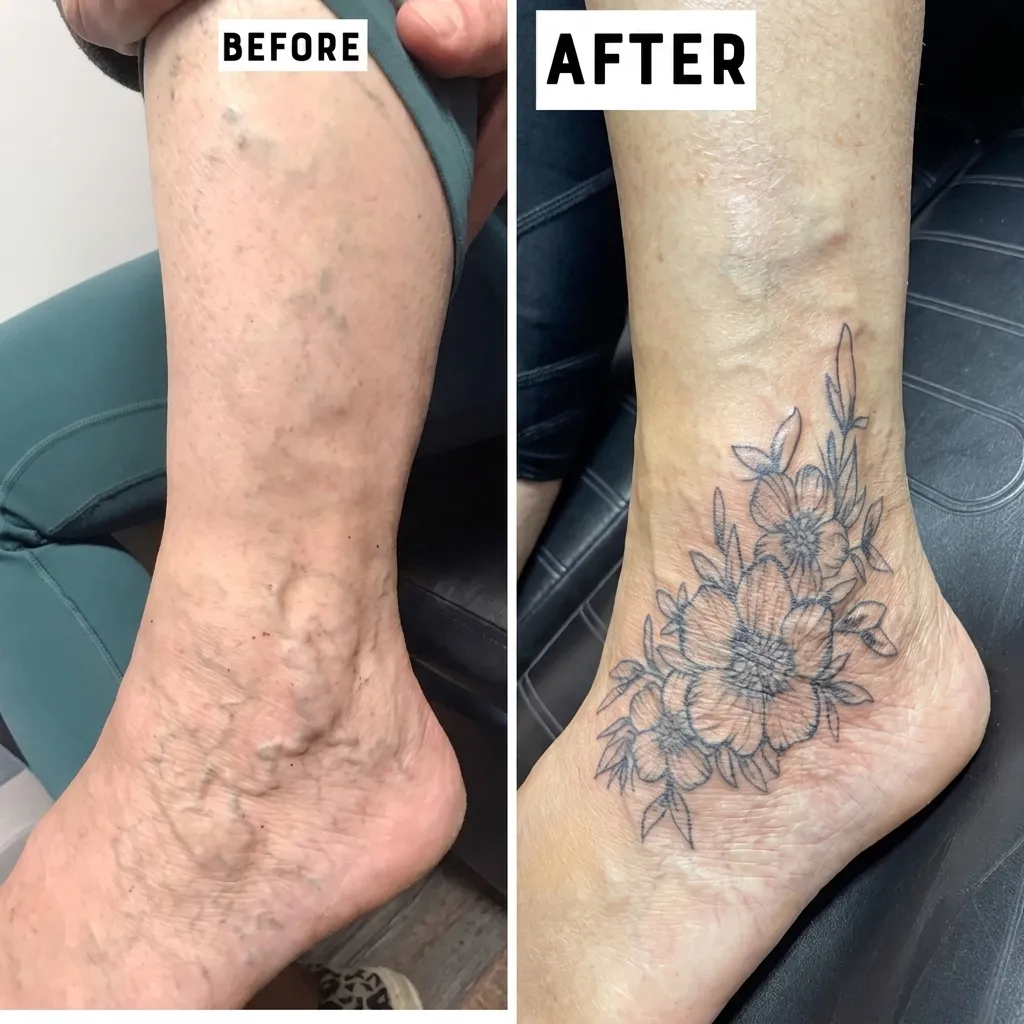
I Lost 38 Pounds, Yet My Veins Still Got Worse
Senzio Remedies
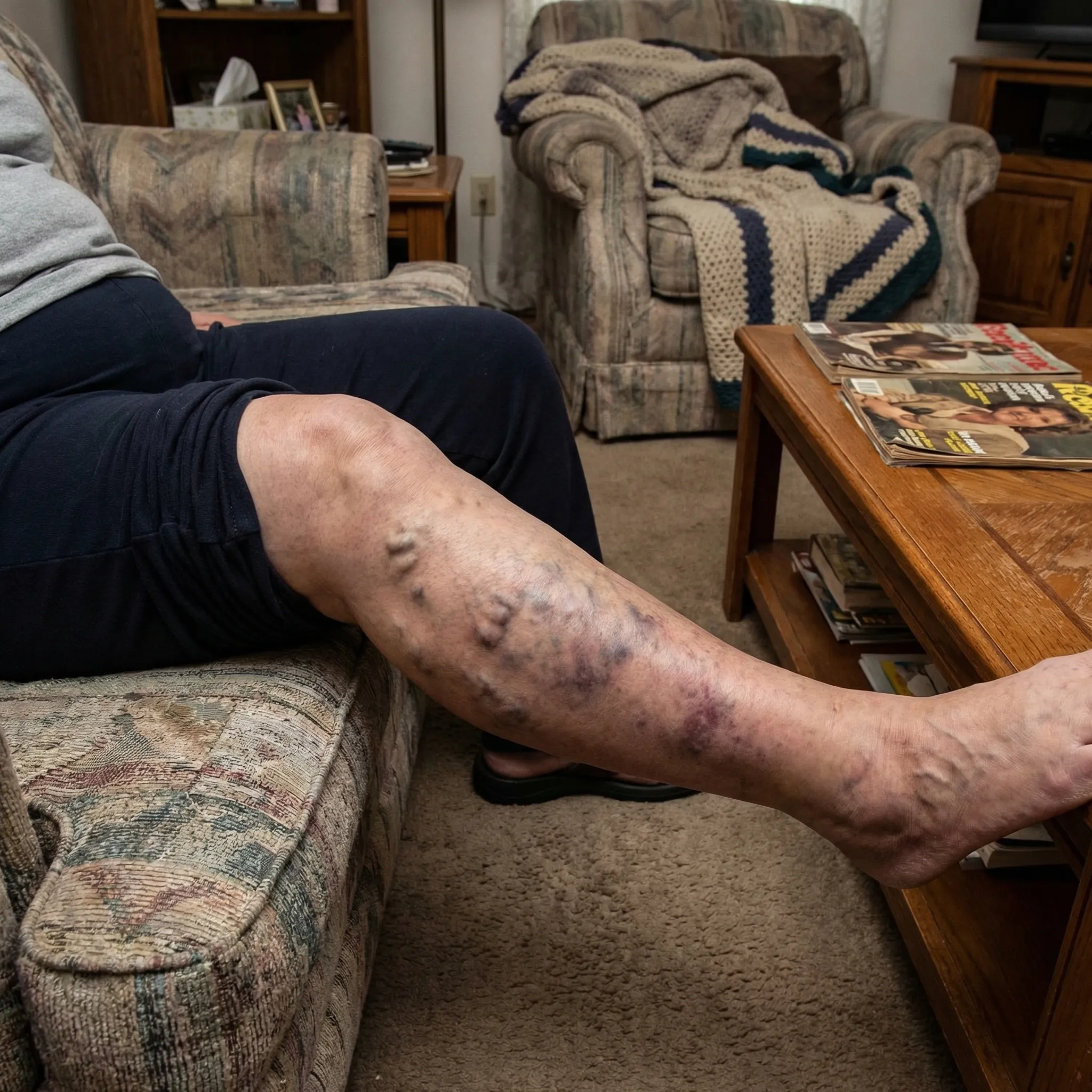
I Lost 38 Pounds, Yet My Veins Still Got Worse
Senzio Remedies
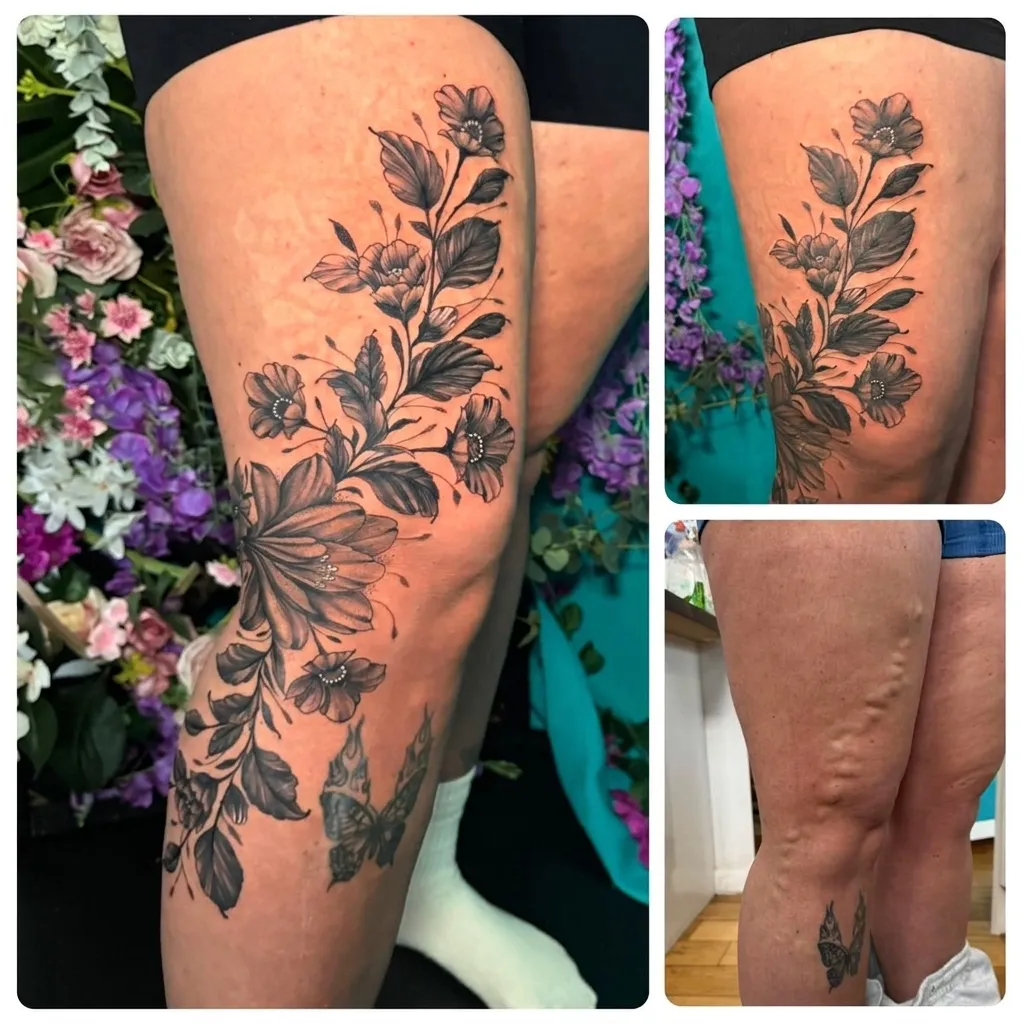
I Lost 38 Pounds, Yet My Veins Still Got Worse
Senzio Remedies
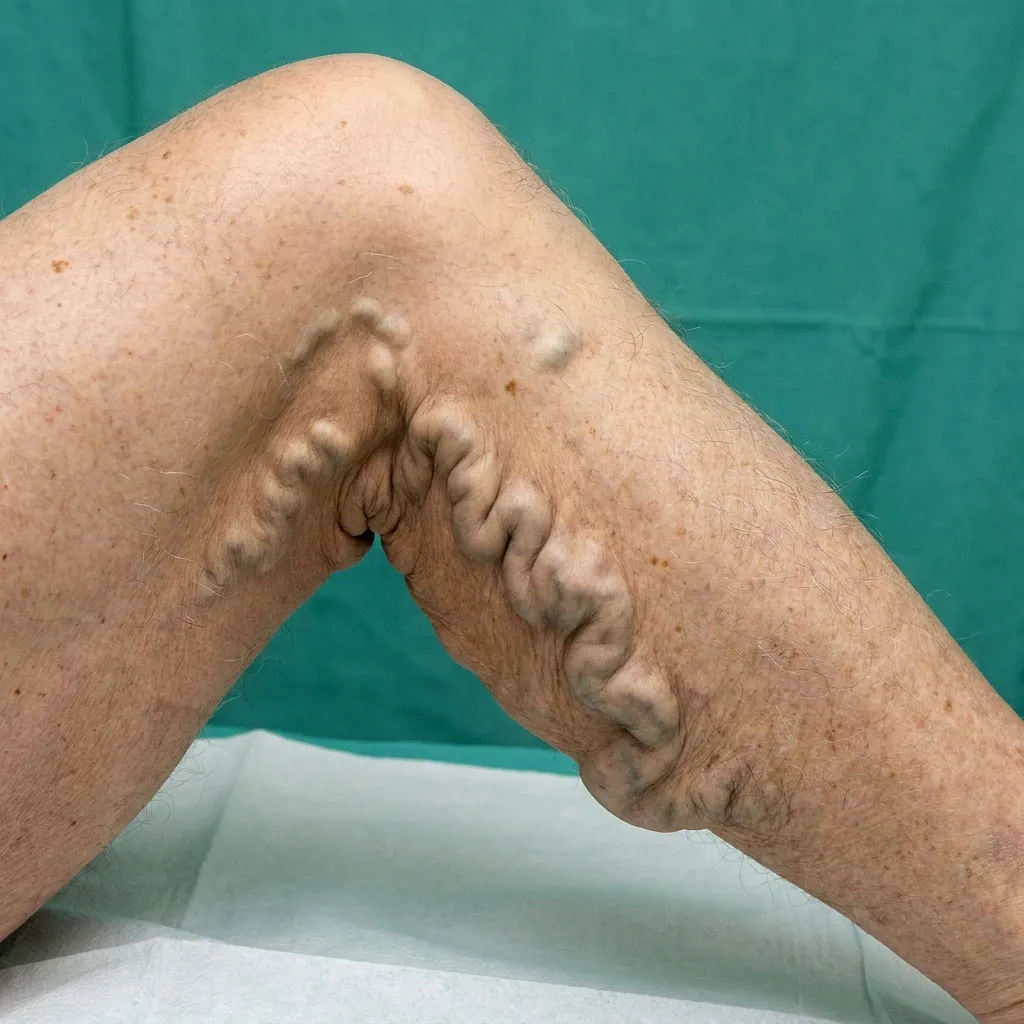
Will They Come Back? READ to learn MORE
Senzio Remedies
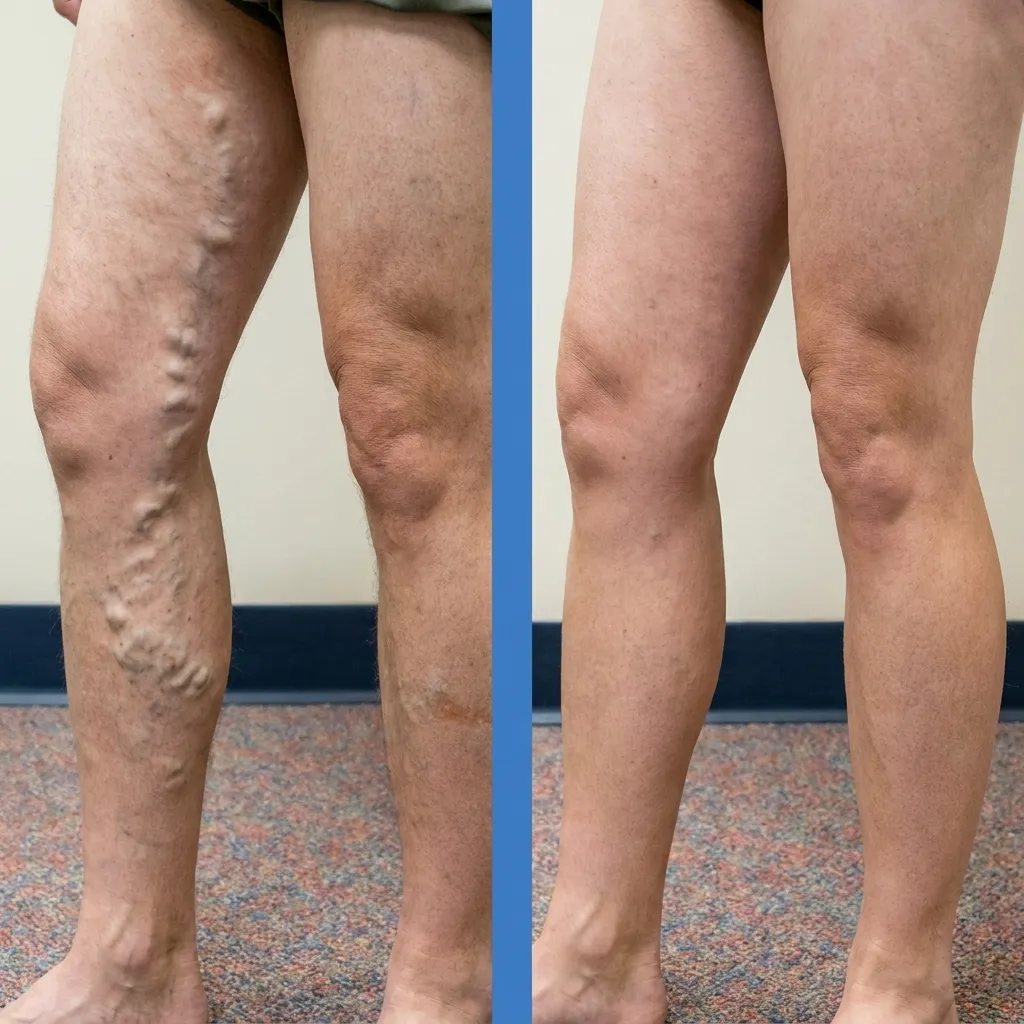
Will They Come Back? READ to learn MORE
Senzio Remedies
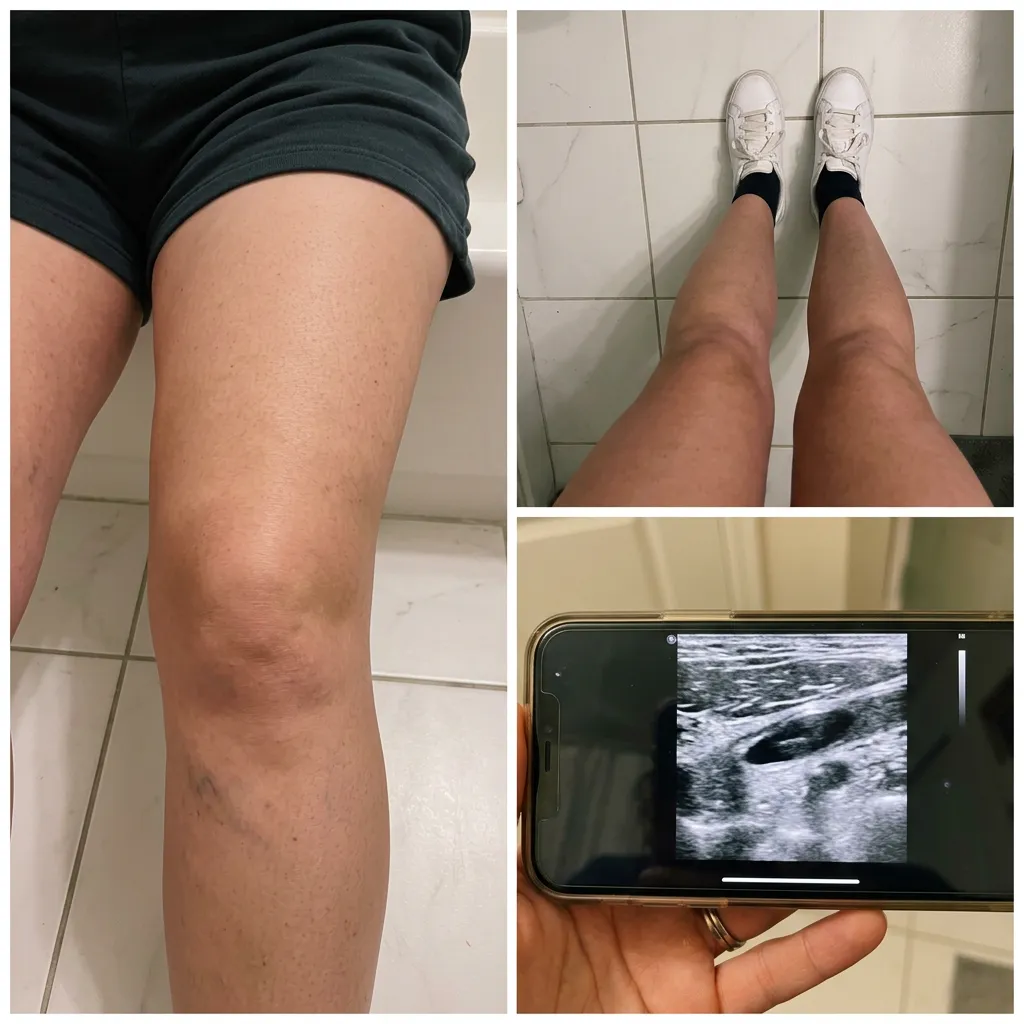
Will They Come Back? READ to learn MORE
Senzio Remedies
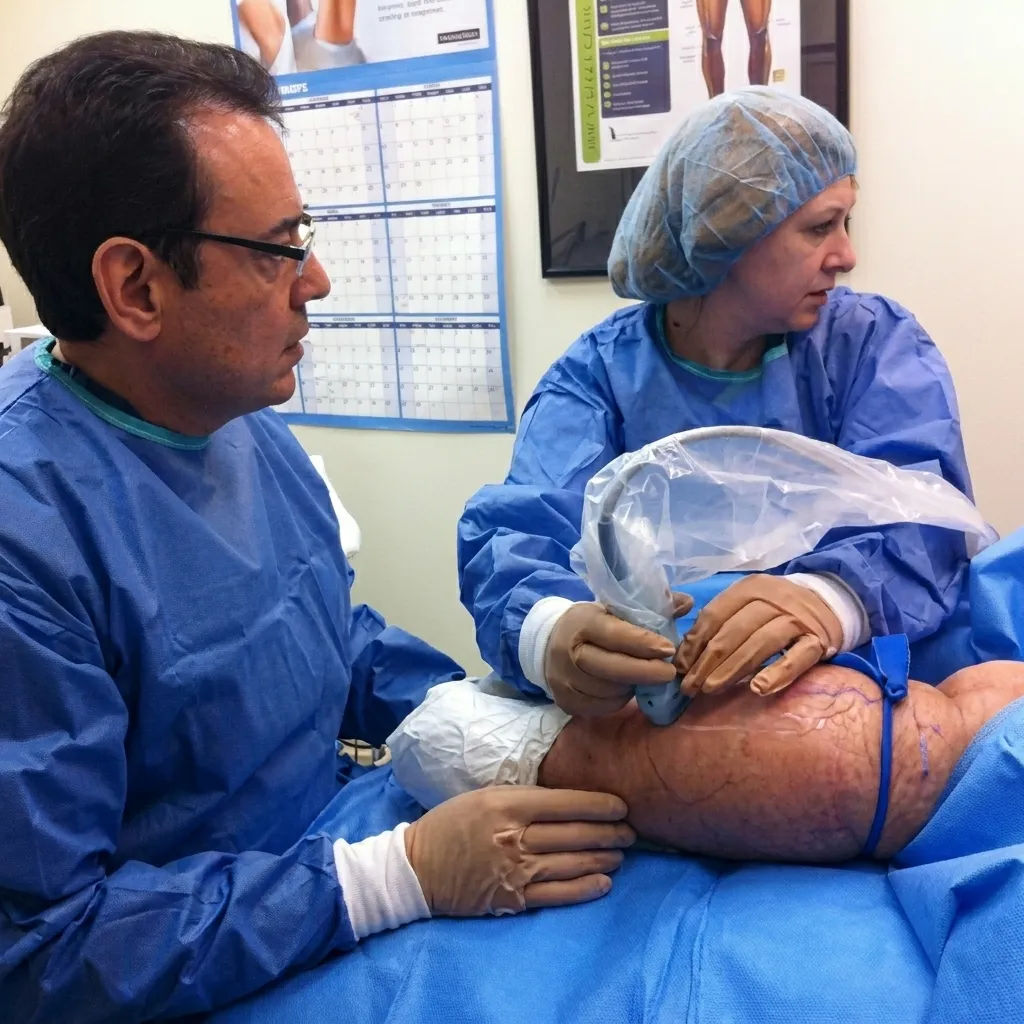
Will They Come Back? READ to learn MORE
Senzio Remedies
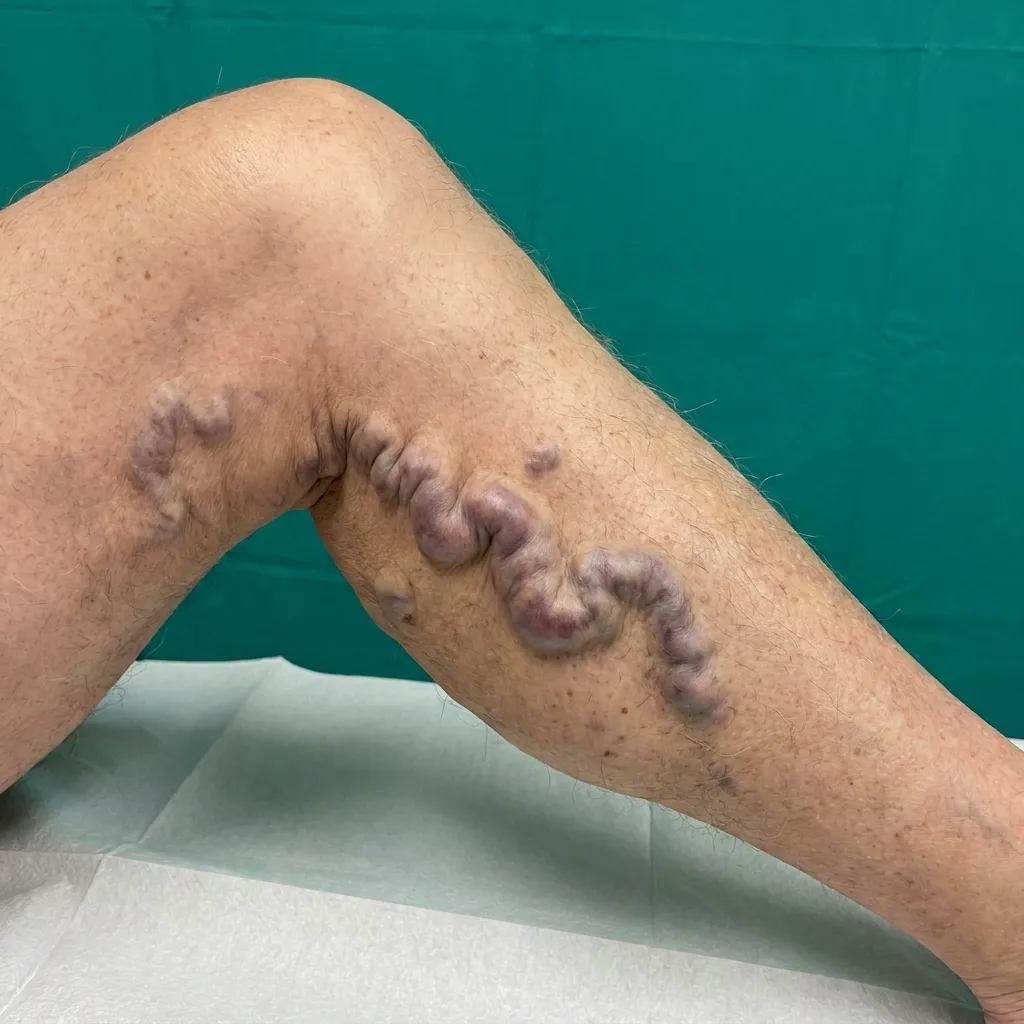
The 6 PM Symptom Most Women Ignore
Senzio Remedies

 Add to Chrome