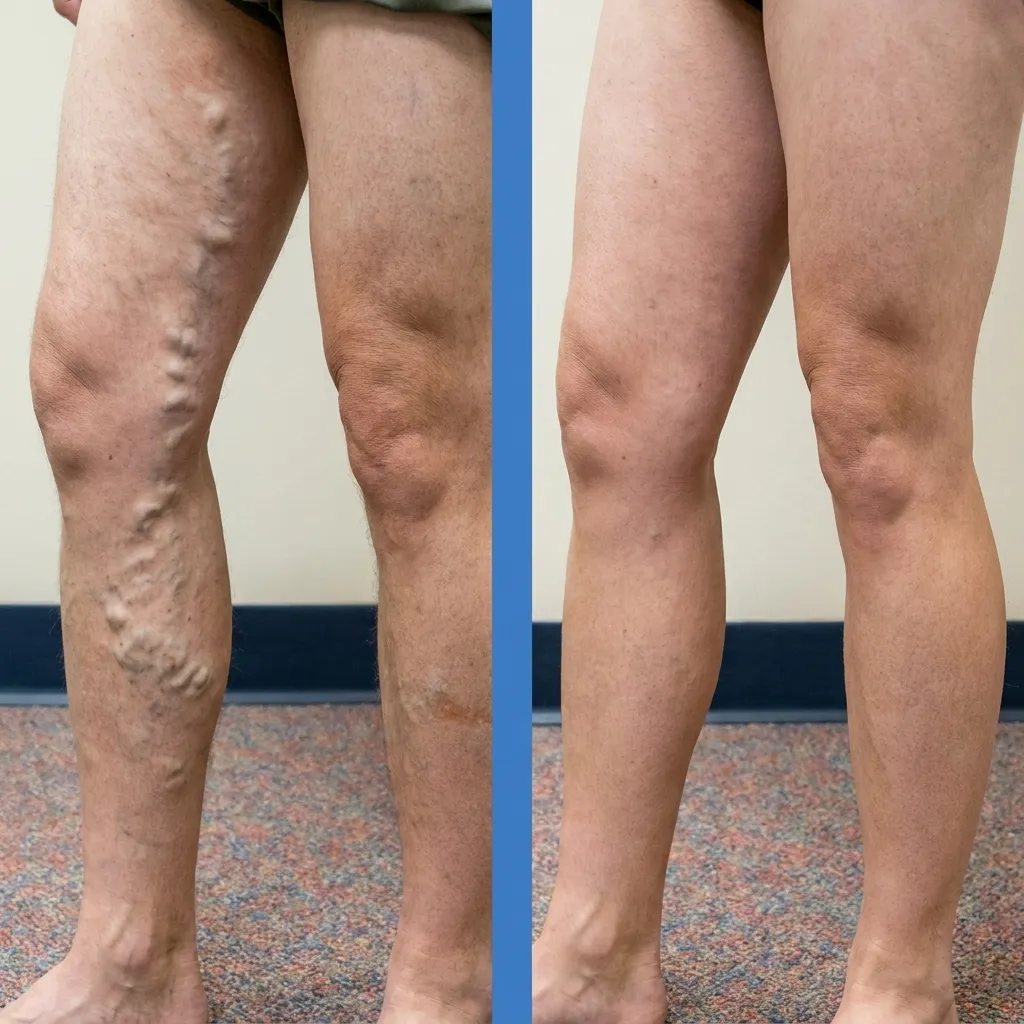
Will They Come Back? READ to learn MORE
Ad Copy
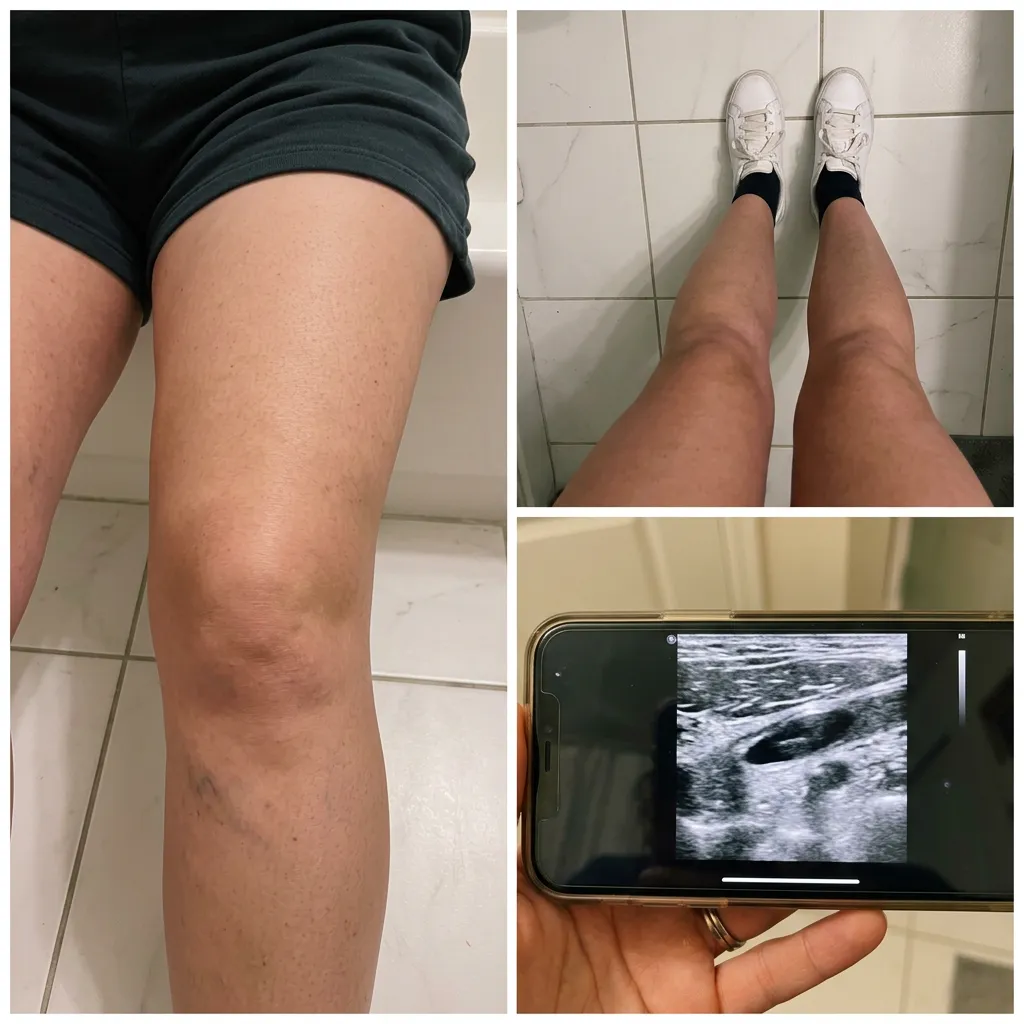
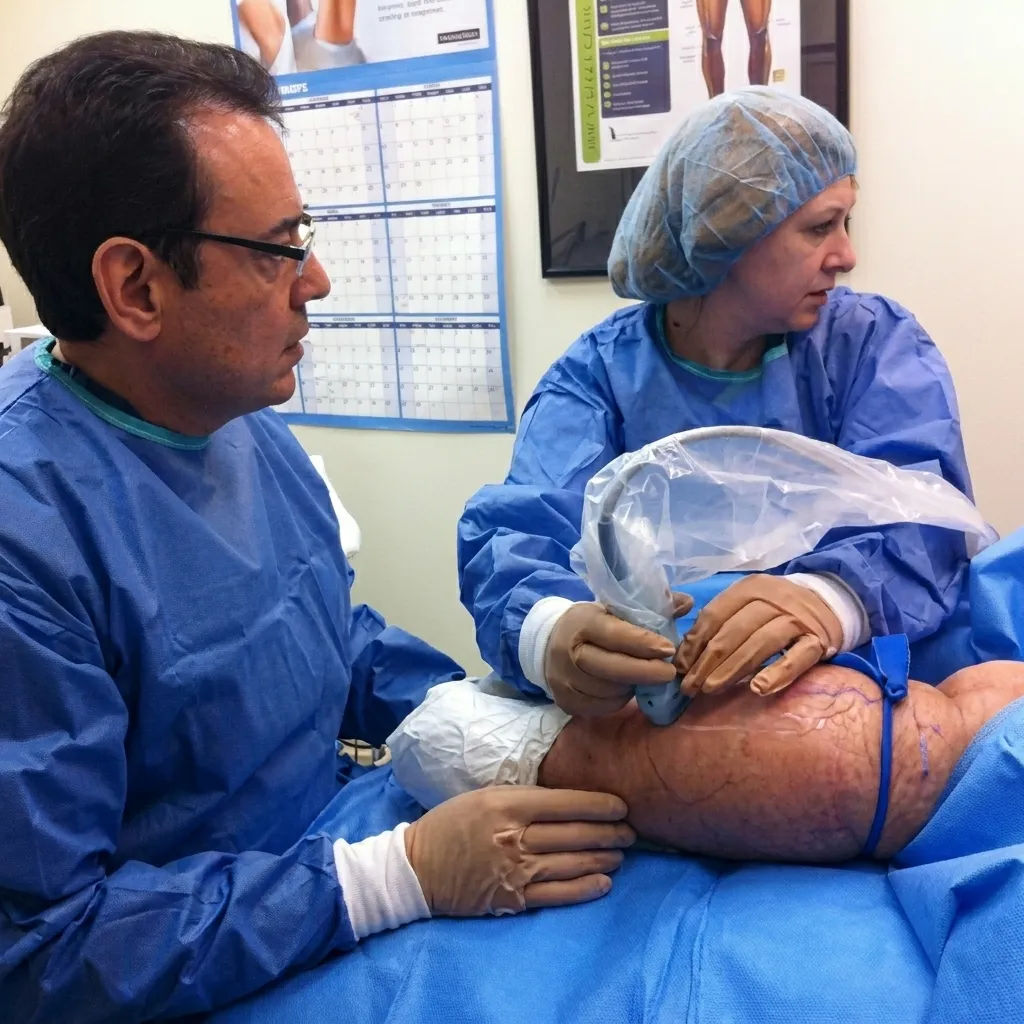
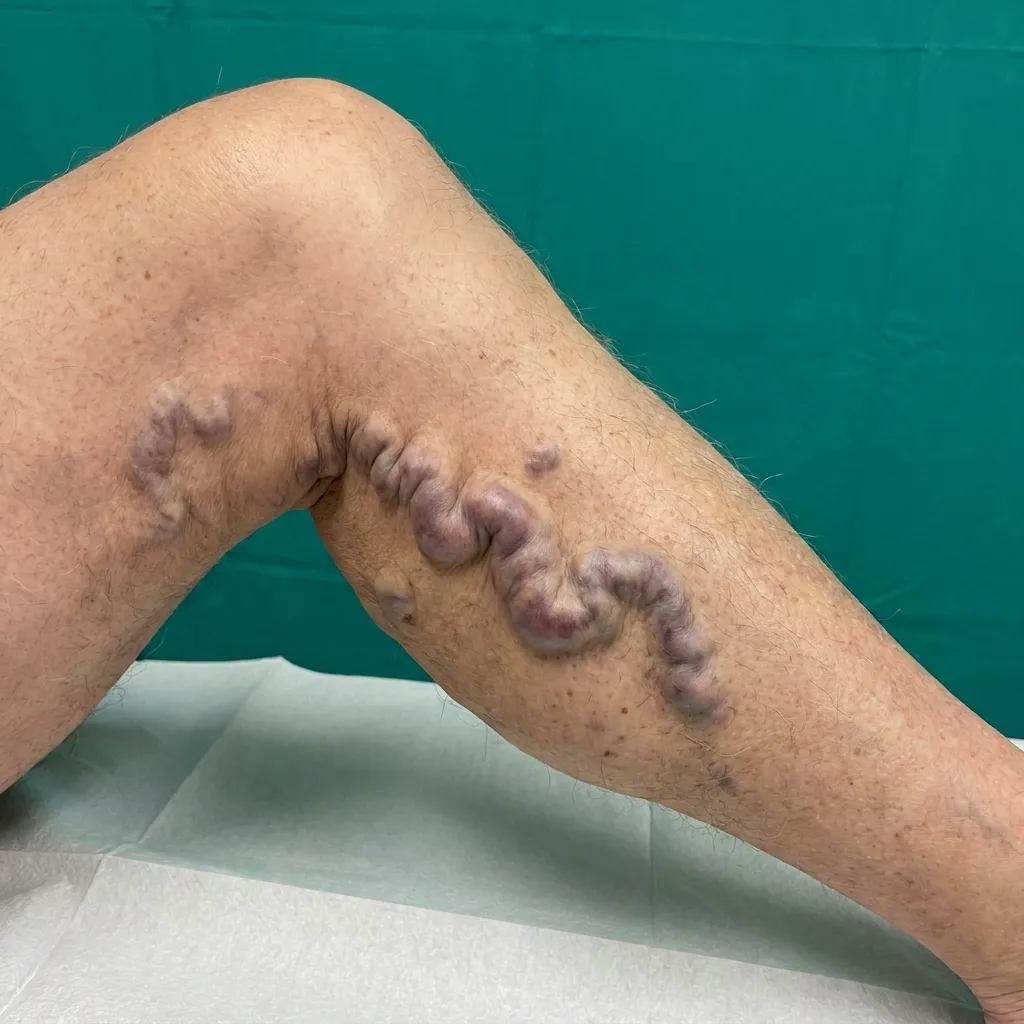
Getting my varicose veins treated was the best medical decision I've made in a decade — a phlebectomy on one vein and an ablation of the great saphenous vein in both legs, and it changed my life for the absolute better. The pain is gone. The heaviness is gone. I have zero regrets. ⠀ So this is not a story about procedures failing me. It's about the question I asked at my three-month follow-up — will they come back? — and the honest answer that explained why the procedure was only half of protecting my legs. ⠀ My name is Rachel. I'm 49, a paralegal in Knoxville, Tennessee, and for years I had severe venous reflux and a good bit of pain. My veins weren't the most dramatic you've ever seen — not as prominent as some — but they were still quite large, and the way my legs felt was worse than the way they looked. The deep ache. The heaviness that turned the last two hours of every workday into a countdown. The throbbing at night. ⠀ I put off treatment for almost three years because, honestly, I was terrified. The word "phlebectomy" alone — the idea of veins being physically removed — kept me canceling consultations. I'd read the horror stories. I'd convinced myself the cure would be worse than the disease. ⠀ It wasn't. I want to say that clearly, because somebody reading this needs to hear it from a person who was as scared as they are: I wasn't awake for any of it. There was bruising and soreness afterward — the phlebectomy was definitely the hardest part to heal, I won't sugarcoat that — but within weeks, the difference in my leg pain and heaviness was enormous. The deep ache I'd carried for years was simply gone. I stood through a full workday and came home with legs that still felt like legs. ⠀ If your scans show significant reflux and your doctor recommends treatment — go. The fear is worse than the procedure. Mine changed my life. ⠀ But this story isn't over, because three months later, sitting in my follow-up appointment with two beautifully healed legs, I asked the question. ⠀ "Will they come back?" ⠀ And my surgeon — a good doctor, an honest one — didn't give me the brush-off answer. He gave me the real one. ⠀ "The veins we treated won't reopen. But new varicose veins can form. The procedure treated the veins you had. It didn't change the condition that built them." ⠀ I drove home with that sentence rattling around in my head. ⠀ The condition that built them. ⠀ I had spent thousands of dollars. I had gritted through the recovery. I had finally gotten my legs back. And the thing that ruined them in the first place was — what? Still in there? Still working? ⠀ That night I did what I should have done years earlier. I researched the condition instead of the treatment. ⠀ Here's what I learned, and it reframed everything. ⠀ Varicose veins aren't random. They're manufactured — by a specific process running in the tissue around your veins. Chronic venous pressure activates an enzyme called 5-lipoxygenase, or 5-LOX, which produces inflammatory molecules that break down the collagen and elastin in vein walls. Weakened walls bulge. Bulging walls strain valves. Failed valves pool more blood, which feeds more pressure, which feeds the enzyme. ⠀ That cascade is what built my veins over fifteen years. ⠀ My procedures removed what the cascade had built. Brilliantly. But they couldn't touch the cascade itself — no procedure can. It's not a vein; it's a process in the tissue. And it was still running through every leg in my body the day I walked out of that surgical center feeling brand new. ⠀ That's why recurrence happens. It's not that ablations fail — mine didn't, and won't. It's that the factory is still open. The studies on new varicosities forming in the years after treatment aren't describing broken procedures. They're describing an unaddressed mechanism, quietly building the next generation of veins in patients who think they're finished. ⠀ I was not going to be one of those patients. Not after what I'd paid — in money, in fear, in weeks of compression and bruises. ⠀ So I went looking for what actually interrupts the cascade. ⠀ Boswellic acids from Frankincense inhibit the 5-LOX enzyme directly — shutting down the inflammatory molecules at their source, the exact molecules that degraded my vein walls for fifteen years. Angelica Sinensis restores circulation through the small vessels feeding the tissue around the veins. Comfrey allantoin supports rebuilding the vein wall structure — collagen and elastin, the very things the cascade eats. Peppermint cools and stimulates blood flow on contact. ⠀ All four in one topical formula — Senzio Miracle Balm — in a sesame oil base that penetrates to the tissue depth where the cascade actually runs, sealed in overnight by beeswax so one bedtime application works for hours. ⠀ Three to four minutes massaged into both legs before bed. After everything I'd been through to get these legs back, four minutes a night to keep them felt like the easiest decision of the entire journey. ⠀ Month one: my legs already felt good from the procedures — that's the strange part of starting this as a satisfied patient. What I noticed was the end-of-day freshness stretching even further. The procedures had removed the broken veins; now the tissue around everything felt calmer, lighter, quieter. ⠀ Month three: the small spider clusters near my left ankle — the minor ones that weren't worth treating surgically — had visibly softened. My surgeon hadn't touched those. Something else was reaching them. ⠀ Month six: the moment I'd been bracing for never came. Every patient in the post-procedure groups talks about it — the day you spot the first new vein and your stomach drops. I kept checking. Nothing new surfaced. ⠀ Month twelve: my one-year follow-up ultrasound. Treated veins: closed, exactly as they should be. New reflux: none. New varicosities: none. My surgeon compared it against the post-procedure baseline and said it was one of the cleanest one-year results he'd seen. I told him about the nightly protocol and the cascade. He listened, nodded, and said the mechanism was sound — and wrote it in my chart. ⠀ I walked out of that appointment with something the procedure alone could never have given me: not just legs that were fixed, but legs that were defended. ⠀ If you've had an ablation, a phlebectomy, sclerotherapy — and it worked, and you're grateful, and somewhere underneath the gratitude there's that quiet question you try not to think about — this is for you. ⠀ Your procedure was real medicine. It removed what the disease built. But the builder is still on the property. The cascade that spent years manufacturing your old veins doesn't retire because the surgeon closed them — and every year it runs unopposed is a year it works on the veins you have left. ⠀ Protect the result. You already paid for it. ⠀ Senzio Miracle Balm is 50% off right now with a 60-day money-back guarantee. Three to four minutes a night, starting tonight, guarding an investment that cost you thousands. If your legs don't feel the difference within two weeks, every dollar comes back. ⠀ The procedure gave me my legs back. ⠀ This is how I'm keeping them. ⠀ — Rachel, 49 Knoxville, Tennessee ⠀ P.S. — To the woman reading this who's been canceling consultations the way I did for three years: the fear is worse than the procedure. I was asleep for all of it. The bruising fades. The phlebectomy sites heal. And the morning you wake up without that deep ache, you'll wonder why you waited. Just know — before you ever sit in that pre-op chair — that the procedure is step one of two. The cascade is step two. I learned that at my follow-up. You get to know it now. ⠀ P.P.S. — Run the numbers the way my paralegal brain did. The procedures: thousands of dollars, weeks of recovery, and worth every penny. The protection: a jar, four minutes a night, sixty days guaranteed. You insure your car, your house, and your phone. My legs cost more than my phone. Insure the result.
More from Senzio Remedies

If your legs are tired, heavy, and swollen by the end of every day, there's a reason every cream, gel, and menthol rub you've ever tried felt nice for a few minutes and then changed absolutely nothing. It's not that the ingredients were all useless. It's that they never got where they needed to go — and they didn't stay long enough to matter. The average leg cream stops working about twenty minutes after you apply it. What I'm about to show you works for eight hours straight, while you sleep. ⠀ Why every cream you've tried quit on you. ⠀ Think about the last product you rubbed into your aching legs. ⠀ Within twenty minutes, one of three things happened to it. ⠀ It evaporated. Most creams and gels are water-based. Water-based formulas feel light and absorb fast — and then the water evaporates, taking the "treatment" with it. That cooling sensation fading? That was the product leaving. ⠀ It rubbed off. Whatever survived evaporation transferred straight onto your pants, your couch, or your sheets. By the time you fell asleep, more of it was on your pillowcase than in your legs. ⠀ Or it just sat there. The few ingredients that stayed put never penetrated past the outermost layer of skin — because most carrier bases physically can't go deeper. And here's the problem with that: tired, heavy, swollen legs aren't a skin-surface problem. ⠀ The heaviness comes from fluid pooling in the tissue. The swelling comes from impaired circulation in the small vessels feeding that tissue. The deep ache comes from an inflammatory process running around your veins — well below where any surface cream ever reaches. ⠀ So you've been applying twenty-minute products to the surface of an all-day, deep-tissue problem. ⠀ The ingredients were never the whole story. ⠀ The delivery was. ⠀ Senzio Miracle Balm is built around the delivery. ⠀ Two ingredients in this formula do no healing at all. They're not supposed to. They're the transport system — and they're the reason everything else works. ⠀ Part one: sesame oil. The carrier. ⠀ Sesame oil has a molecular structure that does what water-based creams can't: it penetrates. Through the outer skin layers, down into the tissue where the swelling, the fluid, and the inflammation actually live. It's been used as a carrier oil in traditional medicine for thousands of years for exactly this property — it doesn't sit on skin, it moves through it. ⠀ And as it goes, it carries the active botanicals with it. Deep delivery, not surface decoration. ⠀ Part two: beeswax. The seal. ⠀ Here's the part no leg cream you've ever owned has thought about. ⠀ Once the actives are in, beeswax forms an occlusive seal over the skin — a thin, breathable barrier that locks everything underneath it. ⠀ Nothing evaporates. Nothing transfers to your sheets. Nothing quits at the twenty-minute mark. ⠀ Instead, the compounds release slowly, hour after hour, all night long. One three-to-four-minute application before bed becomes eight continuous hours of treatment — through the exact hours your body does its repair work. ⠀ That's the whole trick. The sesame oil gets the actives down to the problem. The beeswax keeps them on the job until morning. ⠀ And while the seal holds, here's what's working inside. ⠀ Frankincense boswellic acids go after the source of the deep ache — inhibiting the 5-LOX enzyme that drives the inflammatory cascade around your veins. All night, the cascade that builds your heaviness is being interrupted instead of left to run. ⠀ Angelica Sinensis works on the swelling itself — restoring blood flow through the small vessels in the tissue, so the trapped fluid that makes your legs feel like sandbags finally has somewhere to go. ⠀ Comfrey allantoin supports the repair of the tissue the inflammation has been wearing down, in the improved environment the other compounds create. ⠀ Myrrh calms the inflammation through a second, complementary pathway. ⠀ And Peppermint is your immediate relief — a cooling wave within twenty minutes of application, soothing the day's ache while the slower compounds settle in for the night shift. ⠀ Five workers inside. Two ingredients holding the door shut so they can finish the job. ⠀ Do the math on what you've been using. ⠀ A standard cream: twenty minutes of surface-level contact, then gone. To match one night of Senzio, you'd have to wake up and reapply it twenty-four times. ⠀ Senzio: three to four minutes of massage before bed, and the treatment clocks out when you do — eight hours later, at sunrise. ⠀ Same effort. Twenty-four times the working hours. Delivered to the right depth instead of the wrong layer. ⠀ That's why people who've tried "everything" feel the difference here — not because they finally found magic ingredients, but because for the first time, the ingredients actually arrived and actually stayed. ⠀ The protocol is simple. ⠀ Massage Senzio into both legs — calves, ankles, behind the knees — for three to four minutes before bed. Feel the peppermint cooling settle in within twenty minutes. Then sleep, while the seal holds and the compounds work. ⠀ Most people notice the first change within two weeks: legs that feel lighter at the end of the day, swelling that drains instead of lingers, sock marks that fade instead of staying pressed in. The deeper changes build from there, night after sealed-in night. ⠀ Right now Senzio Miracle Balm is 50% off with a 60-day money-back guarantee. ⠀ That's sixty nights of eight-hour applications. If your legs don't feel lighter, look less swollen, and end their days differently — every dollar comes back. ⠀ You've spent years applying twenty-minute products to an all-night problem. ⠀ Tonight, seal the treatment in and let it work until morning. ⠀ P.S. — A simple test for whatever's in your cabinet right now: apply it, wait an hour, and touch your leg. If you can't feel any trace of it, it's already gone — evaporated or absorbed into fabric long before it could touch the tissue underneath. Senzio is still there at hour eight, because it was designed to be. The actives matter. But the carrier and the seal are why the actives ever get their shot. ⠀ P.P.S. — 60-day guarantee, and the two-week mark is your checkpoint. Fourteen sealed, eight-hour nights is over 100 hours of continuous deep-tissue treatment — more working time than years of twenty-minute creams combined. Let your legs do the comparing.
Senzio Remedies
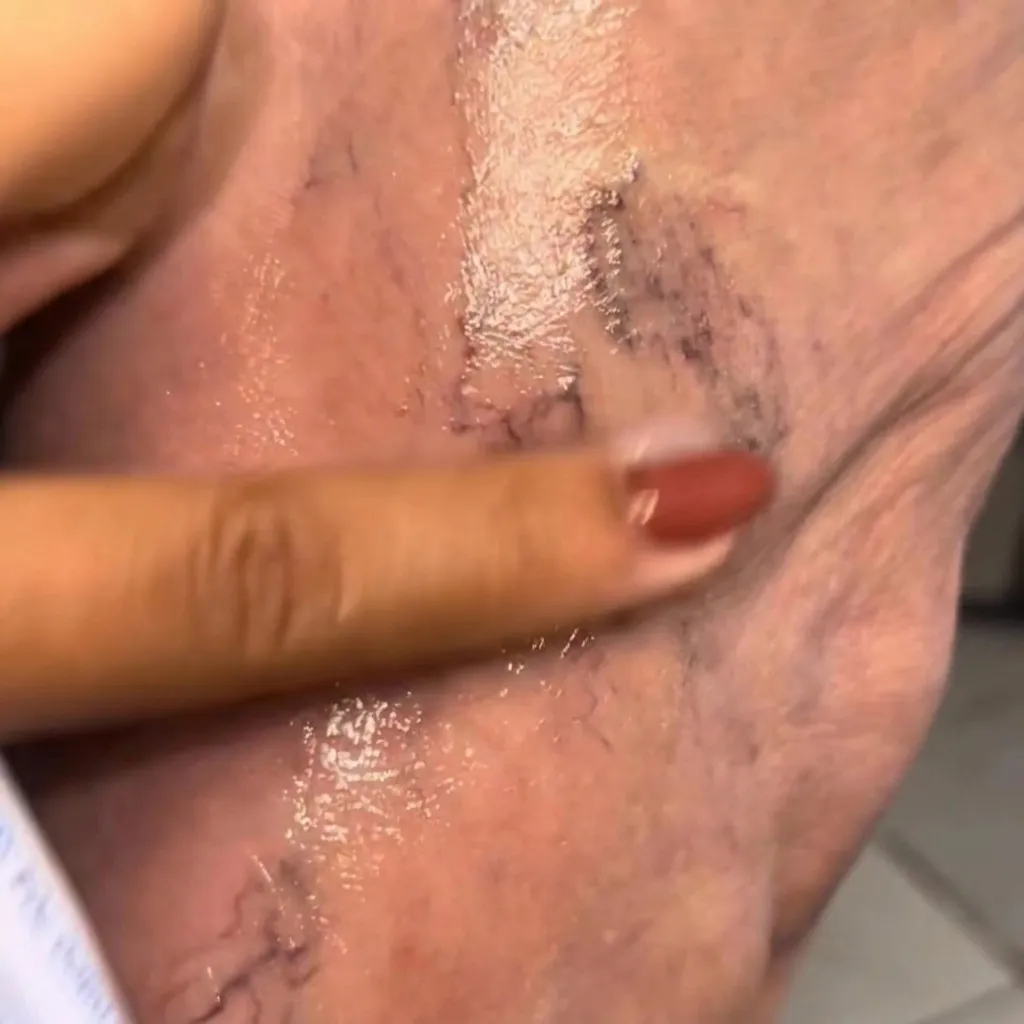
Why Every Leg Cream Quits In Only 20 Minutes
Senzio Remedies
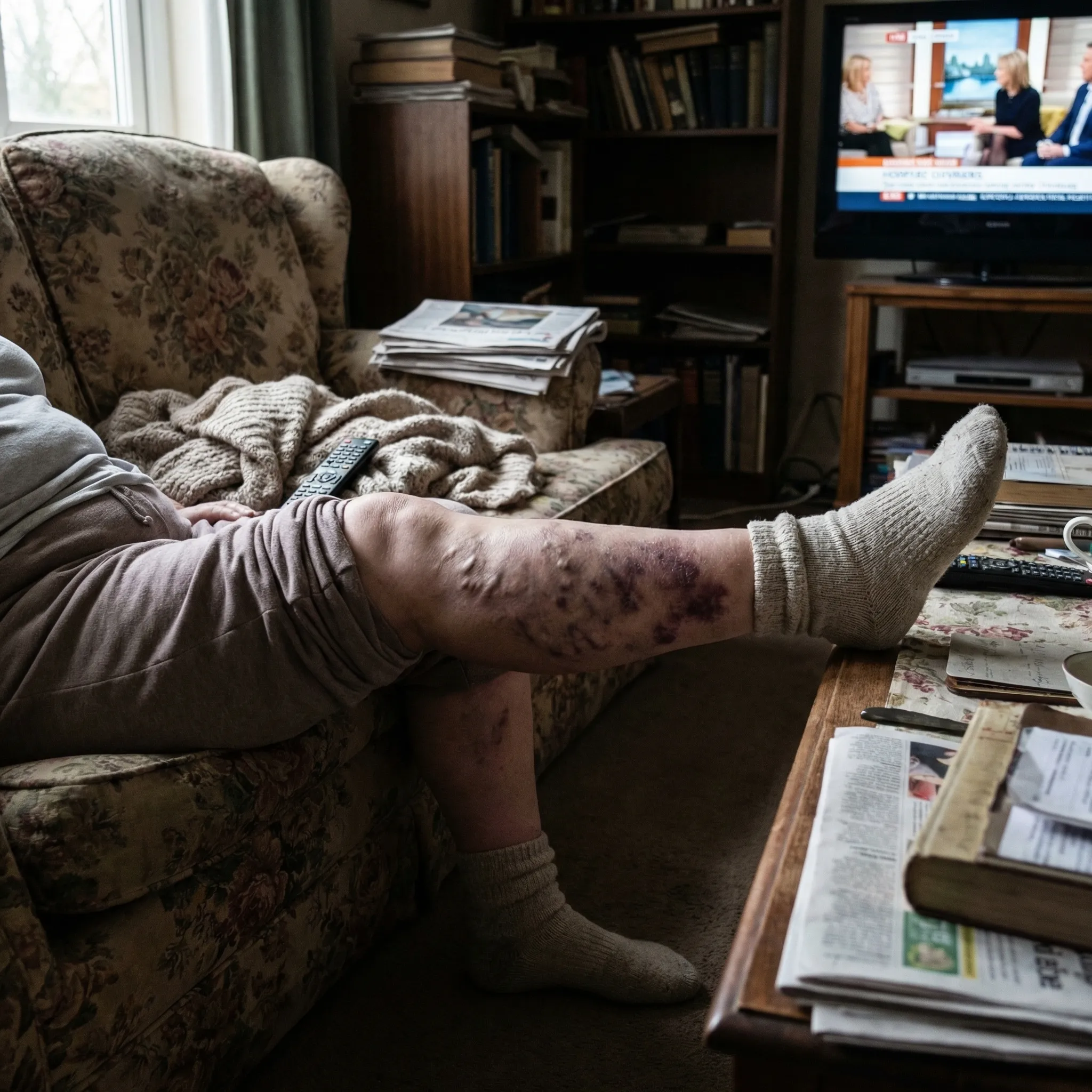
Why Every Leg Cream Quits In Only 20 Minutes
Senzio Remedies
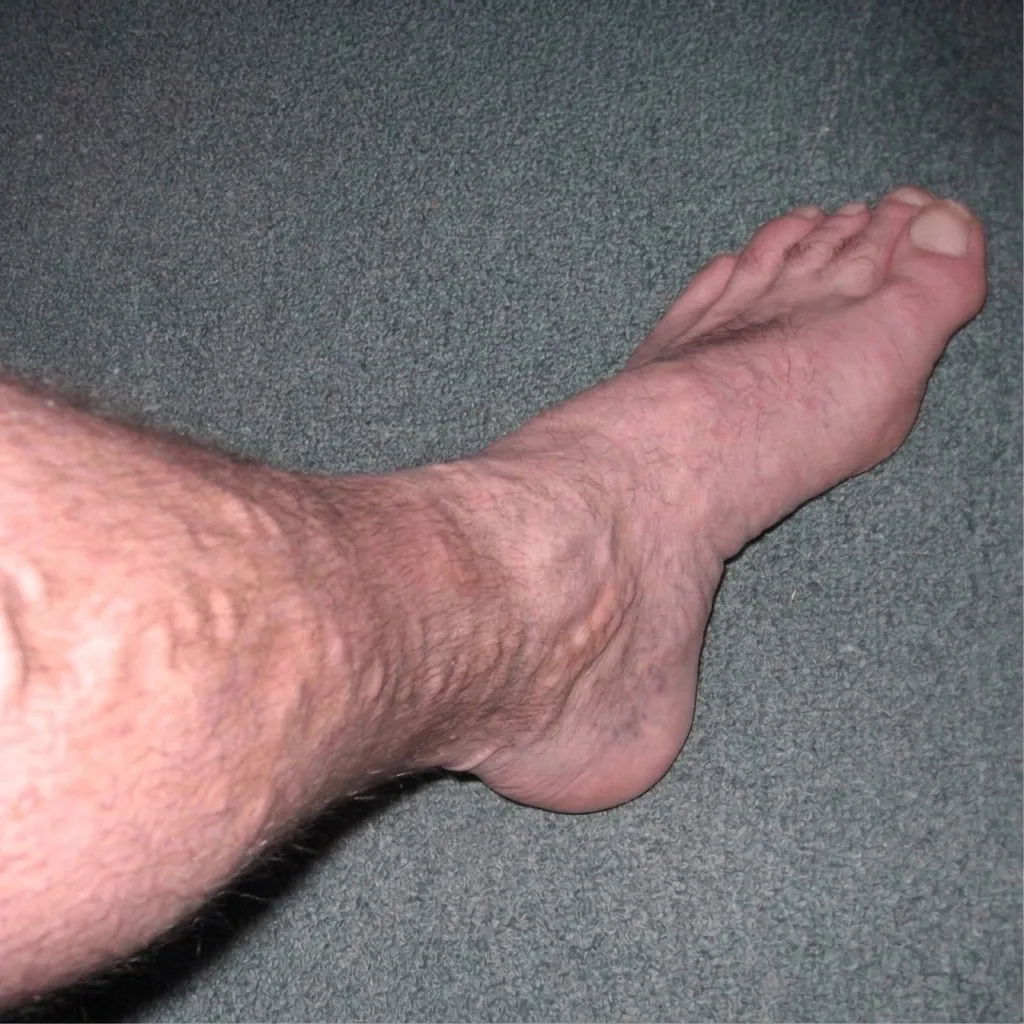
I Lost 38 Pounds, Yet My Veins Still Got Worse
Senzio Remedies
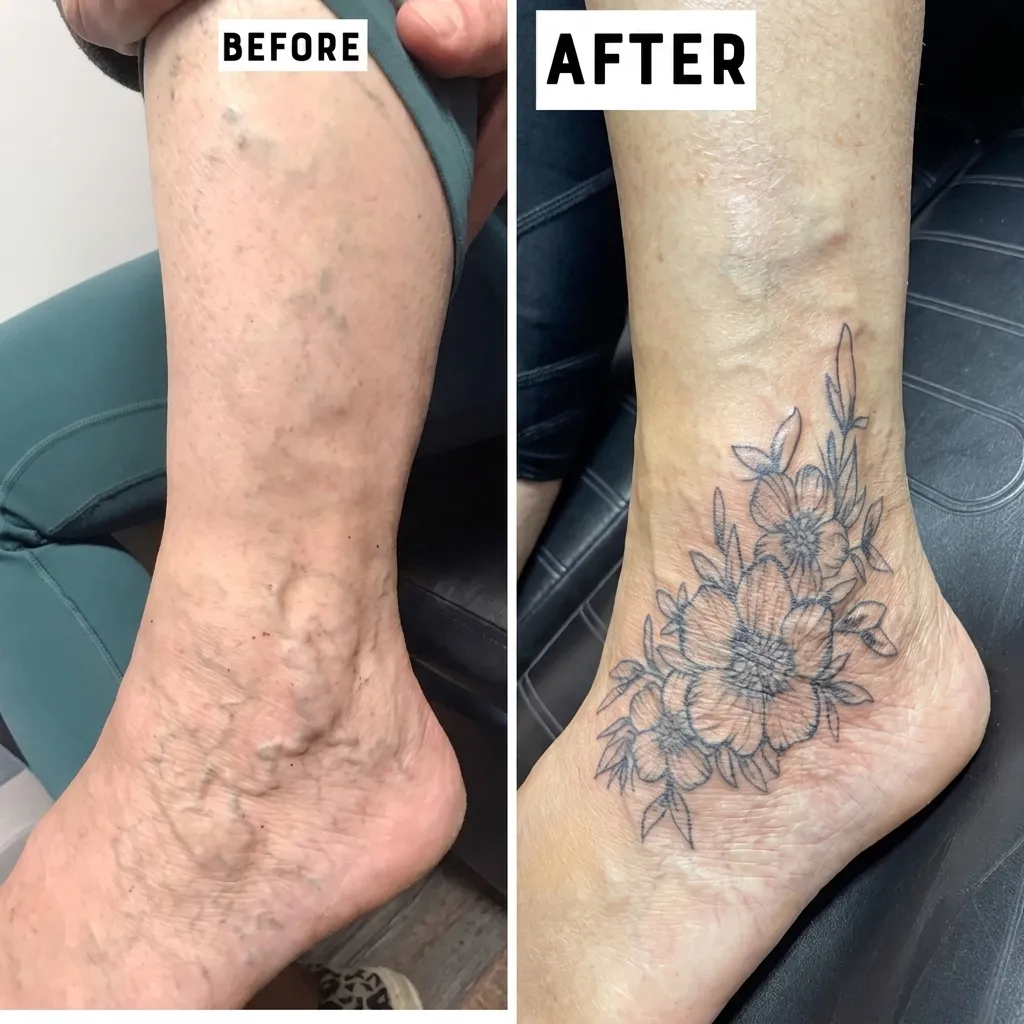
I Lost 38 Pounds, Yet My Veins Still Got Worse
Senzio Remedies
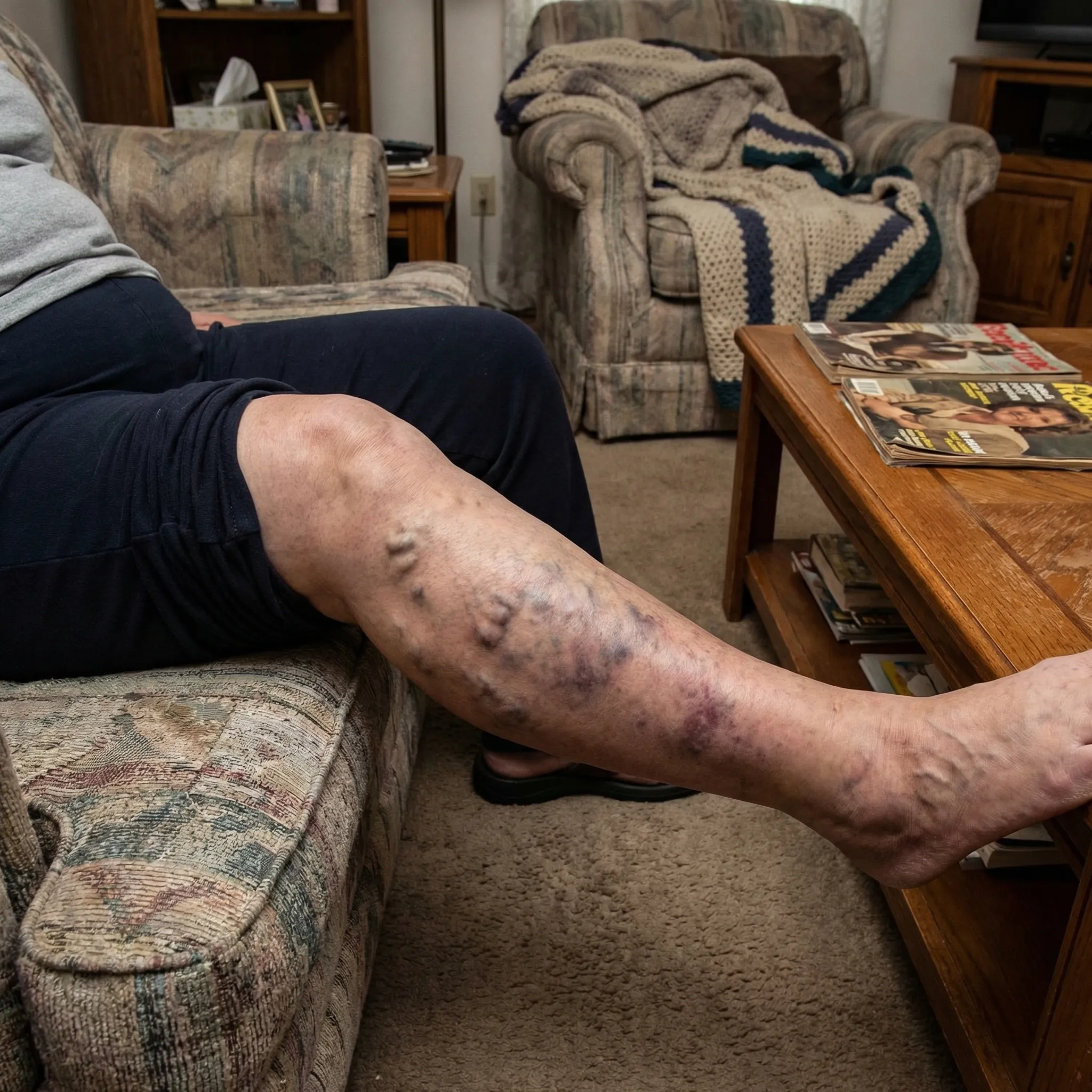
I Lost 38 Pounds, Yet My Veins Still Got Worse
Senzio Remedies
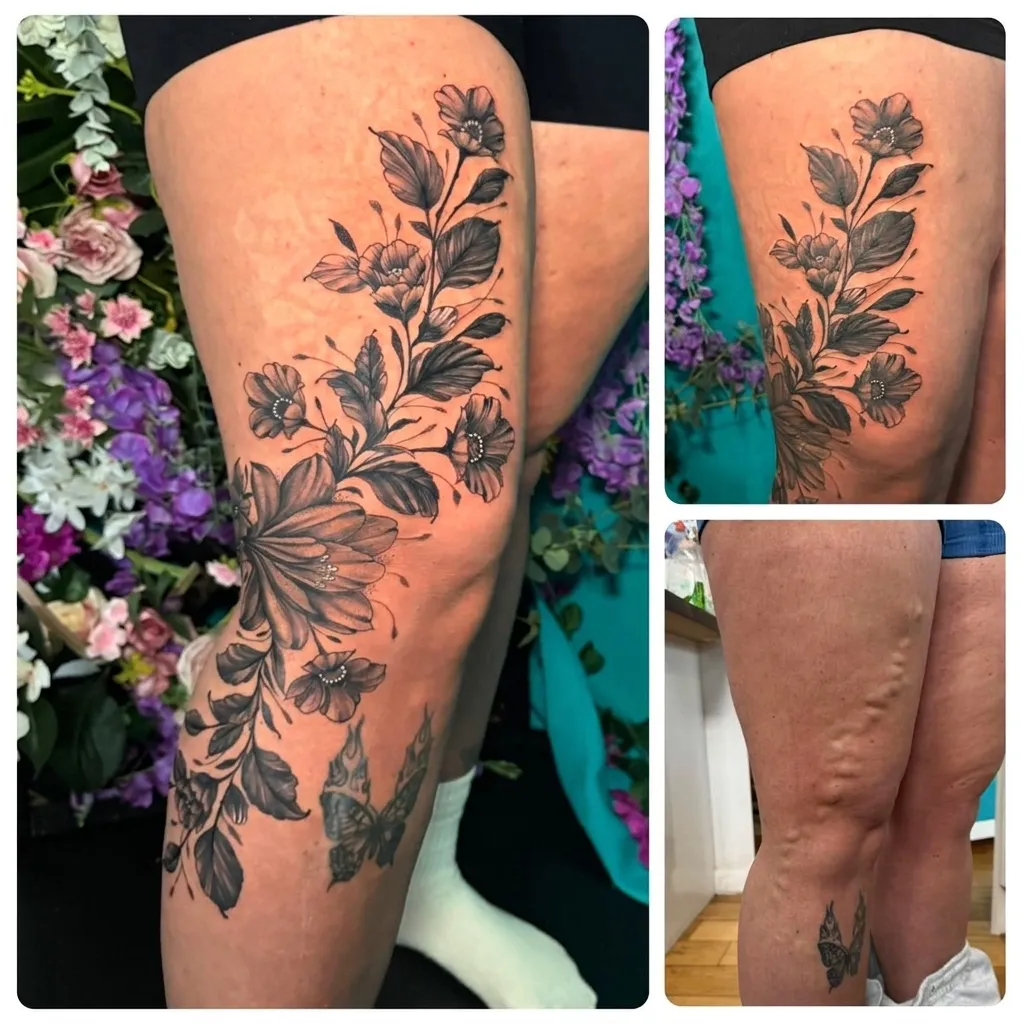
I Lost 38 Pounds, Yet My Veins Still Got Worse
Senzio Remedies
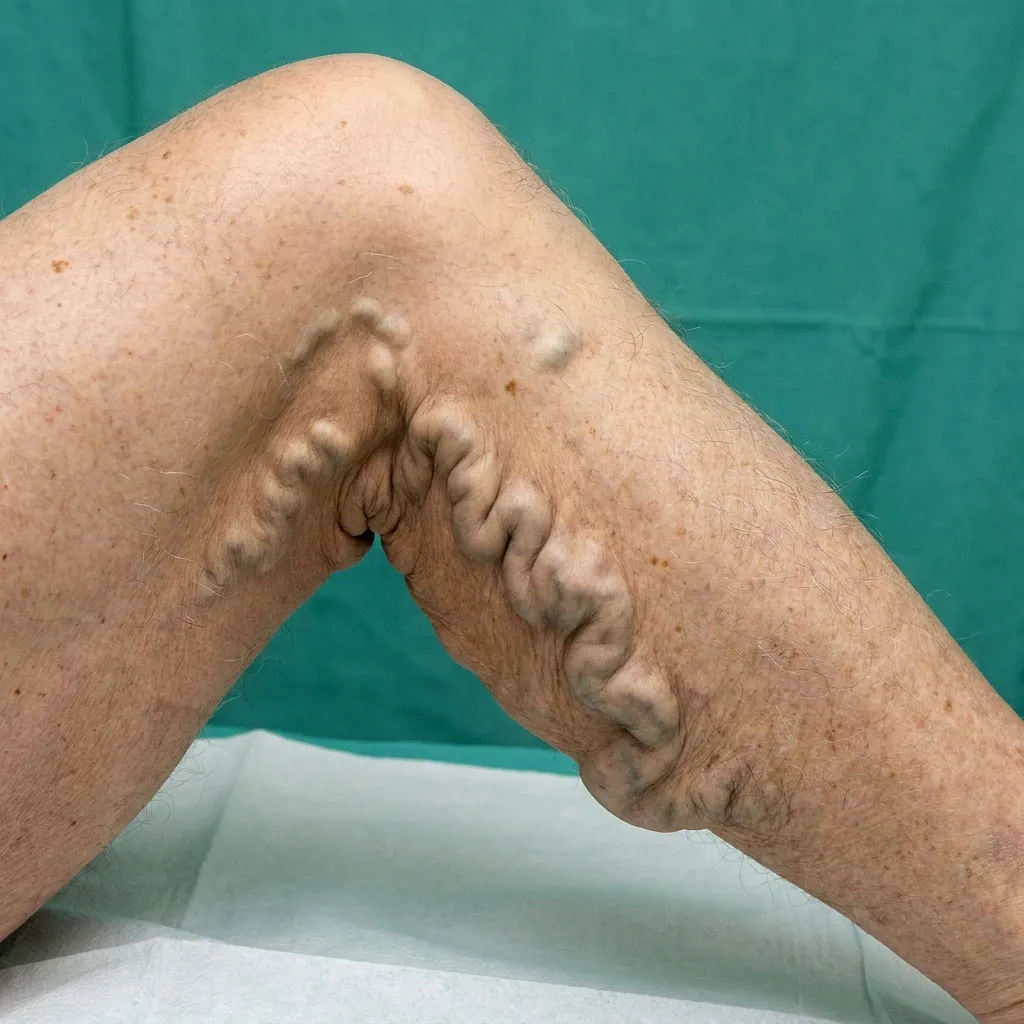
Will They Come Back? READ to learn MORE
Senzio Remedies
Will They Come Back? READ to learn MORE
Senzio Remedies
Will They Come Back? READ to learn MORE
Senzio Remedies
The 6 PM Symptom Most Women Ignore
Senzio Remedies
The 6 PM Symptom Most Women Ignore
Senzio Remedies

 Add to Chrome