Ceylon Cinnamon 7200mg Equivalent with MCT Oil
Ad Copy
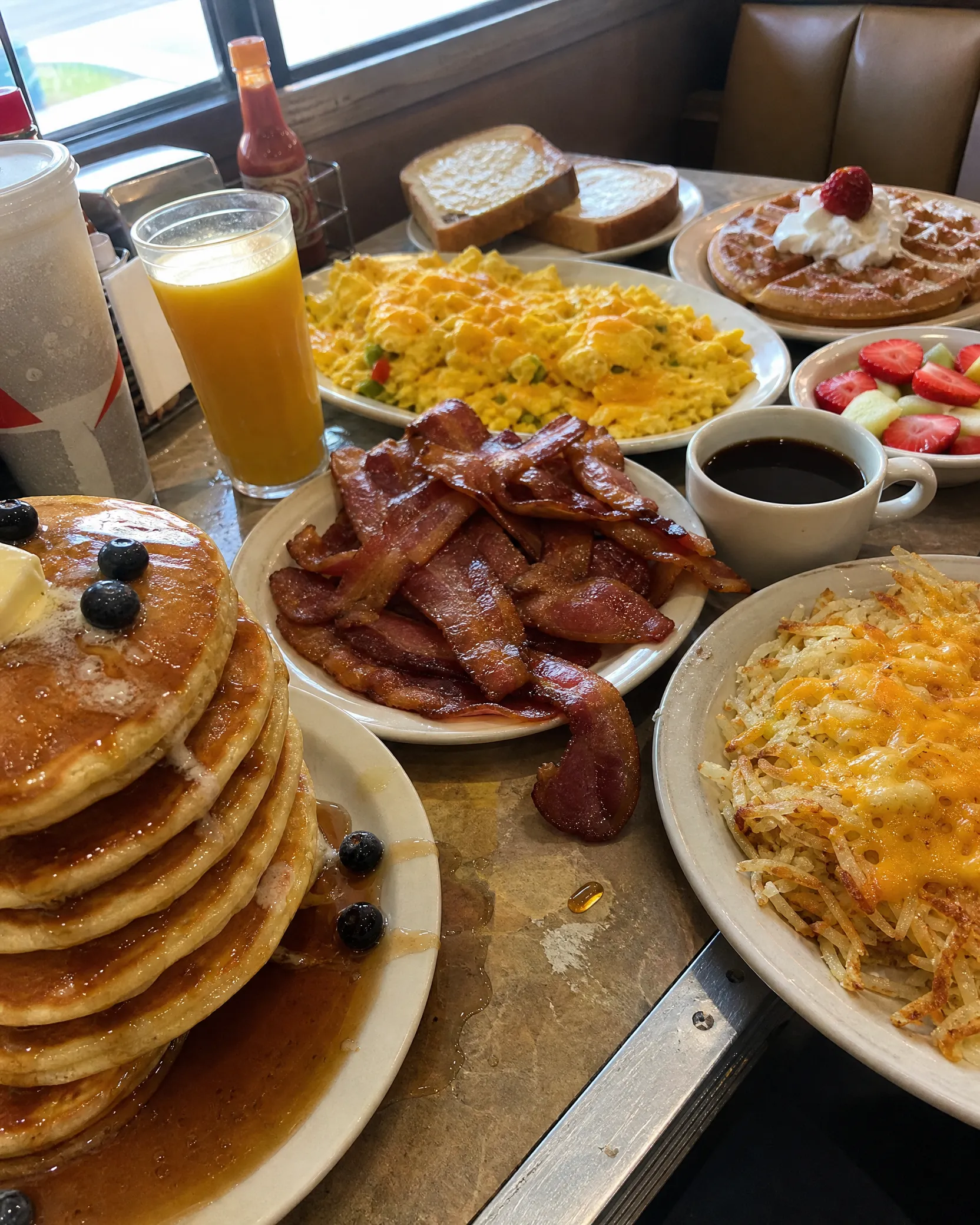
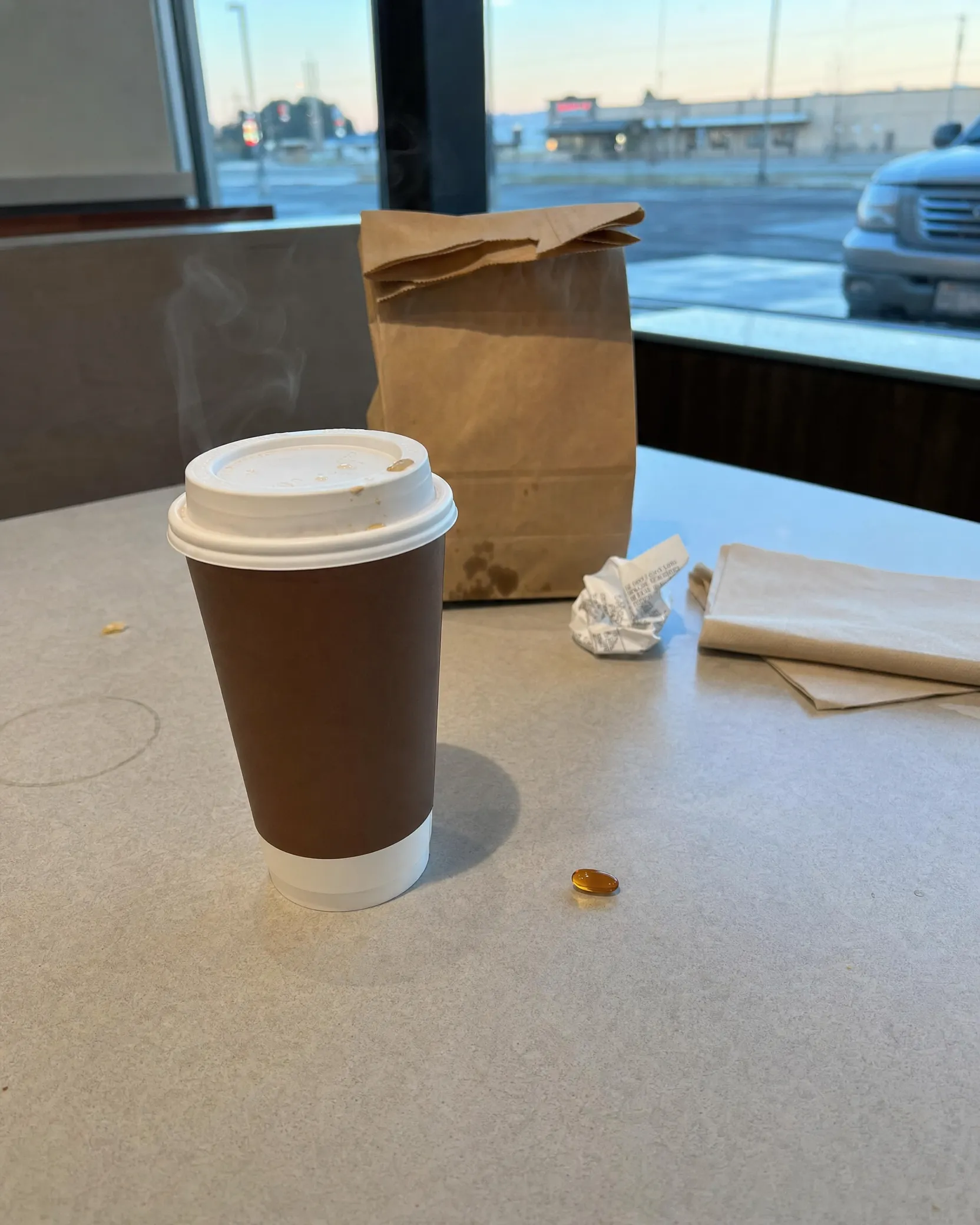
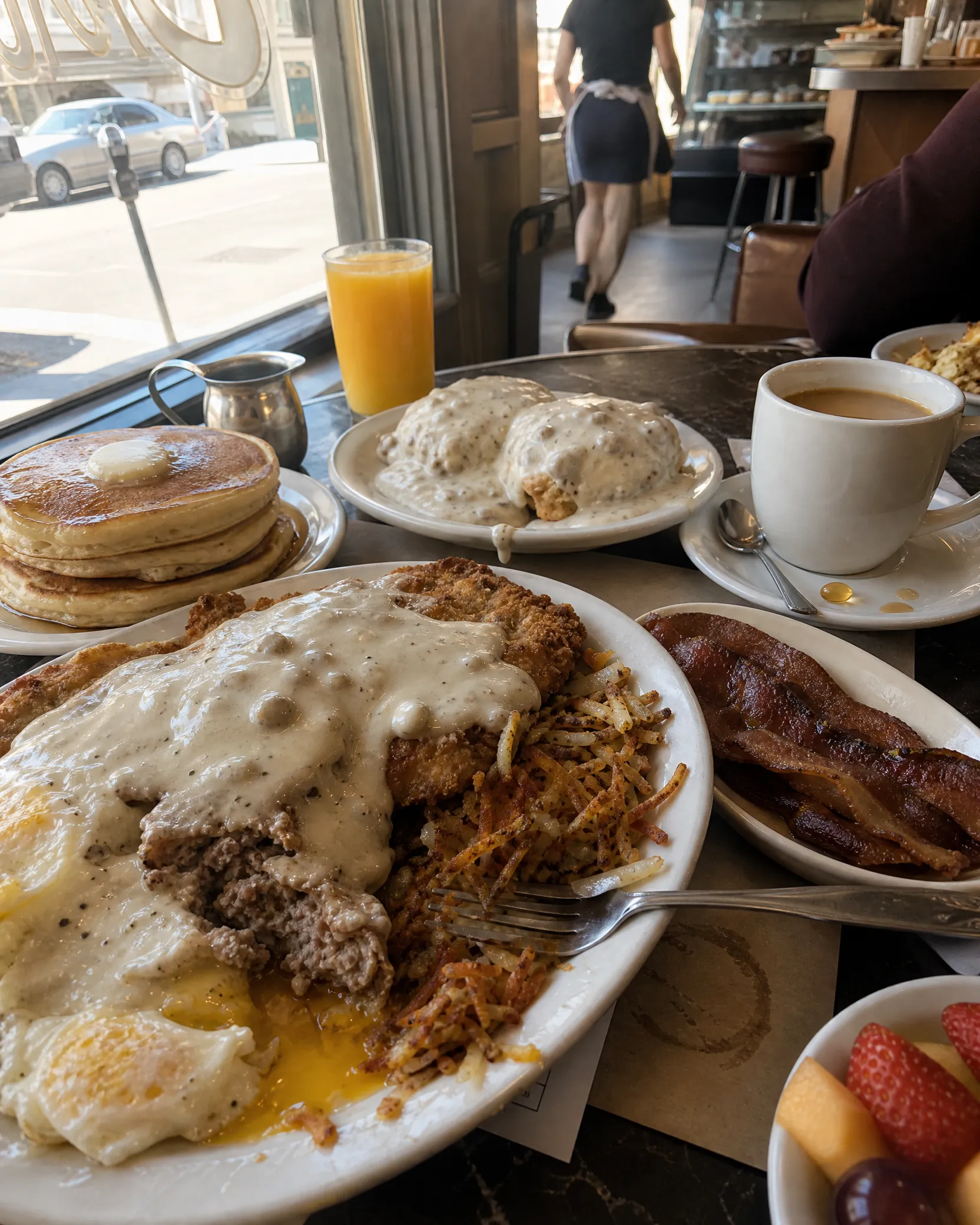
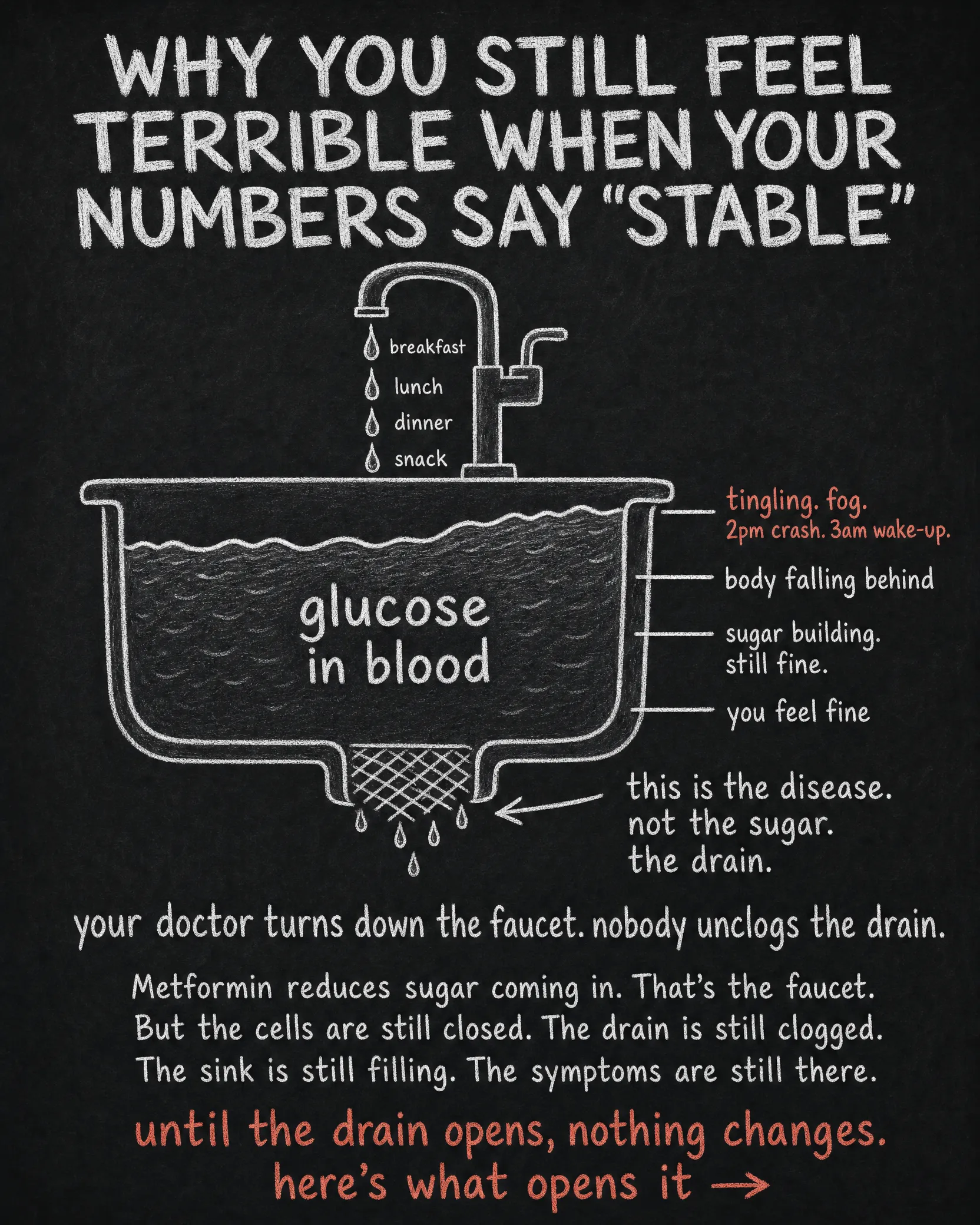
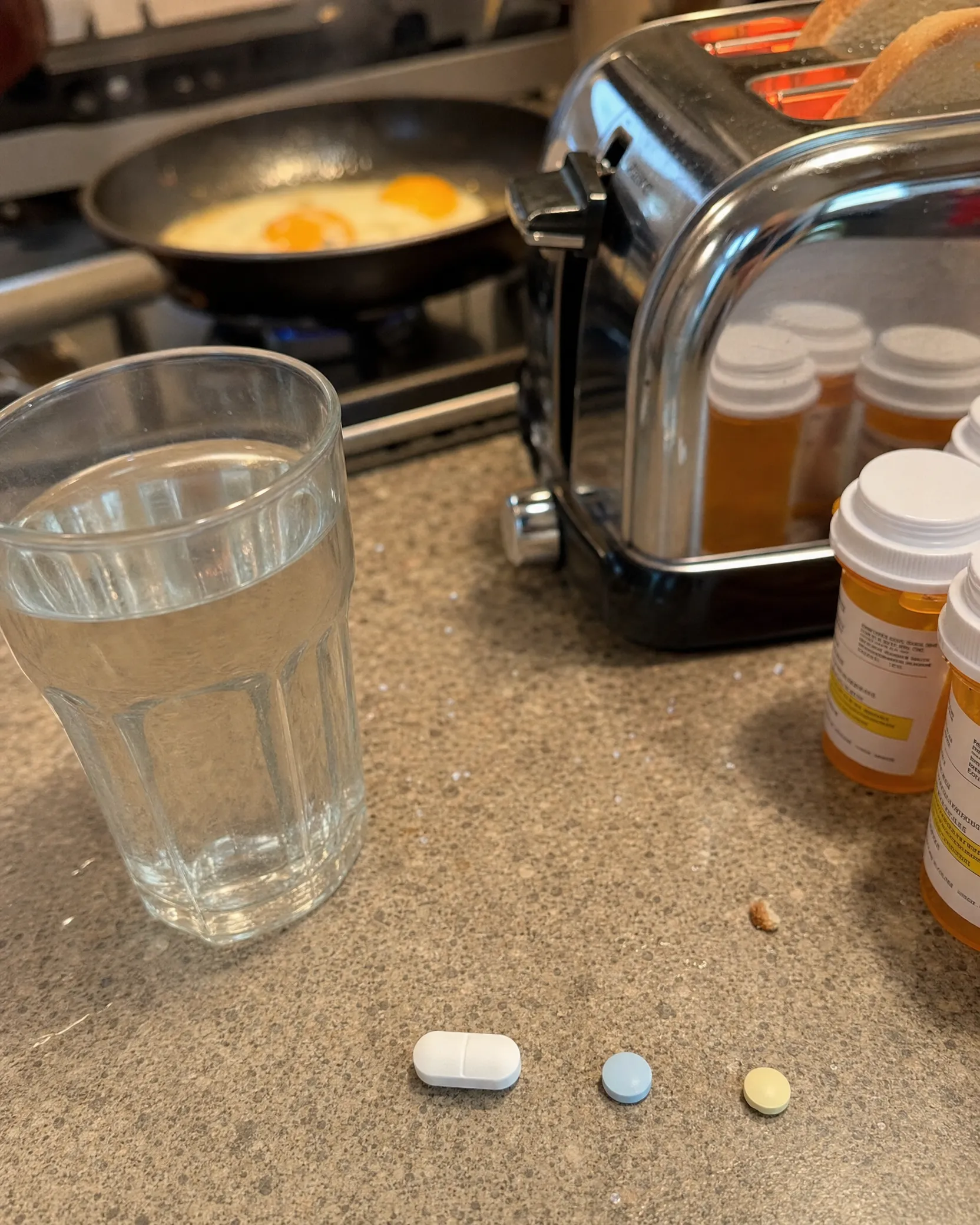
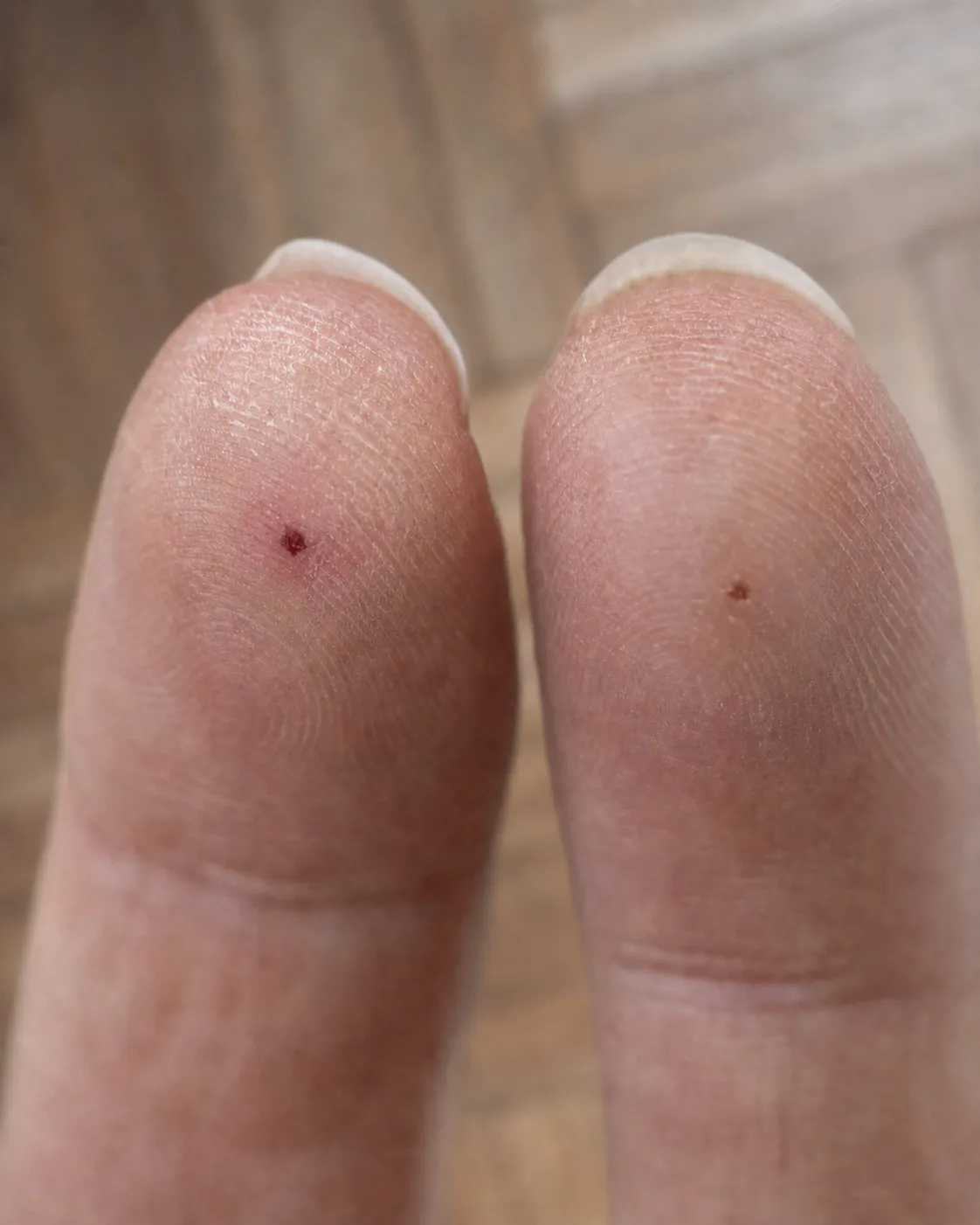
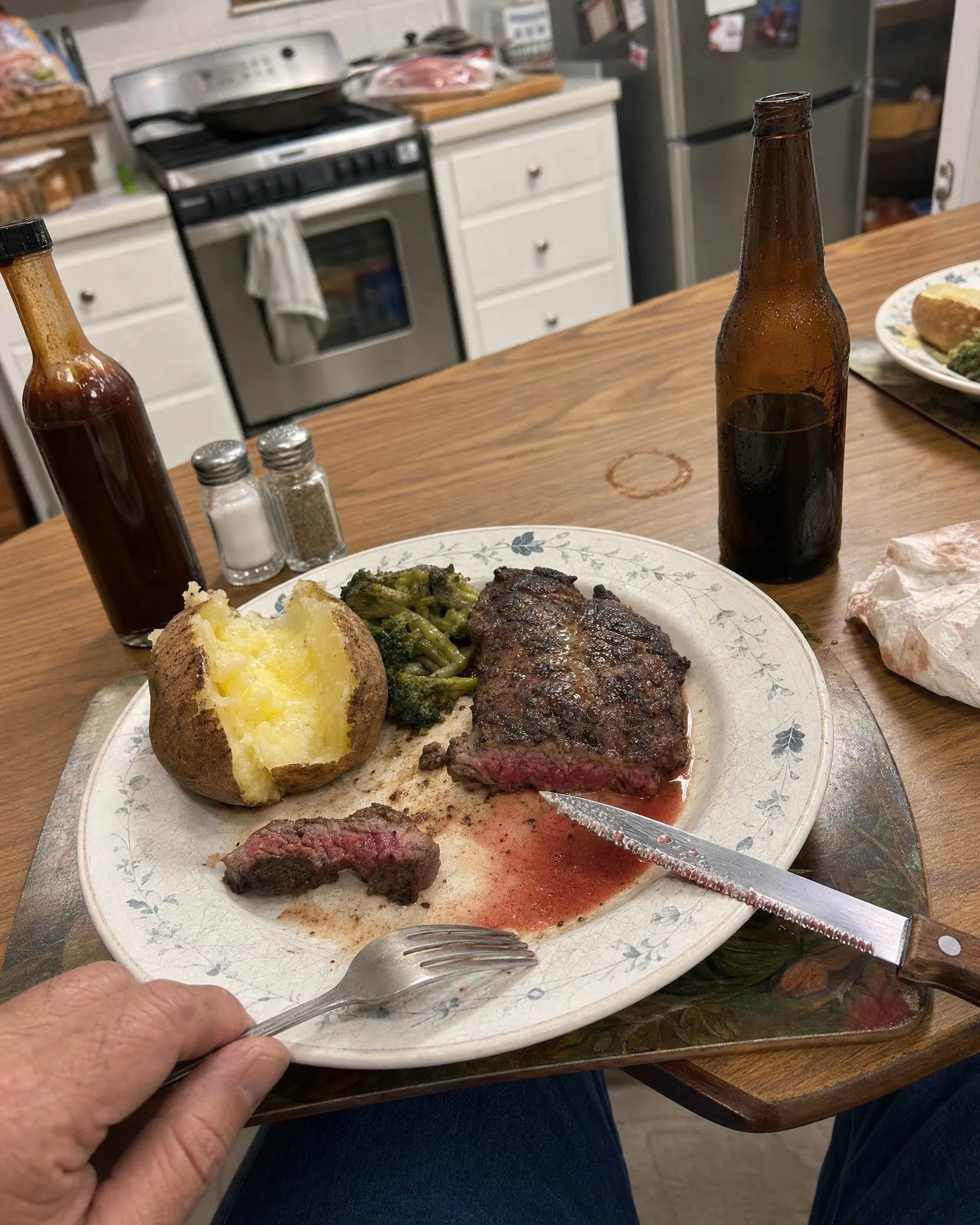
A guy in Texas ate the exact same fast food breakfast every morning for 90 days. Sausage and egg sandwich, hash brown, large Coke. He filmed every blood panel. By day 45, his fasting glucose should have been over 140. It was 92. The only variable was what he took with his coffee before the meal. He posted the full protocol to a fitness forum and it got taken down inside a week. His name was Cole. 41. Insurance adjuster out of Fort Worth. Two kids, a wife who'd stopped pretending the weight wasn't a problem, and a doctor who told him in February that if his next A1C came in over 6.5, he was getting walked into the pre-diabetes conversation his father had ignored at the same age. Cole's father had lost two toes by 60 and a leg by 68. Cole had watched it happen. Cole was not going to let it happen. So he ran an experiment that was supposed to prove a point. He picked the worst possible breakfast he could buy in America, ordered it 90 mornings in a row, and tracked everything. Glucose strip every morning before the food. Glucose strip 90 minutes after. Weight on the same scale at the same time. A1C draws every 30 days at a CVS in Arlington that didn't ask questions. The trick was the variable he added. One softgel taken with his coffee while the sandwich was still in the bag. That was it. No fasting window. No Ozempic. No keto. No fifth gym session. Same job. Same hours. Same family stress. Same garbage breakfast. One softgel. Day 15, his fasting was 104. Standard for a man heading where he was heading. Day 30, it was 98. Day 45, it was 92. Lower than it had been at 32, when his life insurance physical had clocked him at 96 and his agent had called it excellent. He didn't believe the meter. He bought a second one. The second meter agreed with the first. Day 60, he posted his spreadsheet on a fitness forum that has about 80,000 active members. Mostly lifters. Mostly skeptics. The kind of crowd that calls supplement claims out by lunch. The thread got 400 comments in 18 hours. Most of them were people asking what the softgel was. Cole told them. True Ceylon cinnamon. Not the cassia that fills every spice rack in America. Sourced from a single brand he'd ordered after reading a 2003 paper in Diabetes Care that had run the same compound on 40 diabetic men and watched their fasting glucose drop by up to 29 percent. The thread got pulled inside a week. The forum's stated reason was a vague policy violation about unverified medical claims. The actual reason, based on a moderator who messaged Cole afterward, was that three different supplement sponsor accounts had flagged the post because the brand he'd named wasn't one of theirs and the spreadsheet was too clean to argue with. That's the part that should make you angry. Not that the thread got pulled. That happens. But that the system, the same system that runs ads for underdosed cassia capsules and proprietary blends with ingredient lists you need a magnifying glass to read, took down a post from a man who shared his own glucose data because his results threatened the brands paying for placement. Cole's doctor couldn't officially recommend what brought his numbers down because there's no billing code for it. The forum couldn't let him talk about it because the sponsors selling inferior products didn't want the comparison sitting there in a spreadsheet anyone could read. The supplement industry and the healthcare system have one thing in common. Neither one has a financial incentive for you to fix this with a softgel that costs less than your co-pay. Cole still has the spreadsheet. The brand still ships. The softgel still works. Here is what most people reading this don't realize. Cole's experiment was rigged in the worst possible direction. He fed himself like a man trying to lose. He gained nothing. He held a fasting glucose number most lean 30-year-olds would shake hands for. And the only difference between his 90 days and the next 90 days of your life, the ones where you've been telling yourself you'll fix the breakfast and the snacking and the late-night handful of whatever, is one softgel. You don't have to eat fast food to get the math. You're already eating something. Your panel already says what it says. The question Cole answered on a sausage sandwich and a Coke is whether one softgel can hold the line while real life keeps doing what real life does. His meter said yes. Twice. Two things he learned that most people get wrong. The cinnamon in most kitchen cabinets and most supplements is cassia. Different species entirely. Cassia contains roughly five percent coumarin, which is why European regulators cap daily intake. It was never meant to be taken at clinical doses every day for years. It'll put strain on your liver. True Ceylon from Sri Lanka carries a trace of coumarin. Same word on the label. Different plant. The only one you can take daily long term. And dose is where almost everyone fails. Most supplements sit at 500mg. Well below what the published research used. You could take those for a year, see nothing, and decide cinnamon doesn't work. You'd be wrong for a reason nobody told you. Resia is the brand from Cole's spreadsheet. True Ceylon. DNA-verified from Sri Lanka, traced back to the same growing region the 2003 Diabetes Care trial sourced from. 7,200mg equivalent. Suspended in MCT oil so it actually reaches your bloodstream instead of passing straight through. Third-party tested for purity, which matters more than it should given the FDA has flagged lead contamination in eighteen cinnamon brands since 2024. One softgel a day. That's the whole protocol. One warning. There are knockoffs flooding Amazon right now with similar packaging but cassia and seed oils inside instead of real Ceylon and MCT. Cassia does nothing for blood sugar and puts strain on your liver at daily doses. Only order through the official site. They produce in small batches and it's backordered more often than not. If it's in stock when you click, don't wait. Cole ran the experiment so you wouldn't have to. The spreadsheet is offline. The softgel isn't. Ninety-day money-back guarantee. Your numbers move or you don't pay. Link is below.
More from A1C Support Community

A guy in Texas ate the exact same fast food breakfast every morning for 90 days. Sausage and egg sandwich, hash brown, large Coke. He filmed every blood panel. By day 45, his fasting glucose should have been over 140. It was 92. The only variable was what he took with his coffee before the meal. He posted the full protocol to a fitness forum and it got taken down inside a week. His name was Cole. 41. Insurance adjuster out of Fort Worth. Two kids, a wife who'd stopped pretending the weight wasn't a problem, and a doctor who told him in February that if his next A1C came in over 6.5, he was getting walked into the pre-diabetes conversation his father had ignored at the same age. Cole's father had lost two toes by 60 and a leg by 68. Cole had watched it happen. Cole was not going to let it happen. So he ran an experiment that was supposed to prove a point. He picked the worst possible breakfast he could buy in America, ordered it 90 mornings in a row, and tracked everything. Glucose strip every morning before the food. Glucose strip 90 minutes after. Weight on the same scale at the same time. A1C draws every 30 days at a CVS in Arlington that didn't ask questions. The trick was the variable he added. One softgel taken with his coffee while the sandwich was still in the bag. That was it. No fasting window. No Ozempic. No keto. No fifth gym session. Same job. Same hours. Same family stress. Same garbage breakfast. One softgel. Day 15, his fasting was 104. Standard for a man heading where he was heading. Day 30, it was 98. Day 45, it was 92. Lower than it had been at 32, when his life insurance physical had clocked him at 96 and his agent had called it excellent. He didn't believe the meter. He bought a second one. The second meter agreed with the first. Day 60, he posted his spreadsheet on a fitness forum that has about 80,000 active members. Mostly lifters. Mostly skeptics. The kind of crowd that calls supplement claims out by lunch. The thread got 400 comments in 18 hours. Most of them were people asking what the softgel was. Cole told them. True Ceylon cinnamon. Not the cassia that fills every spice rack in America. Sourced from a single brand he'd ordered after reading a 2003 paper in Diabetes Care that had run the same compound on 40 diabetic men and watched their fasting glucose drop by up to 29 percent. The thread got pulled inside a week. The forum's stated reason was a vague policy violation about unverified medical claims. The actual reason, based on a moderator who messaged Cole afterward, was that three different supplement sponsor accounts had flagged the post because the brand he'd named wasn't one of theirs and the spreadsheet was too clean to argue with. That's the part that should make you angry. Not that the thread got pulled. That happens. But that the system, the same system that runs ads for underdosed cassia capsules and proprietary blends with ingredient lists you need a magnifying glass to read, took down a post from a man who shared his own glucose data because his results threatened the brands paying for placement. Cole's doctor couldn't officially recommend what brought his numbers down because there's no billing code for it. The forum couldn't let him talk about it because the sponsors selling inferior products didn't want the comparison sitting there in a spreadsheet anyone could read. The supplement industry and the healthcare system have one thing in common. Neither one has a financial incentive for you to fix this with a softgel that costs less than your co-pay. Cole still has the spreadsheet. The brand still ships. The softgel still works. Here is what most people reading this don't realize. Cole's experiment was rigged in the worst possible direction. He fed himself like a man trying to lose. He gained nothing. He held a fasting glucose number most lean 30-year-olds would shake hands for. And the only difference between his 90 days and the next 90 days of your life, the ones where you've been telling yourself you'll fix the breakfast and the snacking and the late-night handful of whatever, is one softgel. You don't have to eat fast food to get the math. You're already eating something. Your panel already says what it says. The question Cole answered on a sausage sandwich and a Coke is whether one softgel can hold the line while real life keeps doing what real life does. His meter said yes. Twice. Two things he learned that most people get wrong. The cinnamon in most kitchen cabinets and most supplements is cassia. Different species entirely. Cassia contains roughly five percent coumarin, which is why European regulators cap daily intake. It was never meant to be taken at clinical doses every day for years. It'll put strain on your liver. True Ceylon from Sri Lanka carries a trace of coumarin. Same word on the label. Different plant. The only one you can take daily long term. And dose is where almost everyone fails. Most supplements sit at 500mg. Well below what the published research used. You could take those for a year, see nothing, and decide cinnamon doesn't work. You'd be wrong for a reason nobody told you. Resia is the brand from Cole's spreadsheet. True Ceylon. DNA-verified from Sri Lanka, traced back to the same growing region the 2003 Diabetes Care trial sourced from. 7,200mg equivalent. Suspended in MCT oil so it actually reaches your bloodstream instead of passing straight through. Third-party tested for purity, which matters more than it should given the FDA has flagged lead contamination in eighteen cinnamon brands since 2024. One softgel a day. That's the whole protocol. One warning. There are knockoffs flooding Amazon right now with similar packaging but cassia and seed oils inside instead of real Ceylon and MCT. Cassia does nothing for blood sugar and puts strain on your liver at daily doses. Only order through the official site. They produce in small batches and it's backordered more often than not. If it's in stock when you click, don't wait. Cole ran the experiment so you wouldn't have to. The spreadsheet is offline. The softgel isn't. Ninety-day money-back guarantee. Your numbers move or you don't pay. Link is below.
A1C Support Community
Ceylon Cinnamon 7200mg Equivalent with MCT Oil
A1C Support Community
Ceylon Cinnamon 7200mg Equivalent with MCT Oil
A1C Support Community
A guy in Texas ate the exact same fast food breakfast every morning for 90 days. Sausage and egg sandwich, hash brown, large Coke. He filmed every blood panel. By day 45, his fasting glucose should have been over 140. It was 92. The only variable was what he took with his coffee before the meal. He posted the full protocol to a fitness forum and it got taken down inside a week. His name was Cole. 41. Insurance adjuster out of Fort Worth. Two kids, a wife who'd stopped pretending the weight wasn't a problem, and a doctor who told him in February that if his next A1C came in over 6.5, he was getting walked into the pre-diabetes conversation his father had ignored at the same age. Cole's father had lost two toes by 60 and a leg by 68. Cole had watched it happen. Cole was not going to let it happen. So he ran an experiment that was supposed to prove a point. He picked the worst possible breakfast he could buy in America, ordered it 90 mornings in a row, and tracked everything. Glucose strip every morning before the food. Glucose strip 90 minutes after. Weight on the same scale at the same time. A1C draws every 30 days at a CVS in Arlington that didn't ask questions. The trick was the variable he added. One softgel taken with his coffee while the sandwich was still in the bag. That was it. No fasting window. No Ozempic. No keto. No fifth gym session. Same job. Same hours. Same family stress. Same garbage breakfast. One softgel. Day 15, his fasting was 104. Standard for a man heading where he was heading. Day 30, it was 98. Day 45, it was 92. Lower than it had been at 32, when his life insurance physical had clocked him at 96 and his agent had called it excellent. He didn't believe the meter. He bought a second one. The second meter agreed with the first. Day 60, he posted his spreadsheet on a fitness forum that has about 80,000 active members. Mostly lifters. Mostly skeptics. The kind of crowd that calls supplement claims out by lunch. The thread got 400 comments in 18 hours. Most of them were people asking what the softgel was. Cole told them. True Ceylon cinnamon. Not the cassia that fills every spice rack in America. Sourced from a single brand he'd ordered after reading a 2003 paper in Diabetes Care that had run the same compound on 40 diabetic men and watched their fasting glucose drop by up to 29 percent. The thread got pulled inside a week. The forum's stated reason was a vague policy violation about unverified medical claims. The actual reason, based on a moderator who messaged Cole afterward, was that three different supplement sponsor accounts had flagged the post because the brand he'd named wasn't one of theirs and the spreadsheet was too clean to argue with. That's the part that should make you angry. Not that the thread got pulled. That happens. But that the system, the same system that runs ads for underdosed cassia capsules and proprietary blends with ingredient lists you need a magnifying glass to read, took down a post from a man who shared his own glucose data because his results threatened the brands paying for placement. Cole's doctor couldn't officially recommend what brought his numbers down because there's no billing code for it. The forum couldn't let him talk about it because the sponsors selling inferior products didn't want the comparison sitting there in a spreadsheet anyone could read. The supplement industry and the healthcare system have one thing in common. Neither one has a financial incentive for you to fix this with a softgel that costs less than your co-pay. Cole still has the spreadsheet. The brand still ships. The softgel still works. Here is what most people reading this don't realize. Cole's experiment was rigged in the worst possible direction. He fed himself like a man trying to lose. He gained nothing. He held a fasting glucose number most lean 30-year-olds would shake hands for. And the only difference between his 90 days and the next 90 days of your life, the ones where you've been telling yourself you'll fix the breakfast and the snacking and the late-night handful of whatever, is one softgel. You don't have to eat fast food to get the math. You're already eating something. Your panel already says what it says. The question Cole answered on a sausage sandwich and a Coke is whether one softgel can hold the line while real life keeps doing what real life does. His meter said yes. Twice. Two things he learned that most people get wrong. The cinnamon in most kitchen cabinets and most supplements is cassia. Different species entirely. Cassia contains roughly five percent coumarin, which is why European regulators cap daily intake. It was never meant to be taken at clinical doses every day for years. It'll put strain on your liver. True Ceylon from Sri Lanka carries a trace of coumarin. Same word on the label. Different plant. The only one you can take daily long term. And dose is where almost everyone fails. Most supplements sit at 500mg. Well below what the published research used. You could take those for a year, see nothing, and decide cinnamon doesn't work. You'd be wrong for a reason nobody told you. Resia is the brand from Cole's spreadsheet. True Ceylon. DNA-verified from Sri Lanka, traced back to the same growing region the 2003 Diabetes Care trial sourced from. 7,200mg equivalent. Suspended in MCT oil so it actually reaches your bloodstream instead of passing straight through. Third-party tested for purity, which matters more than it should given the FDA has flagged lead contamination in eighteen cinnamon brands since 2024. One softgel a day. That's the whole protocol. One warning. There are knockoffs flooding Amazon right now with similar packaging but cassia and seed oils inside instead of real Ceylon and MCT. Cassia does nothing for blood sugar and puts strain on your liver at daily doses. Only order through the official site. They produce in small batches and it's backordered more often than not. If it's in stock when you click, don't wait. Cole ran the experiment so you wouldn't have to. The spreadsheet is offline. The softgel isn't. Ninety-day money-back guarantee. Your numbers move or you don't pay. Link is below.
A1C Support Community
Ceylon Cinnamon 7200mg Equivalent with MCT Oil
A1C Support Community
Ceylon Cinnamon 7200mg Equivalent with MCT Oil
A1C Support Community
Ceylon Cinnamon 7200mg Equivalent with MCT Oil
A1C Support Community
Ceylon Cinnamon 7200mg Equivalent with MCT Oil
A1C Support Community
Ceylon Cinnamon 7200mg Equivalent with MCT Oil
A1C Support Community

Ceylon Cinnamon 7200mg Equivalent with MCT Oil
A1C Support Community
Ceylon Cinnamon 7200mg Equivalent with MCT Oil
A1C Support Community

Ceylon Cinnamon 7200mg Equivalent with MCT Oil
A1C Support Community

 Add to Chrome