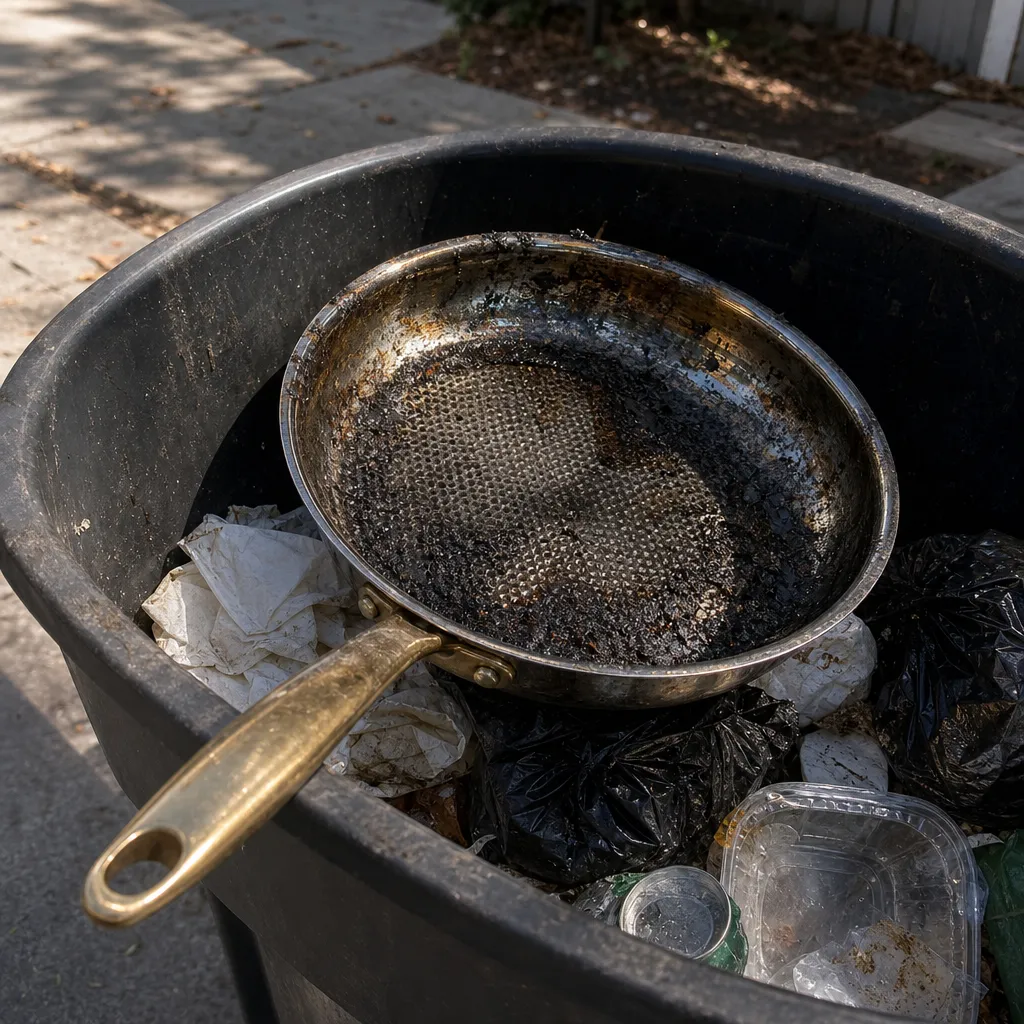
Best Titanium Cookware of 2026: 4 Pans Compared | The Cookware Society
Ad Copy
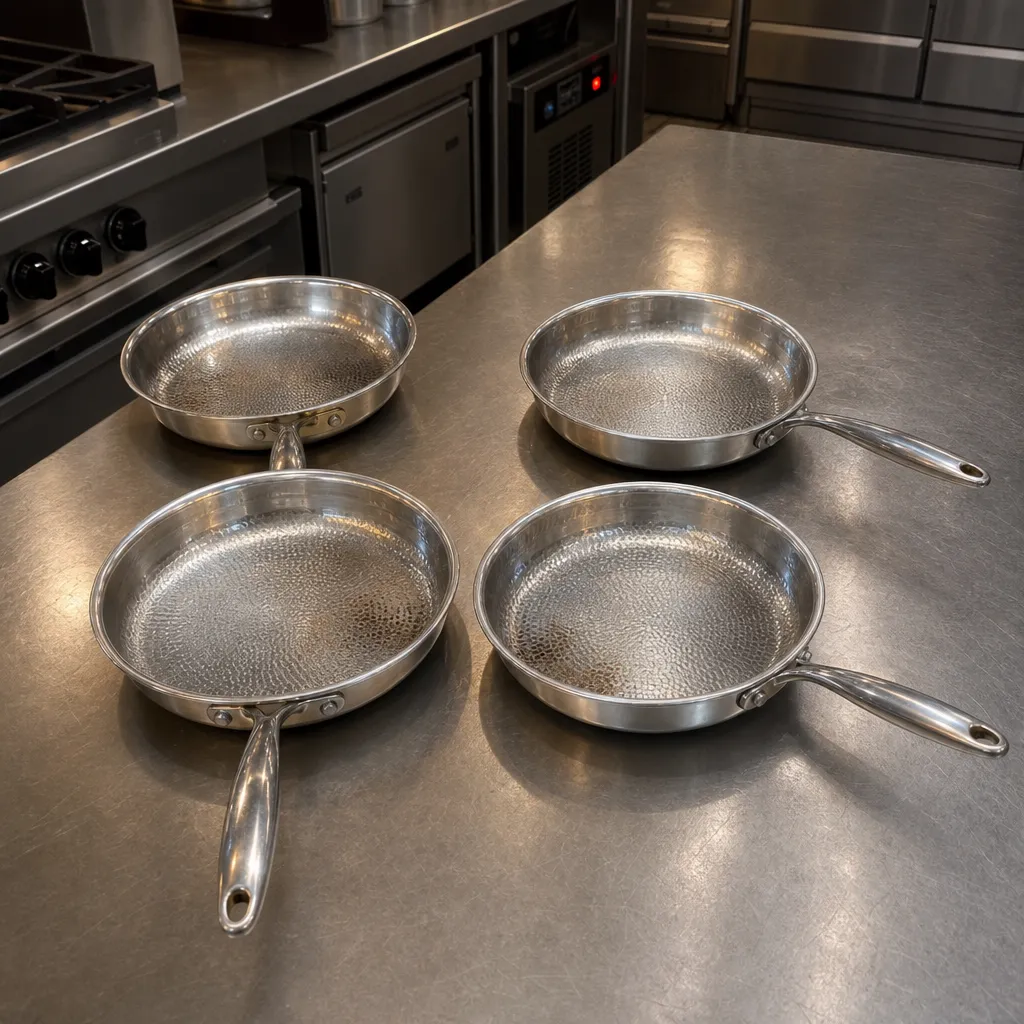
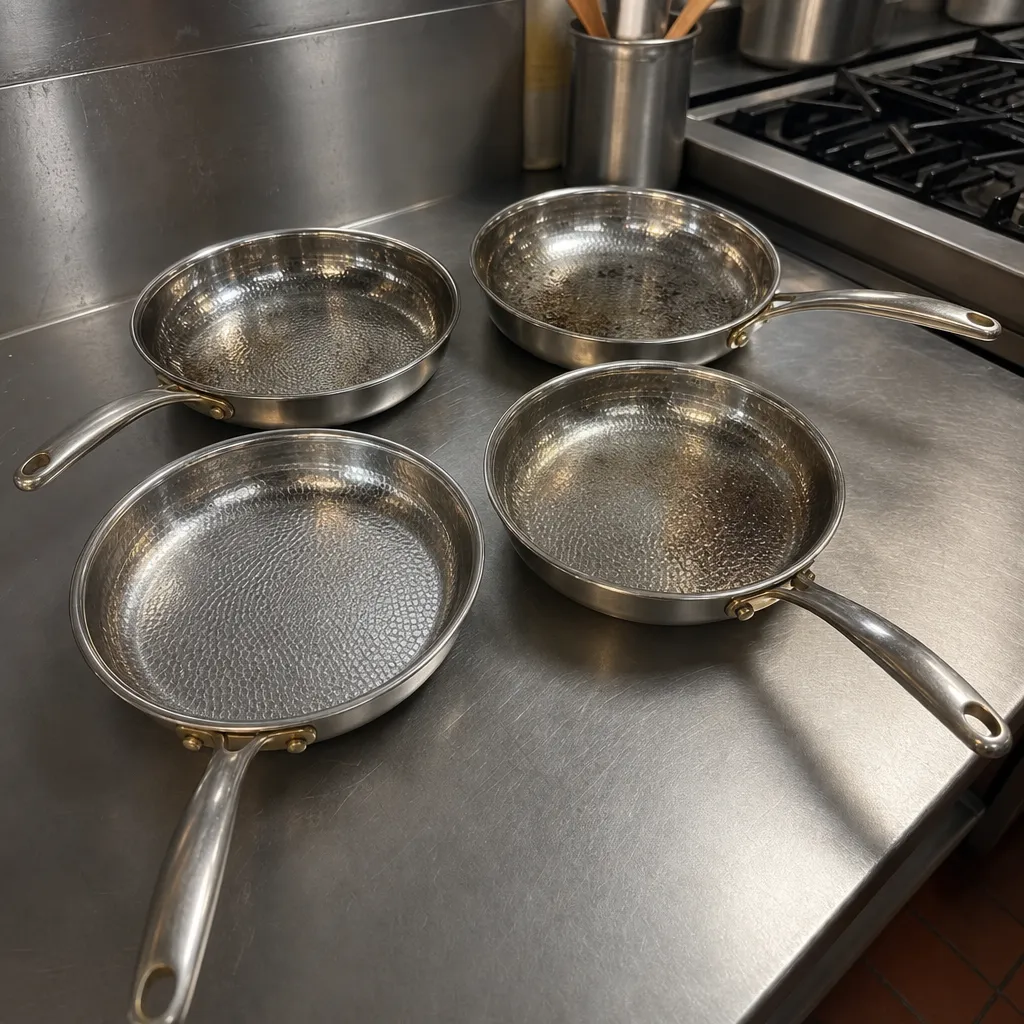
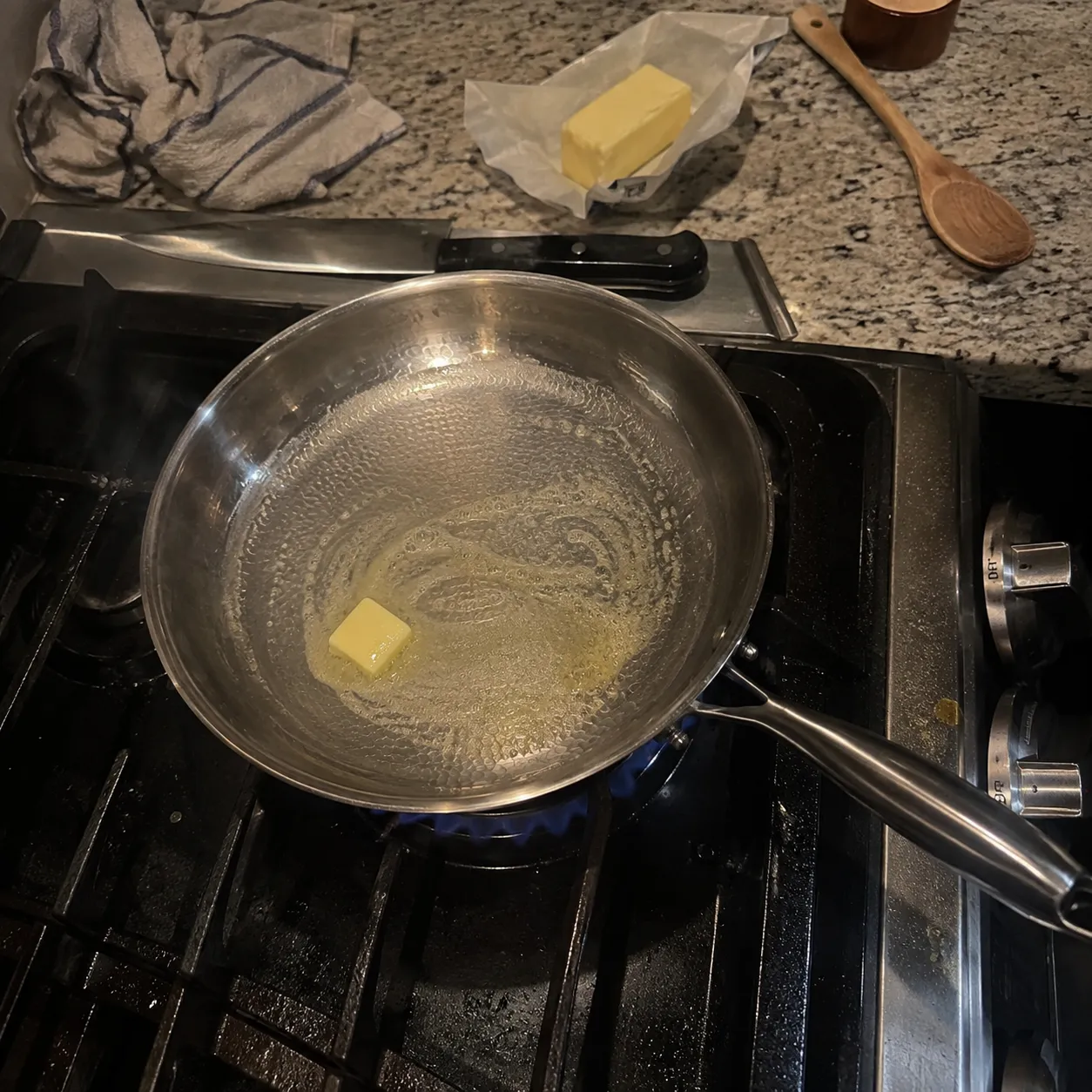
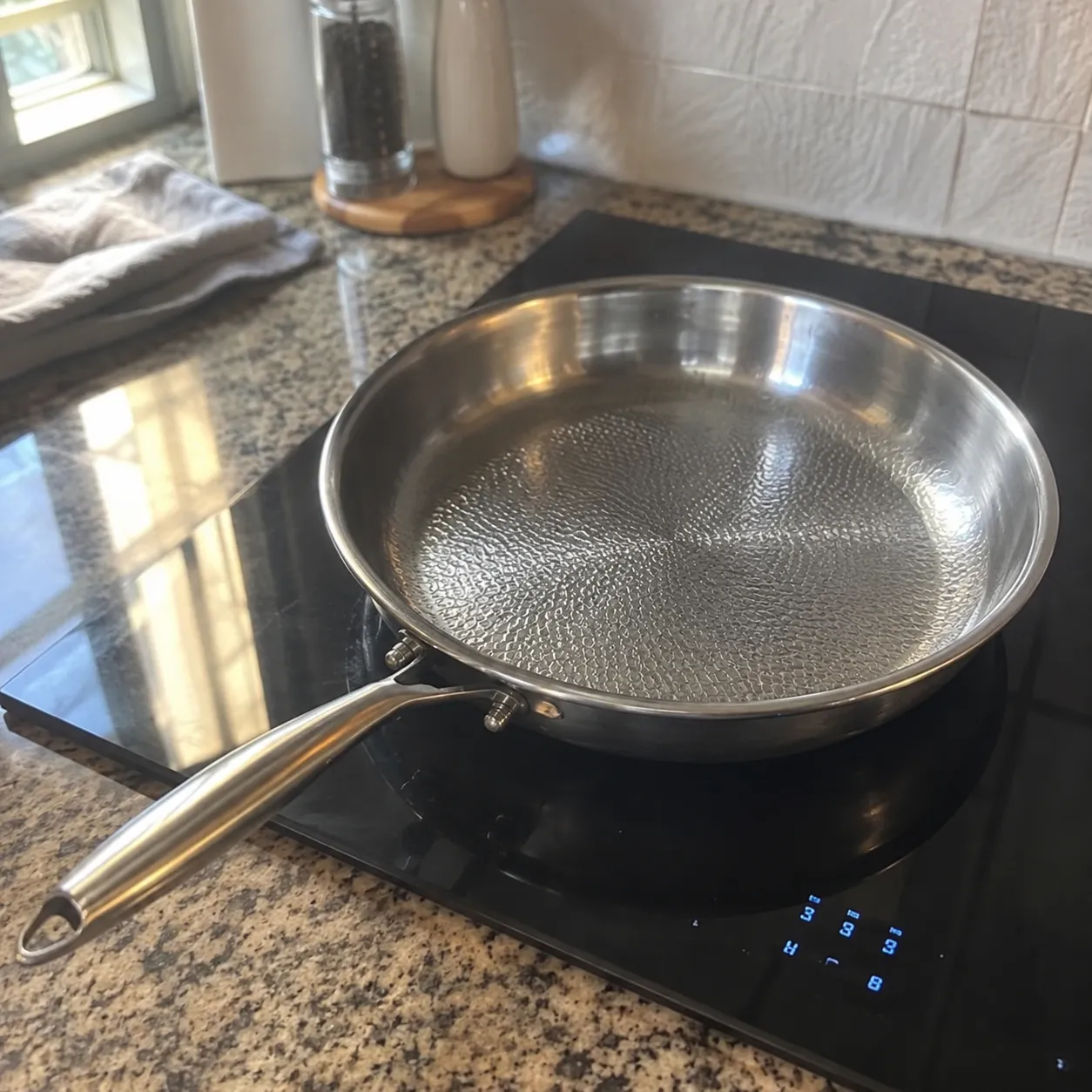
Don't buy a titanium pan until you know how it's actually built. I'm a chef of thirty-odd years and it took me two years to be able to say that sentence with any confidence. Here's why it took so long. I once told a woman on Facebook that titanium was the right direction for her. Then she asked me which one to buy, and I realised I had no good answer. That bothered me for about two years. I'm a chef. Started in 1989, spent most of my career in Michelin-starred kitchens, and now I cook privately for a few families, which means I work in other people's kitchens roughly two hundred nights a year. So I see what people actually own, and lately what they own is titanium. I answer cookware questions online in my spare time, and for the last year it's been the same one over and over. "Which titanium pan is the best one?" Here's the difficulty. The word tells you almost nothing about how the pan is built. There's a real, thick titanium cooking surface, which is what most people picture. There's a molecular layer of titanium bonded onto stainless steel, which cooks like stainless steel no matter what the box says. And there's marketing. Then there's the part underneath, which nobody advertises and which decides everything. Titanium is hard and durable and doesn't need a coating, and those are excellent reasons to want it. But it is a poor conductor of heat. It doesn't spread it. A pan built from titanium alone will be blistering in the centre and cool at the edge, and there is no technique that fixes that. From a product page, you genuinely cannot tell which of these you're being sold. All four of them look like the same pan. Then someone in my comments sent me a comparison that had tested four of them side by side over sixty days. I read it properly, twice, because I wanted to catch it out. What earned my trust was that it was unflattering in places. It scored one pan 7.5. It was blunt about pans priced like heirlooms that cook like ordinary stainless, and about brands whose "sale price" is simply the price. And it tested with eggs, fish and rice. Which is exactly what I'd have used, because those three will humiliate an uneven pan within a minute. The winner was Okura, and it was also the cheapest of the four. I'd have expected one of those things or the other, not both. It's one of the ones where the titanium is genuinely the cooking surface rather than a decorative claim, with no conventional nonstick coating anywhere in it. It goes on any hob and into an oven, and they stand behind it for twenty-five years, which tells you what they expect it to survive. I bought one for myself before I said a word about it publicly, because recommending equipment you haven't cooked on is how you lose your reputation. It heats evenly, edge to edge, which is the single thing that separates a real pan from an expensive souvenir. It takes a proper sear. It responds when you drop the heat instead of staying furious for five minutes. And it releases food, if you use it the way it's meant to be used. That's my one condition, and I'm going to be blunt about it. Preheat the pan. Two minutes on medium, until water beads and runs rather than spitting. Thin film of oil, then the food in. Then don't touch it. Protein grips at first and lets go when it's ready. If it won't move, it isn't ready. That's not the pan failing, that's cooking. Every commis I ever trained learned that lesson in their first fortnight, usually while I stood behind them saying "leave it." Do that, and a well-built titanium pan will outlast anything else in your cupboard, and you'll never again wonder what's coming off the surface into your dinner. So that's my answer, finally, two years late. To the lady who asked me which one to buy: this is the comparison, and this is what I'd have said if I'd known. https://thecookwaresociety.com/pages/1-titanium-cooking-pan-of-2026-vstd-cro-026
More from Chef Frank Lindqvist
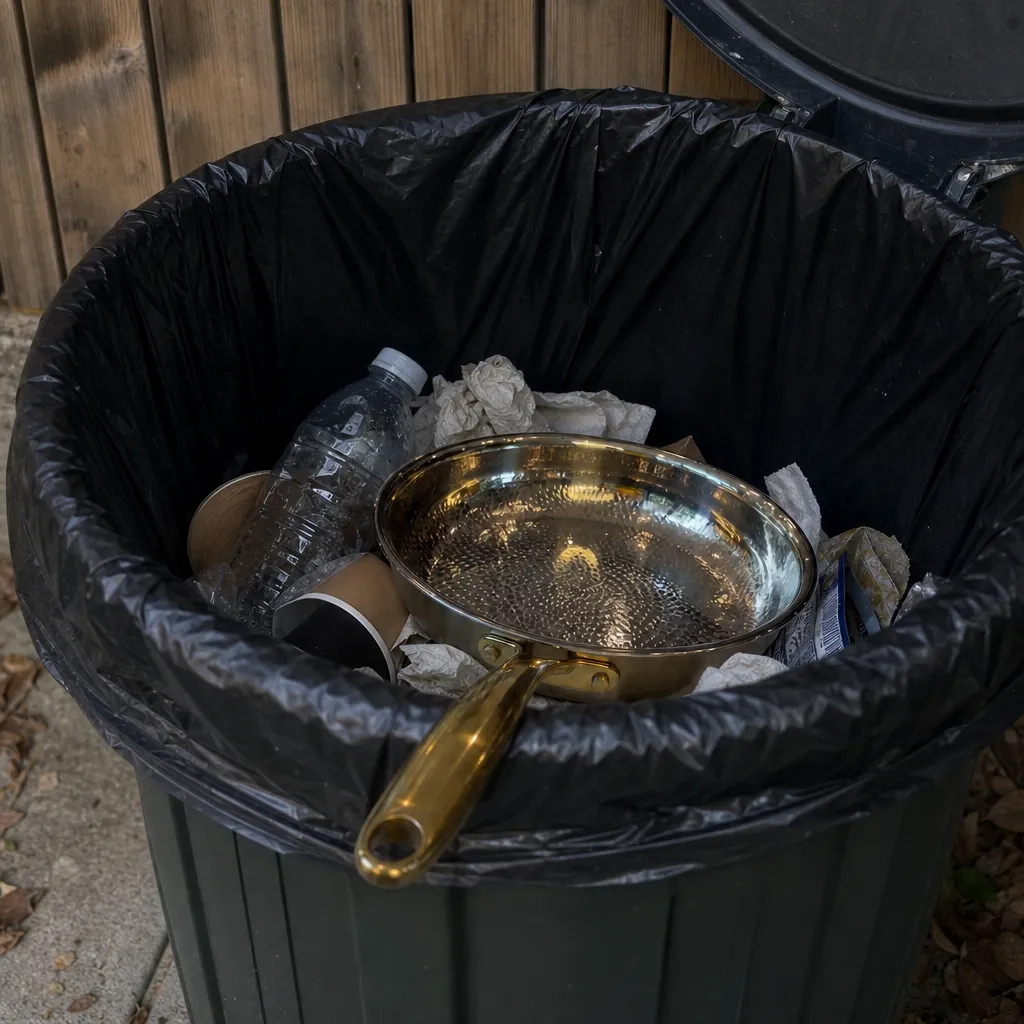
Best Titanium Cookware of 2026: 4 Pans Compared | The Cookware Society
Chef Frank Lindqvist
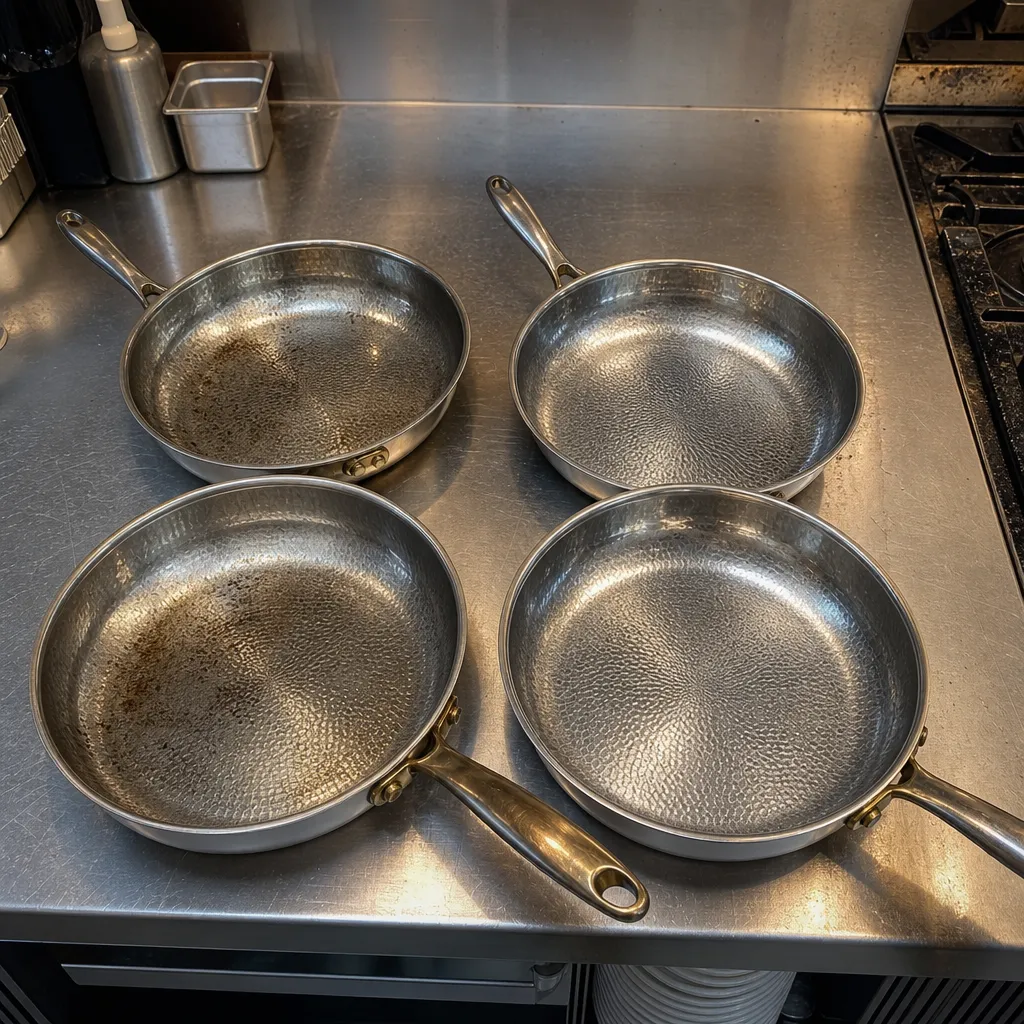
Best Titanium Cookware of 2026: 4 Pans Compared | The Cookware Society
Chef Frank Lindqvist
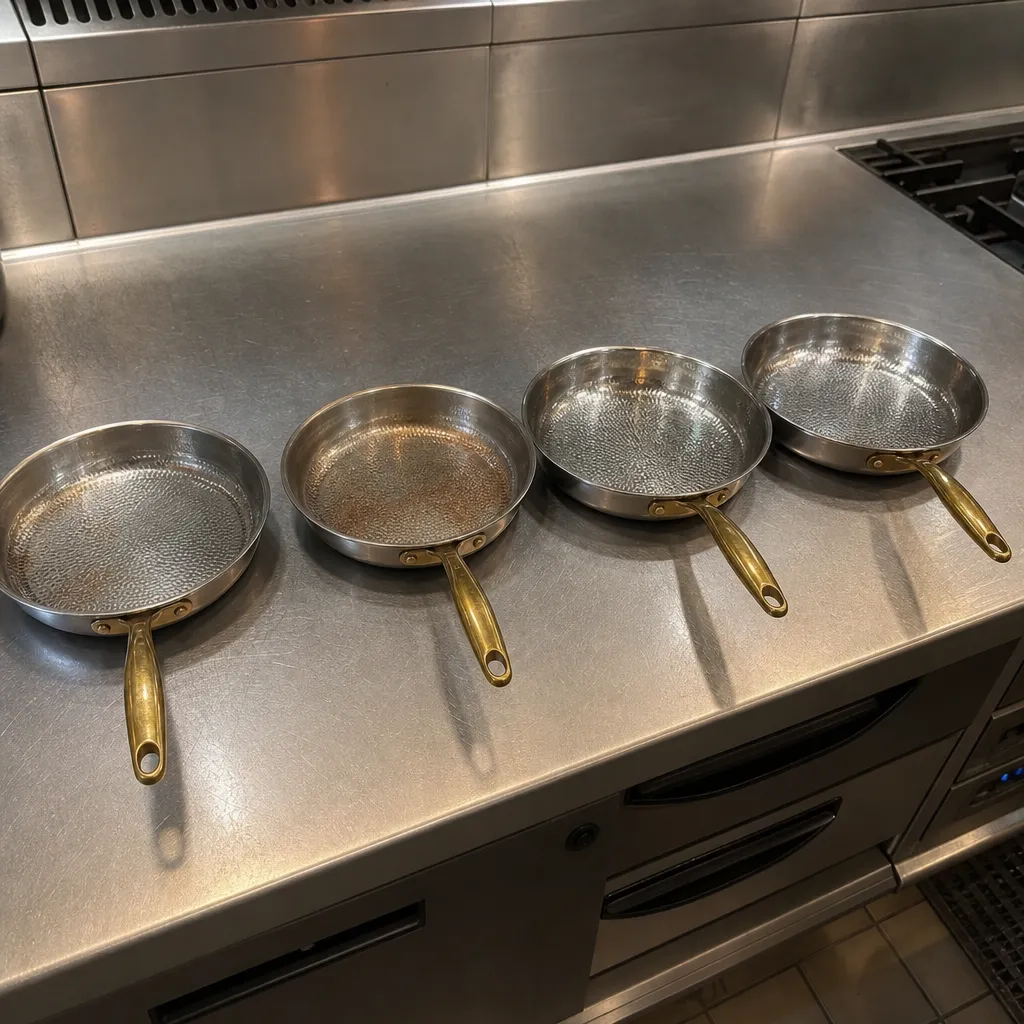
Best Titanium Cookware of 2026: 4 Pans Compared | The Cookware Society
Chef Frank Lindqvist
Best Titanium Cookware of 2026: 4 Pans Compared | The Cookware Society
Chef Frank Lindqvist
Best Titanium Cookware of 2026: 4 Pans Compared | The Cookware Society
Chef Frank Lindqvist
Best Titanium Cookware of 2026: 4 Pans Compared | The Cookware Society
Chef Frank Lindqvist
Best Titanium Cookware of 2026: 4 Pans Compared | The Cookware Society
Chef Frank Lindqvist
Up to 70% Off 🉐
Chef Frank Lindqvist
Up to 70% Off 🉐
Chef Frank Lindqvist

Up to 70% Off 🉐
Chef Frank Lindqvist

Up to 70% Off 🉐
Chef Frank Lindqvist

Up to 70% Off 🉐
Chef Frank Lindqvist

 Add to Chrome