Up to 70% Off 🉐
Ad Copy
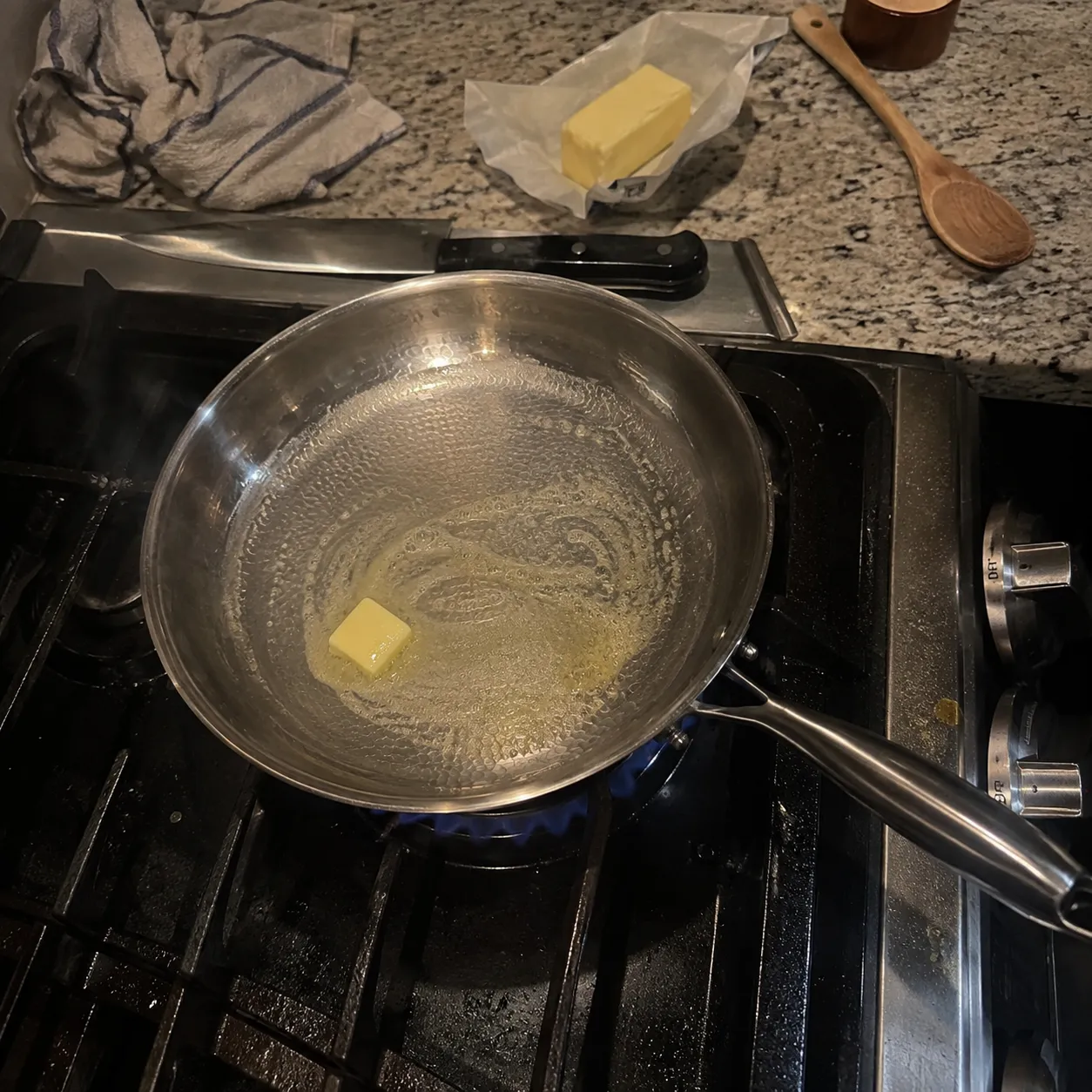
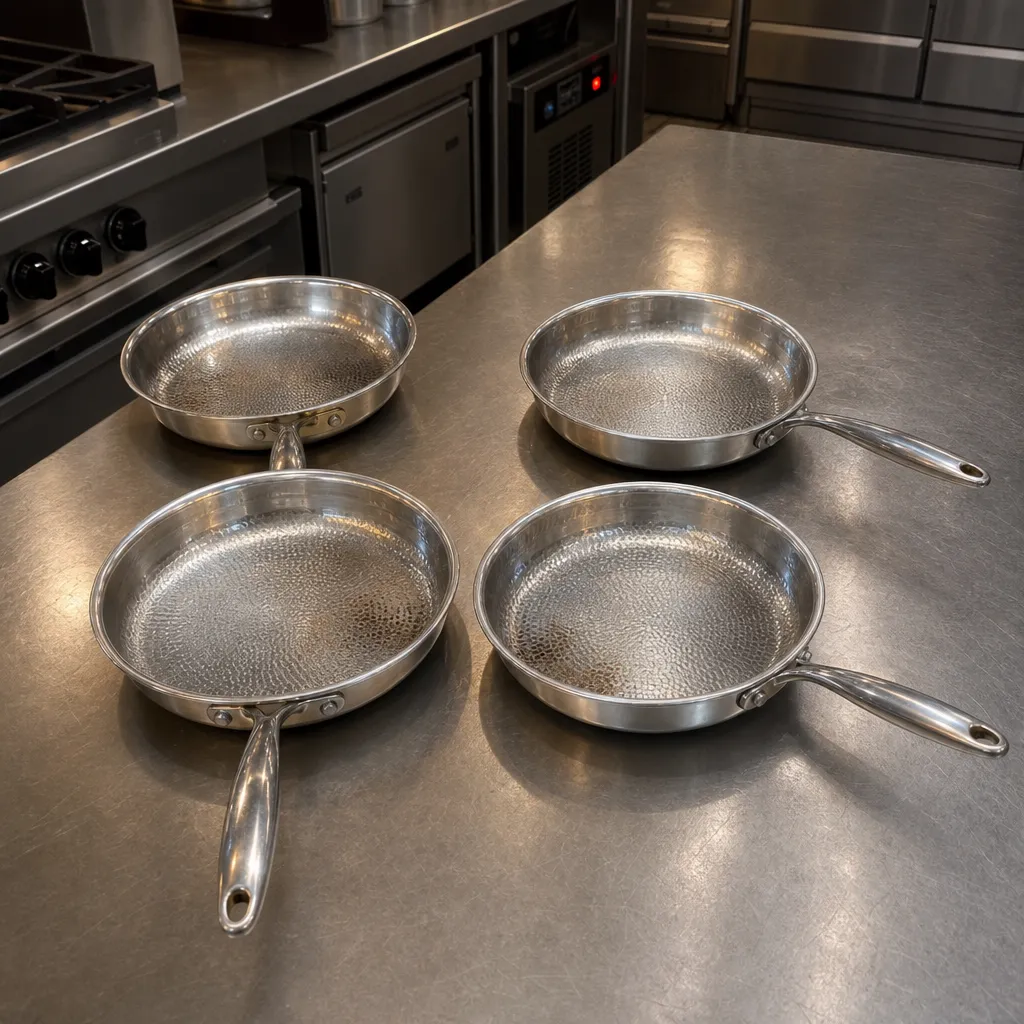
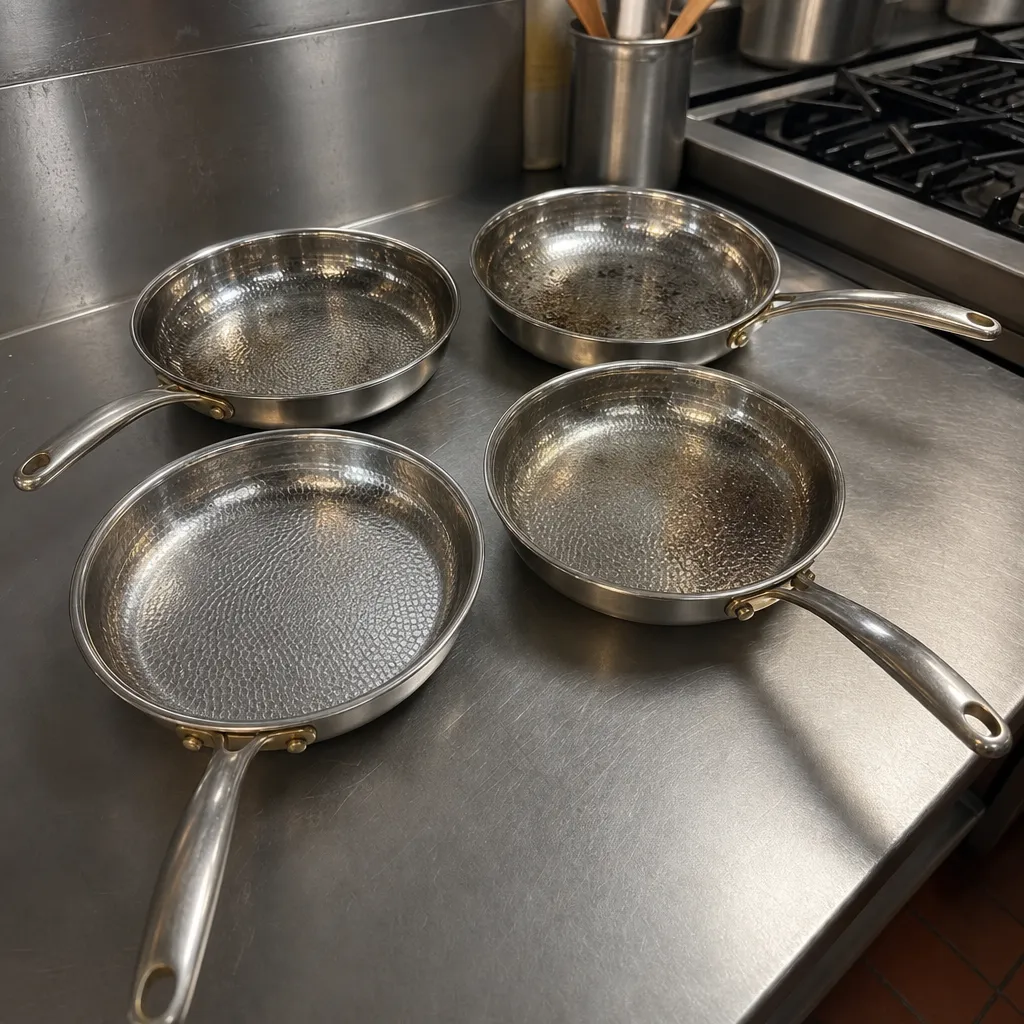
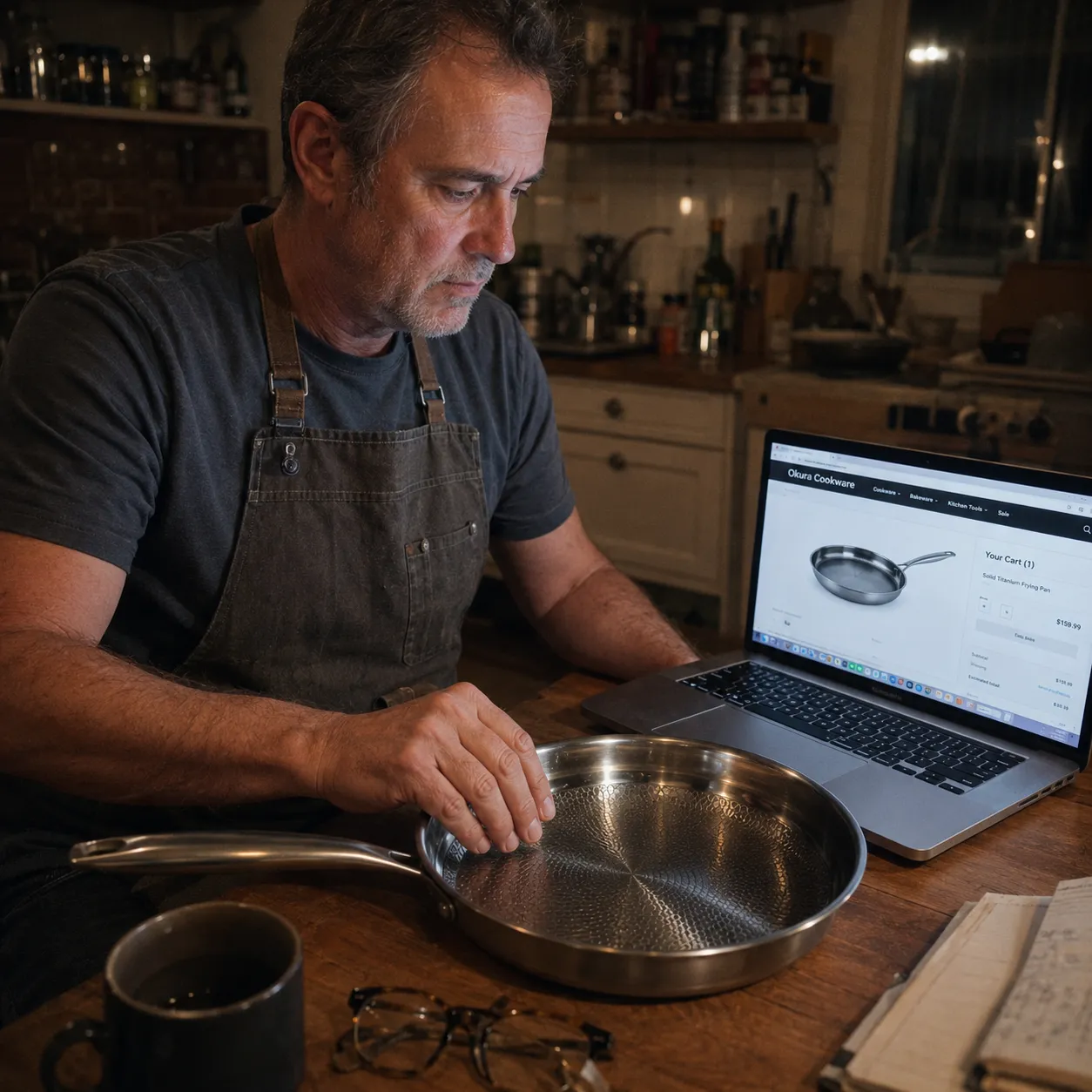
I watched a grown man put his fork down and push the plate away without saying a word. That silence is the worst sound in my business. I have been in professional kitchens since 1996. San Francisco, back when the restaurant scene there was still figuring out what it wanted to be. I came up through the kind of kitchens where a burnt sauce could get you screamed at in front of the whole line, and where the good chefs earned their reputation one plate at a time, not by being loud, but by being consistent. Night after night. Same result every time. These days I do not run a restaurant kitchen anymore. I cook privately, for people who pay a lot of money for a very specific kind of evening. No menu. No second chances. If the dinner is not right, there is no next seating to redeem yourself. You get one shot, in someone else's kitchen, usually with someone else's cookware, and you are expected to deliver like it is the finest table in the city. That night I am talking about, I was cooking for a client I had worked with a few times before. The kind of guest who does not complain, does not send food back, just quietly notices everything. I was three courses in. Everything was moving well. Then I started the sauce for the main course, a butter based sauce that lives or dies in about ninety seconds of heat control. You know this if you have ever made a beurre blanc or a proper hollandaise. There is a very narrow window where the emulsion holds together. Too cool and it never comes together. Too hot, even for a few seconds, and it breaks. Once butter based sauce breaks, there is no fixing it. You start over, or you serve something that looks like it separated in a bad way, because it did. The pan I was using that night was one that had been sitting in that kitchen for years. Looked fine on the outside. Thin metal though, and it held heat unevenly across the base. I pulled it off the flame the instant I felt the sauce start to tighten too fast, which is the move you make a thousand times without thinking. Except the pan did not respond with me. It kept carrying heat into the sauce for another few seconds after I pulled it. That lag is all it takes. The sauce split right there in front of the client. I am not going to pretend that is the end of the world. I recovered. I made a new sauce, apologized, moved on with the meal. Professionals adapt, that is the job. But I remember standing at that stove thinking about how much of my job actually comes down to something most people never think about. Not the recipe. Not the ingredients. The pan's ability to respond the instant I change my mind. Cooking at a high level is not about following a recipe exactly. It is about reading what is happening in the pan, second by second, and adjusting. Heat up when the fond needs to build. Heat down the moment a sauce starts to tighten. Off entirely when the fish is one shade away from perfect. If your pan does not move with you in real time, you are not really controlling the dish. You are reacting a few seconds too late to something that already happened. I want to talk about why that lag exists in the first place, because most home cooks and honestly a lot of professionals never get a straight answer on this. Copper pans respond fast, that part is true. Copper conducts heat beautifully. But copper is high maintenance in a way most people are not ready for. It needs a lined interior that eventually wears down. It reacts with acidic food if the lining goes. It scratches, it needs polishing, it is heavy in a way that gets old fast during a long service. Copper solves the response problem and creates three new ones. Thin aluminum, which is what a lot of "professional grade" cookware actually is under a coating, has the opposite issue. It heats up fast at first, but it does not hold or distribute that heat evenly across the surface. You get a hot center and a cooler rim. Anyone who has cooked eggs in a cheap pan and watched the middle overcook while the edges stay underdone knows exactly what I am describing. Fast is not the same as even. You need both, or you are just moving the problem around the pan instead of solving it. After that dinner, I started paying closer attention to what the pan itself was actually made of, not just the marketing language on the box. A friend of mine, another chef who consults for restaurant groups here on the west coast, mentioned he had switched his personal kitchen over to titanium cookware. Real titanium on the cooking surface, not a thin titanium wash sprayed over aluminum the way a lot of brands do it to use the word on the label. I was skeptical, honestly. Titanium has a reputation for being difficult to heat evenly on its own, which is true if that is all the pan is. But the construction he was using paired a thick titanium surface with an aluminum core underneath it. Titanium gives you the strength and the responsiveness. Aluminum underneath handles the even distribution across the whole surface, rim included, not just the center. That combination is the part that actually matters. One material solves what the other one is weak at. I tried his pan in my own kitchen before I ever brought one out on a paying job. I ran the exact test that broke that sauce months earlier. Heat up fast to build a base, pull down hard and fast the instant the emulsion started to tighten. The pan let go of the heat with me. No carryover lag. No hot center with a cold rim giving me uneven results on a seared piece of fish. The sauce held. I am not going to sit here and tell you a pan makes you a better cook. It does not. But it will stop lying to you about what is actually happening under your food, and it will stop costing you the split second you need to save a dish. That is what fast, even, responsive heat actually buys you. Not magic. Timing. There is a version of this cookware I now use most nights called Okura. Thick titanium surface, aluminum core underneath for the even heat, no coating to wear off, no PFAS, safe with metal utensils since there is no nonstick layer to protect. It holds up to the kind of heat professional cooking actually demands, and it responds the moment you change your mind on the stove, which for me is most of the job. I am not telling you to run out and replace your cookware. I am telling you what I learned the expensive way, in front of a client who never said a single word about it and did not need to. If you have been putting off replacing a pan that never quite does what you need it to do the moment things change on the stove, this is the reason why. It is not you. It is the metal. They extended their restock sale through the end of this week, so if you were going to make the switch, now is a cheaper time than usual to do it. https://okuracookware.com/collections/extended-restock-sale
More from Chef Frank Lindqvist
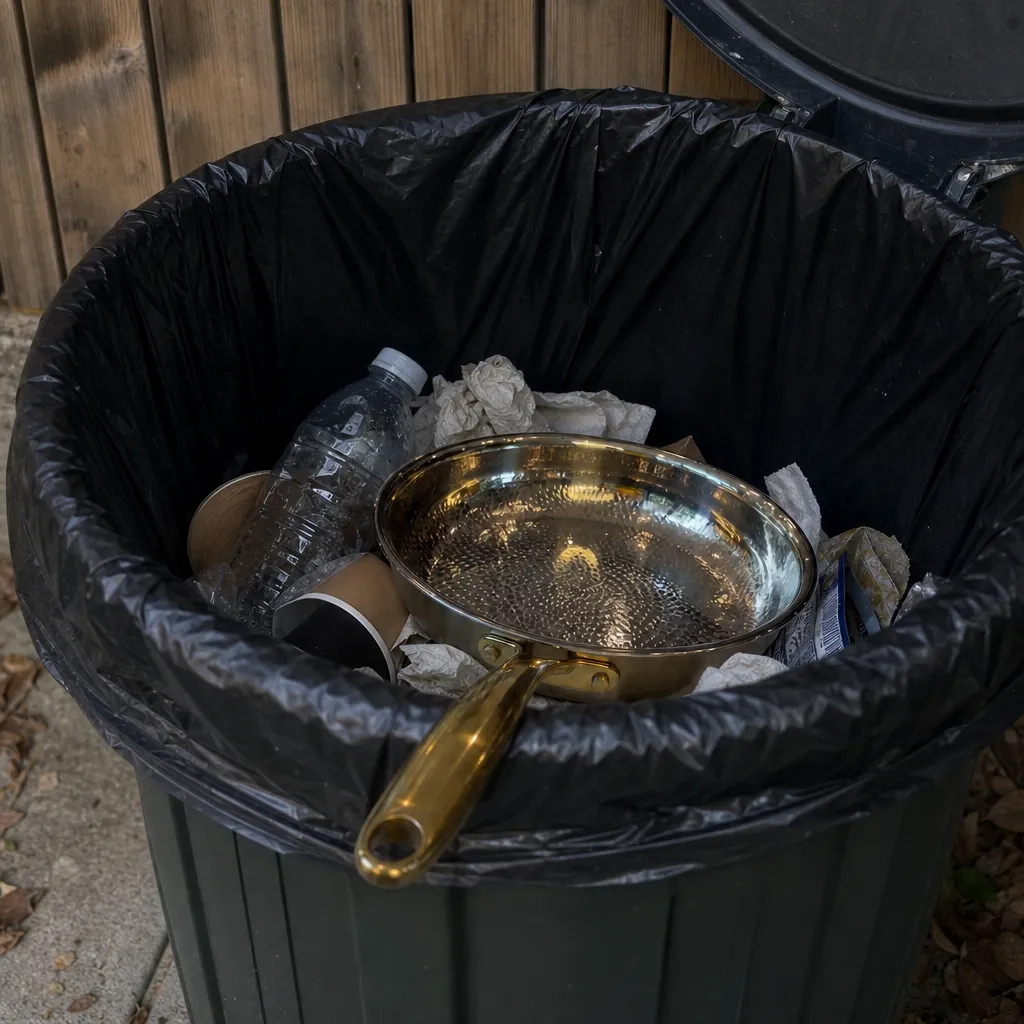
Best Titanium Cookware of 2026: 4 Pans Compared | The Cookware Society
Chef Frank Lindqvist
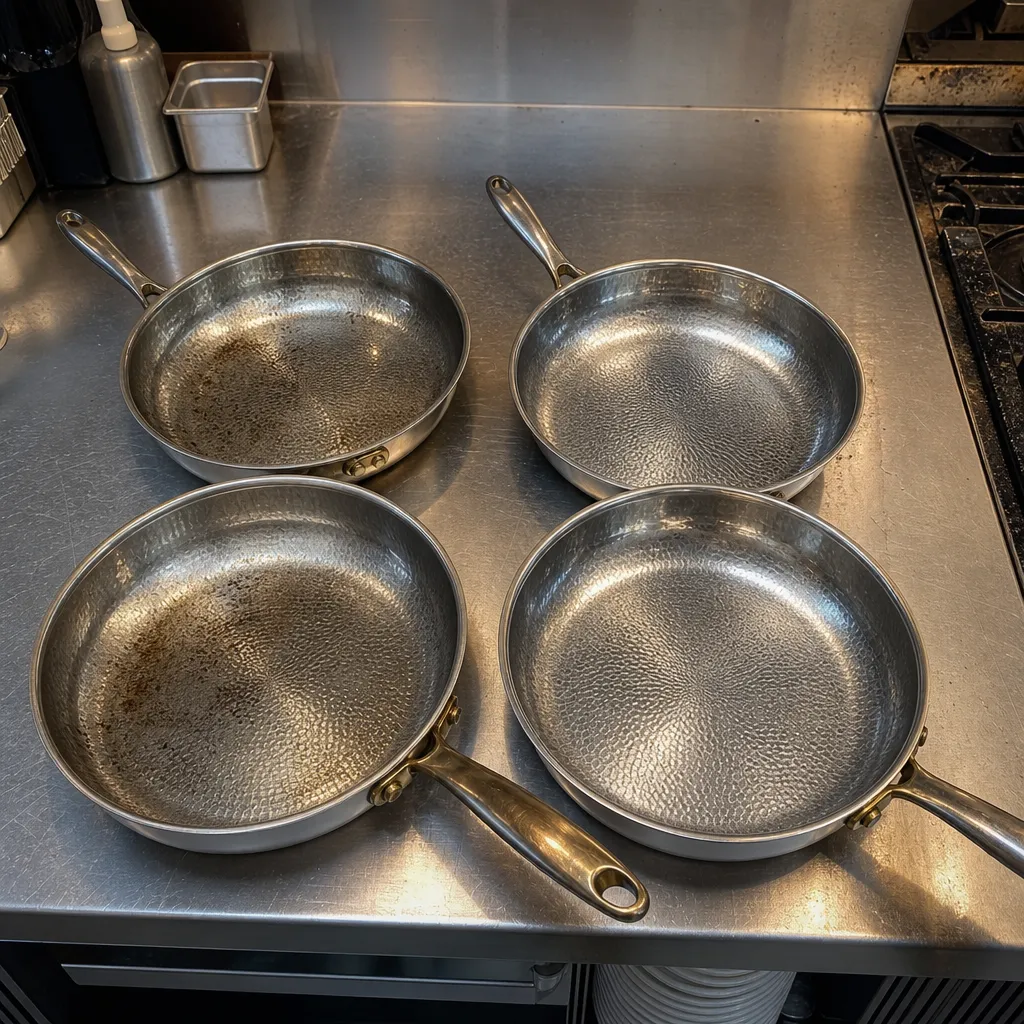
Best Titanium Cookware of 2026: 4 Pans Compared | The Cookware Society
Chef Frank Lindqvist
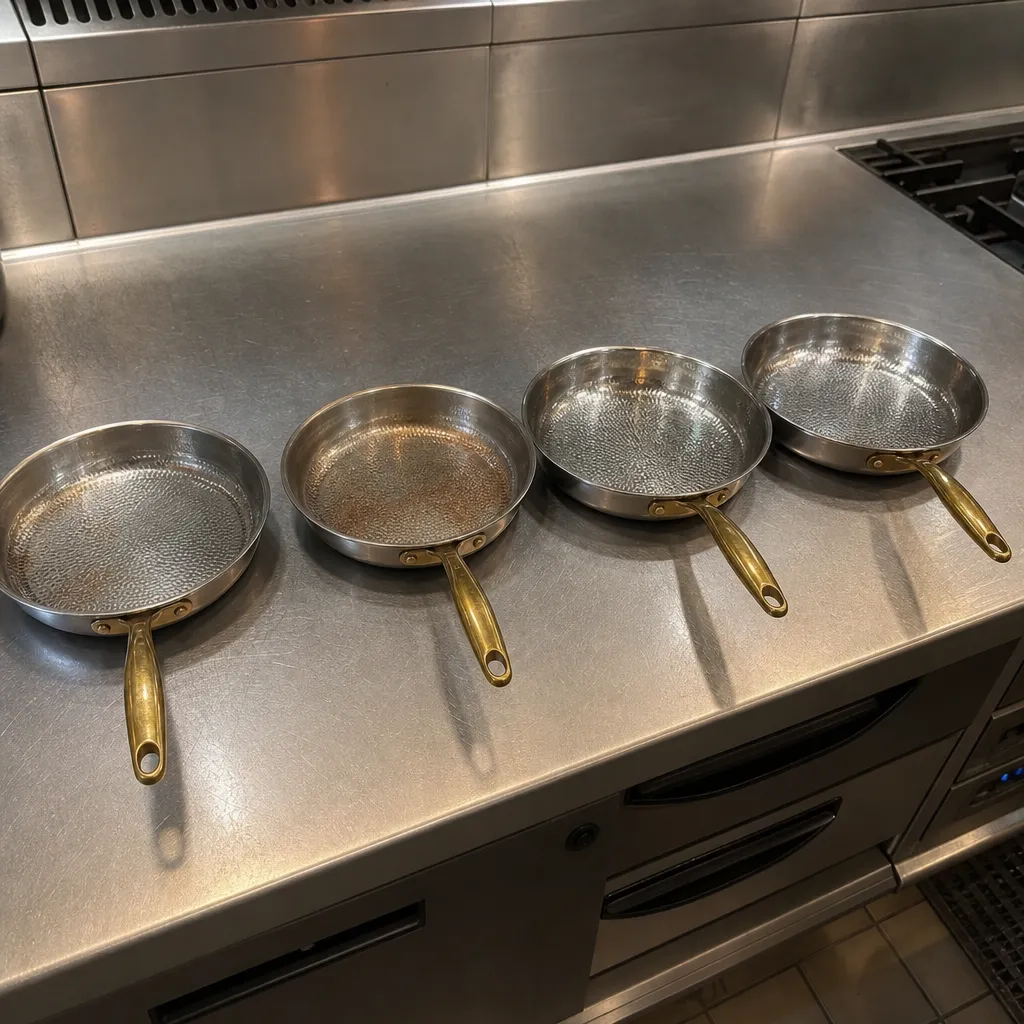
Best Titanium Cookware of 2026: 4 Pans Compared | The Cookware Society
Chef Frank Lindqvist
Best Titanium Cookware of 2026: 4 Pans Compared | The Cookware Society
Chef Frank Lindqvist
Best Titanium Cookware of 2026: 4 Pans Compared | The Cookware Society
Chef Frank Lindqvist
Best Titanium Cookware of 2026: 4 Pans Compared | The Cookware Society
Chef Frank Lindqvist
Best Titanium Cookware of 2026: 4 Pans Compared | The Cookware Society
Chef Frank Lindqvist
Best Titanium Cookware of 2026: 4 Pans Compared | The Cookware Society
Chef Frank Lindqvist
Up to 70% Off 🉐
Chef Frank Lindqvist
Up to 70% Off 🉐
Chef Frank Lindqvist
Up to 70% Off 🉐
Chef Frank Lindqvist
Up to 70% Off 🉐
Chef Frank Lindqvist

 Add to Chrome