Ceylon Cinnamon 7200mg with MCT Oil | AT2A
Ad Copy
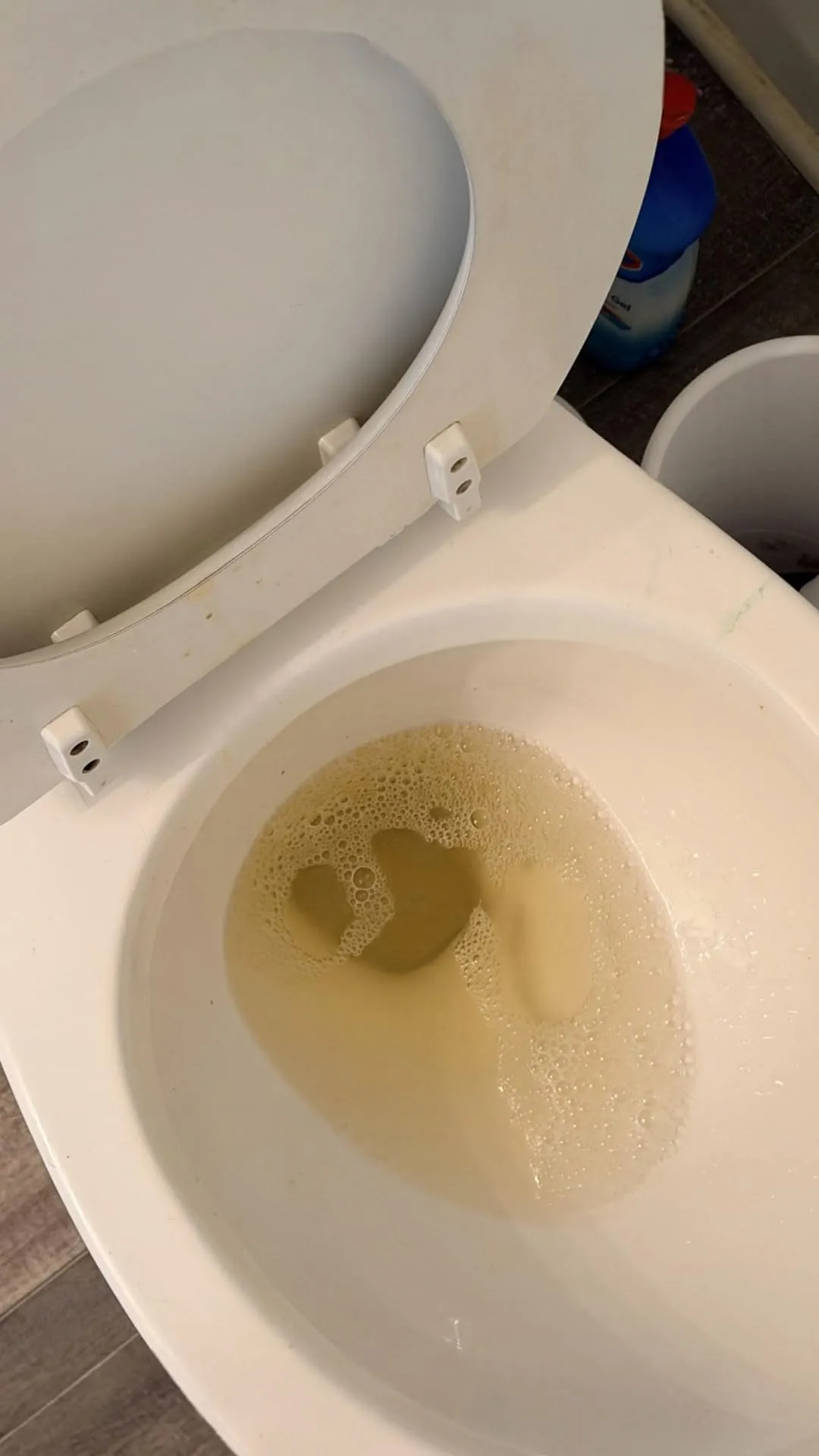
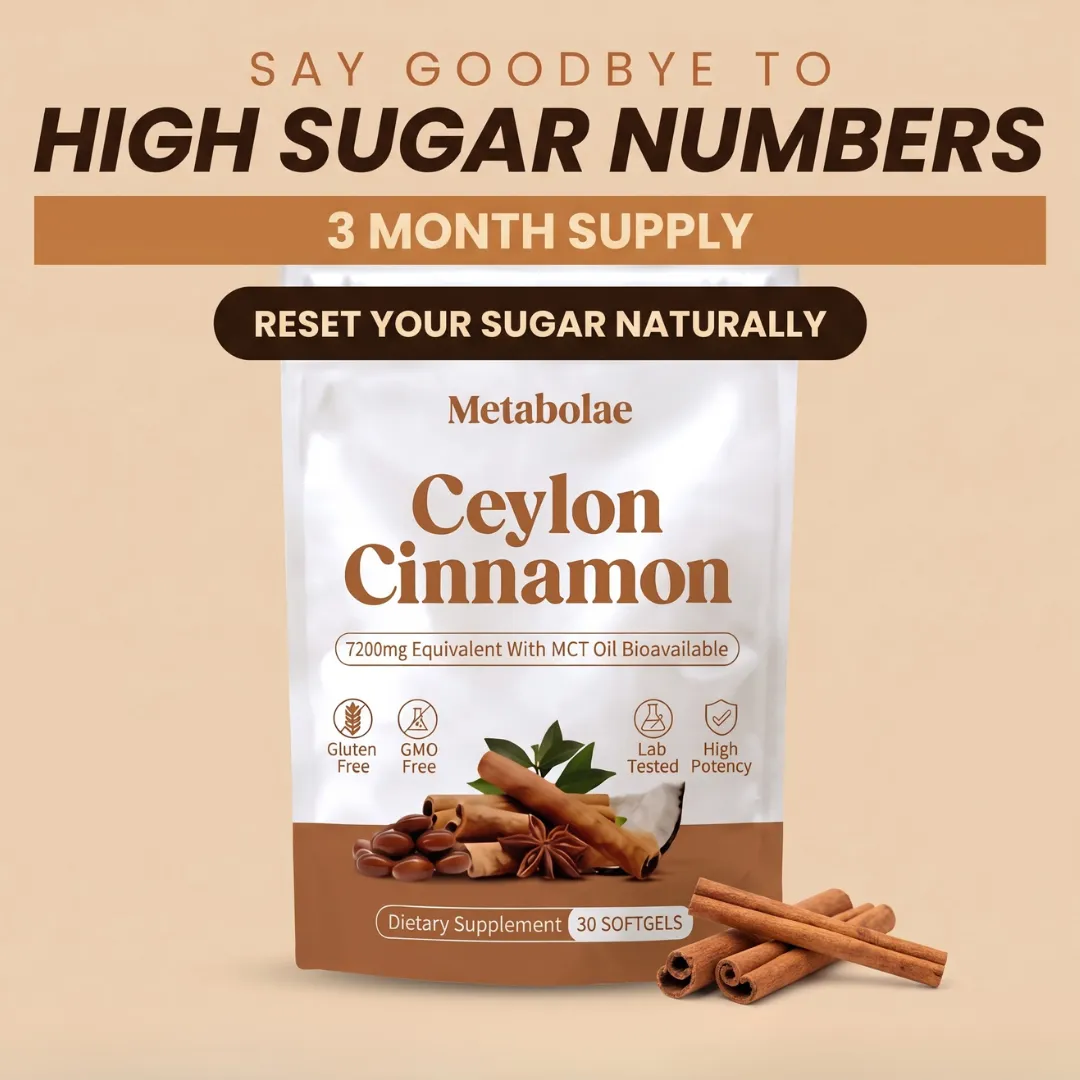
I'm a nephrologist, and here is exactly what I would do, starting tonight, if my creatinine was rising and I did not want to end up on a dialysis chair or a transplant list. I'm Dr. Carter. I've managed end-stage kidney disease at the same hospital for 22 years. I've sat across from more people watching their kidneys shut down than I can count. Most of them had "perfectly controlled" A1C numbers in their chart. Most of them were on metformin and a blood pressure pill and had been told for years that everything was managed. That's the part that broke me eventually. I just didn't know it yet. Here's what my job looks like. A patient comes in with an eGFR in the 20s and a creatinine climbing past 4. I pull up their chart. A1C 6.4. Blood pressure controlled. They've been on metformin for eight, ten, twelve years. Their numbers look textbook. And they're sitting in front of me while I explain that it's time to prepare their arm for a fistula. The first few times it happens you tell yourself it's bad luck. Or genetics. Or the patient cheated on their diet. By year five you stop telling yourself stories. By year ten you start counting. I started counting in 2019. I keep a number in my head now. I'm not going to share it because it would sound like I'm making it up. Just trust me when I say it's a lot of people. A lot of grandparents. A lot of fathers. A lot of men and women in their fifties, sixties, seventies, all who thought they were doing everything right. All of them with "controlled" numbers. All of them managed. All of them ending up on that machine anyway. And I never said what I was starting to think. I want to be honest about that. Because you might be reading this thinking I'm some kind of whistleblower. I'm not. I'm a physician who trained inside a system, who has a reputation to protect, who has colleagues and a hospital and a set of guidelines I was taught to follow to the letter. Stepping outside the standard of care out loud is not a small thing for someone in my position. So I did what the guidelines told me to do. I managed the numbers. I wrote the prescriptions. I prepped the arms. I told patients we were doing everything we could. And then the next one would come in with the same managed chart and the same failing kidneys, and I would do it all again. That was the deal I made with myself for 22 years. Three months ago the deal blew up. I had my annual physical. Routine bloodwork. I'm 54, I exercise four days a week, I cook most of my own food, I haven't been overweight a day in my adult life. I wasn't worried about the labs. The results came back and my eGFR was 44. My creatinine was 1.7. And my A1C, the one I'd always called "borderline" in my own chart, was 6.2. I read the numbers twice. Then I read them again. Then I sat in my car in the parking lot for almost an hour because I knew exactly what came next. I've written it on the chart a thousand times. Two days later my colleague pulled me aside. "Carter, your kidney numbers are concerning. We should start you on metformin and get your arm prepped for a fistula. I'll put the referral through." He wasn't wrong. It's exactly what I would have said to my own patient. And that's what broke something in me. Because I know precisely where that referral leads. I've walked hundreds of people down that road. And I know that road doesn't reverse anything. I have spent 22 years watching it not reverse anything. I took the referral. And I threw it away three days later. I didn't fill the metformin. I told my husband I needed a week to think. He's a physician too. He's seen the same things I've seen. He didn't argue. That week is when everything changed for me. I started doing what I'd never made time to do in 22 years of practice. I started actually reading. Not the drug rep summaries. Not the treatment guidelines I already knew by heart. The original studies. The research buried in journals nobody cites on rounds because it complicates the protocol we're trained to run. And I learned something that I now cannot believe I didn't know. The A1C on your chart was never the thing that was failing your kidneys. I want to say that again because it took me a week to actually accept it, and I'm the one who's supposed to understand this disease. The A1C on your chart was never the thing that was failing your kidneys. It was never the thing that put my patients on that machine either. Here's what's actually happening. Your A1C is a 90-day average. It tells you how much sugar is floating in your blood. That is all it tells you. It does not tell you where that sugar is going. And where it's going, for most people with kidney numbers that keep slipping, is straight through the filters in your kidneys. Here's why the sugar is there in the first place. Every cell in your body has tiny doors on its surface. They're supposed to open when insulin signals them, grab sugar out of your blood, and pull it inside to be burned as energy. That's how your blood sugar is supposed to come down after every meal. In insulin resistance, those doors stop responding to the signal. Insulin shows up. Knocks. Nothing happens. Your pancreas sends more insulin. Still nothing. The sugar has nowhere to go. So it stays in your blood. And it keeps circulating. Hour after hour. Year after year. Your kidneys filter your entire blood supply every 30 minutes. They do it through tiny structures called glomeruli, clusters of capillaries so small that red blood cells pass through them single file. That sugar-saturated blood keeps passing through those tiny filters. Sugar is abrasive to those capillary walls. It inflames them. It thickens the filter membrane. It kills the cells that regulate blood flow through them. Over time the filters lose their ability to hold protein inside the blood where it belongs. Protein starts leaking into your urine. That's what the foam in your toilet is. It's protein your damaged filters can no longer hold back. It's not a warning sign that something might happen someday. It's evidence that something has been happening for years. And your A1C read managed the whole time. While the filters were quietly grinding down behind it. Because the A1C reads the level of the flood. Your kidneys are paying the price of the current underneath. Now I'm going to tell you what the standard protocol actually does, because I had to sit with this myself before I could believe it, and I'm the one who prescribes it. Metformin tells your liver to produce less sugar. It lowers the flood. Your A1C drops. The chart looks beautiful. But the sugar that's already in your blood? Still circulating. Still grinding through your filters. Still killing nephrons one at a time. The drug never touches the doors that were supposed to pull that sugar out of your blood in the first place. It just lowers how much is being made. Lowering the flood doesn't open the drain. It just hides the fact that the drain was never open. The blood pressure pill manages the pressure inside those filters. The protein restriction lowers the load on them. Both matter. I prescribe both. Neither one stops the sugar that's doing the actual damage. That's why my patients kept ending up on that machine with managed A1Cs and dead kidneys. The metformin did exactly what it was designed to do. It lowered the number. The number was never the problem. The sugar grinding the filters was the problem. And nothing in the protocol I was trained to run had ever addressed it. And it gets worse. Because while the numbers get "managed," the symptoms pile up, and we tell patients to live with them. The itching at 2 AM that no lotion touches. The ankles that swell by mid-afternoon. The foam that won't clear no matter what they cut out of their diet. The restless legs. The exhaustion that sleep doesn't fix. The brain fog that coffee stopped touching years ago. I have documented those complaints for 22 years. I have written "common in kidney patients, we'll manage it" and moved on to the next room. I have told patients the itching was dry skin. That the swelling was just their age. That the exhaustion was in their head. They weren't imagining it. They were being slowly poisoned by the sugar their kidneys could no longer keep up with. Behind a number their chart called controlled. And I'm the one who kept calling it controlled. After 22 years of watching it, I have an opinion. I'll keep it professional. But I have one. That week at my kitchen table, I went looking for the alternative. I know the rest of the menu better than most, because I'm the one who hands it out. Protein cut down to almost nothing, meals beige and joyless. Salt gone. Potassium and phosphorus cut until there was nothing left to eat. Lemon water. Milk thistle. Astragalus. Cranberry. Baking soda in water. I've watched patients try every one of them. Every single one works downstream. None of them reach the sugar that's grinding the filters apart in the first place. I was about to accept the referral and start down the road I knew when I found the research. And this is the part I need you to understand, because it's the part that changed everything for me. The researchers weren't looking for another sugar-lowering ingredient. There are hundreds of those, and every one of them works the same tired way, on the input side, lowering how much sugar shows up. They already had metformin for that. They already had a dozen supplements for that. None of it opened the doors. They were looking for something different. They were looking for a compound that could reach the cell itself and influence the actual signal, the one that tells those stuck doors to come back to the surface and start pulling sugar out of your blood again. Not manage the flood. Open the drain. Something that could speak directly to the machinery that was broken. And they found it. Two specific molecules that do exactly that. MHCP and Type-A polymers. In a lab, they walk up to the cell, bypass the broken insulin signal completely, and trigger those doors to resurface, the way they hadn't in years. The sugar that had nowhere to go finally has somewhere to go. I read the mechanism three times before I let myself look at where the compound actually came from. And that's when I understood why it had never come up on rounds, in a lecture, or in a single guideline I'd ever been handed. Because the source was a spice. Not a patented molecule. Not something a drug company could own and sell. A specific variety of true Ceylon cinnamon. Cinnamomum verum, the real thing, grown in Sri Lanka. The two molecules the researchers were chasing are concentrated in its bark. I'd never thought of cinnamon as anything but something on a shelf. Most physicians haven't. It's not on the nephrology board exam. It's not in the guidelines. And that's exactly the problem, because the thing doing the work was never the cinnamon in your grandmother's cabinet. It was the mechanism hiding inside one specific version of it. Studies in the Journal of the American College of Nutrition. In the Archives of Biochemistry and Biophysics. A trial in Diabetes Care, the American Diabetes Association's own journal. All circling the same two compounds. All published while my patients were sitting in my exam room. Here's what those compounds do once they're in you. They go directly to your cells and trigger those doors, the ones that stopped responding to insulin, to come back to the surface. They bypass the broken insulin signal entirely. The sugar that had nowhere to go finally has somewhere to go. It moves out of your blood and into your cells the way it was designed to. Not in the gut. Not by forcing your liver to shut down the way a drug does. In the bloodstream, where the actual damage is happening. When the sugar clears your blood, less of it is grinding through your filters. When less is grinding through your filters, they stop being torn apart faster than they can recover. The cycle starts to ease up. Your numbers can start moving in the right direction. Not because a drug forced them. Because the thing that was destroying your kidneys, the sugar with nowhere to go, finally has somewhere to go. Then I found the number that made me close my laptop and sit there for ten minutes staring at the wall. When researchers compared natural compounds for their ability to switch those doors back on, Ceylon's MHCP came out 20 times more effective than anything else they tested. A second study confirmed it physically multiplies the number of doors at the cell surface. And in the Diabetes Care trial, patients on concentrated Ceylon saw their fasting glucose drop 18 to 29 percent. Comparable to what I'd watched metformin do for 22 years. Except the sugar was actually leaving the blood, instead of just being manufactured less. And there was no exhaustion, no beige-food restriction, no drug draining anything out of the rest of the body. A concentrated extract of a spice. Doing what the referral in my chart was supposed to buy time against. At the exact level the damage was happening. I sat at my kitchen table thinking about every patient I'd sent to that machine. Every grandfather. Every mother of three. Every grandmother who had eight, ten, twelve years of "well controlled" numbers and a dead kidney anyway. The thing that could have actually supported them, at the level the damage was happening, has existed the entire time. And nobody told them. Including me. Nobody. That was the moment I stopped being a quiet nephrologist. I did what a physician does before trusting anything. I checked the product. Because not all cinnamon is the same. Most of it isn't even the same plant. Most of what's sold as "cinnamon" is cassia, a different species grown in China. It contains barely any of the active compounds, and up to 250 times more of a compound called coumarin, which stresses the liver at daily doses. For a kidney patient, that matters more than for almost anyone. Then there's the dose. The research that showed real movement used the equivalent of 6,000 to 7,200 milligrams of Ceylon bark a day. Most capsules on the shelf have 500. That's the difference between a therapeutic dose and a decorative one. And then there's delivery. Ceylon's active compounds are fat-soluble. They need fat to cross your cell walls. A dry powder capsule has no fat, so most of the compound passes straight through you unused. The difference between a dry cinnamon capsule and a concentrated Ceylon softgel suspended in fat is the difference between chewing the bark and actually getting the compound into your blood. One is the plant. The other is the concentrated, verified compound that produces the result. I went with At2a. True Ceylon. Cinnamomum verum, sourced from certified organic farms in Sri Lanka, and DNA-verified at the species level, with an actual certificate of analysis, not a label claim. A 12-to-1 concentrated extract, 7,200 milligram equivalent per softgel, the dose that matches the research. Suspended in MCT oil from coconuts, the fat carrier that gets the compounds through your cell walls. Third-party tested, GMP-certified, every batch checked for coumarin and heavy metals, which for a kidney patient is the part I cared about most. One softgel every morning with breakfast. I never filled the metformin. I never scheduled the fistula consult. I want to be honest about what the first few days felt like. It wasn't anything. No buzz. No surge. Ceylon isn't caffeine. It doesn't announce itself. It works in your bloodstream where the damage actually happens, and that takes time to show up anywhere you can measure. So I just took my one softgel with breakfast. Went to work. Saw my patients. Came home. Took it again the next morning. Then the small things started. End of the first week. I got through a full clinic day and my usual afternoon crash, the one where I have to sit down between rooms, didn't come. I'd been telling myself that was just what 54 and a long day felt like. That afternoon I just kept going. Week two. My husband looked at me over his coffee and said "your ankles look like your ankles again." I looked down. He was right. The swelling I'd stopped noticing because it was always there by mid-afternoon wasn't there. That's the first phase. The compounds start reaching your cells and switching those doors back on. The sugar starts clearing your blood. The load on your whole system eases. You don't feel the chemistry. You feel the noise lifting. Week three. I reviewed a full stack of charts without re-reading the same labs three times. The brain fog I'd been calling age was lifting, and I hadn't changed anything except one softgel a day. Week four. I started sleeping through the night. The 2 AM itching that used to wake me and keep me up until 4, gone. I woke up before my alarm without that lead-in-the-arms feeling. That's the second phase. Less sugar circulating. Less of it grinding through the filters. The filters stop being torn apart faster than they recover. The cycle starts to break. Week six I looked in the toilet one morning and the foam was gone. Not thinner. Gone. I ran my own labs that afternoon, because I could. Creatinine 1.5, down from 1.7. I sat there holding the result and I started crying. Not because of the number. Because of every patient. Every chart I'd marked "controlled" while the kidney died anyway. The thing that would have actually helped them was a spice extract. And I never told them, because nobody ever told me. That's the third phase. The full panel starts moving. Creatinine down. Protein down. The numbers you can finally look at. I ran my full panel again at week 11. eGFR: 56. Up from 44. Twelve points. Creatinine 1.3. A1C 5.7. Protein back in normal range. My colleague saw the results the next morning. "Carter, did you start the metformin?" "No." Four seconds of silence. I've been a physician long enough to know what that silence means. Someone recalibrating in real time. "What did you do?" I told him. Insulin resistance. The doors that stopped opening. MHCP. The Diabetes Care trial. The fact that my A1C was never what was failing my kidneys. I talked for 15 minutes. He didn't interrupt once. He was quiet for a long time. Then he said "I don't know much about Ceylon cinnamon. But your kidney function came up, and that's not how this disease usually moves. Once you're below 60 the goal is to slow the decline, not reverse it. Keep doing whatever you're doing. And keep coming in for labs." 22 years of running the protocol. And I'd just watched my own numbers do the one thing I tell patients not to expect. I held it together until I got to my car. Then I sat in the parking lot and cried. That's the fourth phase. Long term. The compounds keep working. The doors stay open. The cycle stays broken. Your numbers don't just move once. They hold where they're supposed to be. Without a single milligram of a drug, and without a machine three days a week. I cried because I was off the hook. I cried because every patient I'd sent to that machine should have been off the hook too. I cried because the answer was a spice. And I never told them. That's why I'm writing this. I'm writing this because I cannot keep doing this the same way anymore. I cannot keep managing numbers on people whose only mistake was trusting the protocol to give them the full picture. I cannot keep watching managed charts turn into dead kidneys and saying nothing. If your eGFR keeps slipping quarter after quarter and your doctor is reaching for the prescription pad or the dialysis conversation, I want you to read this twice. Your A1C is not the thing that's failing your kidneys. The sugar grinding through your filters is the thing that's failing your kidneys. And there is no metformin, no blood pressure pill, no protein restriction that reaches it. They lower the number. The grinding keeps running underneath. If you're being told the itching, the swelling, the foam, the exhaustion are just part of kidney disease and you'll have to manage them, you're not imagining any of it. That's your body being poisoned by sugar that has nowhere to go, behind a number your doctor keeps calling controlled. If you've tried cutting protein, cutting salt, cutting potassium and phosphorus, lemon water, milk thistle, the whole list, and your numbers won't move, that's because none of them reach the sugar doing the damage. They were never built to. At2a. One softgel every morning. It works in the bloodstream, where the damage is actually happening. It opens the doors nothing else on that supplement aisle is reaching. At2a offers a 90 day money back guarantee. If your numbers don't move, you get a full refund. No questions asked. In 22 years of practice I have never once seen dialysis come with a refund if it doesn't fix your kidneys. Think about that for a second. At2a is a small company. They source verified Ceylon from a certified supply chain in Sri Lanka and produce in small batches to keep the compounds intact, which means they sell out regularly. If you have a nephrology appointment coming up in the next 30 to 60 days and you want to give your body real support before that visit, check availability now. Don't wait. Every day the sugar keeps grinding is another day closer to the machine I've been sending people to for 22 years. You still have time. You don't have to be the chart I read at 3 AM with the managed numbers and the failing kidneys. ~ Dr. Carter, Nephrologist, 22 years P.S. I want to be clear about something. I'm not telling you to stop your metformin or walk away from your doctor. That conversation is between you and them. What I am telling you, as the doctor who prescribes it, is that the standard protocol only works on the flood. It lowers how much sugar your liver makes. It does nothing about the sugar already in your blood grinding through your filters. If you want to give your kidneys a real chance, you need something that works in the bloodstream itself. That's what I added. That's what moved my numbers. That's why I'm writing this when 22 years of training tells me to stay quiet. P.P.S. The 90 day guarantee is the part I keep coming back to. I have written more dialysis referrals than I can count. Not one of them came with "if this doesn't help, we'll give you your money back." Not one. Whatever you decide, that detail is worth thinking about. I keep a bag of these by the coffee maker and I take one every morning. I'm not going back to itching at 2 AM or waiting for the day I write that referral for myself.
More from Bolin Eric McNulty

Brick'd Intimacy Gummies | AT2A
Bolin Eric McNulty

Okay don’t buy this yet. Just listen. I kept seeing At2a nattokinase all over my feed and I thought it was another “heart bottle” scam. Then I actually watched what it’s supposed to do in order and I got mad I spent months on cheap capsules that die in your stomach. First the liposomal capsule is built to get through stomach acid. The claim they make is 99% of supplements never even reach. Mine were definitely in that 99%. This one dissolves five actives into you instead of turning into expensive pee. Then the nattokinase part. It’s not “supports circulation” fluff. The pitch is it dissolves fibrin off the artery wall so the pipes aren’t coated and clogged. That’s the line that made me stop scrolling. After that the calcium doesn’t just float around looking for a new wall. Vitamin K2 is in there to reroute it so it doesn’t go right back where it came from. Then beetroot. Nitric oxide. Pipes flexible instead of stiff. Then CoQ10. That’s the engine oil. Helps the heart keep producing energy so it can keep pumping. And the part nobody puts in the cheap bottles: 10,800 FU of nattokinase. That’s the dose they say is actually studied to work. Not a fairy-dust sprinkle. A full serving of that. I was about to click full price like an idiot. Don’t. If you’re watching this, the bundle is 75% off plus free shipping. If the Shop Now button is still there, it’s in stock and on sale. If the button is gone, it’s sold out and you’re late. I’m not telling you this cleared my arteries in a weekend. I’m telling you this is the first bottle that had the dose, the delivery, and the sequence instead of one sad ingredient and a red label. Tap Shop Now before they pull the 75%.
Bolin Eric McNulty

at2a Nattokinase 10,000 FU
Bolin Eric McNulty

at2a Nattokinase 10,000 FU
Bolin Eric McNulty
Brick'd Intimacy Gummies | AT2A
Bolin Eric McNulty
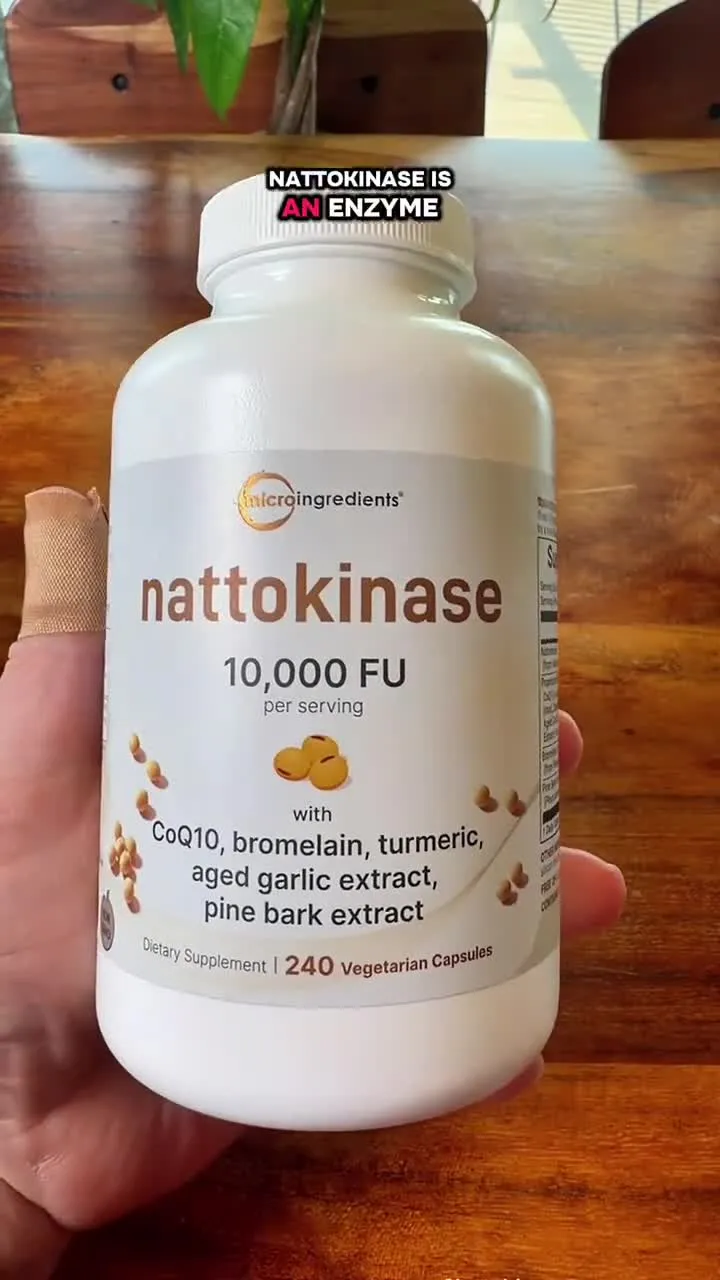
There's a number that changes how you look at your own chest. For some people it's an LDL of 186. For others it's a calcium score — that scan where they hand you a three-digit number and tell you it's the plaque already sitting in your heart's arteries. And then they tell you the part that keeps you up at night: that calcified plaque doesn't go away. So they start you on a statin. And here's what nobody explains on that table — why a drug that lowers your cholesterol can still leave the plaque exactly where it is. Because plaque isn't just cholesterol. Cholesterol is only the raw material. What actually holds it together — what lets it stack, harden and stay — is a protein mesh inside your artery wall called fibrin. Picture a wall being built inside your artery. Cholesterol is the bricks. Fibrin is the scaffolding. A statin cuts the brick delivery — the wall stops getting taller. But every brick already laid stays exactly where it is, because the scaffolding is still holding it up. That's why a physician went viral saying what the trial data actually shows: in the coronary arteries, high-dose statins reduced plaque by 0.015 millimeters. Best case in any study, 0.04. A fraction of a millimeter. His words: "It didn't reverse. It just stopped the progress. The car's in neutral." That's a medical doctor describing the drug half of American adults over 55 are on. Neutral isn't nothing. If you're 74 with advanced disease, neutral might be exactly what you want. But if you're 54, staring at the same numbers your father had at 54, neutral isn't a plan — it's a holding pattern that lasts the rest of your life. You wanted to clean the pipe. They handed you something that keeps it from getting worse. So why has no one offered you the thing that works on the scaffolding? Because it isn't a drug. Japan has one of the lowest heart-disease rates on earth and one of the longest lifespans. America's number one killer is heart disease — 700,000+ deaths a year. The difference isn't genes and it isn't luck. For a thousand years, Japanese households have eaten a fermented soybean dish called natto — and in 1980 a researcher isolated the enzyme behind what it does to blood: nattokinase. Nattokinase is fibrinolytic. It breaks down fibrin. It works on the scaffolding your statin was never designed to touch. And you've never heard the word from your doctor for one reason: you can't patent an enzyme that occurs in food. No company spends a billion dollars putting a fermented bean through FDA approval for something they can't own. There's no sales rep in your cardiologist's office. Your doctor isn't hiding it — nobody's paid to bring it up. A retrospective study followed 1,062 people over a year. In the nattokinase group, carotid plaque size and arterial wall thickness dropped by up to 36%. From "the car's in neutral" — to a 36% improvement. And if you've tried nattokinase before and felt nothing, there's one reason: the dose. Reversal only showed up at high doses. Below ~6,000 FU, the studies found nothing. The clinical dose is 10,000 FU — and almost every bottle on the shelf sits under 2,000. You didn't try nattokinase and fail. You took a fifth of a dose. At2a Nattokinase is the full 10,000 FU — in one capsule. Not three. Not four packs of natto a day. One. Stacked with CoQ10, bromelain, turmeric, aged garlic, pine bark and grape seed — a 7-in-1 complex built around the enzyme, not a token pinch of it. No prescription. No muscle aches. One capsule with breakfast. And a 90-day guarantee: take it daily, get your bloodwork, and if nothing moved, you pay nothing. There's a moment you've already played in your head — the doctor opens the printout, pauses, looks up, and instead of reaching for the prescription pad, asks what you've been doing differently. Japanese households have been getting that moment for a thousand years. Now you know why. 👉 [Get At2a Nattokinase 10,000 FU]
Bolin Eric McNulty

at2a Nattokinase 10,000 FU
Bolin Eric McNulty

at2a Nattokinase 10,000 FU
Bolin Eric McNulty

Feeling bloated, puffy, swollen, sluggish, or constantly run-down? Introducing AT2A Lymphoria Wellness Drops — a fast-acting, science-backed liquid formula that supports natural lymphatic drainage and full-body vitality. 💧 Helps flush out built-up toxins and waste 💧 Supports healthy circulation and immune function 💧 Reduces puffiness, water retention, and inflammation 💧 Promotes clearer skin, less bloating, and a lighter-feeling body ✅ Powered by herbal ingredients like Red Root, Cleavers, and Burdock ✅ Alcohol-free, non-GMO, 3rd Party Tested, and easy to absorb 🍯 Taste Like Honey 🌿 Natural herbs | 3rd-party tested in the USA | Non-GMO 💗 Just a few drops in water twice a day — and let your body feel the difference. Tap Shop Now and cleanse from within!
Bolin Eric McNulty

Feeling bloated, puffy, swollen, sluggish, or constantly run-down? Introducing AT2A LymphaticWellness Drops — a fast-acting, science-backed liquid formula that supports natural lymphatic drainage and full-body vitality. 💧 Helps flush out built-up toxins and waste 💧 Supports healthy circulation and immune function 💧 Reduces puffiness, water retention, and inflammation 💧 Promotes clearer skin, less bloating, and a lighter-feeling body ✅ Powered by herbal ingredients like Red Root, Cleavers, and Burdock ✅ Alcohol-free, non-GMO, 3rd Party Tested, and easy to absorb 🍯 Taste Like Honey 🌿 Natural herbs | 3rd-party tested in the USA | Non-GMO 💗 Just a few drops in water twice a day — and let your body feel the difference. Tap Shop Now and cleanse from within!
Bolin Eric McNulty
Ceylon Cinnamon 7200mg with MCT Oil | AT2A
Bolin Eric McNulty

I almost had a heart attack on a Caribbean cruise. The ship's doctor was from Switzerland. She asked me ONE question that made my American doctor look 15 years behind. I'm 64 years old. My husband and I had been saving for this trip for almost three years. Caribbean cruise. Ten days. Puerto Rico, St. Thomas, St. Lucia. We'd talked about this trip since the kids were in college. The kind of trip you plan in your forties for your sixties. The reason you keep showing up to a job you stopped loving years ago. Day four, we're walking up the cobblestone streets of Charlotte Amalie toward Blackbeard's Castle for sunset. You've seen the pictures. White and coral colonial buildings climbing the hillside. Red tin rooftops in the sun. The turquoise Caribbean spread out below. Cobblestones underfoot worn smooth by two hundred years of Danish, then American, then tourist feet. The kind of place you put on a wall when you finally get home. My husband was walking ahead of me. He had his phone out taking pictures. Laughing at something a vendor had said in broken English. I was about thirty feet behind him. I'd noticed the climbing starting to get to me about halfway up. My heart was pounding hard. Not just the regular hard you'd expect on a hill. The deep pounding that I'd been feeling at home for the last six months walking up the stairs to our bedroom. I'd been telling myself it was just getting older. Just being out of shape from a winter of sitting at a desk. I'd been telling my husband the same thing. I stopped on the cobblestones to catch my breath. Put my hand on a stone wall. Tried to slow my breathing. It didn't slow. The pounding got worse. My chest started to feel tight, not painful exactly, but like someone was pressing a hand against my sternum. I started to sweat through my blouse. I felt the blood drain out of my face. I sat down on the wall. I tried to call out to my husband but my voice wouldn't come. Tourists kept walking around me. Stepping over my feet. Taking pictures of the view behind me. I sat there with my hand on my chest thinking about my father. My father died of a heart attack at 72. He was sitting at his kitchen table on a Sunday morning reading the sports section. He just slumped forward. I was 39 when that happened. And here I was, 64 years old, on a Caribbean cobblestone wall two thousand miles from home, doing the same thing. My husband turned around. I will never forget his face. He'd been laughing one second. The next second he dropped his phone on the cobblestones and ran back to me. 'Caroline. Caroline what's happening.' I couldn't speak. He grabbed my arm. Yelled for someone to help. A local man in his sixties from a nearby cafe came running with a chair. They got me into the chair. Somebody brought water. The cafe owner called for a vehicle. We're in the old town of Charlotte Amalie. The streets are too narrow for ambulances to move fast. They had a small cart that could navigate the cobblestones. They got me onto it and drove us down to the port. My husband held my hand the whole way down. He didn't say anything. Just held my hand and looked at me with the face I had been seeing in nightmares for twenty-five years since my father died. We got onto the tender boat back to the ship. He kept his hand on my chest the whole way across the water. I told him I was okay. I wasn't. The ship's doctor was waiting for us when we got on board. Someone had radioed ahead. Her name was Dr. Steiner. Swiss accent. White hair cut short. Maybe early sixties. She had me lie down on the exam table in the medical center on Deck 3. Hooked me up to a monitor. Took my blood pressure twice. Frowned at the reading. Drew blood. Ran a finger-prick glucose. Looked at the numbers. 'You did not have a heart attack today,' she said. 'But you came close.' I was lying there with my husband sitting next to me holding my hand. I just looked at the ceiling. 'Your blood pressure is 178 over 104. Your pulse is irregular. Your blood sugar is 264. You are diabetic, yes?' 'Type 2. Thirteen years. I'm on Metformin.' 'How long has your American doctor been calling your A1C managed?' The question hit me sideways. I said something about how my A1C had been between 6.6 and 7.1 for years and my doctor always said it was fine. He'd been talking about adding Ozempic at my last appointment. Dr. Steiner looked at me for a moment. Then she set down her stethoscope. 'How long has your American doctor been telling you your A1C is managed while your blood pressure has been climbing?' I tried to answer. Couldn't. Because the answer was years. My BP had been creeping up at every annual for at least five years. My doctor kept saying we'd watch it. Maybe add a blood pressure medication next year if it didn't come down. It never came down. 'I want to tell you something I have spent the last two years quietly frustrated about,' she said. 'I trained in Switzerland. I practiced for almost twenty years in Zurich before I took this ship contract. And what I see when I see American diabetic patients is the same thing every time.' She pulled up a chair. 'American diabetic patients come to me on cruise ships from all over the country. Different states. Different insurance plans. Different doctors. And every single one of them tells me the same story. Their A1C is well-controlled. Their doctor has been monitoring them for years. They are doing everything they were told.' 'And every single one of them is sitting in front of me with their feet tingling, their kidneys leaking protein, their blood pressure climbing, and their hearts straining to move blood through vessels that have been damaged for a decade.' 'The American healthcare system has decided that monitoring a diabetic patient is the same thing as treating one. It is not. Monitoring is watching the damage happen and writing it down. Treating is addressing what is causing the damage in the first place. American doctors are very good at the first one. They are not trained for the second one.' 'That is not a criticism of your doctor. He is doing what he was taught. He looks at your A1C. He looks at your blood pressure. He adjusts the doses. He writes the next prescription. That is the protocol. And the protocol is what is failing you.' She paused. 'And what I see, every time I treat an American diabetic patient, is what just happened to you on that hill. A 64-year-old woman with a managed A1C, on Metformin for thirteen years, with climbing blood pressure her doctor has been watching, who came within a hair of a cardiac event on what should have been a vacation walk.' I asked her what I should have been told. 'You should have been told that Type 2 diabetes is not really an A1C problem. The A1C is just the surface measurement. What is actually happening is that after years of constant carbs and elevated insulin, your cells stop responding to insulin. The doors on your muscle cells, your liver cells, your organ cells. The doors that are supposed to open when insulin knocks. They have stopped responding.' She held up her hand. 'So the sugar from every meal you eat cannot get into your cells where it is supposed to be burned for energy. It stays in your blood. Trapped. And once it is trapped, it does not sit politely. It moves with every heartbeat. It grinds against the inside lining of every blood vessel in your body. It coats the proteins. It hardens the linings. It strangles the small vessels that feed your nerves, your kidneys, your eyes, your liver, and eventually your heart.' She looked at me. 'That trapped sugar is what causes every diabetic complication. Not the A1C. The trapped sugar. And it has been damaging you for years before your doctor told you anything was wrong.' I wanted to say something but she held up her finger. 'The smallest vessels go first. The ones feeding the nerves in your feet. Do your feet tingle at night?' 'Yes.' 'The ones filtering your kidneys. Has yo
Bolin Eric McNulty

 Add to Chrome