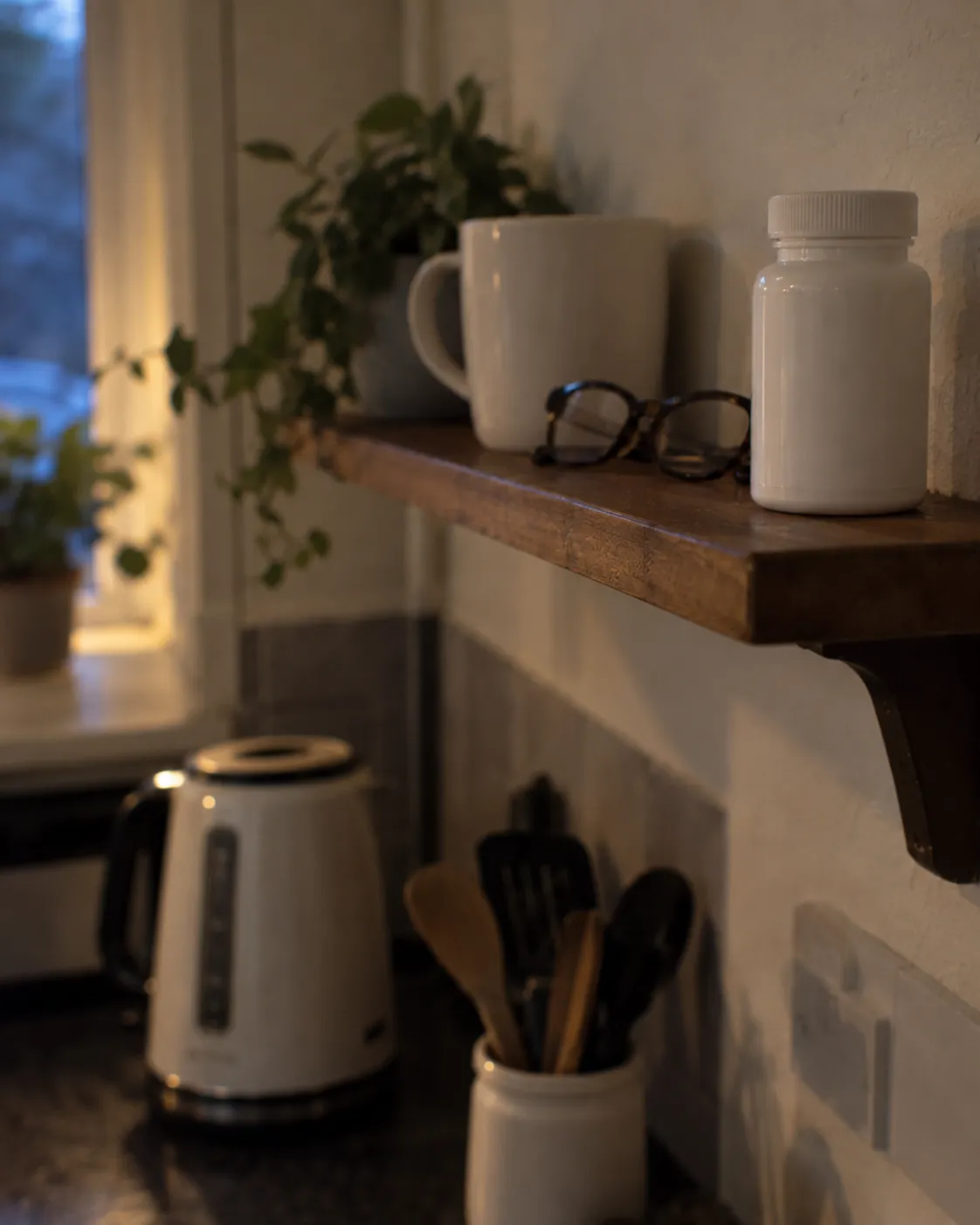
Support stamina and heart health every day
Ad Copy
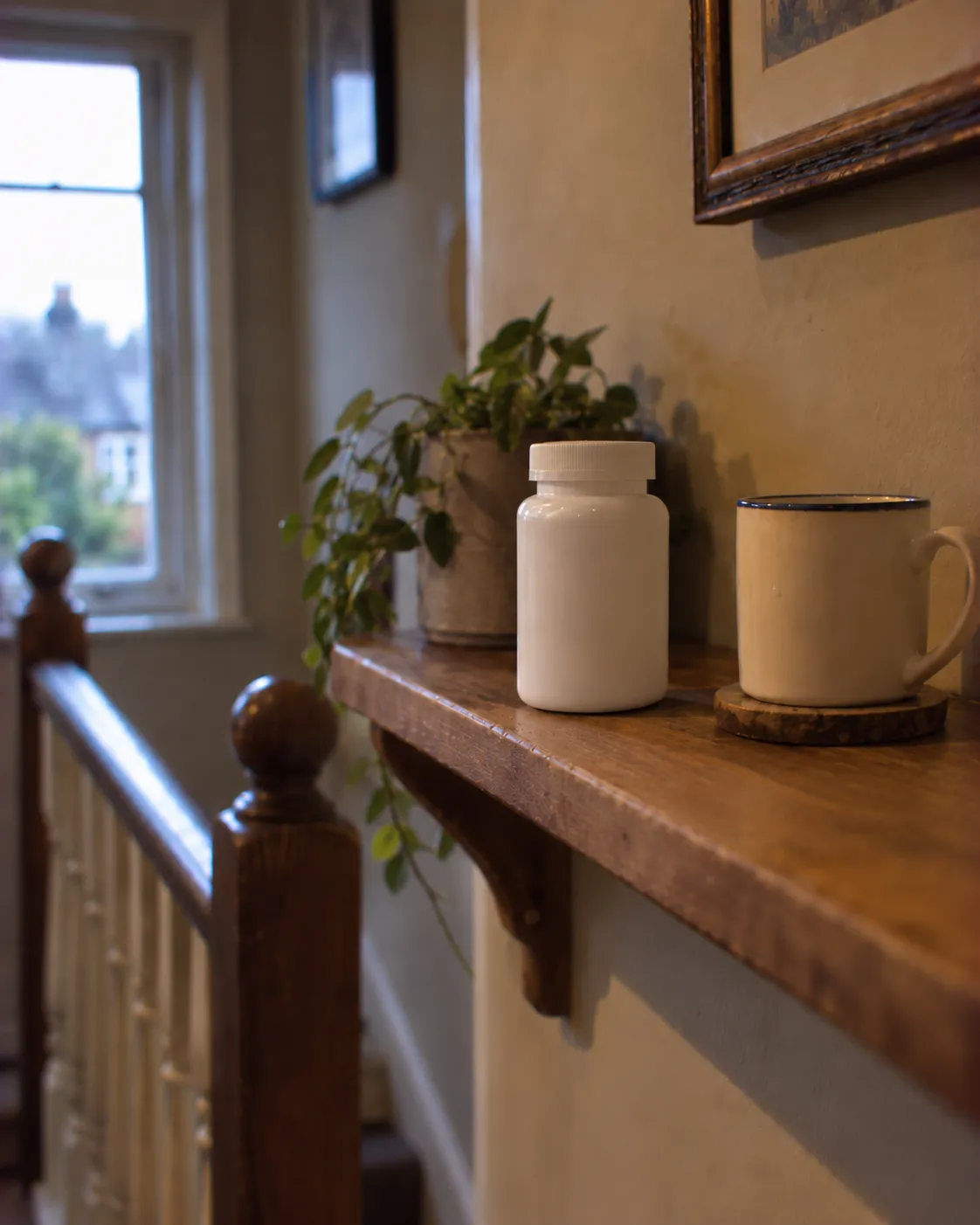
On one landing, a woman reads the backs of packets aloud for the man across the hall, and the short ones are done before the door’s fully open. Call them Dot and Yusuf. Fourth floor of the same block, two doors facing each other across a landing with a window that doesn’t open and a mat that says nothing. They’re sketches, not people — a landing drawn as two of them, so you can stand by the lift and listen. Here’s how it started. He knocked one evening with a tin in his hand and turned it round to show her the back. His English was a few months old then. He pointed at the list and said, “Please. What is this?” Dot got her glasses off the hook, read it to him, and he said thank you and went back across the landing. The next evening he knocked with a packet. He likes to know what he’s eating. He always has. It’s only the words that moved. Here’s the custom now. One packet at a time. He knocks, she opens the door in her slippers, he holds it up with the back facing her, she reads. Then he goes. Some evenings that’s three knocks. He won’t bring two at once. “One thing, one answer,” he said, the one time she suggested it, and she liked that enough to keep it. Here’s a short one. A bag of oats. She tilts her head back to get the glasses right and reads: “Oats.” He nods. Door’s not fully open. He’s already turning. Here’s a long one. A jar of something in a sauce. She reads the whole back, down to the bit in the smaller print, and it takes a while. He has a small notebook and writes down two words to look up later. One of them she doesn’t know either. “I’d need my daughter for that one,” she says. They stand there about as long as a kettle takes. Nobody says the jar is bad. It might be lovely. It just took the landing a while. Here’s what Yusuf taught Dot. The word for oats where he grew up, which she practised and got wrong and he was kind about. And a habit she’s kept: he reads the back first and the front last. “The front is for the shop,” he said. “The back is for the kitchen.” She’d never thought about it. Now she can’t not. Here’s what’s worth noticing, and it isn’t that short is good. A short list isn’t a better jar. It’s a shorter conversation. Those are different things, and Dot is careful not to mix them up. She’s read one-word lists off things she wouldn’t feed a cat, and long ones off things she’d have for her birthday. What the length tells you is how long the landing takes. That’s all it tells you. Here’s the question he asked once, and the answer. He held up a packet with one word on the back and said, “This is good?” “I can tell you what it is,” Dot said. “I can’t tell you if it’s good. That’s your supper, not mine.” He thought about that. Then he nodded, the way he does, and took it home, and she doesn’t know to this day whether he liked it. So here’s the thought, and it comes from two sketches, so take it as that: A short label may not tell you anything except what’s in the thing. That’s the whole of its job, and it’s a smaller job than people give it. It may be worth noticing which of your own packets would be done before the door was fully open — and whether you’ve been treating that as a verdict. Now the seam, stated the way we always state it. Nothing above is about a supplement, and the observation doesn’t change when the subject is one. A landing is a landing. A capsule has one dietary ingredient on its label, and that’s a fact about the label, not a fact about you. A short label isn’t a better product. We’re not going to claim ours is. We’ll tell you it’s short, and you could read it before Dot’s door is fully open. Here’s what’s on it. Rosabella Beetroot is organic beetroot powder in capsules — two capsules, once a day. What’s in it reads in one breath: 1,300mg of organic beetroot powder per serving — a serving being those two capsules. One dietary ingredient, with the amount printed plainly on the label, nothing to decode. Non-GMO, third-party lab tested, made in the USA from globally sourced ingredients. It contains no caffeine. Sixty capsules in a bottle; thirty days. Follow the directions on the label. Where that sits — a shelf by the kettle, or nowhere in particular — is up to you. One thing before anything goes in a cart: talk to your doctor or pharmacist before adding any supplement, especially if you take any medication. This goes alongside the rest of a routine — the meals, the walks, the sleep — not in place of any of it. ★ 4.4/5 from 18,139 Amazon ratings (as of October 22, 2026) And the last part, plainly. Nobody here is going to promise you a transformation. We’re not going to tell you what you’ll feel or when. Bodies are different, and yours doesn’t owe an advertisement anything. Dot will tell you what a thing is and won’t tell you whether it’s good. We’re holding to the same line. It’s a capsule, the list is above, and whether it’s for you is your supper, not ours. What we provide is a format, stated as a fact. The format is capsules. The labeled serving is two capsules, once a day. P.S. If you’d like Dot’s test for your own cupboard, it’s one question: which of your packets would be read before the door was fully open — and does that actually tell you anything? There’s no answer to send anywhere. It may just be worth knowing how long your kitchen takes to say out loud. P.P.S. What it is, plainly: organic beetroot powder in capsules — 1,300mg per two-capsule serving, one dietary ingredient, amount printed plainly on the label, no caffeine, non-GMO, third-party lab tested. Thirty days a bottle. Those are the basics. P.P.P.S. Not satisfied for any reason? Return the product within 90 days of delivery for a full refund. Individual experiences vary. These statements have not been evaluated by the Food and Drug Administration. This product is not intended to diagnose, treat, cure, or prevent any disease. https://track.tryrosabella.com/cdc16426-3e48-40a7-9fad-21098084f6cf
More from Essential Health Finds
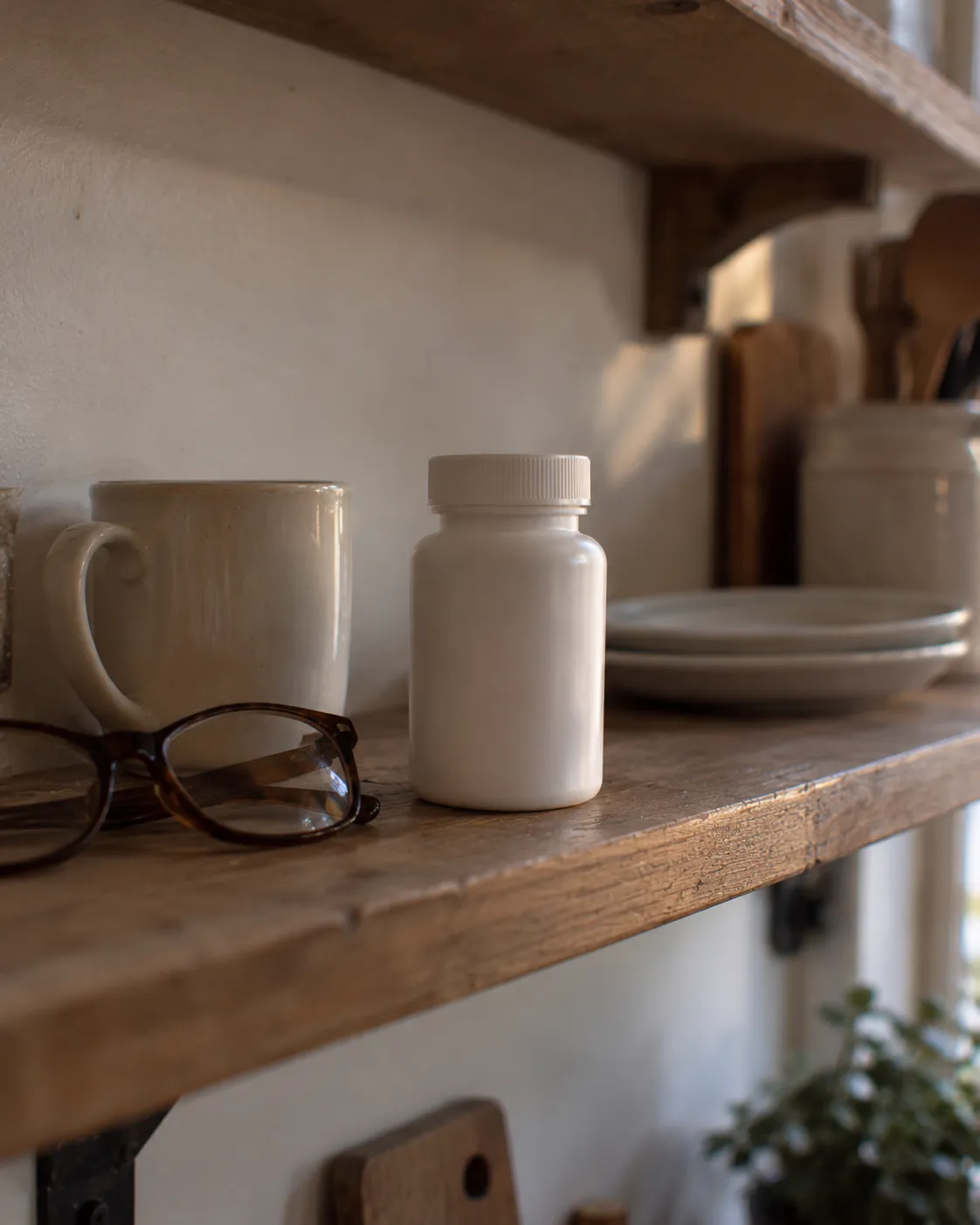
Support stamina and heart health every day
Essential Health Finds
Support stamina and heart health every day
Essential Health Finds

Support stamina and heart health every day
Essential Health Finds

Support stamina and heart health every day
Essential Health Finds

Support stamina and heart health every day
Essential Health Finds

Support stamina and heart health every day
Essential Health Finds
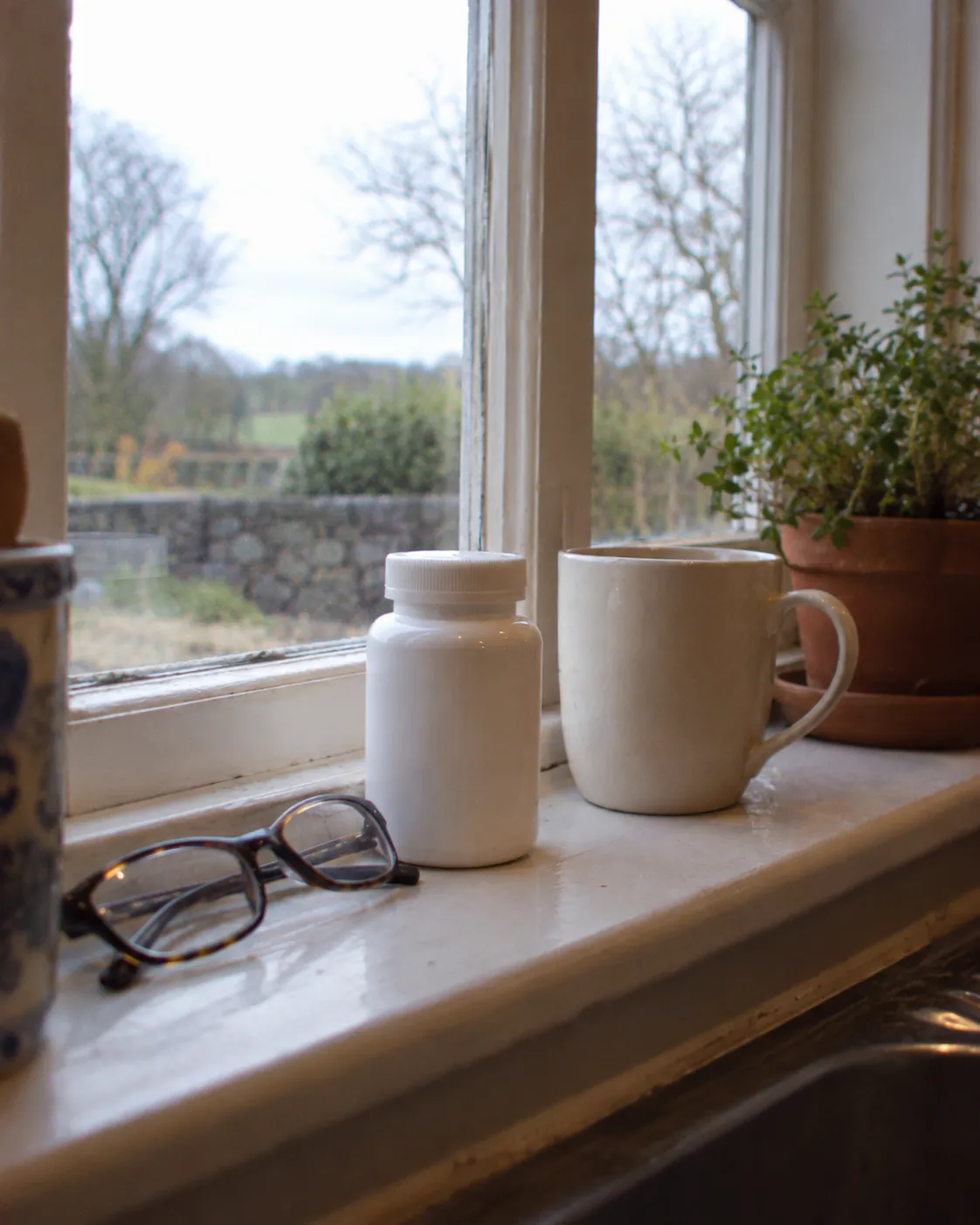
Support stamina and heart health every day
Essential Health Finds
Support stamina and heart health every day
Essential Health Finds

Support stamina and heart health every day
Essential Health Finds
Support stamina and heart health every day
Essential Health Finds

Support stamina and heart health every day
Essential Health Finds

Support stamina and heart health every day
Essential Health Finds

 Add to Chrome