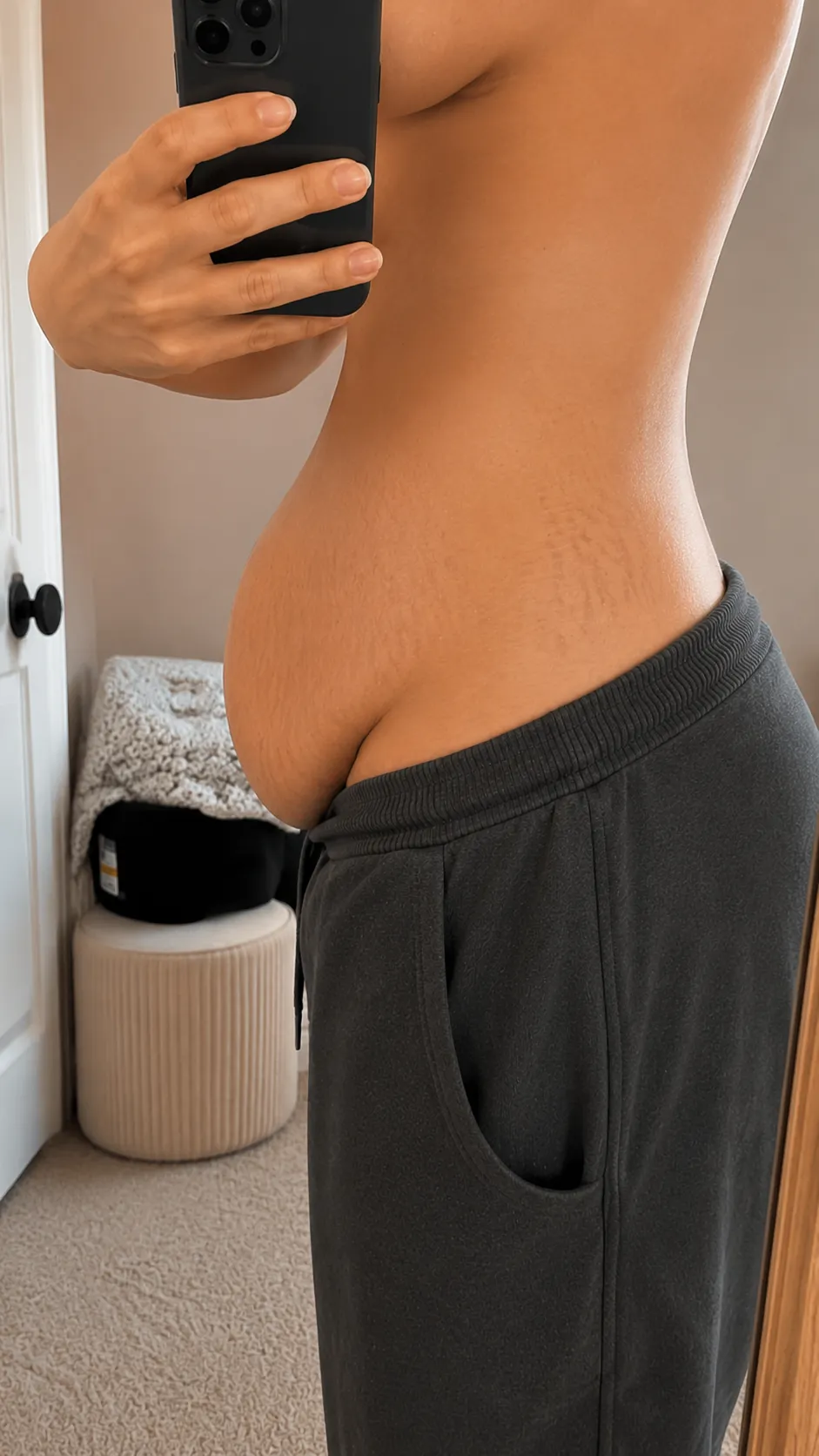
For eighteen months I believed my body was the problem. It had a name, and nobody had told me.
Ad Copy
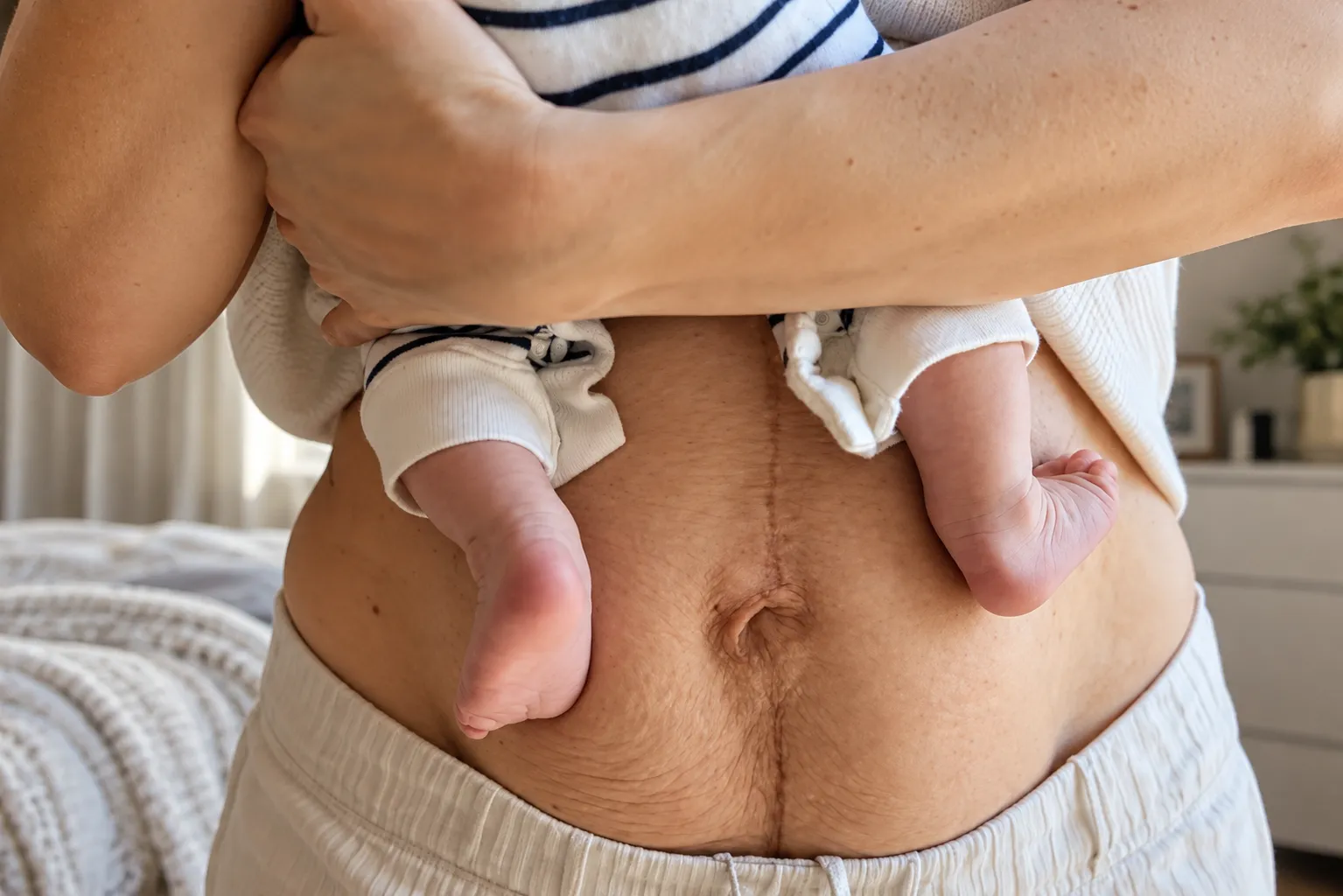
For eighteen months I believed my body was the problem. It had a name, and nobody had told me. I'm 33 years old. And for almost eighteen months I genuinely believed something was wrong with me. Not with my effort. Not with my consistency. With me. That my body, after having my baby, was just one of those that don't bounce back. That I was the exception. That maybe this was just how I'd look from now on. I was wrong. Nothing was wrong with my body. There was a specific problem, with a name, that I didn't know yet. And nobody had told me. Let me explain why. — I was doing everything you're supposed to do. Crunches every morning before the kids woke up. Postpartum YouTube workouts three times a week. Clean eating. Long walks with the stroller. A consistency I was proud of. And my belly didn't move. Eighteen months. Every week. The same shape. The same round, soft, pushed-forward belly that made strangers still ask when I was due. The same mirror I had started avoiding. The last time was in the grocery line. A woman put her hand on my arm, smiling, and asked how many months along I was. My little one was already a year and a half old. I smiled. I said "he's already here." And I paid without looking at anyone. That night I started searching at midnight, phone in the bathroom so I wouldn't wake my husband. "Why does postpartum belly not go away even with exercise." "Belly still looks pregnant eighteen months after having baby." "Is it normal to still look pregnant a year and a half postpartum." That last one. The one at the end. Is this just normal now? I had started believing it was. — And then I found a word I had never heard before. Diastasis recti. During pregnancy, your abdominal muscles separate to make room for the baby. In one out of three women, they don't fully come back together after delivery. The gap stays open. And without that muscular wall holding everything in, everything pushes forward. The belly stays round, prominent, pushed out. Not because you're not trying, not because you're not exercising, but because there's a physical gap that no amount of crunches, pilates, or clean eating can close. In fact, and this is what nobody tells you, crunches can make it worse. They increase the pressure inside your abdomen and push outward against the gap instead of closing it. I had spent eighteen months doing exactly what was making the problem worse. And blaming myself for not seeing results. It wasn't my fault. It was never my fault. I just didn't have a name for what was happening. And without a name, I couldn't look for the right solution. — Here's the exact list of what I tried and why each thing fell short. Not because I was doing it wrong, but because none of it was designed to close a diastasis: Crunches and sit-ups every morning, eighteen months. They pushed outward against the gap. Result: stronger surface muscles on either side of a gap that stayed open. Belly unchanged. Postpartum YouTube programs, three different ones, two of them paid ($59 and $39). General strengthening without touching the separation. No mechanism to send the signal to the deep muscle across the gap. Result: more overall fitness. Belly identical. Waist trainer, two brands ($45 and $38). Compression only in the front, uncomfortable all day. No signal to the muscle. Result: the look of a flat belly while I was wearing it. Gap the same. Clean eating and a calorie deficit, four months (with a $99 meal plan). Lowered body fat overall. Did nothing for the gap in the abdominal wall. Result: I lost weight everywhere except there. Belly stayed the same. About $280 and eighteen months on the wrong solutions. Change in the gap that was actually causing the problem: zero. — Then, one Thursday night, I was in an online forum for women who still look postpartum months or years after having their baby and can't figure out why nothing works. A woman had written something I keep coming back to: "We spend months or years blaming ourselves for not seeing results from things that were never designed to close a diastasis. Crunches don't close it. Diet doesn't close it. Waist trainers don't close it. And nobody tells us why. So we conclude we're the problem. We're not. We just never had the name for what was happening. And without the name, we couldn't find the solution." I read it four times. We never had the name for what was happening. I had spent eighteen months without a name. Without knowing what I was dealing with. Without being able to look for the right solution because I didn't know what to look for. And I was wrong to think it was me. — I started researching diastasis, only that. What it was. Why exercise made it worse. And what actually worked. The answer wasn't new. It had been used for decades in physical rehabilitation and in postpartum recovery clinics across Europe: electrical muscle stimulation. A technology that sends the contraction signal directly to the deep muscle, across the gap, without asking the nervous system to bridge a connection that pregnancy interrupted. The same technology developed to maintain muscle mass in astronauts in zero gravity, where the muscle also doesn't get the body's normal signal. A 2025 clinical study confirmed it: women with diastasis who used electrical muscle stimulation showed a significantly greater reduction in the gap than those who only exercised, with measurable results starting at week three. For the first time in eighteen months, there was something designed for the real problem. But I'd already been sold things that promised a lot. I thought: another gadget that just tickles. So I looked for three things before spending another dollar: a real contraction, not a vibration. An intensity I could raise myself, little by little. And short sessions that fit into a day with kids. — That night I found the Power Belt Pro by Skinklean. I ordered it without telling anyone. I had already told too many people too many things that hadn't worked. This one I kept to myself until I was sure. It's a belt with electrodes and a detachable controller. It works with EMS, electrical muscle stimulation. It has 20 intensity levels, 10 modes, 20-minute sessions, and a 60-day challenge to feel like yourself again. In the box: the belt, the controller, 2 aloe gels and the USB-C cable. It also has built-in heat and red and blue light. I treated it as a challenge: sixty days to decide. The first few days the sensation was different right away. Something activating in the deep muscle, something I hadn't felt since before pregnancy. Not surface tension. Something deeper. Something that had been quiet for eighteen months finally responding. Day 1: twenty minutes while the kids slept, starting at the lowest level. I went up a few levels and a contraction appeared, the kind you feel from the inside. Week 2: I felt my core activating the way it never had in any of my workouts. Month 1: my clothes started fitting differently. And one day I tried on my pre-baby jeans, the ones I'd kept in the closet just in case. They closed. I stood there for a moment. Then I sat on the edge of the bathtub and cried for about three minutes. Not because the jeans closed. Because I had spent eighteen months believing I was the reason they wouldn't. And I wasn't. That night my husband looked at me from the bathroom doorway and said: "What have you done? You look different." I told him nothing. That I'd tell him later. — I went back to the forum. I looked for the woman who had written that and left her three lines: "You were right. The name was missing. And now I'm wearing my jeans." She answered with a heart and one sentence: "Tell another one." That's what I'm doing. Then I went back to my phone. To the list of every search. Every program. Everything I'd tried without knowing what I was dealing with. And I wrote in my notes: the body was never the problem. It had a specific condition with a specific name and a specific solution. It took me eighteen months to find all three. — I'm writing this because I know that specific feeling of doing everything right and seeing nothing change. Of exercising consistently, eating well, doing everything you're supposed to, and still looking in the mirror without understanding why nothing is working. If your belly still looks postpartum and you've never heard the words diastasis recti, this is for you. I want to tell you three things. One. You are not the problem. Your effort is not the problem. Your consistency is not the problem. There is a physical gap in your abdominal wall that no amount of crunches, pilates, or clean eating was ever designed to close. In fact, some of those things may have been making it worse. And nobody told you. So you concluded you were the problem. You weren't. You just didn't have the name. Two. Now you do. It's called diastasis recti. And there is a mechanism designed specifically to close it: electrical muscle stimulation, which sends the signal directly to the deep muscle across the gap, reaching where conventional exercise never could. Working on the front, the obliques and the sides at the same time. Twenty minutes a day while the kids sleep. Without adding a single workout or changing a single routine. Three. It's called the Power Belt Pro by Skinklean. And the built-in heat speeds up recovery from the inside, while the red light stimulates collagen to firm postpartum skin from the surface. I had spent about $280 on things that weren't designed for this. This works out to less than $3.50 a day over the 60 days, for twenty minutes a day. And you have 60 days from delivery to request a return. Shipping is free. — 👉 Start your 60-day challenge: https://skinklean.co/products/power-belt-pro-femme 🎁 And right now it comes with a free secret gift. I won't tell you what it is: you find out when you open the box. ⏳ It took me eighteen months to find the name. You just took a few minutes. The special discount is active today only, the gift only ships with orders from this promotion, and the belt sold out 17 times last year. Every week you wait is another week your effort keeps going to a gap that doesn't close on its own. 👉 Order now and start your challenge: https://skinklean.co/products/power-belt-pro-femme P.S. If your belly still looks postpartum and you've never been able to figure out why, this is the moment. And if you don't order today, at least do one thing: write "diastasis recti" in your phone and look it up tonight. That name already changes what you do starting tomorrow. Laura, 33, 18 months postpartum.
More from Woman Health Secrets
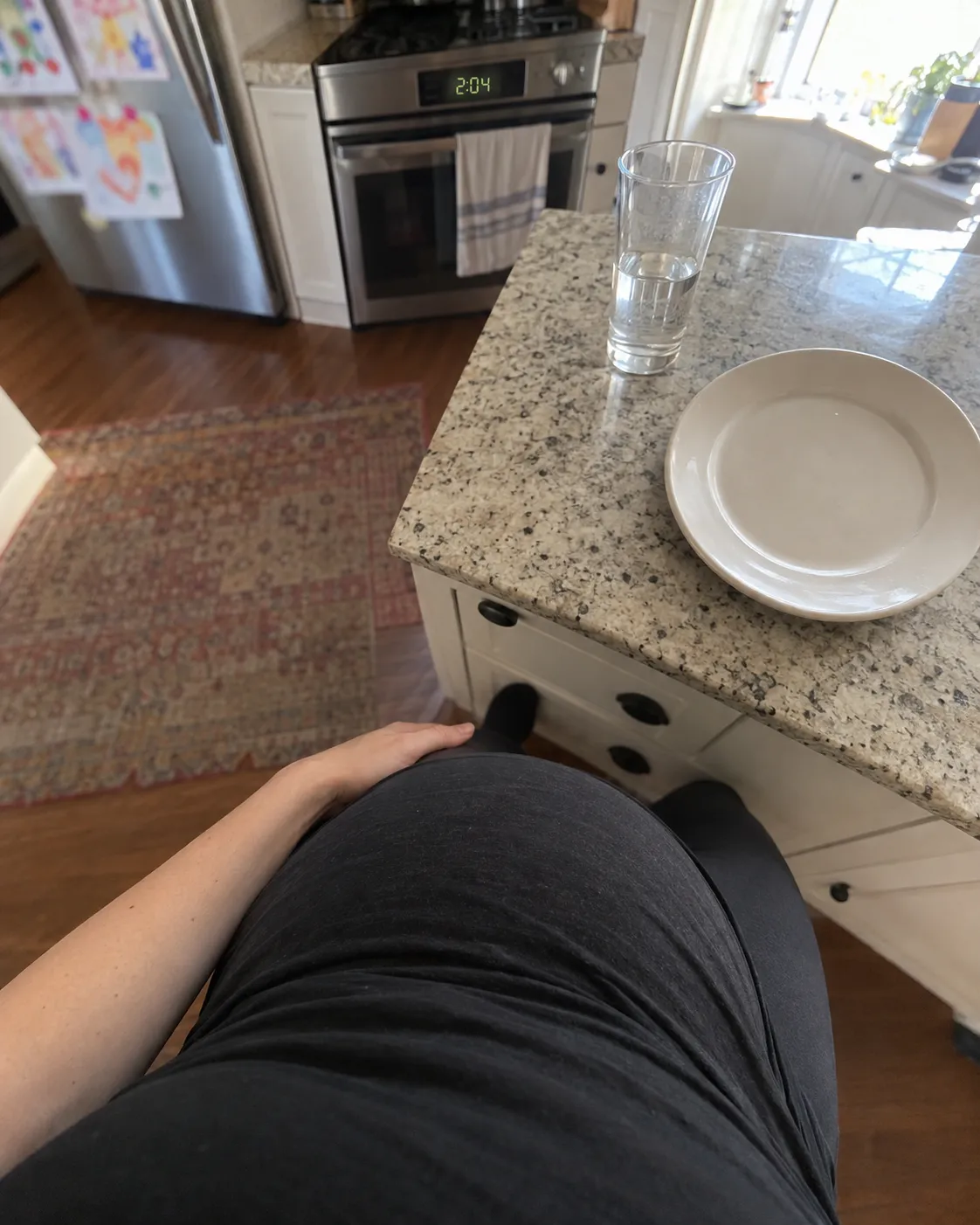
I didn't eat for 8 hours. At 2pm I still looked 5 months pregnant.
Woman Health Secrets
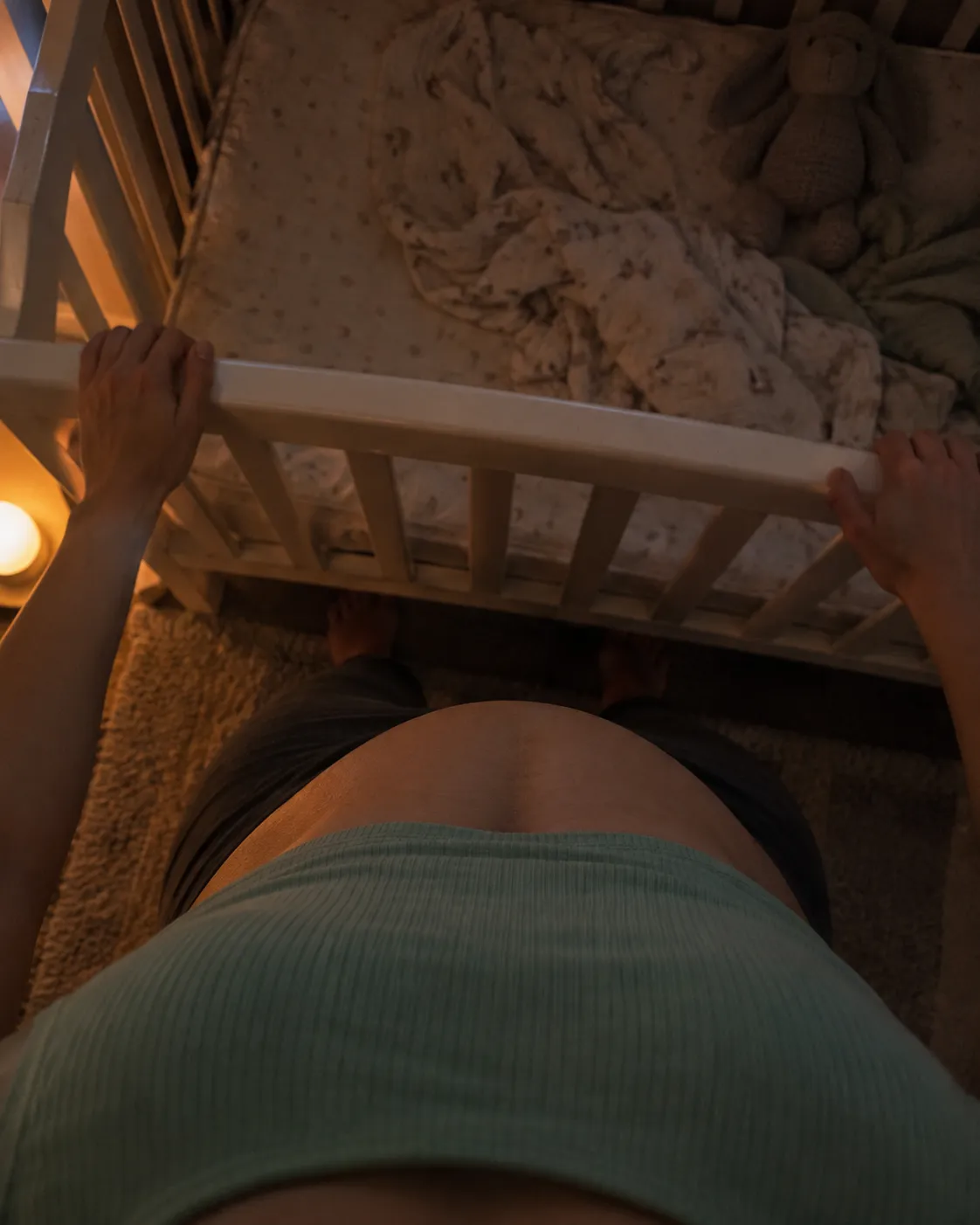
Your crunches aren't closing the gap. They might be making it worse.
Woman Health Secrets

Read this if your C section shelf won't go away.
Woman Health Secrets
If your belly still hasn't come back after pregnancy
Woman Health Secrets

Slim everywhere except your lower belly? It's not fat.
Woman Health Secrets

The cruise ship doctor asked me just one question. My doctor had gone six years without asking it.
Woman Health Secrets
The cruise ship doctor asked me just one question. My doctor had gone six years without asking it.
Woman Health Secrets
The cruise ship doctor asked me just one question. My doctor had gone six years without asking it.
Woman Health Secrets
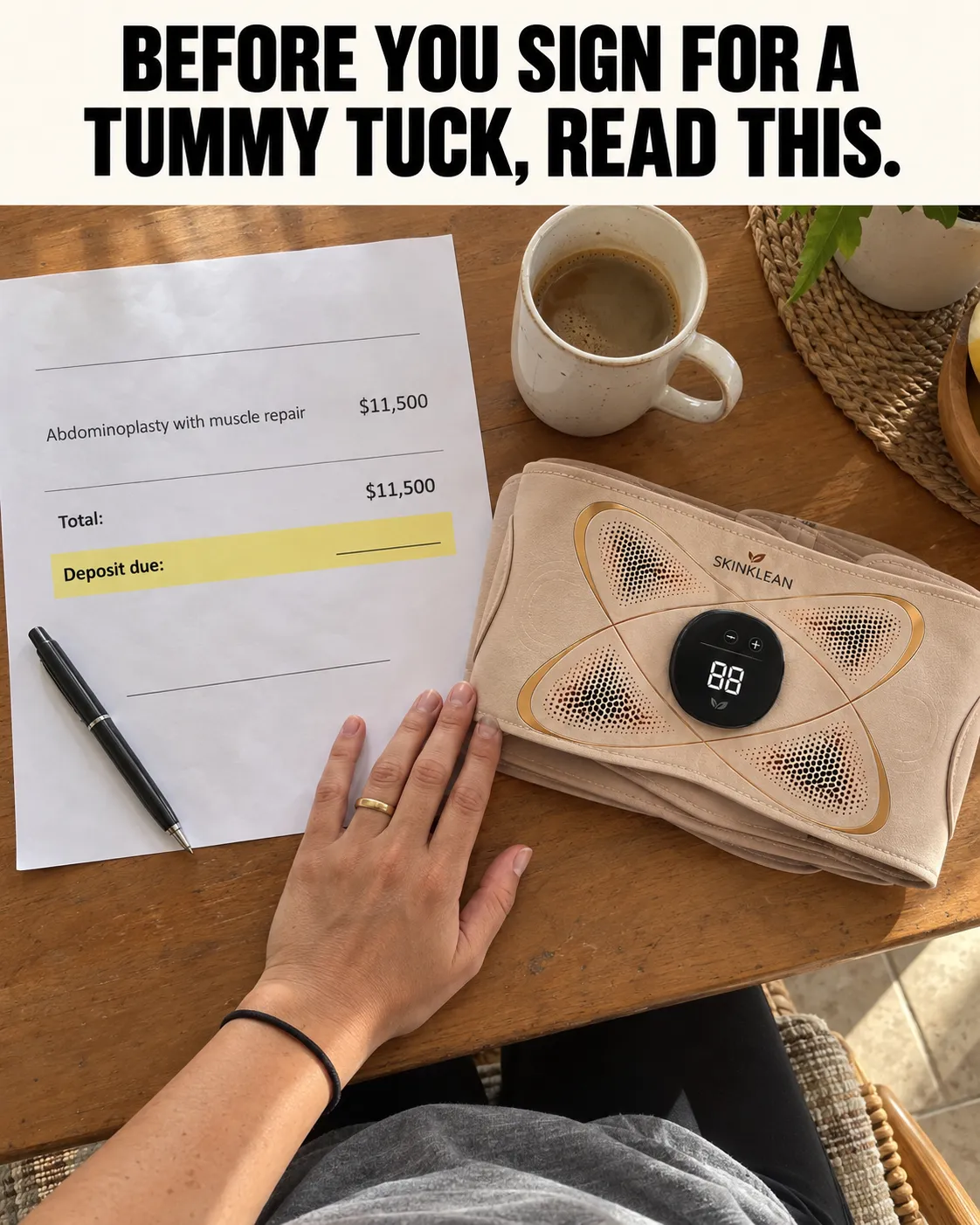
What diastasis surgery can't stitch back together.
Woman Health Secrets

Your C section didn't change your body. It cut a signal.
Woman Health Secrets
I finally figured out why my stomach still felt like Jell-O a year after my second baby.
Woman Health Secrets
My four-year-old patted my stomach and said: it's Mommy's cushion. For four years I had been putting my purse there so nobody would see.
Woman Health Secrets

 Add to Chrome