
I’m A Rheumatologist. Then I Got Fibro.
Ad Copy
If you've got fibromyalgia and your stomach cramps and bloats every afternoon, there's something your doctor isn't catching that I need to share with you. Over 13 years as a rheumatologist who focuses on chronic pain, I've cared for more than 3,400 people with fibromyalgia. Plenty of them women who look like me. And when a patient comes in with pain throughout her body, fatigue that no amount of sleep can lift, and a gut that cramps and swells by three in the afternoon, I can already predict what her intracellular magnesium test will say. Because her doctor has never once requested it. Severe magnesium depletion inside the cells. The same depletion holding her muscles rigid is holding her gut in spasm right now. I'm Dr. Angela Brooks. My specialty is fibromyalgia and chronic pain conditions. And when fibromyalgia hit me at 48, eight months after we buried my Mama, I recognized something most doctors never explain to the people they treat. Your pain is not a pain problem. And your stomach is not a stomach problem. Both are the same warning, rising from the same root. For 13 years, I've been studying patient labs. I've watched thousands of fibromyalgia patients with this exact gut. Thousands who were told "your bloodwork is fine" or left with an antidepressant and an IBS printout before anybody ran a single real test. And I've watched what happens two to four years on, when nobody ever runs the test that really counts. Because they see you once. One doctor. One visit. He studies your chart, never you. Labels it fibromyalgia with IBS overlap. Sends you off with a prescription and a low FODMAP list. He isn't there three years later, when you're on three medications, eating from a list of twelve safe foods, and still can't get through an afternoon without loosening your jeans and stretching out on the couch. But I am. Because I see what happens to the women who hushed their symptoms with pills that blunt the signal but never correct what's actually wrong. The 58 year old who'd seen a single doctor in seven years. He gave her an antidepressant ahead of any test. Then Lyrica. Started on 75 milligrams. Moved to 150. Then to 300. Gained 22 pounds. Still woke up every night at 3am with her whole body throbbing and her stomach twisted. For six years her body tried to tell her it was running short on the single mineral it needed to let go. She chemically blunted the pain while the depletion kept sinking deeper underneath. The 63 year old. "Just fibro and a nervous stomach, baby. Nothing to worry about." Her doctor said it came with her age. Never raised his eyes from her chart. Started her on an antidepressant and an antispasmodic. She did everything right for four years. Kept working. Kept cooking Sunday dinner. Never let a complaint leave her mouth. Walked into my office so depleted she could barely hold herself up, cramping after every meal, sleeping four fractured hours a night. Her pain and her gut were the early warning system crying out that her nervous system had forgotten how to shut down. The pills just dimmed the alarm while the loop kept turning. I see them in my office after years of struggle. They don't blame the doctors who overlooked it. They're just relieved that someone finally looked at them instead of their chart. But I know what they gave up. They had years to restore what was gone. Years to pull their body out of high alert. Years to save themselves from the pile of medications, the weight, the canceled plans, the life that kept closing in. Their body was crying out the warning. The prescriptions just dimmed it while the real problem advanced. My toughest year was my Mama. She had been unwell for 22 years. Nobody ever got to the bottom of it. "Some bodies wear out faster, baby." That was her answer for everything. A full year of caring for her at the end. Emergency room visits. Phone calls at 2am. Seeing patients all day and then driving to her house to take care of everything she couldn't anymore. She died in the recliner she had rarely left for years. Eight months later, the pain arrived. Everywhere and nowhere. My shoulders. My hips. My hands. And my stomach. Cramps after eating. Bloating by mid afternoon. Some weeks nothing moved at all, and then the cramps would bend me over. And I pushed through. Because where I come from, you do not stop for pain. You show up. You smile at your patients. You cook Sunday dinner. You never let anyone see you falter. My husband noticed anyway. I could see it written on his face. The worry. The fear that I'd become one of those women who quietly stops showing up for her own life. I went to a colleague. He studied my chart. Never me. He didn't order one test. "Classic fibromyalgia with IBS overlap. Grief kicked it off. Let's begin with an antidepressant. Add Lyrica for the pain, an antispasmodic for the gut. Do low FODMAP. Most patients settle in within a year. You'll cope just fine." I'm a rheumatologist. And I still got reduced to a chart. So I know exactly what happens to the woman at the front desk, the woman on the night shift, the woman who gets one appointment a year. I knew Lyrica would blunt the pain. That's not what matters. It was my daughter who asked the question. Keisha is a nurse. She meets women who look like her grandmother on every shift she works. "Mama. Has anybody tested your magnesium? Not in your blood. Inside your cells." I'm a rheumatologist. And it took my own child to ask me that. I put in an order for my own red blood cell magnesium test the very next morning. Because I understand what a year of constant stress really does to a body. My intracellular magnesium was severely depleted. My serum magnesium, the figure on the standard panel, was completely normal. My cortisol was still elevated late at night, right when it should have been at its lowest point. My pain was not a pain problem. My stomach was not a stomach problem. It was twelve months of cortisol consuming the mineral my body depends on to calm everything down. And Lyrica would have hushed the one warning sign I had before the loop sealed itself shut. Here's what doctors leave out, because they never request intracellular magnesium tests. Magnesium is the mineral your body depends on to let go. It's what lets a muscle soften after it contracts. Every muscle. The ones in your shoulders and your hips. And the smooth muscle wrapped around your entire gut. But when stress stays elevated for months, cortisol stays elevated. And cortisol consumes magnesium. Every single night. Faster than food can rebuild it. Once your cells are running short, three things happen. The muscles in your body can't fully soften. They stay rigid. That's the deep, all over ache that wanders and never really goes away. Your gut wall can't fully soften either. It spasms rather than moving in steady waves. Food and gas get stuck. That's why you wake up flat and look six months pregnant by three in the afternoon. That's the cramping. That's the days when nothing moves at all. And your nervous system loses its brake pedal. Every signal gets louder. From your muscles. From your gut. That's why everything hurts more than it ought to, and why your stomach reacts to every meal like it's been wounded. But here's what's unfolding that you CAN'T see: Your nervous system is locked in high alert. All day and all night. When your nervous system can't shut down, your body can't get to deep sleep. No deep sleep = no real repair. The rest you tried to get? Your body never benefited from it. Exhaustion takes hold. The stretching, the walks, the diets? Your rigid muscles and spasming gut resist every one of them. The magnesium you might have grabbed from the pharmacy? Most of it never reached a single cell. You're not "just stuck with fibromyalgia" or "eating the wrong foods." Your cells are running on empty. Your body can't let go. The pain and the bloating are the warnings you can FEEL. The depletion is the damage happening out of sight. Right now. Studies show that up to seventy percent of people with fibromyalgia also struggle with IBS symptoms. Seven of every ten. And under one percent of your body's magnesium is in your blood. Which means the routine test your doctor runs can look normal while your cells are running on empty. And for women who look like us, that test shows even less. A lot of us start from lower magnesium in the first place. The deficit widens faster. And the blood test keeps coming back fine. Your symptoms aren't something to be ashamed of. They're life saving information. They're your early warning system letting you know your body has lost the ability to quiet itself down. And the prescriptions hush that alarm while the depletion keeps widening. But doctors don't request intracellular magnesium tests. They don't tie chronic stress to fibromyalgia and a cramping gut at once. They don't look for it. So they say "it's fibro, it's IBS, try to reduce stress" and send you on your way. My next step was obvious. Not more medication. Not more restriction. I tried what fibromyalgia patients try first. Low FODMAP. Followed it to the letter. Dropped garlic, onions, wheat, dairy, most fruits. Stopped making myself a plate at Sunday dinner because half the table was off limits. Took a little edge off the bloating. The cramping and the pain stayed right where they were. Probiotics. Spent hundreds on one brand after another. One strain after another. One count after another. Nothing shifted. Because the problem was never the bacteria. It was a gut wall that couldn't let go. Magnesium from the pharmacy. The large bottle on the bottom shelf. Magnesium oxide. Three days in, I was racing to the bathroom every morning and cramping worse than ever. So I gave up. Like almost every patient of mine who's ever tried it. And standing in my bathroom with that bottle in my hand, it hit me. It was the same bottle I had brought home for Mama. Years before she was gone. I'm a doctor. And I put that bottle in my own Mama's hand and promised her it would help. Lyrica. Started on 75 milligrams. Then 150. Blunted the edges of the pain. Made me hazy. Did nothing for my gut. Tolerance building month after month. The depletion wasn't lifting. The pain still covered everything. My safe foods list kept getting smaller. I gave up Sunday service because I couldn't stand through the hymns. Nothing was restoring the mineral a year of cortisol had consumed. But one thing kept bothering me, because it didn't make sense. Magnesium CAN be restored. The loop CAN be broken. The research confirms it. So why wasn't mine budging? Because everything I was taking was either hushing symptoms or couldn't get magnesium into my cells. November 3rd. 10:52 PM. I was going through studies after a tough case. Couldn't get to sleep. The pain was worse even with the Lyrica, and my stomach had been twisted since lunch. I was reading about magnesium absorption. Not hunting for anything specific. Just desperate. I landed on the research comparing magnesium forms. Here's what stopped me in my tracks. Magnesium oxide, the form sitting on every pharmacy shelf, the form most doctors point you toward, absorbs at about four percent. Four. The remaining ninety six percent never leaves your gut. It stays put, pulls water into your intestines, and sends you racing to the bathroom. That's not a side effect. That's exactly what magnesium oxide does. It's sold as a laxative for a reason. That's why the pharmacy bottle made me worse. That's why so many of my patients told me "magnesium doesn't agree with me." That's why Mama's bottle never helped her one bit. It never had a real shot. But one form behaves differently. Magnesium bisglycinate. Magnesium bonded to two molecules of glycine. Your body recognizes that bond and carries it through the gut wall the same way it takes in protein. About ninety percent absorbed. Into the bloodstream. Into the cells. Into the nervous system. It doesn't hang around in your gut. It doesn't pull water. It doesn't send you racing. It's gentle on the very stomach that couldn't tolerate the pharmacy version. I sat there at 10:52 PM tracing the mechanism pathway. Lyrica quiets nerve signaling by latching onto calcium channels. Then the dose stops holding. Your depletion doesn't improve. It's chemically blunted. Magnesium bisglycinate restores the mineral your cells have been living without. The muscles that have been rigid for years can finally soften. The gut wall can move in steady waves again instead of spasming. The nervous system gets its brake pedal back. Your body heals instead of being chemically sedated. But absorption was only step one. The glycine plays a role too. It's a calming amino acid your nervous system uses to settle down at night. Bonded to the magnesium, it arrives right where the loop needs to be broken. And timing matters. Cortisol was consuming my magnesium every night while I slept. So that's when it needed replacing. In the evening. Before bed. Every night. I've been a rheumatologist for 13 years. I've studied chronic pain for my entire career. And I had never connected the form of magnesium to fibromyalgia and a cramping gut this deeply. Because most doctors just write a script for an antidepressant, Lyrica, and an antispasmodic. They don't question why magnesium "fails" for so many patients. They don't stop to think that the bottle on the pharmacy shelf is absorbing at four percent and irritating the exact gut they're trying to settle. At 11:18 PM, I ordered magnesium bisglycinate as a gummy. Full dose. Third party tested. Sugar free. Something I'd genuinely take every night rather than forget. I didn't expect a miracle. But the mechanism held up. I began on November 4th. Two gummies every evening before bed. November 7th. 3 days in. I opened my eyes at 6am and realized I hadn't woken up at 3am. First time in months. I lay there waiting for the ache to kick in. Assuming it was just a good night. But it wasn't. The magnesium was arriving where it needed to be, doing what the pharmacy bottle never could because it had never reached a single cell. November 10th. 6 days in. Ate lunch. Saw patients straight through the afternoon. At 4pm I noticed my stomach was still flat. No bloating. No cramping. No slacks unbuttoned under my white coat. My husband looked across the table at dinner. "Baby. You didn't go lie down after work." I hadn't told him I was taking anything. I wanted to see whether the mechanism would prove itself before I said anything. "New approach," I said. "Whatever it is, keep at it." November 18th. 14 days in. The bloating was almost gone. My gut was moving on its own again, on a regular rhythm, with no cramping. No racing to the bathroom. The ache in my shoulders and hips had faded from a roar to a murmur. That Sunday I walked back into service. I stood for every hymn. I felt like the body I had before that year. But more importantly, I wanted proof this was reaching my whole system. February 2nd. 90 days in. Repeat red blood cell magnesium test and cortisol panel. I sat in the lab waiting on the results. When they arrived, I stared at the numbers for a full minute. Intracellular magnesium back in a healthy range. Nighttime cortisol down. My pain scores, which I'd recorded daily the way I have my patients do, reduced by more than half. I brought up the comparison. November panel next to February panel. The depletion had reversed. The cortisol pattern had normalized. And I had stepped down my Lyrica with my doctor overseeing it. My fibromyalgia and my gut were getting better because the mineral had been restored, the loop had been broken, and my nervous system had its brake pedal back at last. Not hushed. Restored. Keisha was the first one I showed. She read both reports twice over. Then she laid the papers on the table. "Grandma would have loved this." I printed both reports. Carried them to my colleague's office. Dr. Patel looked at the results. Looked at me. Looked at the labs again. "Angela, what did you do? Fibromyalgia patients don't come around like this." I took her through the form. The four percent. Why the pharmacy bottle had made my gut worse and why so many of our patients quit magnesium after three days. The ninety percent absorption of bisglycinate. The glycine. The nighttime timing, when cortisol does the harm. She went over the results for another minute. "Your magnesium is restored. Cortisol normalized. And... your stomach is better too?" "Nearly completely." She paused. "I need to start ordering intracellular magnesium for my fibromyalgia patients instead of just raising their Lyrica and giving out FODMAP lists." I canceled nothing. Because I wasn't avoiding my life anymore. But I began telling fibromyalgia patients something doctors don't. I'm not sharing this because I'm against Lyrica or low FODMAP. These tools help control symptoms. They blunt the pain. They lower bloating triggers. They do precisely what they were made to do. But they don't restore the mineral your cells are missing. They don't let your muscles soften. They don't let your gut wall move freely. They don't give your nervous system its brake pedal back. They don't end the loop. They manage the signal for a while as the real problem moves forward. And I see what happens two to four years later when those women are on three medications, twenty pounds heavier, eating from twelve safe foods, and still waking up at 3am. Your body isn't betraying you. It's warning you. The same depletion driving the pain is driving the cramping, the bloating, and the exhaustion right now. And you have two choices. Hush the warning with pills that blunt the signal while the depletion widens. Or restore what's missing, in a form your body can actually absorb, and give your body the conditions it needs to finally let go. I think about what I almost did. Not just accepting fibromyalgia and a life of safe foods. That's not what matters. I almost blunted a depleted nervous system with a rising Lyrica dose. I almost hushed my body's early warning system because where I come from, you don't stop for pain. You carry it until it carries you. I almost became Mama. Twenty two years in a recliner, convinced some bodies just wear out faster. It was never a body that wears out faster. It was a body running short on something nobody ever thought to measure. Because once the loop has been turning for years, recovery takes longer. Once the medication pile grows, coming off it is slow and difficult. Once you've arranged your entire life around pain and your stomach, your life has fundamentally changed. You don't get a second warning. Your symptoms are your first warning. The only warning you can still do something about. I'm sharing this because if you have fibromyalgia and a gut that won't settle down, you deserve to know what I know. Not from a textbook. From the labs I study every single day. And from my own. Your pain isn't the problem. It's the symptom. Your cells are running short because cortisol has been consuming your magnesium for years. Your muscles can't soften. Your gut wall can't soften. Your nervous system has lost its brake pedal. And every month you blunt it with pills that only dim the signal is another month the depletion grows and the loop tightens. The pain and the bloating appear first because they're the most noticeable. The exhaustion and the broken sleep are the damage piling up quietly below. By that point, you're not looking at symptom control. You're looking at a life reshaped around your illness. Or worse. Ninety days. That's how long it took for my magnesium to recover and my body to remember how to let go. Ninety days of restoring what was missing instead of hushing what was left. Heal. I'm not telling you to stop your medication. I'm telling you to understand what you're hushing. Your pain is your check engine light. The prescriptions are electrical tape over the warning light. The engine is still running low. You just can't see the light anymore. But I see it every day in the labs of fibromyalgia patients. Women who blunted their pain for years with rising doses and shrinking food lists. Then arrived in my office depleted and worn out. Every one of them says the same thing. "I wish someone had looked at me instead of my chart. I wish someone had told me my pain and my stomach were linked, and that the magnesium I tried was never going to work in that form." I'm telling you now. Your fibromyalgia and your gut are linked. The same depletion lies behind both. Restore the mineral, break the loop, and you could get back both your body and your life. Or hush the symptoms, and risk everything. I'm a rheumatologist. I understand chronic pain all the way down to the cells. And I chose to restore what was missing before the loop sealed itself in for good. That's all I'm asking you to weigh. Give your body the chance to heal before you accept a lifelong medication pile. Because once the loop has turned for years, once the medications stack up, once your safe foods list is down to twelve and your nights end in a recliner at 7pm, recovery becomes so much harder. Your symptoms are giving you months or years of advance warning. Use them. Ninety days. That's all it took to restore my magnesium, calm the pain, and get my gut moving the way it once did. Ninety days of treating the source instead of hushing the symptoms. Dr. Angela Brooks Rheumatologist, 13 years Specializing in Fibromyalgia and Chronic Pain P.S. I've written everything down. The exact form. The dose. Why taking it at night matters. What to expect at 14 days, 30 to 60 days, and 90 days. And why most of the magnesium on the shelf works against you. If you have fibromyalgia and your stomach won't settle down, read it before you reach for another bottle on the pharmacy shelf. The same bottle I put in my Mama's hand. I've studied too many labs from women who look like us showing depletion that never had to happen not to share this with you.
More from Tracey Coleman
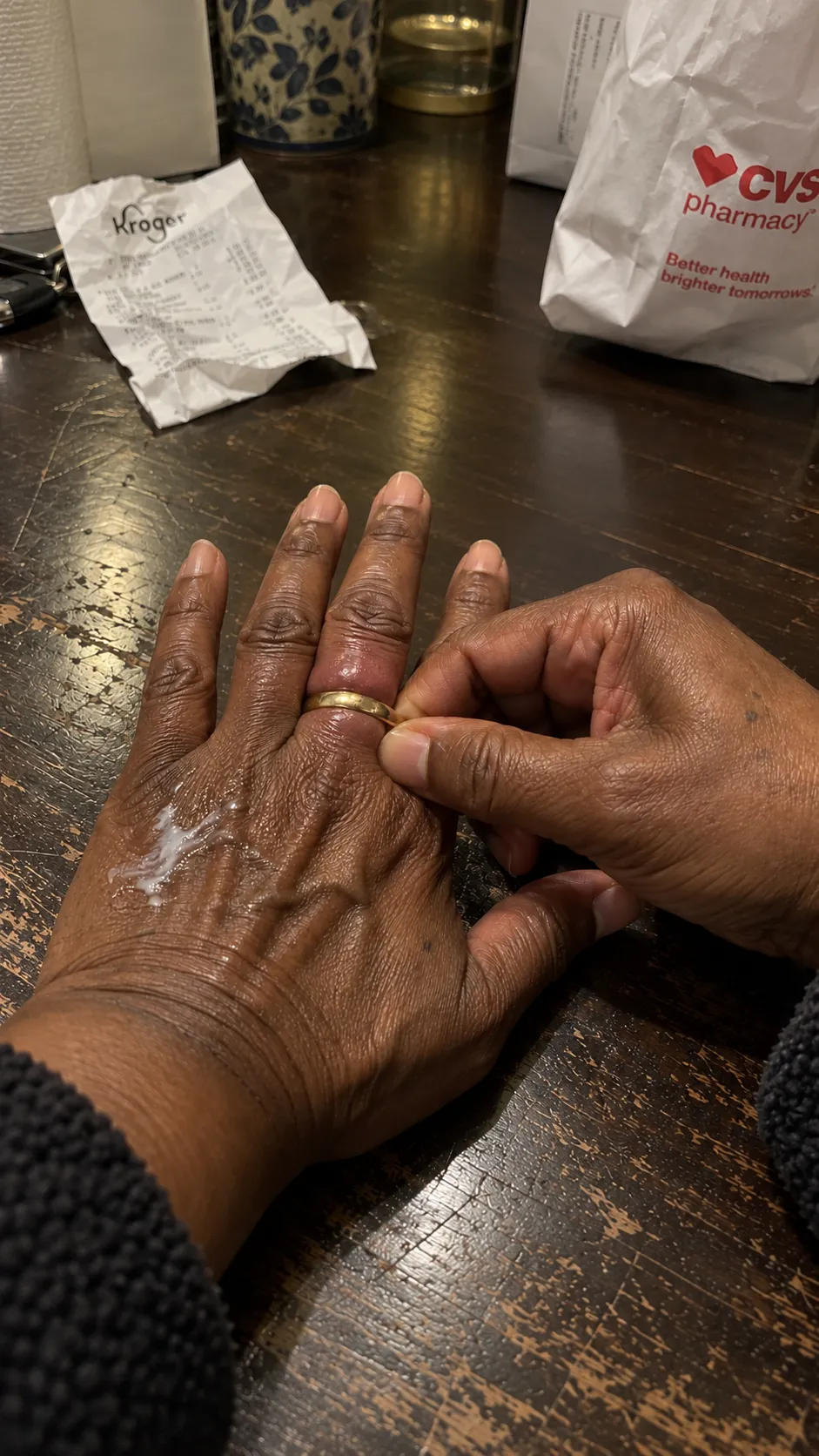
The Relief Mineral For Fibromyalgia
Tracey Coleman

The Relief Mineral For Fibromyalgia
Tracey Coleman
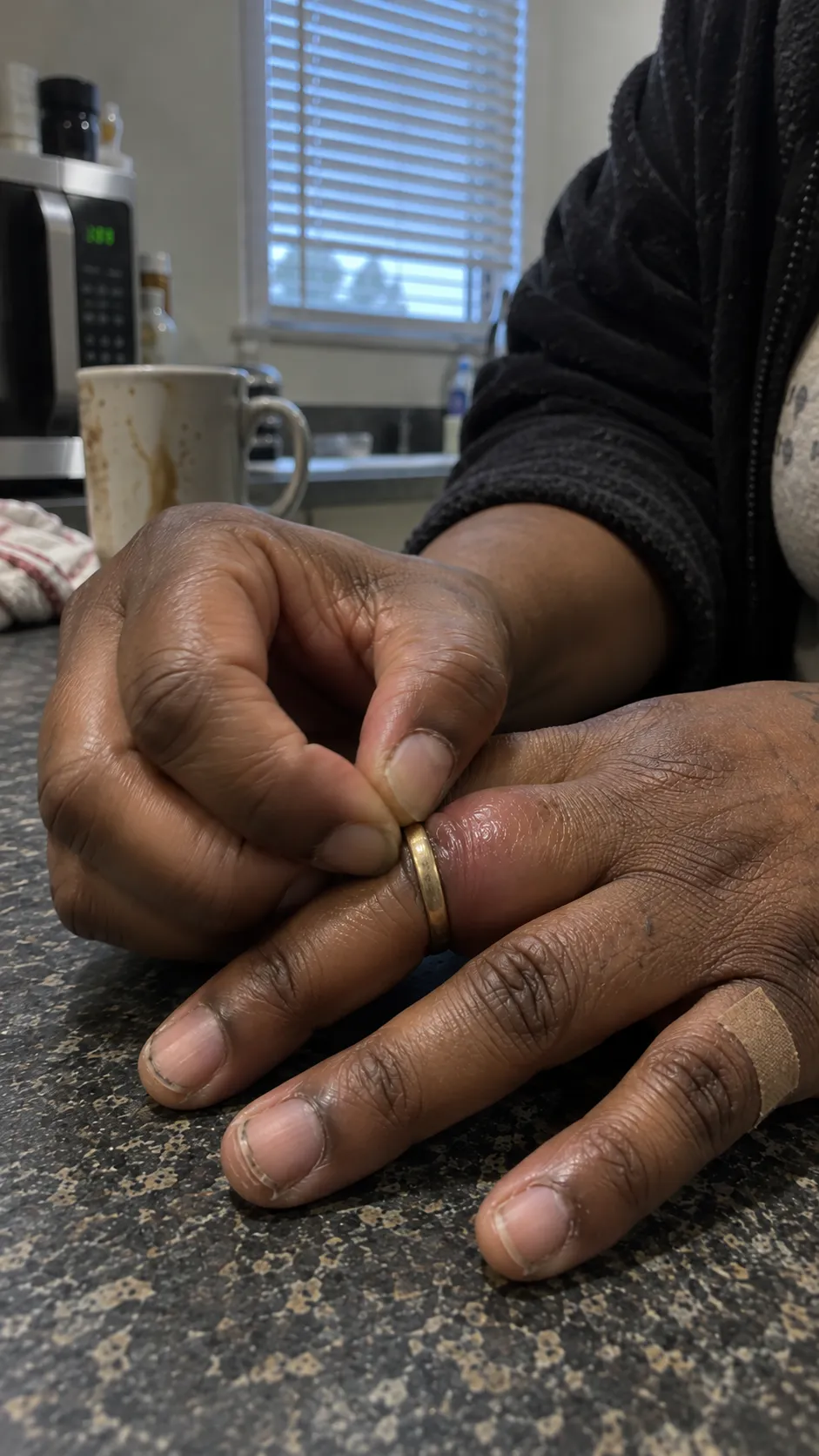
The Relief Mineral For Fibromyalgia
Tracey Coleman

I’m A Rheumatologist. Then I Got Fibro.
Tracey Coleman
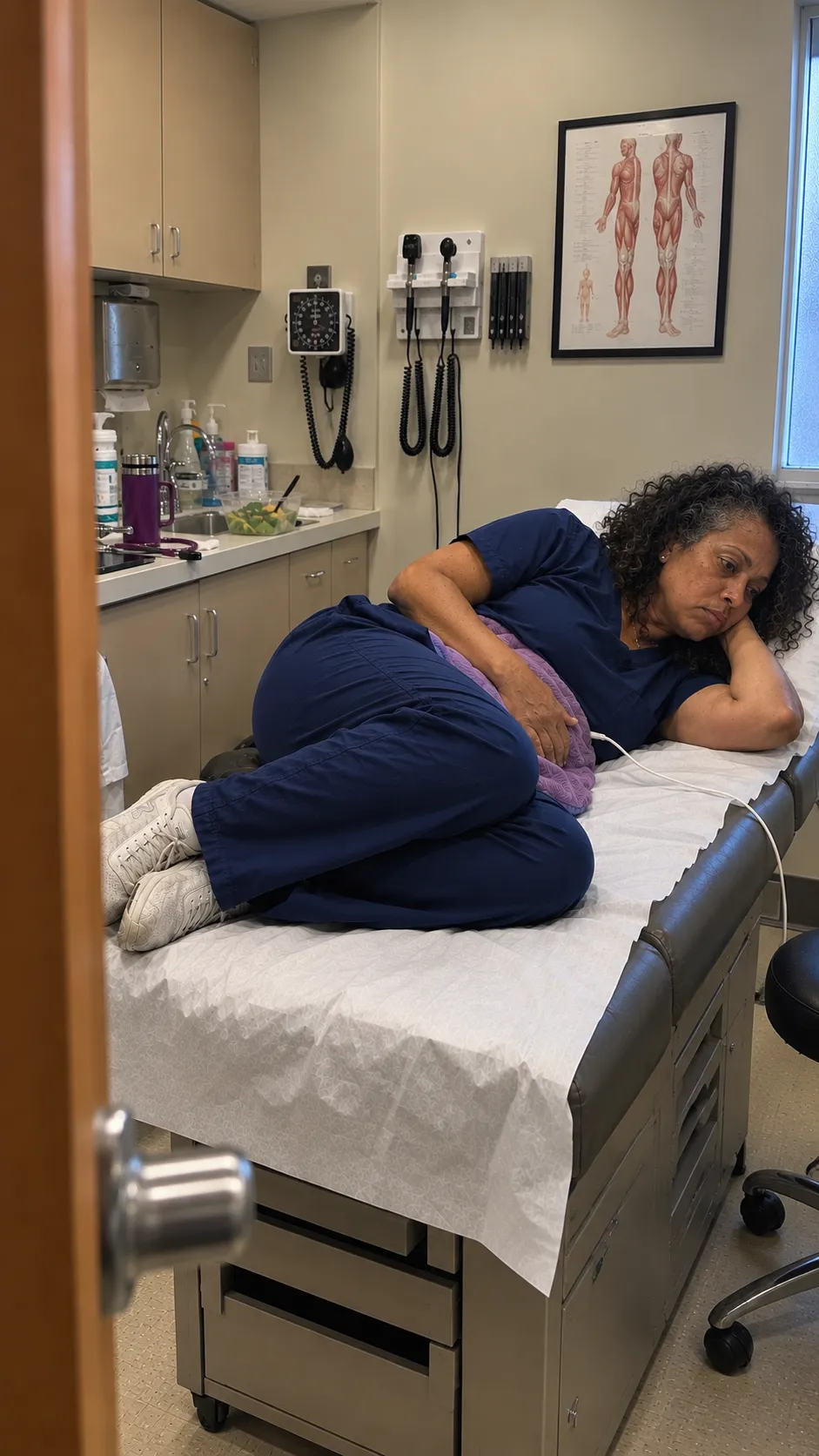
I’m A Rheumatologist. Then I Got Fibro.
Tracey Coleman
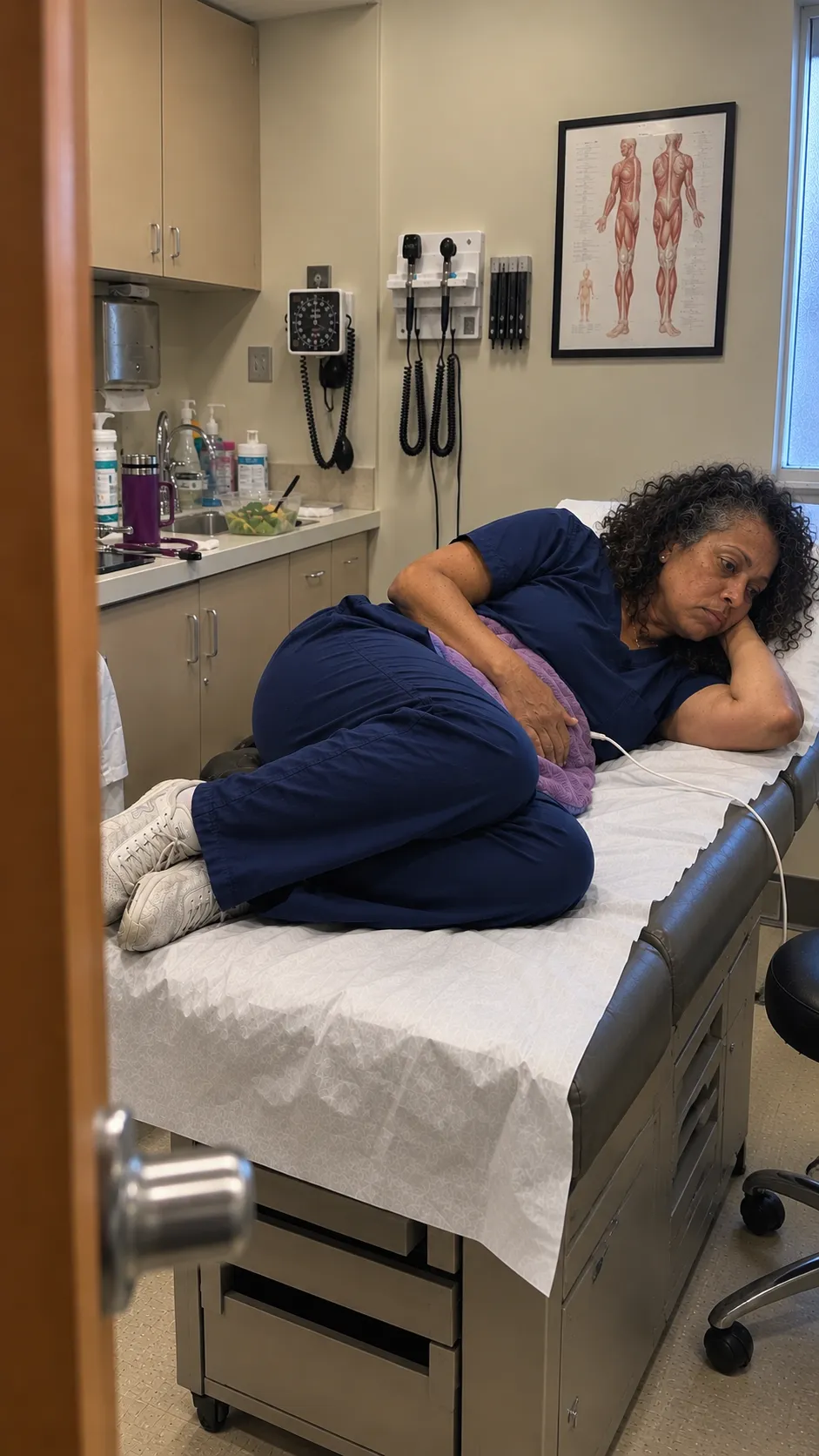
I’m A Rheumatologist. Then I Got Fibro.
Tracey Coleman
I’m A Rheumatologist. Then I Got Fibro.
Tracey Coleman

It Was Not My Marriage. It Was My Body.
Tracey Coleman

It Was Not My Marriage. It Was My Body.
Tracey Coleman

One in three women used the same word
Tracey Coleman

I almost let my husband walk up the mountain alone 💔
Tracey Coleman

Migraine frequency dropped 41% in one clinical trial. But the reason why changes everything you think you know about your pain. 👉
Tracey Coleman

 Add to Chrome