
🍳 Don’t Blame Your Cooking — Fix The Coating First
Ad Copy
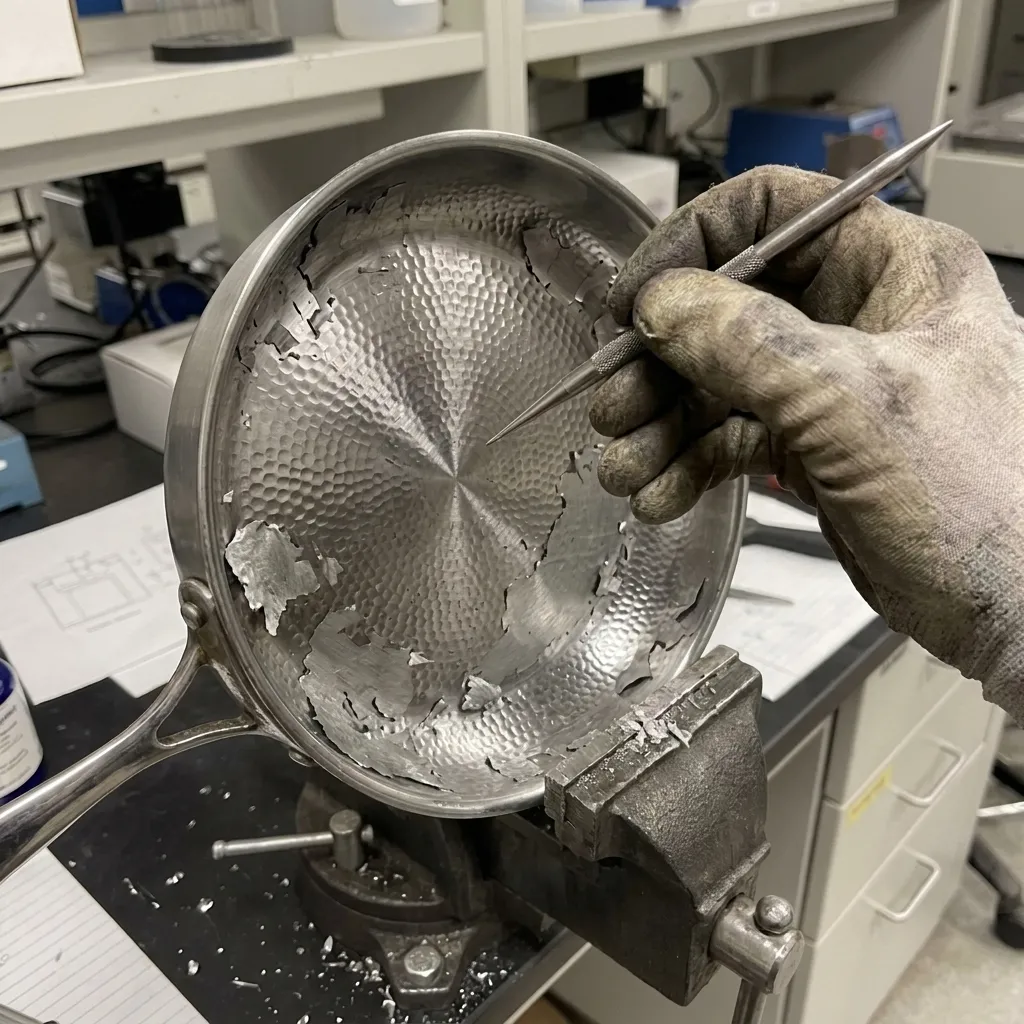
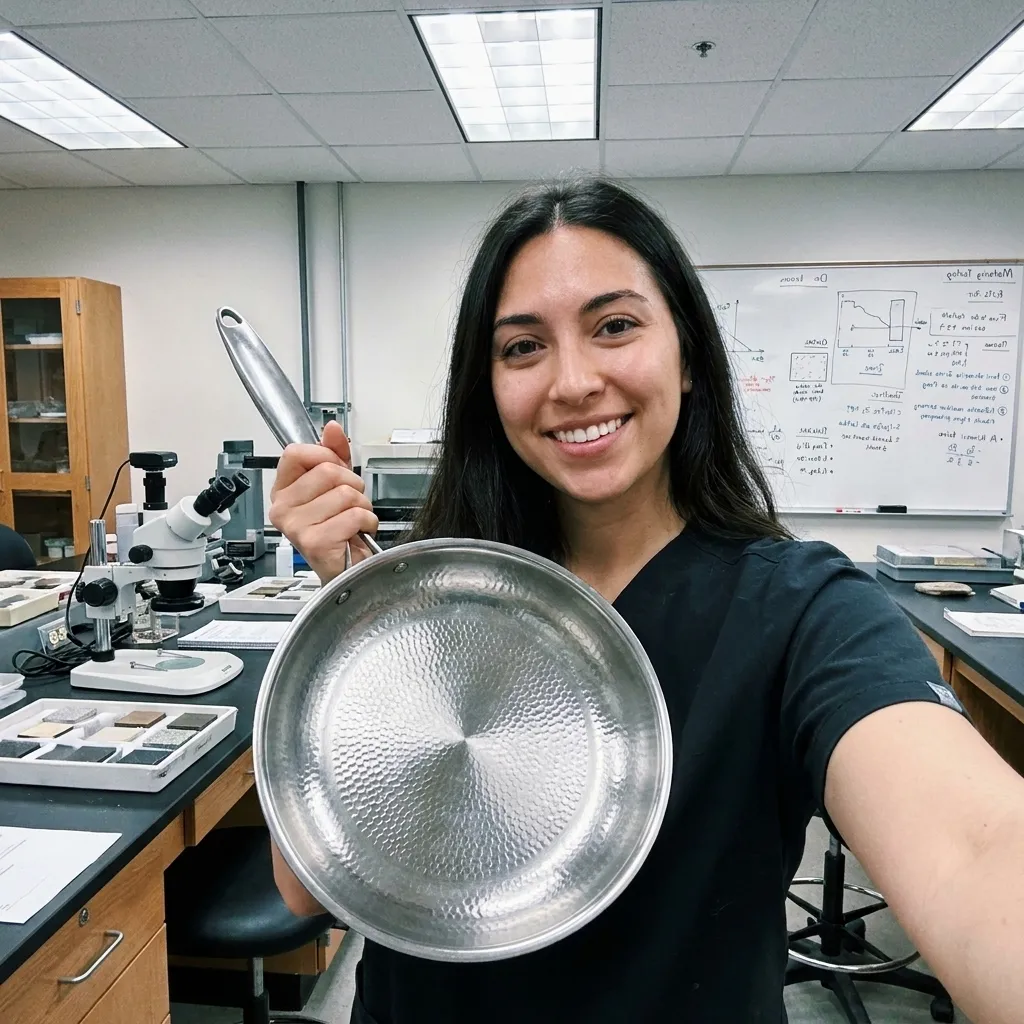
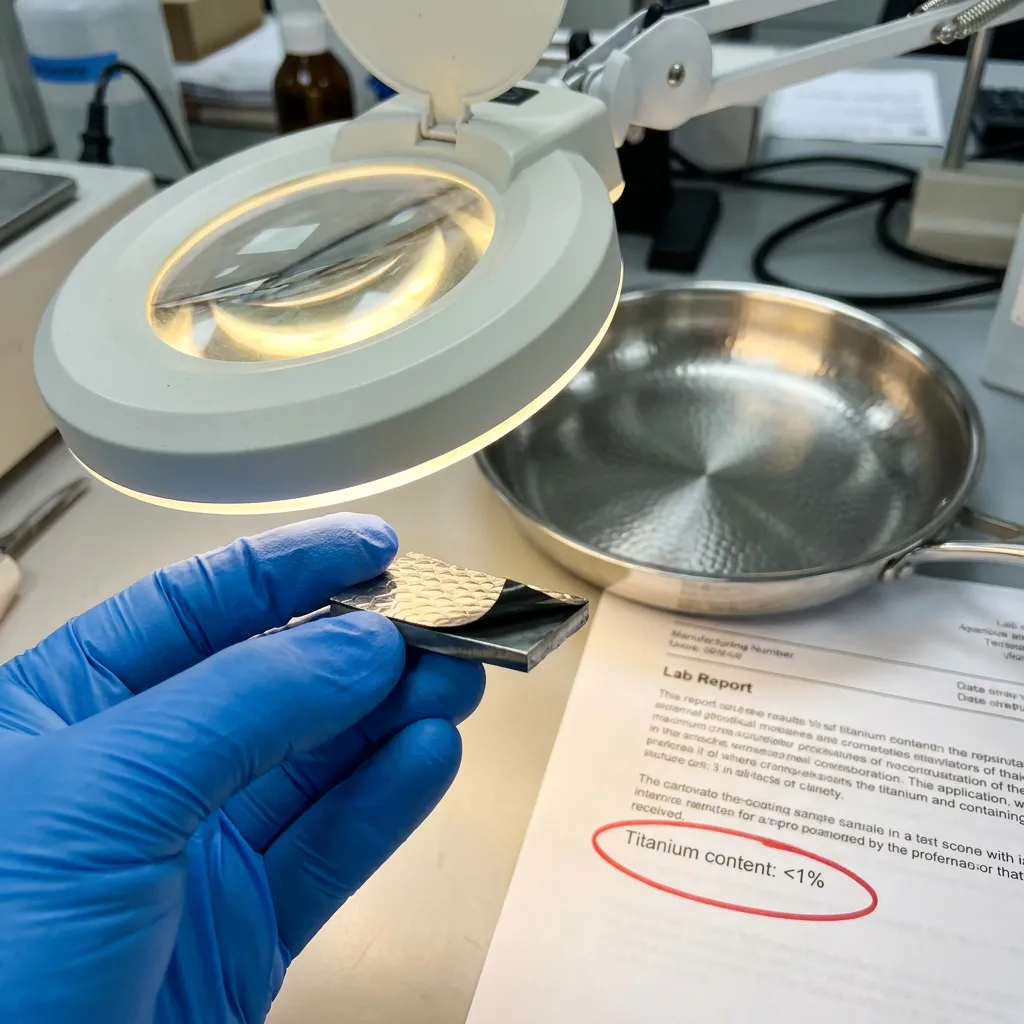
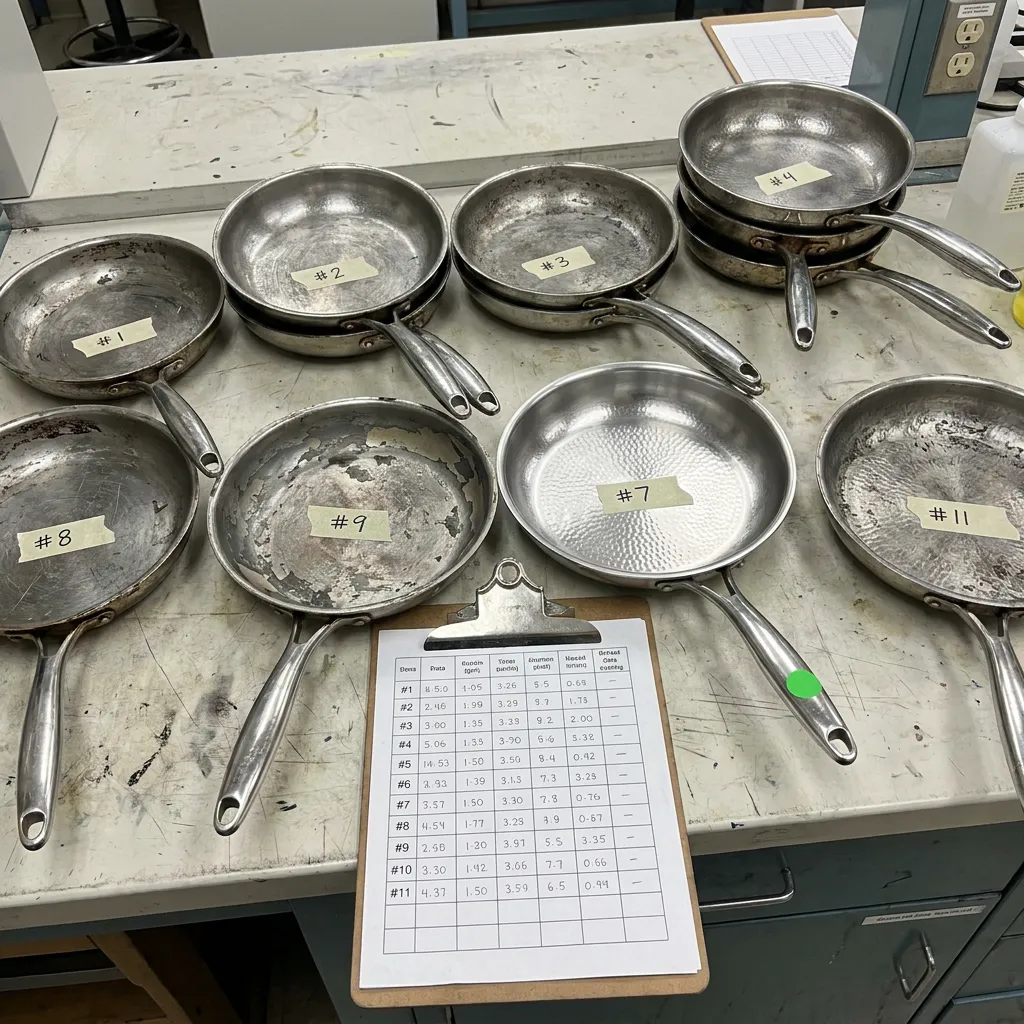
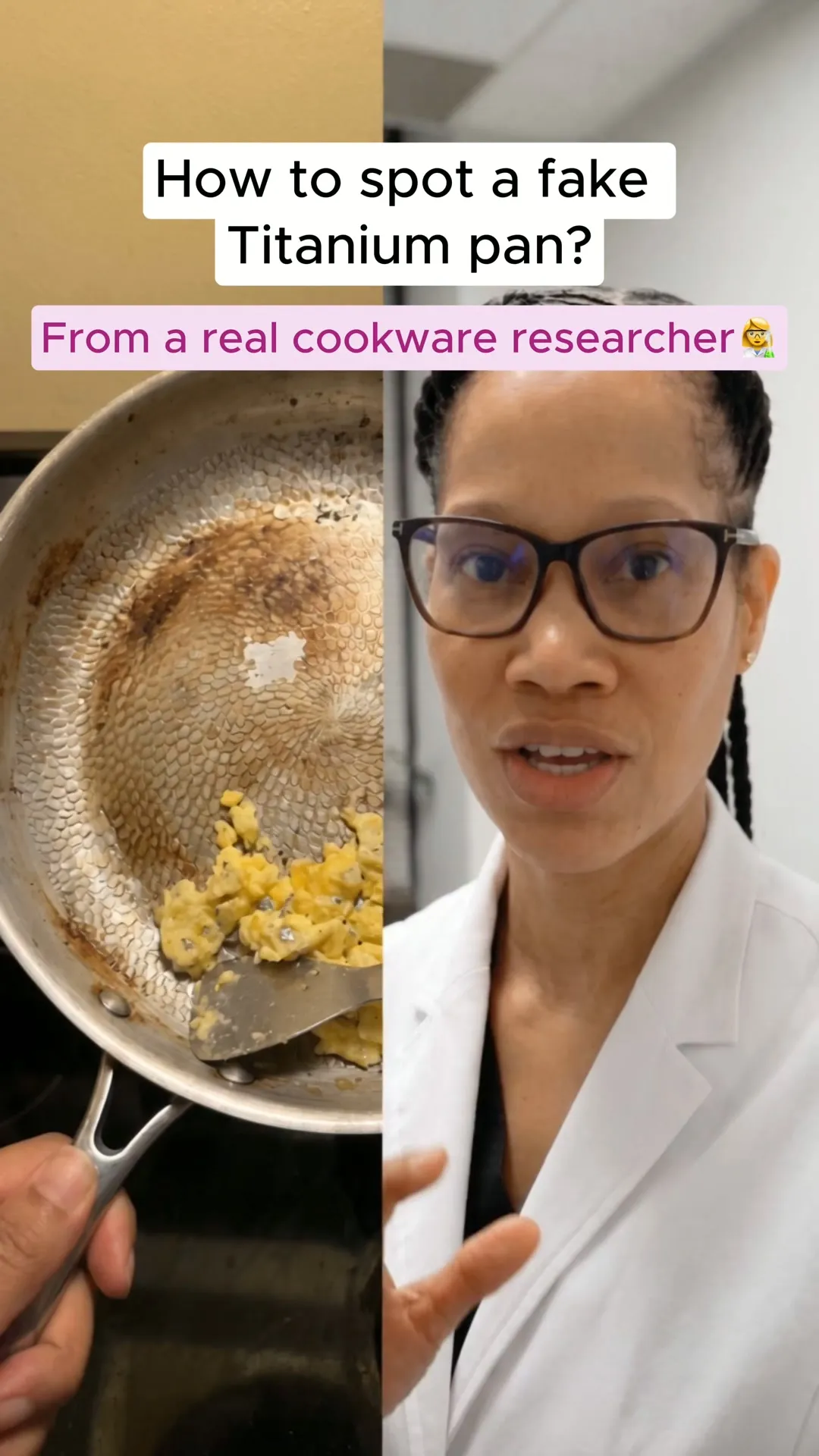
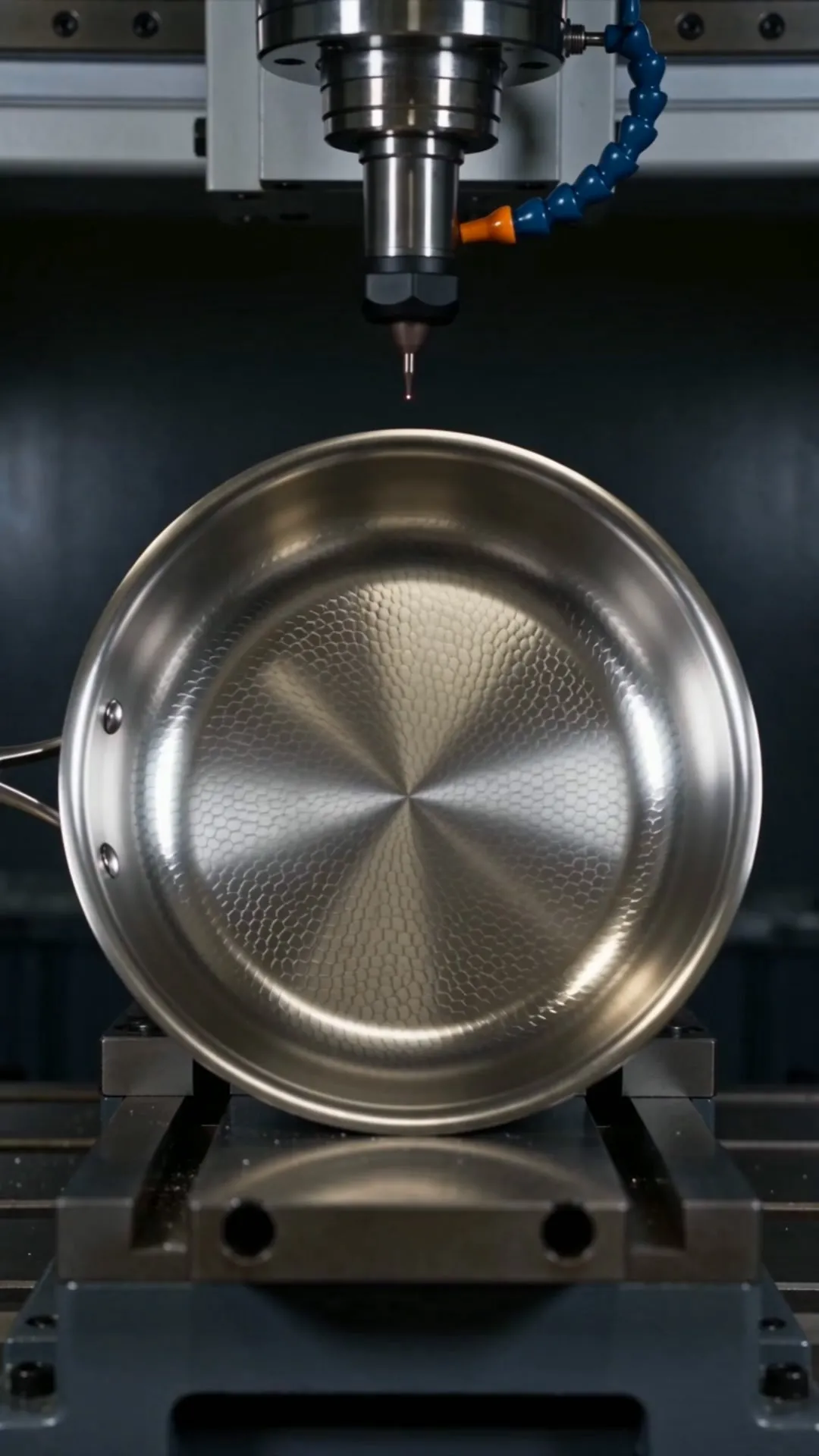
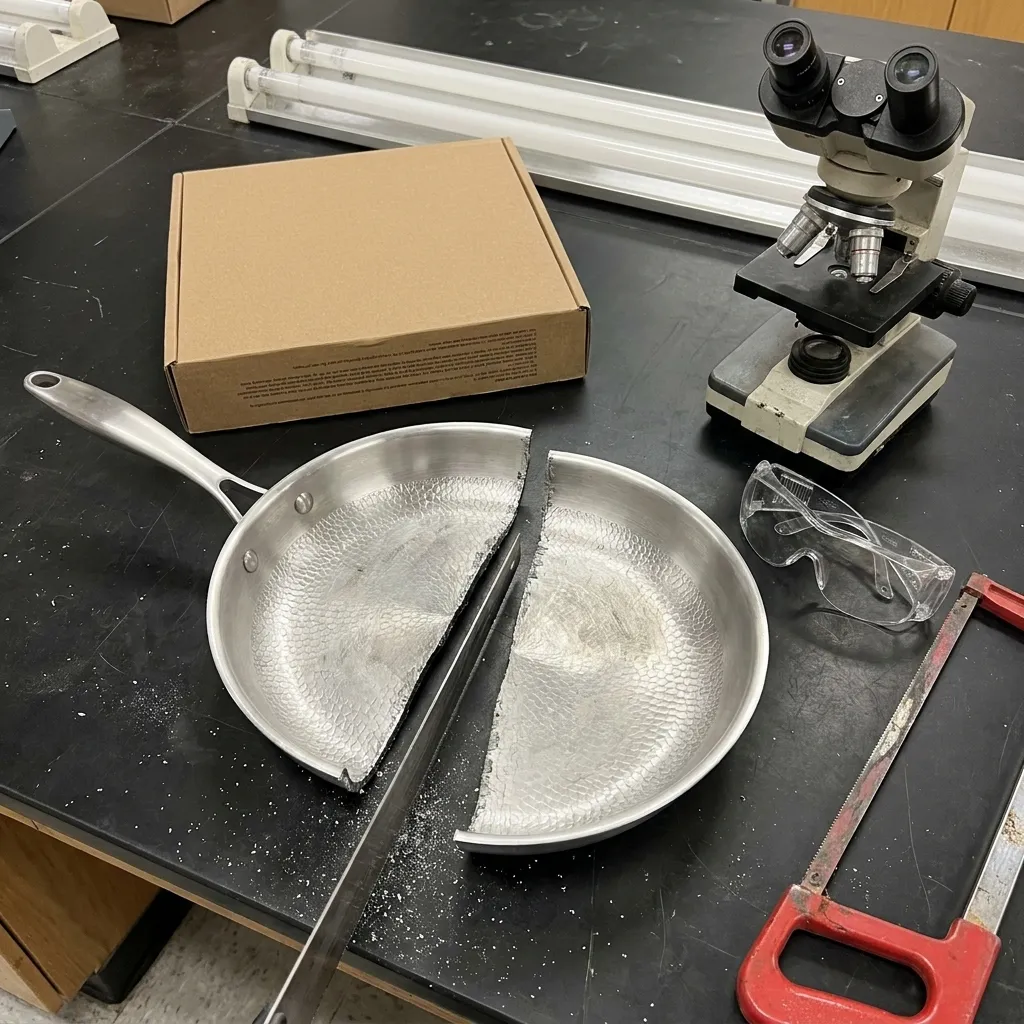
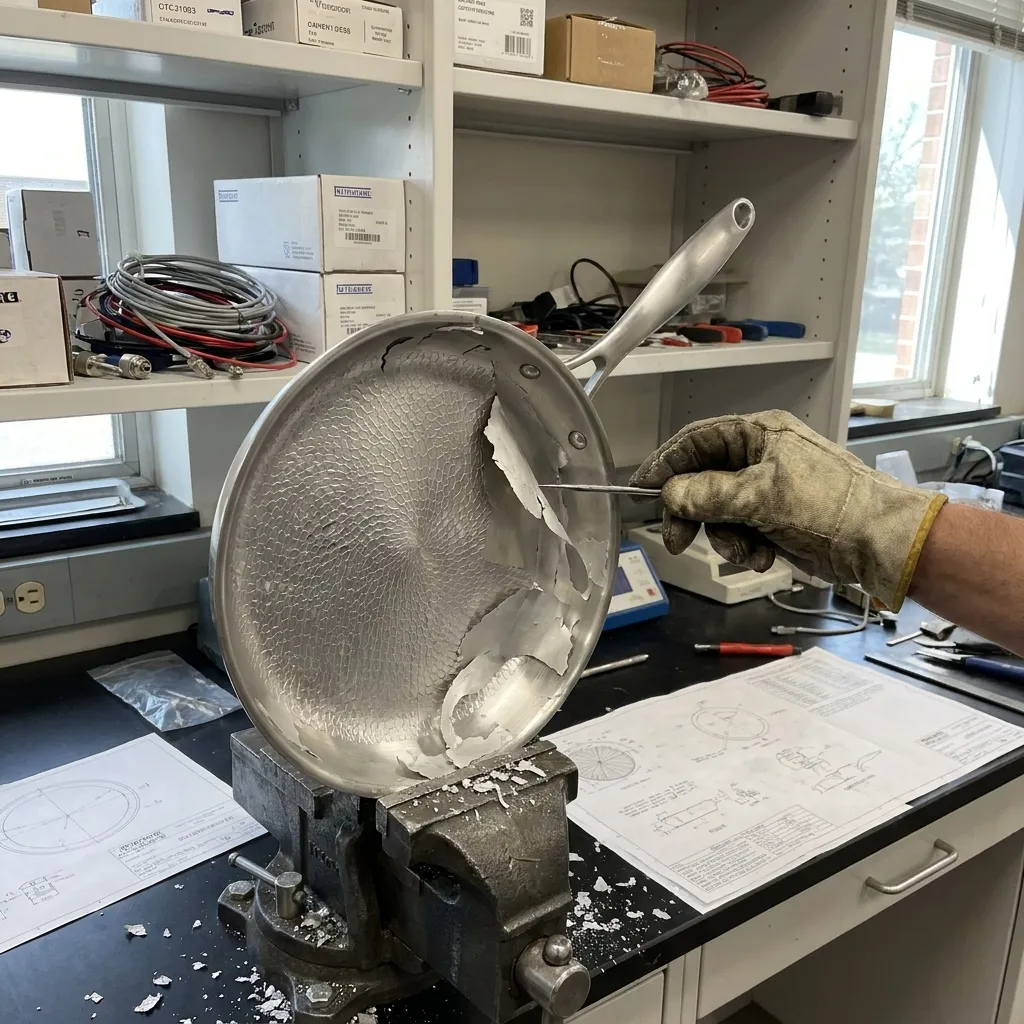
Please don't buy the big-name "titanium" pan. I've tested metals and coatings for 22 years. Six months ago I found flakes of one in my husband's eggs. Here's what I saw when I put it under a microscope, and what happened when I cooked on OMEGA for 30 days. I'm Diane Porter. I've been a materials engineer for 22 years. Not a chef. I don't sell pans. No cookware brand pays my salary. What I do is test metals and industrial coatings… what they're really made of, how they bond, and how they fail under heat and wear. I've been the person companies call when a coating peels off a part and nobody can explain why. I've been the calm voice in the room saying "here's what actually happened." And for 22 years, when friends and family asked me about their pans, I told every single one of them the same thing. Non-stick is fine. Keep the heat low. Use wooden spoons. Replace it when it wears out. Six months ago… I was the one standing at the stove. I'd bought the big one. The "titanium" pan you see everywhere. All over the ads, thousands of five-star reviews. I didn't test it. I read "titanium" on the box and I trusted it, the same way everybody does. Eleven months later I was making my husband's eggs, and I saw it. Little dark flecks in the yellow. I told myself what I've told everyone who ever asked me. "It's probably burnt butter. That pan's got years left in it." Then I looked in the pan. A grey patch, right in the center, where I had never once used metal. That pan is sitting in two pieces on my lab bench right now. And I need to tell you why. I Know What Comes Next I've watched coatings fail for my entire career. They all fail the same way. Heat cycles open tiny cracks. Every scrape thins the layer. The bond starts to let go, first in the center where it's hottest. In your kitchen, that looks like this. The eggs start grabbing by spring. A little more oil. A little more scrubbing. Then the grey patch. Then the flecks. Then you buy another one, and it starts over. Twenty pans in a lifetime, every one of them wearing off into the food on the way out. I was NOT going to let that keep happening in my own house without knowing exactly what I'd been cooking on. So I did something I should have done a long time ago. I took the pan to work and cut it in half. What I found made me furious. The Thing Nobody Mentioned In 22 Years Of Conferences Picture a pan cut in half, like a slice of cake. That's what I had under the microscope. On the bottom, the body. Aluminum. On top of that, a layer sprayed on at the factory. Thinner than a sheet of paper. And that top layer is the only thing your food ever touches. I ran the cooking surface through our spectrometer, the instrument we use to read exactly which metals are in a material. The body of the pan: aluminum. The cooking surface: a PTFE-based non-stick coating. The titanium? A trace, mixed into the coating. Just enough to print the word on the box. I went home. Got the box out of the recycling. Flipped it over. Titanium? ✓ Right there on the front. PFOA-free? ✓ Cooking surface? "Titanium-reinforced non-stick coating." It had been on the box the whole time. I bought four more. The ceramic "titanium." The "titanium hybrid." The "titanium-infused." The cheapest one on Amazon. Same thing. Same thing. Same thing. Same thing. Nearly every "titanium" pan in America puts the titanium in the name… and a coating under your food. Like buying a solid gold ring and finding out it's a gold-colored paint on tin. For 22 years I told people those pans were fine. Friends. Family. People who trusted me because this is what I do for a living. That thought still keeps me up at night. But Here's The Part That Really Made Me Sick I pulled the warranty card out of the box. "Lifetime" in big letters on the front. Then I read the back. Normal wear of the non-stick coating: not covered. The one part that fails. The only part of the pan that I would have predicted to fail. Not covered. They know. Any engineer could have told them. A coating that thin is a wear part. And "PFOA-free"? That just means one ingredient was swapped out of the recipe. Most of those coatings are still PTFE, part of the same PFAS family. I've spent 22 years reading materials data, and I never once read it for the thing I cook my husband's breakfast on. Then Someone Mentioned OMEGA A colleague. At a materials conference. Almost as an afterthought. She said her mother had been cooking on the same pan every day for over a year, and it still looked new. I asked what was on it. A real titanium cooking surface. Not a coating with titanium in it. The metal is the only thing that touches your food. Hammered into the metal itself, so food releases from the pan. And titanium does something a coating can't: it forms its own thin protective layer, naturally, from the metal itself. No PTFE. No PFAS. Nothing sprayed on, so nothing to flake. I didn't believe it. I've read too many labels now. So I ordered one, and I put it on the same bench. I looked at the cooking surface under the same microscope. No coating layer. No bond line. Nothing sitting on top of the metal. Then I took it home and cooked on it. Here's What Happened Week 1: I heated it up, a little butter, two eggs. They slid onto the plate. I told myself every new surface does that. Wear is what matters. Week 2: I picked up a steel spatula and scraped it as hard as I would in a wear test. Not a mark. I didn't say anything to anyone. One test proves nothing. Week 3: Salmon, then a steak on the highest my stove goes. A real crust, the kind I'd stopped getting at home because I was always protecting the coating. My husband looked at his plate, then at me. "You're not doing the thing with the pan." I pretended I didn't know what he meant. But I knew. Week 4: After thirty days of every meal, tomato sauce and the dishwasher included, I took it back to the lab. Same microscope. Same spot. I called over the head of our lab. Thirty years in metals. He looked at the screen. Looked at the pan. Looked at me. "What is this?" I told him. He dragged a steel scribe across the surface and looked again. Then he said something I didn't expect. "Whatever this is… I want one for my house." I went home and threw what was left of the old pan in the garbage. Here's Why I'm Telling You This Because the clock on a coated pan is shorter than most people realize. Most of them start to go within a year or two. And you don't see the day it starts. Every month you cook on one, thinking you bought the good one because it says titanium on the box, is another month of a coating wearing thin under your family's food. I almost missed it. After 22 years of doing this for a living. Knowing more about coatings than almost anyone you'll ever meet. It wasn't enough. Because I never turned the box over. OMEGA comes with a lifetime warranty and a 90-day money-back guarantee. If it isn't what I told you, you pay nothing. So please. Don't buy the big-name "titanium" pan. Don't buy the "titanium hybrid." Don't grab the cheapest one off Amazon and hope for the best. I told people that was fine for 22 years. I was wrong. Go turn your box over. Read what it says under "cooking surface." Then read the warranty. The Kitchen Health Institute compared the top 5 "titanium" pans on exactly this, and ranked OMEGA number 1. See which ones are coatings before you buy another one: 👉 omegakitchenware.com/pages/best-titanium-pans-2026 And when someone at your table looks at the pan and asks what you changed… You'll know. — Diane Porter
More from Kitchen Health Institute
⚠️ Please Don’t Get Scammed!
Kitchen Health Institute
Trusted by 100,000+ health-conscious families
Kitchen Health Institute
Trusted by 100,000+ health-conscious families
Kitchen Health Institute
Trusted by 100,000+ health-conscious families
Kitchen Health Institute
Up to 65% Off 🔥
Kitchen Health Institute
Save BIG - Up to 65% OFF
Kitchen Health Institute
Up to 65% Off 🔥
Kitchen Health Institute
Save BIG - Up to 65% OFF
Kitchen Health Institute
🍳 Don’t Blame Your Cooking — Fix The Coating First
Kitchen Health Institute
🍳 Don’t Blame Your Cooking — Fix The Coating First
Kitchen Health Institute

Cast iron is heavy. Carbon steel rusts.
Kitchen Health Institute
Cast iron is heavy. Carbon steel rusts.
Kitchen Health Institute

 Add to Chrome