⚠️ Please Don’t Get Scammed!
Ad Copy
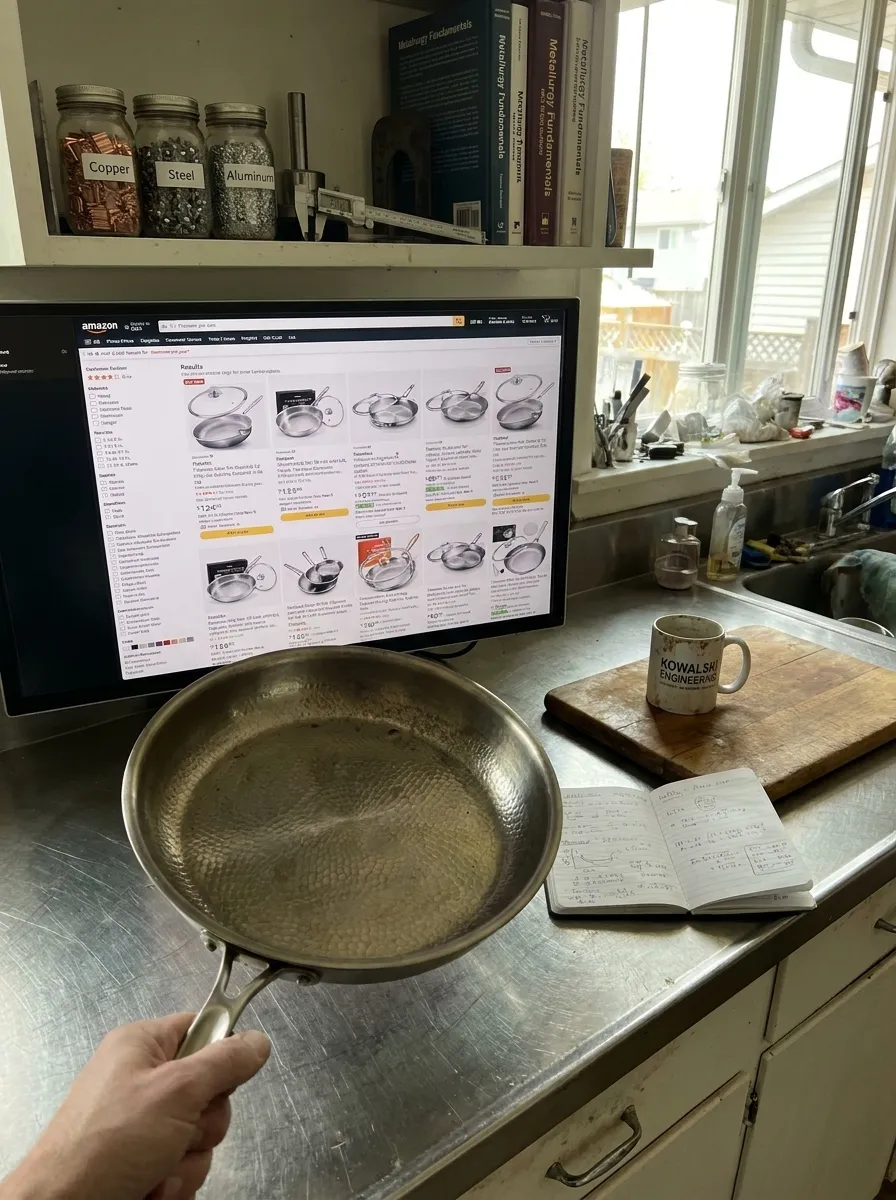
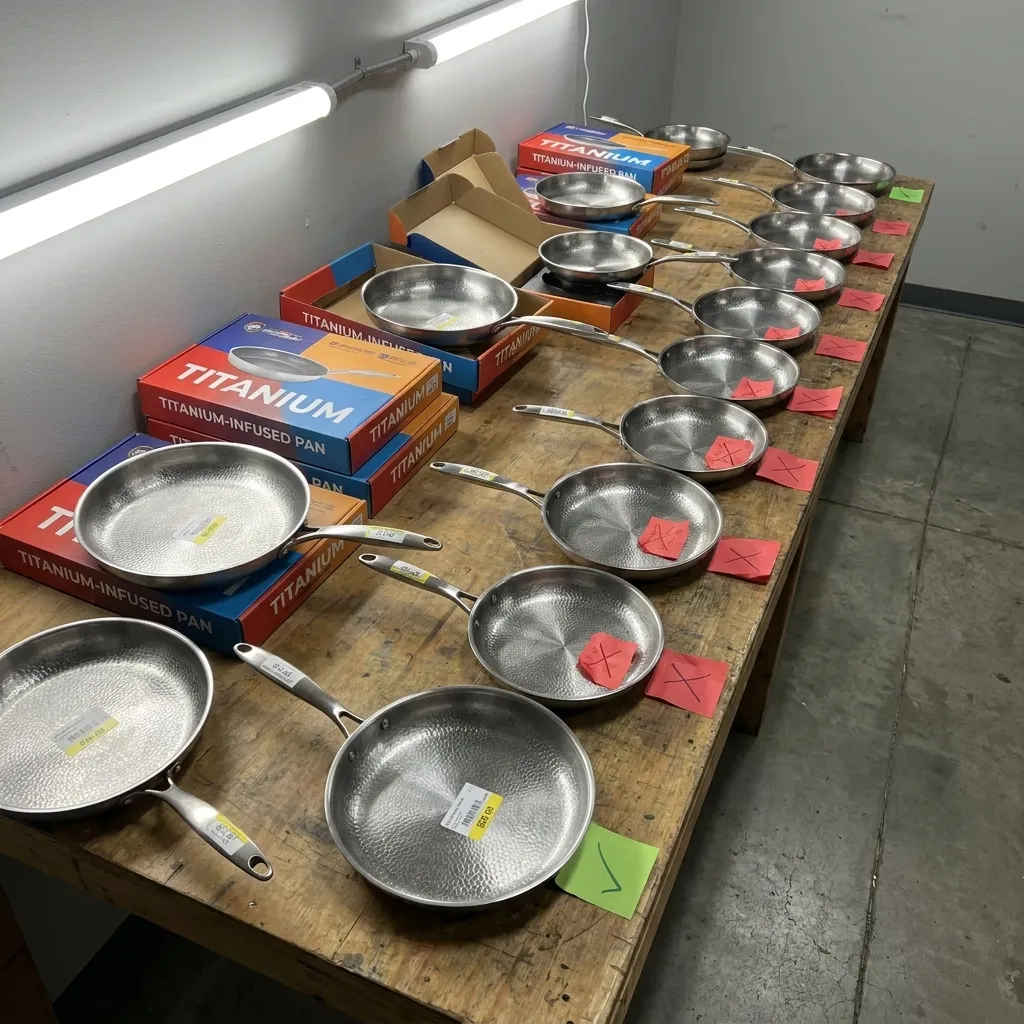
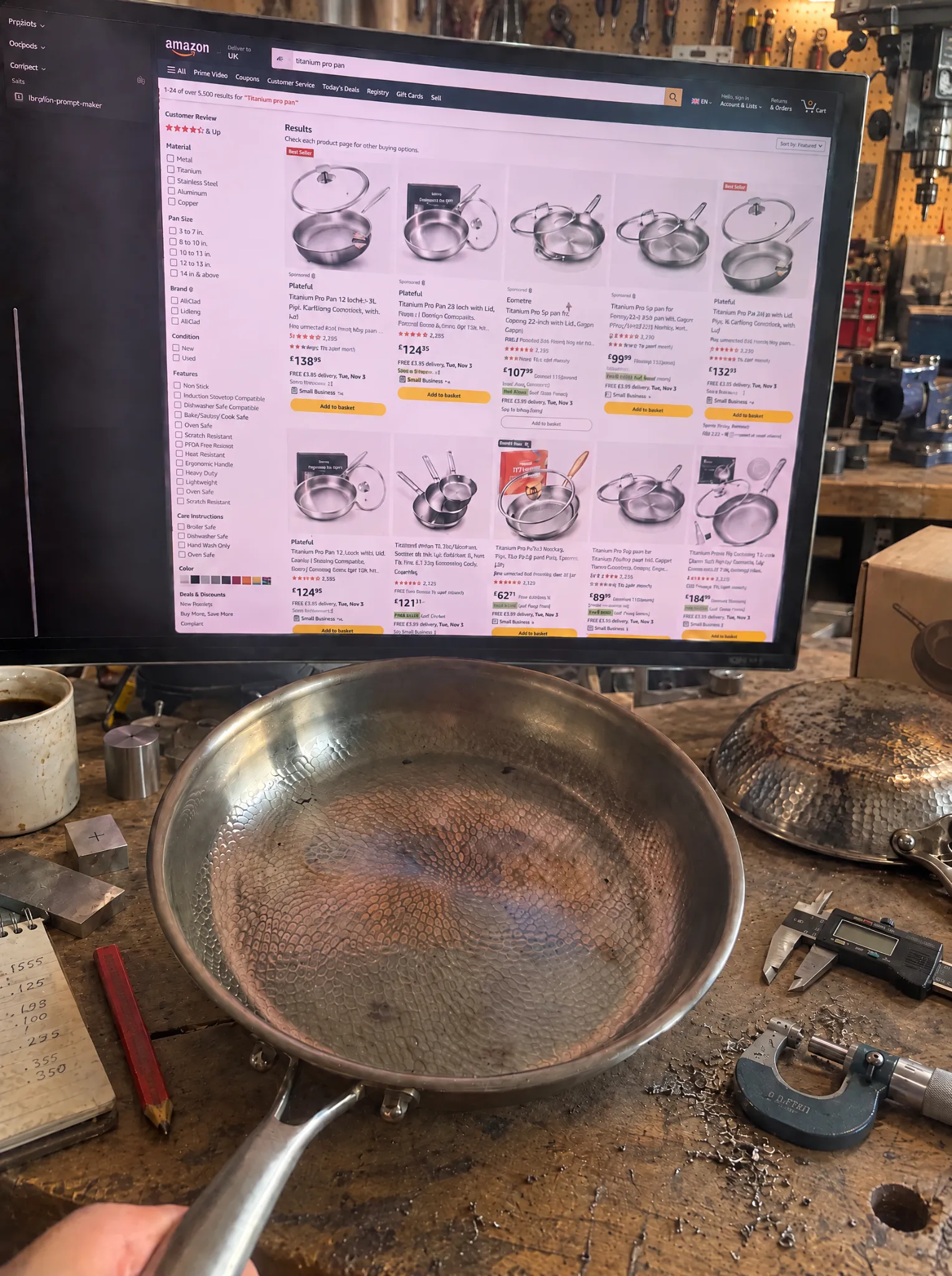
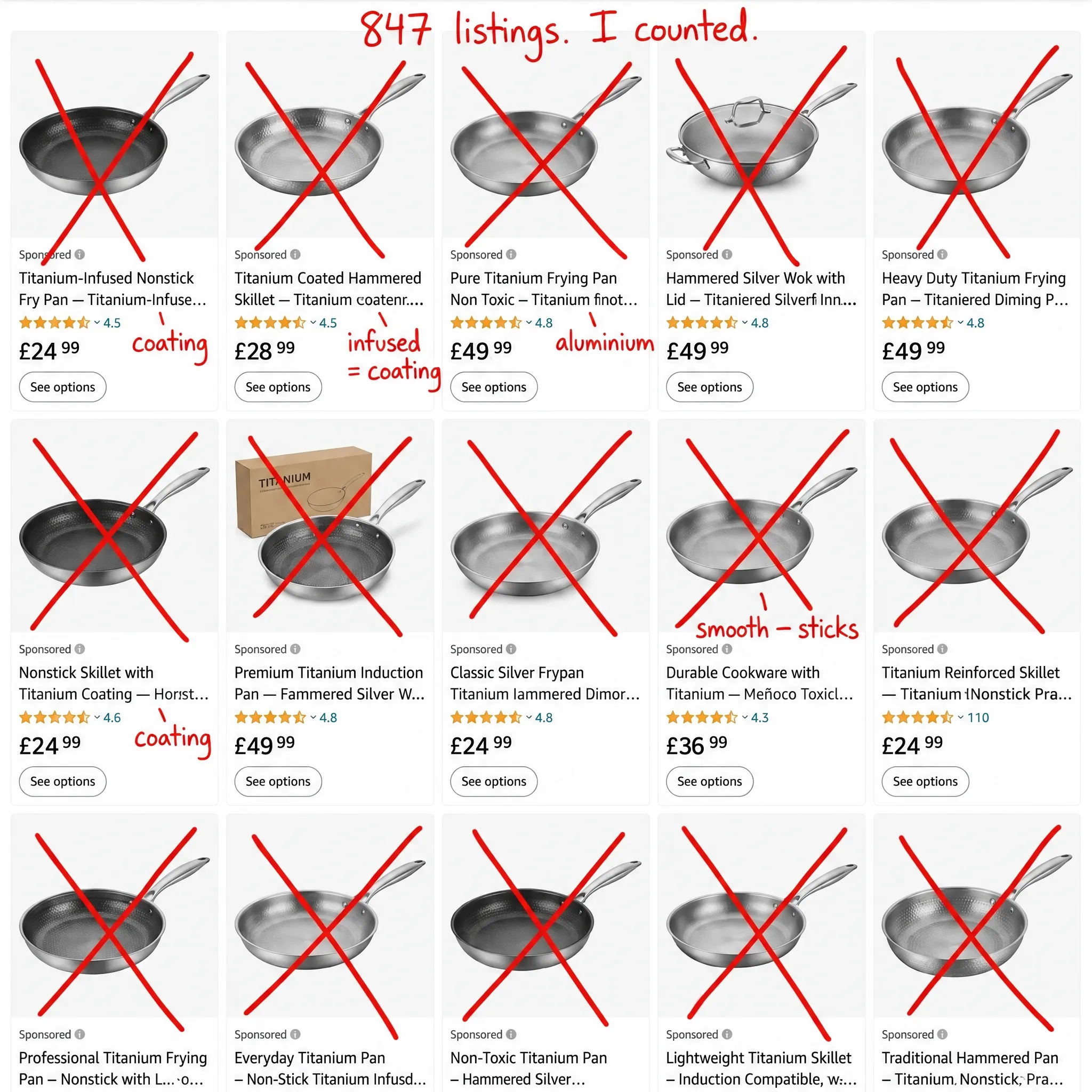
There are currently 847 "titanium" frying pans listed on Amazon. I know because I counted. Every single one of them claims to be non-stick, non-toxic, and built to last. Fewer than a handful are made in a way that allows titanium to actually touch your food. Here is exactly what separates the ones that work from the 840+ that do not. My name is Walter Kowalski. I have been a metals engineer for 30 years in the UK, and I have spent my whole career working with titanium. I counted those 847 listings on a Tuesday afternoon, after the third person that week asked me the same question. A neighbor. A friend from church. My own sister. Each of them had tried two or three "titanium" pans. All of them had started sticking within a couple of months. Most had started flaking. And each of them had come to the same conclusion: "Titanium pans just don't work." As an engineer, that conclusion bothered me. Because it is wrong. The material is real. The construction is what is broken in almost everything making the claim. Here is why titanium works, and the 4 variables that decide whether any pan on that list actually delivers it. Titanium is one of the most inert metals on earth. It does not react with food, acids or heat. It is why surgeons have put it inside the human body for more than fifty years. A cooking surface made of real titanium has nothing to leach, nothing to flake, and nothing to wear off. Pair it with the right surface texture, and food releases from the metal itself — no chemical layer required. Over time, the surface builds its own protective oxide layer and picks up a faint golden tint. It does not degrade with use. It improves. That is what every one of those 847 pans is claiming to deliver. Here is why 840-plus of them cannot. Variable 1: the cooking surface. This is the largest failure by far. The overwhelming majority of "titanium" pans are aluminum pans with a sprayed-on non-stick coating, with a small amount of titanium particles mixed into the spray. "Titanium-infused." "Titanium-reinforced." "Titanium-enhanced." The titanium is in the coating. Your food touches the coating. And the coating does exactly what every non-stick coating does: it works for a few months, then scratches, dulls, sticks and flakes. In engineering we call that a sacrificial layer. It is designed to wear away. This single variable eliminates roughly 90% of the market before anything else is considered. Variable 2: the surface texture. For a titanium pan to work, the cooking surface has to be titanium — real metal, bonded on, not sprayed. But the shape of that surface matters just as much. A perfectly smooth titanium surface grabs food. Eggs stick. Fish tears. Some brands that do use real titanium leave the surface smooth because it is cheaper to produce, and then quietly add a coating on top to fix the sticking — which puts you right back where you started. The surface needs to be hammered: thousands of small dimples that lift food off the contact points, so the metal itself releases the food. Of the few pans that pass the first test, most fail here. Variable 3: heat. Titanium is excellent at many things. Conducting heat is not one of them. I've measured it for decades: a pan made only of titanium heats unevenly — a hot spot in the center, cold edges, food burning in one place and raw in another. Titanium needs to sit on top of something that spreads heat fast and evenly — an aluminum core — with titanium only where the food touches. Very few pans get this right. The ones that do rarely tell you what is underneath. Variable 4: who stands behind it. Many of these listings come from sellers that appear, sell for a few months, and disappear under a new name. No company. No support. No guarantee that means anything. A pan that is supposed to last a lifetime needs a company that will still be there when you need it — and a guarantee that says so in writing. Of the 847 listings, the number with a lifetime guarantee from a company you can actually reach is vanishingly small. Run every pan on that list against these 4 variables. Cooking surface. Surface texture. Heat. Who stands behind it. Almost nothing passes all 4. OMEGA passes all 4. A pure titanium cooking surface. Hammered finish. No coating anywhere. An aluminum core for fast, even heat. Metal-utensil safe. Lifetime guarantee. 90-day money-back trial. Sold only at omegakitchenware.com. Available in 9", 10", 11" and 12", with or without lid. My sister was the first one I told. She said what everyone says: "I've tried a titanium pan before and it failed. I almost don't want to try this." That is the real damage these 840-plus pans do. Every pan that fails trains people to distrust the material. Not the product. The material. Which is real, and which works when all 4 variables are correct. She tried it. Three months later, her eggs still slide. 90-day money-back guarantee. If your eggs still stick, if it scratches, if nothing changes — send it back and get your money back. Cook on it for the first two weeks and learn the preheat. Cook on it again at 90 days. Let the pan tell you whether what 847 listings claimed and could not deliver has finally been delivered correctly. 👉 omegakitchenware.com/pages/best-titanium-pans-2026 — Walter Kowalski Metals engineer, 30 years P.S. There is no rule that says how much titanium a pan needs before it can print the word on the box. A coating with a trace of titanium dust can legally be sold as a "titanium pan". The companies selling these pans know exactly what is in their coating. When a listing cannot tell you whether the titanium is a coating or the actual cooking surface, that silence tells you everything. P.P.S. Do not throw out every pan you own on day one. Keep your cast iron. Keep your stockpot. Add OMEGA to what you already use, cook on it every morning for two weeks, and let the eggs make the argument. Then decide what stays.
More from Walter Kowalski
⚠️ Please Don’t Get Scammed!
Walter Kowalski
⚠️ Please Don’t Get Scammed!
Walter Kowalski
⚠️ Please Don’t Get Scammed!
Walter Kowalski
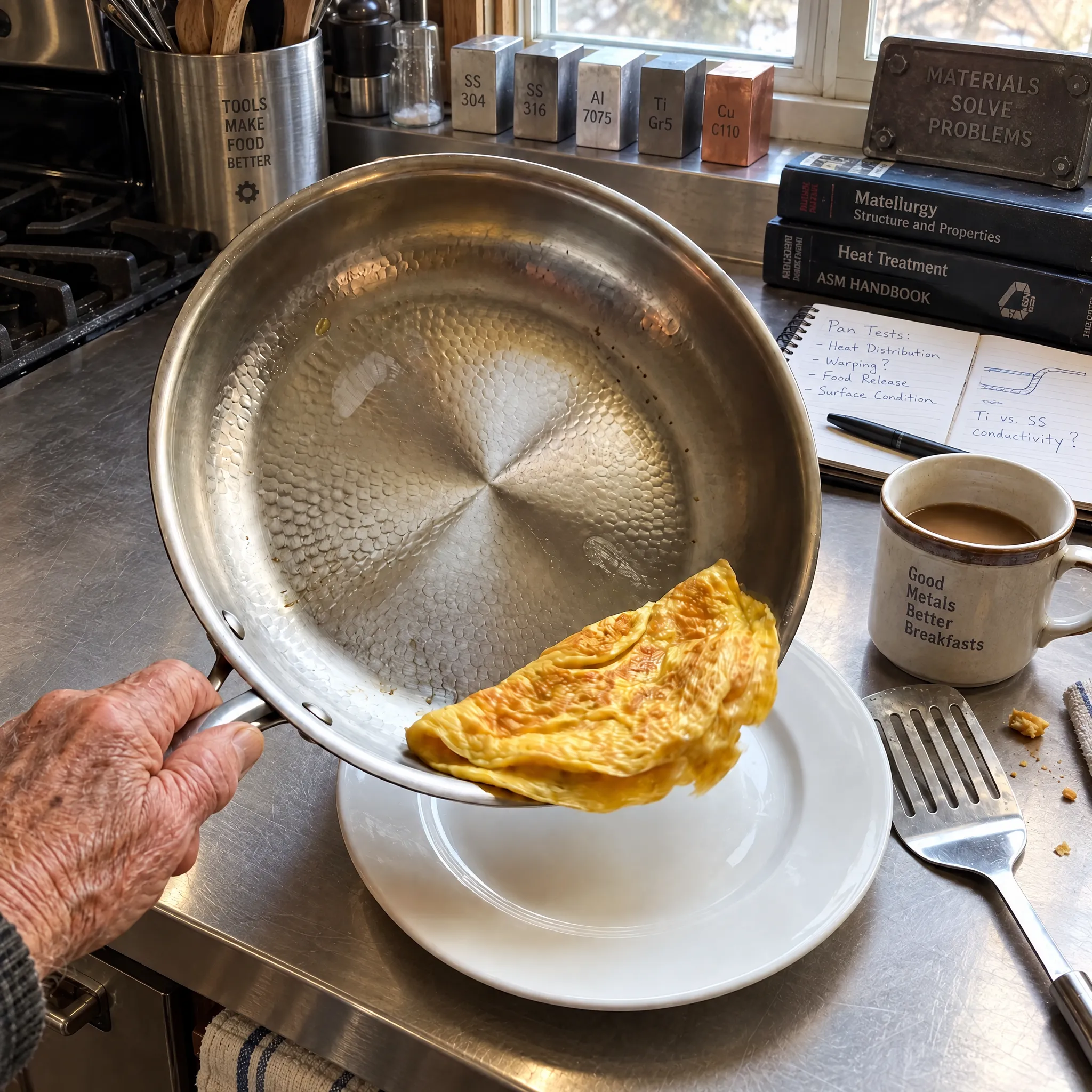
Metal Engineer Explains the “Titanium” Pan Problem
Walter Kowalski

Get 40% off week 1 + 20% off next 2
Frive

Special Final Hours Offer ⏰
Vinh Giang

👉 Take a Quiz
Calorie Counter & Food Tracker
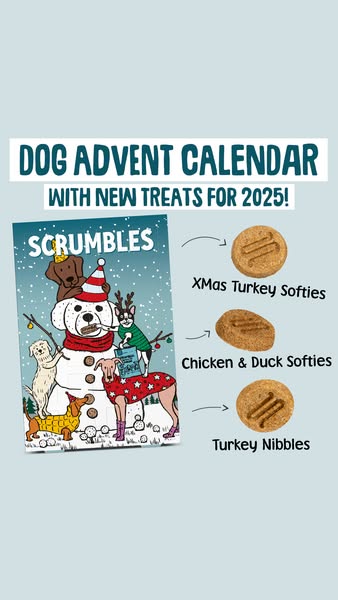
Dog Advent Calendar, Only £8!
Scrumbles

Ehrhardt + Partner Group
Stepstone.de

Focus Music That Actually Works
Brain.fm

One Bag Travel
Ministry of Supply

Leverage AI Like NEVER Before
Arcads AI

 Add to Chrome