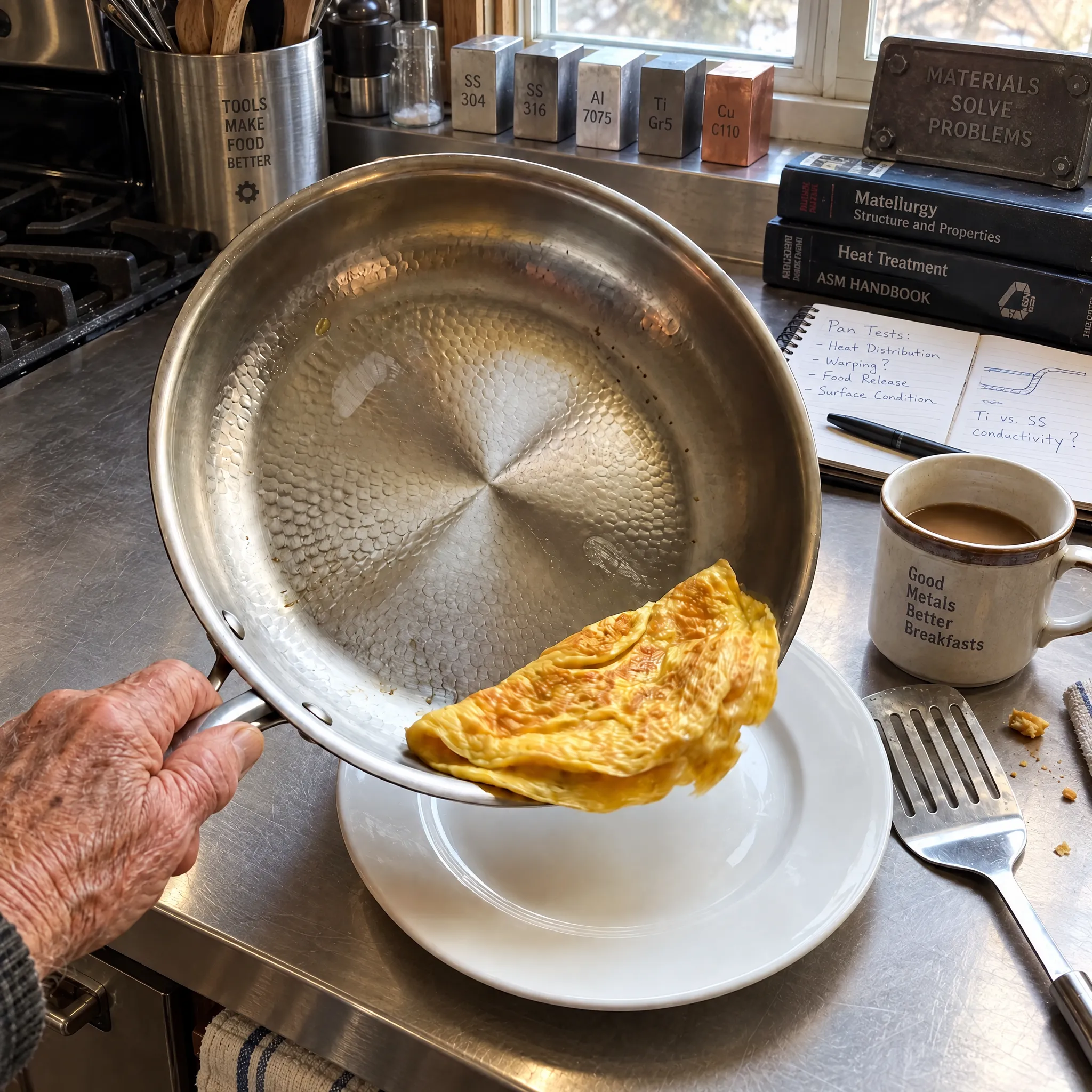
Metal Engineer Explains the “Titanium” Pan Problem
Ad Copy
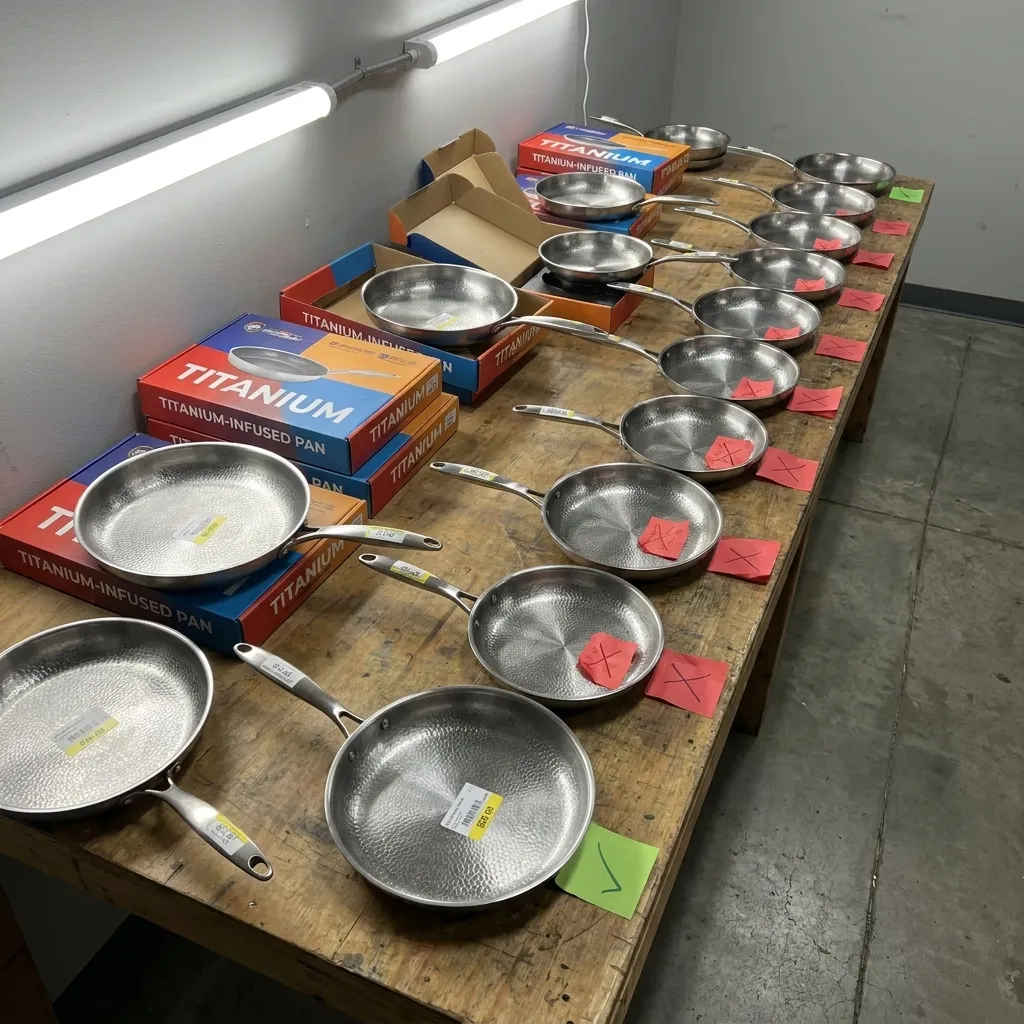
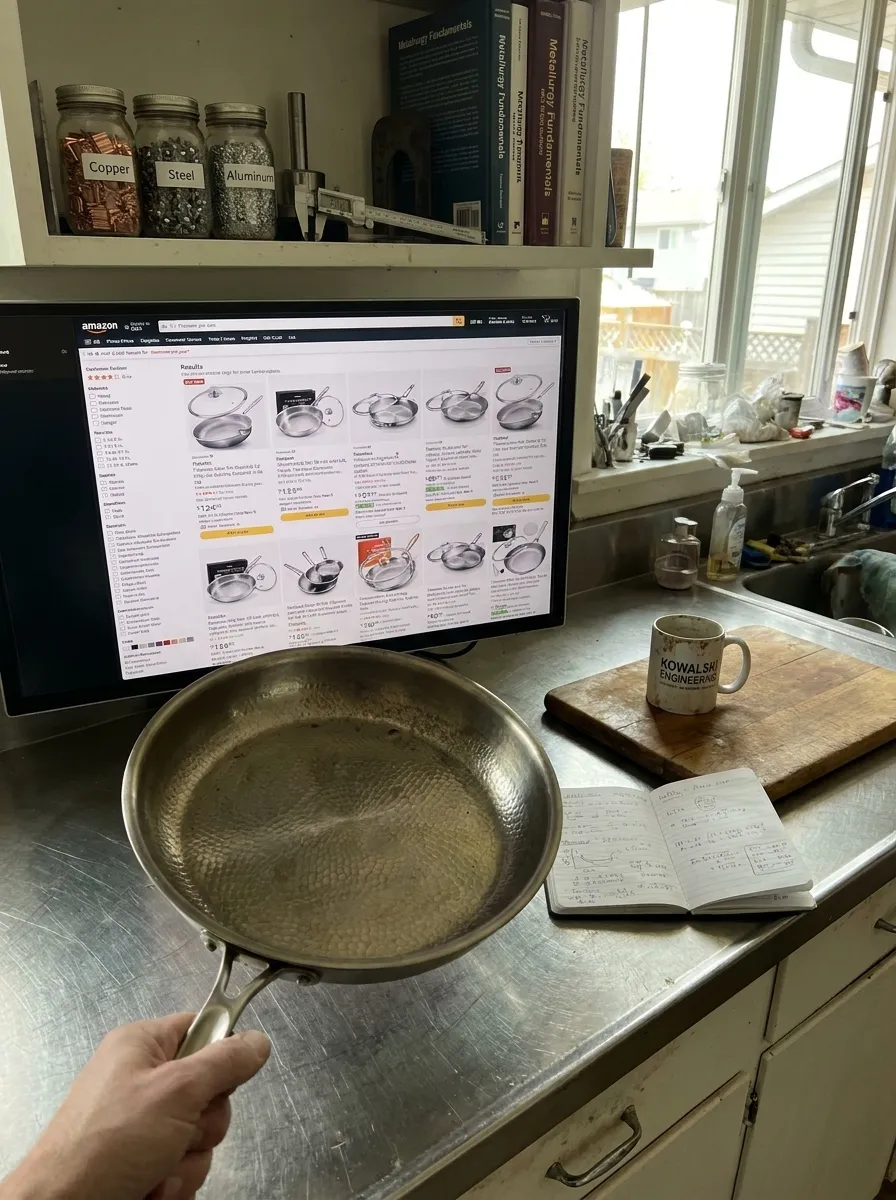
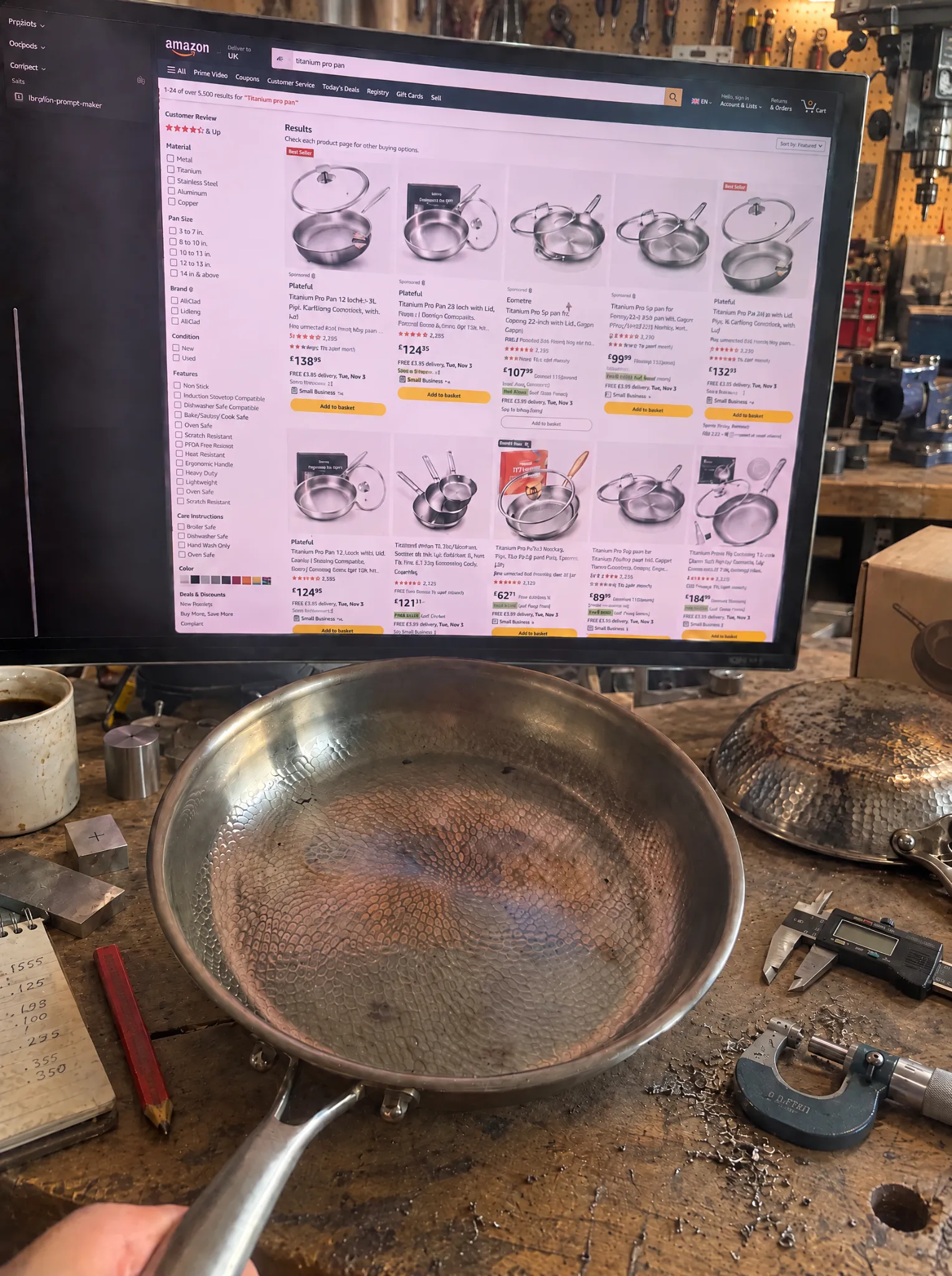
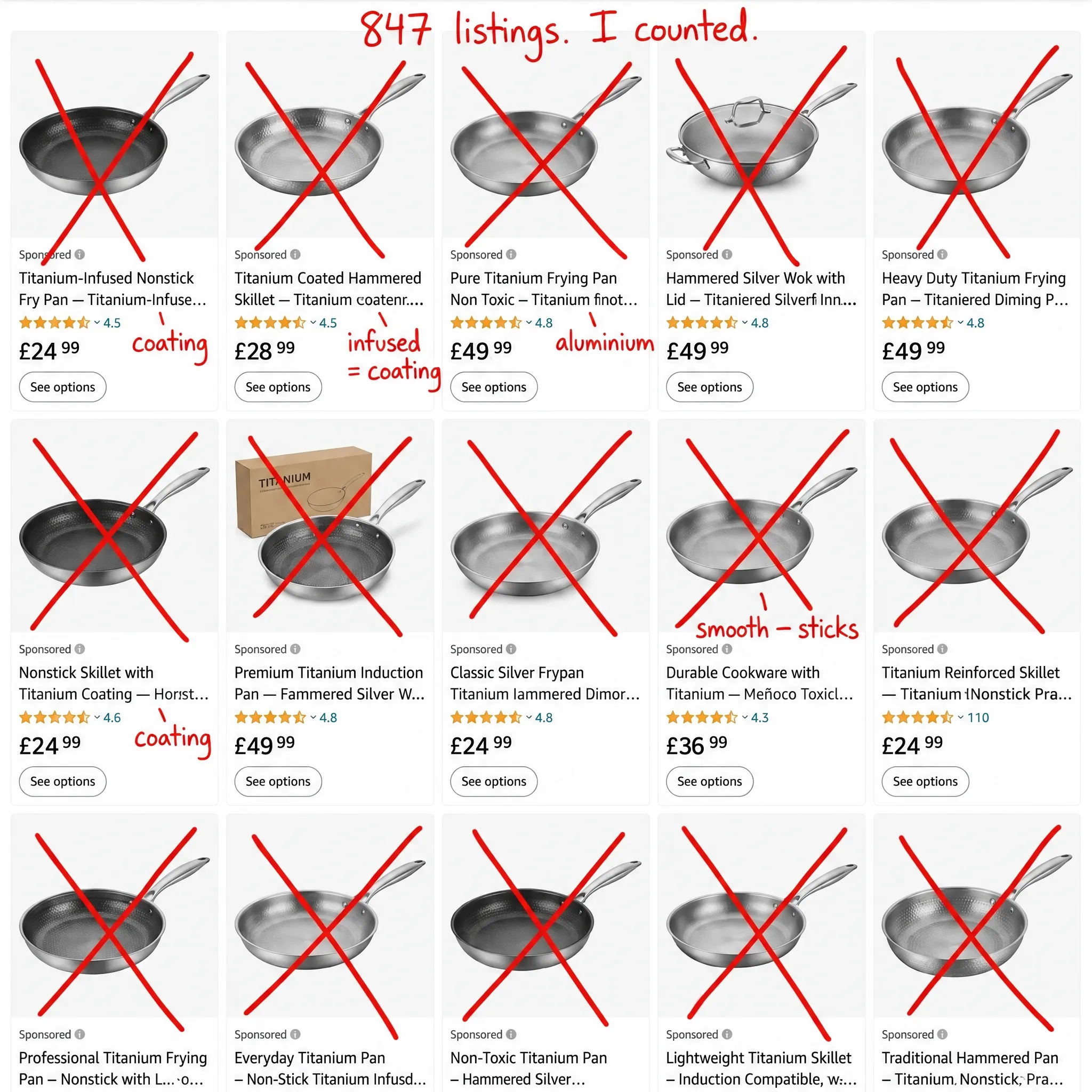
I'm going to lose my f*cking mind if one more person tells me their "titanium" pan started sticking after four months and asks me which brand they should buy next. None of them. Not until you understand what you're actually buying. My name is Walter Kowalski. I'm a metal engineer. I've spent years studying metals, surface treatments, and how materials behave under heat, pressure, and repeated use. And one of the biggest misunderstandings I see in cookware is the word "titanium." Because most pans marketed as "titanium" aren't solid titanium. They're aluminum pans with a non-stick coating. Sometimes titanium is incorporated into that coating. But that doesn't make the cooking surface solid titanium. And if your problem is a coating that wears out, buying another pan with a different coating isn't solving the problem. It's repeating it. Think about that for a second. You're replacing the same component over and over, expecting a different result because the box has a different name on it. Let me explain why that matters. A few months ago, I was examining a pan someone had brought to me. It was marketed as "titanium-reinforced." The owner had paid $49 for it and had used it carefully for seven months. Low heat. Silicone utensils. Hand washing. Yet the eggs were sticking, the centre had become dull, and small dark spots had appeared on the cooking surface. I turned the pan over and checked the packaging. There it was in the small print: "titanium-reinforced non-stick coating." That wording tells you something important. The manufacturer is describing a coating reinforced with titanium, not necessarily a cooking surface made entirely of titanium. Those are two very different things. From an engineering perspective, the distinction is fundamental. A coating is a separate surface layer applied to a base material. Its performance depends on its composition, thickness, adhesion, and resistance to repeated heating and mechanical wear. Over time, some coatings can deteriorate. Depending on the coating and how the pan is used, that deterioration can affect release performance and cause food to stick. Adding titanium to a coating doesn't magically turn that coating into solid titanium. And changing the marketing language doesn't change the underlying construction. The owner of that pan had already replaced two others. Three pans in two years. At approximately $49 each, that was $147 spent on cookware that hadn't delivered the long-term performance they expected. The problem wasn't necessarily that they had chosen the wrong brand. The more important question was whether they understood what the cooking surface was actually made of. That's the question I want people to start asking. What is the material that actually touches your food? Not what is printed in large letters on the front of the box. Not what appears in the product name. The actual cooking surface. Because "titanium-reinforced," "titanium-infused," and "solid titanium" are not interchangeable descriptions. A titanium-reinforced coating is still a coating. A titanium-infused product may use titanium in a surface treatment or composite. A solid titanium cooking surface is a different construction altogether. If you're comparing pans, you need to know which one you're looking at. So what about a pan made from real titanium? Titanium is a genuine engineering material with an excellent strength-to-weight ratio and strong corrosion resistance. It also forms a stable, protective oxide layer on its surface. But there's an important detail most cookware advertisements leave out. Titanium isn't automatically non-stick. Like other metals, titanium can allow food to adhere if the pan is used incorrectly or if the surface and cooking conditions aren't suitable. Temperature control, preheating, the amount of fat used, and cooking technique all matter. That means a real titanium pan isn't a magic solution that makes every egg slide off without effort. The material matters. The surface design matters. And the way you cook matters. This is where hammered titanium cookware enters the discussion. A hammered surface has a pattern of small indentations across the metal. Depending on the design and how the pan is used, that texture can influence how food contacts the surface. However, texture alone doesn't guarantee non-stick performance. A hammered surface and a solid titanium construction are two separate characteristics, and neither should be confused with a conventional non-stick coating. You need to understand both before deciding what you're buying. Here's the mistake I see consumers make repeatedly. They focus on the word "titanium" and assume it tells them everything they need to know. It doesn't. The first problem is the coating. If the cooking performance depends on a non-stick layer, that layer can deteriorate over time. The second problem is the material. Titanium incorporated into a coating is not the same as a solid titanium cooking surface. The third problem is the label. Marketing terminology can sound technical without telling you the full construction of the pan. You need to look beyond the headline and read the actual product specifications. The fourth problem is how people judge durability. A pan that performs well during its first few weeks hasn't necessarily demonstrated long-term performance. Early reviews cannot tell you everything about how a cooking surface will behave after months or years of use. That is why I believe consumers should evaluate cookware based on its actual construction, documented performance, and warranty terms rather than simply buying whichever box makes the biggest promises. I started looking more closely at the titanium cookware market with exactly those questions in mind. Which products clearly disclose their construction? Which rely on coatings? Which provide meaningful warranty protection? And what evidence supports the claims made about their cooking surfaces? The Kitchen Health Institute's comparison presents five popular titanium pans and identifies OMEGA as its number-one choice, describing it as having a hammered titanium cooking surface without a non-stick coating. Those are the kinds of product claims worth examining carefully before making a purchase. Check the published methodology, the construction details, and the warranty terms yourself rather than relying on a ranking alone. OMEGA also advertises a lifetime guarantee and a 90-day money-back trial. Read the applicable terms to understand exactly what those promises cover. Here's my advice as a metal engineer. Before buying another pan, turn the box over. Look for the actual material description. Determine whether titanium forms the cooking surface itself or is incorporated into a separate coating. Check whether the manufacturer clearly explains the construction and backs its durability claims with meaningful warranty terms. Don't assume that every pan containing titanium is a solid titanium pan. And don't assume that a solid titanium pan will automatically cook like a conventional non-stick pan. Material properties and cooking performance are related, but they aren't the same thing. If you've spent years replacing coated pans because their performance deteriorates, it makes sense to investigate alternatives built differently. The objective shouldn't be to find a coating with a more impressive name. It should be to understand what you're paying for and choose cookware that fits your needs. See the five-pan comparison and examine the product details here: 👉 https://omegakitchenware.com/pages/best-titanium-pans-2026 P.S. The next time a box says "titanium-reinforced," ask one question: Is the cooking surface solid titanium, or is titanium incorporated into a coating? Those descriptions mean different things. A clear answer is more useful than another impressive marketing phrase. P.P.S. Remember that real titanium is not automatically non-stick. Surface design, preheating, temperature control, and cooking technique all play a role. If you're considering a hammered titanium pan, examine its construction, follow the manufacturer's cooking instructions, and check the guarantee before buying.
More from Walter Kowalski
⚠️ Please Don’t Get Scammed!
Walter Kowalski
⚠️ Please Don’t Get Scammed!
Walter Kowalski
⚠️ Please Don’t Get Scammed!
Walter Kowalski
⚠️ Please Don’t Get Scammed!
Walter Kowalski

[115+ Quick-Wins] Shopify SEO Checklist
Benjamin Golden

SOLD OUT in 48 hours last year
Purdy & Figg

Treat yourself to more elastic, hydrated and radiant skin ✨ Take one delicious sachet daily 💧 11,000mg of premium marine collagen 🍓 Choose from great tasting flavours
Zooki

Buy One Get One Free on Designer Inspired Fragrances!
The Essence Vault

𝘗𝘳𝘪𝘤𝘦𝘴 𝘢𝘴 𝘭𝘰𝘸 𝘢𝘴 3.99$ - 𝘗𝘙𝘌𝘔𝘐𝘜𝘔 𝘞𝘖𝘖𝘋𝘌𝘕 𝘑𝘐𝘎𝘚𝘈𝘞 𝘗𝘜𝘡𝘡𝘓𝘌𝘚
PuzzlesUp

Stepstone ist deine helfende Hand, wenn es um den richtigen Job und dein Gehalt geht!
Stepstone.de

🤢 Ditch Dog Breath Naturally! 🦷
Fettle

Download for free
Calo AI

 Add to Chrome