2AM hotel room discovery
Ad Copy
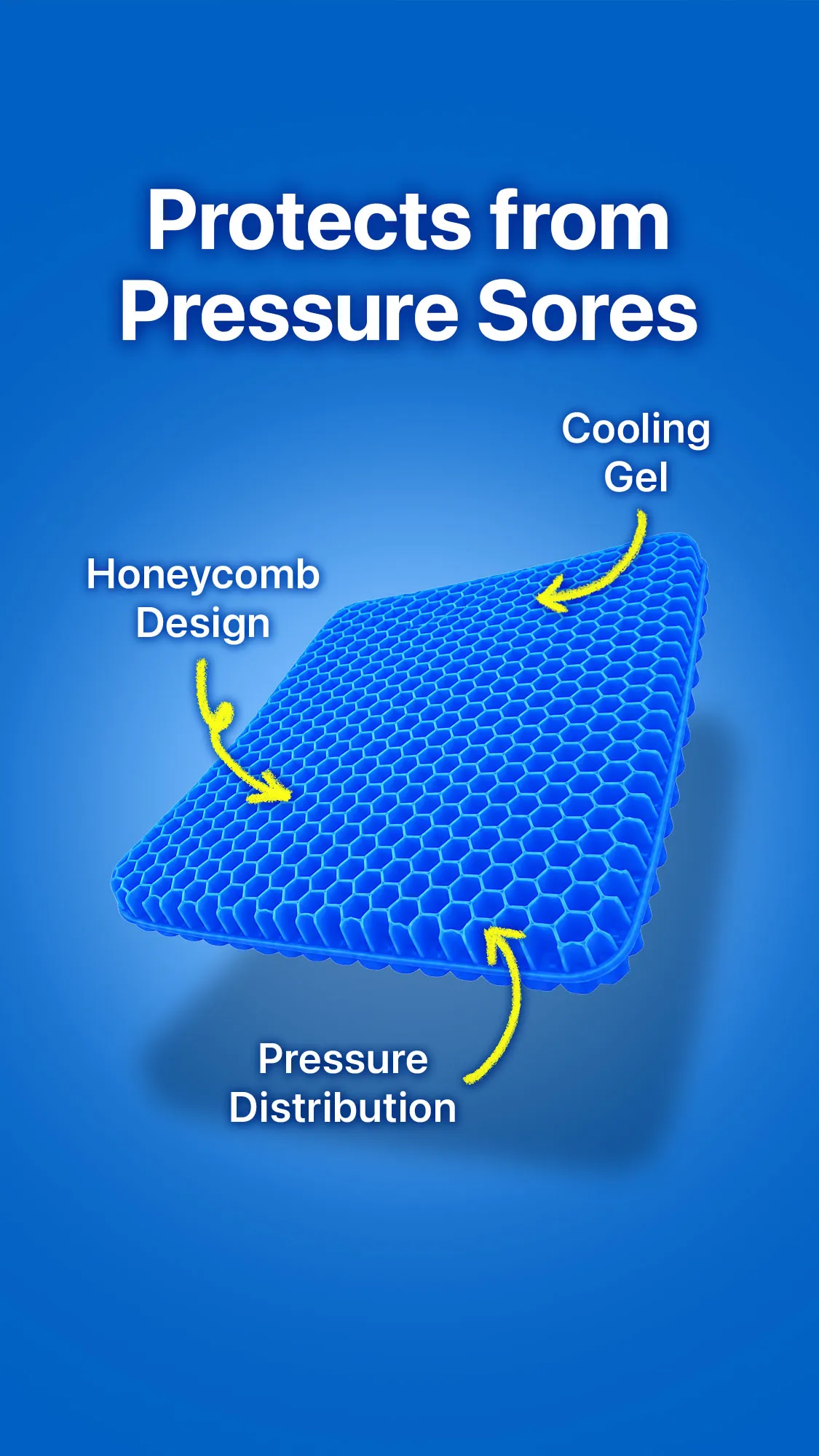
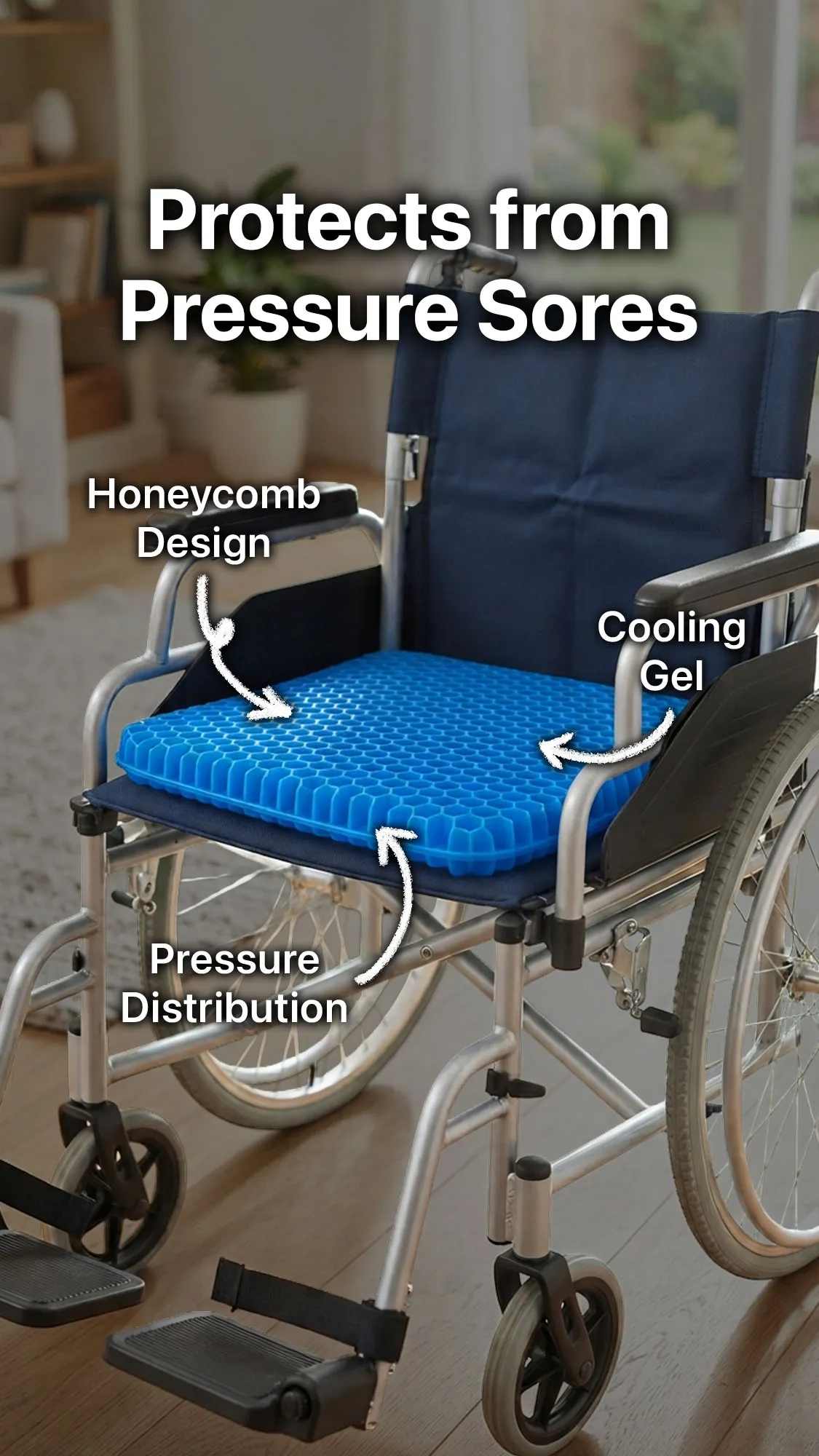
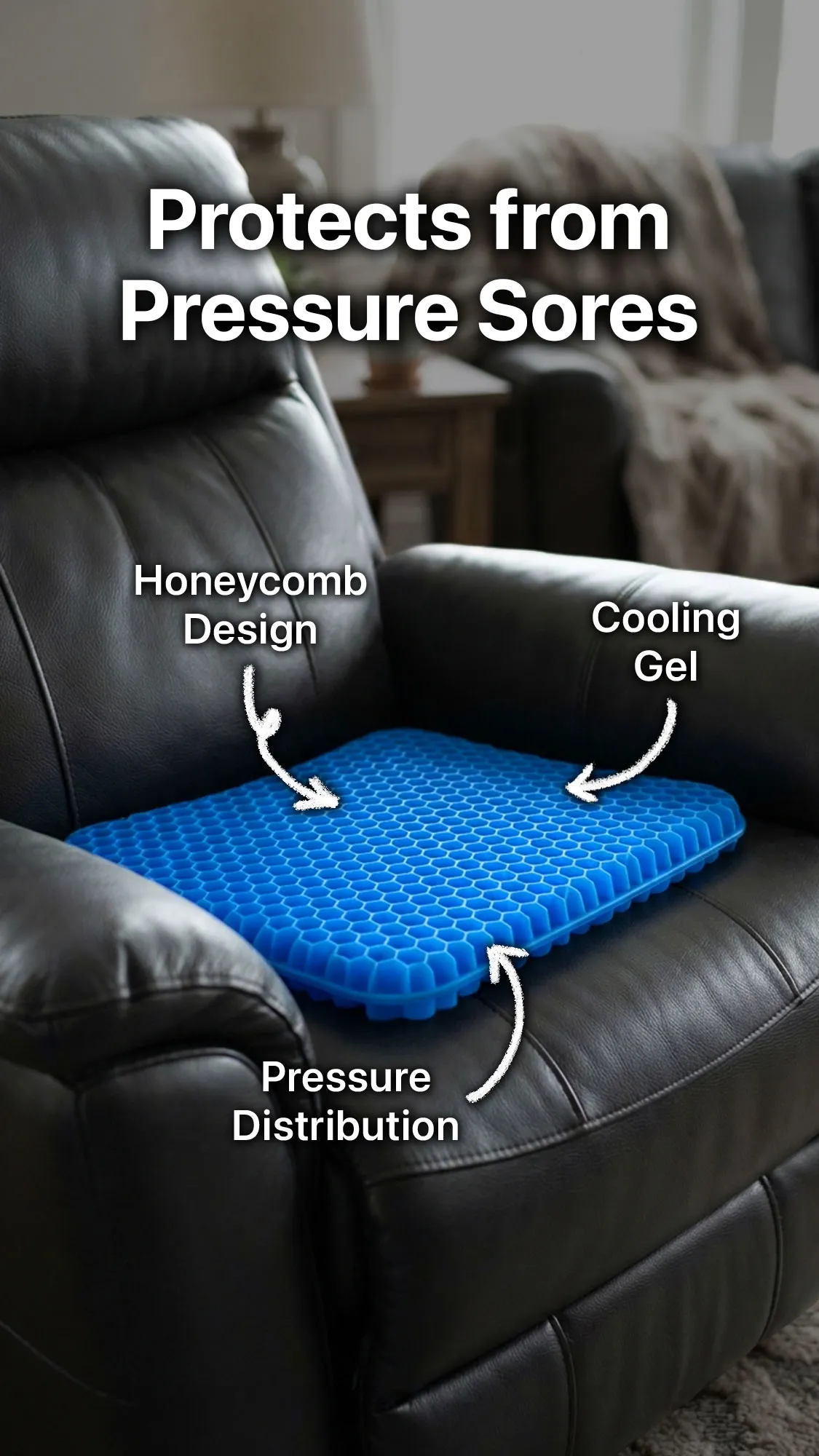
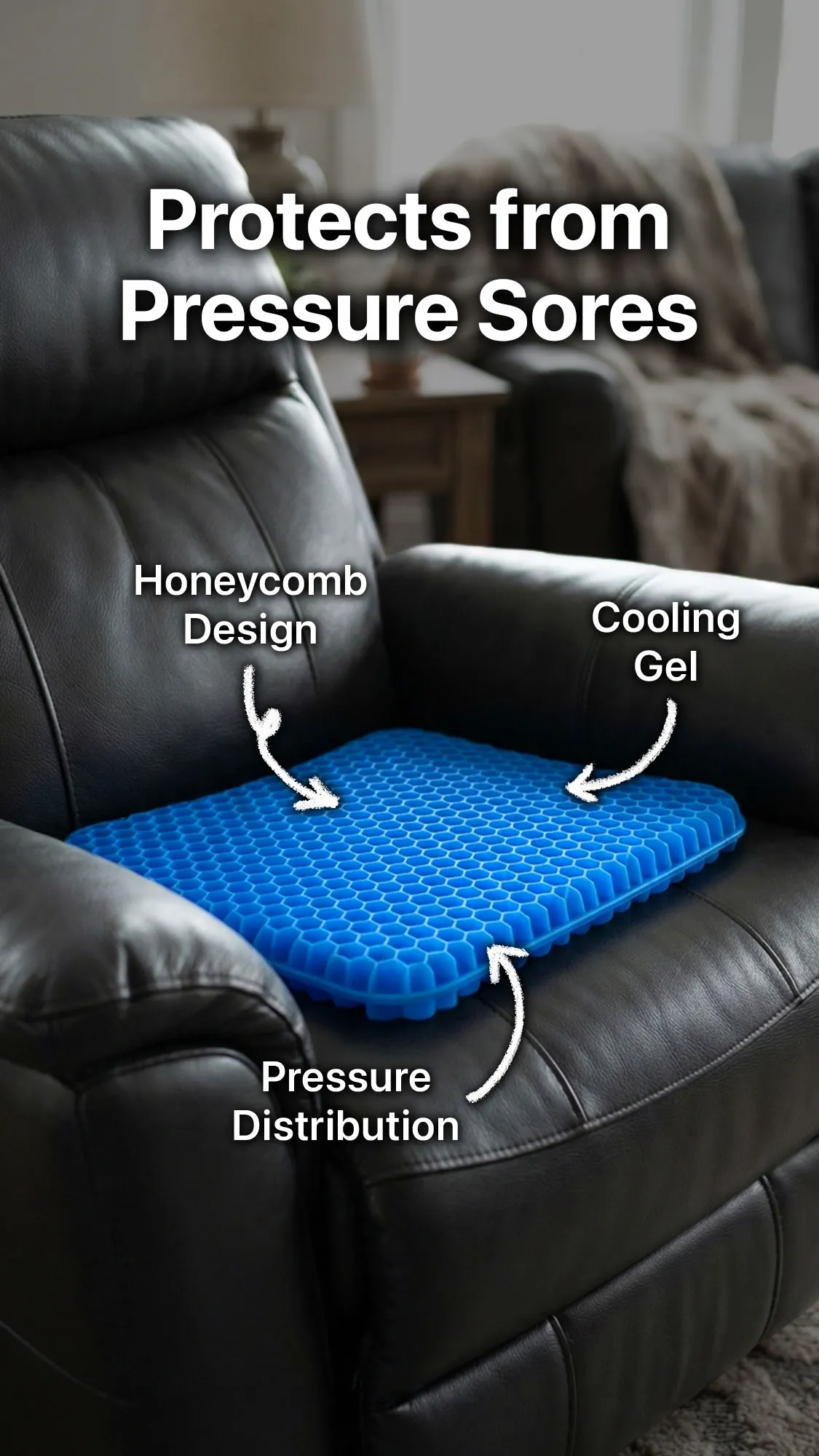
My father whispered "I'm sorry I ruined this" on the flight home from Washington DC. He was 76. This was supposed to be the trip of a lifetime. When he mentioned wanting to see the WWII memorial "before I'm too old," something in his voice made my stomach drop. Not the words themselves… the resignation behind them. Like he was setting a deadline on his own relevance. I booked the tickets that night. Didn't ask, didn't discuss. Just did it. Four days in DC. The memorial, Arlington, the museums he'd talked about my entire childhood but never visited. I thought I was giving him a gift. The drive to the airport should have been my first warning. Two hours. He shifted position eleven times. I counted because I didn't know what else to do. Every time he moved, I'd see his jaw clench. That thing he does when he's in pain but doesn't want to admit it. Same look he had when he worked through a separated shoulder for three weeks before Mom finally dragged him to the doctor. "Dad, you okay?" "Fine. Just stiff from the couch." Liar. The flight was worse. We boarded early, his limp qualified us for pre-boarding, which he hated. I watched him lower himself into the window seat and saw something I'd never seen before. Fear. Not of flying. Of sitting. Halfway through the two-hour flight, he was sweating. Not warm-sweating. Pain-sweating. His hands were gripping the armrests so hard his knuckles had gone white. He kept trying to shift his weight, but there was nowhere to go. You can't escape an airplane seat at 30,000 feet. I asked if he needed anything. "I'm fine." He wasn't fine. Day one in DC, we made it forty minutes at the WWII memorial. Forty minutes. He'd waited 76 years to see this thing, and we lasted less than an hour. Not because he wasn't interested. Not because he was tired. Because every bench we sat on became a timer. Fifteen minutes and I'd see him start to struggle. Twenty minutes and he'd be looking for a reason to stand. Twenty-five and he'd give up pretending. We were standing in front of the Pacific theater section, his uncle died at Iwo Jima, and he should have been taking it in, remembering, feeling something. Instead he was calculating how long until he could sit down. Then calculating how long he could stay sitting before the pain got unbearable. Then calculating whether it was worth sitting at all. The entire memorial became a math problem he couldn't solve. We left early. He said he was tired. More lies. That night in the hotel, I couldn't sleep. I was angry. Not at him… at myself. I'd planned this trip for months. Read reviews, mapped routes, booked a hotel near the memorials so he wouldn't have to walk far. I'd thought of everything. Except the one thing that was destroying him. I'd never asked about the sitting. Never thought about car seats, airplane seats, museum benches, restaurant chairs. Never considered that every single moment of this trip required him to do the one thing his body couldn't handle anymore. I'd accidentally designed four days of torture disguised as a gift. It was 2:30 AM when I started googling. Not "back pain relief" or "travel tips for seniors." I'd gone down those roads before, found nothing useful. This time I searched something more specific: "why does sitting hurt elderly during travel" Found an article about pressure ulcers in wheelchair users. That stopped me. Pressure ulcers. Bedsores. The things that happen to people who can't move, whose body weight stays pressed into one surface for too long. The article explained that it's not about age or weak muscles or bad backs. It's about physics. When you sit, your entire body weight concentrates into a few square inches. Your sit bones. Your tailbone. The back of your thighs. Those pressure points compress tissue, squeeze blood vessels shut, pinch nerves. After about twenty minutes, your body starts screaming at you to move because tissue is literally being starved of oxygen. That's why my father shifted every fifteen minutes in the car. That's why he couldn't stay seated at the memorial. That's why the airplane was agony. But here's the part that made me sit up in bed: The article said travel seating is specifically worse. Airplane seats are thin and dense because they need to fit more passengers and survive crashes. Car seats are firm and bolstered for safety standards. Museum benches are hard wood or metal. None of it is designed for human tissue. It's all designed for space efficiency and liability protection. My father wasn't weak. The entire transportation and tourism infrastructure was systematically hostile to anyone with circulation issues. And nobody tells you this. Not his doctor. Not the airline. Not the travel sites that sold me this trip. They just let you figure it out after you've spent three thousand dollars and flown across the country with your 76-year-old father who might not have many trips left. The article was about wheelchair cushioning. Medical-grade gel that redistributes pressure. It mentioned a study on long-haul truck drivers. Similar problem, hours of sitting, chronic pain, nerve damage. The drivers who used gel cushions reported staying seated for four to six hours without the escalating pain. Four to six hours. My father couldn't do twenty minutes. I looked at the clock. 3:17 AM. Found a company that sold the same type of cushion used in the medical study. Paid extra for priority delivery to the hotel. Didn't tell my father. Didn't want to get his hopes up. Didn't want another failed solution to add to the list of things that don't work. Blue gel, almost two inches thick, surprisingly heavy. Felt cool to the touch. Strange texture, not soft like memory foam, more like something between rubber and clay. I put it on one of the chairs in our hotel room. "What's that?" "Something I'm testing. Sit on it for a minute." He looked suspicious but sat down. "How's it feel?" "Fine. Different." We had Arlington Cemetery scheduled that day. Two hours of touring. Lots of standing but also sitting in the shuttle between sections. I brought the cushion. He used it on the shuttle seat. Didn't say anything about it. But forty-five minutes into the tour, I realized he hadn't asked to leave yet. Hour and a half: still going. Two full hours: we walked through the Tomb of the Unknown Soldier, sat on a bench overlooking the graves, and he told me stories about his uncle I'd never heard before. Not because he'd never wanted to tell them. Because he'd never been able to sit long enough to tell them. That night at dinner, I watched him. He sat through the entire meal. An hour and twenty minutes. Didn't shift. Didn't grimace. Didn't check his watch calculating escape time. Just sat there eating pasta and telling my wife stories about his time in the service and arguing with me about whether the Nationals have a shot at the playoffs this year. Normal things. Human things. Things I'd forgotten he couldn't do anymore. The flight home was different. Same airline. Same type of seat. Same two hours in the air. He brought the cushion. Halfway through the flight, I looked over. He was reading the newspaper, relaxed, one hand holding his coffee. Not gripping the armrest. Not sweating. Not counting minutes until landing. Just reading. When we landed, he gathered his things slowly, carefully. Not because he was in pain. Because he didn't need to rush to stand up. We drove home from the airport. Two hours. At one point he said, "You know that cushion thing?" "Yeah?" "I want to keep it." That's all he said. But when we pulled into his driveway and he got out of the car, he didn't wince. Didn't brace himself against the door. Didn't do that slow, painful unfold that I'd started to think was just what 76 looked like. He just stood up. Here's what keeps me up now: How many trips didn't happen because of this? How many times did he turn down invitations, make excuses, say he was "too tired" when really he just couldn't face the sitting? How many conversations didn't happen because he couldn't stay seated long enough to have them? How many years has he been trapped in this pain while the entire travel industry designs around everything except human circulation? I'm sharing this because I know my father isn't the only one. If you've got an aging parent who's stopped traveling. Who makes excuses not to visit. Who can't sit through dinners or flights or car rides without visible pain. Who says they're "too old" for trips they've dreamed about their whole life. It might not be age. It might be that airplane seats and car seats and every hard surface we expect them to sit on is designed for everything except their body. And that's fixable. My father turns 77 next month. He called yesterday and asked if I wanted to go to Normandy with him next summer. The beaches where his uncle should have come home from. I said yes. This time, I know what to pack.
More from Volosso
Start sitting pain free
Volosso
Start sitting pain free
Volosso
Start sitting pain free
Volosso
Start sitting pain free
Volosso
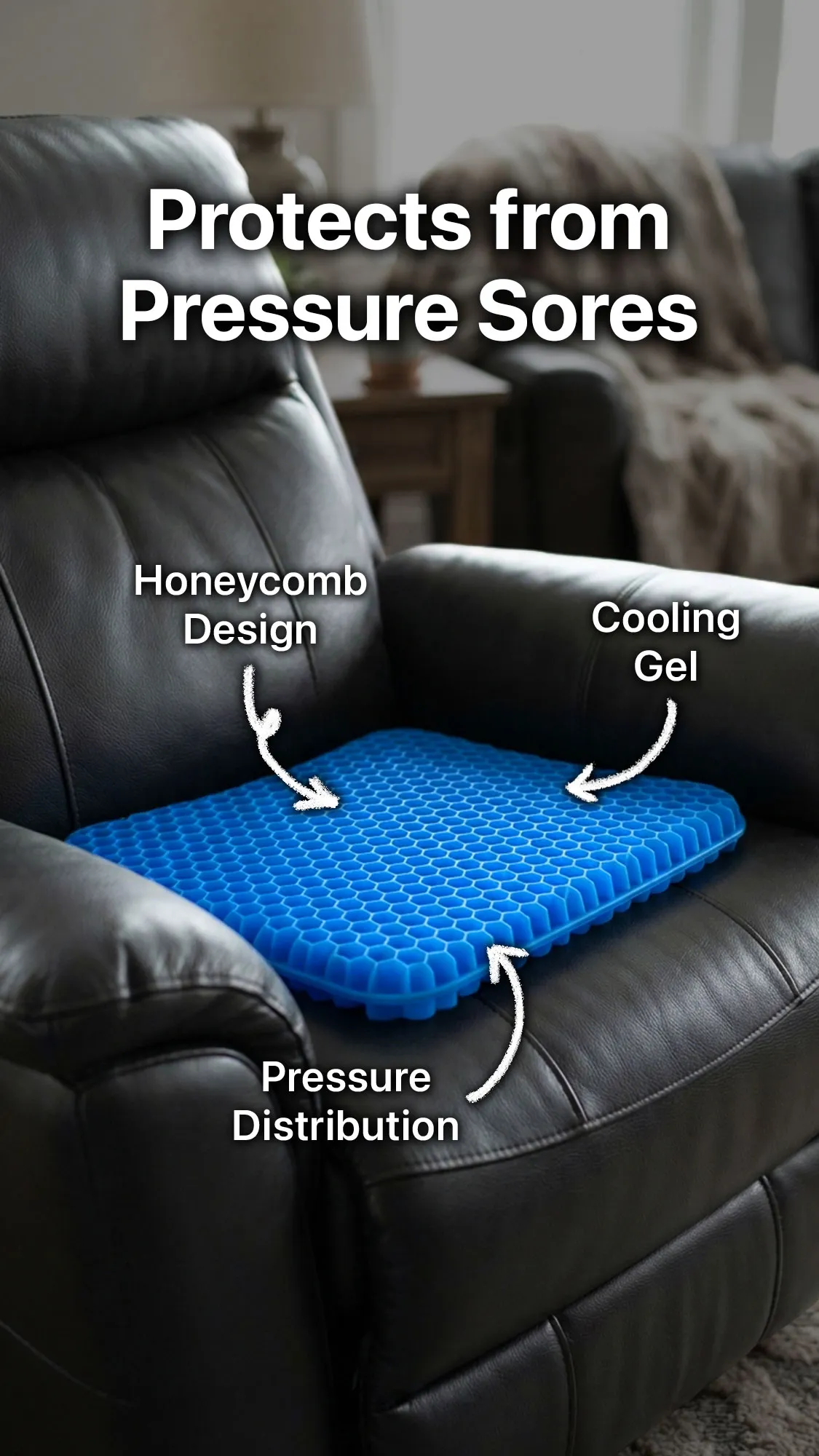
Start sitting pain free
Volosso
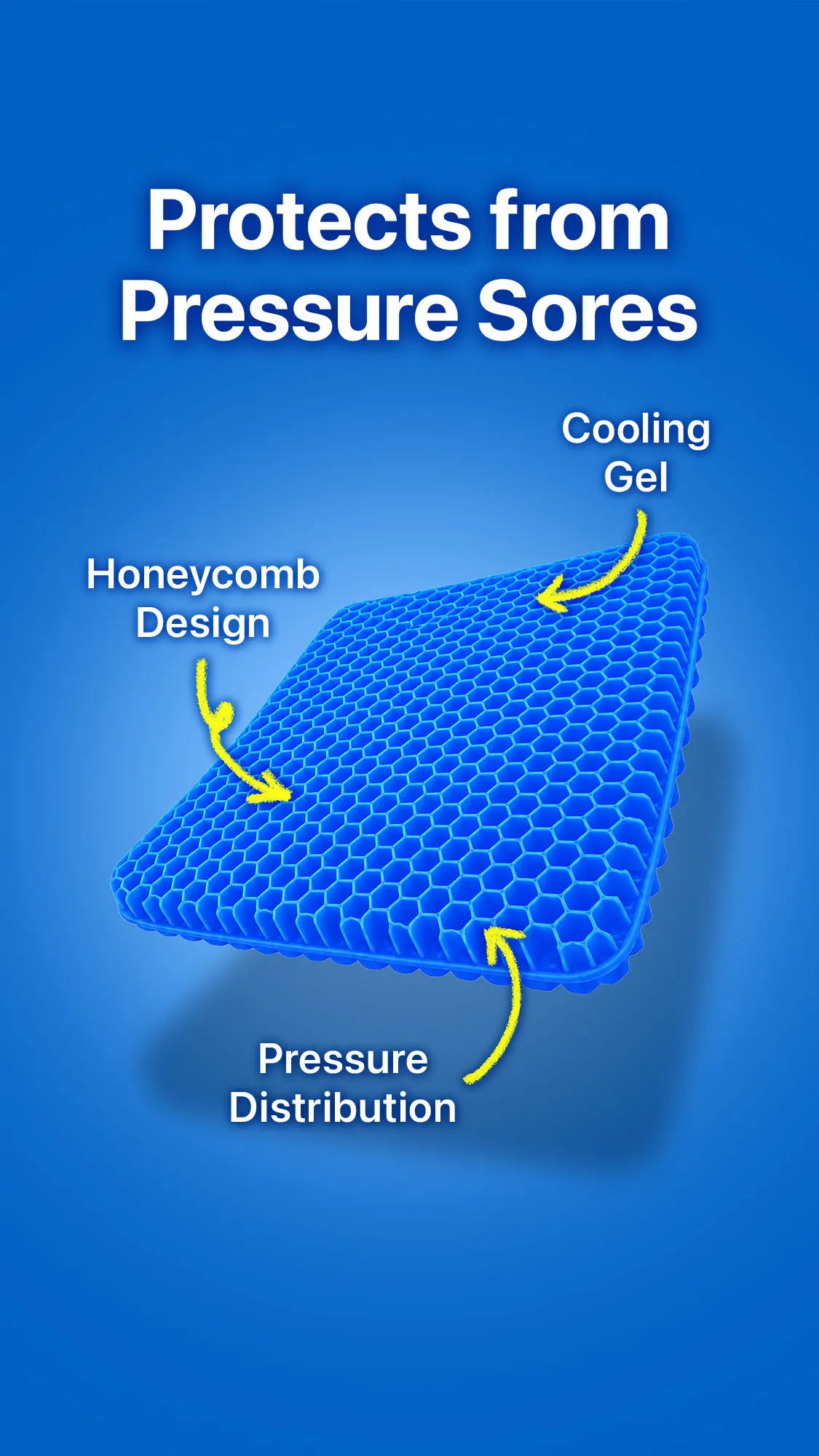
Start sitting pain free
Volosso
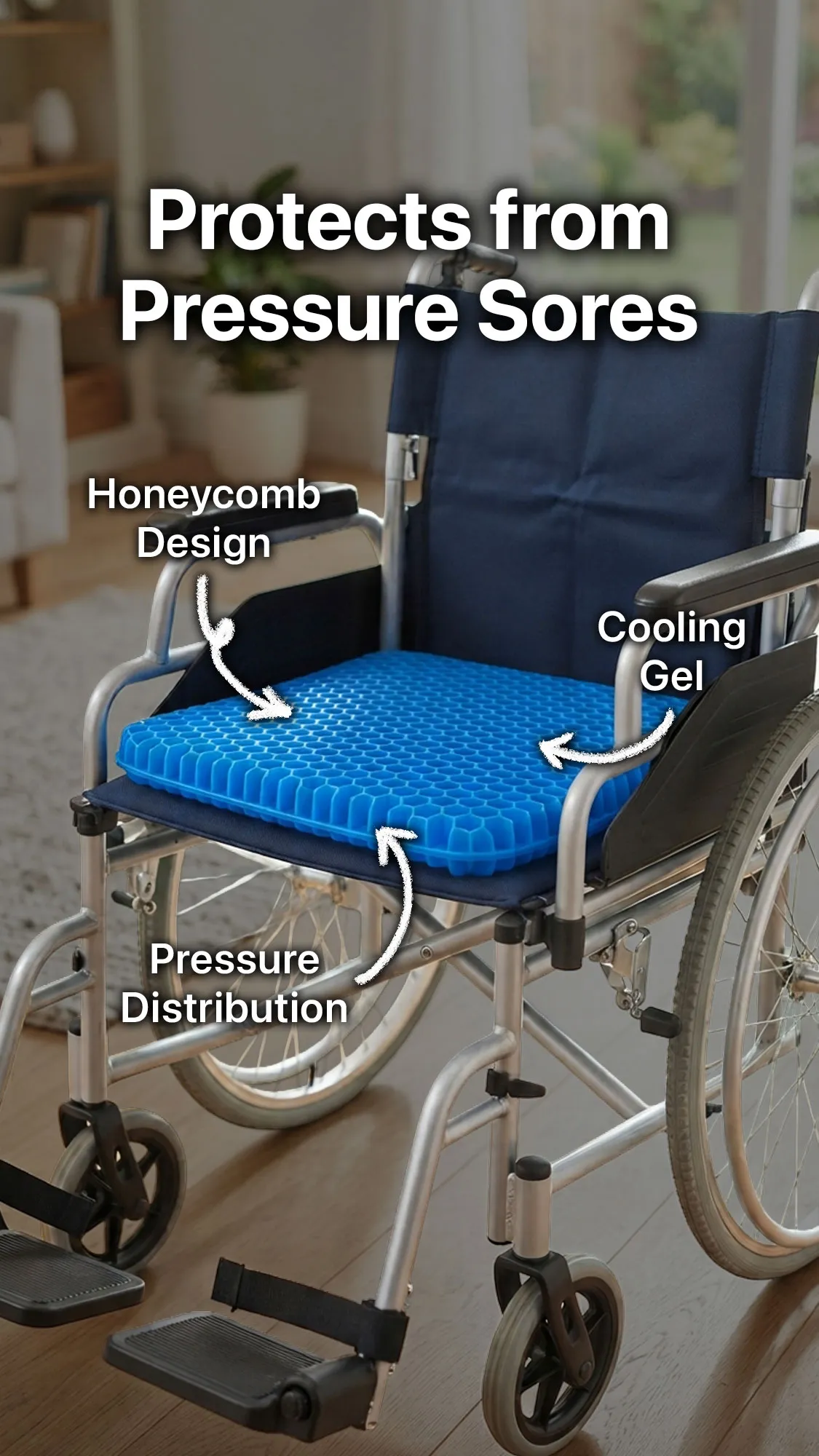
Start sitting pain free
Volosso
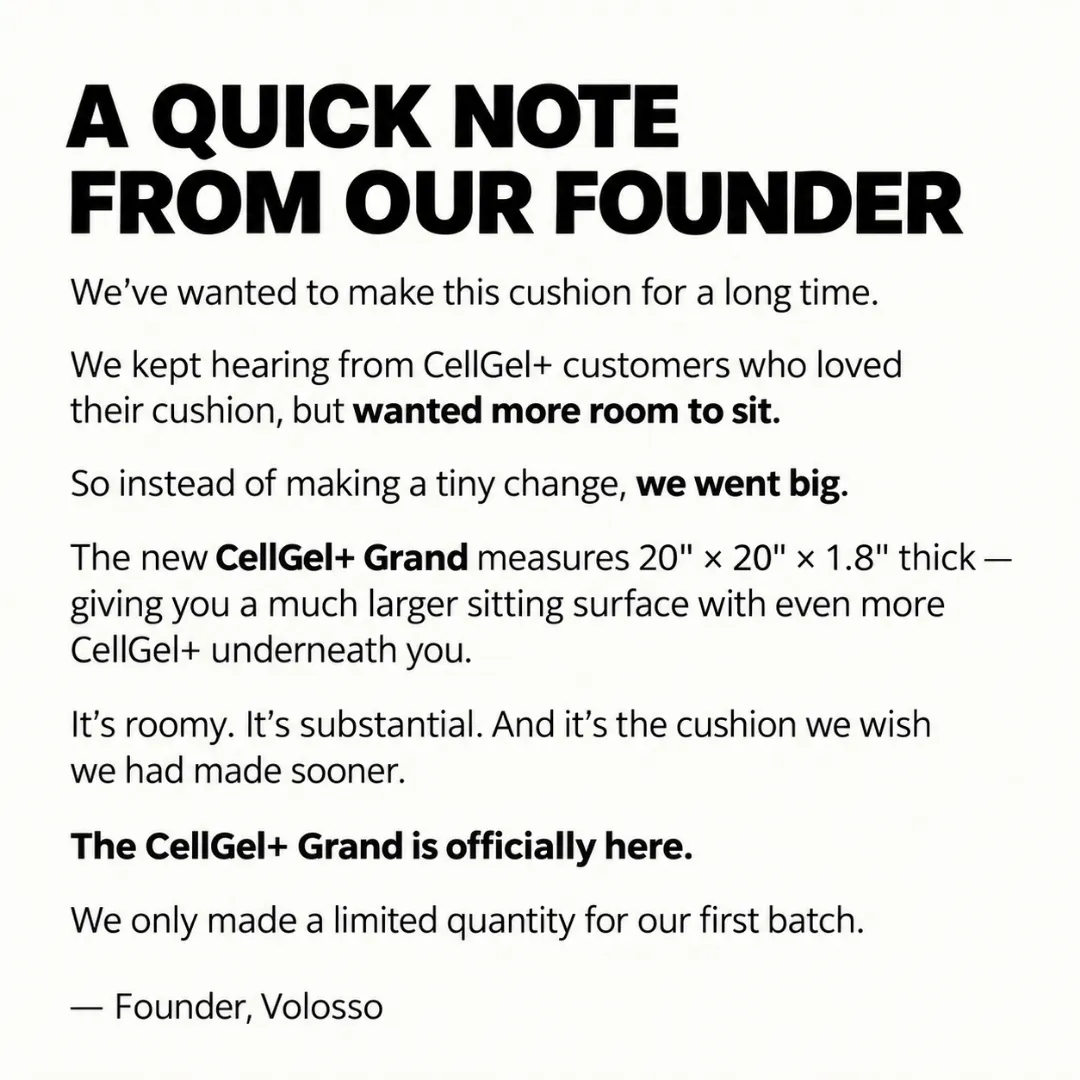
More room. More cushion. More comfort.
Volosso
CellGel+
Volosso
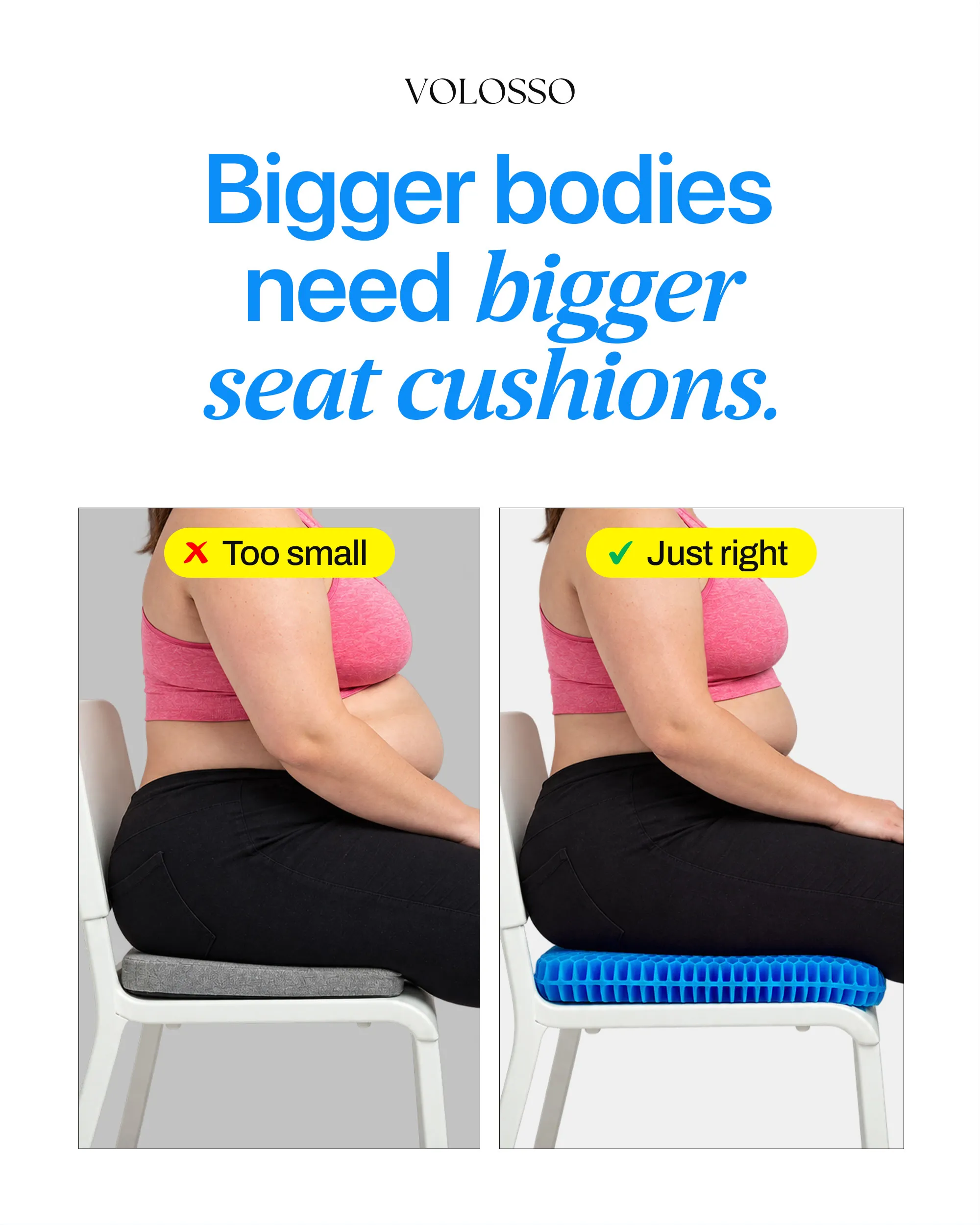
A Bigger, Thicker Gel Seat Cushion
Volosso

A Bigger, Thicker Gel Seat Cushion
Volosso

A Bigger, Thicker Gel Seat Cushion
Volosso

 Add to Chrome