Here it is!
Ad Copy
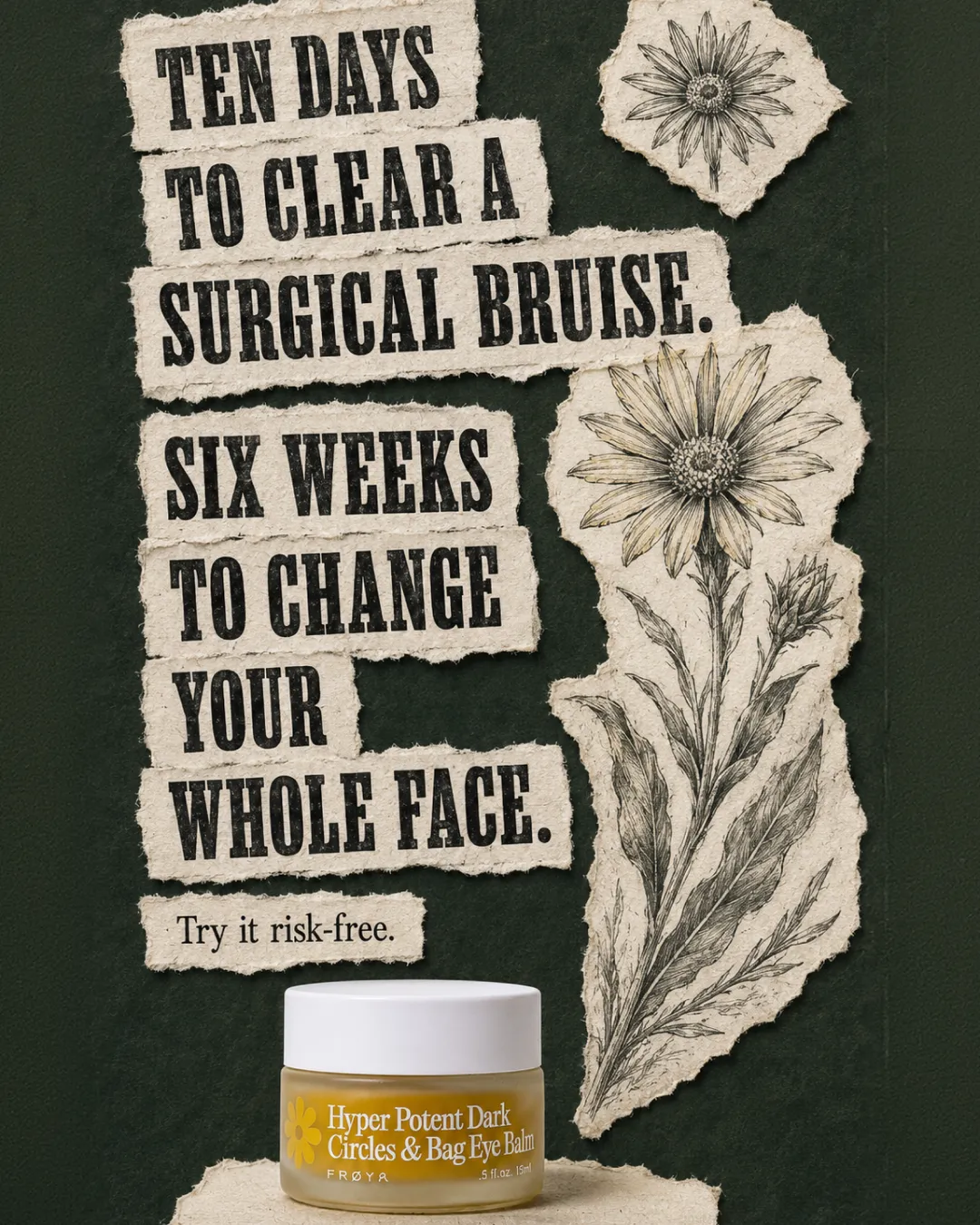
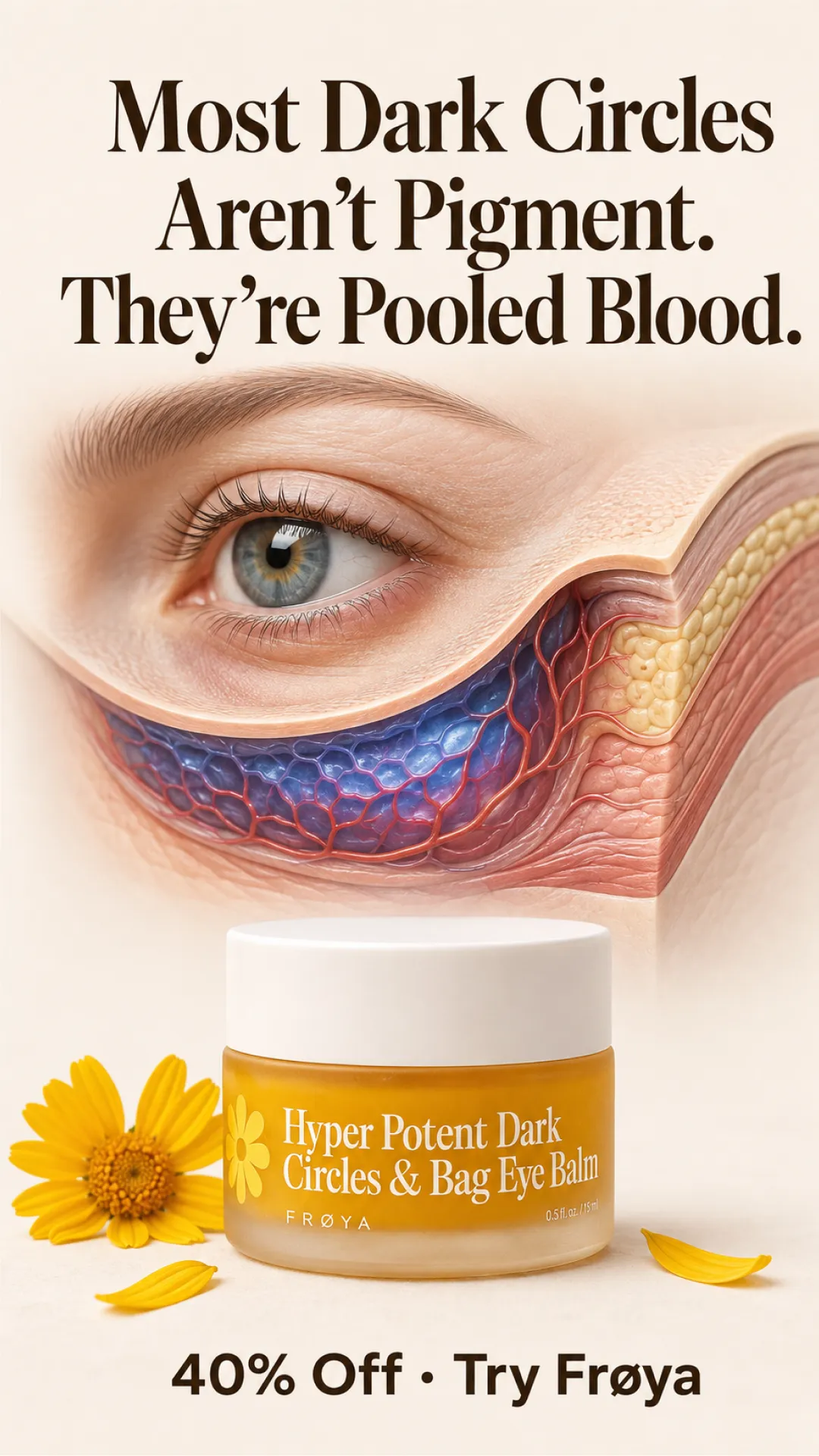
Here is a test dermatologists use in the clinic. You can do it at your bathroom mirror in 30 seconds. Stand at your mirror. Take one fingertip. Press gently on the skin just below one eye. Stretch the skin downward, like you are pulling the shadow toward your cheekbone. Now watch what happens to the color. If the darkness lightens or disappears while the skin is stretched, your dark circles are the blood-vessel kind. What you are seeing is pooled blood in leaky tiny vessels, showing through skin that is only half a millimeter thick. Stretching the skin thins the blood layer for a second and reveals the healthy tone underneath. If the darkness stays put and the shadow does not fade, your dark circles are the pigment kind. Melanin deposits. A completely different treatment protocol. Most dark circles in women over 30 are the blood-vessel kind. And blood-vessel circles do not respond to skin-brightening ingredients. They stop responding to concealer past a certain point. What they DO respond to is anti-inflammatory intervention at the vessel wall itself. The most-studied plant molecule for that mechanism is helenalin, from Arnica montana. In 1997, a paper in the Journal of Biological Chemistry showed that helenalin locks off the exact switch that runs chronic inflammation inside your blood vessels. Scientists call the switch NF-κB. Helenalin shuts it down. Shut off the switch. Close the leaks. Empty the pool. Think of it like fixing a leaking pipe versus painting over the stain on the wall. Concealer paints over the stain. Arnica fixes the pipe. Frøya's Mature System is one of the very few products out there built around concentrated Arctic Arnica at dermatologist-approved doses. Read more about it here. 👉 https://froyaorganics.com/pages/fr-ya-organics-hyper-potent-arctic-balms-for-mature-skin Sources: - Lyss et al. Helenalin selectively inhibits NF-κB. J Biol Chem. 1997. - Roh & Chung. Infraorbital dark circles: definitions and clinical classifications. Dermatologic Surgery. 2009.
More from Frøya Organics
Never Kept A Routine? Start Here
Frøya Organics

The real reason your face changes with age.
Frøya Organics

Nordic Women Knew This For Centuries 🌿
Frøya Organics
The real reason your face changes with age.
Frøya Organics

Norway's Best-Kept Skincare Secret
Frøya Organics

Norway's Best-Kept Skincare Secret
Frøya Organics
It’s finally here
Frøya Organics
Norway's Best-Kept Skincare Secret
Frøya Organics

The real reason your face changes with age.
Frøya Organics
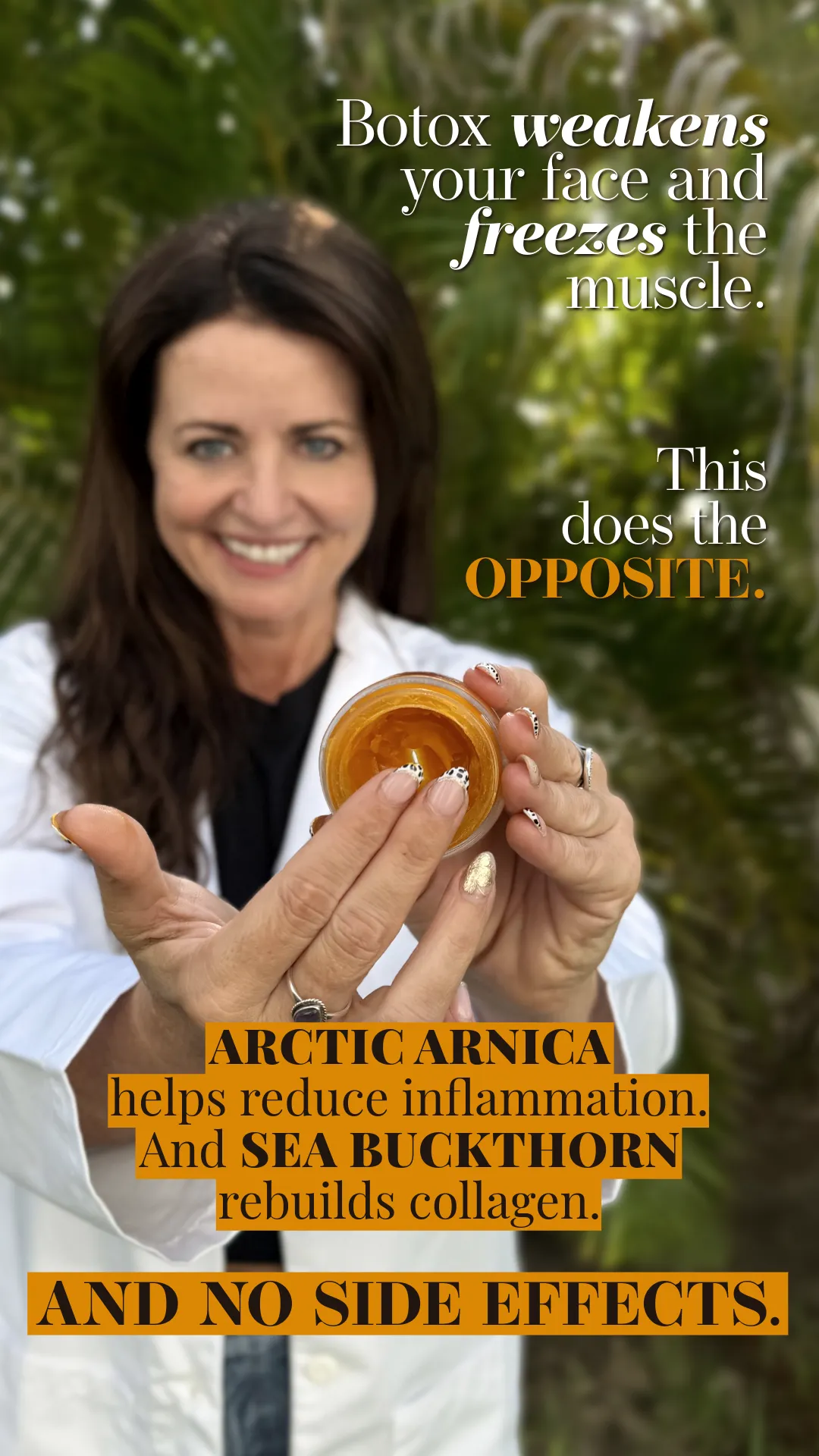
A Doctor's Take On Botox 🩺
Frøya Organics

Norway's Best-Kept Skincare Secret
Frøya Organics

Your barrier wasn't designed to manage damage forever.
Frøya Organics

 Add to Chrome