The Cholesterol Truth They Won't Tell You
Ad Copy
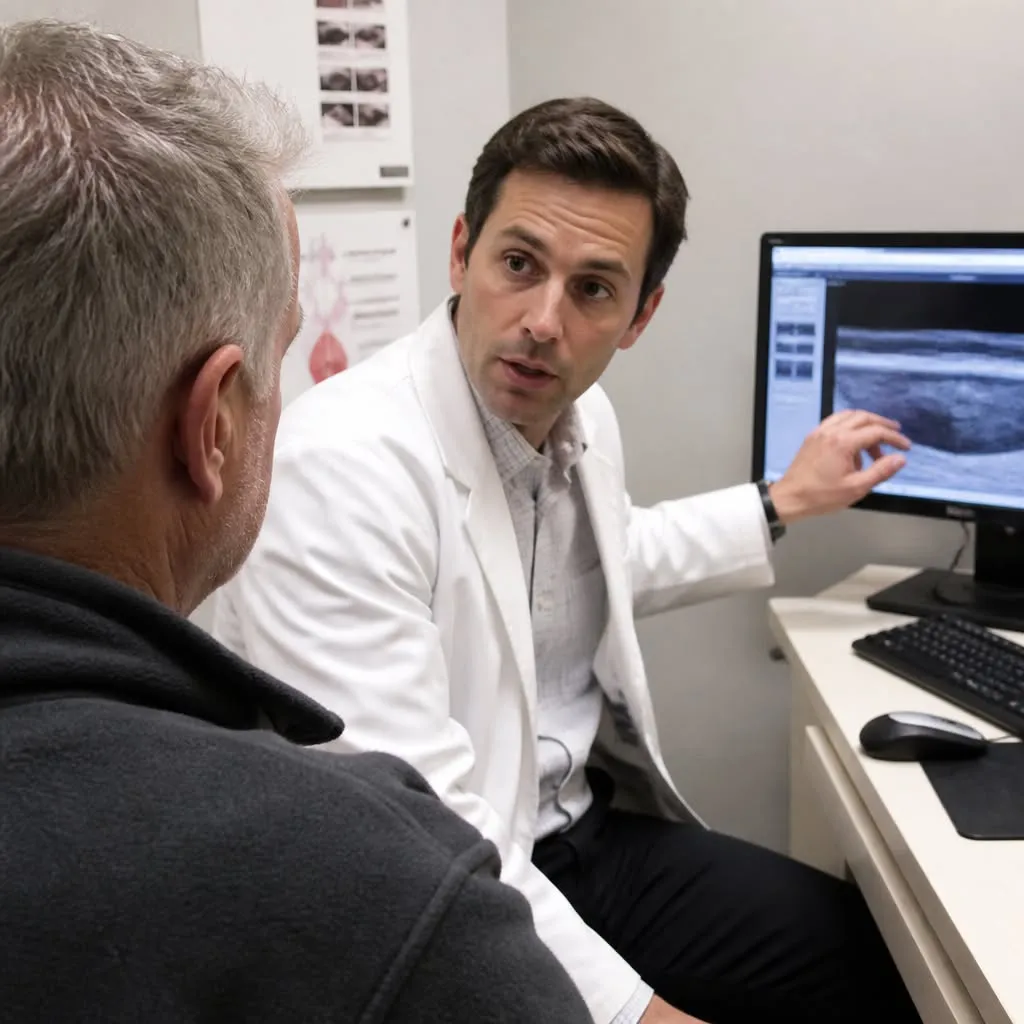
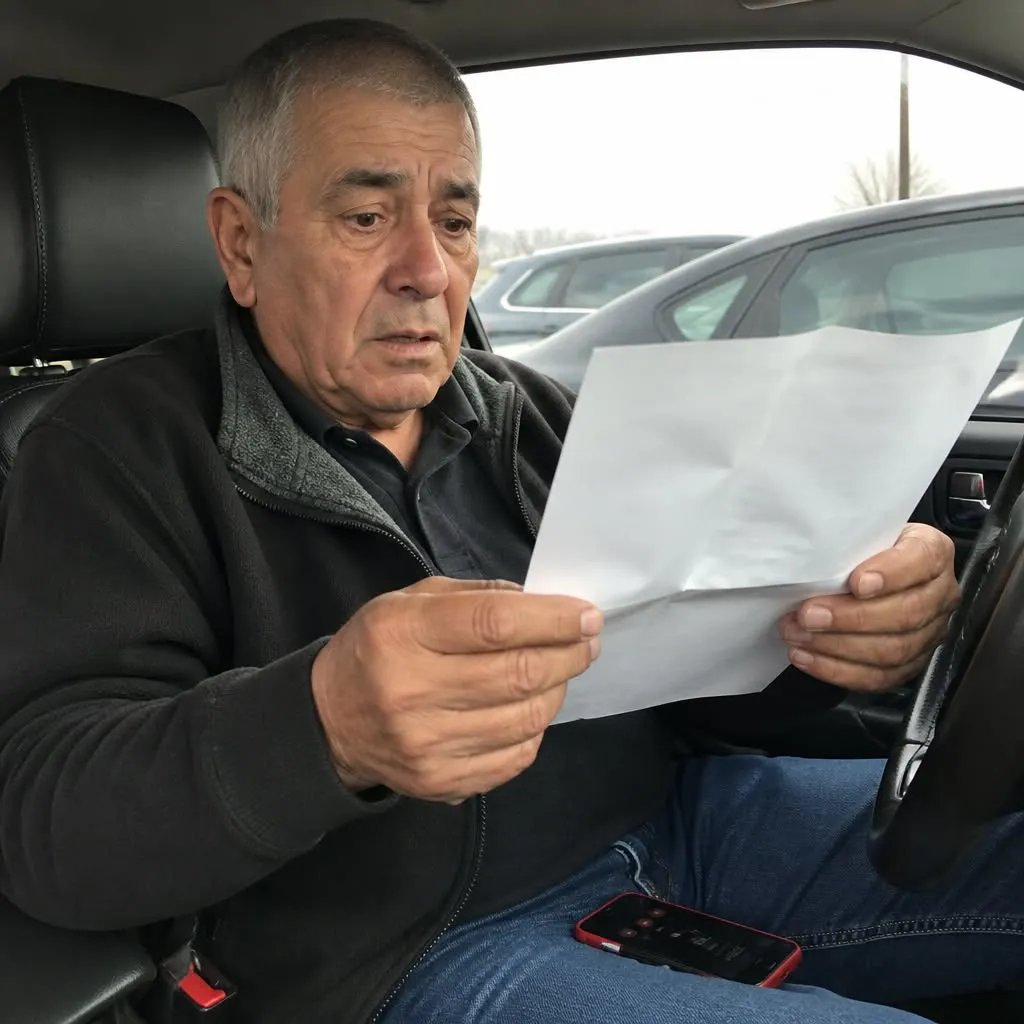
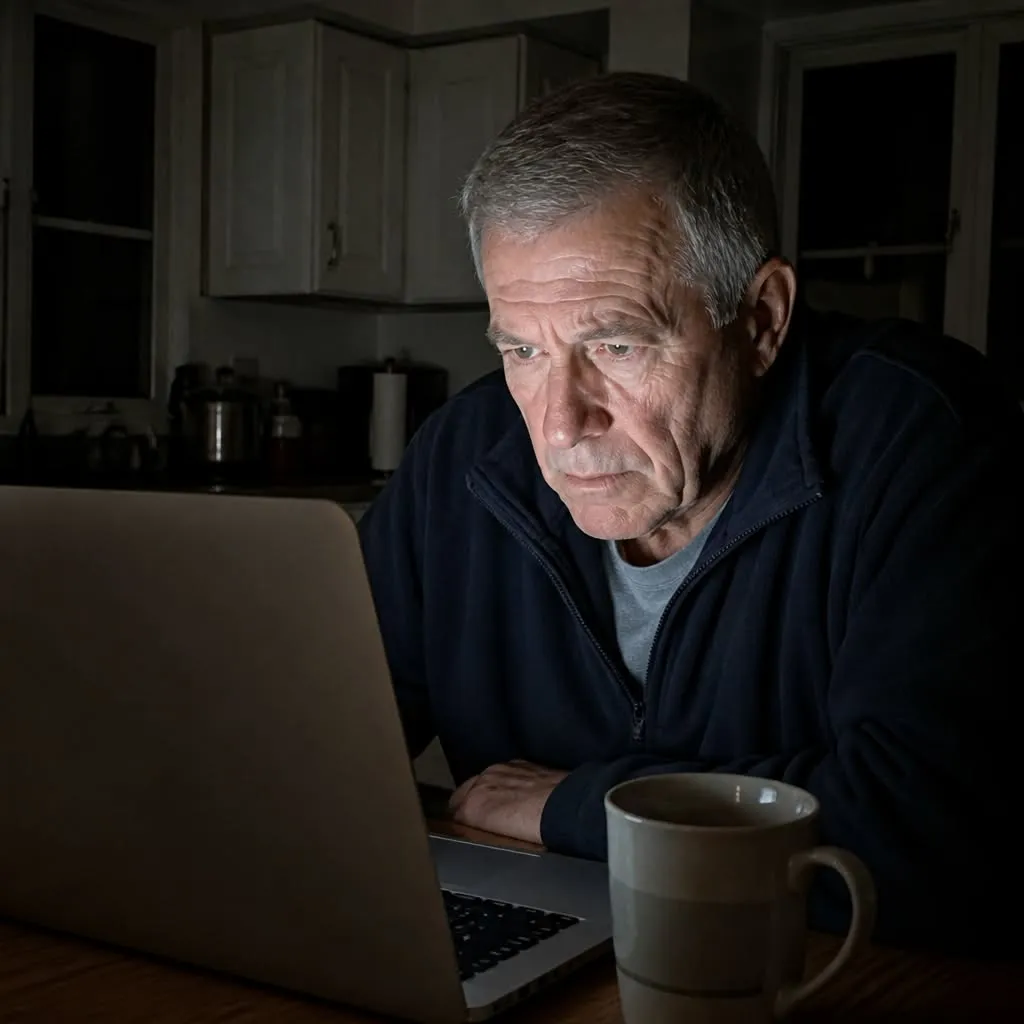
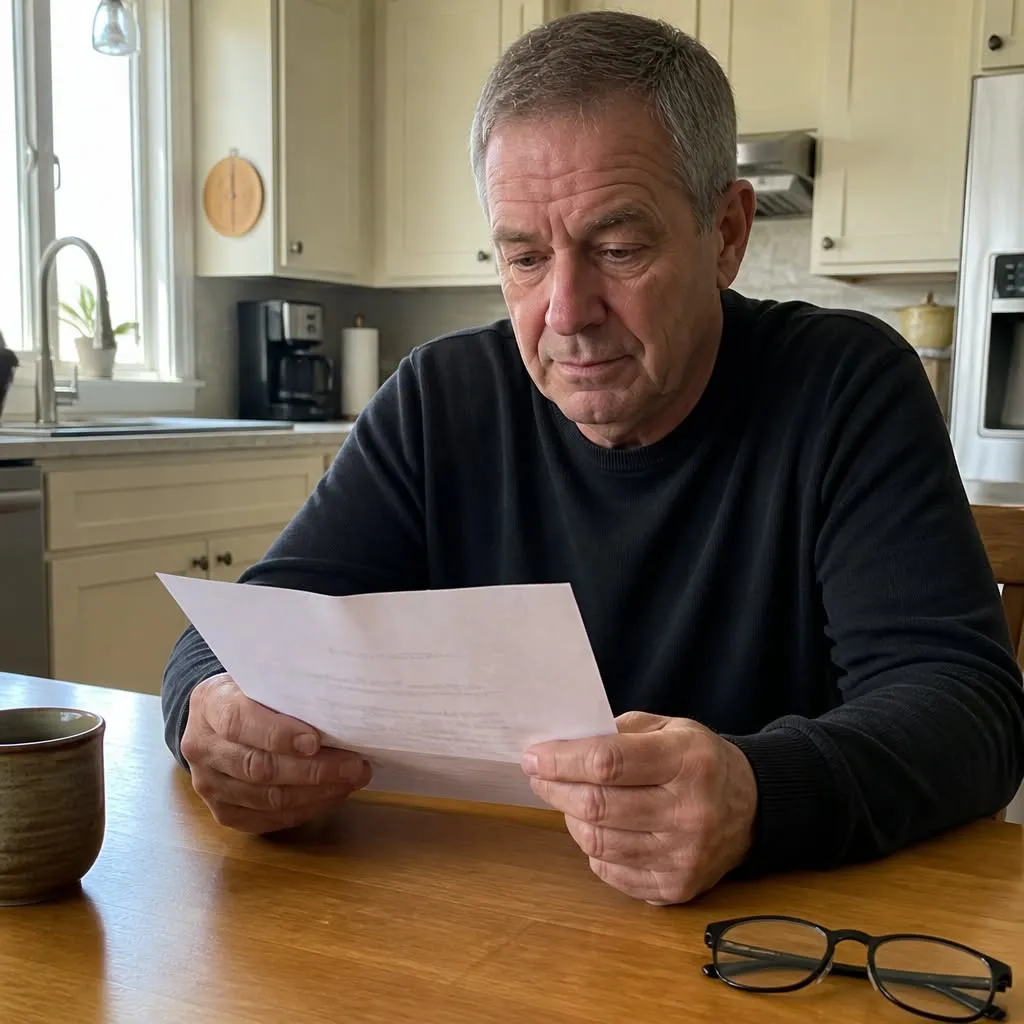
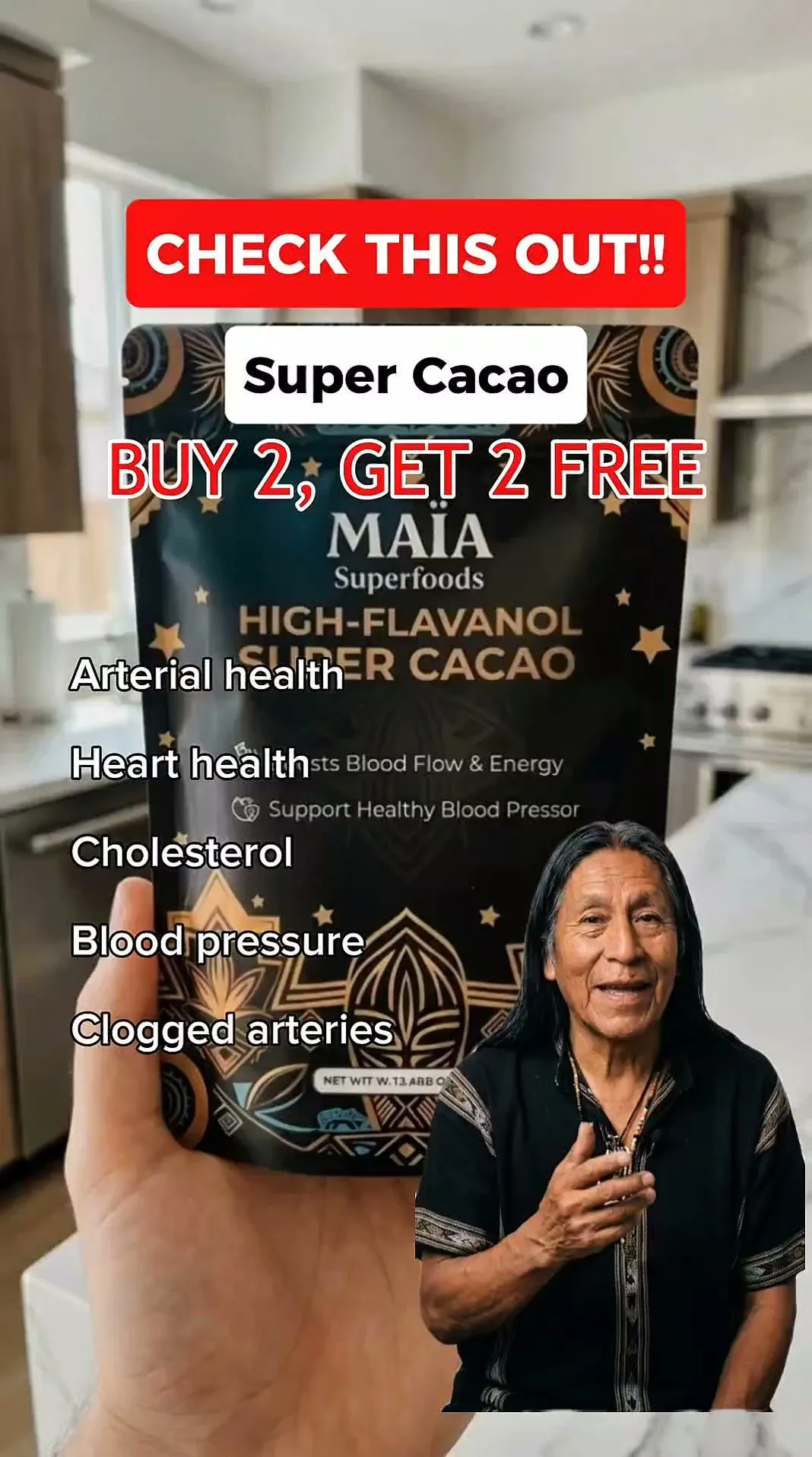
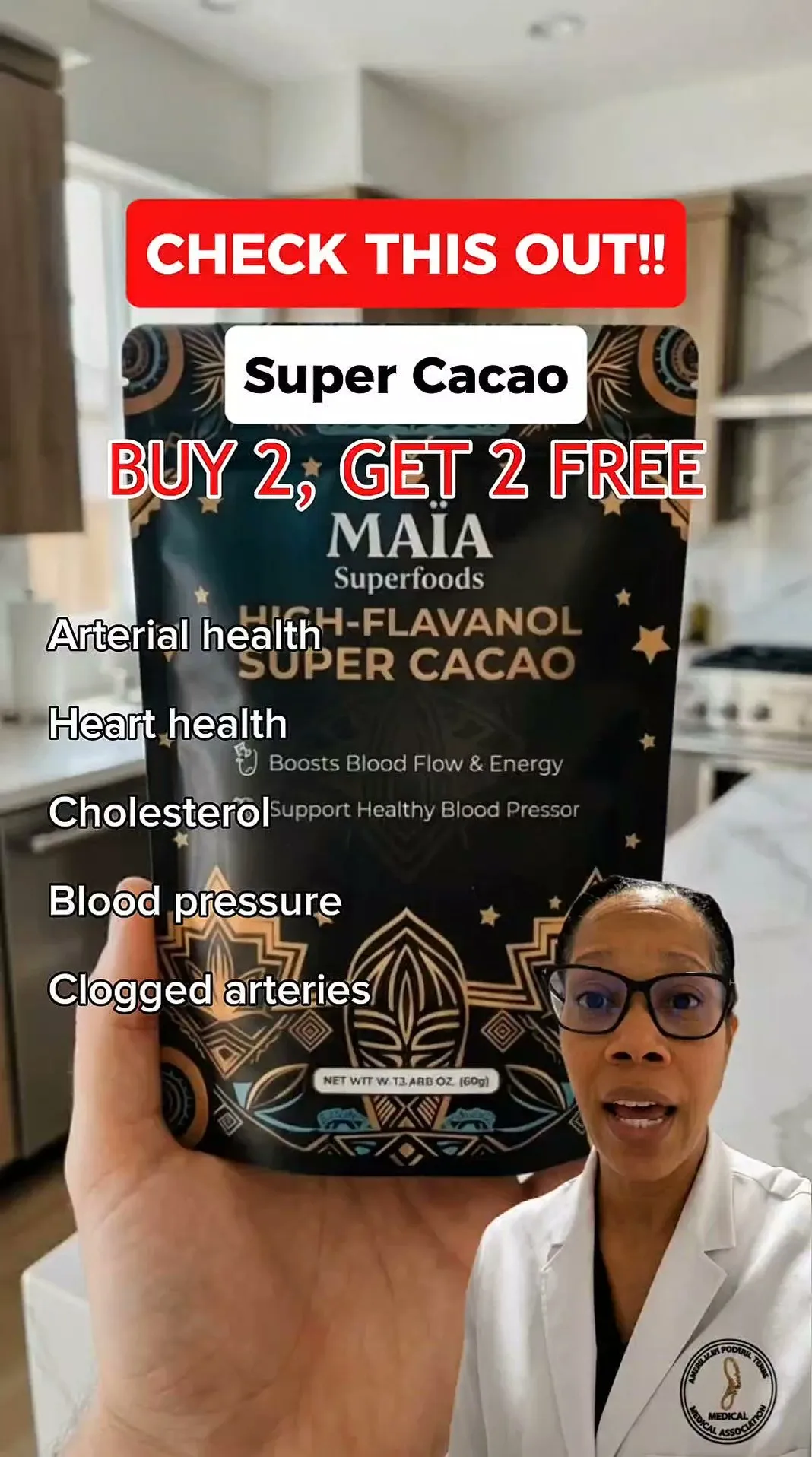
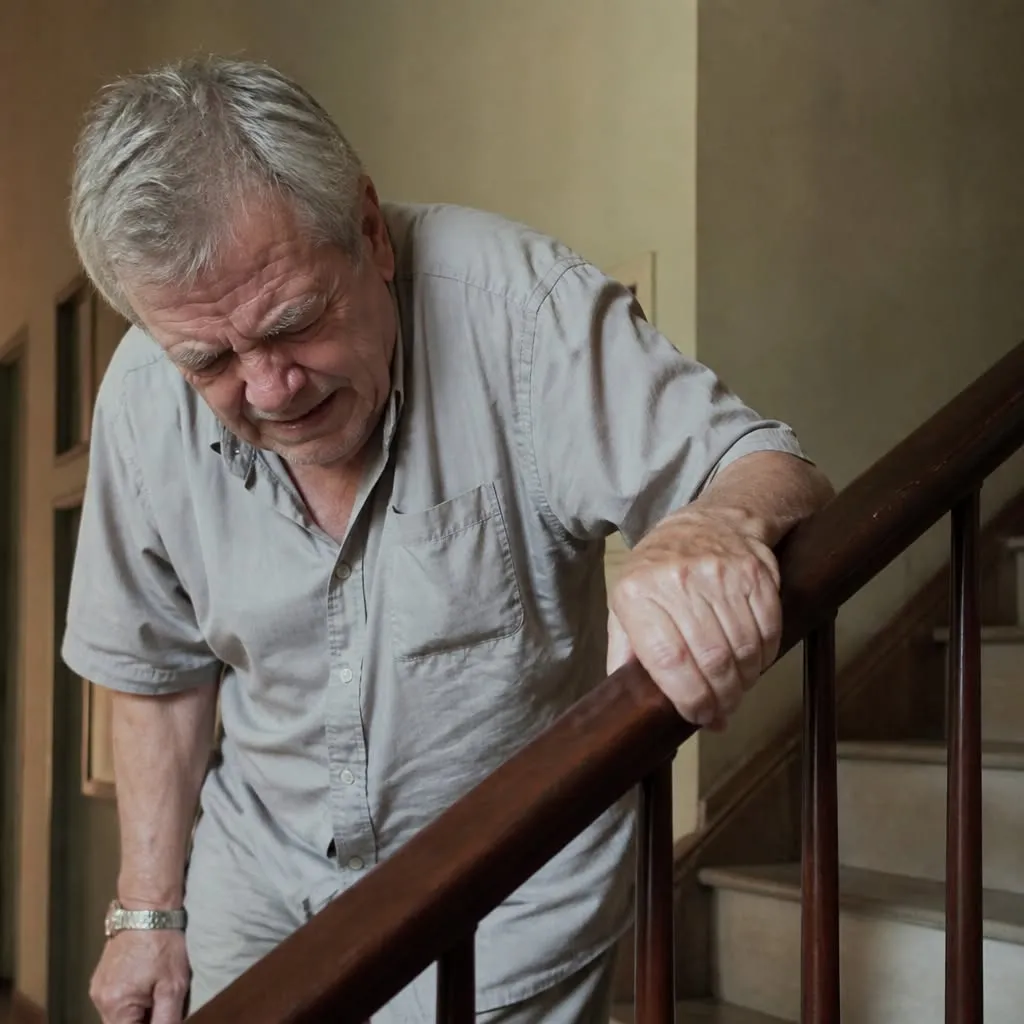
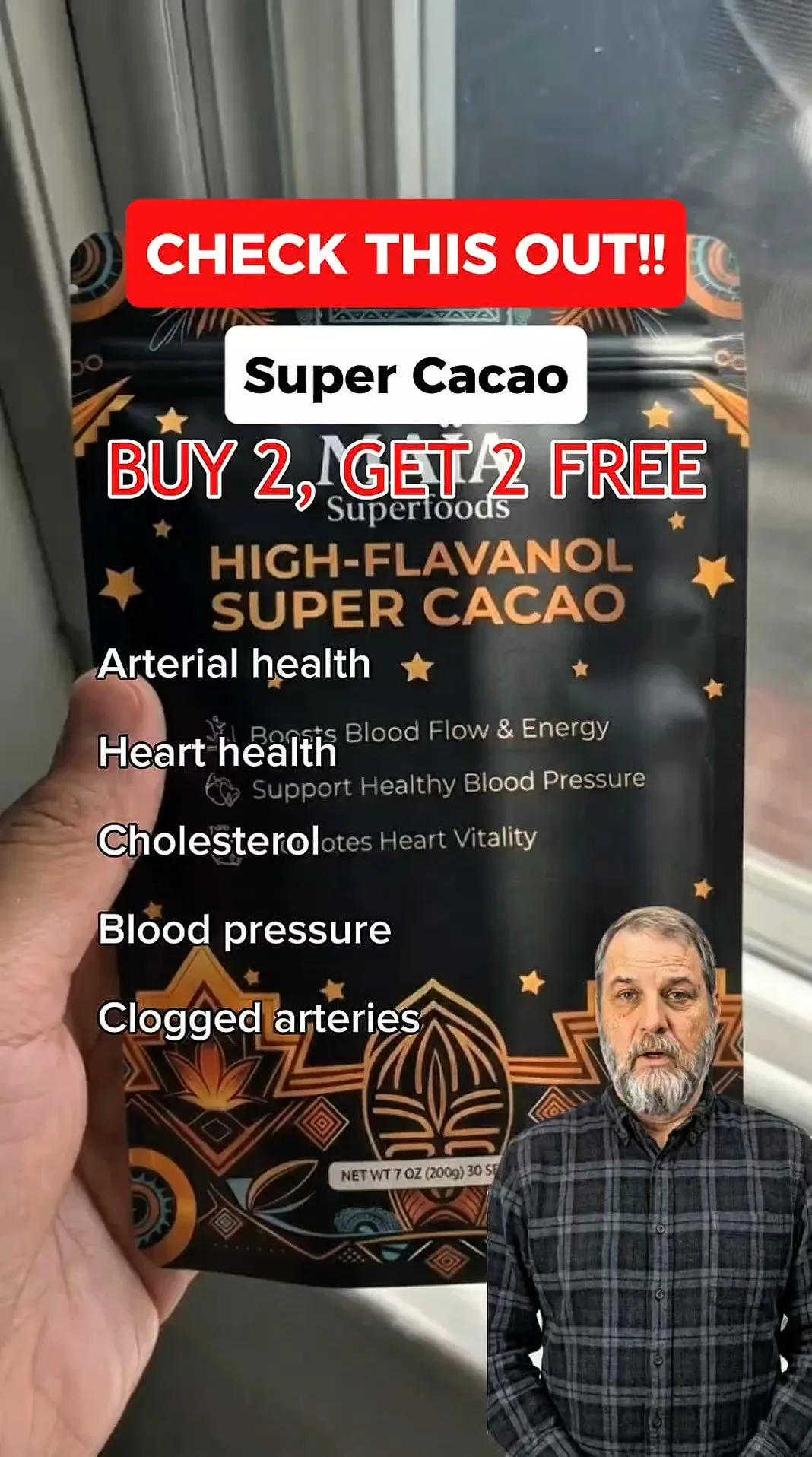
My specialist said if I refused the regimen, she'd document it in my chart as non-compliance against medical advice. I had eleven minutes with her. She'd never met me before. Dr. Kowalski's retirement letter came on a Tuesday. Standard form letter. "After 35 years of practice, I'm stepping away effective October 1st. Your care will be transferred to Dr. Nadia Okafor." I sat at the kitchen table staring at it. Twenty-eight years. I'd been seeing Dr. Kowalski for twenty-eight years. He knew my history. My father's reactions to that class of regimen. My fear of it. He'd always worked with me. "Let's keep monitoring it, Tom. We'll try the lifestyle approach first. You're doing the right things." Now he was gone. My first appointment with Dr. Okafor was October 17th. Routine physical. Transfer of records. Meet the new specialist. I sat in the exam room. Same room I'd been in for decades. Same posters. Different specialist. Dr. Okafor walked in. Young. Maybe 38. Laptop in hand. "Mr. Mackey." Firm handshake. All business. "I've been going through your file." She sat down. Pulled up my records. Scrolled. Her expression changed. "Your cholesterol history." She turned the screen toward me. "2021: LDL 148. 2022: LDL 158. 2023: LDL 167. 2024: LDL 178. Today: LDL 192. Total cholesterol 267." She looked at me. "Five years of progressively worsening numbers. LDL above 160 for the last two years. No regimen prescribed." "Dr. Kowalski and I had a plan. Lifestyle changes. Diet. Exercise. He was monitoring." "For five years?" Her voice was sharp. "Mr. Mackey, your LDL has been in the high-risk category for two years without treatment. I don't know what your previous specialist was thinking, but this should have been addressed aggressively years ago." My stomach dropped. "Dr. Kowalski knew my history. My father had terrible reactions to." "Your father's history doesn't change your cholesterol numbers. LDL 192. You could have a cardiovascular event." She was already typing. "We're starting a standard regimen. Full dose." "I'd rather." "This isn't a discussion. Your cholesterol is dangerous. If you refuse treatment, I'm required to document it in your chart as non-compliance against medical advice." The printer hummed. She handed me the paper. "Follow up in twelve weeks." She stood. Left the room. The whole appointment took eleven minutes. I sat there holding the paper. Hands shaking. Against medical advice. Non-compliance. In the parking lot, I called my wife Janet. "How was the new specialist?" "She says Dr. Kowalski should have put me on a regimen years ago. Wants me on one immediately." Silence. "What?" "She said five years without it was irresponsible." "But... Dr. Kowalski always said you were." "I know what he said. She doesn't care. I either take it or it goes in my record that I refused." That night I couldn't sleep. Lay in bed staring at the ceiling. Dr. Kowalski had respected my concerns. We'd worked together for almost three decades. Dietary changes. Exercise. Oat fiber. Omega-3s. Regular bloodwork. My cholesterol had climbed, yes. But gradually. No sudden spikes. No symptoms. Was he wrong to be patient? At 3 AM I went downstairs. Sat at the kitchen table with my laptop. Every article said the same thing. Increased risk. Arterial plaque. Cardiovascular event. Death. Maybe Dr. Okafor is right. Maybe I've been reckless. But then I searched for what the regimen actually does. Muscle pain. Chronic fatigue. Memory problems. Liver stress. And my father's face flashed in my mind. He'd been on a regimen for twelve years. The muscle pain came within six weeks. Not soreness from exercise. A deep, constant ache in his legs and shoulders that never let up. Made him wince getting out of a chair. Made him grip the handrail on every staircase. They switched him to a different one. The muscle pain eased slightly. But then the fog rolled in. He started forgetting things. Small things at first. Then bigger things. The punch line of a story he'd told a hundred times. And the fatigue. That was the worst. This was a man who coached my baseball team. Built our back deck with his own hands. Fixed the car in the driveway on weekends. By 62, he was napping twice a day. Couldn't follow a conversation without losing the thread. Lost interest in everything he used to love. Just existing. Going through the motions of a life that didn't feel like his anymore. My mother said it was like watching him disappear. He didn't make it home from work at 68. While on the regimen that was supposed to protect him. Twelve years. Twelve years of feeling like a shadow of himself. And it didn't save him. I closed the laptop. Rubbed my face. What do I do? The paper sat on the counter. Mocking me. I didn't fill it. One week passed. Then two. Dr. Okafor's office called. "Mr. Mackey, our records show you haven't filled your prescription. Dr. Okafor wants to confirm you're taking it as directed." "I need more time to think about it." "Sir, Dr. Okafor noted this as urgent. She strongly recommends." "I said I need more time." I hung up. Janet found me in the garage that evening. "Tom. Talk to me." "I'm looking for options." "Options? The specialist said your cholesterol is dangerous." "She said Dr. Kowalski was wrong. But Dr. Kowalski knew me for twenty-eight years. He knew my father's history. He saw what those regimens did to him. He was being careful with me." "But what if she's right? What if you." Her voice broke. "I can't lose you." "You won't. I just need to find another way." "What other way?" I didn't have an answer. That weekend I searched everything. Red yeast rice. Fish oil. Plant sterols. Niacin. Every natural cholesterol supplement with actual research behind it. I tried red yeast rice. Six weeks. Every morning. LDL: 189. Basically unchanged. Switched to high-dose fish oil. Pharmaceutical grade. Eight weeks. Nothing. Tried a full lipid support stack. Most expensive thing they had. LDL: 186. Three points. Maybe four. Noise. Three weeks before my follow up I was back at my laptop at 2 AM. Then I changed the search. I stopped searching for supplements. Started searching for the mechanism. Why does cholesterol stick to artery walls in the first place? And I found something I hadn't seen before. Not on a supplement website. In a published research summary. Regular LDL cholesterol isn't the villain. Your liver makes it every day. It serves important functions. Your liver sends it out through your bloodstream like a delivery route. It goes out. Drops off what your cells need. Moves on. But something goes wrong on the route. Your blood is full of unstable molecules called free radicals. They come from stress. Processed food. Pollution. Sugar. Just getting older. And they attack your cholesterol while it's traveling through your bloodstream. They damage it. They oxidize it. Damaged, oxidized cholesterol doesn't finish the route. It doesn't move on. It becomes sticky. It sticks to the walls of your arteries. Once it's stuck, it stays stuck. That's plaque. That's the buildup. And here's the piece I'd never read. All that cholesterol stuck to your artery walls? Your body doesn't know it's stuck. It just knows it sent cholesterol out and it never came back. So it does what any system does when a delivery doesn't arrive. It sends more. Your body keeps manufacturing replacement cholesterol to make up for what it's losing. More gets damaged. More gets stuck. More gets replaced. A cycle that feeds itself. The longer it runs, the higher the number climbs. That's why my number kept climbing. The regimen would have pushed the number down while the cycle spun untouched underneath. That's why every supplement I'd tried had failed. Every single one was working downstream, in the gut, in the blood, on absorption. None of them reached the place where the damage was actually happening. I searched for what stops LDL from getting oxidized in the bloodstream. And I found a class of natural compounds with more published research on protecting LDL from oxidation than almost anything else on the planet. Cacao flavanols. Not chocolate. Not cocoa powder. Raw cacao. I sat back. Cacao flavanols are one of the most powerful natural antioxidants ever studied. Multiple clinical studies show they help protect LDL from oxidation. Which is the exact process that turns regular LDL into the sticky, artery-clogging kind. They support healthy cholesterol levels already within the normal range. They support healthy circulation. They may help maintain healthy arterial function. Indigenous healers in Central and South America drank raw cacao ceremonially for over 5,000 years. Warriors. Elders. The Aztecs called it the food of the gods. But there was a catch. And it was a big one. Almost every cacao product on the market is destroyed by processing. Roasting at high temperatures destroys 40 to 60 percent of the flavanols. Dutching with alkali destroys another 30 to 50 percent. Sugar, dairy, and emulsifiers dilute what's left. By the time it hits a grocery shelf, 60 to 90 percent of the active compound is gone. You get flavor. You don't get function. The dark chocolate squares my wife had been buying me thinking they were good for me? Doing almost nothing. The cacao that matches the research has to be raw. Cold-processed. Never roasted. Never dutched. Made from an heirloom bean called Criollo, the variety used ceremonially for 5,000 years. Dosed at clinical levels of flavanols. Third-party tested. No sugar. No dairy. No fillers. At 4 AM I searched for a brand that hit every criterion. One small company kept coming up in the research-oriented forums. People who'd clearly done the same deep dive I was doing. Not wellness blogs. People citing studies, posting lipid panels, tracking month by month. MAÏA Super Cacao. I ordered it that night. Didn't tell Janet. Didn't want to explain another purchase she'd watch me abandon in six weeks. The package arrived four days later. Small. Dark ornate pouch. Gold and teal Aztec pattern on the front. I opened it at the kitchen table while Janet was at work. I turned the pouch over and read the back the way I'd been reading everything for the past three months. Looking for reasons to distrust it. Cold-processed Criollo. Third-party tested every batch. Clinical-dose flavanols disclosed on the pouch. Organic. No sugar. No dairy. No fillers. I set it on the counter next to the paper I still hadn't filled. I drank the first cup standing at the kitchen sink, looking out the window at the backyard. Didn't expect much. I'd been wrong three times. By the end of the first week, the 2 PM crash didn't come. I made it to dinner without feeling like I was running on fumes. Slept through the night without waking at 3 AM. Could be placebo. I wasn't counting it yet. Week two, I woke up on a Saturday and my knees didn't ache. Stood up from the couch without that low groan I'd stopped noticing because I'd made it so long. My thinking felt sharper. Janet said something first. "You seem less heavy. Like something lifted." Week four, I drove to a walk-in lab. Ordered my own lipid panel. The results came back the next morning. LDL: 168. Down from 192. I stared at the number. Read the report twice. Checked the date. Checked my name. Twenty-four points in four weeks. Without a regimen. Week seven, I went back. Same lab. Same panel. LDL: 149. Total cholesterol: 228. Below 160. Below the threshold that had put the paper in my hand in the first place. I sat in my car in the parking lot and just breathed for a while. Two days before my appointment with Dr. Okafor, I had my pre-visit labs drawn. Standard bloodwork. The results would be in my chart before she walked in. At the appointment, I sat in the same exam room. Different feeling. Dr. Okafor walked in. Opened my chart. Stopped. "LDL 141. Total cholesterol 216." "Yes." She looked at 192. Then 141. "You started the regimen." "No." She looked up. "No?" "Raw cacao. There's a mechanism I want to explain. Cholesterol oxidation is what turns regular LDL into the sticky kind that sticks to artery walls. Cacao flavanols are one of the most powerful natural antioxidants ever studied. They help protect LDL from oxidation. That breaks the cycle at the source." Long pause. "Where did you read this?" "Published peer-reviewed research. I can send you the studies." She looked at my chart again. Then at me. "What specifically are you taking?" "MAÏA Super Cacao. Cold-processed Criollo. Clinical-dose flavanols. Third-party tested. One cup every morning." She typed it in. Read for a long time. "Continue what you're doing. Back in twelve weeks. If it holds below 160, quarterly monitoring. No regimen." I walked out of that office and sat in my car for ten minutes. Called Janet. "LDL 141." She went quiet. Then: "No regimen?" "No regimen. Quarterly monitoring if it holds." She didn't say anything for a moment. When she did, her voice was tight. "I knew you'd find something." That was four months ago. Last week I got my quarterly panel. LDL 124. Total cholesterol 196. Both below the thresholds. Stable. No regimen. No compliance flag in my chart. Just results. If you're reading this, you're in the same position I was. Cornered. Pressured. Feeling like a regimen is the only option your specialist will accept. Here's what I learned after weeks of failed supplements and two nights of real research. The reason most cholesterol supplements don't work is they're targeting the wrong thing. They try to reduce cholesterol from the outside while your body keeps sending more to replace what's getting stuck to your artery walls. You can't stop the cycle by working at the absorption end. MAÏA Super Cacao works at the level where the damage actually happens. Cacao flavanols help protect LDL from oxidation. Regular LDL stops turning into the sticky kind. Your body stops overproducing to replace it. The cycle breaks. My LDL dropped from 192 to 124. My specialist monitors me quarterly. No regimen. No lectures. No compliance documentation. Just numbers she can't argue with. If you feel cornered, give this 30 days. Get your own lipid panel at a walk-in lab. Track it yourself. Then walk into your next appointment with the data. Numbers are the only thing that changes a specialist's mind. MAÏA is a small company. Small batches to preserve the flavanols. They sell out. Last time I reordered, my shipment was delayed nine days. I rationed the bottom of the pouch into smaller scoops so I wouldn't miss a morning. https://checkout.getmaia.co/shocking-discovery-plaque-chol 30-day money-back guarantee. If nothing changes, full refund. No questions asked. If they have it in stock, get it. Tom Mackey P.S. I noticed energy and clarity changes by week two. LDL dropped 24 points by week four. Below the high-risk threshold by week seven. She backed off on the spot. Your timeline may vary. But 30 days is the window, and you risk nothing. P.P.S. The research exists. The mechanism is real. You just have to be willing to look for it. I did the looking. Now you have the answer. https://checkout.getmaia.co/shocking-discovery-plaque-chol
More from Cacao Research Institute

Forget Beetroot. Try This
Cacao Research Institute
The Cholesterol Truth They Won't Tell You
Cacao Research Institute
The Cholesterol Truth They Won't Tell You
Cacao Research Institute
Forget Beetroot. Try This
Cacao Research Institute
The Cholesterol Truth They Won't Tell You
Cacao Research Institute

Forget Beetroot. Try This
Cacao Research Institute
Forget Beetroot. Try This
Cacao Research Institute
Forget Beetroot. Try This
Cacao Research Institute
Forget Beetroot. Try This
Cacao Research Institute
The Cholesterol Truth They Won't Tell You
Cacao Research Institute
Forget Beetroot. Try This
Cacao Research Institute
Forget Beetroot. Try This
Cacao Research Institute

 Add to Chrome