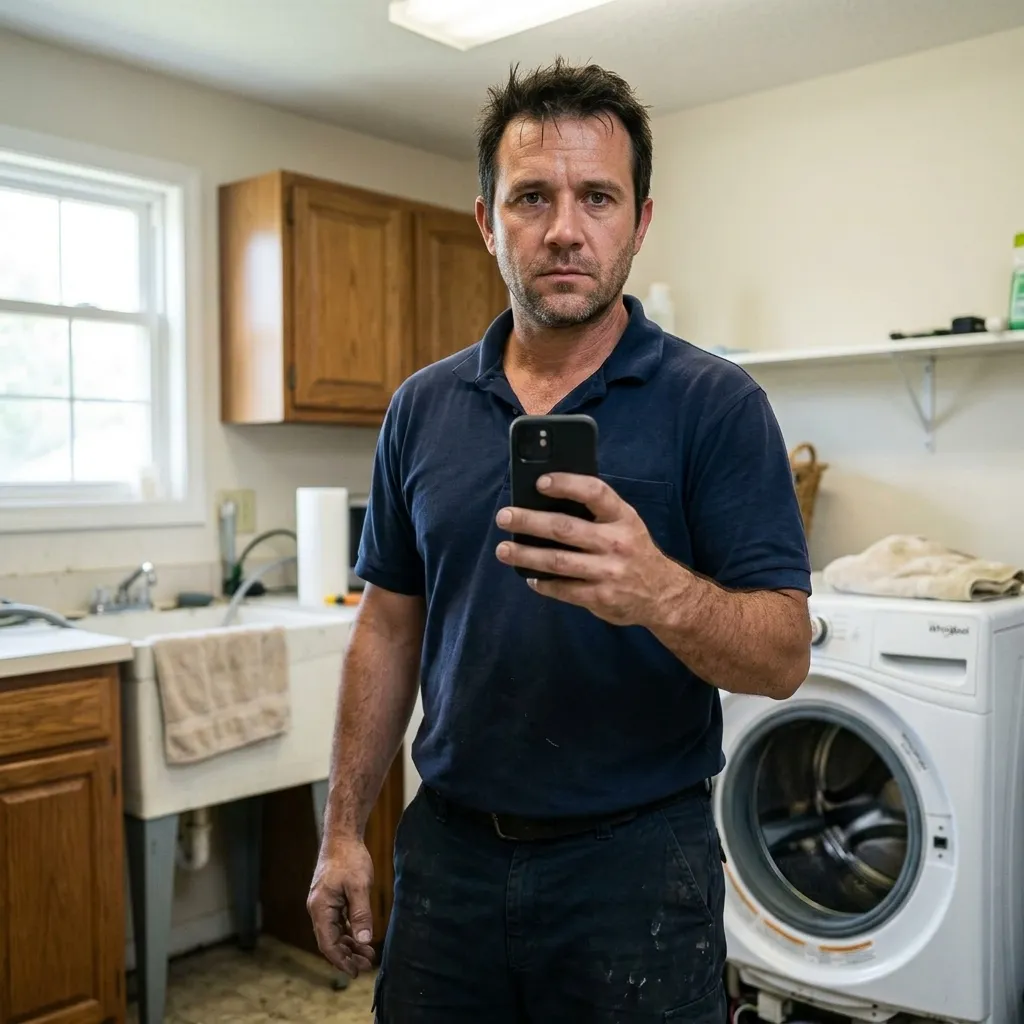
The Washer Secret Appliance Repair Techs Know
Ad Copy
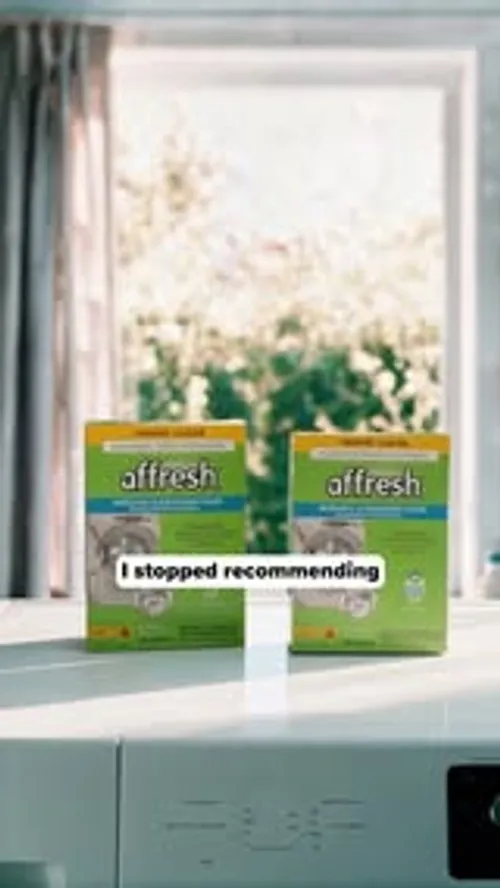
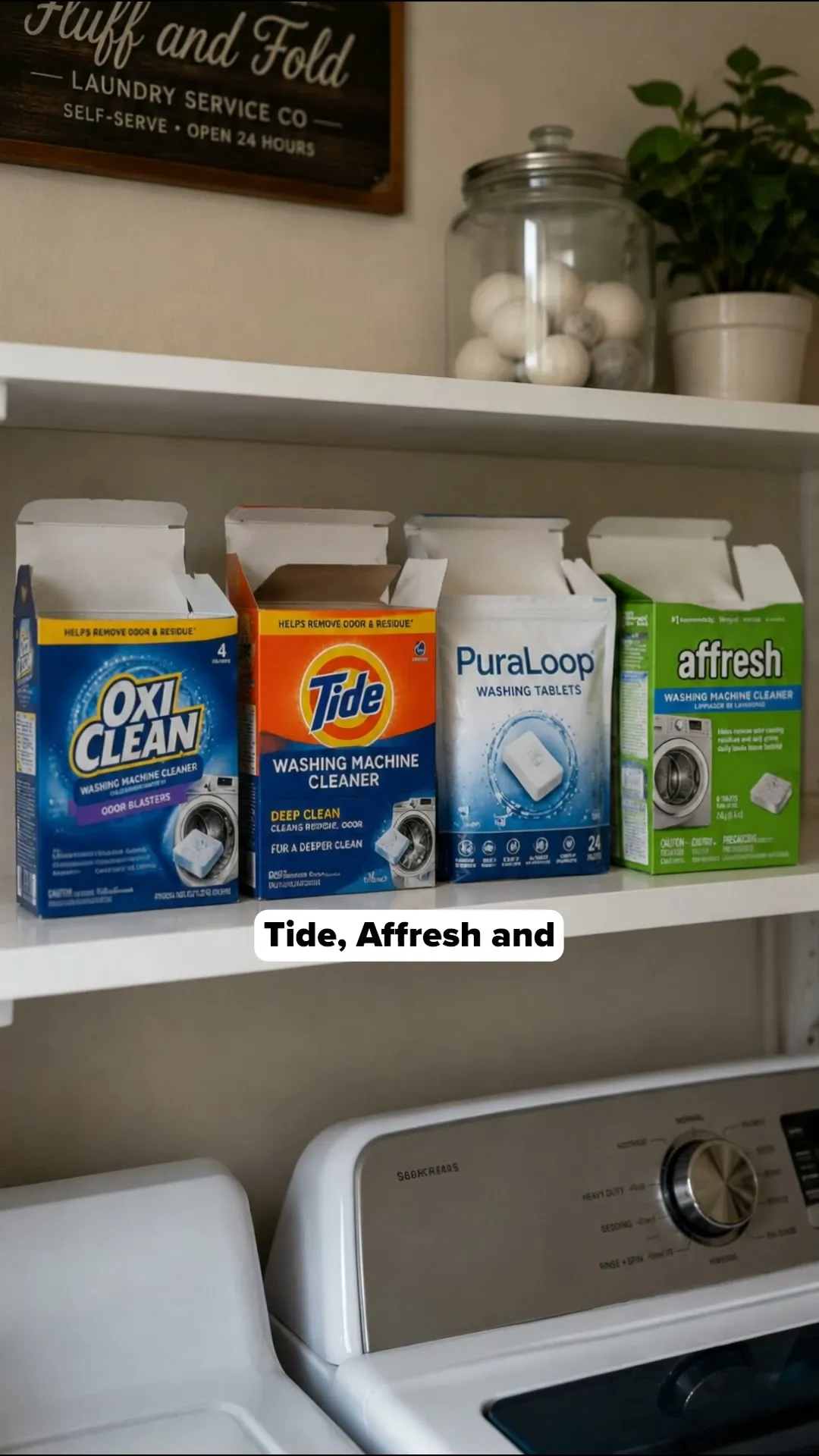
If your washer smells sour again a few days after you clean it, and you do not want that smell ending up on your clothes, here is what I would do as an appliance repair tech - someone who sees inside these machines every week. I would stop pretending that wiping the rubber gasket is a deep-cleaning plan. That is not deep cleaning. That is surface-level reassurance. My name is Danny. I have spent 22 years repairing washing machines in Phoenix. And after seeing what comes out of these machines, I need to tell you what most homeowners are never told. When people call me because their washer smells sour, leaves residue on clothes, or is losing its cleaning power, they usually think the machine is broken. They think the motor is wearing out. They think the detergent is not strong enough. They think the dryer is making the smell worse. Or they assume the problem is simply part of owning pets. So they start with Affresh. Then they try vinegar. Then baking soda. Then a stronger detergent. They add scent beads. They run another load. They wipe the rubber gasket. They run the hottest cycle the machine has. Then the same smell comes back. The towels still smell sour. The dog hair still shows up on clean clothes. The washer still leaves a strange film behind. And now the homeowner is standing in front of a machine that technically works, wondering whether the next step is a repair call or a replacement. I have watched this happen for years. The machine is running. The water is filling. The drum is spinning. The cycle is finishing. But the inside of the washer is carrying a problem from one load into the next. That is the part nobody explains. Your washer does not only need to clean your clothes. It also needs to be cleaned itself. And running laundry through it every week does not do that job. Here is what your normal wash cycle is not showing you. Every load brings something into the machine. Detergent residue. Softener residue. Fabric oils. Dirt. Lint. Pet hair. Pet oils. Odor-causing debris. Some of it leaves with the wastewater. Some of it clings to surfaces inside the washer. Some of it settles into places you never see during a normal load. The gasket folds. The drum area. The internal channels. The places where water, hair, residue, and moisture meet again and again. Over time, that mixture becomes a sticky layer of buildup. It is not always visible from the front of the machine. It does not need to be visible to affect the next load. It sits inside a dark, damp system that was designed to move water around your laundry. Then you put clean clothes into that same system. This is why a washer can look acceptable from the outside while your laundry still comes out smelling wrong. This is why a towel can smell fresh for a few hours, then turn sour again after it sits in the hamper. This is why adding more detergent often creates another layer of residue instead of solving the source of the problem. The detergent is being asked to clean the clothes and the machine at the same time. That is not what ordinary laundry detergent is designed to do. And wiping the gasket does not solve it either. The gasket is only the part you can see. The visible grime is a clue. It is not the entire problem. Affresh is where many pet owners start, and I understand why. It is a recognizable washing-machine cleaner. It is made for general residue and maintenance. It is not a stupid thing to try. But a pet washer has a specific chemistry problem that a general oxygen-bleach cleaner does not solve by itself. Pet hair is made largely of keratin protein. Oxygen bleach can clean some of the soap scum and surface residue it reaches, but it does not break down that keratin protein. Affresh does not contain the enzyme system needed to digest the protein layer, especially the protease that breaks down the protein in pet hair. So the hair stays mixed with skin oil, detergent film, softener residue, minerals, and moisture. It forms the sticky buildup that keeps holding odor inside the machine. That is why a pet owner can run Affresh exactly as directed, see the washer smell better for a short time, and still notice the odor returning after washing a dog bed, blanket, or heavily hair-covered throw. The problem is not that Affresh is useless. The problem is that it is a general washer cleaner being asked to solve a pet-protein buildup problem. Vinegar has the same limitation from a different direction. It cuts some odors and residue, but it does not digest the keratin protein in pet hair. Baking soda deodorizes some surfaces, but it does not reach into and break apart that protein layer. When vinegar and baking soda are used together, they neutralize much of the chemistry people are trying to use. More product is not the answer when the formula is missing the part that breaks down the buildup. I learned this on a service call that looked ordinary at first. The homeowner told me her washer was broken because every load came out with a wet-dog smell. She had already changed detergents. She had run the self-clean cycle. She had wiped the gasket until it looked clean. Nothing stayed fixed. She was ready to start shopping for a new machine. I asked her to show me the washer. The machine turned on. It filled. It drained. The drum spun. There was no obvious mechanical failure. But when I started looking at the areas that collect residue, the diagnosis changed. The problem was not that the washer was unable to run a cycle. The problem was what the cycle was running through. There was old residue, hair, and grime sitting inside the system. Not enough to stop the drum from turning. More than enough to keep the washer from feeling clean. That is the difference most homeowners never get told. A mechanical problem stops the machine from doing its job. A buildup problem lets the machine keep running while quietly ruining the result. The washer finishes the cycle. The clothes come out warm. The display says the load is done. But the source of the odor is still inside the machine. So the owner blames the towel. Then the detergent. Then the dryer. Then the age of the washer. The actual problem keeps getting left behind. Most homeowners never think of a washing machine as something that needs its own maintenance schedule. You clean the lint trap in the dryer. You wipe the kitchen counter. You scrub the bathtub. But the washer keeps disappearing into the background because every time you use it, it looks like it is cleaning itself. It is not. The washer is a system of moving water, heat, residue, and moisture. It has places where material collects. It has areas you do not reach with a cloth. It has parts that stay damp after the cycle ends. The longer that material stays there, the more difficult it becomes to ignore the result. The smell returns faster. The towels stop feeling fresh. The laundry room starts smelling different. You begin adding more detergent because the last amount did not seem to work. Then you add fragrance because the detergent still did not solve it. Now there is more product moving through the washer and more residue available to settle inside it. That is how a small maintenance problem becomes a household routine. You rewash a load. You leave the washer door open. You wipe the gasket again. You buy another cleaner. You tell yourself the smell is probably normal because the machine is older. Meanwhile, the washer keeps finishing every cycle while the buildup remains in the places you cannot see. I have seen homeowners feel embarrassed about this. They think they are doing something wrong because their laundry does not smell fresh after washing. They are not doing something wrong. Nobody taught them that the washer itself needs a deep clean. Nobody explained that the visible ring around the gasket is not the whole machine. Nobody explained that detergent is not a substitute for washer maintenance. And nobody explained why a machine can complete a full cycle while still carrying odor and residue into the next one. That is why I do not start by telling people to buy a new appliance. I start by asking what the inside of the current one is carrying. I started paying closer attention to what these machines needed during a deep clean. Not another fragrance. Not another quick wipe. Not a tablet that only creates a clean smell for a few hours. The cleaner needed to address the material that pet households put inside a washer every week. Pet hair is not just a loose strand floating around the drum. Pet hair carries protein and oils with it. Those materials mix with detergent, softener, fabric residue, dirt, and moisture. That is why a pet household creates a different cleaning problem from an empty, low-use machine. The formula has to deal with the buildup, not simply cover the odor. That is what led me to Uproot Washing Machine Cleaner. Uproot is a tablet made specifically for the residue that builds up inside washing machines, including pet hair, pet odor, detergent residue, softener residue, dirt, mold, mildew, bacteria, and grime. You do not pour it into the detergent compartment. You place it directly into the empty washer drum. Then you run a Normal or Hot Water cycle, or the machine's Clean Washer cycle. As the tablet dissolves, its enzyme blend goes to work on the buildup that ordinary laundry cycles leave behind. It is designed to break down residue buildup and pet hair proteins instead of simply covering the smell with fragrance. The formula includes protease, lipase, alpha-amylase, sodium percarbonate, citric acid, and other cleaning ingredients chosen for the material that collects inside a washer. The Pro version is fragrance free. The Ultra version adds light fragrance and cyclodextrin-powered odor removal for heavier odor loads and households with multiple or larger pets. The point is not to make the washer smell clean for one afternoon. The point is to remove the material that keeps giving the odor a place to return. And after the cycle, Uproot kills 99.9% of leftover bacteria and germs in the machine. That is why I look at Uproot differently from a product that simply promises a fresher-smelling drum. It is built around the actual problem. The buildup is not one single substance, so the cleaning approach cannot be one single trick. Pet hair proteins need a different kind of attention than oily residue. Oily residue needs a different kind of attention than detergent film. Odor needs more than perfume laid over the top. The machine needs a cleaning cycle designed for the whole mess that accumulates inside it. That is also why your previous attempts did not tell you the full story. If you wiped the gasket, you cleaned the part within reach. If you ran a hot cycle, you moved hot water through the machine. If you added more detergent, you sent more cleaning product through a system already carrying residue. If you used fragrance, you changed the smell without changing the buildup creating it. None of those actions made you careless. They were simply aimed at the wrong part of the problem. You were trying to clean the laundry. The machine needed its own cleaning cycle. Uproot makes that simple. Here is the timeline I tell people to follow. First day, empty the washer. Place one tablet directly into the drum, not the detergent compartment. Run a Normal or Hot Water cycle, or the machine's Clean Washer cycle. When the cycle finishes, wipe away any leftover residue. That first cycle is the reset. It gives the formula a chance to work on the residue, pet hair proteins, odors, and grime that have been sitting inside the machine. Over the next two weeks, pay attention to the things that made you think the washer was broken in the first place. How quickly does the sour smell return? Do towels still pick up that wet-dog odor? Does pet hair still show up on laundry that just came out of the machine? Does the gasket collect the same black residue again? You are not guessing anymore. You know what the machine was carrying, and you know what to watch for. At the two-week mark, run the second cleaning cycle. The first cycle addresses the buildup already inside the washer. The next cycle keeps the residue from becoming another layer that sits there and feeds the same problem. After that, run Uproot every two weeks-or whenever the musty odor returns. That gives the washer its own maintenance routine instead of leaving the buildup to collect until the smell becomes a household problem again. Picture the next time you wash the dog bed, the blanket, or a load of clothes. You pull the laundry out and smell the laundry-not the washer. You do not start another load just to get the smell out. You do not reach for stronger detergent. The machine has its own cleaning routine now. That is what Uproot was made to do: clean the machine your laundry keeps passing through. The standard Uproot Washing Machine Cleaner is $19.99. It works with top-loaders, front-loaders, HE, and compact washers, and every purchase is covered by a 60-day money-back guarantee. Click below to get Uproot and run the first cleaning cycle today. Before you spend hundreds replacing a machine that still fills, drains, spins, and finishes its cycle, clean the source first. ~ Danny Martinez, Appliance Repair Technician, 22 years https://uprootclean.com/products/uproot-washing-machine-cleaner-pro
More from How Things Break

Get Rid of Bacteria & Pet Odor from Your Washer
How Things Break
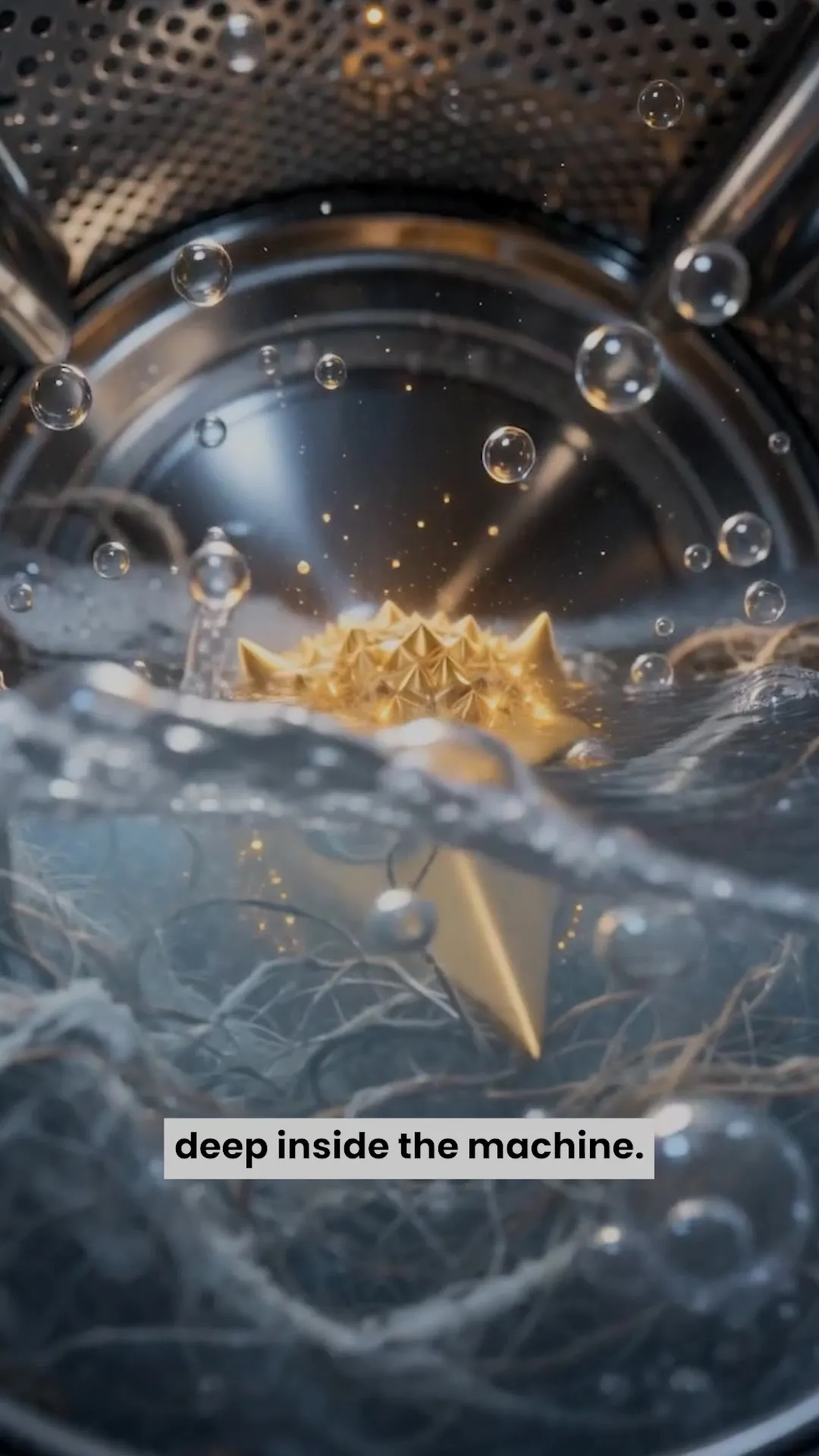
Get Rid of Bacteria & Pet Odor from Your Washer
How Things Break
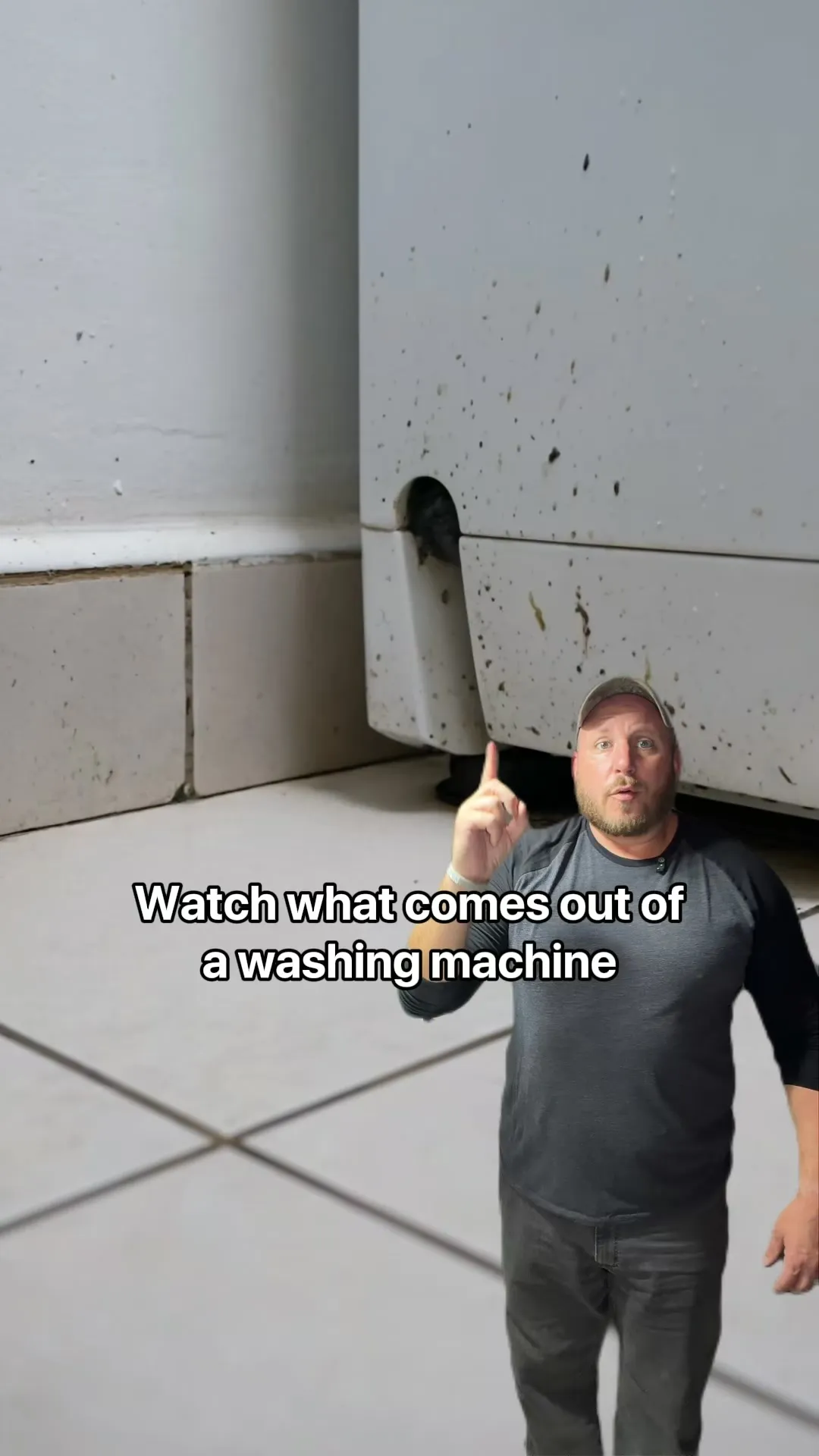
Get Rid of Bacteria & Pet Odor from Your Washer
How Things Break
Get Rid of Bacteria & Pet Odor from Your Washer
How Things Break
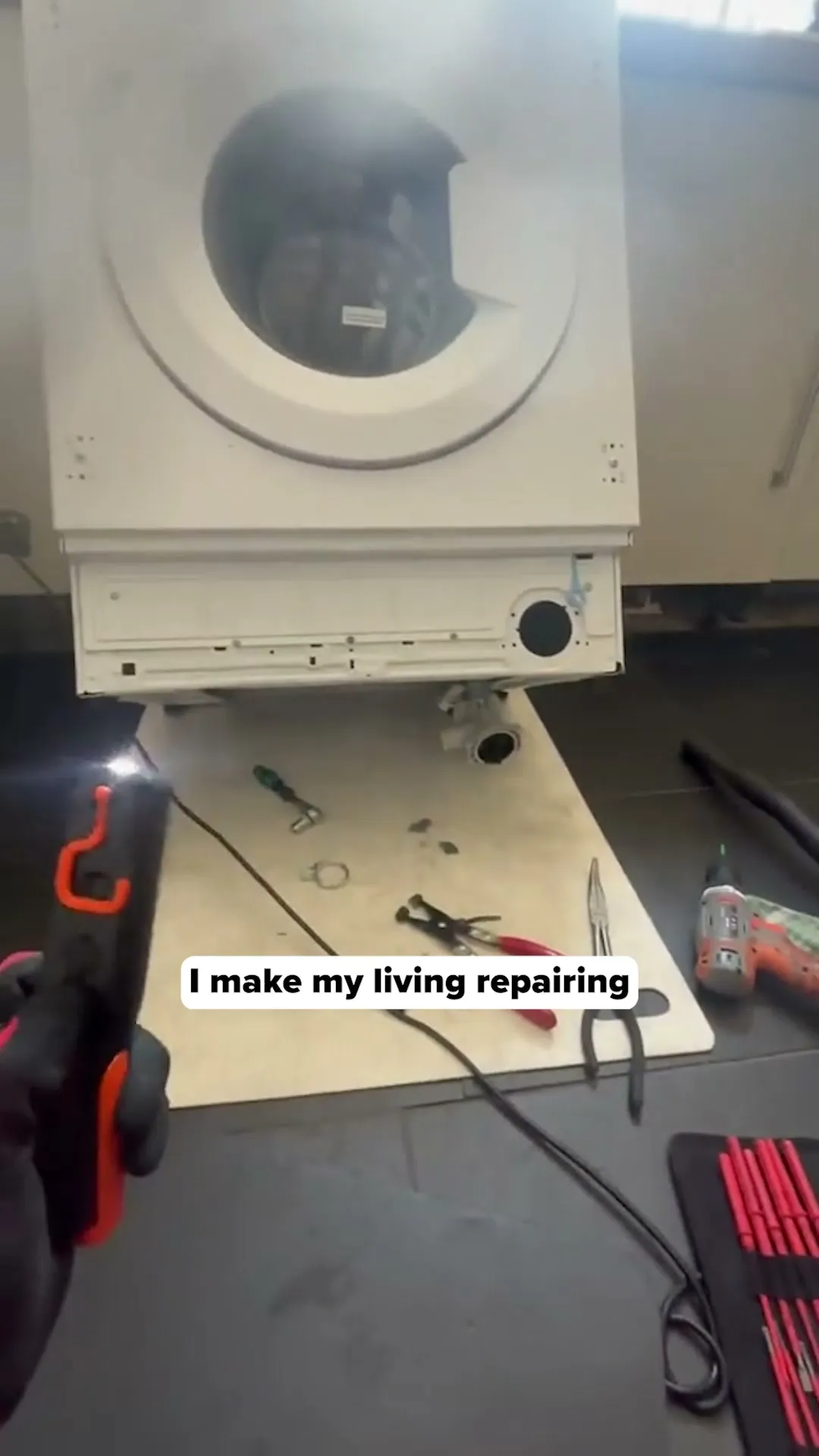
Get Rid of Bacteria & Pet Odor from Your Washer
How Things Break
Get Rid of Bacteria & Pet Odor from Your Washer
How Things Break
Get Rid of Bacteria & Pet Odor from Your Washer
How Things Break
Get Rid of Bacteria & Pet Odor from Your Washer
How Things Break

Get Rid of Bacteria & Pet Odor from Your Washer
How Things Break
Get Rid of Bacteria & Pet Odor from Your Washer
How Things Break
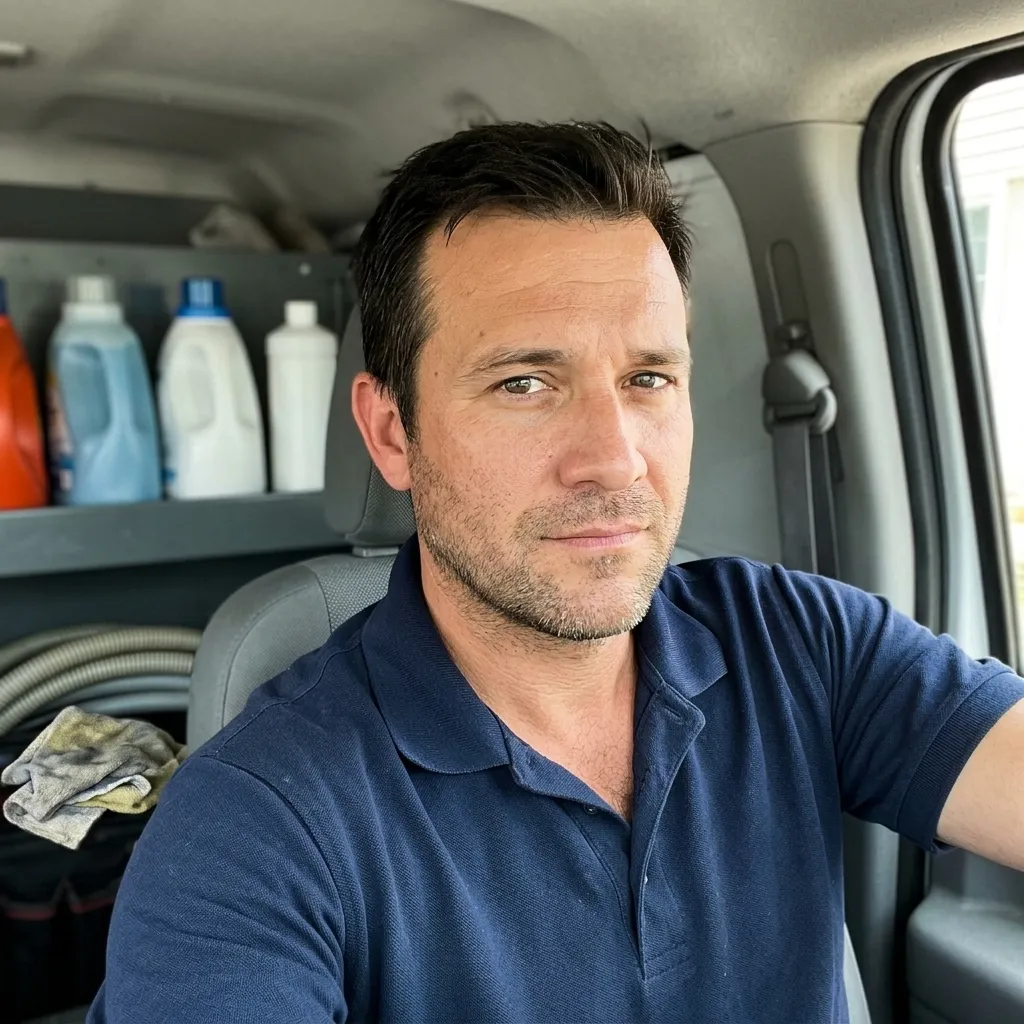
The Washer Secret Appliance Repair Techs Know
How Things Break

The Washer Secret Appliance Repair Techs Know
How Things Break

 Add to Chrome