What doctors don't tell you....
Ad Copy
I've been a women's hormone specialist for 14 years. And I need to tell you something that could cost me my career. ======== I didn't go into medicine to sell supplements. I went into medicine because I watched my mother lose herself at 49. Not to Alzheimer's. Not to depression. To menopause. She stopped sleeping. Stopped laughing. Stopped reaching for my father's hand at the dinner table. By 52, they were roommates. By 54, he slept in the guest room. Nobody in our family talked about it. We just watched the warmth drain out of their marriage like water from a cracked glass. I became a hormone specialist because I was determined to make sure no other woman went through what she did. And for the first decade, I thought I was helping. ======== I prescribed HRT like every other specialist. Estrogen patches. Progesterone. Testosterone cream when the libido complaints came in. The hot flashes improved. The night sweats calmed down. Sleep got a little better. But the one thing women came to me desperate for? The thing that was quietly destroying their marriages? Desire. It never came back. Not for most of them. I'd sit across from women in my office, tears running down their faces, telling me the same story over and over. "I love my husband. I'm still attracted to him. But my body won't respond." "He's stopped even trying. I can see it in his face. He thinks I don't want him anymore." "I feel like I'm broken." I'd adjust their dosages. Add supplements. Refer them to therapists. Send them to pelvic floor specialists. And three months later, they'd come back with the same dead look in their eyes. "It's a little better, maybe." It wasn't. ======== I want to tell you about one patient because her story broke something open in me. I'll call her Diane. 51. Married 24 years to a man she described as her best friend. She sat in my office and told me she hadn't wanted sex in three years. Not once. Not even a flicker. She'd tried HRT. I prescribed it. She'd tried Maca. Ashwagandha. Evening primrose oil. Black cohosh. A $60 "women's vitality blend" that tasted like dirt. She'd done couples therapy. Date nights. A weekend getaway to Napa that ended with her pretending to be asleep by 9 PM. Total spent: over $4,000 in two years on things that didn't work. She looked at me and said, "Dr. Brooks, he's going to leave me. Not because he's cruel. Because I've made him feel unwanted for three years. And I can't blame him." I told her what I always told my patients. "Menopause affects everyone differently. We'll keep adjusting." She nodded. But I saw it in her eyes. She'd stopped believing me. Honestly? She was right to stop. ======== Because I didn't have an answer. And I knew it. Not for Diane. Not for the hundreds of women before her who came in with the same complaint. "I've lost all desire. I still love him. What is wrong with me?" I could manage their hot flashes. I could stabilize their mood. I could improve their sleep. But desire? I was failing them. And the thing that kept me up at night? I was doing exactly what my textbooks told me to do. HRT. Referrals. Lifestyle modifications. By the book. Every time. And it wasn't working. ======== The night everything changed was a Tuesday in November. 2 AM. I couldn't sleep. I was reading a study out of a university endocrinology department. Not about menopause specifically, but about cortisol's effect on the female reproductive system under chronic stress. One paragraph stopped me cold. The researchers had found that when cortisol stays elevated for extended periods, the body enters what they called a "survival state." In this state, the nervous system systematically shuts down every function it considers non-essential. Reproduction is the first to go. Not because the body is broken. Because the body is protecting itself. I read that paragraph four times. Then I sat up in bed and said, out loud, to nobody: "That's why the HRT isn't working." ======== Think about what I'd been doing for ten years. A woman comes in. Her desire is gone. Her estrogen is low. I replace the estrogen. Hot flashes get better. Sleep improves. Mood stabilizes a little. But desire? Nothing. Because estrogen replacement doesn't address cortisol. HRT doesn't pull the body out of survival mode. It's like putting premium fuel in a car with the engine switched off. The tank is full. The engine is still dead. Every supplement I'd ever recommended, every protocol I'd ever prescribed, was treating the wrong problem. The problem was never low estrogen alone. The problem was that chronic stress had hijacked these women's nervous systems, cortisol was running the show, and their bodies had decided that desire was a luxury they couldn't afford. You can love your husband deeply and feel nothing when he touches you. That's not a relationship problem. That's cortisol suppressing your brain's ability to send the desire signal. And nobody was telling these women. ======== I spent the next three months reading everything I could find. Published research on cortisol and female sexual function. Studies on adaptogenic herbs that calm the HPA axis. Clinical data on compounds that restore the brain-body connection menopause disrupts. Three things kept showing up together. Shilajit. Contains over 85 trace minerals that replenish cellular energy. When cells are depleted, the body can't produce desire. It's not a stimulant. It feeds what's been starved. Shatavari. Used for over 3,000 years in Ayurvedic medicine for female hormonal health. The name literally translates to "she who has 100 husbands." It calms cortisol and coaxes the body out of survival mode. Saffron. Clinically shown to improve female sexual function by 62% in controlled trials. It restores the brain-body connection that menopause severs. Not one of them alone. All three working together. Replenish the cells. Calm the cortisol. Reconnect the brain to the body. That was the protocol I'd never been taught. ======== Diane came back for her quarterly appointment. I didn't adjust her HRT. I told her what I'd found. I explained survival mode. I explained cortisol. I told her that her body wasn't broken. It was protecting itself. And that every solution she'd tried, including everything I'd prescribed, was targeting the wrong thing. She cried. But not the defeated crying I'd seen before. She cried because someone finally explained what was happening to her. "So I'm not broken?" "No. Your body is doing exactly what it's designed to do under chronic stress. We just need to calm it down." ======== A patient had actually brought me a product a few weeks earlier. A brand called Bloomin. She'd found it on her own and wanted to know if it was legitimate. I looked at the formula. Shilajit. Shatavari. Saffron. Clinical-strength doses. All three compounds in one daily gummy. It was exactly what I would have formulated myself. I told Diane about it. I also told her I wasn't selling anything. I was just tired of watching women suffer for years while I adjusted prescriptions that weren't fixing the real problem. She ordered it that night. ======== Week one: Diane texted me. (I give my patients my number. I know that's unusual.) "Something's different. I actually had energy after 3 PM today. That hasn't happened in two years." Week two: "My husband said something funny at dinner and I laughed. Really laughed. Not the polite laugh. The real one. He looked at me like he'd seen a ghost." Week three: "I'm calmer. I don't know how to describe it. I'm not snapping at everyone. I feel... lighter." I told her to keep going. The desire signal takes longer. The body has to trust that it's safe before it opens that door again. Week four: I got a voicemail at 7 AM. Diane was whispering. "Dr. Brooks. Last night I reached for him. I didn't plan it. I didn't think about it. I just wanted to be close to him. And I was. And it was... it was like the first time. Except better. Because I thought I'd never feel that again." I sat in my car in the parking lot and cried. 14 years. Hundreds of patients. Thousands of prescriptions. And this was the first time I'd heard that voicemail. ======== Diane isn't an outlier anymore. In the past year, I've suggested the same approach to dozens of patients. The ones who were still on HRT but had no desire. The ones who'd tried every supplement on the shelf. The ones who'd accepted that this was just what menopause does. The pattern is the same almost every time. Week one to two: energy returns. Sleep deepens. Mood steadies. They stop snapping at their husbands over nothing. Week three to four: the fog lifts. They feel sharper. More present. More like themselves. Week four to six: desire returns. Quietly, at first. Not a lightning bolt. A warmth. A leaning in. A thought about him that hasn't crossed their mind in months. And then one morning they text me: "I feel like myself again." ======== I'm writing this because I can't sit in my office and help one woman at a time while millions of others are being told the same useless advice I used to give. "It's just menopause." "Try date nights." "Maybe see a therapist." "Low libido is normal at your age." It's not normal. It's survival mode. And there are three reasons your doctor hasn't told you. First, there's no pharmaceutical drug for it. You can't patent ancient herbs that calm cortisol naturally. Second, there's no billable procedure. No billing code for restoring brain-body connection means no revenue for the practice. Third, most gynecologists were never taught this. The research is published. It's in the journals. But it's not in the HRT prescribing protocols they follow. So they default to: "Here's your estrogen patch. Low libido is normal after menopause. Maybe see a therapist." Meanwhile, the four-billion-dollar menopause industry profits from every refill, every specialist visit, every woman who accepts "this is just how it is now." ======== If you're reading this and you love your husband but feel nothing when he touches you. If you've tried HRT and it helped everything except the one thing that matters most. If you've lined up supplements on your bathroom counter and watched them do nothing month after month. If your husband has stopped initiating because he's tired of being turned down, and you're tired of feeling broken. You're not broken. Your body is in survival mode. Cortisol is running the show. And everything you've tried so far has been putting fuel in a car with the engine switched off. The brand I mentioned is Bloomin. One gummy a day. All three compounds at clinical doses. US-based, third-party tested. Tastes like a berry candy. They're running a bundle deal right now. Up to 60% off with free shipping. Three months for about what you'd pay for two. That's exactly the window most of my patients needed to feel the full difference. 90-day money-back guarantee. If you don't feel like yourself again, full refund. You're not risking anything except staying exactly where you are. ======== P.S. Diane came in for her six-month checkup last week. I asked how things were going. She smiled, the kind of smile I hadn't seen from her in three years, and said: "I pulled him into the bedroom on a Sunday afternoon last week. He laughed. He actually laughed. Because he was happy." 14 years of practice. That's the moment I became a real doctor.
More from Dr. Imani Brooks, PhD

Why Women Over 35 Are Quietly Switching to This
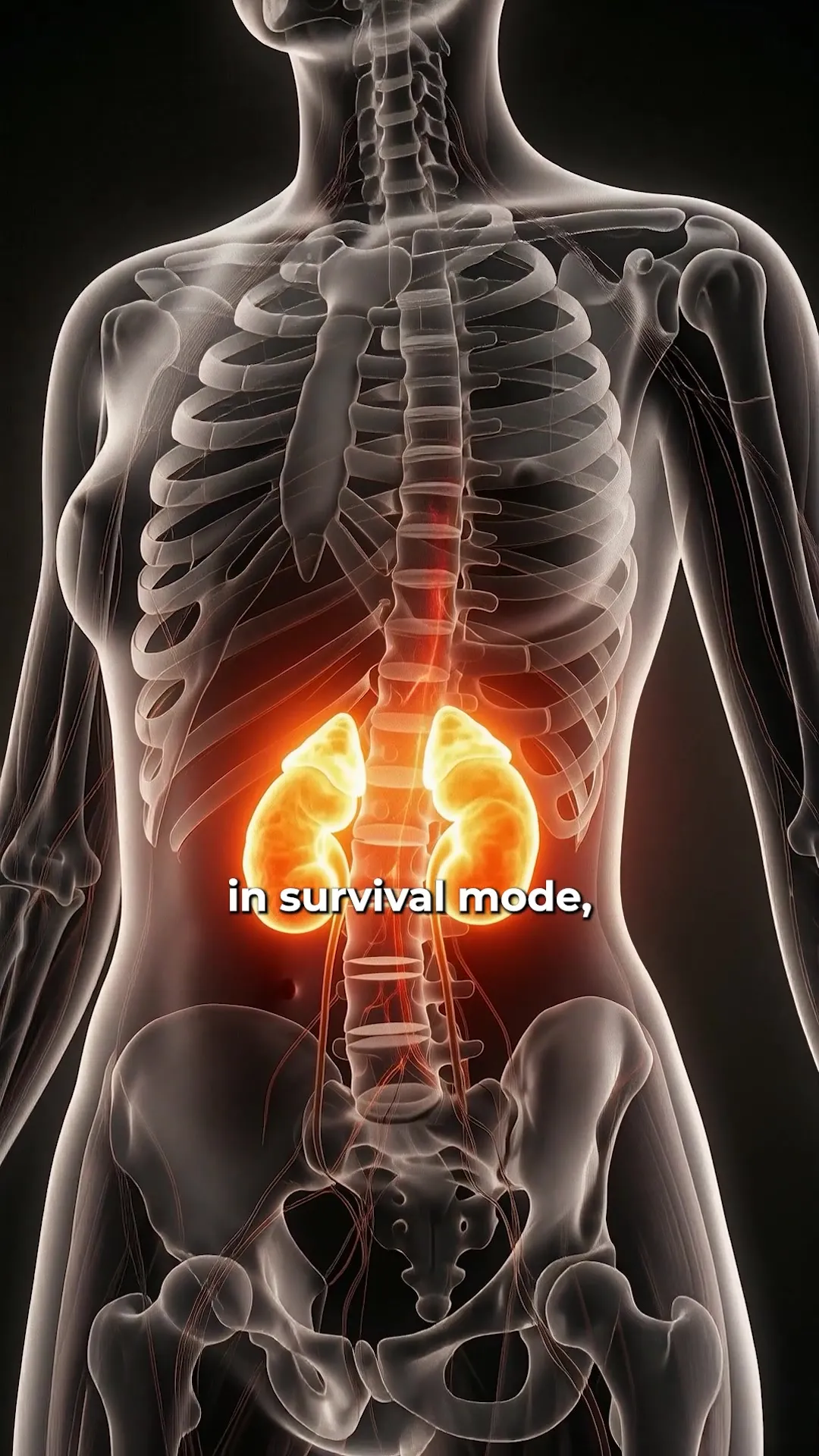
Dr. Imani Brooks, PhD
All-natural menopause relief
Dr. Imani Brooks, PhD
Why Women Over 40 Are Quietly Switching to This
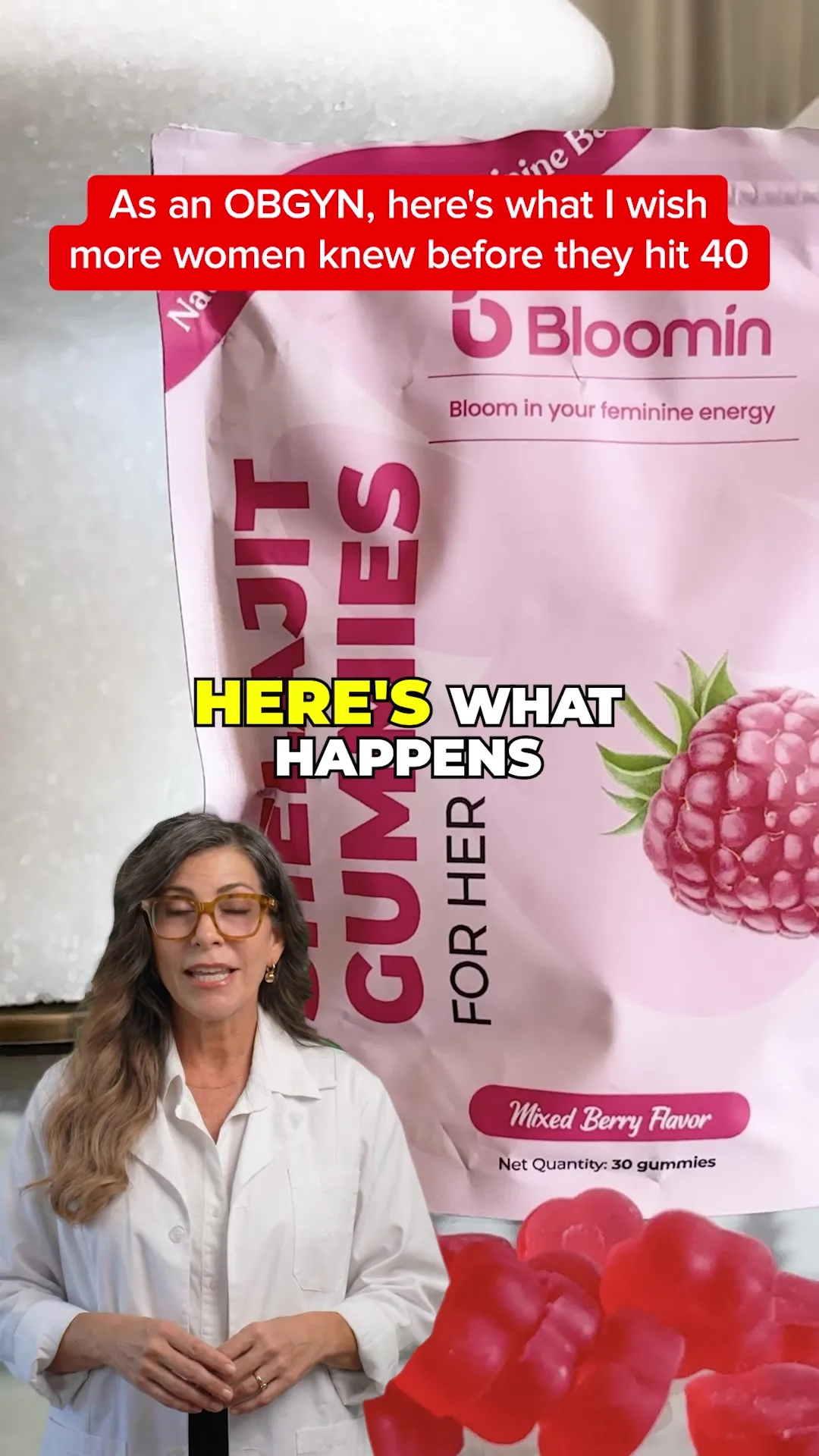
Dr. Imani Brooks, PhD
Natural solution to low libido post hysterectomy
Dr. Imani Brooks, PhD
What HRT Was Never Built To Do
Dr. Imani Brooks, PhD
All-natural menopause relief
Dr. Imani Brooks, PhD
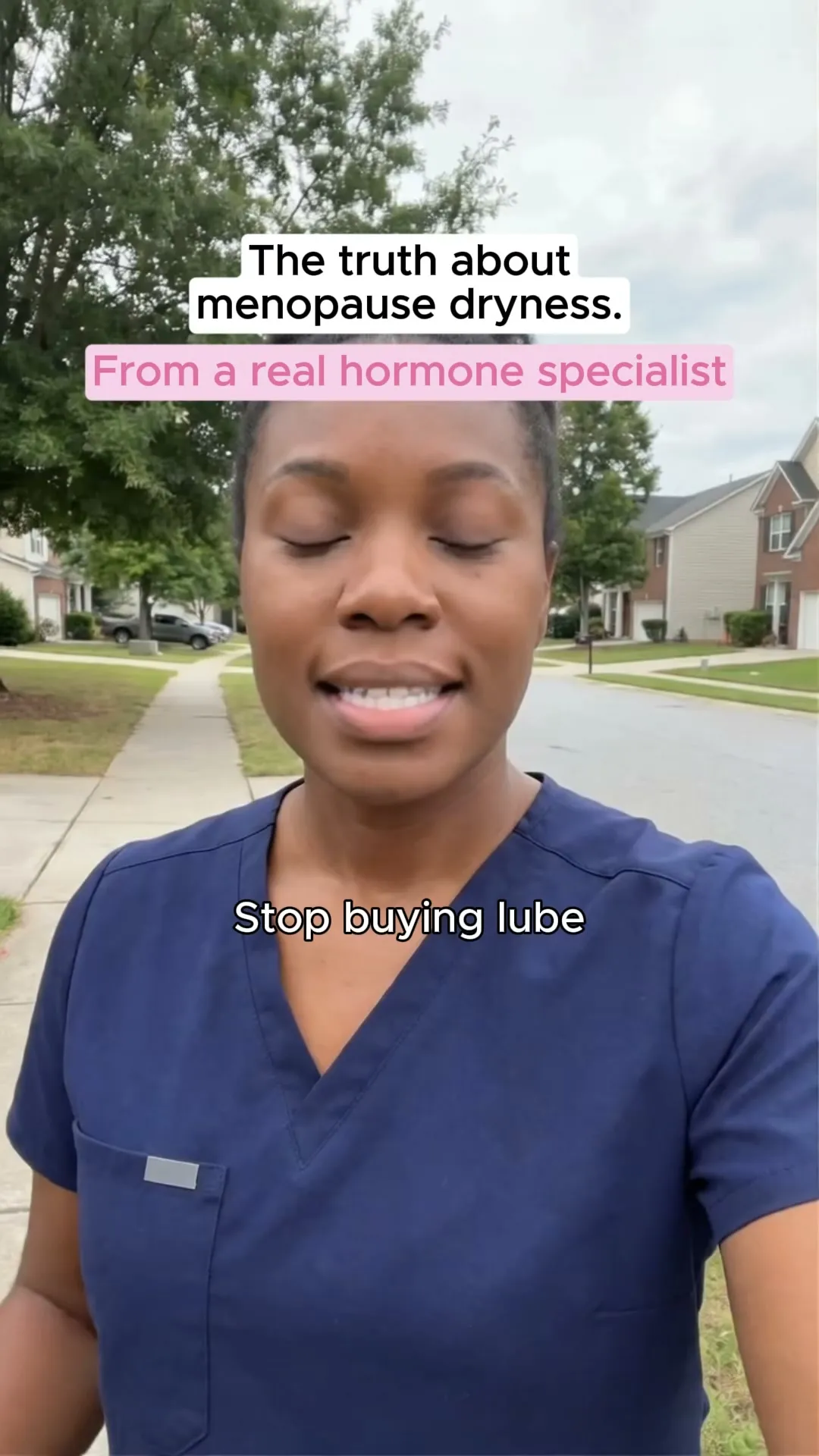
Supports Vaginal Lubrication
Dr. Imani Brooks, PhD
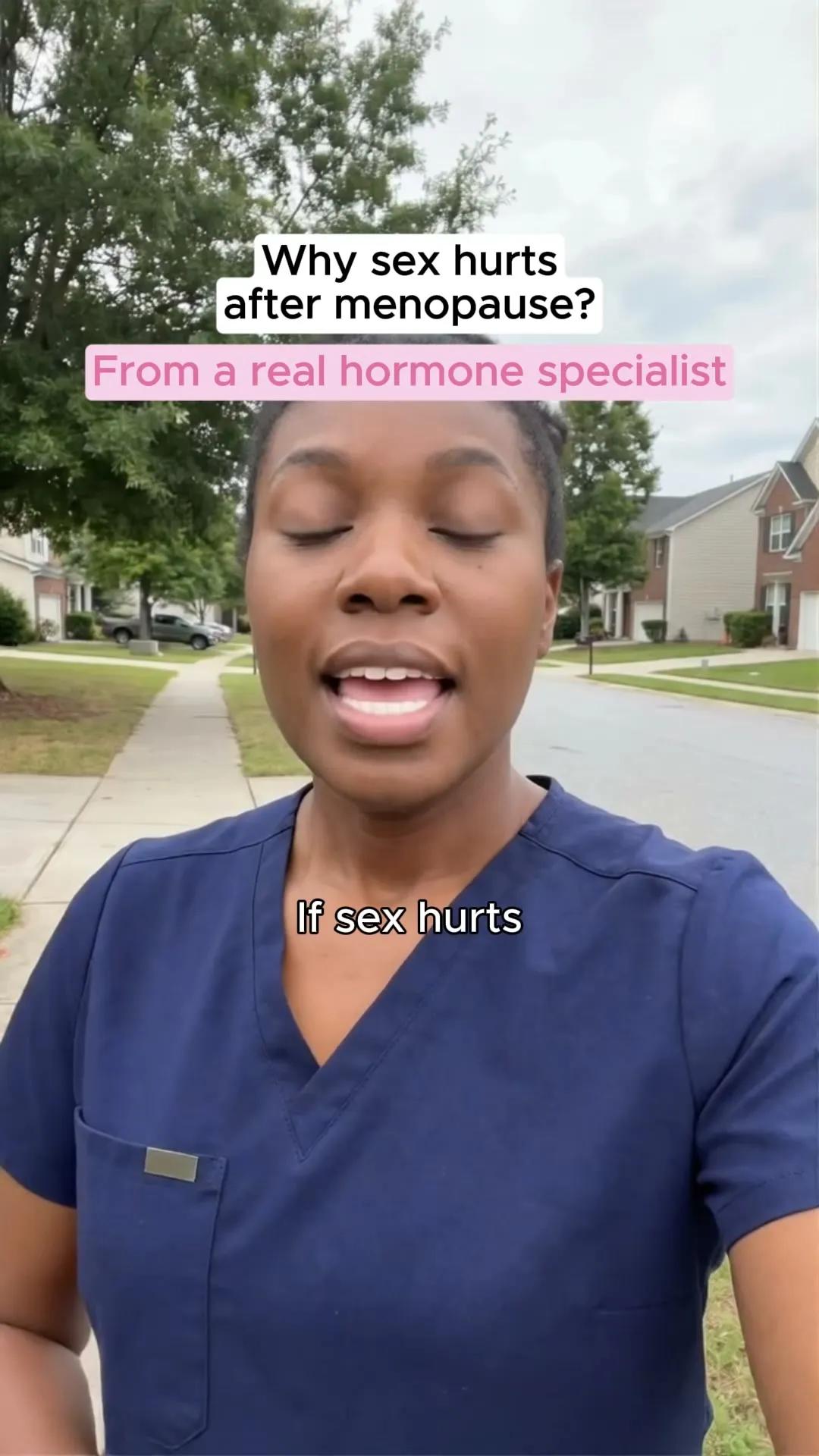
Supports Vaginal Lubrication
Dr. Imani Brooks, PhD
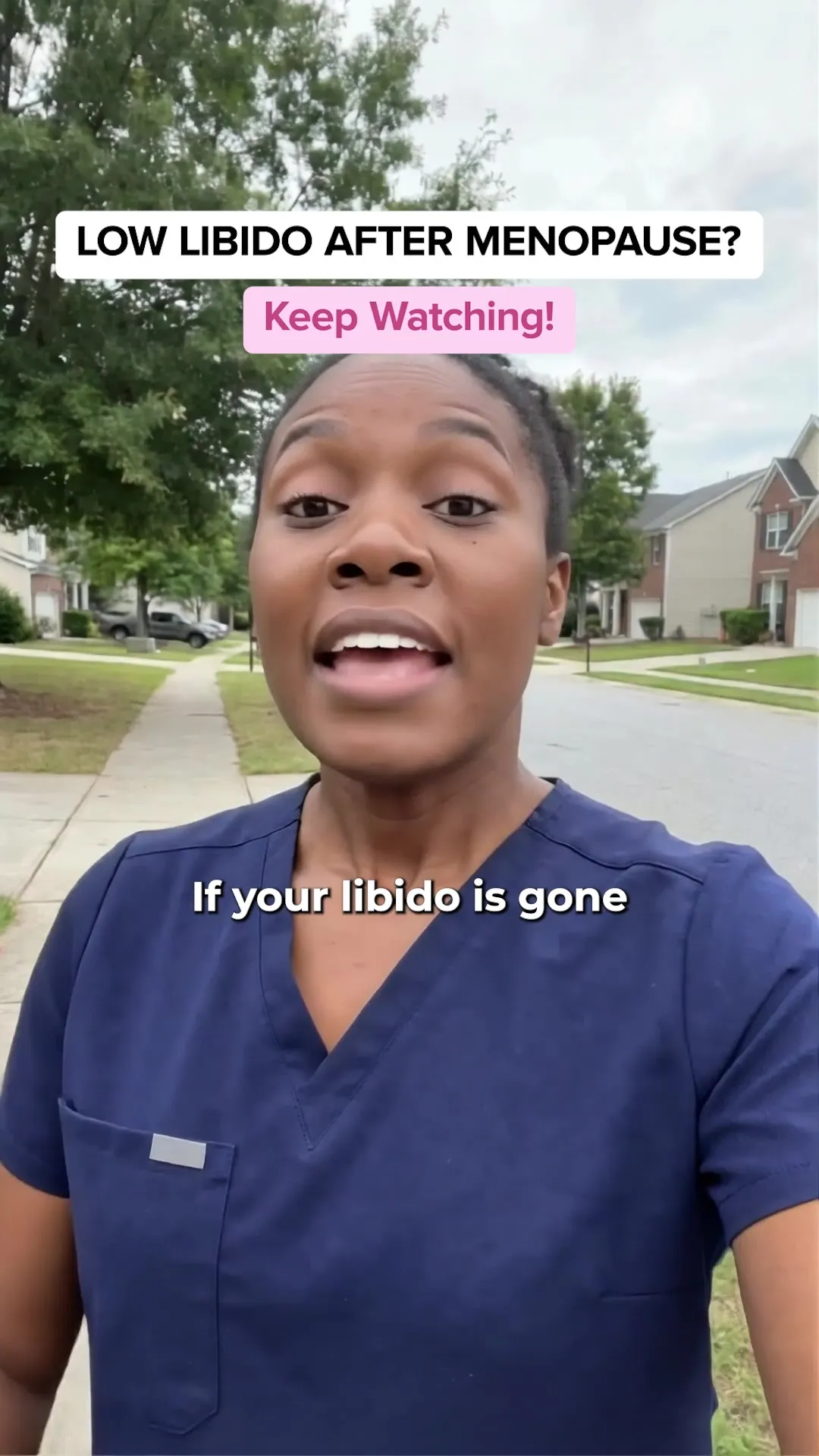
All-natural menopause relief
Dr. Imani Brooks, PhD
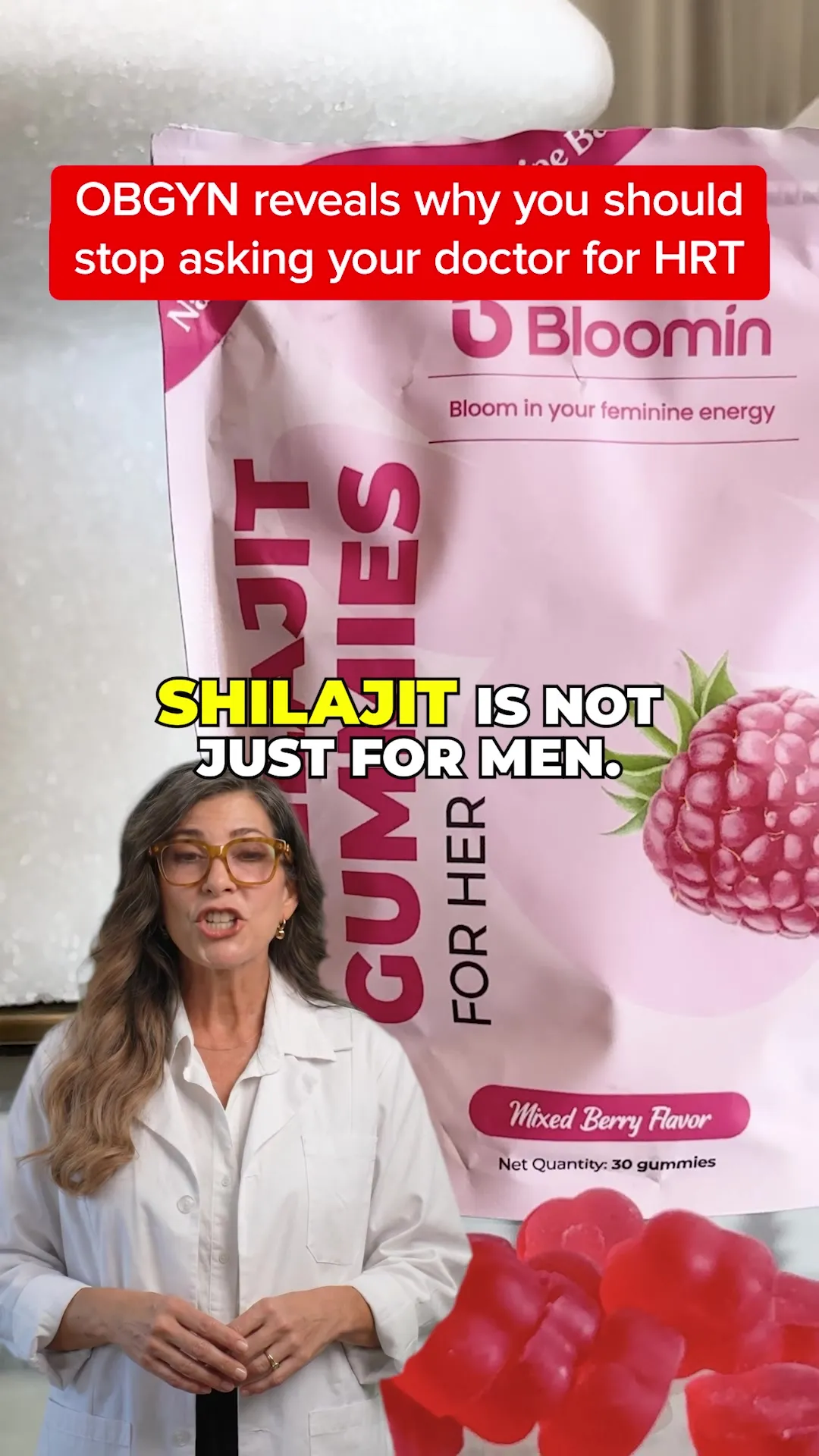
Doctors Are Calling This the 'Natural HRT'
Dr. Imani Brooks, PhD
Doctors Are Calling This the 'Natural HRT'
Dr. Imani Brooks, PhD
Natural solution to low libido post hysterectomy
Dr. Imani Brooks, PhD

 Add to Chrome