
🔥 The Shift That Turns “Foggy” Into Focused
Ad Copy
The first time it happened, I brushed it off. I forgot a coworker’s name during a meeting. Annoying, embarrassing, but whatever. The second time, I forgot the code to my own front door as I stood there holding groceries. The third time… I forgot my anniversary. My husband looked hurt. I looked shocked. But the truth was, I wasn’t shocked—not really. I’d felt something was wrong for months. The fog. The slow-down. The way information slipped through my fingers no matter how hard I tried to hold onto it. At work, I struggled. I’d read reports and absorb nothing. I’d sit through presentations and remember none of it. Younger colleagues were speeding ahead—learning fast, adapting fast—while I felt like my brain was lagging behind, stuck in mud. The day everything broke was during a presentation to the executive team. Halfway through, my mind went completely blank. Not just a pause—blank. Empty. Gone. I stood there in silence as every eye stared at me. After the meeting, I sat in my car and cried. That night, unable to sleep, I found myself searching for answers. And I saw something I’d never considered: that the brain can be trained. That memory isn’t a gift—it’s a skill. That intelligence isn’t fixed—it’s plastic. That people who seem “naturally brilliant” are often just using techniques they were taught. And then I found a program created by a man whose brain had been so damaged as a child, teachers wrote “broken brain” in his file—yet he ended up training world leaders, actors, CEOs, and even doctors. If he could rebuild his mind, maybe I could rebuild mine. I started the Superbrain method the next morning. Fifteen minutes. Just long enough to drink my coffee. I didn’t expect much. But results came faster than I thought. Within days, I noticed small improvements. I remembered details from meetings. I kept track of tasks without writing them down. I got through reading without losing focus. My mind felt… lighter. Brighter. Awake. Within weeks, people noticed. “You seem sharper.” “Did you do something different?” “You’re on fire lately.” But the moment that meant the most was when my husband said, “You remembered our date night before I did.” I laughed. And I felt like me again. If you’re feeling that quiet fear—that slipping, that fog, that frustration you don’t talk about—please know: it’s not permanent. Your brain is waiting to be trained. And once you start? You won’t believe how quickly it comes back.
More from Mindvalley
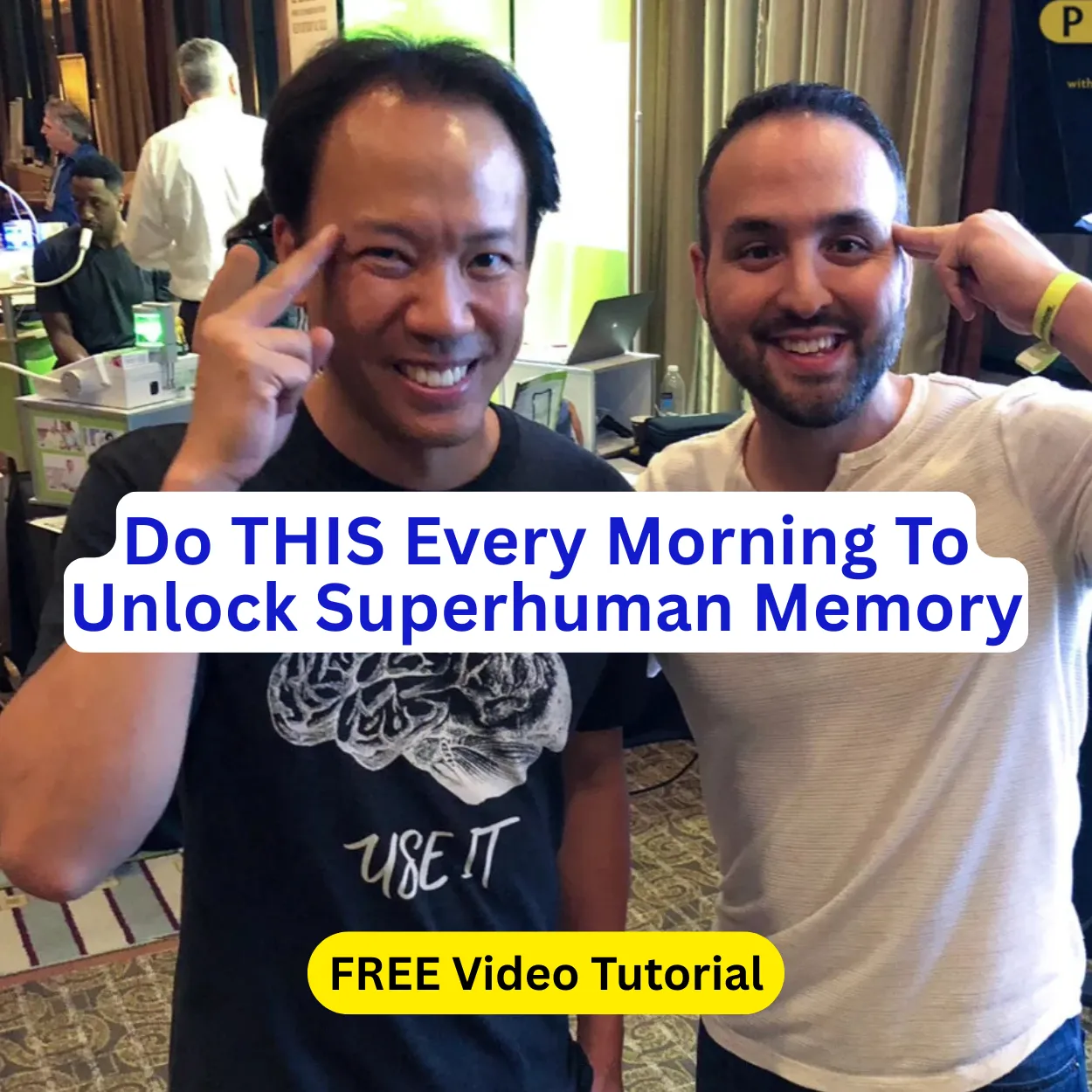
The Moment Everything Clicks Inside Your Mind
Mindvalley
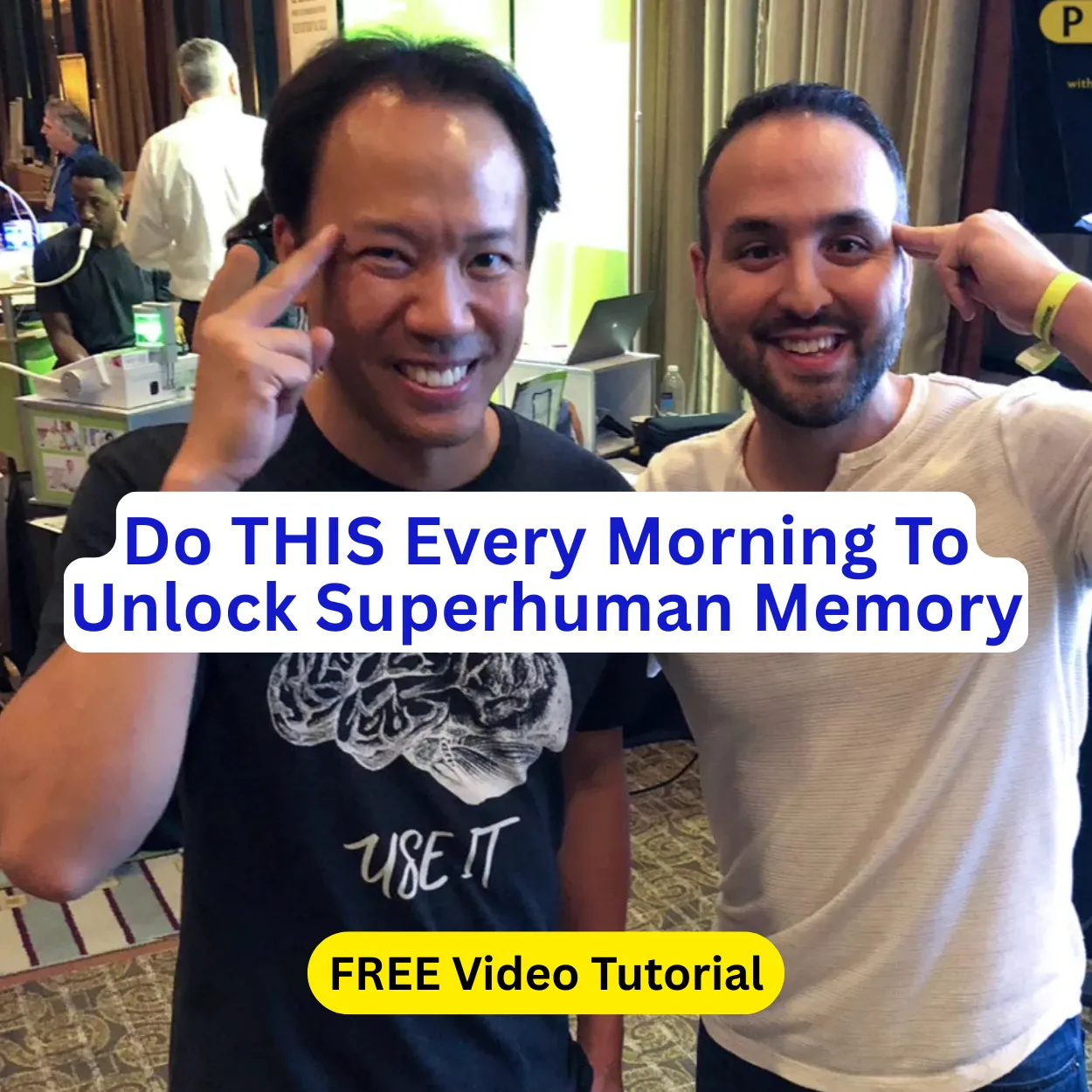
The Moment Everything Clicks Inside Your Mind
Mindvalley
🧠 Unlock Your Superhuman Brain Today
Mindvalley

🧠 The Secret Behind People Who Learn 10x Faster
Mindvalley

Your Mind Is Capable of More Than You Realize
Mindvalley

The Fastest Way to Feel Mentally Unstuck
Mindvalley
🧠 Unlock Your Superbrain Today
Mindvalley
🧠 Unlock Your Superhuman Brain Today
Mindvalley
🧠 Unlock Your Superhuman Brain Today
Mindvalley
🧠 Unlock Your Superbrain Today
Mindvalley
🧠 Unlock Your Superhuman Brain Today
Mindvalley

🧠 The Secret Behind People Who Learn 10x Faster
Mindvalley

 Add to Chrome