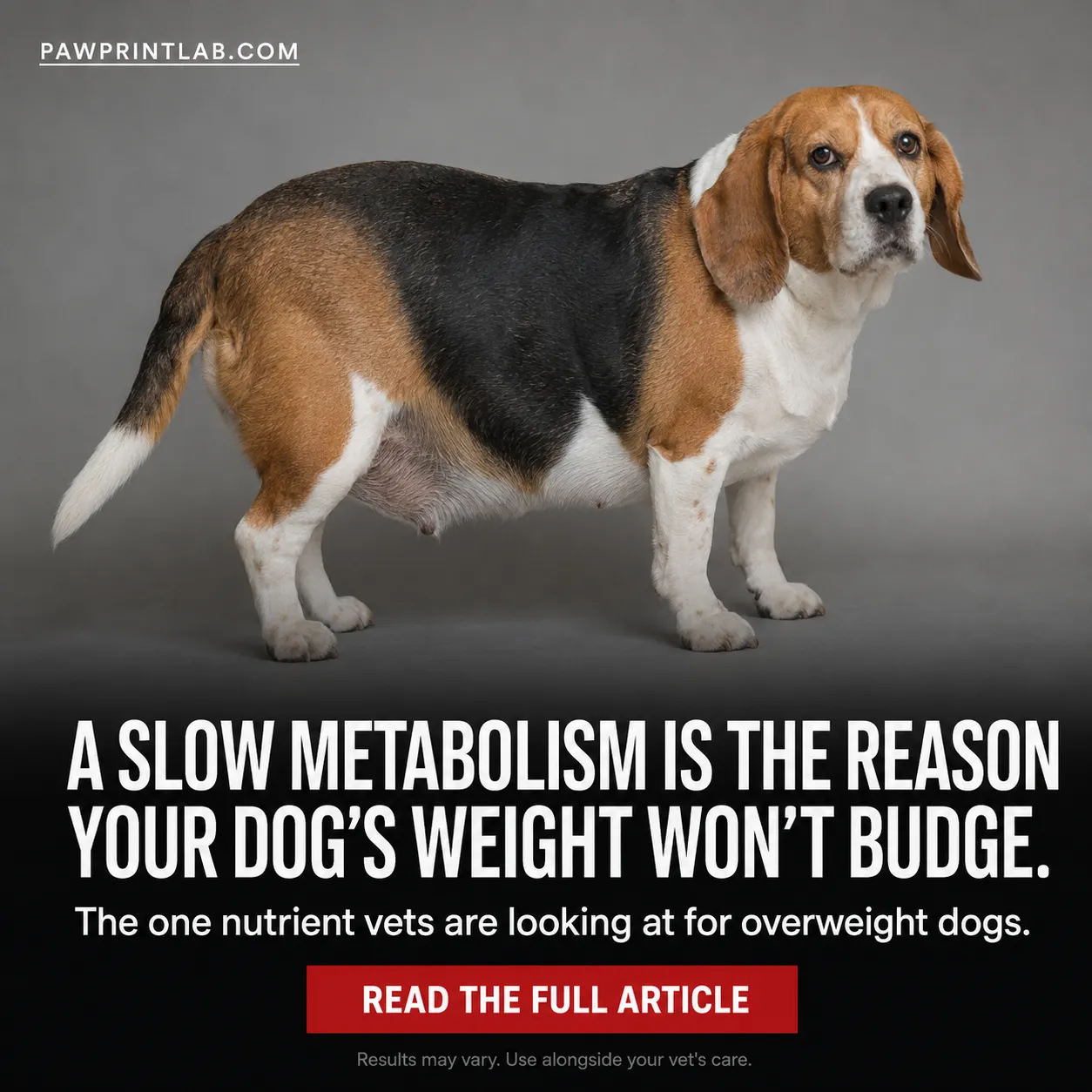
Read This Before You Buy Another Bag of Diet Food
Ad Copy
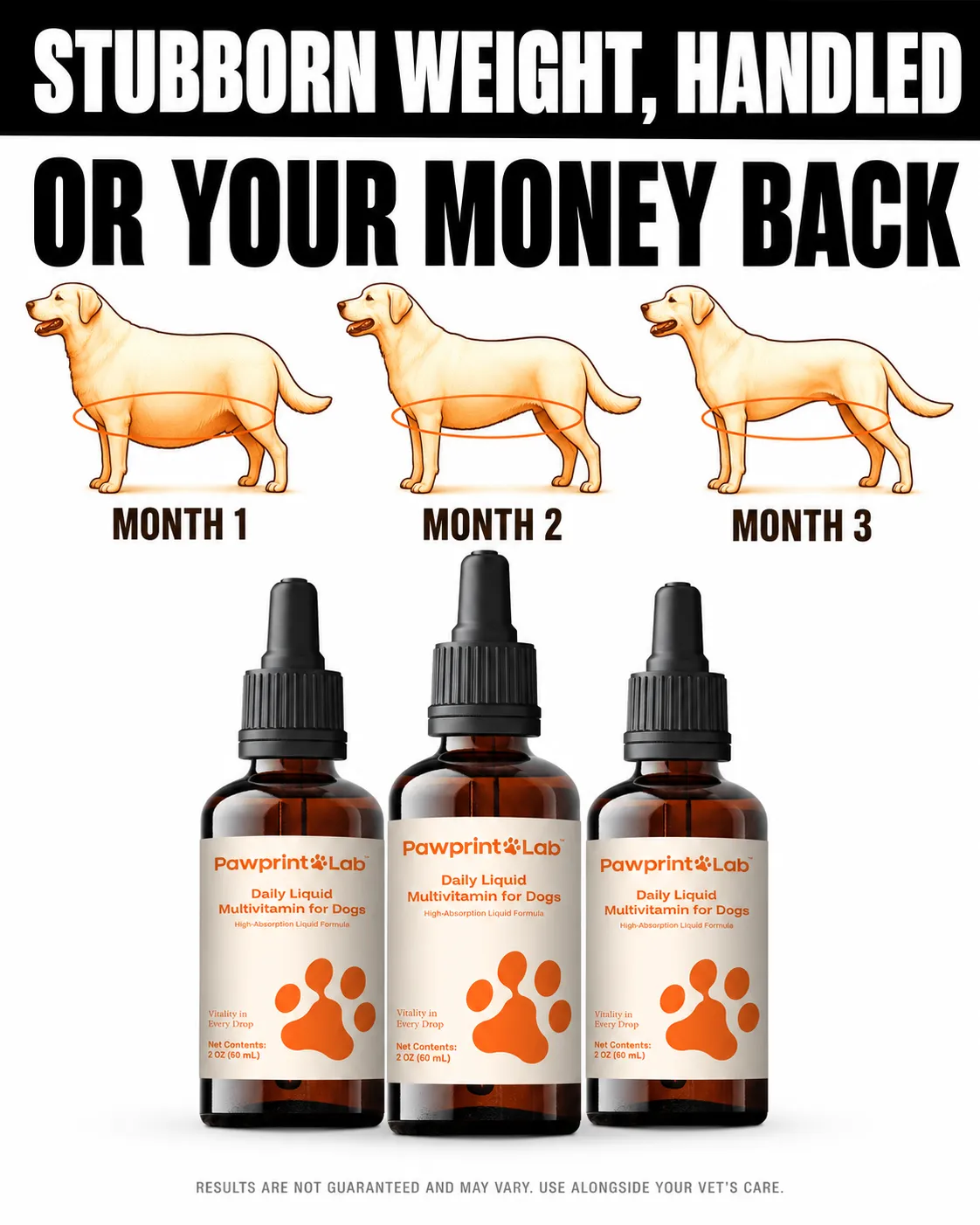
I am going to say something that nobody with an overweight dog wants to hear and I genuinely do not care if it upsets you. Diet food is not going to fix your dog. Not diet food. Not the weight-management kibble your vet sells. Not green beans in the bowl. Not the $40 weight-loss chews everyone in your Facebook group swears by. NONE OF IT IS GOING TO FIX THIS. I know because I tried ALL of it. Every food. Every portion trick. Every supplement. For three years. And my dog got so heavy that my vet started using the words "quality of life." Because I spent three years trying to starve a dog skinny without anyone ever explaining to me why it wasn't working. And the worst part? My second dog started showing the exact same signs. Same age. Same slow rounding out. And I almost let the whole thing happen again because I was still following the same advice that nearly cost me my first dog. I am done being polite about this. If your dog is overweight and you are in here asking whether to cut another quarter cup, or switch to a different diet food, or add one more walk she refuses to finish, you are wasting time and money your dog does not have. Read this entire post. Every word. Because the answer is in here and it is NOT another bag of diet food. I live in Mesa with my husband Tom and our two dogs. Daisy was 8 years old. My shadow. A golden who would lean her whole body weight against your legs and just stand there being held. Murphy is 3. Completely different. Wild. Goofy. Steals socks. Two completely different dogs. But they had the same problem. They both got heavy. For Daisy it started when she was about two and a half. A little rounder through the middle first. Then I couldn't feel her ribs. Then there was no waist when you looked down at her. Then a waddle. I genuinely didn't see it happening. You see your dog every day. Then one afternoon I looked at a photo from two years before and felt sick. I just noticed how fat my dog had gotten. And the strange part was, she didn't even eat that much. I'd say it to people and they'd give me a look. She doesn't really eat a lot but somehow she is really fat. I wasn't lying. I measured her food. I took her to the vet. "Overweight. Very common in a golden her age. Let's put her on the weight-management food." $110 a month. Worked at first. The first couple months she dropped two pounds. I thought we'd cracked it. Then it just stopped. Two pounds and then nothing. The scale wouldn't move. She was eating less than she ever had and the weight would not come off. I told my vet. "Let's cut her portion a little more." We cut it. Helped for maybe three weeks. Then the scale froze again. By now she was getting stiff. Slow to get up in the mornings. So we added a joint pain med on top of the diet food. $70 a month for the pain meds. On top of the $110 food. Plus the weigh-in appointments. Monthly spend climbing past $300. And Daisy was still heavy. Still stiff. Still struggling to get off the floor in the mornings. Still hungry. Always hungry. $300 a month for a dog who was still overweight and now begging at every single meal. I posted in a Facebook group. "Daisy's on weight-management food AND we cut her portions and she's STILL not losing. Has anyone dealt with this?" Everyone had suggestions. "Green beans. Fill the bowl with green beans." "Pumpkin. Swap half her food for pumpkin." "Switch to raw." "Weight-loss chews. My dog loves them." "Walk her more. Two walks a day minimum." So I tried. Everything they told me. Green beans in every bowl. Measured every meal on a kitchen scale. No change. Weight-loss chews. $40 a month. Daisy wagged her tail and ate them every morning. Still didn't lose an ounce. The chews tasted good. That's all they did. Longer walks. Except Daisy would walk for a few minutes and then sit down and refuse to move. I'd stand there at the end of the leash while she looked at me like I was the crazy one. You cannot exercise a dog that can't move. I even paid for hydrotherapy. An underwater treadmill. $60 a session. She paddled. The scale didn't care. I stopped adding up the total because the number made me feel sick. And Daisy was getting worse. She stopped doing stairs. She'd stand at the bottom and look up like it was a mountain. She stopped jumping on the couch. Then she stopped jumping on the bed. I started lifting a 75-pound dog onto furniture twice a day. I could hear her joints clicking when she walked across the kitchen. She'd lie on the cool tile and pant after doing almost nothing. A trip to the water bowl and back and she was winded. She stopped meeting me at the door. The dog who used to lose her whole mind when I came home would lift her head off the floor and that was it. Her eyes looked different. Not in pain exactly. Just tired. Like she'd accepted that this was her life now. Like she'd given up on being comfortable. That look is what broke me. I sat on the kitchen floor next to her one night and did the math no dog owner wants to do. My vet had already said the words. Obese dogs don't live as long. The strain on her heart and her joints adds up. You could be looking at fewer years with her. And I realized I had done this to her. Slowly. One treat at a time. One full bowl at a time. Because I loved her and feeding her felt like love. I sat on the floor and sobbed. Daisy got up off her spot, walked over, and put her head in my lap. My dog was comforting me. While her own body was failing her. I wanted to scream. That was a Tuesday. I remember because the next day, Wednesday, I looked at Murphy and saw it. He was two and a half. The same age Daisy was when hers started. A little rounder through the middle. The exact same way it began with Daisy. I knew what was coming. I had watched the entire three-year nightmare. I knew exactly what the next three years of Murphy's life looked like. Three years of diet food that drops two pounds then quits. Three years of cutting portions that change nothing. Three years of pain meds and weigh-ins while the dog gets heavier and slower underneath all of it. I could not do it again. I could not spend another $12,000. I could not lift another dog onto another couch. I could not listen to a second dog clicking across the kitchen. I could not sit on the kitchen floor and cry again. I needed to understand WHY. Not "what to try next." WHY. Why did the diet food work for two pounds and then quit? Why did cutting her food more do nothing? Why did she gain even while eating less than ever? Why did every walk, every chew, every green bean make zero difference? Four vets in three years. Not one of them answered WHY. They all answered WHAT. What to feed. What to cut. What to try next. Not one of them told me why everything kept failing. I spent two weeks researching. Every night after Tom went to sleep. Reddit. Facebook groups. Veterinary articles. I read everything I could find. And at 2 AM on a Tuesday, I found a post from a woman who'd taken her dog to a holistic vet. The holistic vet had explained something no conventional vet had ever told her. And when I read it I felt the floor open up underneath me. Because it explained everything. Why the diet food quit. Why cutting food did nothing. Why she gained while eating less. Why the weight got worse every year no matter what I threw at it. And it was so simple. So obvious once someone explains it. I wanted to throw my phone at the wall, because four vets had charged me $300 a month for three years without ever once mentioning it. Here is what nobody told me for three years: Dogs slow down how fast they burn fat as they get older. Inside every cell there are tiny furnaces called mitochondria. They burn fat for energy. But fat cannot walk into those furnaces on its own. It needs a shuttle to carry it in. That shuttle is a nutrient called L-carnitine. When a dog is young, their body makes plenty of it. As they age, the levels drop. Less shuttle means less fat getting carried into the furnaces. So the fat does not get burned. It gets stored. And here is the part that made me feel ill: Diet food cuts calories. That is ALL it does. It does not touch the shuttle. So your dog is hungry all day because you cut her food, AND she is still not burning the fat she already has, because the thing that carries fat into the furnaces is running low. You have made her miserable and starving without touching the actual problem. That is why diet food drops two pounds and then quits. It is not that the food stopped working. It is that calorie-cutting alone was never aimed at the real problem. You are starving a dog whose engine has slowed down, and a slowed-down engine does not burn fat just because the bowl got smaller. There is a study on exactly this. Researchers followed more than 900 overweight dogs put on calorie-restricted diet food. (Flanagan et al., PLOS ONE, 2017.) Want to know how many actually reached a healthy weight on diet food alone? About 7 in 100. Seven percent. The other ninety-three percent stayed overweight or got worse. On the exact food their vet promised would fix it. And it gets worse, because there are TWO problems happening at once. Every extra pound presses down on her joints. The cushion in the joints wears. The joints get sore. So she moves less. She stops the stairs. She stops jumping on the couch. She sits down halfway through the walk and refuses to move. And the less she moves, the less fat she burns. The more she gains. The more weight presses on the joints. The more they hurt. The less she moves. Round and round and round. The weight hurts the joints. The sore joints stop the movement. The stopped movement adds more weight. You cannot exercise her out of it because it physically hurts her to move. That is the trap. That is why "just walk her more" is useless advice for a dog who already can't make it around the block. And cutting her food even harder makes it worse, not better. Starve the body and it slows down even further to hold onto every ounce. A hungry, sore, exhausted dog moves even less than before. You are not fixing anything. You are tightening the trap. The holistic vet in that post said you have to do two things at the same time. You have to give the body back the shuttle, so it can start burning fat again. And you have to take the pressure off the joints, so the dog will actually move. One without the other does not work. Support the metabolism but leave the joints sore and she still won't move. Help the joints but leave the engine slow and the fat still won't burn. You need both. In the same dose. Every single day. I called every holistic vet within 50 miles the next morning. Found one. Drove 40 minutes. Didn't care. She was the first vet in three years who didn't reach for a prescription pad. She confirmed everything I'd read at 2 AM. The slowed metabolism. The shuttle. The fat getting stored instead of burned. The joint cycle. The reason cutting food harder backfires. All of it. Then she said the thing that made it click. "You can't fix this with a smaller bowl. A smaller bowl doesn't put the shuttle back. A smaller bowl doesn't take a single pound off the joints fast enough to matter. You have to support the metabolism and support the joints at the same time, and you have to do it every day, in a form the body can actually use." "So I just buy an L-carnitine supplement?" "Not that simple. It has to be liquid. A dropper goes right into the system. With chews and powders, most of it gets broken down in the stomach before it ever reaches the bloodstream. You pay for the full dose printed on the label and your dog absorbs a fraction of it. And it can't be a single ingredient. The metabolism and the joints have to be handled together or you're only doing half the job." "What about the weight chews on Amazon?" Her face changed. "I've looked at a lot of them over the years. Most fall down on the same things. Single ingredient, so it's joints only or metabolism only, never both. Underdosed, so there's barely enough of anything to matter. In chew or powder form, so most of it never gets absorbed. Or no third-party testing at all, which means you genuinely don't know what's in the bottle or whether the label is even true." She pulled out a sheet of paper. "I look for four things. Liquid, so it actually absorbs. The metabolism support and the joint support together in one formula, because the dog needs both at once. Third-party lab tested, so what's on the label is actually in the bottle. And made in the USA. Most products miss on at least one. One checks every box." She wrote the name on the back of her notepad. "This is the only one I recommend. I don't sell it. I don't make a cent off it. I just know it works because I've seen what it does." It was Pawprint Wellness Protocol. Liquid. Ten active ingredients in one dropper. L-carnitine for the metabolism. Glucosamine, chondroitin, MSM and hyaluronic acid for the joints. Fish oil and turmeric for the inflammation the extra weight had been feeding. Third-party lab tested. Made in the USA. Everything she'd just described. In one bottle. And then she said the most important thing of all. "Don't stop anything your own vet has you doing. Keep her food measured. Keep her on whatever your vet recommends. Just add the dropper on top and give her body what it's been missing. This goes alongside your vet's care, not instead of it." I bought it that night. I started Daisy on it the next morning. A few drops on her measured food, alongside everything else. The holistic vet told me to give it seven to eight weeks and to keep working with my own vet the whole way. I started Murphy on it the same day. He was just starting to round out. Two and a half. Early. Before the trap closed. For Daisy. The dog who had been heavy and hurting for three years: First two weeks, I just watched. And waited. Week 3. She started getting up off the floor faster in the mornings. The groan was shorter. She'd be on her feet before I'd finished filling the bowl. Week 4. The clicking in her joints went quiet. I kept listening for it across the kitchen out of habit and it just wasn't there. Week 5. Daisy jumped onto the couch on her own. First time in over a year. I'd been lifting her for so long I'd forgotten she used to do it herself. I stood there and stared at her up on the cushions like an idiot. I called Tom into the room. "She got up there by herself." He didn't believe me until she did it again. Week 6. We did the full walk. The whole loop. No sitting down. No refusing. She wanted to keep going at the end. Month 2. The weight started coming off for real. Not two pounds and a plateau. Real, steady loss. I could feel her ribs again. There was a waist when I looked down at her. The vet weighed her and the number had finally moved, and kept moving. The holistic vet had told me the research on this nutrient showed dogs losing around 6.4 percent of their body weight over about seven weeks, compared to under 2 percent without it. For the first time, I was watching it actually happen. Month 3. I tapered the joint pain meds with my own vet. Slowly. By the book. She didn't get stiff again. Because the weight coming off had taken the pressure off the joints, exactly like the holistic vet said it would. Month 4. Daisy was on a few drops on her measured food. That's it. And she was lighter than she'd been in years. She was doing the stairs. Jumping on the bed. Meeting me at the door again, the whole body wag, the way she used to. The zoomies came back. A 9-year-old golden tearing around the yard like a puppy. The light came back in her eyes. I got my dog back. I sat on the floor and held her and cried for twenty minutes. The good kind this time. For Murphy. The dog who was just starting: Week 3. The rounding stopped. Just stopped. Month 2. He stayed lean. Kept every bit of his energy. Never got stiff. Never needed weight-management food. Never needed a joint pill. Never plateaued, because he never got heavy enough to plateau. He never cost me $300 a month. Never cost me a single night on the kitchen floor. Because I caught him at two and a half. Before the joints. Before the plateau. Before the first bag of prescription food. Before the trap closed. Before the nightmare. I sat down one night and added up what I spent on Daisy over three years. Weight-management food: $4,180. Vet visits, weigh-ins, bloodwork: $2,310. Joint pain meds: $1,840. Joint chews that did nothing: $516. Hydrotherapy sessions: $2,750. Diet treats, low-cal swaps, a fitness tracker, measuring cups: $640. $12,236. $12,236 on food and treatments that were all doing the same thing. Shrinking the bowl while the metabolism stayed slow and the joints stayed sore underneath everything. Not one dollar of it went toward the two things that were actually wrong. Not one. Daisy is healthier now on a few drops a day than she ever was on $300 a month. Because $300 a month was aimed at the wrong target. Every dollar shrank the bowl. Not one dollar supported the engine or the joints. And it was always the engine and the joints. Murphy will never go through what Daisy went through. I will never spend $12,000 on his weight. I will never lift him onto a couch. I will never listen to him click across the kitchen. I will never sit on the kitchen floor and cry about him. Because I started him on the dropper before the trap closed. And it never will. The product is Pawprint Wellness Protocol. Liquid. Ten active ingredients. Third-party lab tested. Made in the USA. Loved by over 100,000 dogs and rated 4.8 out of 5 stars. Reviewed by Dr. Mark Saraiva, DVM. It comes with a 90-day money-back guarantee, so if your dog isn't clearly better in 90 days they refund everything. https://pawprintlab.com/pages/your-dogs-weight Add it alongside whatever your vet has you doing right now. Don't stop her food. Don't stop anything. Just put a few drops on her bowl and give her body what it's been missing. Alongside your vet's care, not instead of it. Seven to eight weeks. That's what it took for Daisy after three years of everything else failing. You'll see it before the scale does. The morning she gets up without the groan. The day she beats you to the door. The day she's up on the couch and you realize you didn't lift her. That is what a few drops a day looks like. I wish I'd seen it three years and $12,236 ago. EDIT: I keep getting messages asking where to buy it. Buy it directly from their website. I've seen people grab some random "weight" chew off Amazon and get nothing out of it, and I have no idea what's in those bottles. Most of them are single-ingredient or underdosed, which is exactly the problem the holistic vet warned me about. The one she recommends is the Pawprint Wellness Protocol: https://pawprintlab.com/pages/your-dogs-weight P.S. Daisy was overweight and hurting for three years while I spent $12,236 shrinking her bowl. A few months on the dropper did what three years of diet food and pain meds couldn't. The slow metabolism and the sore joints were the problem the entire time. Every vet treated the calories. Nobody supported the cause. Because there is no recurring revenue in a dog who reaches a healthy weight and stays there. There is recurring revenue in a bag of prescription food bought every single month for the rest of the dog's life. $110 a month forever. That is the business model. A few drops a day that supports the metabolism and the joints and gets a dog moving again is not a business model anyone is in a hurry to tell you about. P.P.S. If your dog is young and just starting to round out, you are in the best position possible. The trap hasn't closed yet. The joints are still good. The metabolism just needs support. Start now. Before the stairs become a mountain. Before the couch becomes a lift. Before the first bag of prescription food. Before the first $300 month. Murphy is proof. Same house. One caught it early. One didn't. The difference is $12,236 and three years of watching my best friend disappear. Don't wait. Start now: https://pawprintlab.com/pages/your-dogs-weight
More from Vet-Approved Pet Products
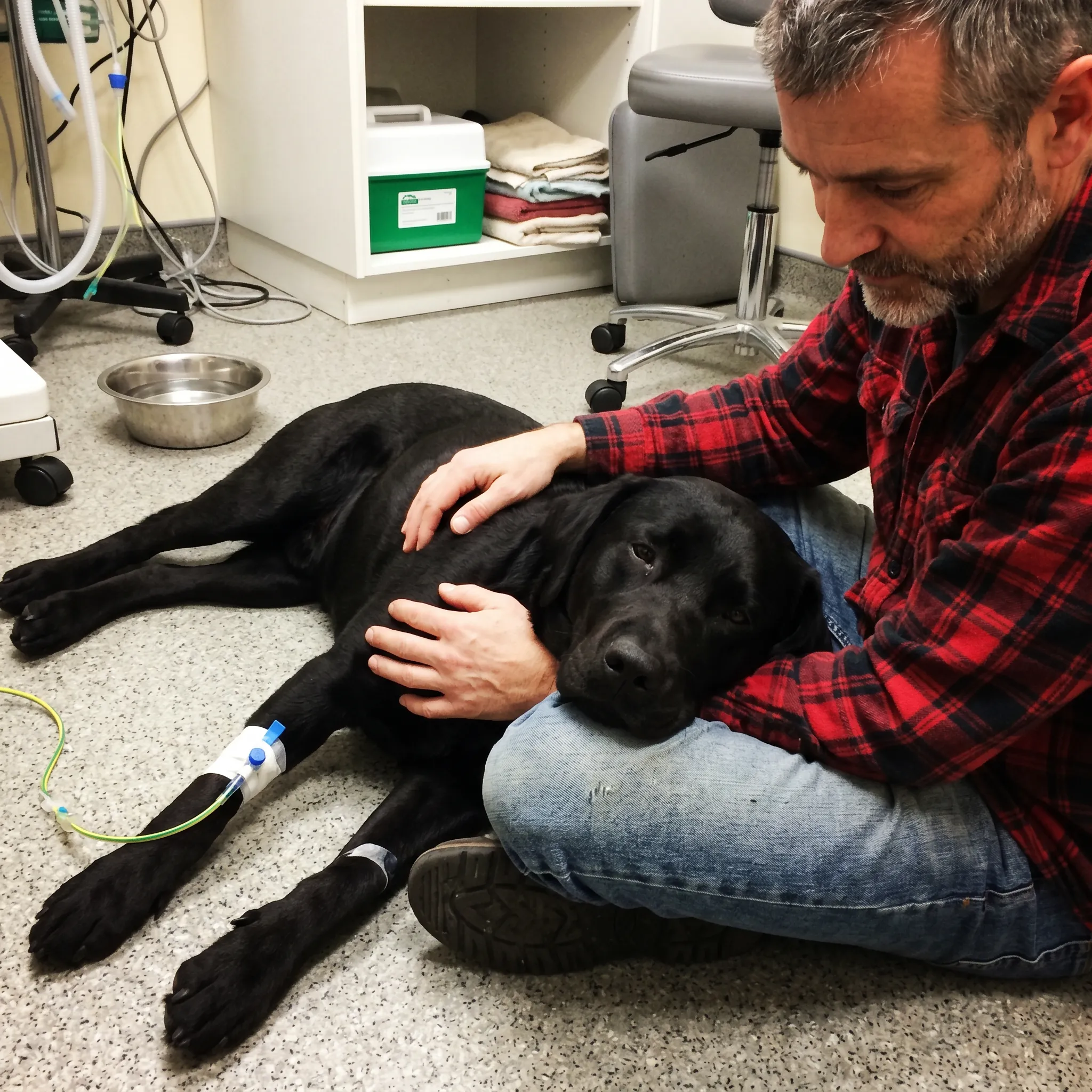
Is Your Dog?
Vet-Approved Pet Products
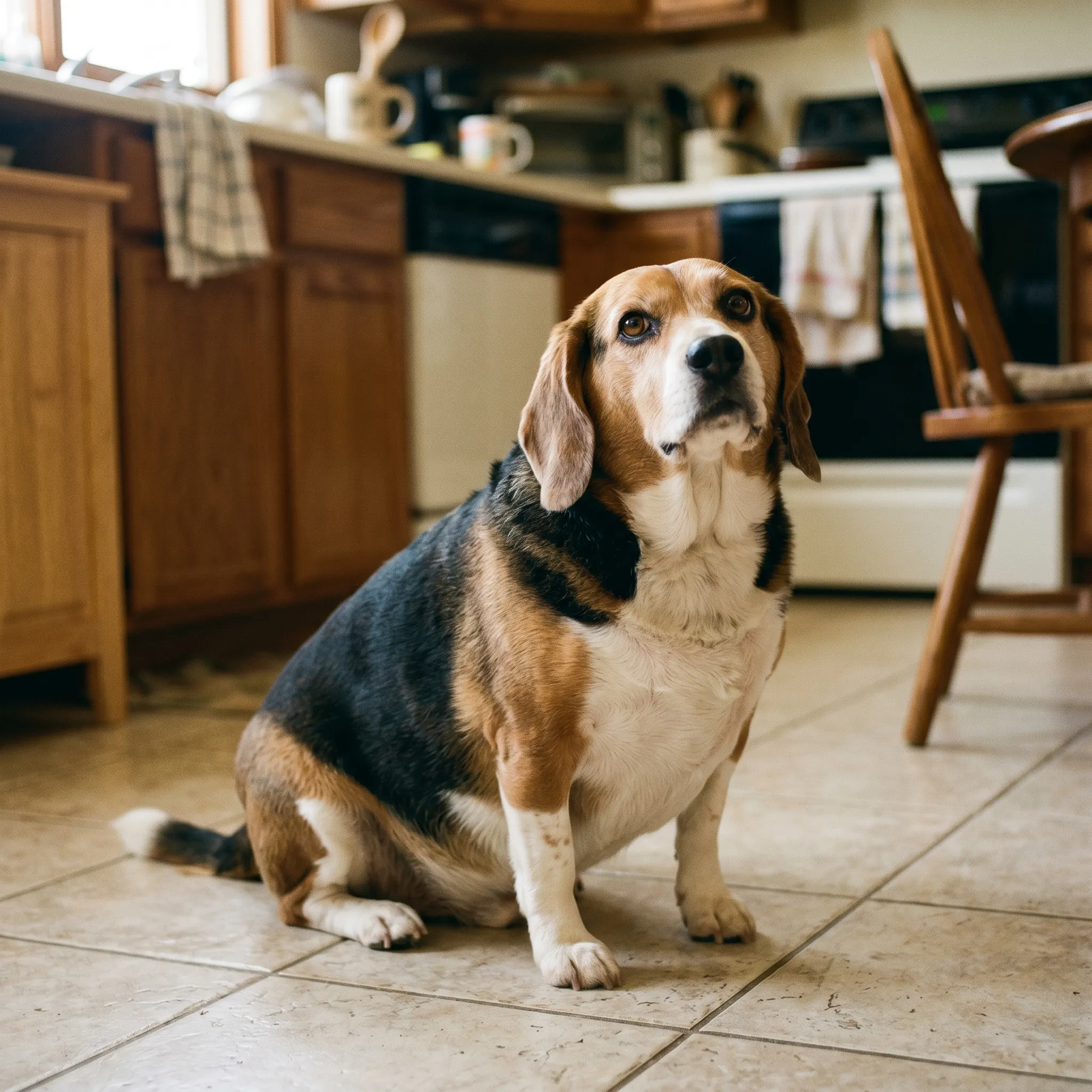
Is Your Dog?
Vet-Approved Pet Products
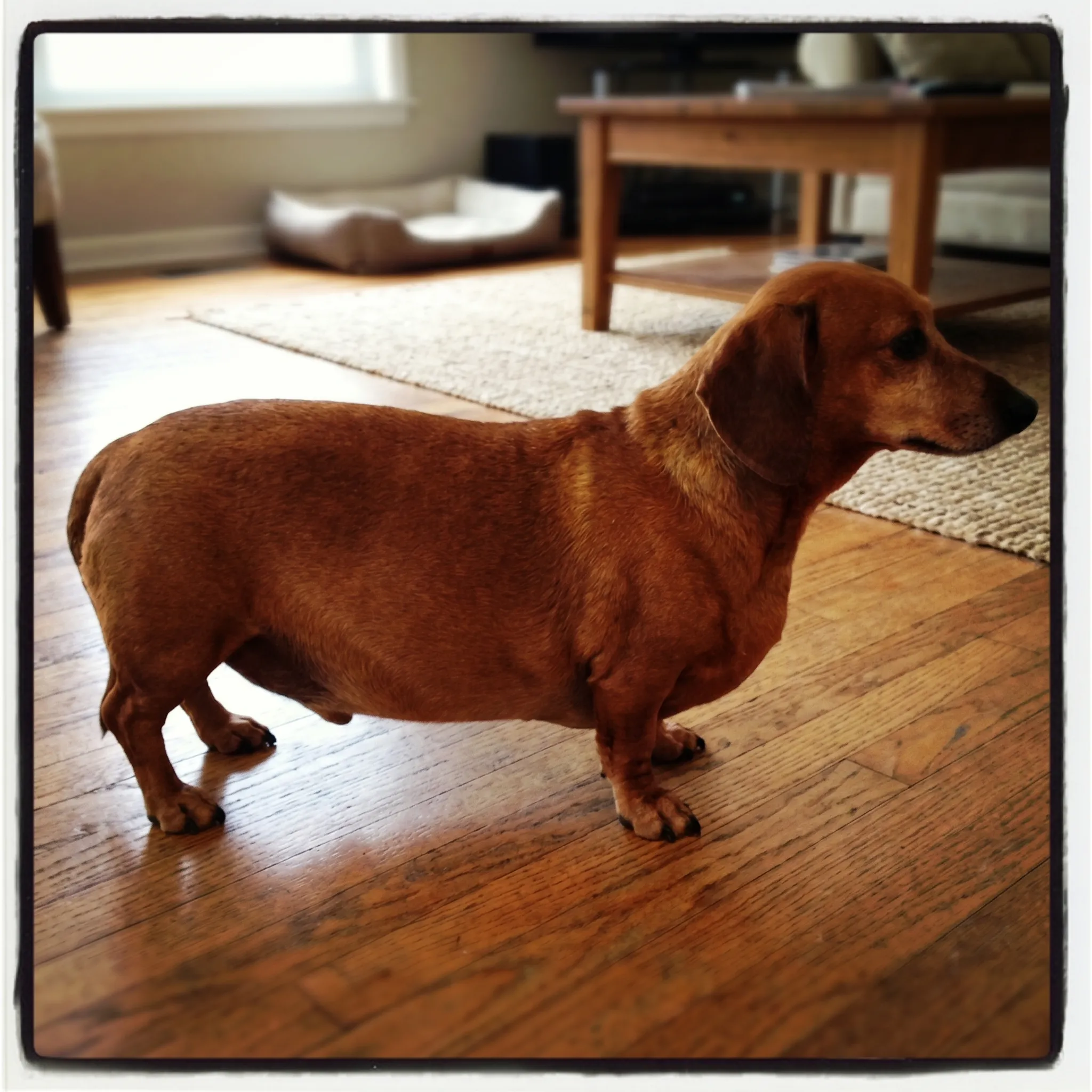
Is Your Dog?
Vet-Approved Pet Products
Is Your Dog?
Vet-Approved Pet Products
Is Your Dog?
Vet-Approved Pet Products
Is Your Senior Dog Slowing Down?
Vet-Approved Pet Products
Is Your Senior Dog Slowing Down?
Vet-Approved Pet Products
Read This Before You Buy Another Bag of Diet Food
Vet-Approved Pet Products
Is Your Senior Dog Slowing Down?
Vet-Approved Pet Products
Is Your Senior Dog Slowing Down?
Vet-Approved Pet Products
Is Your Senior Dog Slowing Down?
Vet-Approved Pet Products
Is Your Senior Dog Slowing Down?
Vet-Approved Pet Products

 Add to Chrome