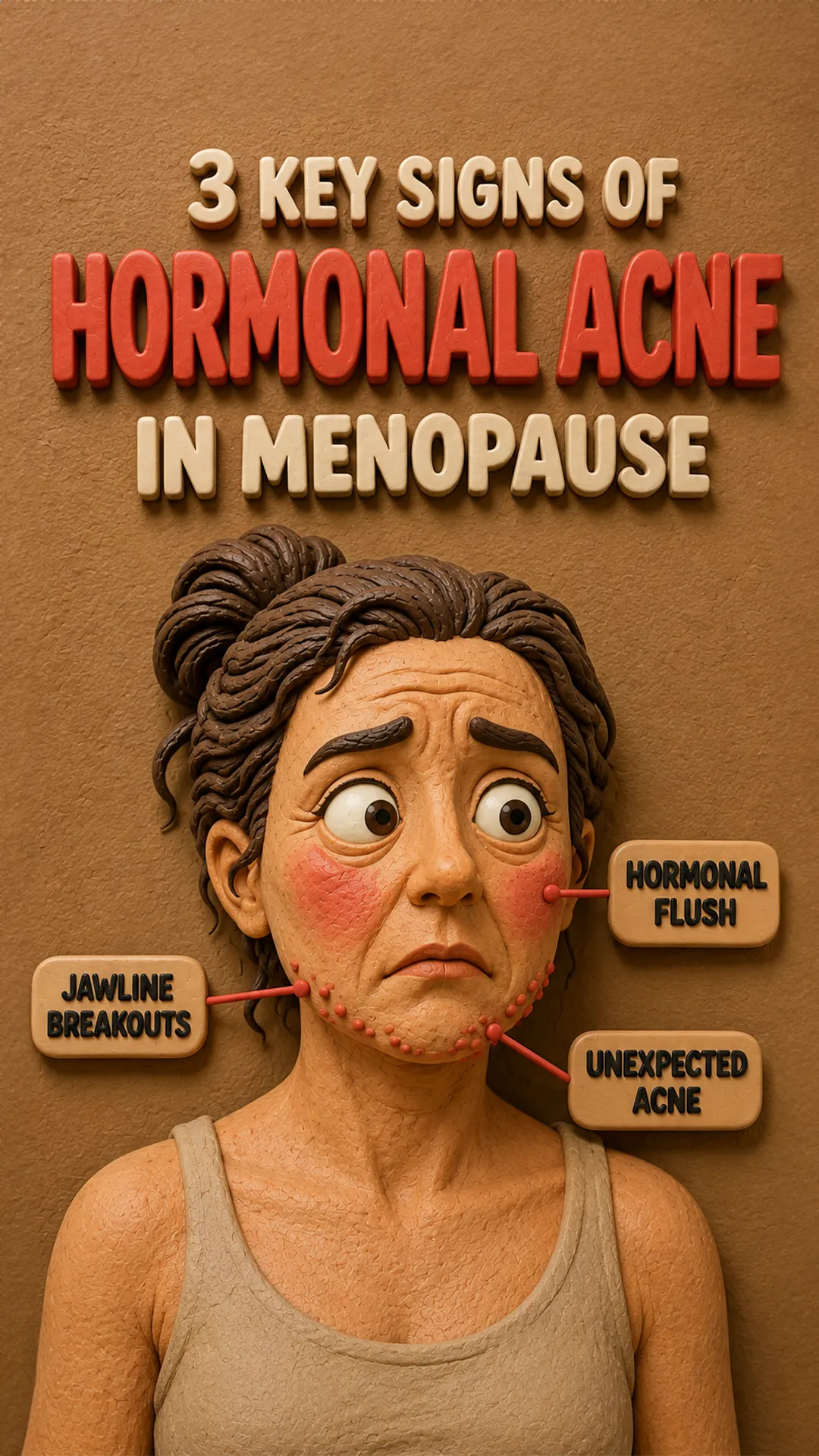
Hormonal Acne, Finally Calm
Ad Copy
The acne you have at 47 is not the acne you had at 17… It looks the same in the mirror. It behaves differently. Think of your oil glands as a thermostat. For twenty years, estrogen held the setting steady. Quiet skin. Calm signals. When a breakout happened, your body knew how to shut it off. Perimenopause does not just lower estrogen. It breaks the dial. Oil glands swing hot with no one regulating them. The calming signals go quiet at the same time. Documented as the exact pattern of adult female acne in dermatology since Zeichner's 2017 review. That is why this acne does not act like the acne you had at 16. It shows up along the jaw. It sits next to patches that are drier than they have ever been. Oily and tight. In the same breath. Most acne treatments assume the dial still works. Strip the oil. Kill the bacteria. Done. But stripping sends a signal too. Your glands read "dry" as "produce more." Breakout. Dry. Breakout again. Here is what actually resets the dial. 🌿 Thistle oil is used to restore oil production, not strip it. 🌼 Calendula clears the bacteria without drying the barrier further. Its active molecule, faradiol, is one of the few anti-inflammatories small enough to actually enter your skin. 🌼 Sea buckthorn and rosehip rebuild the barrier estrogen used to maintain. So you are not left oily at the T-zone and tight at the jaw in the same breath. Your skin doesn't fight them. It uses them the way it used to use its own signals. That is why women don't say "my skin cleared up." They say "it finally calmed down." There is one small Scandinavian brand that handcrafts their acne system around this exact pattern. It’s cold-pressed, waterless, and hyper-potent. By day 30, most women report the jaw quieting. By 60, the dry patches and the oily zones settling into the same balanced surface. If not, it’s refunded with the 60 day money back guarantee. See how the balm recalibrates → 👉 https://froyaorganics.com/products/the-complete-acne-system-for-women Sources: - Zeichner et al. Adult female acne characterization. American Journal of Clinical Dermatology. 2017. - Biosynthesis and bioactivity of anti-inflammatory triterpenoids in Calendula officinalis. Nature Communications. 2025.
More from Anne's Skincare Blog
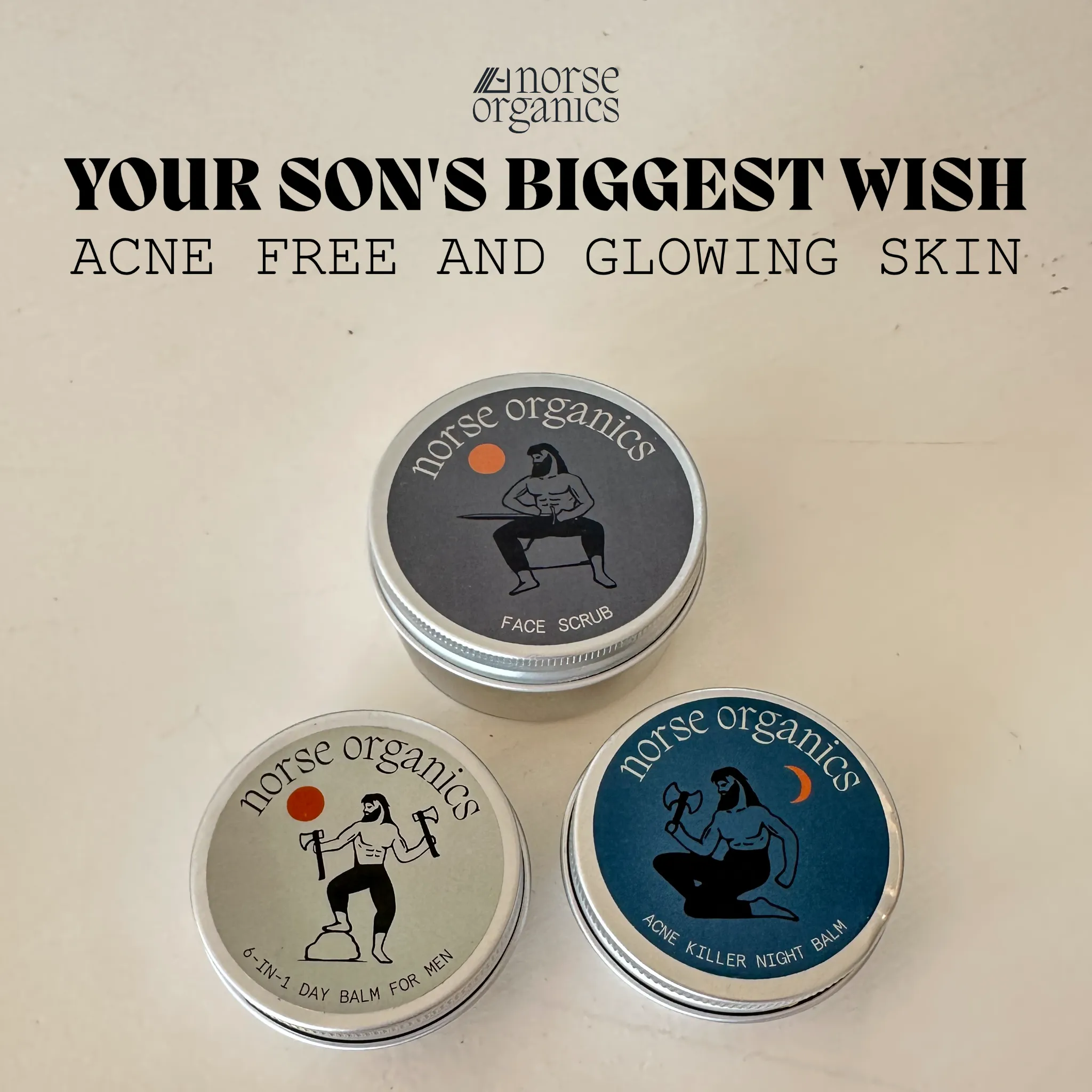
#1 Teen Acne Fix
Anne's Skincare Blog
A different mechanism, not a needle
Anne's Skincare Blog
Sun Spots. Finally Addressed ✨
Anne's Skincare Blog
Dermatologists Love This One Plant
Anne's Skincare Blog
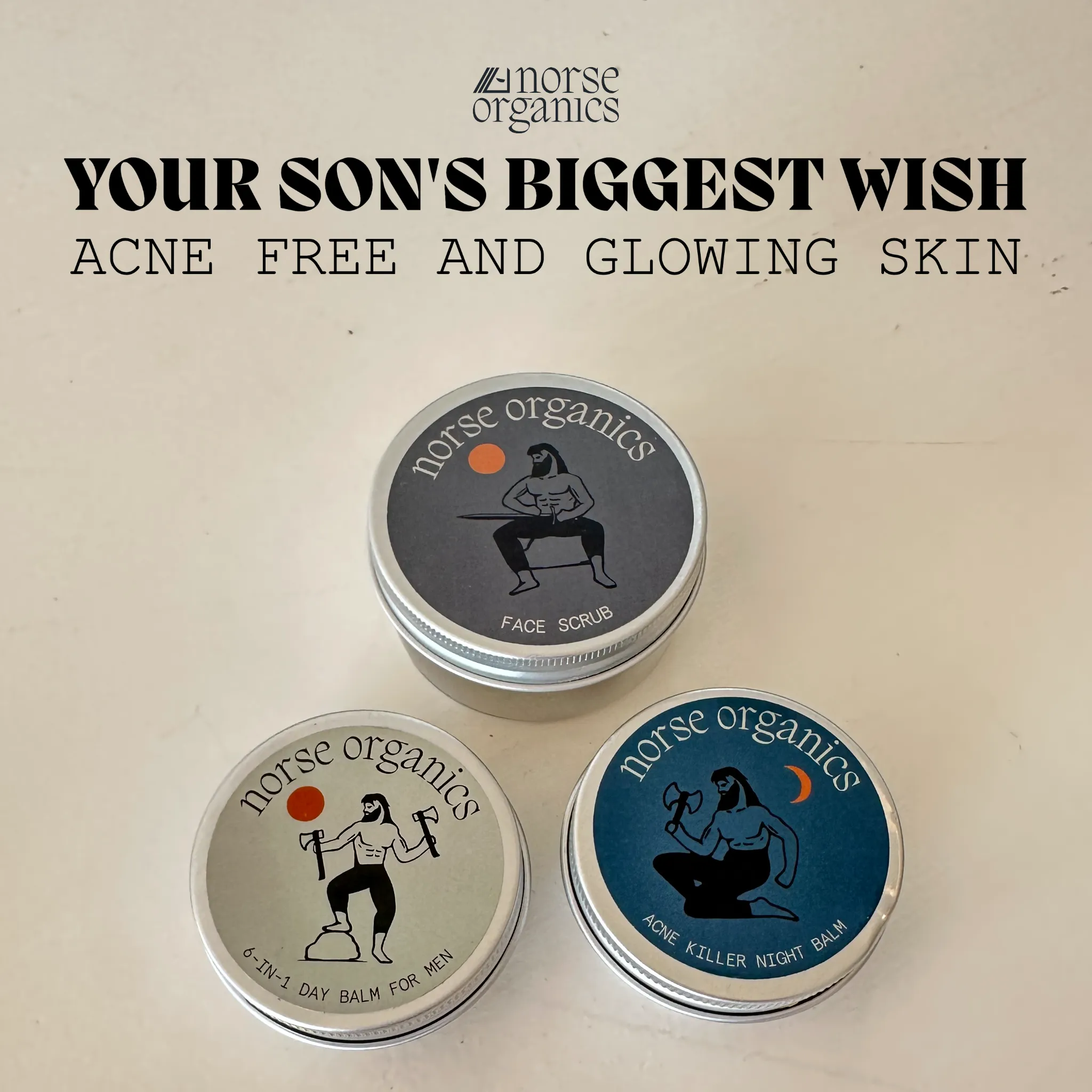
#1 Teen Acne Fix
Anne's Skincare Blog
The real reason your face changes with age.
Anne's Skincare Blog
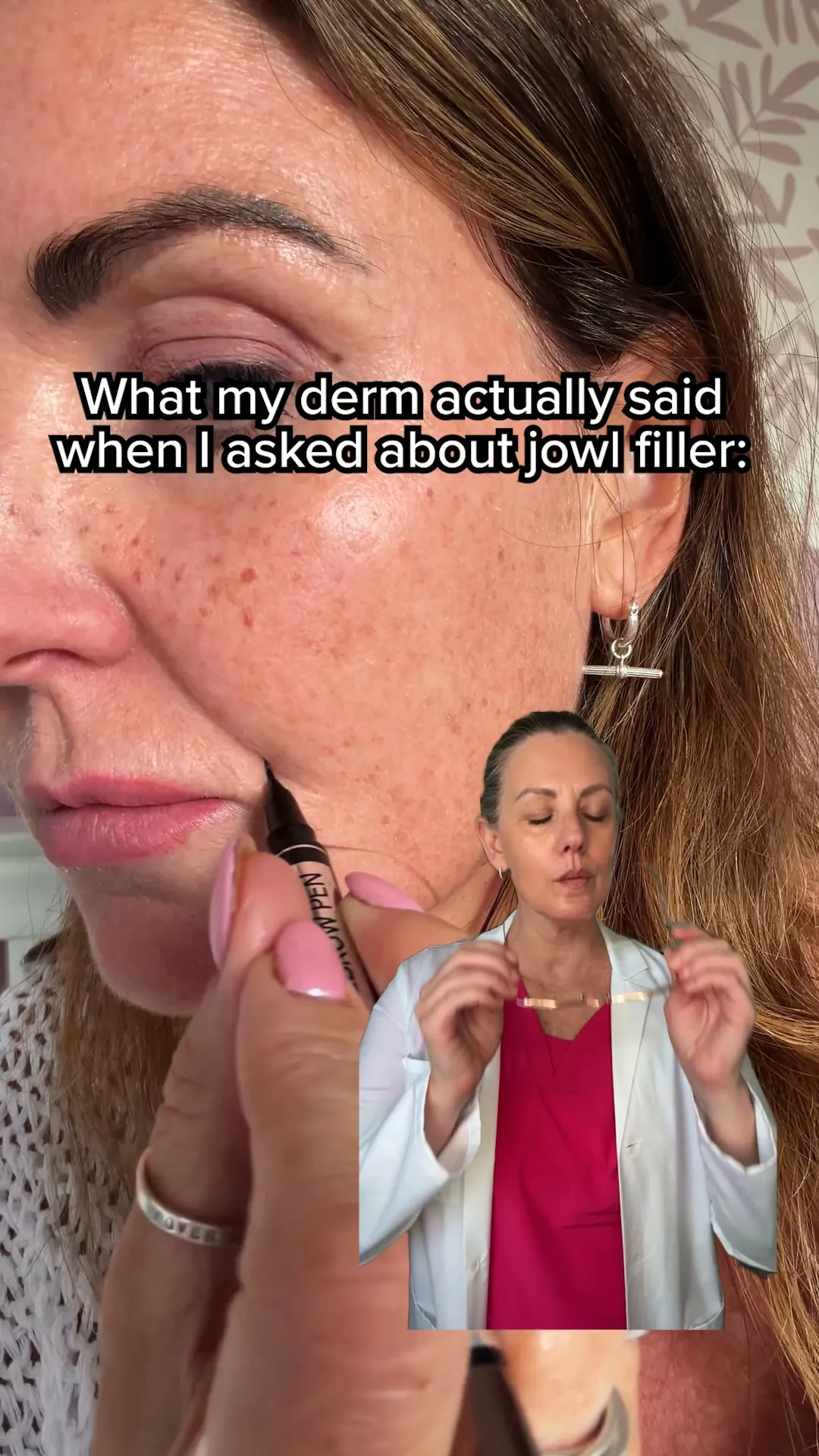
The real reason your face changes with age.
Anne's Skincare Blog
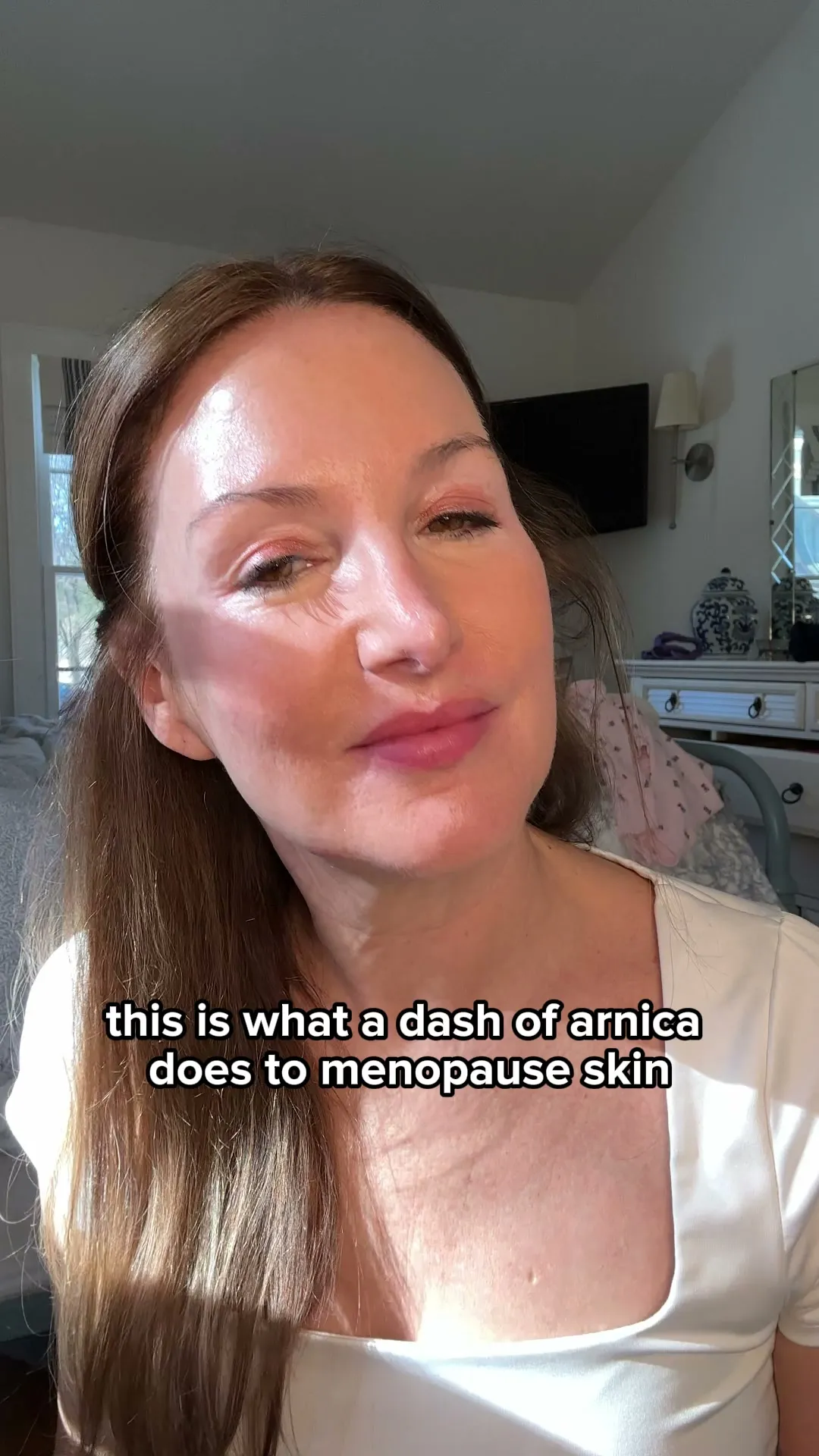
Menopausal skin doesn’t need another serum—it needs its own system.
Anne's Skincare Blog
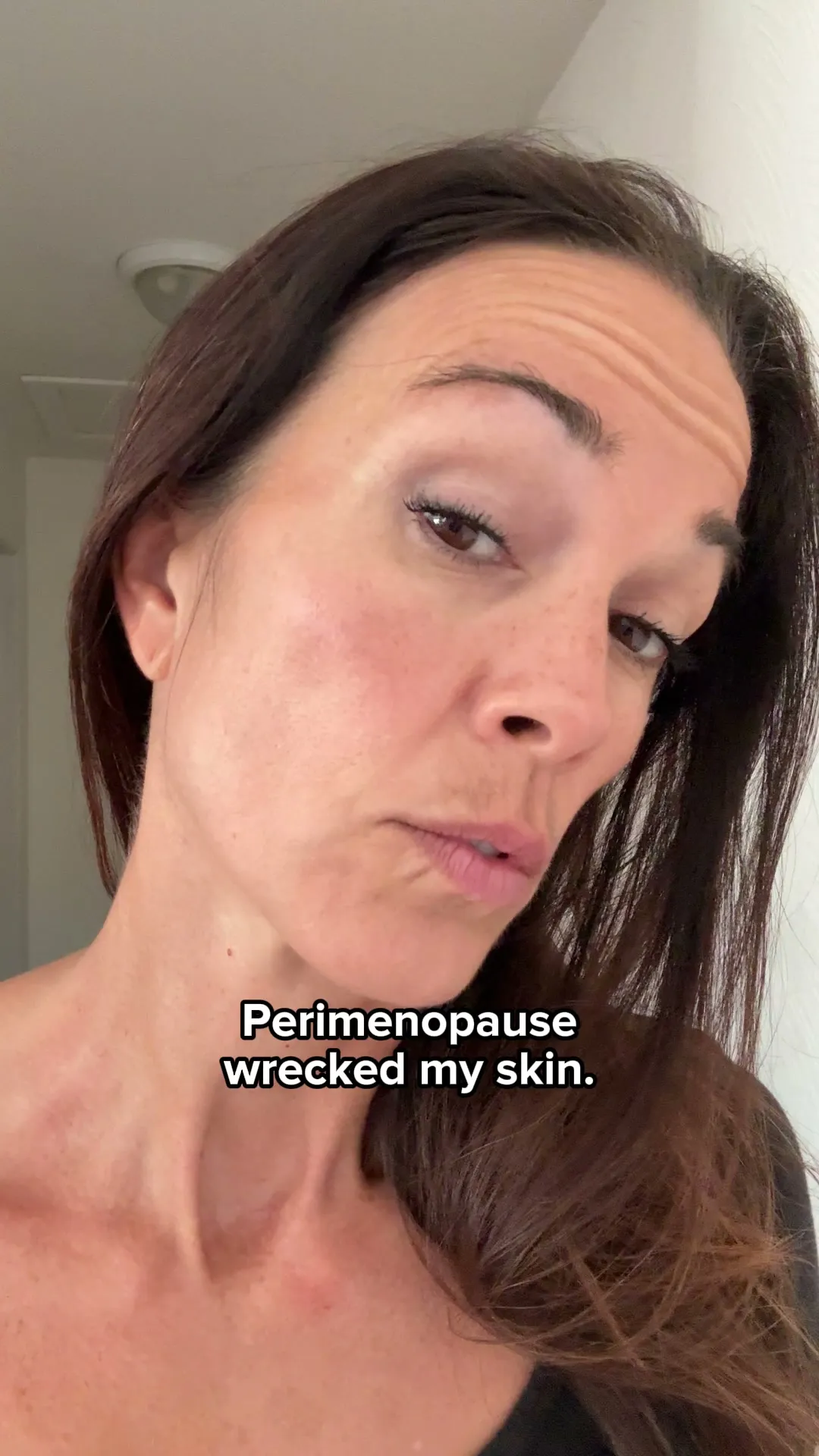
Menopausal skin doesn’t need another serum—it needs its own system.
Anne's Skincare Blog
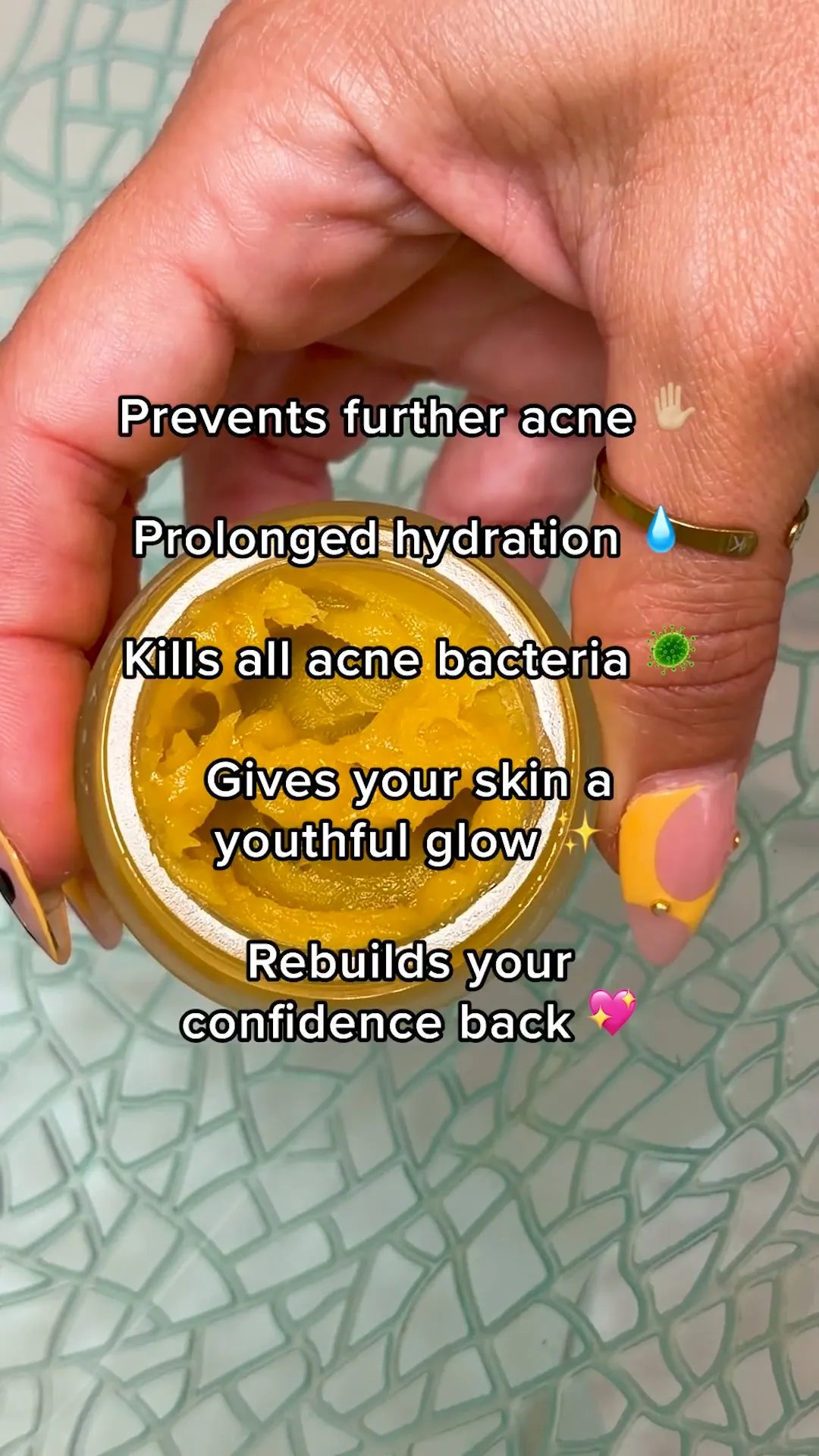
Healthier Skin or Money Back
Anne's Skincare Blog
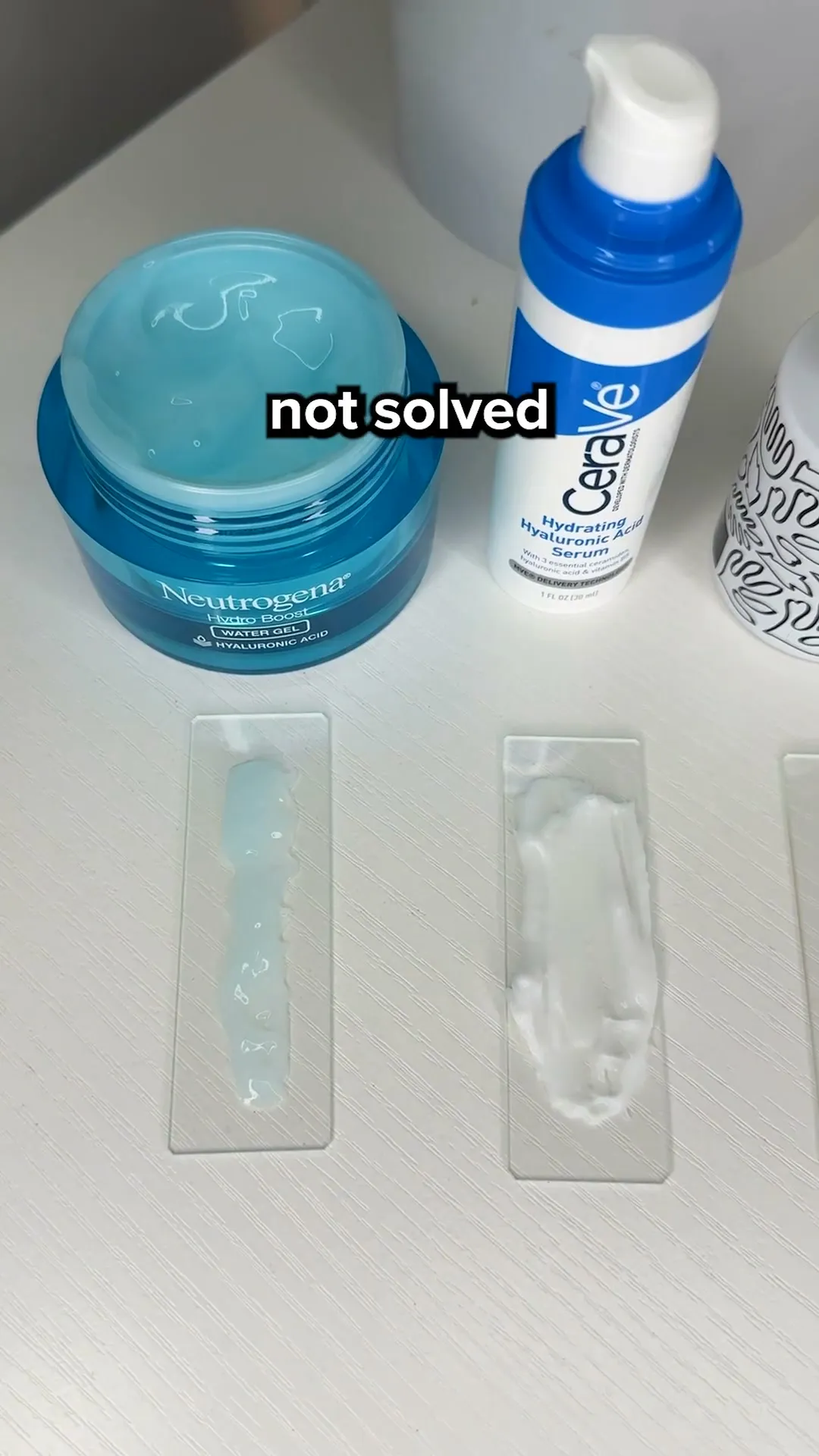
Healthier Skin or Money Back
Anne's Skincare Blog
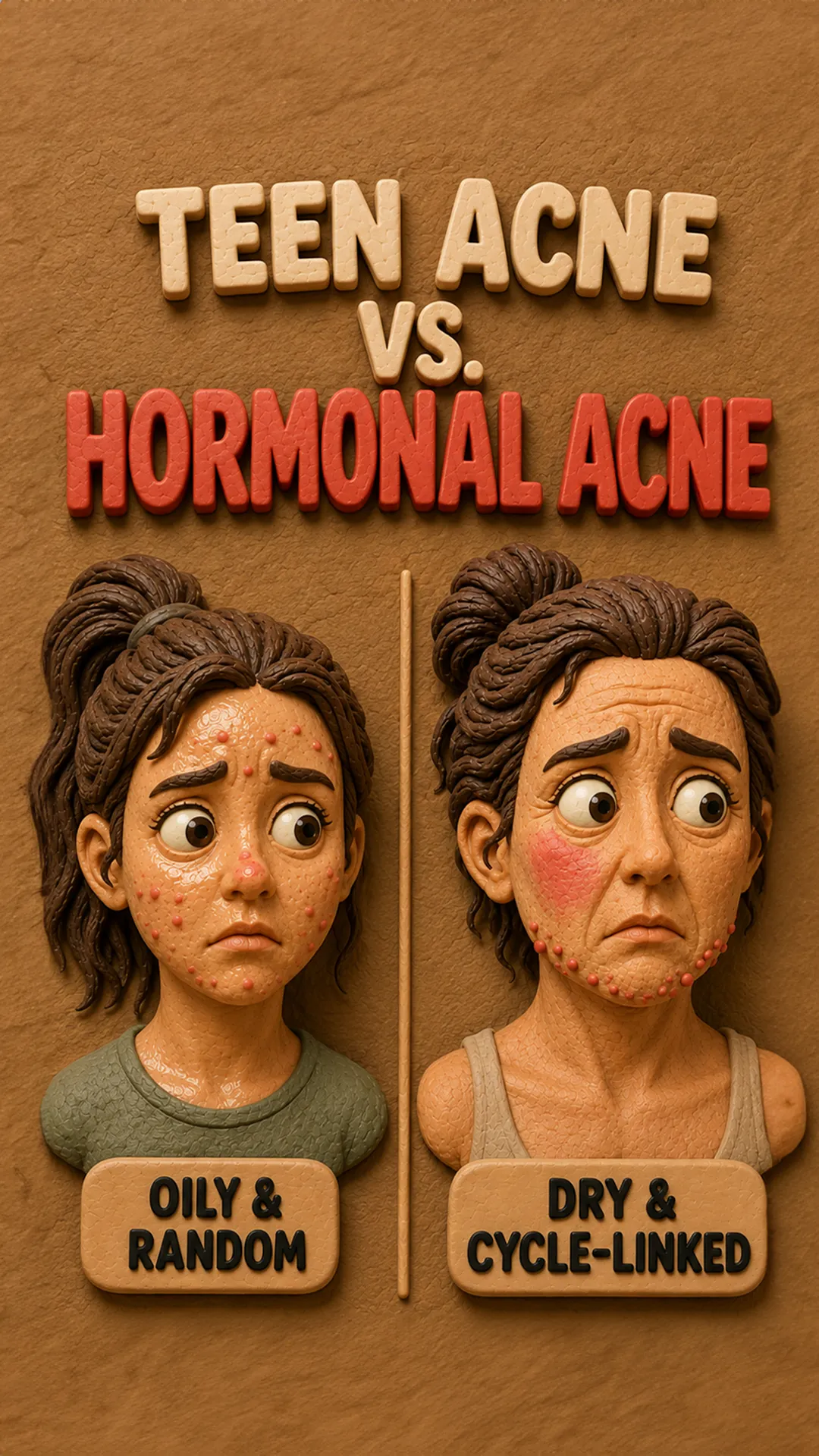
Hormonal Acne, Finally Calm
Anne's Skincare Blog

 Add to Chrome