
2 Drops That Will Change Your Life! 😍
Ad Copy
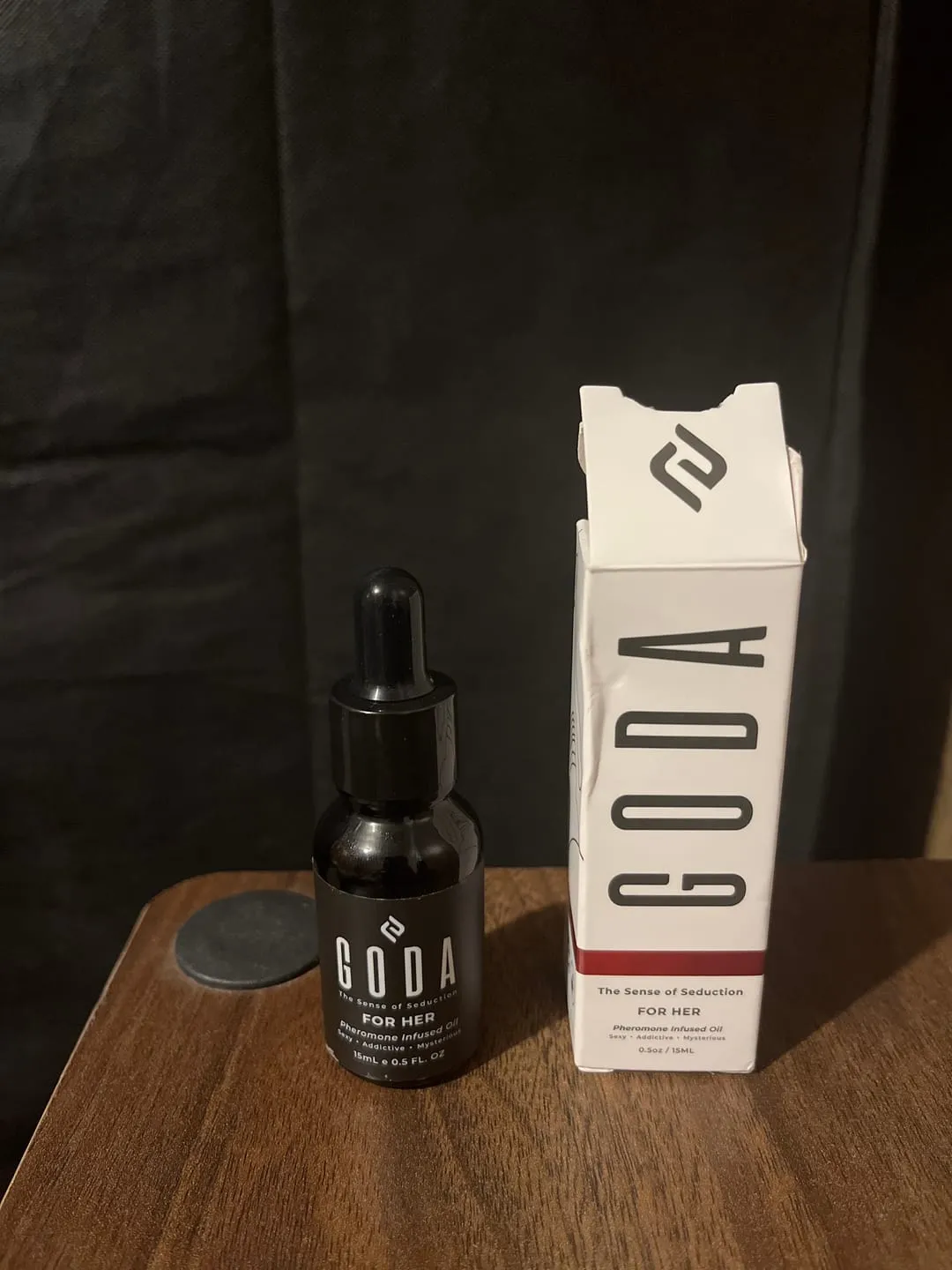
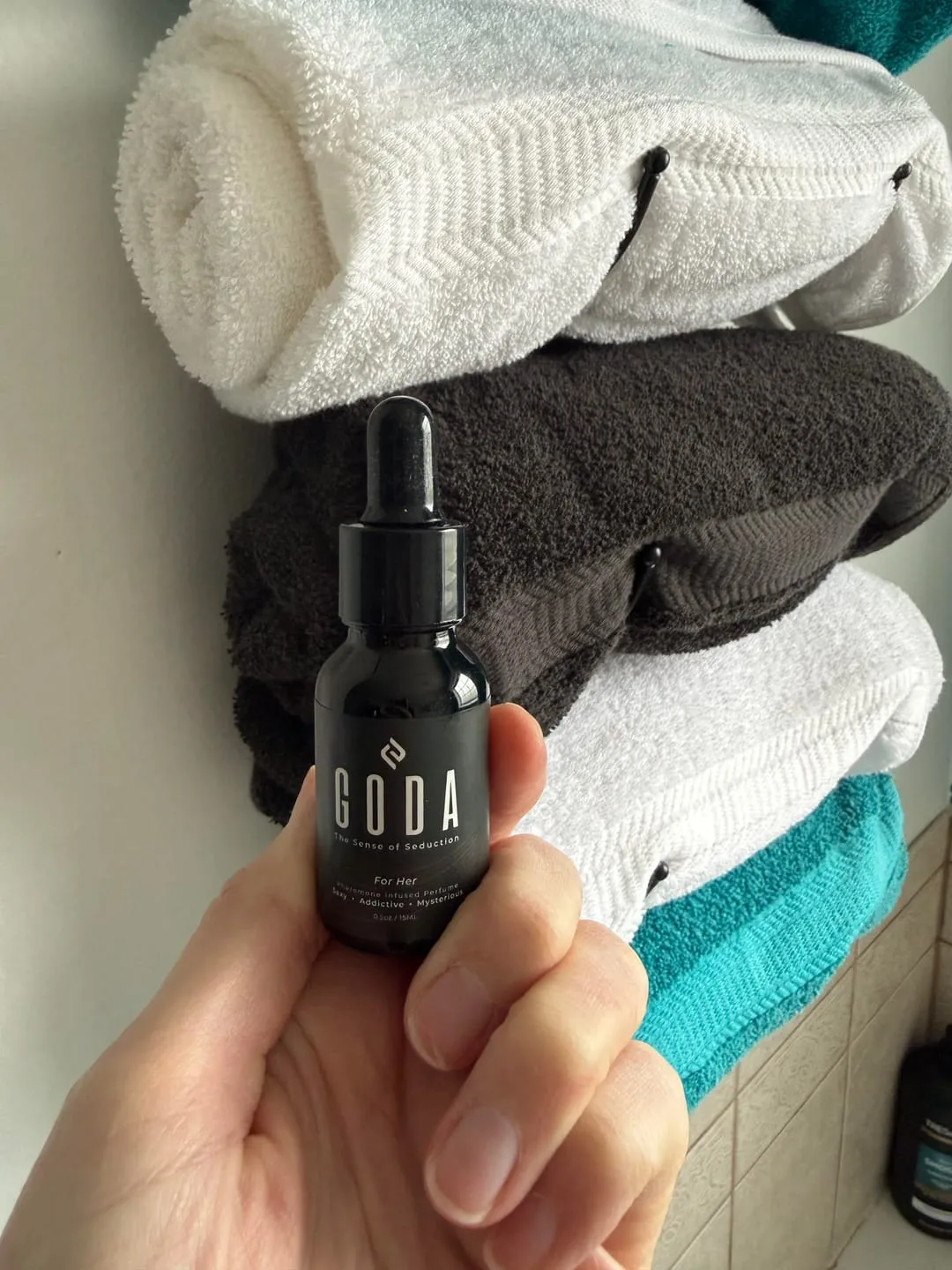
I told a client her $400 perfume was beautiful — and completely wrong for what she needed it to do. My name is Renata Cole. I've spent eleven years as a fine-fragrance evaluator. Not a stylist, not an influencer — an evaluator. That means brands pay me to sit a fragrance down in front of real wearers and report back, coldly, on what actually happens on skin over eight hours. Not what happens in the first ten minutes at the counter. What happens by 4 PM. Most people don't know this job exists. Most people also don't know it needs to. Last spring a client came to me with a simple brief: "I want to smell polished. I do not want to carry a bottle in my bag and reapply between every meeting." She opened her cabinet. Nineteen bottles. Chanel, Tom Ford, a couple of niche names I recognized from trade shows. Somewhere north of $3,000 sitting on a shelf. "Every one of these is gorgeous for an hour," she said. "Then it's gone. And I've stopped trusting my own nose enough to know if I'm imagining that, or if it's real." That sentence is the whole job, actually. Most women aren't asking "does this smell good." They're asking "can I trust what I'm being sold." And most of the time, the honest answer is: not really. Because most of what's on that shelf is made by the same handful of conglomerates that also make the handbags and the sunglasses — fragrance is a line item to them, not a craft. And the fastest, cheapest way to build a fragrance is alcohol-based. Alcohol gives you that big beautiful opening at the counter. It also evaporates off skin in under two hours, taking the scent with it. That's not a flaw in your skin chemistry. That's a design choice, priced like a luxury. So I ran her through what I actually do for a living: a blind wear test. No brand names. No boxes. Just numbered vials on her wrist, checked at the one-hour mark, the four-hour mark, and the eight-hour mark. Here's the one that stopped both of us. Vial 6. At one hour: a soft, unmistakable jasmine — clean, not powdery, not the "old lady" floral a lot of women (rightly) run from. By four hours: the jasmine had settled back and a rose and amber were coming forward, warmer, closer to skin. At eight hours, she could still find it if she brought her wrist to her face. Not a cloud across the room. A scent she had to lean into. That's an oil. Specifically, it turned out to be Goda For Her — a floral-amber blend built on jasmine, peony, rose, and amber, oil-based rather than alcohol-based. I want to be precise here, because I think this category oversells itself constantly: an oil doesn't "last longer" than a spray in every sense. It projects less — meaning it doesn't fill a room the way an alcohol spray can. What it does is bond to skin instead of evaporating off it, which is why my client could still detect it at hour eight when her $400 bottles were long gone by hour two. Closer wear, longer wear. Not louder wear. If you want something that announces itself across an office, this isn't that. If you want something that's still there when he hugs you goodnight, this is exactly that. She wore it for a week before she asked me the price. "Twenty-nine dollars," I told her. She made me repeat it. On the "pheromone" label — I'll be straight with you, because my job is measurement, not marketing. The honest scientific answer is that human pheromones are a genuinely unsettled area of research; nobody can promise you a chemical that controls how another person reacts. I'm not going to tell you this oil rewires anyone's brain. What I can tell you is what I watched happen, which is smaller and, I think, more believable: my client wore a scent that actually stayed on her skin all day for the first time in years, and she said it made her feel put together in a way none of her $400 bottles had, because those had all quietly failed her by lunch. Confidence is real even when the biology behind "attraction" is still up for debate. I'd rather tell you that than oversell you something I can't prove. Since then I've run the same blind test with about a dozen women across different ages. It's not universal — nothing in fragrance is. Two women found it too soft for what they wanted and layered it under a spray for more projection, which works fine. One found jasmine wasn't her note family at all, which is a real thing — if you already know florals aren't yours, this probably won't convert you. But for the woman who's tired of buying $80–$400 bottles that ghost her by 2 PM, and who actually likes a warm floral-amber, it was the first thing in years that did what it said on the bottle. Here's what eleven years of testing $20 drugstore bottles against $500 niche houses has actually taught me: price tells you almost nothing about performance. It tells you about packaging, marketing spend, and brand storytelling. It does not reliably tell you whether a fragrance will still be on your skin at 6 PM. Goda For Her is $29. They're currently running two bottles for the price of one, which — after watching what one bottle did in an eight-hour test against $400 competitors — is a genuinely strange price for what it is. If you're someone who's given up on fragrance actually lasting, or you're curious about the pheromone conversation but don't want to buy into hype you can't verify — I'd say this is worth the $29 to find out for yourself what an oil does that a spray can't. If you want something loud that fills a room, this isn't your category; that's not a knock on it, it's just not what it's built for. The link's below if the offer's still live. It's moved fast before.
More from Natasha Knows Scents
2 Drops That Will Change Your Life! 😍
Natasha Knows Scents
2 Drops That Will Change Your Life! 😍
Natasha Knows Scents
2 Drops That Will Change Your Life! 😍
Natasha Knows Scents
2 Drops That Will Change Your Life! 😍
Natasha Knows Scents
2 Drops That Will Change Your Life! 😍
Natasha Knows Scents
2 Drops That Will Change Your Life! 😍
Natasha Knows Scents
2 Drops That Will Change Your Life! 😍
Natasha Knows Scents

The cologne men are quietly reordering 🔥
Natasha Knows Scents

The cologne men are quietly reordering 🔥
Natasha Knows Scents

Keep Your Romance Alive With 2 Drops! 😍
Natasha Knows Scents

Keep Your Romance Alive With 2 Drops! 😍
Natasha Knows Scents

Keep Your Romance Alive With 2 Drops! 😍
Natasha Knows Scents

 Add to Chrome