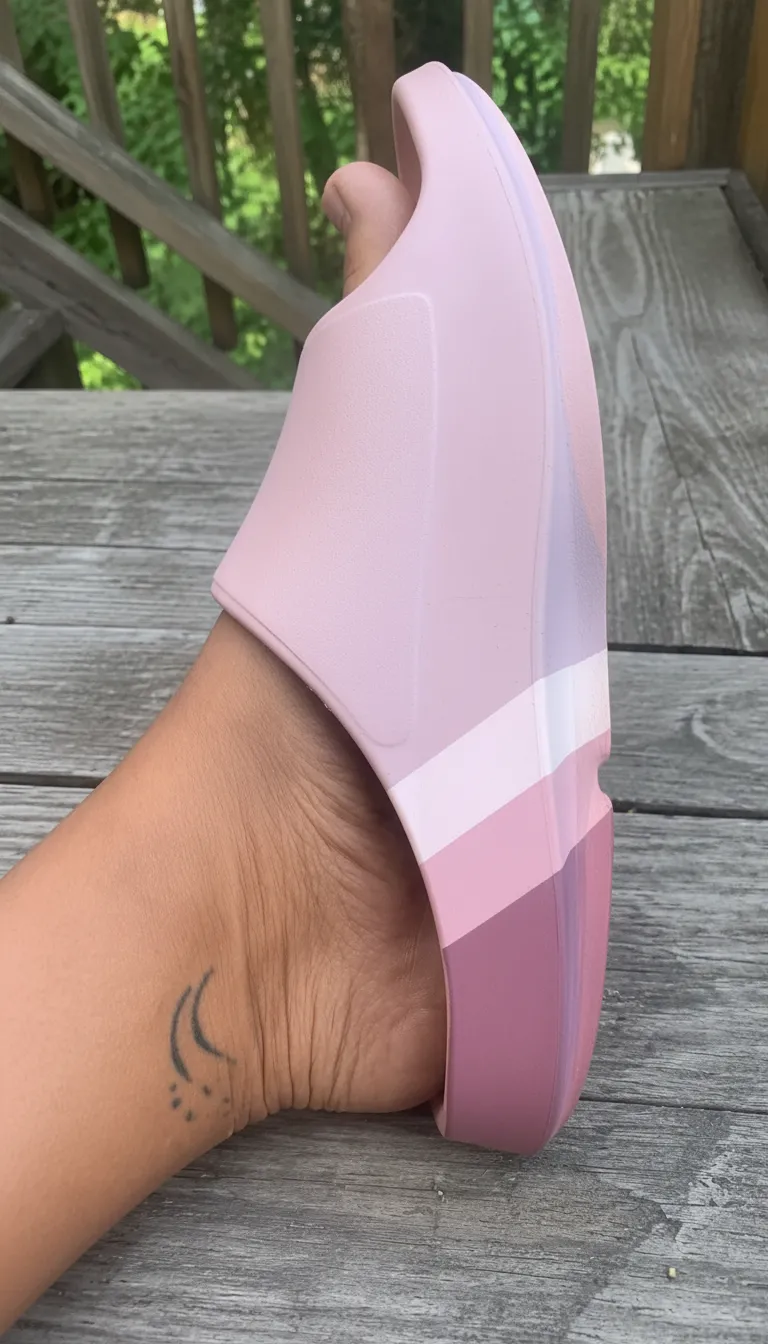
Stop the scarring start the healing
Ad Copy
Plantar fasciitis cannot heal until you address the scar tissue, I took me 2 years and a second podiatrist to figure that out I'm 43. I've been a nurse going on twenty years. Being on my feet is the whole job, and I was always the one who could do it. Doubles. Running to a code. Home after all that to make dinner and be out in the yard with my kids on the weekends. I was the mom who was always up, always moving. That's the part this took from me first. Not the job. The being up for everyone. It didn't hit all at once. It started as a sore heel after a long shift. I'm a nurse, my feet ache, that's the deal, so I brushed it off. But it stopped going away between shifts. There was a dull ache in my heel every morning that eased once I got moving. So I pushed through. Then pushing through stopped working. The mornings turned into sharp pain instead of dull. That first step out of bed started stopping me cold, like stepping down onto a nail that wasn't there. I started sitting at the edge of the bed preparing for the first step but that's not the worst part. We took the kids to the zoo one Saturday. I made it maybe an hour before my heel was screaming. I told everyone to go on ahead and I'd catch up, and I sat on a bench and watched them walk off without me. We ended up leaving early because of me. Nobody said it was because of me. But I knew it was. I started sitting to fold laundry. Sitting to chop vegetables. Sitting to do the things I'd done on my feet my whole life without a single thought. The kids were finally old enough that we'd been talking about taking them on a plane somewhere, a real trip. I stopped bringing it up. I couldn't picture getting through an airport, never mind the rest of it. It got bad enough that I had to go on leave from work. Me. The one who took care of everybody. I couldn't be on my feet long enough to take care of anyone. There was never one dramatic moment where it all broke. It just chipped me down into a smaller version of myself, and every piece I gave up seemed reasonable on its own. Then one day I looked up and I was a woman who watched her own family from a chair, and I didn't recognize her. So I did what a nurse does. I went looking for the fix, step by step. I saw a podiatrist. He pressed on my heel, asked about my mornings, and diagnosed the plantar fasciitis. Then he started me down what I now know is the standard protocol.. He put me on anti-inflammatories first. Naproxen. Told me to give it a few weeks. I gave it more than a few. My heel didn't care. Then footwear, and I went all the way down that hole. I tried the Hokas everyone online swears by. Then a pair of Brooks. I got fitted for custom orthotics, almost five hundred dollars after they took a mold of my foot. At home I lived in Oofos so I'd never take a bare step on the floor. When I went back to work, the shoes did help. With the good ones on and the orthotics in, I could get through most of a shift. Then I'd get home and peel them off, and that was the worst part of the day. The second my feet were bare the pain came roaring back like the shoes had never happened. I'd shuffle to my slides just to cross my own kitchen. And the mornings were their own special hell, that first step before anything was the worst on my feet. That was the thing that made no sense to me. How could something help so much while I wore it and do absolutely nothing that lasted the moment it was off. That question ate at me for a year. Then the spike ball. He had me roll my arch on it. It hurt, a deep bruised kind of hurt, but the hurt so good kind, and for about an hour after, my foot felt looser than it had all day. So I did it constantly, chasing that hour. It never once carried into the next morning. Then the stretches. He handed me a sheet and said do them religiously, so of course I did, and a lot of them. Some mornings after a big stretching night I could barely put my foot down. As a nurse, that one haunts me now. Two years of this. Everything either did nothing or helped only while I was propped up in it, and not one thing made my actual foot better. The breaking point came in that same office. He'd run me through every step of his protocol, I'd even been off my feet on leave, and I was no better than the day I first walked in. So he told me the next thing on the list was surgery. Cut the fascia. A boot for weeks. Months off my feet. I knew exactly what months off my feet meant for a nurse. It might mean not coming back to the floor at all. And when I asked him straight whether it would even fix it, he wouldn't promise me it would. I sat in my car in that parking lot for a long time. I wasn't going to let anyone cut my foot open on a maybe. I was desperate to find any other road, so I booked a second opinion just to hear something different. It took me a while to get in with her. Another podiatrist, older, decades of nothing but feet. I told her my whole two years. The pills, the shoes, the orthotics, the ball, the stretches, the surgery he wanted to do. I braced for her to nod along and send me right back to him. Instead she listened to the whole thing and said, of course none of that worked. Not one piece of it was aimed at what's actually wrong with your foot. And then she explained the part that not one person in two years had ever explained to me. Your plantar fascia is a thick cord of fibers running along the bottom of your foot, she said. In a healthy foot those fibers lie straight and parallel, like the strands of a rope. Lined up like that, they share the load evenly. Every fiber pulls its own weight with each step. When you overload it, you get tiny tears in it. Micro tears. And your body patches a tear the fast way, with scar tissue. Here's the problem, she said. Scar tissue doesn't come in straight and lined up like the original. It comes in as a disorganized, tangled mess. Thicker in some spots. Stiffer in others. Bunched instead of smooth. And that tangled, stiff patch doesn't stretch and give the way healthy fascia does. So you keep walking, you keep loading it, and it tears again right around that stiff patch. Which scars again. Thicker and stiffer again. You never had one injury for two years, she said. You had the same spot heal wrong over and over. Scar on top of scar. Each round a little worse than the last. I actually got angry hearing it, because it was so simple and no one had said it out loud. Then I asked her the question that had eaten me alive for a year. If that's what's happening, why did the shoes and the orthotics help me so much while I wore them. Because none of those things heal it, she said. You already know that. What you didn't know is why they help at all. A shoe, an insole, a custom orthotic, they all do the same job. They support your whole foot. They cushion and lift the whole thing so less strain reaches the fascia while you stand in them. That's real relief. But it's the entire foot being carried from underneath. The moment you take them off, all of that load drops straight back onto the fascia, onto that scarred spot, and it starts tearing again. They were never treating the fascia, she said. They were carrying your foot. And you can't wear them in bed, or the second you stand up in the morning, which is exactly when that scar tissue forms the most while you sleep at night. That was the answer to a year of my life, in about four sentences. So then why did the spike ball help even a little, I asked. That one I couldn't explain. Two reasons, she said. Rolling on it presses into that stiff scar tissue and breaks a little of it up, the way we do by hand in the clinic. And it drives a rush of blood into the area. That's why it hurts and feels good at the same time. You're breaking up hardened tissue that's tender, and the blood rushing in feels like relief. But you can't roll on a ball long enough or often enough for that to add up to healing, she said. A few minutes, a few times a day, from the outside. But you can't roll your foot on it forever. The relief is always going to be temporary. So what does heal it, I asked. Two things it had never once gotten, she said. First, keep the load off the fascia itself, not distribute the load through the whole foot, but the actual cord of tissue, so it stops micro-tearing and laying down fresh scar on top of old scar. Give it a real chance to stop re injuring. Second, blood flow into it. The fascia sits far down the body where circulation is poor, and blood is what carries the oxygen and the raw material that lets tissue rebuild in order instead of in a rushed, scarred knot. Keep the strain off it. Feed it. Let it come back in straight, strong lines instead of a tangle. That was the whole thing I'd never done. Then I asked her the question I'd been chewing on for two years. If all of this is true, why did my first podiatrist never tell me any of it. She didn't reach for a conspiracy. She was honest with me. For the first few weeks, she said, it genuinely is inflammation. The tissue is freshly irritated and torn, and that's why the anti-inflammatories are the right first move and why the whole protocol starts there. That part isn't wrong. The problem is that after those early weeks it stops being an inflammation problem and becomes this, the scarring, the tissue rebuilding wrong. And the protocol they're trained to run just keeps going down its list. Pills, inserts, shots, then surgery. It was built around that first picture, and most of them simply aren't taught what to do once the foot has moved past it. The ones who figure it out, she said, are usually the ones who've had their hands on enough feet over enough years to see the pattern the list keeps missing. She'd earned it the long way. As a nurse, I understood that in my bones. We run the protocol. It takes years on the floor to see around one. And here's where, instead of writing me a referral and sending me off to figure it out alone, she reached into her drawer. It looked like a thin sock, open at the toe, with two straps. Light. Breathable. It slipped on, and the two straps wrapped up under the arch and crossed behind the heel, pulling snug right along the line of the fascia. Not lifting the whole foot. Holding that one cord of tissue. It fit inside any shoe I already owned, and I could wear it barefoot around the house too, which was the entire point, because barefoot was when I hurt most. She walked me through why it was different from everything I'd wasted two years on. The straps sit right over the fascia and take the load off it directly, she said, so it stops getting micro torn with every step and scarring over again and again. And the compression drives blood flow into that starved tissue so it can actually rebuild. The steady, all day version of the good thing your spike ball was doing for five minutes. Keep it from re tearing. Feed it. The two exact things she'd just told me the fascia needed, in one thing I could wear. I took it home that day. Twenty years a nurse and still skeptical, because two years will do that to you. That first night I pulled it on and set the straps snug along my arch, crossed behind the heel the way she showed me. It was different. It held the sore part itself, firm and even, like a steady hand wrapped right around it instead of a shelf shoved under my whole foot. I'll give you the honest version, because two years of quick fixes lied to me and I won't do it to you. It was not a switch. The first morning was easier, not perfect. But I wore it every single day. Under my shoes. Barefoot around the house. I slept in it, because mornings were always the worst and the whole point was to keep that tissue protected and fed overnight instead of tearing the second I stood. A couple of weeks in, I was moving around the house on my feet again, cooking a real dinner standing up, and partway through I realized I hadn't thought about my feet in hours. I sat down and cried. This might finally be the end of this. Then I got a little ahead of myself. My daughter wanted to go to the little park in our neighborhood, and I was feeling so much better that I left the sleeve at home and just went. We played for about forty minutes and my heel started letting me know it wasn't done healing yet. But here's the thing. Forty minutes at the park with my daughter, out of nowhere, on a whim. Months earlier that was impossible. I put the sleeve back on the next morning and stayed honest about wearing it, and it kept getting better. Here's where I am now. I get out of bed and put my foot flat on the floor and it just holds me. I don't test it first anymore. I forget to even brace. That still gets me. I went back to work, full shifts, on my feet, and I clock out the way I did for the first eighteen years. I chase my kids around instead of watching from a bench. I'm the one saying yes to everything again. And we booked the trip. The real one, the plane, the whole thing. We’re going to Disneyland. I'm going to walk through that airport with my kids and not think once about my feet. I'm not the mom in the chair anymore. I'm not the nurse who had to go on leave. I'm back to being the one who's up for everyone, which is all I ever was and all I ever wanted back. The sleeve is called Koprez. That's the honest story of how I got back on my feet, in every sense. If you're where I was, here's exactly what I'd do. Go to their site and get the foot sleeve. Wear it under your shoes, wear it barefoot around the house, and sleep in it if your mornings are the worst part like mine were. Give it a couple of weeks of steady daily use before you judge it. This is your body finally rebuilding that tissue the right way instead of scarring over it, and that takes real weeks, not one magic afternoon. Anyone promising you overnight is lying. And because I know what this crowd has been burned by, here's the plain truth on the terms. It's backed by a 30-day money-back guarantee, no questions asked. If it does nothing for you, you email them, you get your money back, and they cover the return shipping. No overseas runaround, no restocking trick. It ships from a US warehouse in a few days. Not a month on a slow boat from who knows where. I spent close to a thousand dollars on shoes and molds and inserts trying to buy my way out of this. The thing that finally worked cost less than one of those specialist copays. I won't call it a miracle. I'm a nurse, I don't believe in those. What I'll tell you is what's true. I keep the strain off that tissue and I feed it, every single day, and my body is finally doing the repair it was trying to do all along, the right way this time. I got my shifts back. I got my kids back. I got me back. That was everything. Go get yours.
More from InvigorFate
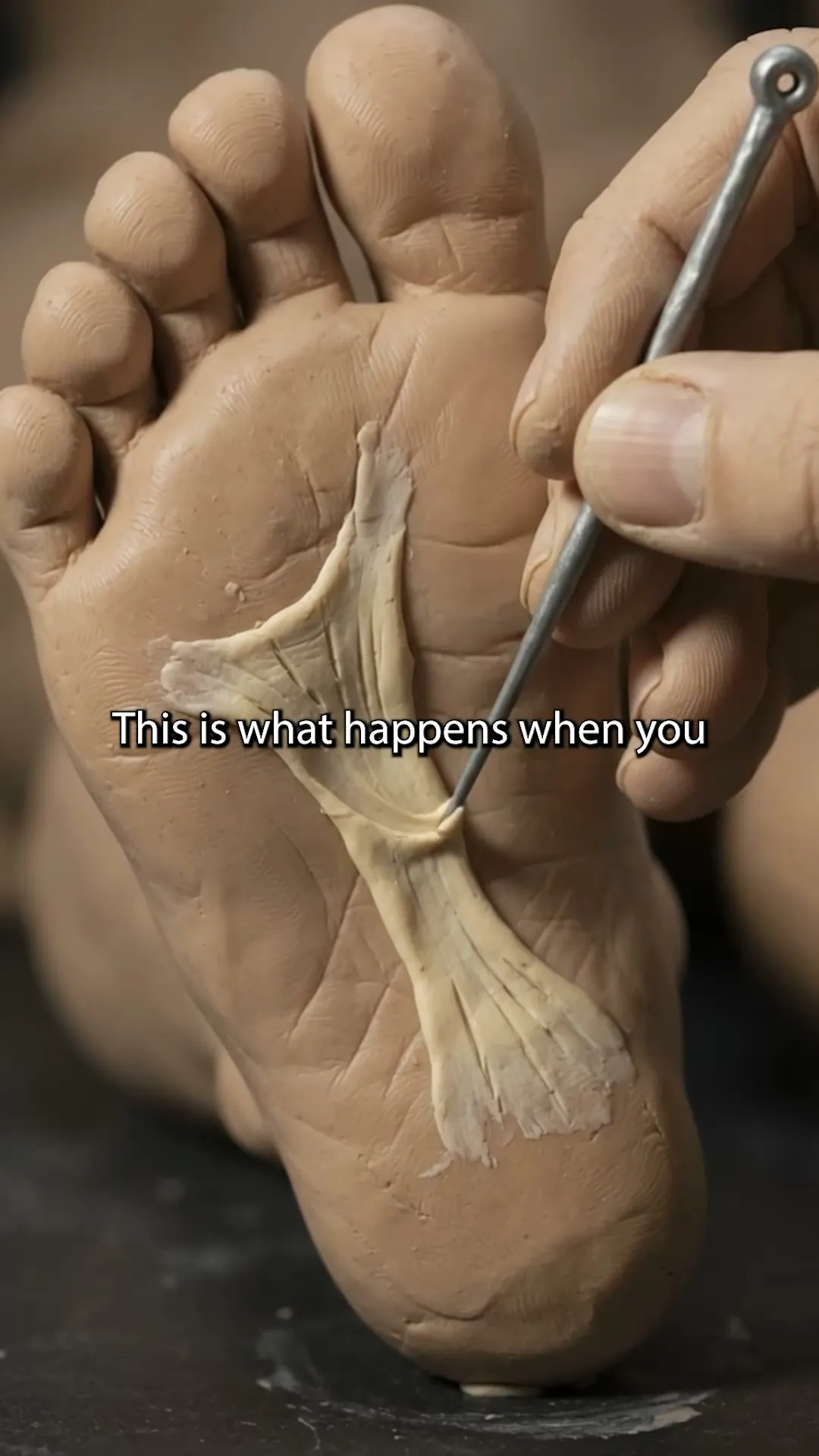
Limited TIme Buy 1 Get 1 FREE + 30-Day Money-Back Guarantee
InvigorFate
Limited TIme Buy 1 Get 1 FREE + 30-Day Money-Back Guarantee
InvigorFate
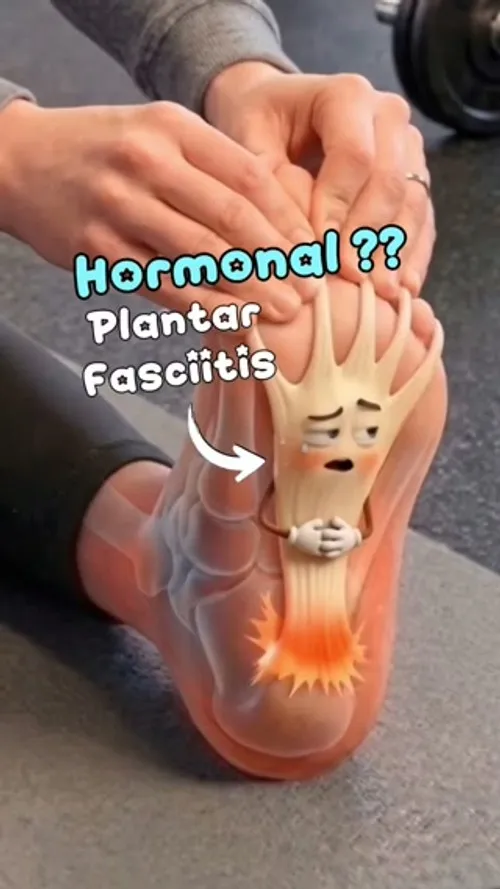
Stop Plantar Fasciitis Pain By Tomorrow Morning-BUY 1 GET 1 FREE
InvigorFate
Stop Plantar Fasciitis Pain By Tomorrow Morning-BUY 1 GET 1 FREE
InvigorFate
Stop the scarring start the healing
InvigorFate
Limited TIme Buy 1 Get 1 FREE + 30-Day Money-Back Guarantee
InvigorFate
Limited TIme Buy 1 Get 1 FREE + 30-Day Money-Back Guarantee
InvigorFate
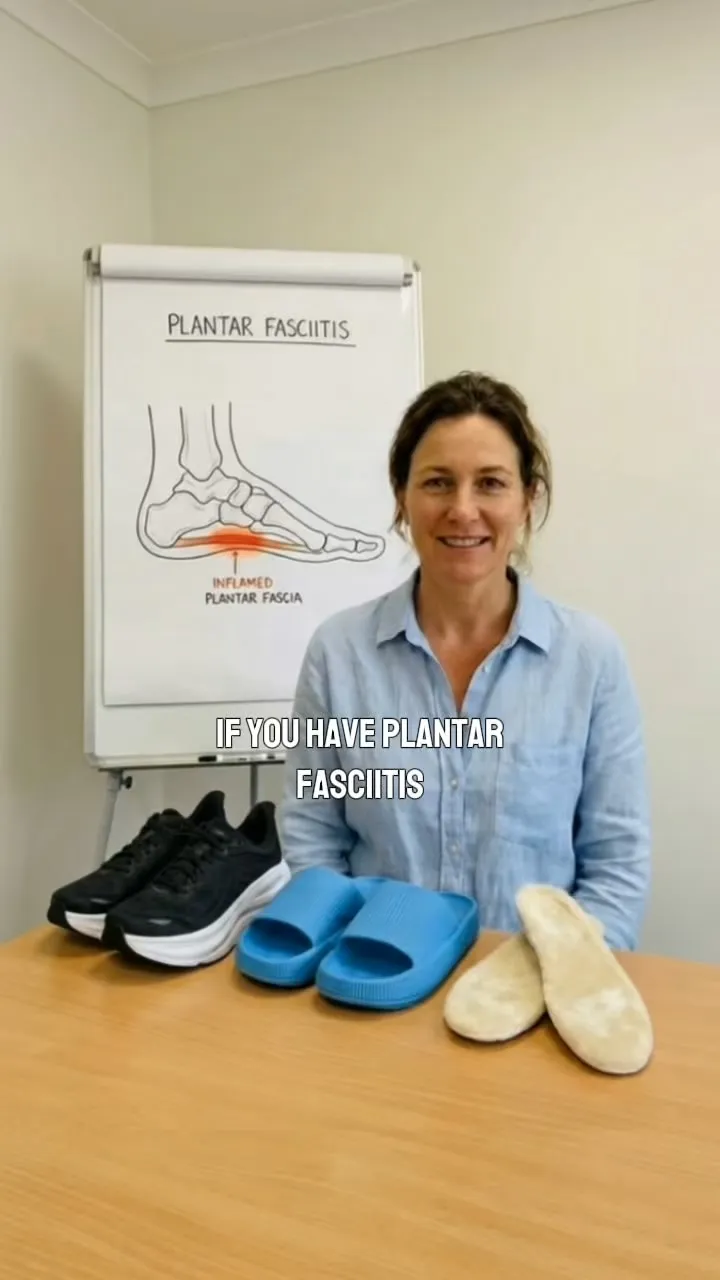
Stop Plantar Fasciitis Pain Faster-BUY 1 GET 1 FREE
InvigorFate
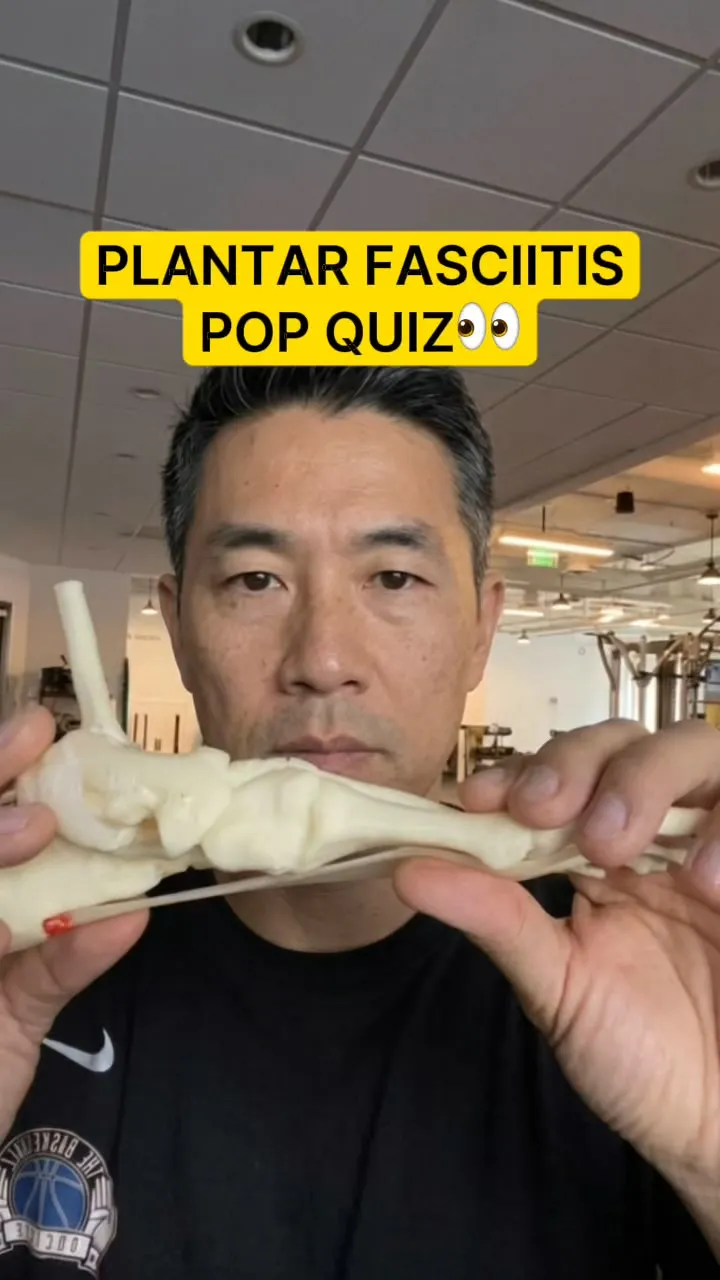
Stop Plantar Fasciitis Pain By Tomorrow Morning-BUY 1 GET 1 FREE
InvigorFate
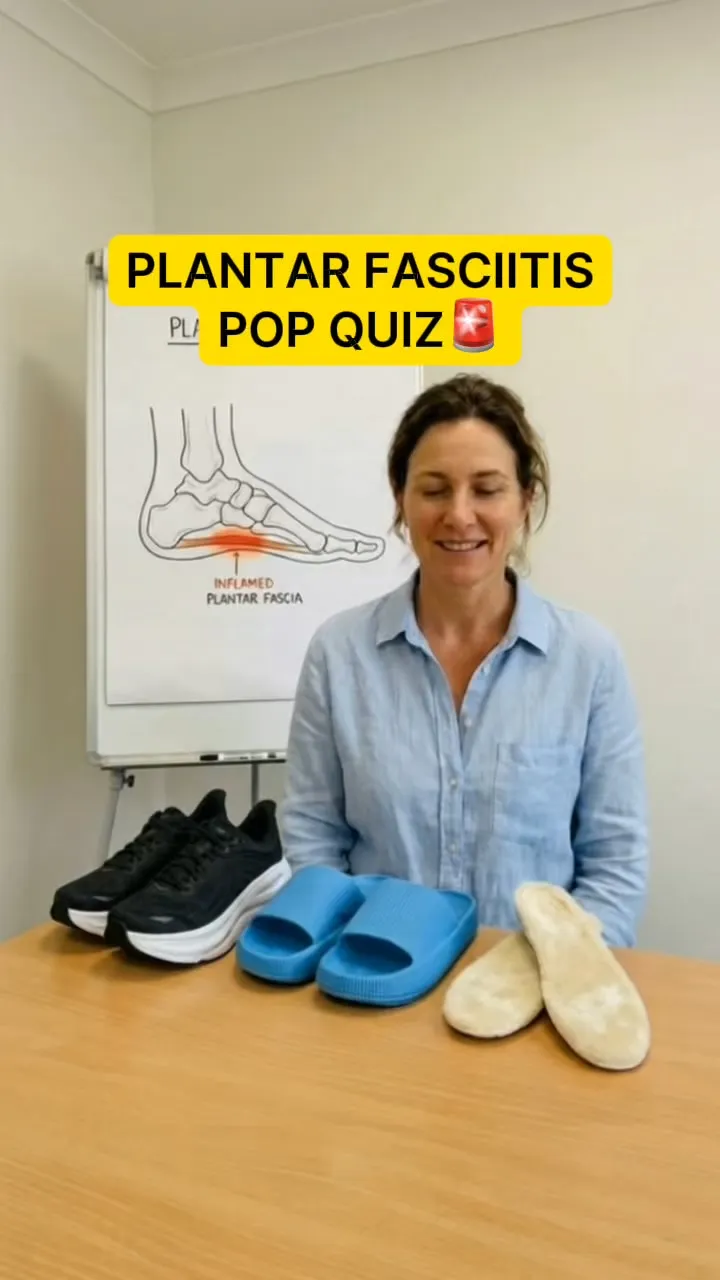
Stop Plantar Fasciitis Pain By Tomorrow Morning-BUY 1 GET 1 FREE
InvigorFate

Ancient Egyptian
InvigorFate
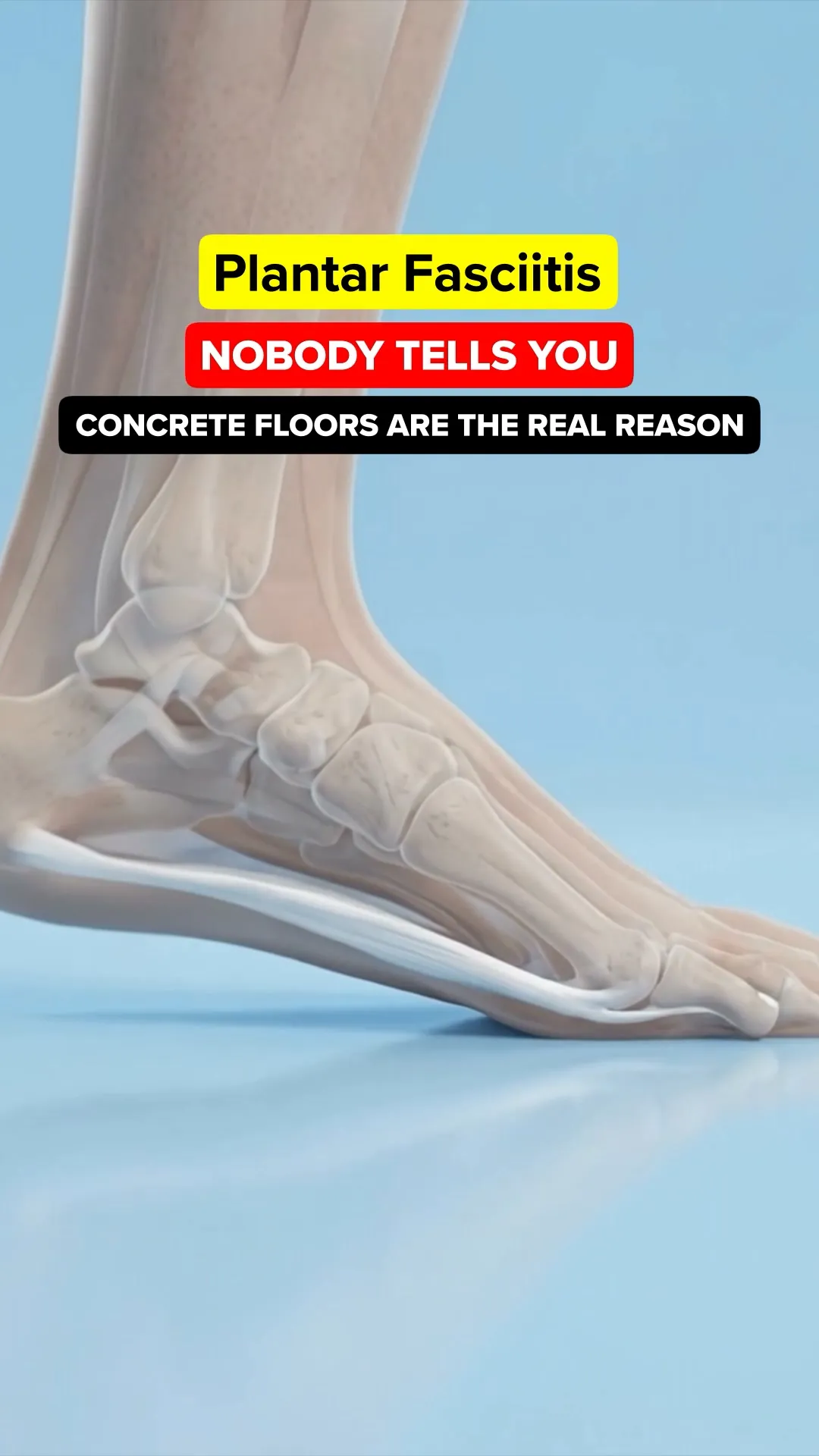
For 10-Hour Shift Feet
InvigorFate

 Add to Chrome