Support yourself today
Ad Copy
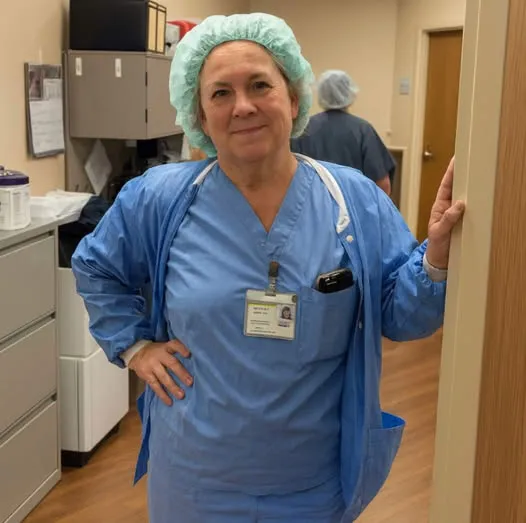
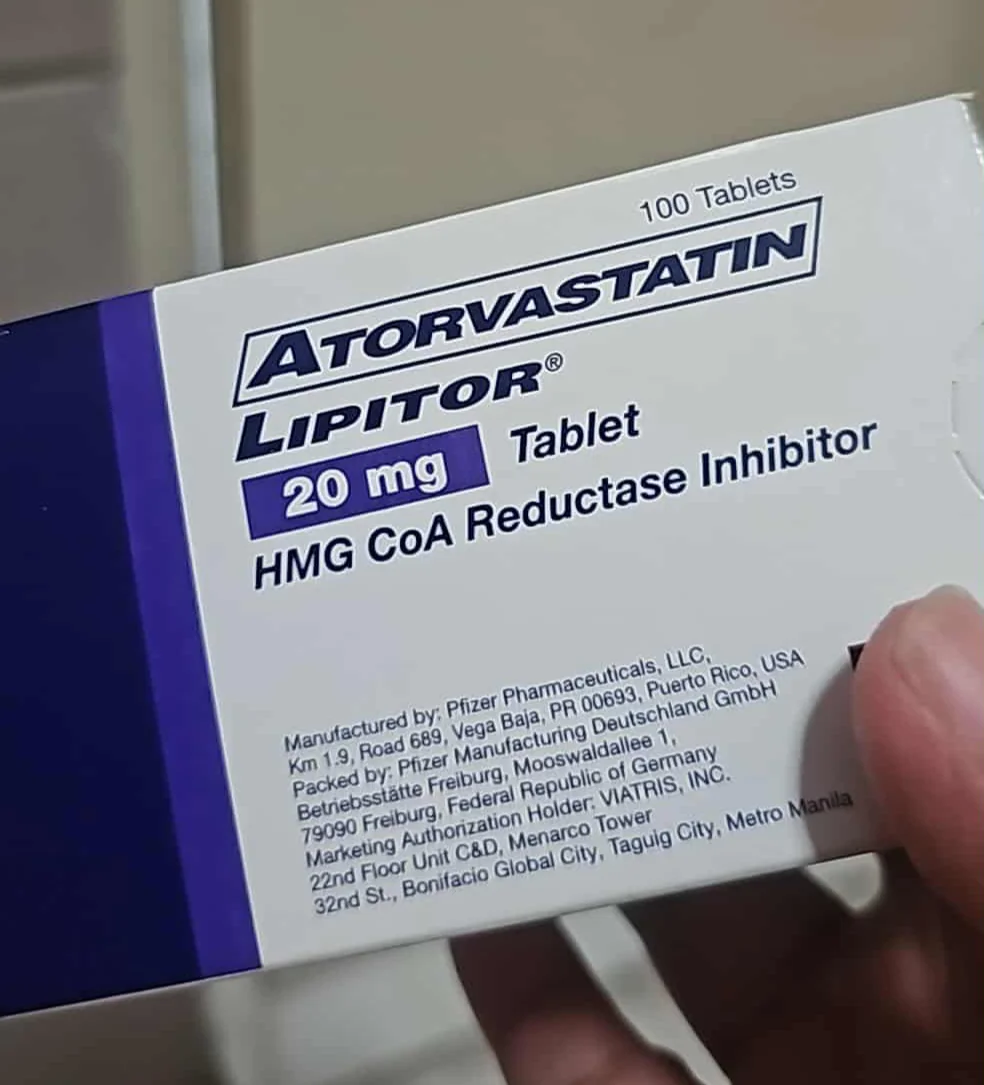
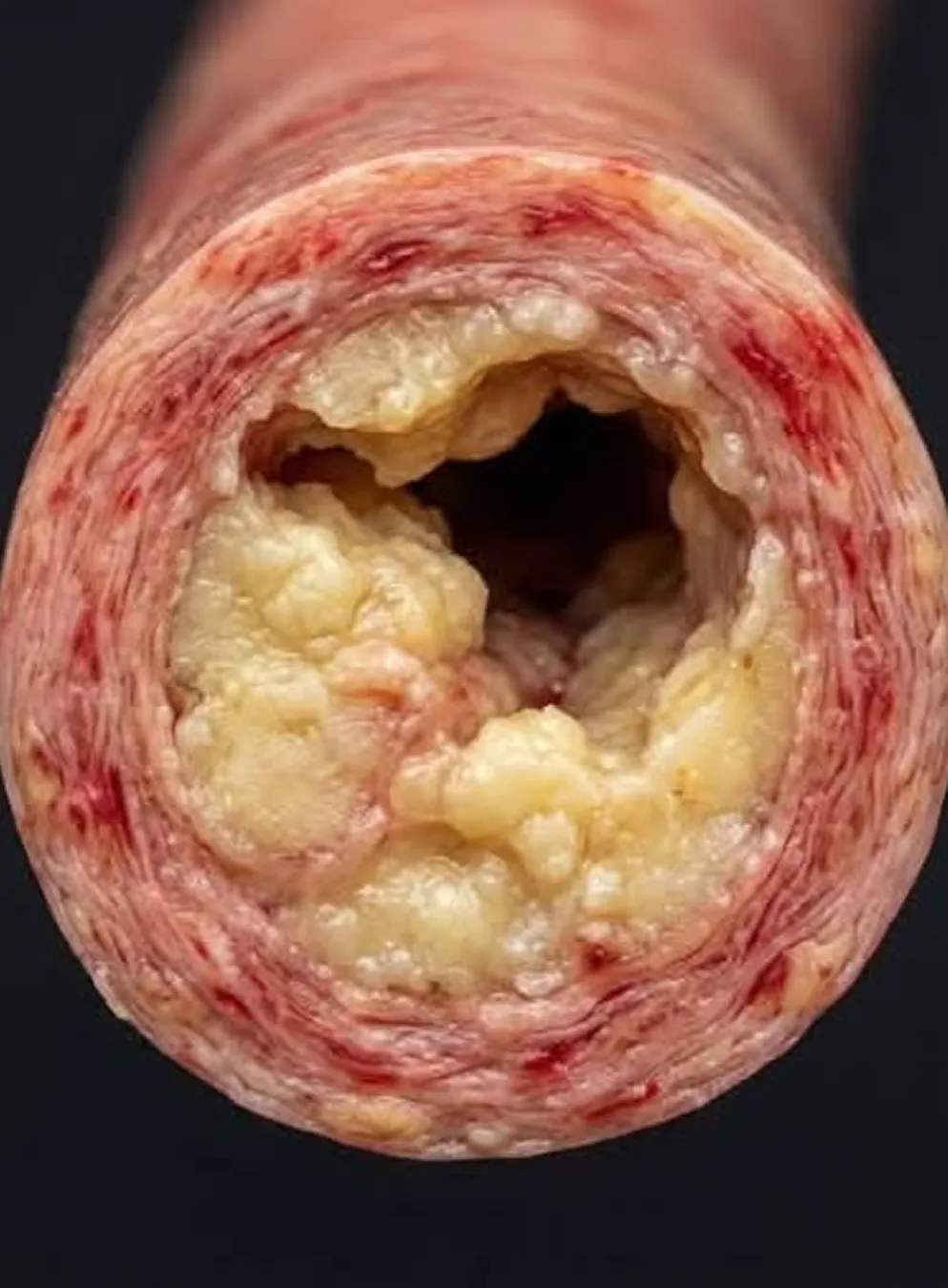
I'm a nurse and I've been handing out blood pressure pills for 19 years, but last month I refused to take one myself. I want to explain why. Because there's a sentence I've been legally unable to say in my professional capacity for almost two decades. And until three months ago, I kept my mouth shut. I'm not keeping it shut anymore. My name is Viviane. I work nights in the ICU at a hospital I'm not going to name. 19 years on the same floor. I've held the hand of more dying people than I can count. Most of them were on a blood pressure pill. Most of them had "perfectly controlled" numbers in their chart. That's the part that broke me eventually. I just didn't know it yet. Here's what my job looks like. A patient comes in having a stroke, or with a bleed on the brain. I pull up their chart. At home, on their pills, their numbers had looked handled for years. 130s over 80s. The kind of number a doctor nods at and tells you to keep doing what you're doing. But the pressure we caught when they came in was 166 over 112. Sometimes higher. The pill had been holding their everyday number down while the real pressure ran higher behind it the whole time. And that, on the medication that was supposed to prevent exactly this, is what put them in front of me. The first few times it happens you tell yourself it's bad luck. Or genetics. Or they missed a dose. By year five you stop telling yourself stories. By year ten you start counting. I started counting in 2019. I keep a number in my head now. I'm not going to share it because it would sound like I'm making it up. Just trust me when I say it's a lot of people. A lot of grandparents. A lot of fathers. A lot of men and women in their fifties, sixties, seventies, all who thought they were doing everything right. All of them on a blood pressure pill. All of them with "controlled" numbers. All of them having strokes anyway. And I never said anything. I want to be honest about that. Because you might be reading this thinking I'm some kind of whistleblower hero. I'm not. I'm a nurse who took an oath, who has a license to protect, who has a mortgage to pay, and who has been told for 19 years that if I question a doctor's prescription out loud in front of a patient I will lose all three. That's not a metaphor. That's a real rule. When a doctor writes a script for a blood pressure pill, my job is to hand it to the patient and explain how to take it. If the patient asks me "do you think this will help?" I'm allowed to say "your doctor knows best." I'm not allowed to say what I actually think. I'm not allowed to mention what I've seen. I'm not allowed to tell them about the chart from last Tuesday where the same drug they're about to start was already failing somebody else. If I do, I'm out of a job. Possibly out of a career. So I learned to nod. To smile. To explain the dosing schedule. To go home and try to forget. And then I'd come back the next shift and do it again. That was the deal I made for 19 years. Three months ago the deal blew up. I had my annual physical. Routine bloodwork, routine numbers. I'm 54, I exercise four days a week, I cook most of my own food, I haven't been overweight a day in my adult life. I wasn't worried. They took my blood pressure and it was 166 over 108. I read the number twice. Then I read it again. Then I sat in my car in the parking lot for almost an hour because I knew exactly what was coming next. Two days later my primary care doctor called me. "Viviane, your pressure is concerning. I'd like to start you on a low dose lisinopril. We can talk about it at your follow up but I'm sending the prescription to your pharmacy today." He didn't ask. He told. 19 years of nodding and smiling collapsed in about four seconds. I drove home from work that night and I sat at my kitchen table and I cried. Not because I was scared of high blood pressure. Because I knew I was about to walk into the same machine I'd been feeding patients into for almost two decades. And that machine doesn't work. I have spent 19 years watching it not work. I let the prescription sit at the pharmacy. I didn't pick it up. I told my husband I needed a week to think about it. He's a paramedic. He's seen the same things I've seen. He didn't argue. That week is when everything changed for me. I started doing what I'd never let myself do as a working nurse. I started actually reading. Not the drug company pamphlets. Not the guidelines. The original studies. The stuff buried in the back of medical journals. The research nobody hands you on the floor because it complicates the story you're being paid to tell. And I found something that a lot of European studies have been talking about that I now cannot believe I didn't know. The calm number you get at home, on the medication, was never the real picture. I want to say that again because it took me a week to actually accept it. The calm number on your home monitor was never the real picture. It wasn't for my patients either. The real pressure ran higher than that all day long, straining a system that had been quietly breaking down for years, and nobody had a cuff on to see it. What I found, once I actually started reading, is that it was never really about the salt on my plate or the stress in my life. Here's the first thing I had never once stopped to think about in 19 years. Your blood vessels are built to relax on their own. When I was 30, blood flowed easy and I never once thought about my pressure. That was a signal doing its quiet work in the background, telling the vessels to open. The signal is called nitric oxide. You've probably heard of it. It's the whole reason people drink beetroot juice. Nitric oxide is real, and it's exactly what keeps your pressure where it belongs. And here's what I had never connected. The organ that keeps that nitric oxide flowing is your liver. Your liver makes the raw material your body turns into it, a compound called arginine. It clears the waste that would otherwise switch the signal off. And it makes the antioxidant that protects the nitric oxide from being destroyed. A healthy liver keeps a steady supply running, your vessels stay open on their own, and you never need a pill, because your body is doing it for you. That stopped me cold. 19 years of handing out drugs for blood pressure, and not one of us ever talked about the organ that keeps the whole thing running in the first place. And I already knew what an overloaded liver looks like. I've seen the scans. Decades of filtering everything, the alcohol, the medications, the processed food, and fat builds up inside it until it gets congested and sluggish. What I never once connected in 19 years is what that does to your pressure. A congested, overworked liver starts to rust. I mean that almost literally. When a tired liver can no longer keep up, a kind of internal rust builds up faster than it can clear, what the research calls oxidative stress. And that rust does one thing above all else. It destroys nitric oxide. It destroys it the moment your body makes it. So the supply collapses from every direction at once. The liver makes less of the raw material. The waste that switches the signal off piles up, because the liver is too overloaded to clear it. And the rust eats whatever nitric oxide is left before it ever reaches your vessels. And your vessels, starved of the one signal that tells them to relax, do the only thing they can. They clench. They narrow. They stiffen. Blood forces its way through, your heart pushes harder with every beat, and the number climbs. That is high blood pressure. Not too much salt. Not bad genes. Not aging. Your nitric oxide, starved out by a liver that rusted. Now look at what the pills actually do. The pill does not touch the liver. It does not clear one particle of that rust. What it does is reach your vessels at the very end of the line and force them open from the outside, or block the chemical that clenches them. The number on the cuff drops. The doctor sees it and calls the drug a success. But the liver is still rusting. Your nitric oxide is still collapsing. The vessels are still stiffening underneath, a little more every year, while the pill holds the surface number down. Not one of them ever goes upstream to the liver, where the whole thing is going wrong. And that is why my patients kept showing up on my floor on their medication, having a stroke. The pill did exactly what it was advertised to do. It held their everyday number down. But the rust kept eating the vessels underneath, year after year, while the chart said the number was controlled. One stiffened vessel, on one ordinary morning, finally gives. That is the stroke. That is the chart I read at 3am, the home numbers that looked handled, and a brain that will never be the same. Make no mistake, the high pressure is the thing that can kill you. That part is real. The problem is the pill let their everyday number look handled while the rust kept corroding the vessels underneath, because it never touched the liver driving it. And no blood pressure pill ever has. I have spent 19 years documenting what these pills do while they're "managing" that number. The dry cough that never goes away. The dizziness every time you stand up. The swollen ankles. The exhaustion that never lifts. The men who quietly stop taking it because of what it does to them in the bedroom and never tell their doctor. I have watched patient after patient get a second pill added to manage the first, then a third added on top of that. I have charted "common side effect, benefits outweigh risks" so many times I could write it in my sleep. There is one more thing I learned that week that I want you to sit with. Two things set your blood pressure. How tightly your vessels are clenched, and how much fluid is packed inside them. The clenching, from vessels that have lost their nitric oxide, is where almost all of your pressure comes from. The fluid is a small piece on top. Salt only ever touches that small piece. When you eat salt, your body holds a little extra water to go with it, and that nudges the number up a bit. Cutting it trims that sliver and never touches the clenched vessels. That's why people cut the salt for months and watch the cuff show the same number. They are working on the small piece while the liver, the organ that runs their nitric oxide, stays completely untouched. After 19 years of watching it, I have an opinion. I'll keep it professional. But I have one. That week at my kitchen table, I went looking for the alternative. I'd seen the rest of the menu fail too. Beetroot, hibiscus, garlic, magnesium, the beet juice everyone swears by. The beetroot and the beet juice add nitric oxide, or the raw material your body makes it from, straight from the outside. And that sounds right, until you realize you are pouring it into a liver that is still rusting. The rust destroys it as fast as you add it. It is water into a bucket with a hole in the bottom. And the antioxidants people take, the pomegranate, the CoQ10, they try to fight the rust from the outside, but they can't keep up, and they never fix the organ that makes your own master antioxidant in the first place. I have watched patients try every one of them. Every single one works from the outside. None of them clear the rust, or fix the liver that let your nitric oxide collapse in the first place. None of them address the actual mechanism. I was about to give up and pick up the prescription when I found a German clinical trial. Then another from the Mayo Clinic. Then a 2023 review in the European Journal of Internal Medicine pulling them all together. They were all about three compounds working together. Milk thistle. The active compound is called silymarin. The German trial used pharmaceutical grade silymarin standardized to 80%. Across 26 trials it was more than three times as likely to clear the fat out of the liver as a placebo. Not by forcing anything chemically, but by shielding the liver cells and protecting them from the toxic damage that has been overloading them for decades, so the liver can recover and get back to keeping your nitric oxide running. [illustrative] NAC. This one stopped me in my tracks, because I have been administering NAC in hospital settings my entire career. We use it as the gold standard treatment for acute liver failure and Tylenol overdose. What it does inside the liver cells is refill glutathione, the master antioxidant your body makes to clear the rust, the exact oxidative stress that has been destroying your nitric oxide. This is what the beetroot people and the pomegranate people are missing entirely. Instead of pouring nitric oxide or antioxidants in from the outside, NAC rebuilds your own master antioxidant, so the rust is cleared at the source and your nitric oxide finally survives long enough to reach your vessels. The German research is clear that silymarin alone is not enough. You need NAC paired with it for the silymarin to actually work. Choline, the one nobody talks about. Over 80% of adults are deficient in it. It is the nutrient your liver physically uses to package the fat once its broken down and ship it out of the body. Without it, even fat that's been broken down has nowhere to go. It just stays trapped in the cells, keeping the liver overloaded and rusting. When the liver has all three, the overload lifts and the rust clears. The liver recovers and gets your nitric oxide supply running again, the way your body did it before the overload happened. Your vessels relax on their own, and the pressure comes down at the source. Not forced. Not chemical. Just your liver doing what it was always designed to do. Then I found the study that made me close my laptop and sit there for ten minutes staring at the wall. A trial had taken people whose livers were fatty and overloaded and put them on standardized silymarin. As the fat cleared out of their liver cells, their blood pressure came down with it. And they did not get the cough, the dizziness, the swollen ankles or the exhaustion that I have been charting for 19 years. [illustrative] A liver formula bringing the pressure down by clearing the rust and fixing the organ, while the prescription sitting in my pharmacy was only ever going to force the vessels open at the surface. I sat at my kitchen table thinking about every patient I'd held the hand of in the ICU. Every grandfather, every mother of three, every grandmother who had eight, ten, twelve years of "well controlled" numbers and a stroke anyway. The thing that could have actually fixed the underlying problem has existed the entire time. And nobody told them. Nobody. That was the moment I stopped being a quiet nurse. I did what nurses do before we trust something. I checked the product, because not all milk thistle is the same. Most of what you'll find online is unstandardized raw seed powder. The label might say 1,000mg but the actual silymarin content can be a tiny fraction of what the clinical trials used. Some brands include zero NAC, some leave out choline entirely, some hide everything behind proprietary blends so you have no way of knowing what dose you are actually getting. The difference between raw milk thistle powder and a properly standardized formula with all three compounds is the difference between chewing willow bark and taking an aspirin. One is the plant. The other is what the clinical trials actually used. I went with Happy Liver by Ritual Labs because as far as I could find they're the only ones putting all three compounds in a single capsule at the doses the studies actually used. European pharmaceutical grade silymarin, clinical dose NAC, and choline at the amount the liver actually needs. And they third party test every batch and disclose every milligram on the label, which after 19 years of reading pharmacy labels I respect. Three capsules every morning. With water. Before my shift. I never picked the lisinopril up from the pharmacy. I want to be honest about what the first few days felt like. It wasn't anything dramatic. No buzz. No surge. This isn't caffeine. It doesn't announce itself. It works inside the liver cells where the fat is actually buried, and that takes time to show up anywhere you can measure. So I just took my three capsules with water before my shift. Drove to work. Did my rounds. Came home. Took them again the next morning. For the first few days, nothing. Then the small things started. About a week in, I realized one afternoon that I hadn't felt that tight, wired feeling in my chest that I'd been carrying around for the better part of a year. I'd gotten so used to it I'd stopped noticing it. That afternoon I noticed it was gone. A few days after that, my husband looked at me over his coffee and said "your face looks different. Less puffy. Like you slept better than you actually slept." I hadn't slept better. I hadn't changed a single thing except those three capsules in the morning. That's the first phase. The fat in the liver cells is starting to break down. The rust is starting to clear. The dull pressure headache you've been blaming on stress starts lifting. You don't feel the chemistry. You feel the noise lifting. Somewhere around the third week I stood up fast from the nurses' station the way I always do, and I didn't get that gray, swimmy moment where I had to grab the desk, the one I'd been getting for months. I'd been telling myself the dizziness was "just being tired." It wasn't. A few days later I started waking up before my alarm without that pounding behind my eyes. The heavy morning head I'd chalked up to overnight shifts. It was just gone. That's the second phase. The liver is catching up. The rust is clearing and your nitric oxide is starting to come back. The vessels aren't clenched as hard around the clock. Your whole system gets a little slack back. Week six I sat at the kitchen table with my husband and my home cuff, the way I check patients a hundred times a shift. Put it on. Waited. Pressed the button. 149 over 95. Down from 166 over 108. And I never picked up the prescription. I sat there looking at the little screen and I started crying. Not because of the number. Because of every patient. Every chart with "controlled" numbers and a stroke anyway. The thing that would have actually helped them was three compounds the liver already knows how to use. And nobody had told them. That's the third phase. The number itself starts coming down. Not forced down for the day. Coming down because the liver is clearing the rust and your nitric oxide is coming back, so the vessels finally relax on their own. I kept taking them. Three capsules, every morning, with water. Week eleven I checked it again. 133 over 86. Down more than 30 points off the top number. And still coming down. My primary care doctor called me at my next appointment. "Viviane, did you start the lisinopril?" "No." Four seconds of silence. I've been a nurse long enough to know what that silence means. A doctor recalibrating in real time. "What did you do?" I told him. The studies on the liver and nitric oxide. Silymarin. NAC. Choline. The trial where the pressure came down as the liver fat cleared. The fact that the salt was never the actual problem. I talked for 15 minutes. He didn't interrupt once. He was quiet for a long time. Then he said "I don't know much about that combination. But your pressure has come down significantly. Let's keep monitoring and talk again at your next visit." 19 years of biting my tongue. And my own doctor just said the words I'd been waiting to hear my entire career. I held it together until I got to my car. Then I sat in the parking lot and cried. That's the fourth phase. Long term. The liver keeps your nitric oxide running. The pressure keeps holding where it's supposed to. It doesn't just come down once. It stays down. Without a single milligram of a drug that was going to take the cough and the dizziness and the exhaustion with it. I cried because I was off the hook. I cried because every patient I'd held the hand of in the ICU should have been off the hook too. I cried because the answer was a liver formula. And nobody had told them. That's why I'm writing this. I'm writing this because I cannot keep doing this anymore. I cannot keep nodding and smiling and handing out prescriptions to people whose only "crime" was trusting their doctor to give them the full picture. I cannot keep watching stroke patients roll in whose home numbers looked controlled and saying nothing. If you have high blood pressure and your doctor is reaching for the prescription pad, I want you to read this twice. The salt you eat was never the cause. Your number is climbing because your overloaded liver has rusted and let your nitric oxide collapse, so your vessels clenched shut and stopped relaxing on their own. And there is no blood pressure pill on the market that touches that. They force the vessels open from the outside. The rust keeps eating the vessels underneath. The moment you stop the drug, the number comes right back, because nothing about the liver ever changed. If you're already on a pill and you're feeling the cough, the dizziness, the swollen ankles, the exhaustion that wasn't there before, you're not imagining it. You're not just getting older. The drug is doing exactly what it's designed to do, and what it's designed to do has costs your doctor has been told to call "manageable." If you've tried cutting salt, beetroot, hibiscus, garlic, magnesium, the whole cabinet, and your number isn't moving, that's because none of them work on the liver. They were never built to. Try these compounds. Three capsules every morning. Silymarin, NAC, and choline at the clinical doses the European studies used. It works inside the liver where the overload actually is. It supports your body at the level nothing else on the supplement aisle is reaching. Ritual Labs offers a 60 day money back guarantee. If your numbers don't move, you get a full refund. No questions asked. In 19 years of nursing I have never seen a pharmaceutical company offer to give your money back if their drug doesn't work. Think about that for a second. Happy Liver is a small company. They produce in small batches to keep the standardization intact, which means they sell out regularly. If you have a doctor's appointment coming up in the next 30 to 60 days and you want to give your liver the support it needs before that visit, check availability now. Don't wait. Every day the overload sits in those cells is another day the pressure keeps building underneath a number that looks fine. 👉 https://rituallabs.shop/products/happy-liver You still have time. You don't have to be the chart I read at 3 AM, the one whose home numbers looked handled right up until the morning one stiffened vessel finally gave. ~ Viviane Ashcombe, RN, ICU, 19 years P.S. I want to be clear about something. I'm not telling you to stop your blood pressure pill if you're on one. That conversation is between you and your doctor. What I am telling you is that the drug only forces the vessels open from the outside. It doesn't clear the rust that has your liver letting your nitric oxide collapse in the first place. If you want to give your body a real chance to fix the underlying problem, you need something that works inside the liver itself. Add it, retest in about 8 weeks, and take your numbers to your doctor. That's what I did. That's what changed my numbers. That's why I'm writing this when 19 years of training tells me to stay quiet. P.P.S. The 60 day guarantee is the part I keep coming back to. I have handed out thousands of prescriptions in my career. None of them came with "if this doesn't work we'll give you your money back." Not one. Whatever you decide, that detail is worth thinking about. 👉 https://rituallabs.shop/products/happy-liver
More from Vivienne Ashcombe
Support your liver today
Vivienne Ashcombe
Support your liver today
Vivienne Ashcombe

Support your liver today
Vivienne Ashcombe
Support your liver today
Vivienne Ashcombe
Support your liver today
Vivienne Ashcombe
Support yourself today
Vivienne Ashcombe
Support yourself today
Vivienne Ashcombe
Support yourself today
Vivienne Ashcombe
Support yourself today
Vivienne Ashcombe
Support yourself today
Vivienne Ashcombe
Support yourself today
Vivienne Ashcombe
Support yourself today
Vivienne Ashcombe

 Add to Chrome