Doc said “it’s just menopause.” She was WRONG.
Ad Copy
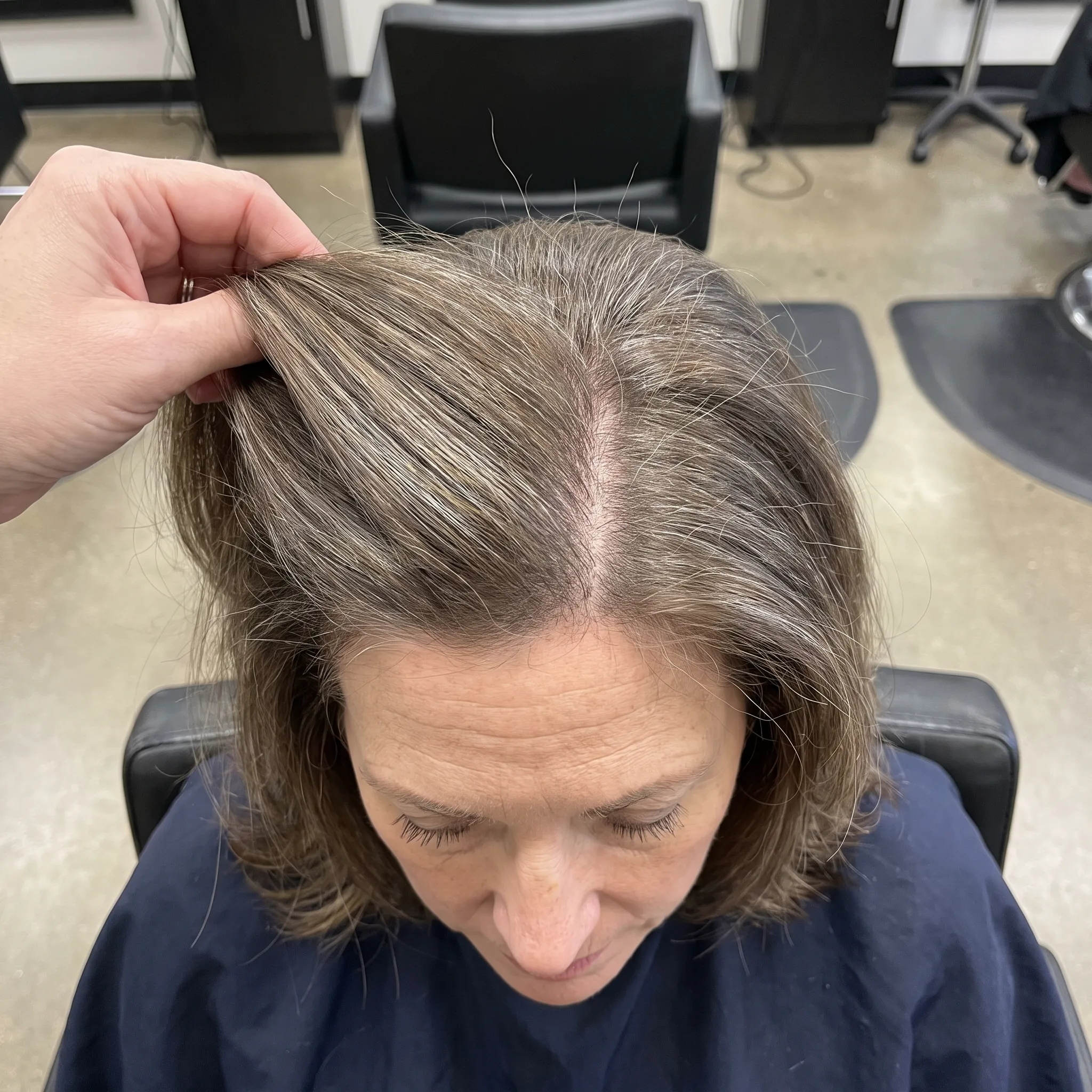
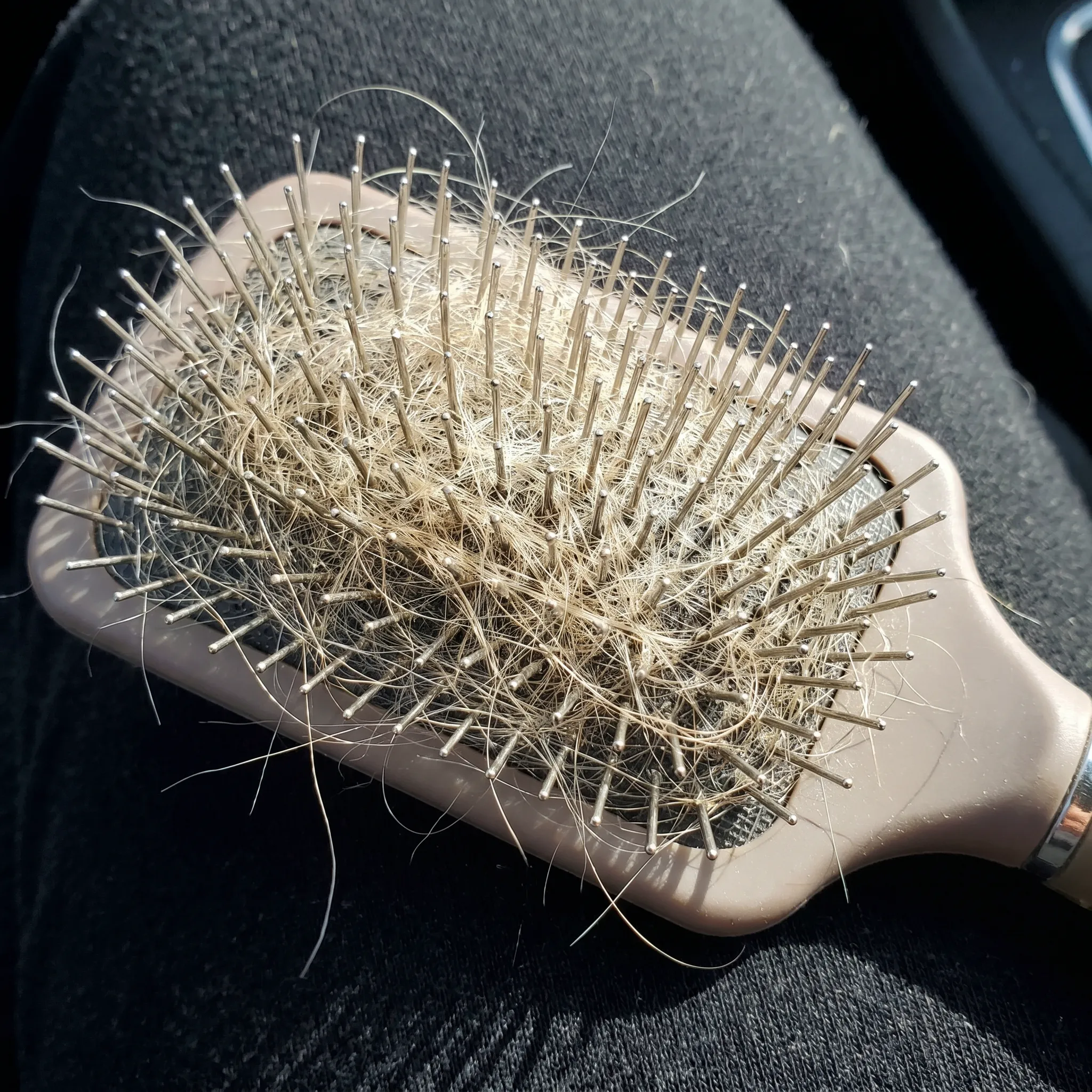
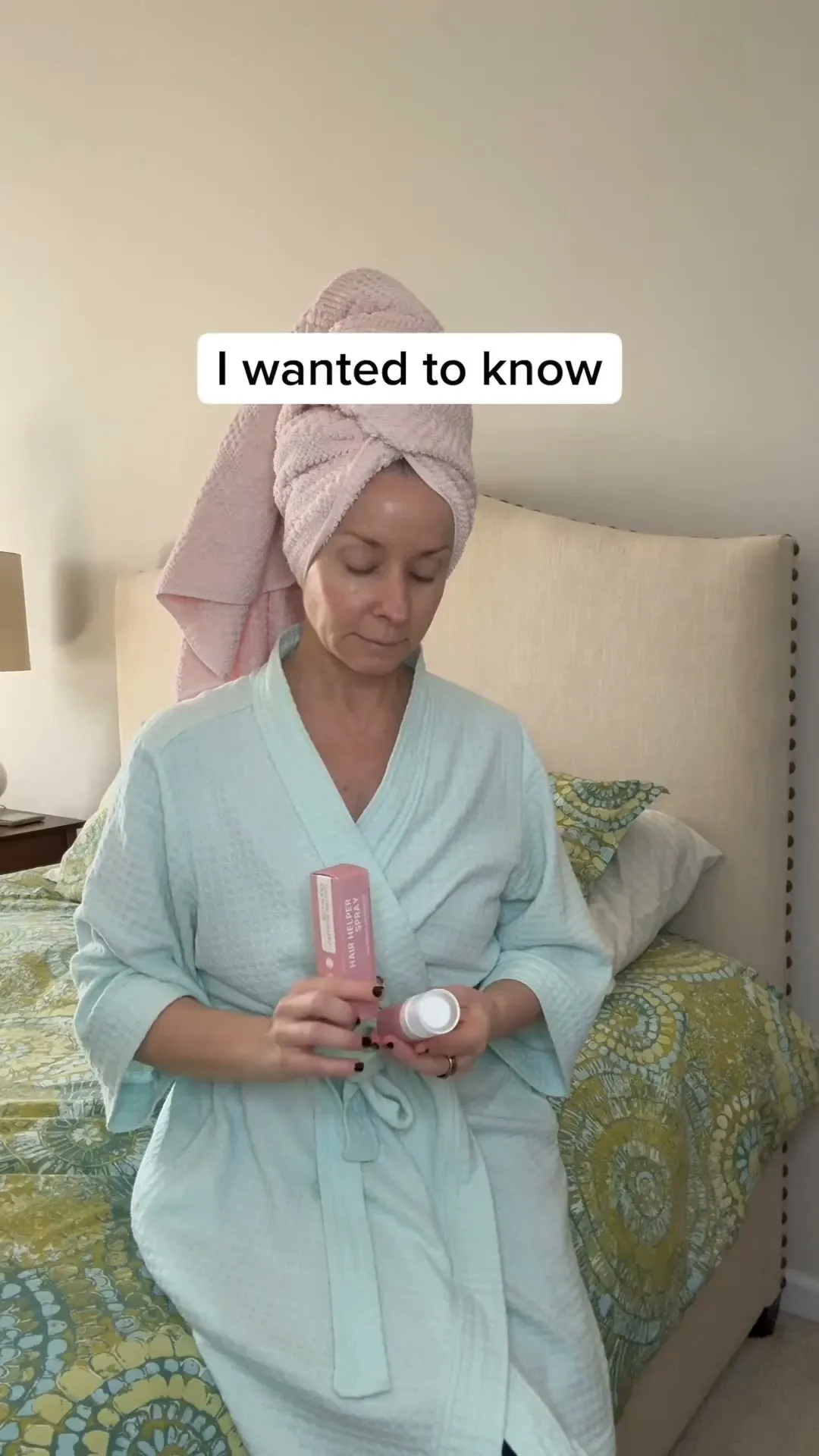
Stop sentencing yourself for hair that keeps disappearing. I’m 61, the version of you three years farther down this road, and it wasn’t neglect or waiting too long; the beauty industry sold us camouflage instead of addressing the cause, until a 10-second natural scalp ritual offered a way to uncover our real hair and confidence again. I’m a postmenopausal woman who spent years learning how to make thinning hair look fuller while quietly watching the real problem get worse. At first, I could still hide it with a good blowout, a different part, and a little powder along my scalp. From the outside, my hair looked polished. But the second I lifted that top layer, I could see straight through to my scalp. That was the part nobody else saw. They saw highlights, volume, and a woman who looked put together. I saw how much hair was missing underneath. Every morning, I checked my part before I checked my face. I'd move my hair one way, then the other, trying to find the angle that showed the least scalp. I learned which rooms had forgiving light and which ones made every thin area impossible to ignore. Salon lighting was the worst because there was nowhere to hide from it. I'd sit under those bright lights while someone stood above me, touching the exact areas I had spent all morning covering. Even when my stylist said nothing, I wondered what she was noticing. Had my part widened again? Was my crown thinner than it was at my last appointment? Could the woman in the next chair see it too? That kind of thinking follows you outside the salon. You start choosing where to sit in restaurants based on the lighting. You hesitate before standing in the sun for a photograph. You keep your head tilted a certain way when someone taller is talking to you. You stop enjoying the moment because part of you is always managing the view from above. People who have never dealt with thinning hair will tell you that nobody notices as much as you do. Maybe they mean well, but they don’t understand what it does to you when your hair has always been part of how you recognize yourself. It isn’t about wanting to look twenty-five again. It’s about looking in the mirror and seeing someone familiar. I had spent decades taking care of my family, showing up for work, and being the person everyone could depend on. Yet this one change made me feel as if I were slowly disappearing in plain sight. The worst part was the blame. I wondered if I had colored my hair too often, used the wrong shampoo, waited too long, or failed to take the right vitamins. I replayed every choice as though one careless decision had caused all of it. Then I'd buy another thickening shampoo, scalp powder, fiber, or styling spray and hope it might buy me a little more time. Those products sometimes made my hair LOOK thicker for a few hours. They did nothing about why it was becoming thinner underneath. That difference matters more than I understood at the time. Camouflage can make you feel better before dinner, but it cannot support a follicle that's slowly producing finer and shorter hair. So the styling tricks became less convincing while the routine became more exhausting. Then came the products that were supposed to do more than hide it. I tried biotin because everyone said hair problems must mean a deficiency. I tried expensive supplements and waited through bottle after bottle for something I could actually see. I read about minoxidil, worried about the initial shed, and wondered whether starting it meant I could ever safely stop. I looked at oils, serums, laser caps, special brushes, and shampoos covered in impressive-looking language. Every failed attempt made the next promise harder to believe. Eventually, the fear was no longer just about the hair I had already lost. It was about where this would end if the thinning kept moving at the same pace. Would I still be able to cover my part next year? Would I need a topper? Would I spend the rest of my life planning around wind, bright lights, and anyone standing behind me? That's why I want you to know this was never a lack of effort on my part, and it probably isn’t a lack of effort on yours. Here’s what most of us were never told: after menopause, the scalp can become more vulnerable to a hormone called DHT. Minoxidil isn’t useless, and some women do get results from it. But topical minoxidil has to be converted into its active form by a scalp enzyme called SULT1A1, and enzyme activity can differ substantially from one person to another. It also does not directly address every factor affecting the environment around a hormone-stressed follicle. When estrogen drops, DHT sensitivity, oxidative stress, and scalp inflammation can work together against healthy growth. Think of your scalp like soil. You can keep buying expensive seeds, but they'll struggle if the soil underneath has become hostile. That helped me understand why swallowing another supplement or covering my roots with another cosmetic product had never addressed the whole situation. And here's the part that hurts to admit: I blamed myself for years because it felt easier than admitting I had been spending money on the wrong tools. Once I understood the mechanism, I stopped looking for another temporary disguise and started looking for something that could be applied where the problem was happening. What I found was a natural, ten-second scalp ritual designed to support the environment around hormone-stressed follicles instead of merely hiding the thinning above them. That's what led me to TryBello Hair Helper Spray. It's not a pill, a prescription, or another powder that makes the scalp look darker until the next wash. It's a lightweight leave-in spray designed to deliver five key active ingredients directly to the crown, part line, and temples in a routine that takes about ten seconds. Four to six pumps once a day, that's the ritual. Instead of spending more time arranging camouflage, I could apply it directly where I saw the problem and move on with my morning. Let me walk you through why those ingredients caught my attention. Topical caffeine helps support the growth phase of the hair cycle while helping counter the effects DHT can have on susceptible follicles. Sophora flavescens extract has been studied for its effects on 5-alpha reductase, the enzyme involved in producing DHT, as well as growth signals inside the follicle. Oryza sativa, or rice extract, brings antioxidant support and has also been studied for activity connected to 5-alpha reductase. Angelica polymorpha sinensis root extract supports circulation and helps create a calmer scalp environment around stressed follicles. Biotin supports the keratin structure that gives each strand its strength, especially when it's placed directly into a formula built for the scalp rather than treated as the entire answer by itself. The formula also includes ginger extract and Saccharomyces ferment lysate filtrate to support the scalp environment rather than merely coating the hair to fake fullness. Together, those ingredients are designed to address several of the conditions surrounding hormone-stressed follicles, including DHT activity, oxidative stress, and scalp inflammation, rather than offering another cosmetic cover-up. You apply four to six pumps directly to the areas that concern you once a day, and there's no rinsing afterward. It absorbs quickly without leaving the stiff, greasy finish that can make fine hair look even thinner. The real difference is that Hair Helper does not need the minoxidil activation pathway to deliver its active ingredients to the scalp. It's also not designed to force follicles through the same cycle disruption associated with the minoxidil dread shed. There's no prescription, no required subscription, and no pharmaceutical dependency built into the routine. Now let’s answer the question I had immediately: what happens if I stop? Hair Helper is not designed to create the rebound-shedding dependency women fear with minoxidil, so stopping does not mean removing artificial pharmaceutical support from the follicles. Of course, menopause and the factors affecting your scalp do not disappear, so consistent use gives the formula the best chance to support your hair over time. But you're not signing yourself up for a drug you're afraid to miss for the rest of your life. If you have already spent money on biotin, Nutrafol, Vegamour, minoxidil foam, thickening shampoos, scalp oils, or a laser cap, I understand why you're skeptical. You were not foolish for trying them. You were trying to protect a part of yourself that mattered, using the options people kept putting in front of you. Hair Helper was developed with board-certified dermatologist Dr. Yolanda Holmes, who has spent more than fifteen years working with menopausal hair loss. According to TryBello’s customer data, 73% of users reported less shedding within thirty days, although individual results and timelines naturally vary. Karen T., a verified purchaser who had tried Vegamour, Nutrafol, Act + Acre, and prescription minoxidil, reported major regrowth around her temples and midline part after three months of nightly use. Jennifer M. said she noticed less hair in her shower drain by week three and baby hairs where her scalp had been showing by month four. Those timelines sounded believable to me because real hair growth is gradual. The first goal is usually to support and stabilize the scalp environment, followed by early signs such as less shedding and short new hairs, with fuller-looking density requiring consistent use over several months. TryBello gives you that time with a 120-day empty-bottle money-back guarantee. That means you can use the product as directed, finish the bottles, watch your part and shedding over a realistic period, and still request your money back within the guarantee window if you're not satisfied. After everything you may have already spent, the company is taking the financial risk on this attempt instead of asking you to carry all of it again. You deserve to sit in the salon chair without bracing yourself when someone lifts your hair. You deserve to step into bright light without immediately wondering how much scalp is showing. Most of all, you deserve the chance to feel like the woman you recognize again, without building your entire routine around hiding what's happening underneath. This is the ten-second natural scalp ritual I wish I had found before spending years blaming myself and buying camouflage: four to six pumps, applied directly to the places where my hair needed support, once a day. P.S. Every day the underlying scalp environment goes unsupported is another day you're relying on camouflage while the thinning underneath may continue. Click below to try TryBello Hair Helper Spray today and give your hormone-stressed follicles the direct scalp support they have been missing. https://start.trybello.com/tb-a461-adv
More from Trybello

Doc said “it’s just menopause.” She was WRONG.
Trybello
Doc said “it’s just menopause.” She was WRONG.
Trybello
Doc said “it’s just menopause.” She was WRONG.
Trybello

Doc said “it’s just menopause.” She was WRONG.
Trybello
Doc said “it’s just menopause.” She was WRONG.
Trybello
Doc said “it’s just menopause.” She was WRONG.
Trybello
Doc said “it’s just menopause.” She was WRONG.
Trybello
She Had The Right Idea For Her Hair. Just The Wrong Delivery.
Trybello
She Had The Right Idea For Her Hair. Just The Wrong Delivery.
Trybello
Doc said “it’s just menopause.” She was WRONG.
Trybello
Doc said “it’s just menopause.” She was WRONG.
Trybello
Doc said “it’s just menopause.” She was WRONG.
Trybello

 Add to Chrome