Tingling in your hands… what’s really going on?
Ad Copy
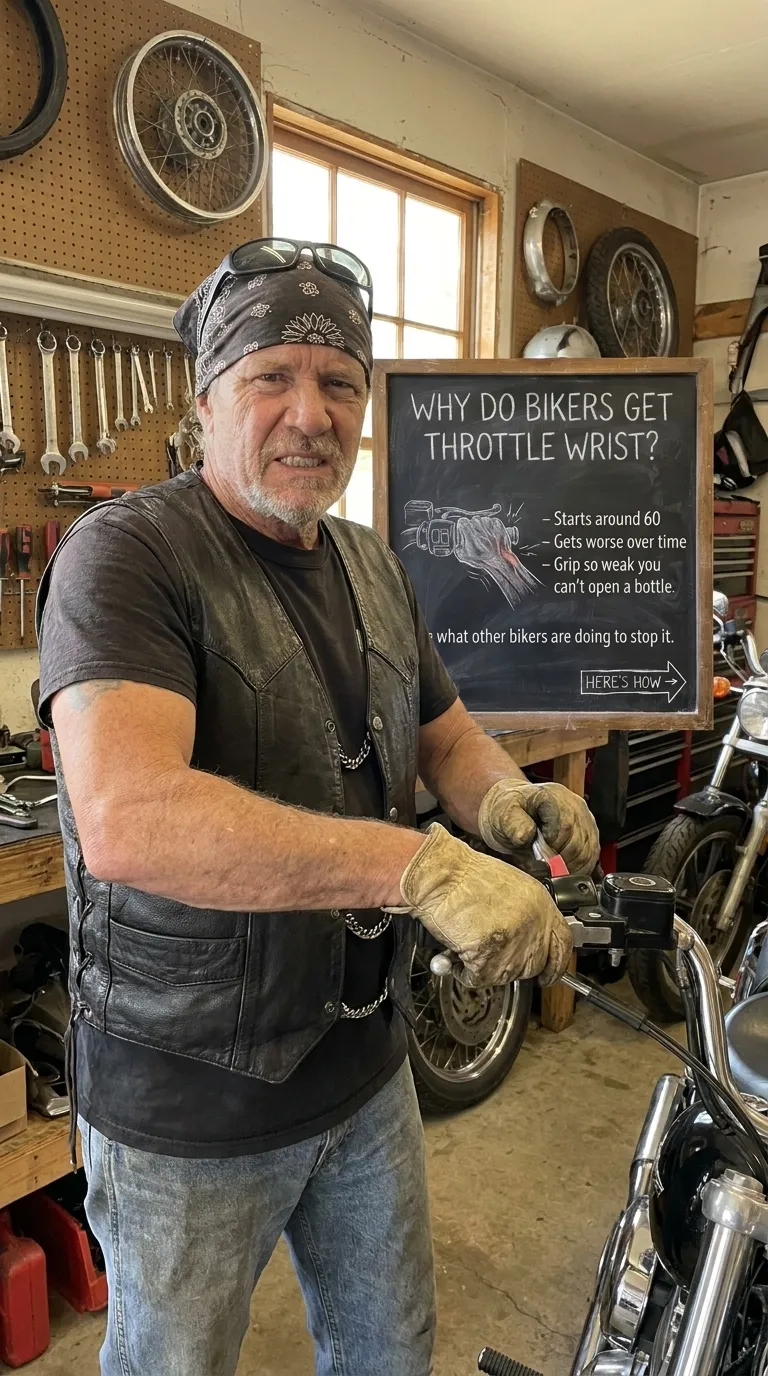
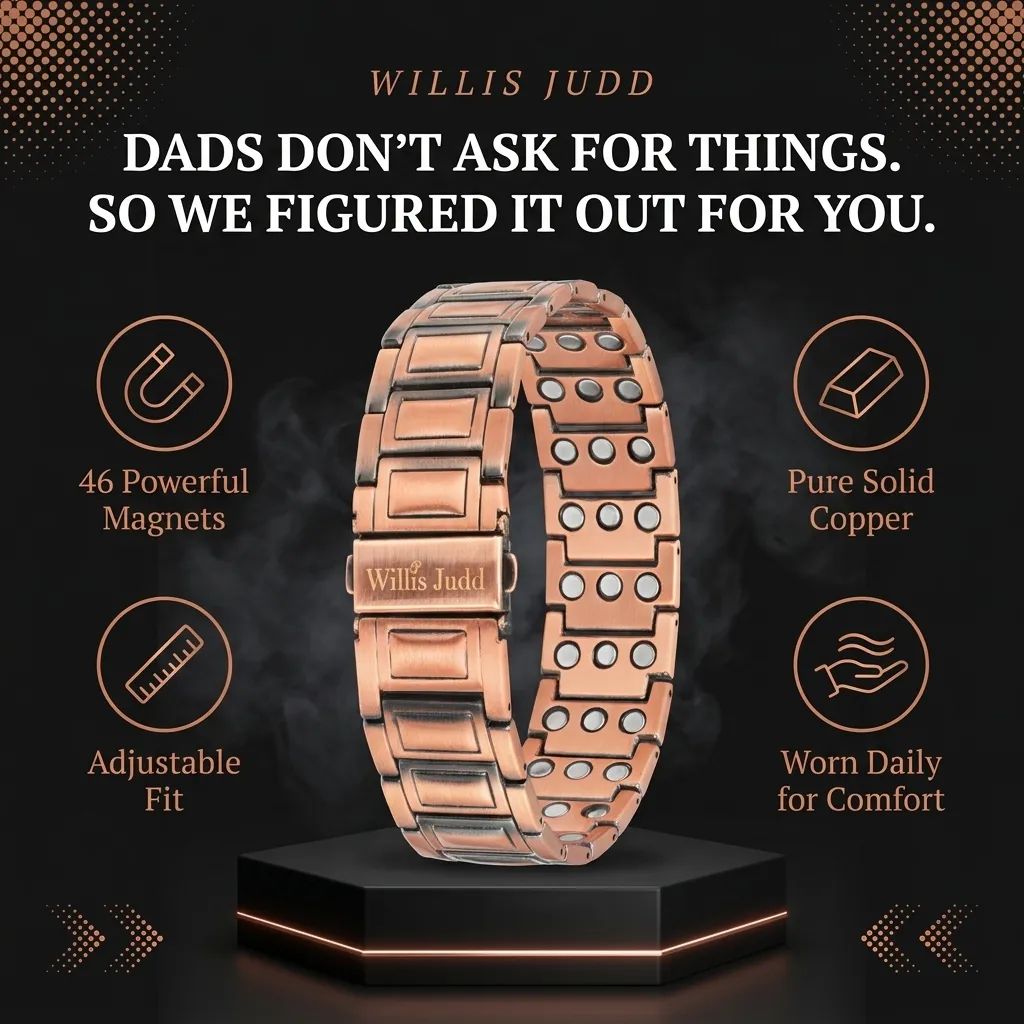
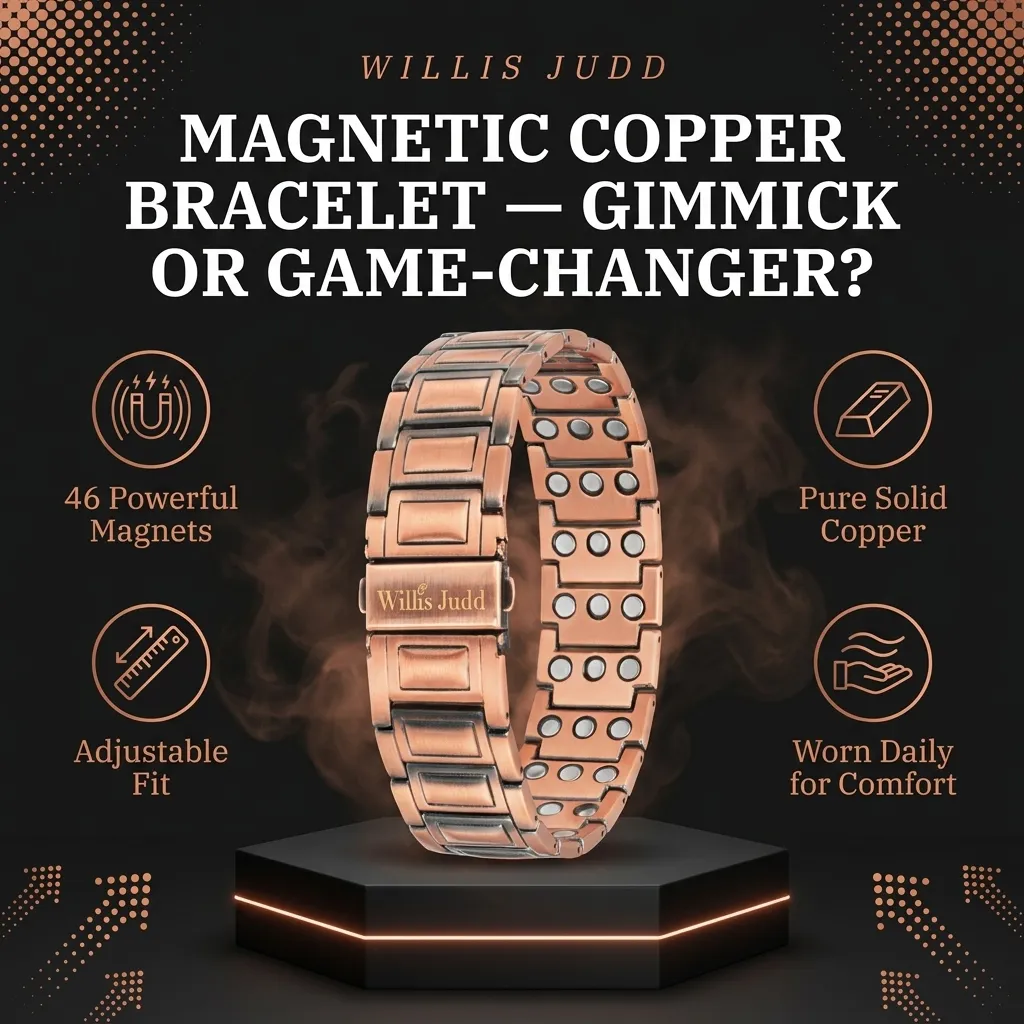
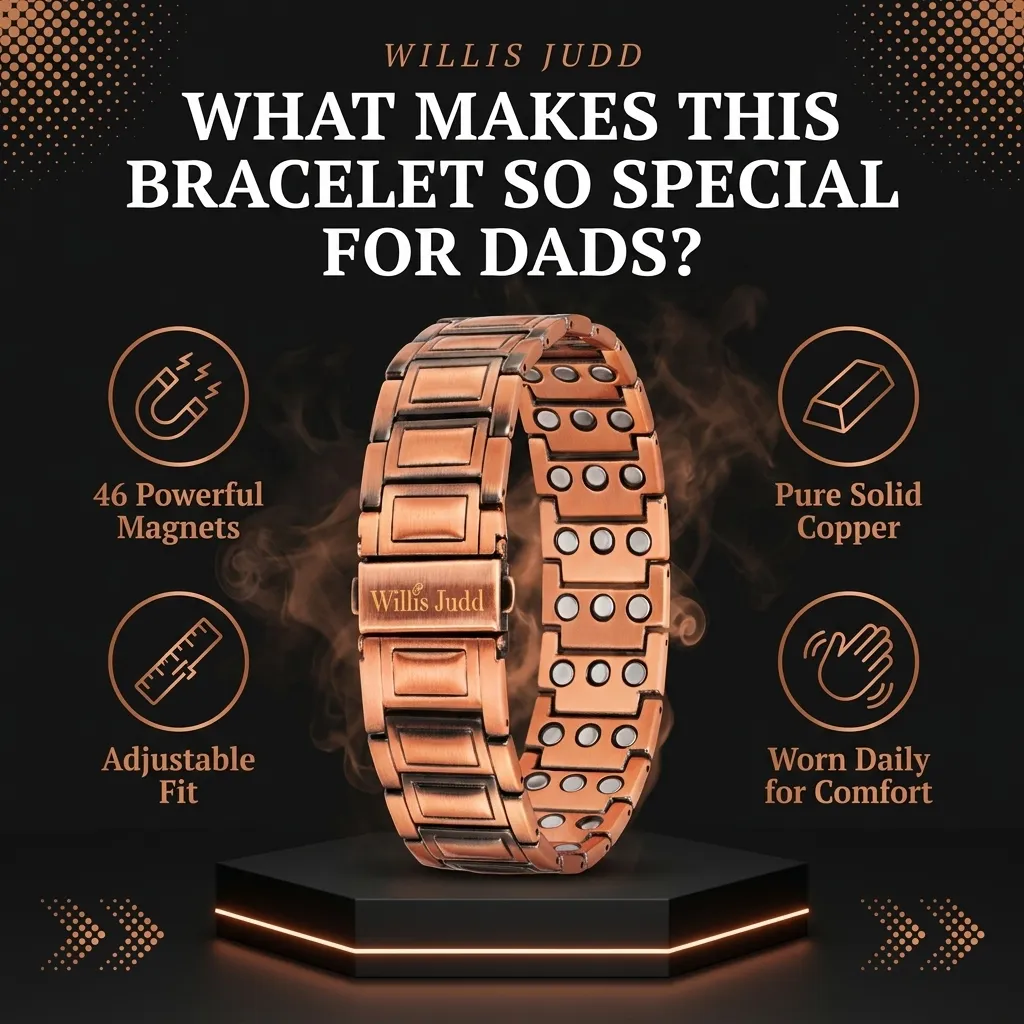
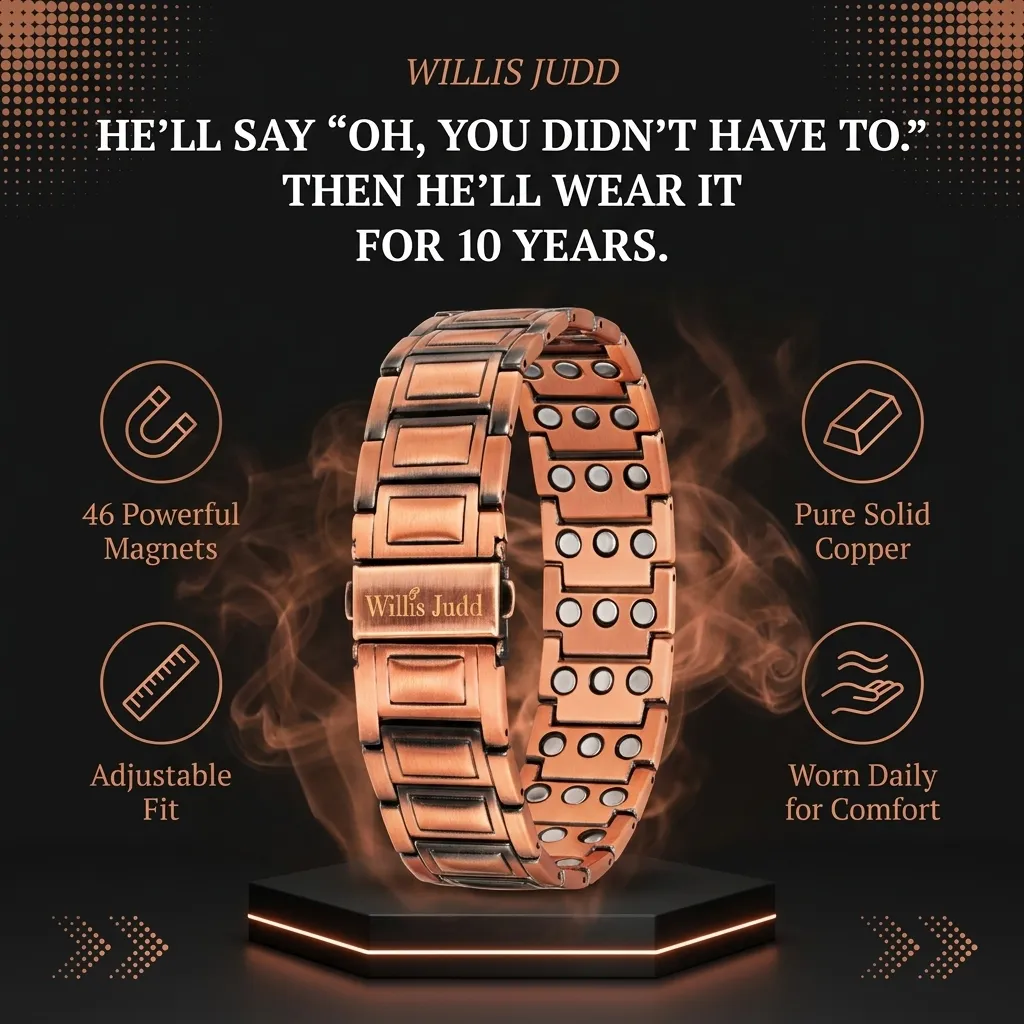
Last October, I met an 87-year-old man on a motorcycle. And what he told me at that gas station is the reason I'm writing this now. I was two days into a run through the Blue Ridge Mountains. Pulled in for fuel at one of those little two-pump stations out past nowhere. And there's this old Shovelhead sitting at the other pump. A '74. Kicker still on it. The kind of bike you stop and look at. So I'm looking at the bike, and then the rider comes out of the station, and I look at him. And I keep looking. Because this man is old. Not old like the guys in my riding group are old. Old old. White beard down his chest, hands like tree roots, face like a leather map of every road in the country. He swings his leg over that bike like it's nothing. No grab bar. No struggle. Nothing. And I can't help myself. I walk over and I ask him the question every single person asks him, and I could tell by his face he'd heard it ten thousand times. I said, sir, if you don't mind me asking, how old are you? He said, eighty-seven. Eighty-seven years old. On a kick-start Shovelhead. With a manual clutch that pulls like a gym machine. In the mountains. Alone. So I asked him the second question everybody asks. What's the secret? I was expecting the usual. Good genes. Clean living. Never stopped riding. Whiskey every night, whatever the old-timers say. He looked at me for a long second. Then he said something I have not stopped thinking about since. He said, son, you're asking the wrong question. Don't ask me how I'm still riding. Ask me where everybody else went. I didn't understand. So he shut the pump off, leaned against the bike, and told me. He said, I came up riding with eleven other men. Eleven. We rode together for forty years. You know how many of them are still on a bike? None. And here's the thing, he said. Not one of them died. Not one of them lost his nerve. Not one of them stopped loving it. They're all still alive, and every single one of them sold his bike. And I asked him why. And he held up his two hands. He said, hands. Every one of them. Wasn't the heart. Wasn't the eyes. Wasn't the back — hell, half of us had bad backs by fifty and rode thirty more years on them. It was the hands. Every single time, it was the hands. Then he told me about his life. Forty years as a motorcycle mechanic. Dealership service bays, then his own shop. Forty years of clutch packs and frozen bolts and knuckles split open on cold mornings. He said, in forty years of shop work, I watched every mechanic I ever knew go out the same way. The hands always go first. Because the hands do everything. And nobody rests a hand. Then he said the part that stuck with me the whole ride home. He said, and here's what nobody tells you. Nobody sells the bike all at once. It's the slowest thing you'll ever watch happen to a man. First he starts shaking his hand out at stoplights. Then his rides get a little shorter, and he blames the weather. Then he skips the big run, says he's got a thing. He buys new grips. Then gel gloves. Then bar-end weights. He puts four hundred dollars into the bike, trying to fix a problem that was never in the bike. Then one spring the bike just doesn't come out of the garage. And a year after that, there's a for-sale sign on it. He said, I watched that exact sequence happen eleven times. Eleven of the toughest men I ever knew. Taken off the road one stoplight at a time. And I asked him, well, what about you? Your hands were in the work more than any of theirs. And that's when he pulled back his left sleeve. There was a copper band on his wrist. Dull. Dinged up. Worn smooth in places, the way a tool gets when it's been used every day for decades. He said, twenty-nine years. Hasn't been off my wrist in twenty-nine years. I'll be honest with you. My heart sank a little. Because I know what you're thinking right now, and I thought the exact same thing standing at that pump. A copper bracelet. The old wives' tale. The flea market thing. And he saw it on my face, because he laughed. He said, I know. I laughed too. There were two old boys in my shop who wore them, and I gave them hell about it for twenty years. Then I turned fifty-eight, and I couldn't feel the click on a torque wrench anymore. Started dropping sockets. Started doing the math every man does alone in his garage. How many good seasons have I got left? And one of those old boys watched me drop a socket three times in one afternoon, and he took the bracelet off his own wrist and handed it to me. And he said, wear it or don't. But I'm seventy-three and I'm still working. You're fifty-eight and you're dropping sockets. So he wore it. And then he told me straight, and I'm going to tell you the same way he told me. He said, I can't hand you a study. Half the internet will tell you it's nonsense, and I'm not going to stand at a gas pump and argue with the internet. I'm eighty-seven years old. I kick-started that bike this morning. I'll pull that clutch through two hundred miles of switchbacks today. Every man I came up with is sitting on a porch. Argue with that. Then I asked him how a piece of copper is supposed to do anything. And he explained it the way a mechanic explains a carburetor. Three things, he said. And he held up three fingers. One. It's solid copper, sitting against your skin. Men have worn copper on their wrists for joint trouble for two thousand years. Long before anybody was selling anything on the internet. Every old wrench in every shop I ever worked in knew about it. Trace copper against the skin, all day, every day. That's the old part. Two. The one I wear has rows of magnets set into the back of it. The strong ones. Neodymium. Not fridge-magnet junk. That's the circulation story — blood flow through the wrist and the hand. That's the part people argue about, and he said, let them argue. Three. And this is the one he tapped on the tank for. It's on your wrist twenty-four hours a day. He said, think about everything my buddies tried. The grips manage the vibration coming into the hands — they do nothing about what's already happening inside them. The gloves are padding around the problem, and they come off. The pills before a ride — that's not fixing the warning light, that's unplugging it. Every one of those works an hour at a time. But your hands aren't going bad an hour at a time. That's running twenty-four hours a day, whether you're on the bike or in bed. It's doing its worst work at three in the morning and first thing in the morning, when nothing you bought for the bike is anywhere near you. The bracelet is the only thing you'll ever put on your hands that never clocks out. He said, I can't tell you which of the three is doing the work. I stopped needing to know about twenty-five years ago. Then he gave me one warning, and I'll pass it on because it matters. He said, don't buy the ones off the rally tables. Most of them are copper-painted zinc. They turn your wrist green in a week, they do nothing, and they're the reason everybody thinks this is a con. His have come from the same company for twenty-nine years. A company called Willis Judd. Solid copper — the real, heavy kind that survives three decades of shop work and weather. Rows of actual neodymium magnets, not decorations. And then his ride showed up — two guys in their sixties he was leading through the mountains, which tells you everything — and he kicked that Shovelhead over on the second try, gave me a nod, and rode off. Never got his name. Here's the part of this story I didn't want to tell you. About forty minutes down the mountain, I rolled up to a stop sign. And I caught myself doing something. I had my right hand off the throttle, and I was shaking it out. Flexing my fingers open and closed against the tank. And I realized, sitting at that stop sign, that I do that at every light. I've done it all season. I just never once looked at it. And then the rest of it came in like a flood. That my morning coffee has quietly become a two-hand job until the stiffness works out. That my rides got shorter this year, and I blamed the heat. That I put new grips on in June because of the buzz, and gel gloves in July, and I'd been pricing bar-end weights that week. Four hundred dollars into the bike. He wasn't telling me a story about his buddies. He was describing me, one stoplight at a time, and I was nodding along like it was about somebody else. I'm fifty-six years old. And I sat at that stop sign in the mountains and did the math every man does alone. I ordered the bracelet the night I got home. Willis Judd, same company on the old man's wrist. Eighty dollars. Less than I'd spent on the grips and the gloves trying to fix the wrong machine. And I want to tell you what happened honestly, because the old man told me honestly. He said, don't expect a damn thing for the first couple of weeks. It's not a pill. Anybody who tells you you'll feel it straight away is selling you something else. And he was right. Week one, nothing. Week two, nothing. Week three, I was standing in my kitchen and realized I was holding my coffee in my right hand. One hand. First thing in the morning. I stood there holding that cup like it was a trophy. Week six, I did a full day of wrenching — oil change, brake pads, four hours on concrete. And that night at dinner my wife said, you're not doing the thing. I said, what thing. She said, the wrist thing you do at this table every night. I hadn't even noticed I'd stopped. And this spring I rode the big run I skipped last September. I'm not going to tell you it was like being forty again. The buzz is still the buzz. Two hundred miles is still two hundred miles. But at mile one-eighty my right hand was still mine. I didn't shake it out at a single light. And my mornings are stiff for maybe ten minutes now instead of forty. Not gone. Shorter. I'll take shorter. Shorter is the whole game at fifty-six. So here's why I'm telling you this. If your hands already ache, you know exactly which stoplight of the story you're at. But if they don't — if you're forty-five, fifty, and your hands still work fine — I need you to hear the old man's math. Eleven riders. None of them lost the heart, the eyes, or the nerve. All of them lost the hands. And not one of them saw it coming, because it doesn't come. It creeps. A shorter ride you blame on the weather. New grips that help for two weeks. A hand you shake out at lights and never once look at. The bracelet is the Willis Judd copper magnetic bracelet. Solid copper, not plated zinc. Real neodymium magnets. Comes with a tool to size the links to your wrist, and it's built to take shop work and weather, because it's been on an 87-year-old mechanic's wrist for twenty-nine years of both. It's eighty dollars. And it comes with a sixty-day money-back guarantee. Wear it every day for sixty days. If you notice nothing — in your mornings, in your grip, at the stoplights — send it back and they refund you. The only thing you're risking is finding out. Click below and get one. And the next time you're at a light, look down at what your right hand is doing. I think about that old man every time I ride now. Eighty-seven, leading two guys twenty years younger through the mountains. I never got his name. But I know exactly who I want to be. Somewhere out there is a kid in his twenties who's going to pull into a gas station in thirty years and ask me the same dumb question. I plan on being there to answer it.
More from Willis Judd
I saw the change before he ever said a word.
Willis Judd
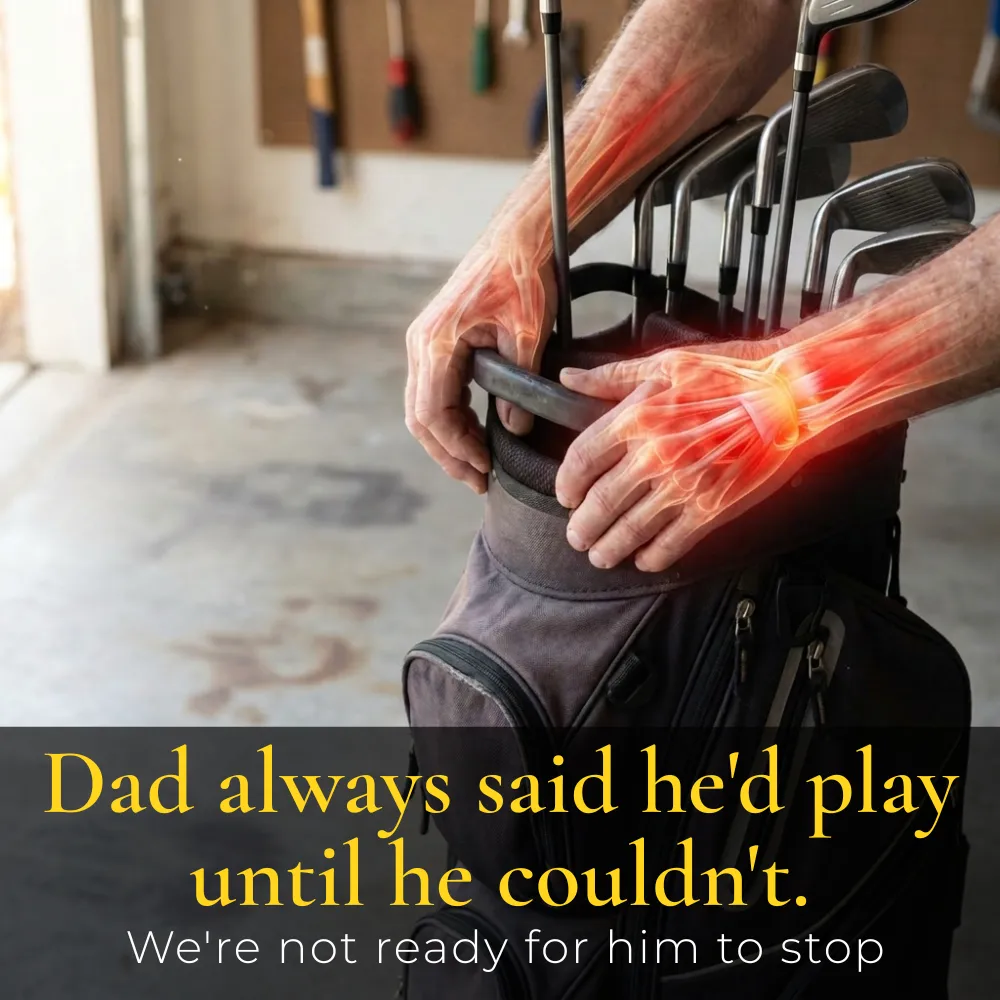
Why This Is A great Fathers Day Gift Copper Magnetic Bracelet
Willis Judd
I saw the change before he ever said a word.
Willis Judd
I saw the change before he ever said a word.
Willis Judd
I saw the change before he ever said a word.
Willis Judd
I saw the change before he ever said a word.
Willis Judd
I saw the change before he ever said a word.
Willis Judd
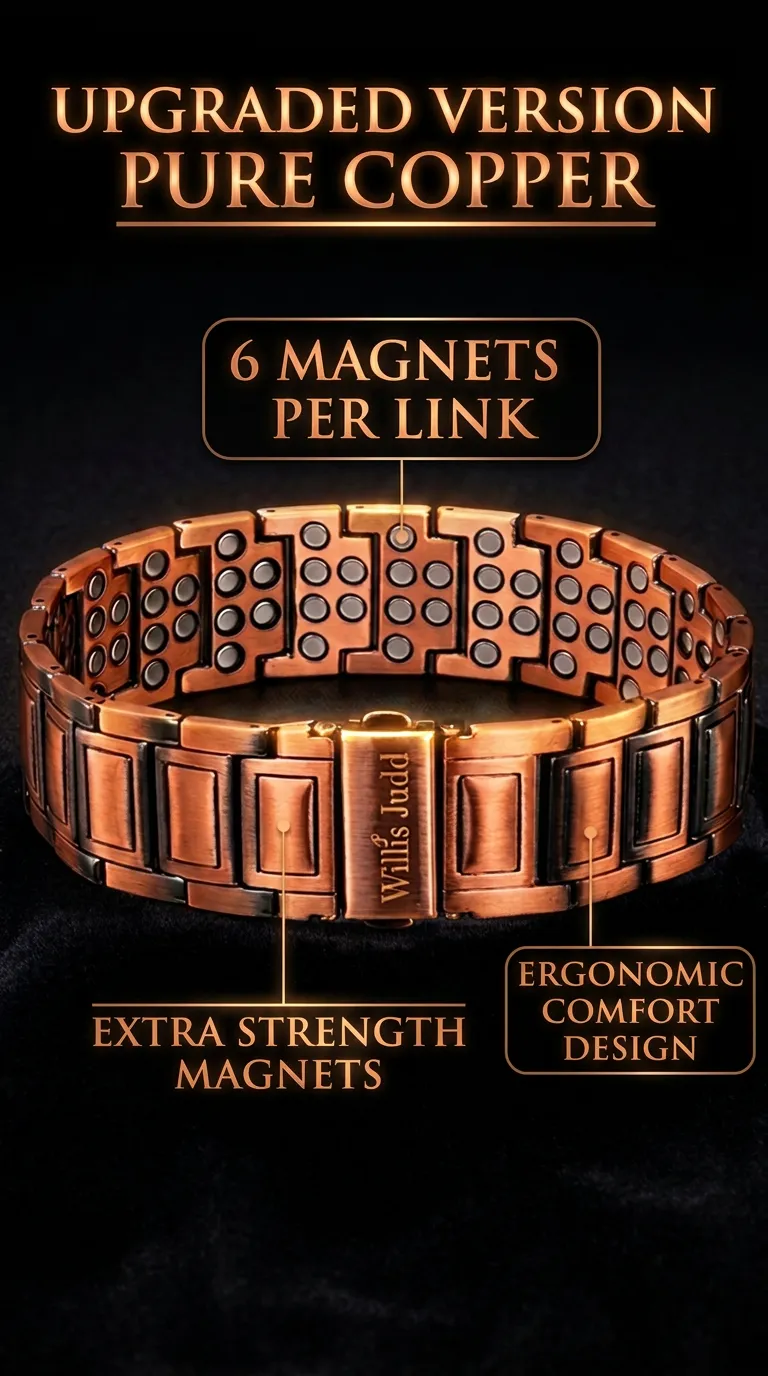
Unlock Your Potential - Our Strongest Magnetic Bracelet
Willis Judd
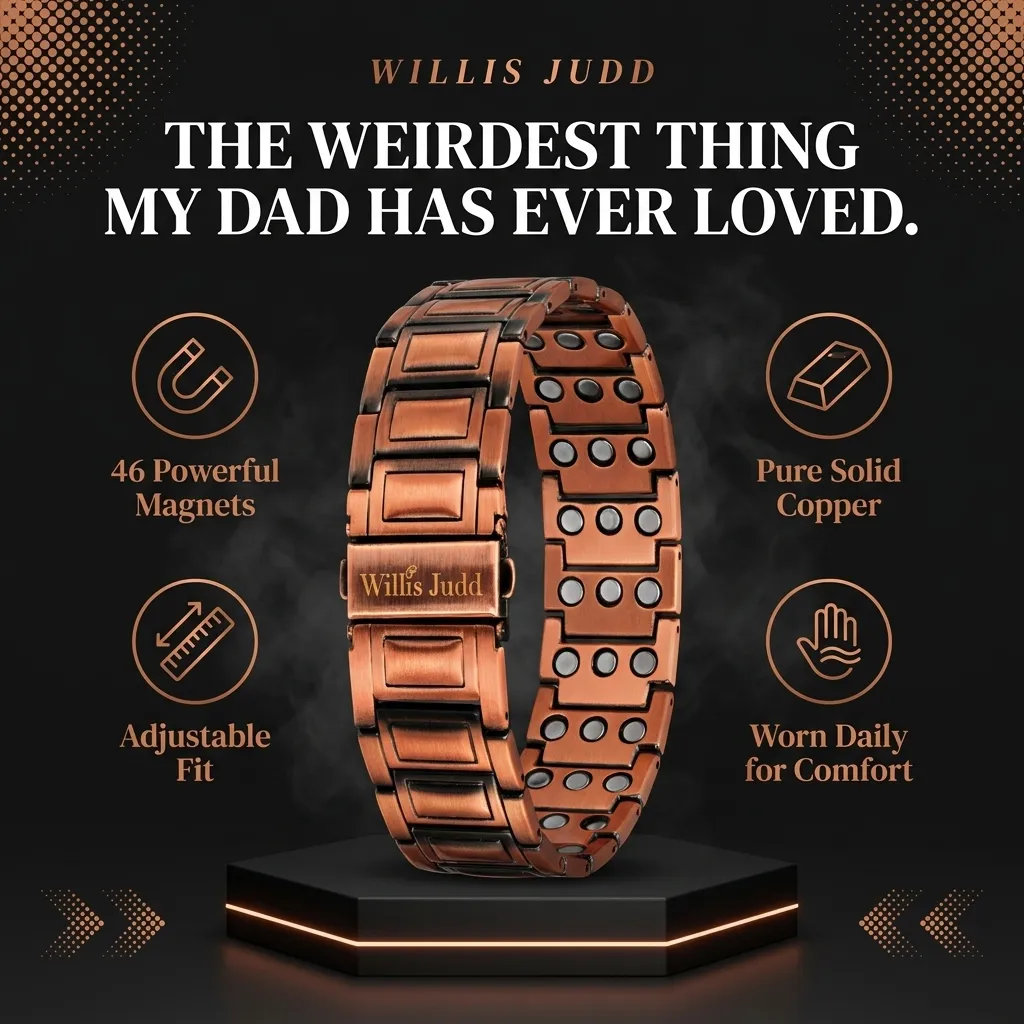
I saw the change before he ever said a word.
Willis Judd
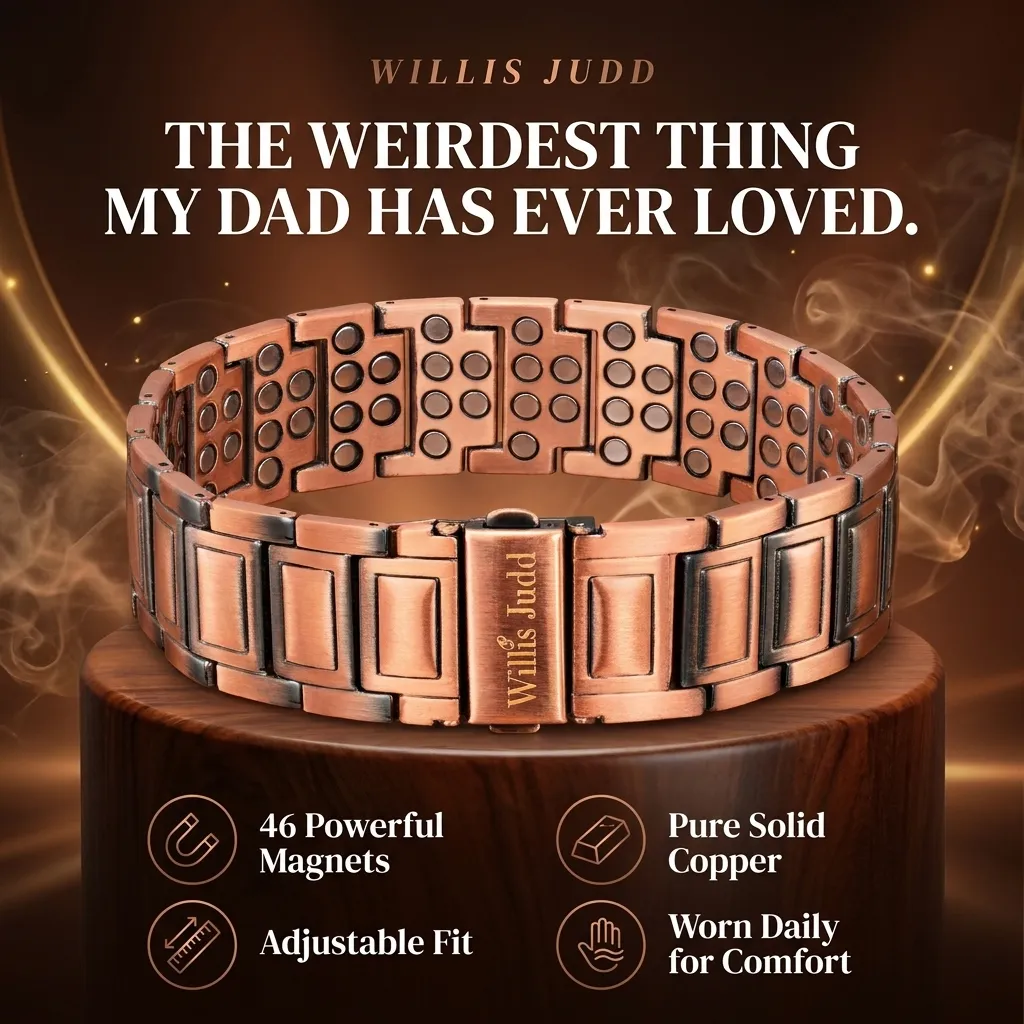
I saw the change before he ever said a word.
Willis Judd
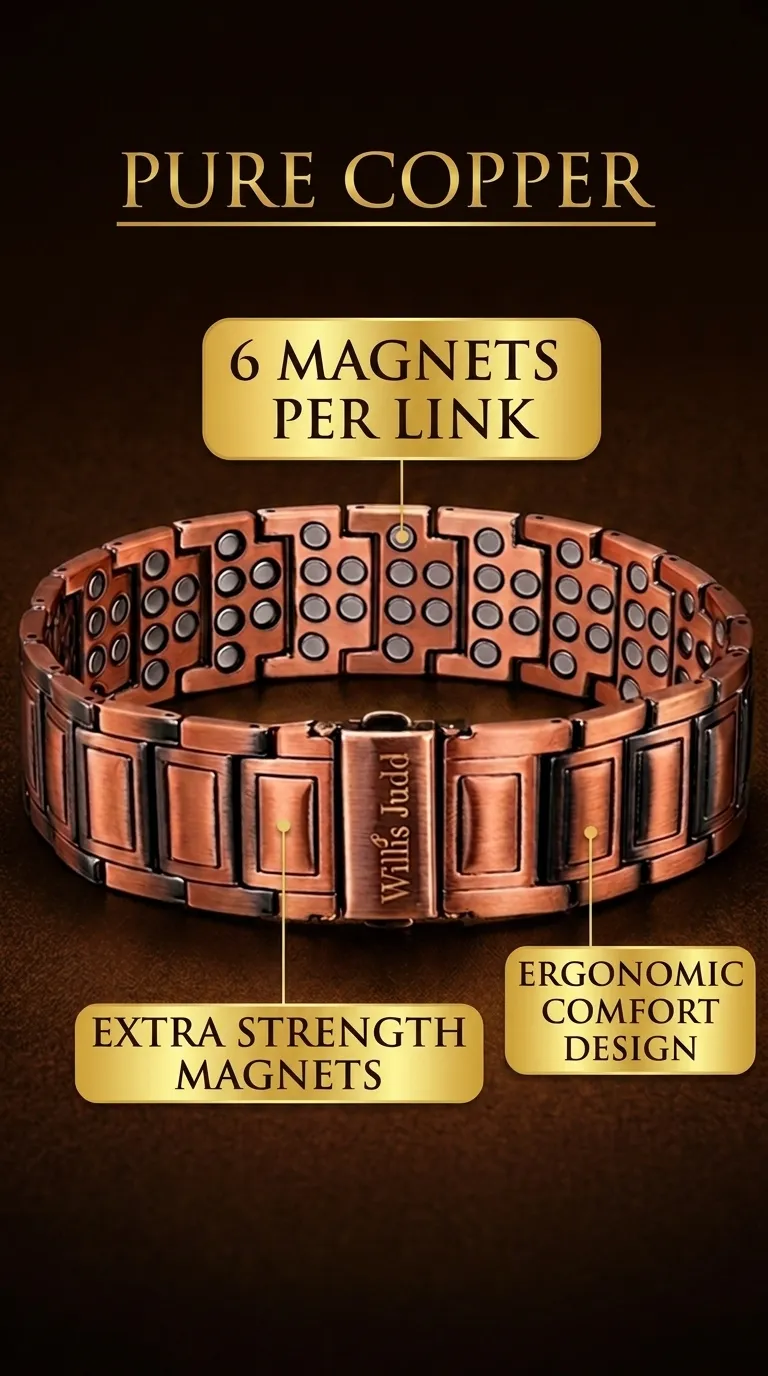
Unlock Your Potential - Our Strongest Magnetic Bracelet
Willis Judd
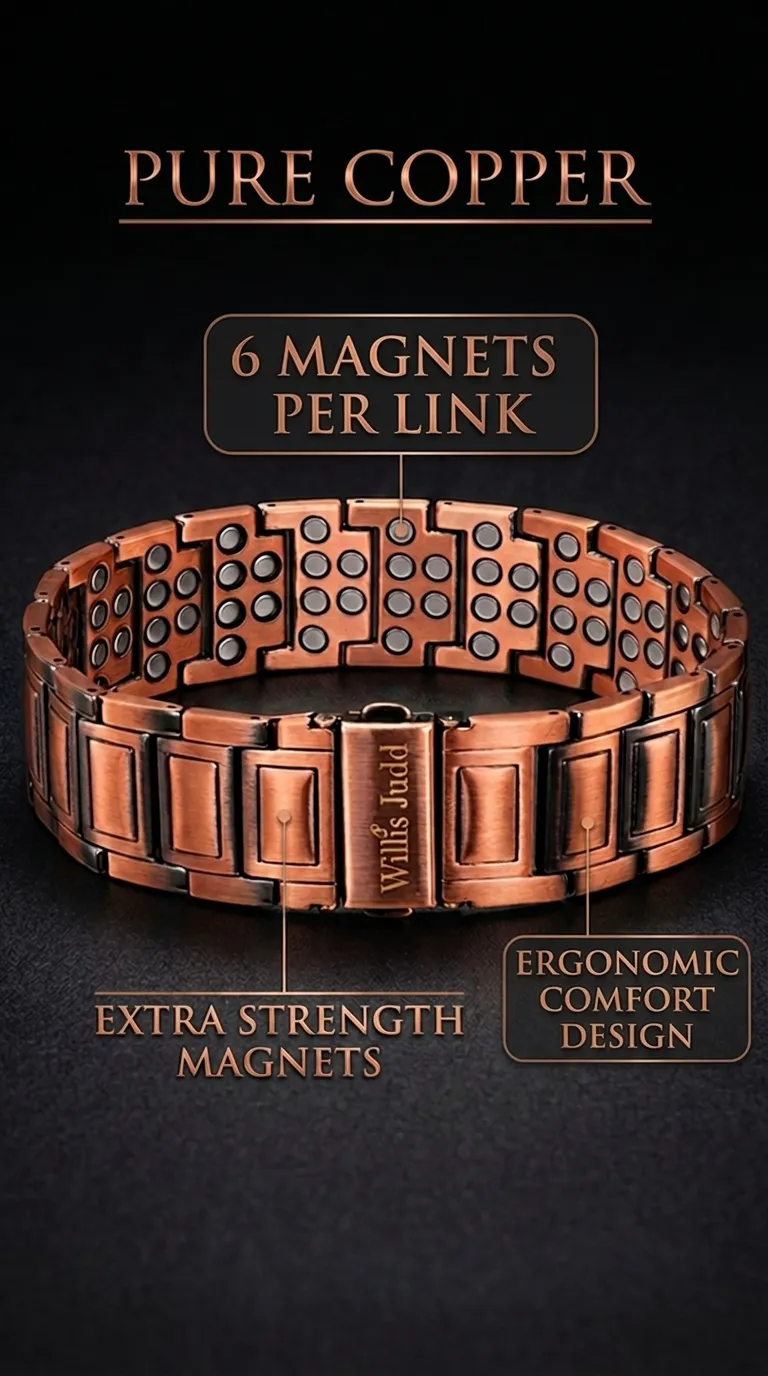
Unlock Your Potential - Our Strongest Magnetic Bracelet
Willis Judd

 Add to Chrome