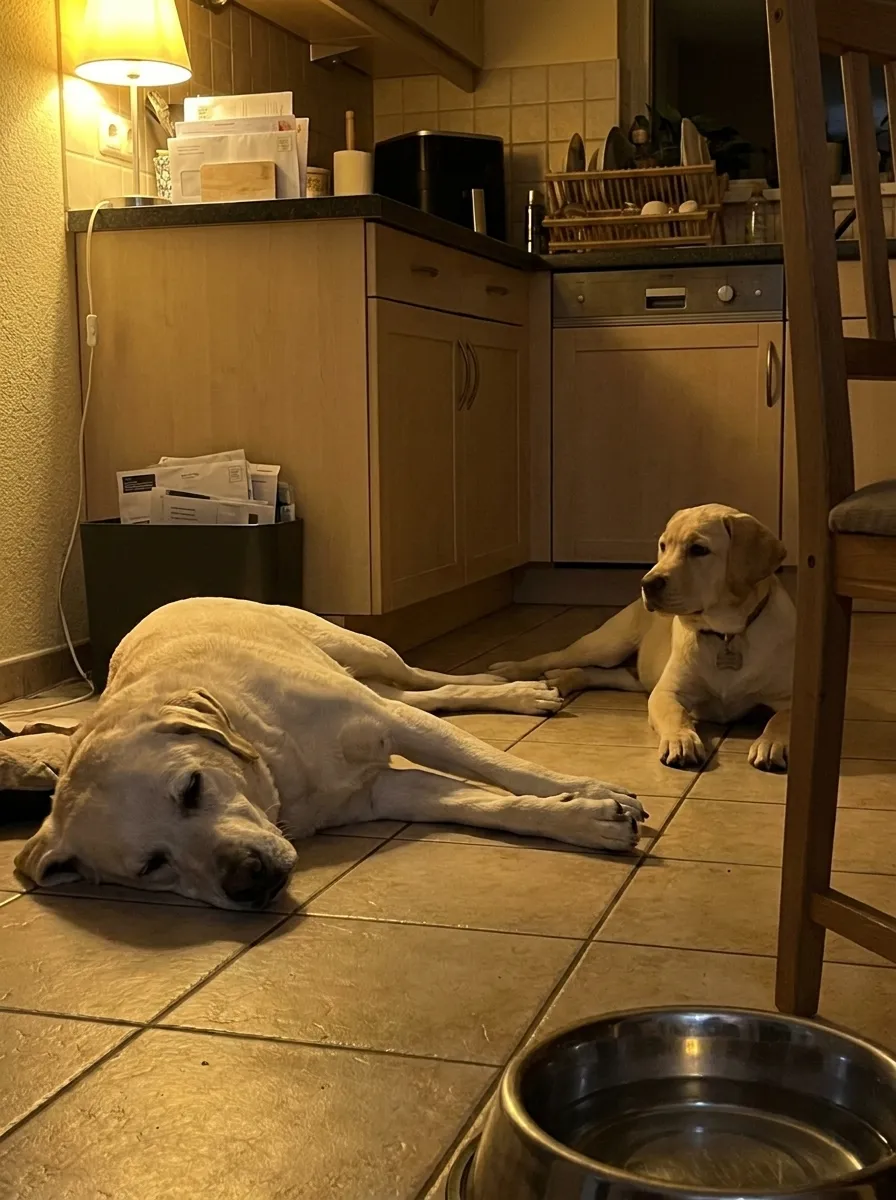
Her nervous system was running a deficit for two years. Nobody was measuring what she wasn't getting back...
Ad Copy
I am going to say something that most owners of reactive dogs do not want to hear. Another trainer is not going to fix your dog. Not the $120 private sessions. Not the twelve-week reactivity course where you stand at the back, behind the barrier, while the stable dogs work closer in. Not the fourth harness. Not the prong. Not the Prozac. Not the calming chews with the cartoon dog on the tub. And I need to be precise about why, because the usual version of this sentence is wrong and it is insulting. Your training was never the problem. Your training has been landing on a dog whose system was already full. Read this whole thing. The part that matters is not at the top. My name is Dr. Naomi Reyes. I run the behaviour service at the Canine Stress Research Institute. Fourteen years, most of it spent with dogs other clinics had already written off. I did not find this in a journal. I found it because of a dog named Otis, and because of a colleague who grew up somewhere that looks at the gut before it looks at the head. Marianne came to us with two dogs. Otis was seven. A shepherd cross with one ear that never quite stood up. He lunged at every dog, every bike, every man in a high-vis jacket. She had been walking him at 5:30 in the morning for two years, because that was the only hour the street was empty enough that she could breathe. Juno was two. Otis's opposite. Soft, sociable, easy — the dog people stop to talk to. Except Marianne had started noticing things. Juno had begun barking at the door. Then stiffening when a dog appeared at the far end of the street. Then holding a stare a second longer than she used to. Small things. The same small things Otis had started with at two. She said one sentence to me in that first appointment that I have not been able to put down since. "I know how this ends. I've already watched it once." Here is what Marianne had already done for Otis, in order. Three trainers. $3,400 over two years. A twelve-week group course. Behind the barrier. Every week. Two harnesses, a head collar, a basket muzzle. CBD oil, four months. Calming chews, two brands, seven months. Prozac. Eleven months. Dose increased twice. Full bloodwork, thyroid panel, urine, stool. All normal. Every professional she saw told her the same thing. Stay consistent. Manage the environment. Some dogs have a ceiling. I was one of those professionals. I said it too. I do not say that sentence any more. Before she came back to us, Marianne had already tried a gut supplement. She had read something online about the gut-brain connection and it had made sense to her. She bought a $24 tub of probiotic chews and gave them to Otis every morning for four months. Nothing changed. Not one thing. So when I raised the gut with her, she looked at me the way you would expect. "I already did that. It doesn't work." She was right that it hadn't worked. She was wrong about why. I asked her to bring the tub in. My colleague Dr. Ingrid Solheim was in the room that afternoon. Ingrid trained in Norway and spent eleven years in mixed practice before she came to us. She took the tub, turned it over, and read the panel. Then she read it again. Then she set it down on the desk between us and did not pick it back up. "This was never going to reach him." Marianne asked what she meant. "These are live bacteria. Live bacteria have to survive the stomach, then settle into the gut wall, then colonise. In a dog who has been running on stress hormones for two years, that lining is not in a state where anything settles. You are sending workers to a building site they cannot get into. Most do not survive the journey, and the ones that do have nowhere to land." Marianne asked the obvious question. Then what does get in. "What the bacteria make. Not the bacteria themselves — the compounds they produce. The metabolites. Those are what the gut lining actually uses, and what the nerve actually reads. You skip the colonising step entirely. Nothing has to survive, because the work is already done before it arrives." "Which nerve?" "There is a nerve that runs from the gut straight up into the brain. It carries one message more than any other. You are safe. You can stand down." She waited a moment. "Researchers tested how much that message actually matters. They cut that nerve in lab animals, then ran the same gut treatment again. The calming effect disappeared completely. Not reduced. Gone." "So the gut is not commenting on his mood. It is issuing the instruction. And when it goes quiet, the brain does not receive a weaker signal. It receives no signal at all. At that point fight-or-flight stops being a reaction to something. It becomes the resting state." Marianne sat with that for a while. Then she said: "So he isn't reacting badly. He never stood down in the first place." Yes. That is exactly it. Here is the part that made me change my protocol. In dogs placed into a stressful new environment, stress hormone has been measured at three times normal — and it stayed there for three days. Three days, from one event. Otis was reacting four or five times a week. He was never getting back to zero. Not once in two years. Every walk was starting from a level the previous walk had left behind. And there is now measurable work showing that dogs living under chronic stress have both higher stress hormone and a measurably shifted gut population — while a single bad afternoon changes nothing at all. It is not the incident. It is the accumulation. When a body runs that hot for that long, it burns through the raw material it needs to build its own calming compounds faster than it replaces it. Recent work on postbiotics found exactly this. Dogs given them lost less of that raw material after stress than dogs who were not given them. That is the sentence I want you to take away. Not that your dog is getting worse. That every walk is costing him something he is not getting back. We put both dogs on CalmAxis. Postbiotic metabolites, not probiotics. The number that matters is the dose that actually arrives. 500 mg of postbiotic blend per chew. When we sent the shelf brands to an independent lab, most came back at a fraction of what the label claimed. One tested at 1.2 billion CFU against a claimed 5 billion. Another was cut with 40% rice flour. That is why Marianne's $24 tub did nothing for four months. It was not the wrong idea. It was the right idea at a dose that could not do anything. Go and look at whatever is in your cupboard right now and ask it what it delivers. Most of them will not tell you. Then I told Marianne what to watch for, and I am going to tell you the same thing, because almost everyone gets this wrong and gives up in week four. The behaviour is not the first thing that changes. The stool is. Somewhere around day eight to twelve, the gut visibly comes back online. Colour, form, smell — all of it shifts, and you will notice it in the garden before you notice anything on a walk. That is not a side effect. That is the signal that the lining is repairing and the metabolites are landing. Marianne texted me on day ten. Not about a walk. About what she picked up in the garden. The walks changed in week three. Otis, seven years old, two years reactive: Week 1 — nothing. She told me she had expected that and was still disappointed. Day 10 — stool completely changed. First evidence of anything. Week 3 — a dog appeared across the road. He locked on. Then broke off on his own. She said she stopped walking and just stood there on the pavement. Week 5 — passed two dogs on the same pavement. Looked at both. Kept going. Week 7 — a bad day. Full reaction at a bike that came round a blind corner. She emailed me convinced it had stopped working. Week 9 — a 7 a.m. walk. Her first in two years. He still has days. He is not a different dog, and I would not trust anyone who told you otherwise. Juno, two years old, six weeks of early signs: The door barking stopped in week two. The stiffening at the end of the street never developed into anything at all. She has never needed a trainer, a head collar, or medication. Same house. Same food. Same walks. One was caught after two years. One was caught after six weeks. One more thing, because it is the question I am asked most and the fear nobody says out loud. Almost every owner who sits in that chair has already met the sedated version of their own dog, and they will not go back there. They all reach for the same word, and I have stopped being surprised by it. Zombie. This does not sedate. There is nothing in it that switches a dog off. It does not make a dog calm by making him less himself. What changes is how hard the body spikes when something happens, and how fast it comes back down afterwards. He still notices the dog across the road. He is still the one who loses his mind about the post. He is just not carrying last Tuesday into this morning any more. Marianne put it better than I have managed to. "He's still Otis. He's just not carrying yesterday around with him." If your dog is reactive and you have already done the training — if you know every quiet street within a mile of your house, if there is a tub in your cupboard that did nothing — you are not missing a technique. You are running a dog whose system never gets back to zero. Training works. It just cannot reach a dog who is already full. Order direct only. Counterfeits have been reported on Amazon. → trycanislabs.com/products/calmaxis-chews P.S. There is an actual test for this and almost nobody knows to ask for it. Your vet can order a canine Dysbiosis Index — a PCR panel run on a stool sample. Above 2 is significant dysbiosis. Below 0 is normal. Ask for it by name. If your vet tells you reactivity is behavioural, ask them when they last ran one on a reactive dog. Most will not have an answer, and that is not their fault. It is not in the curriculum yet. Otis came back at 7.4. P.P.S. Nobody at the Institute is paid by CalmAxis. We use it because it is the only postbiotic that came back from the lab matching its own label, and because of what Juno did not become. Marianne caught the second dog six weeks in. If your dog is young and you have started noticing the small things — the door, the stiffening, the stare that holds a second too long — that is the cheapest this will ever be.
More from Canine Stress Research Institute
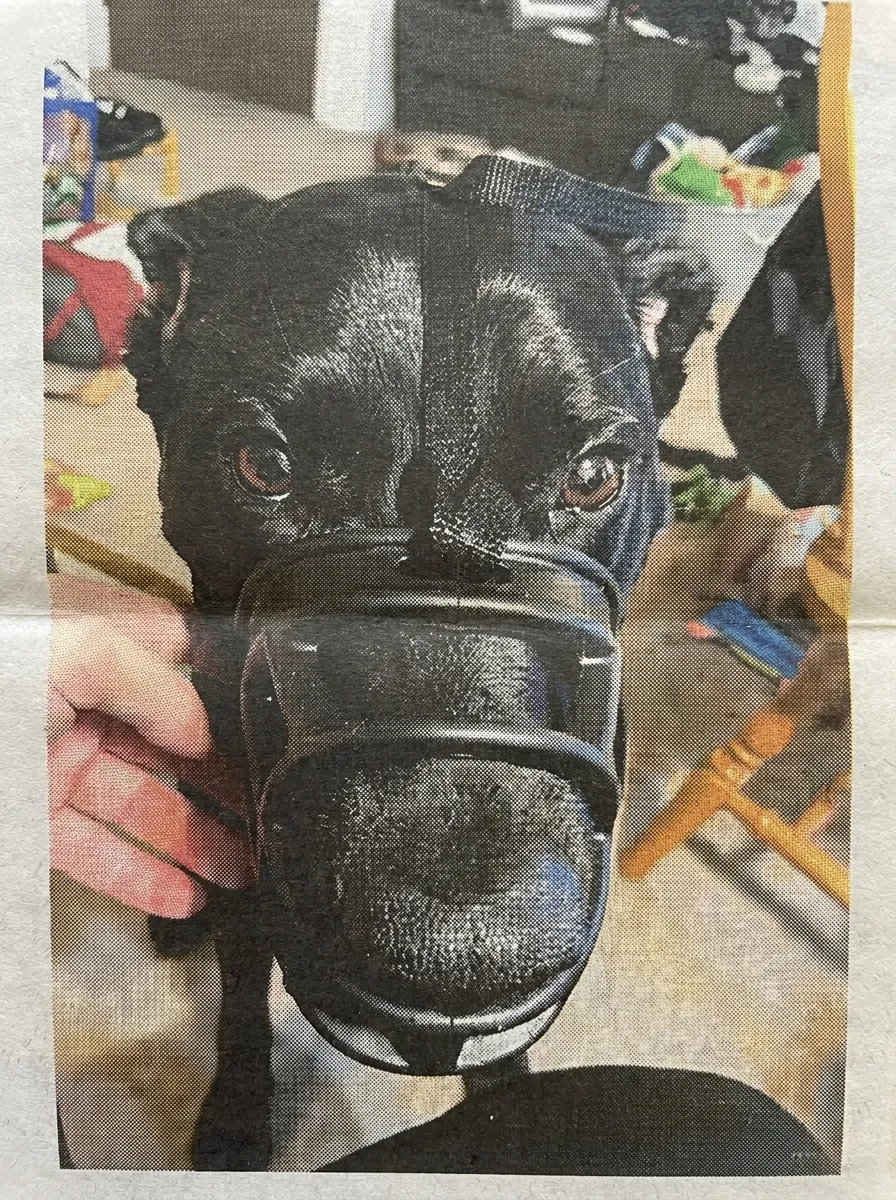
79% of reactive dogs in training had this gut dysfunction
Canine Stress Research Institute
79% of reactive dogs in training had this gut dysfunction
Canine Stress Research Institute
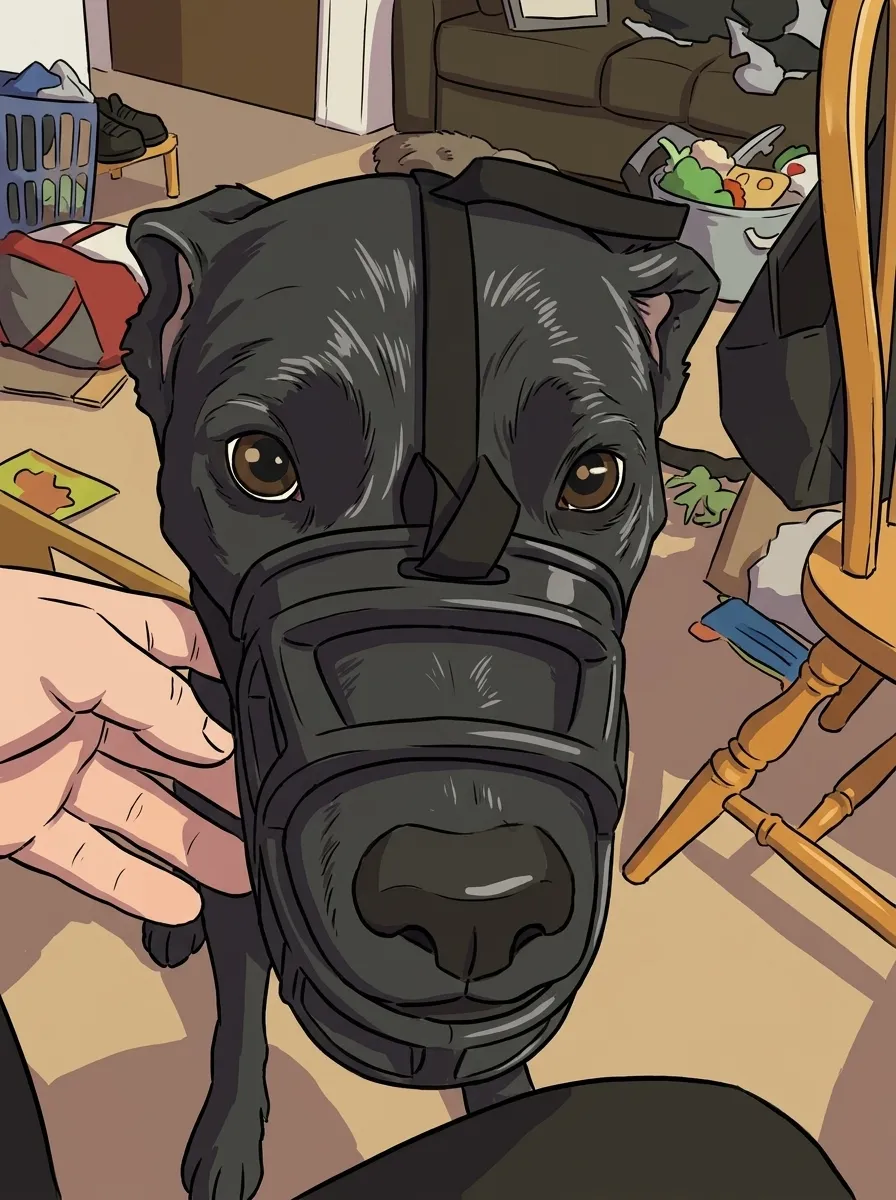
79% of reactive dogs in training had this gut dysfunction
Canine Stress Research Institute
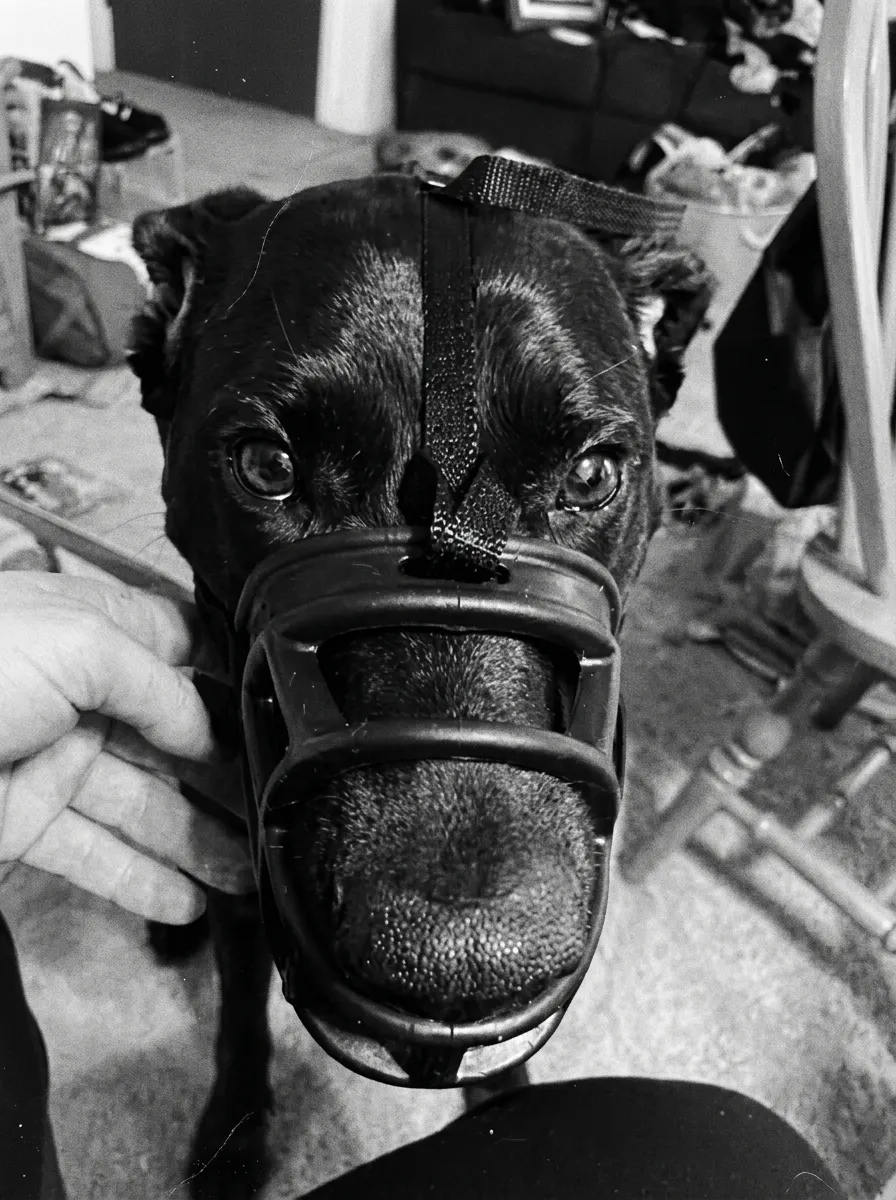
79% of reactive dogs in training had this gut dysfunction
Canine Stress Research Institute
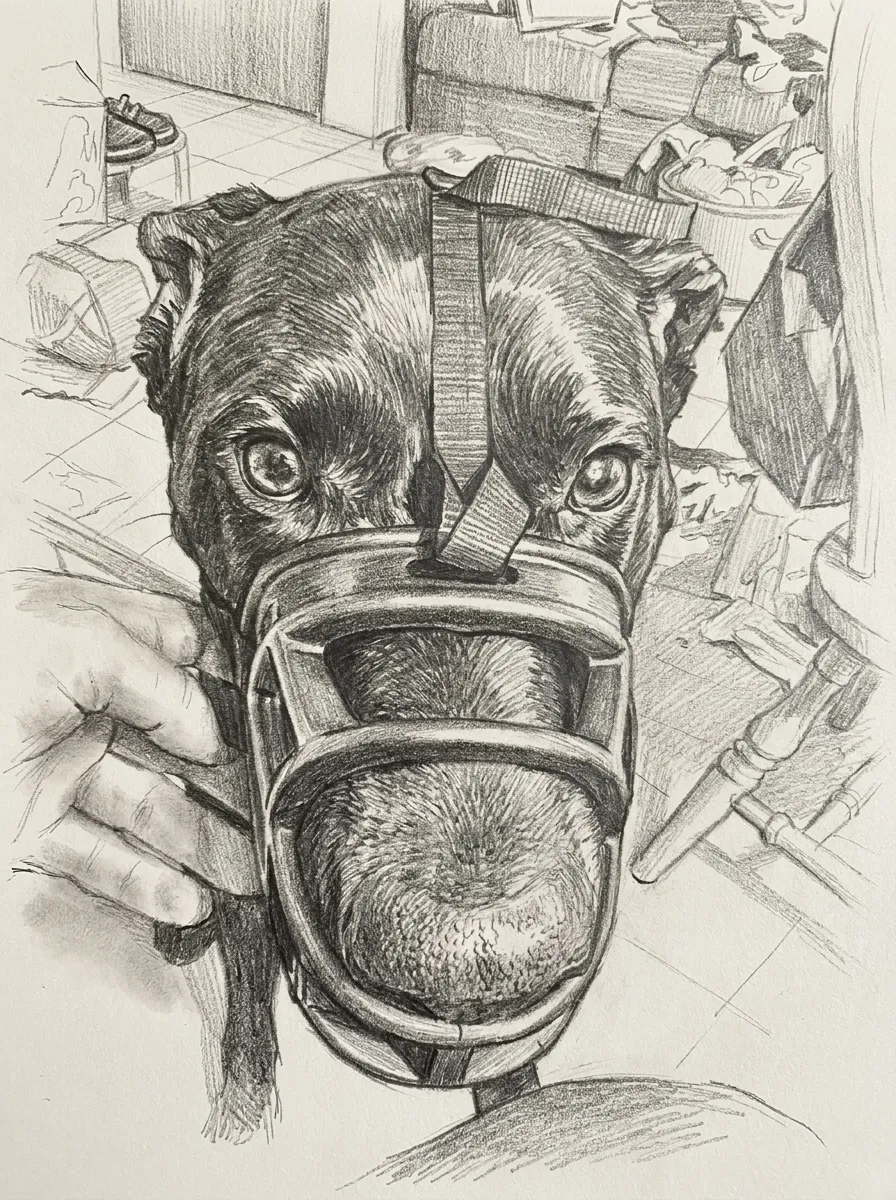
79% of reactive dogs in training had this gut dysfunction
Canine Stress Research Institute
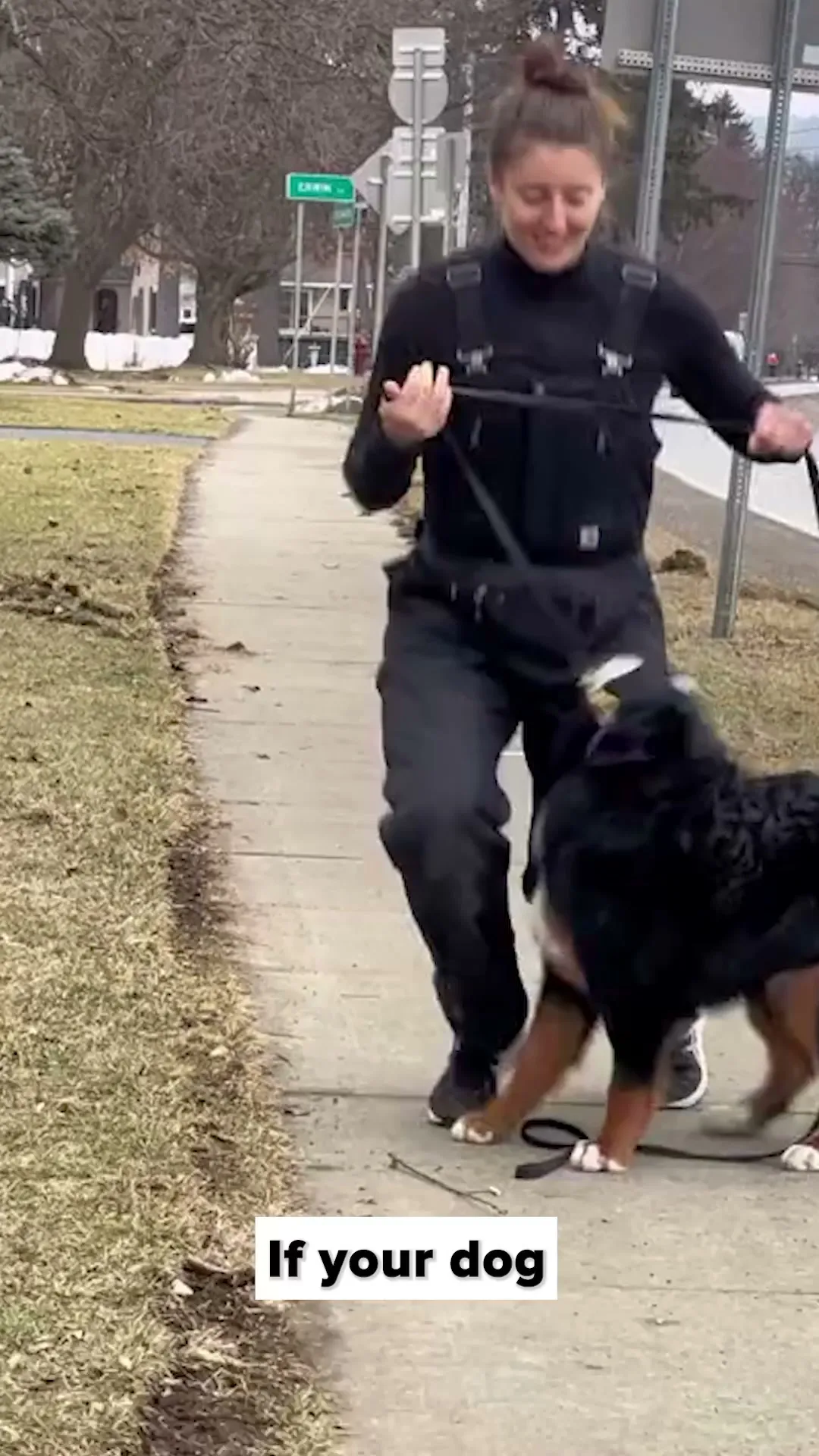
Your dog isn't aggressive. He's over a line.
Canine Stress Research Institute
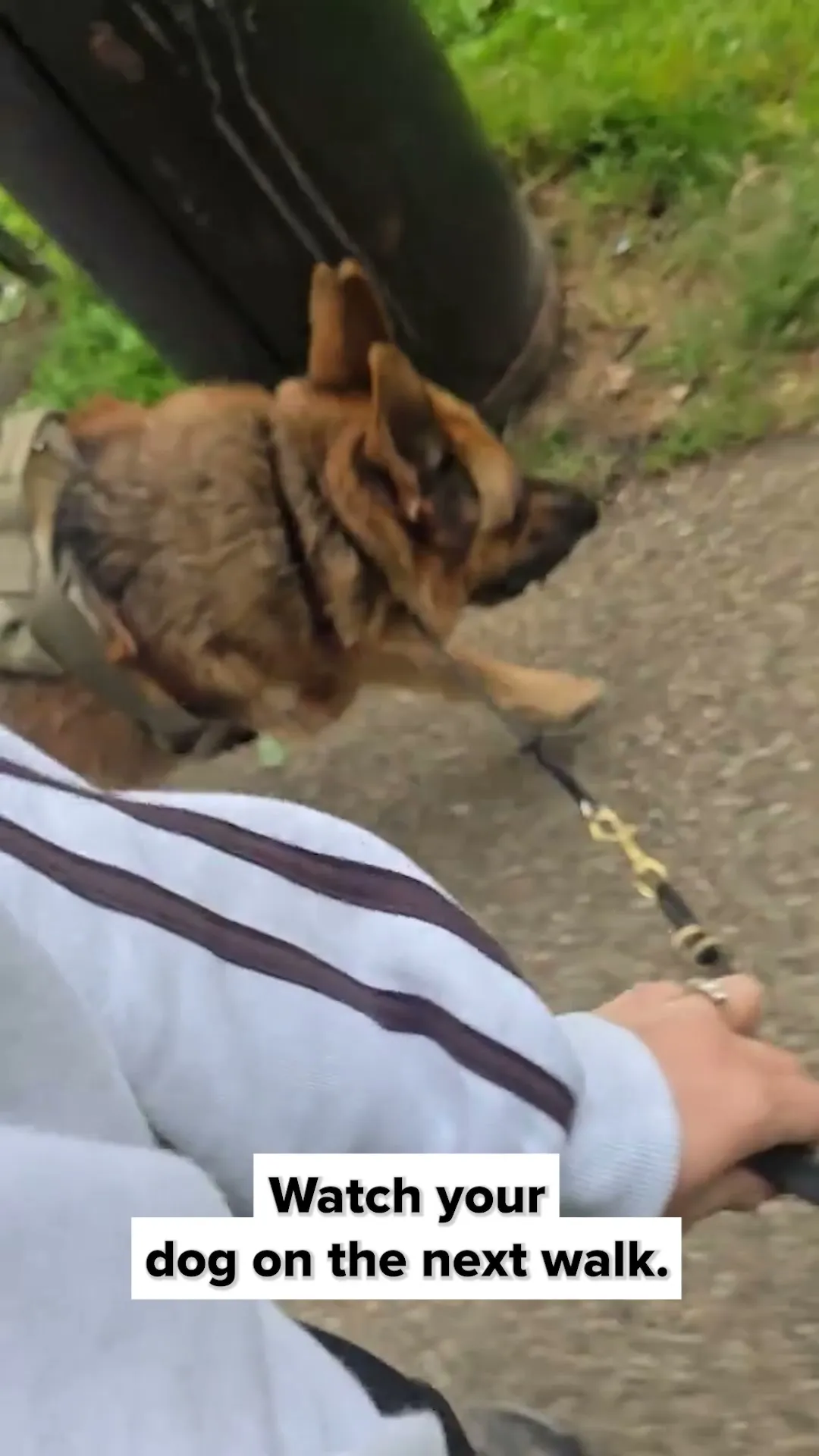
Your dog isn't aggressive. He's over a line.
Canine Stress Research Institute
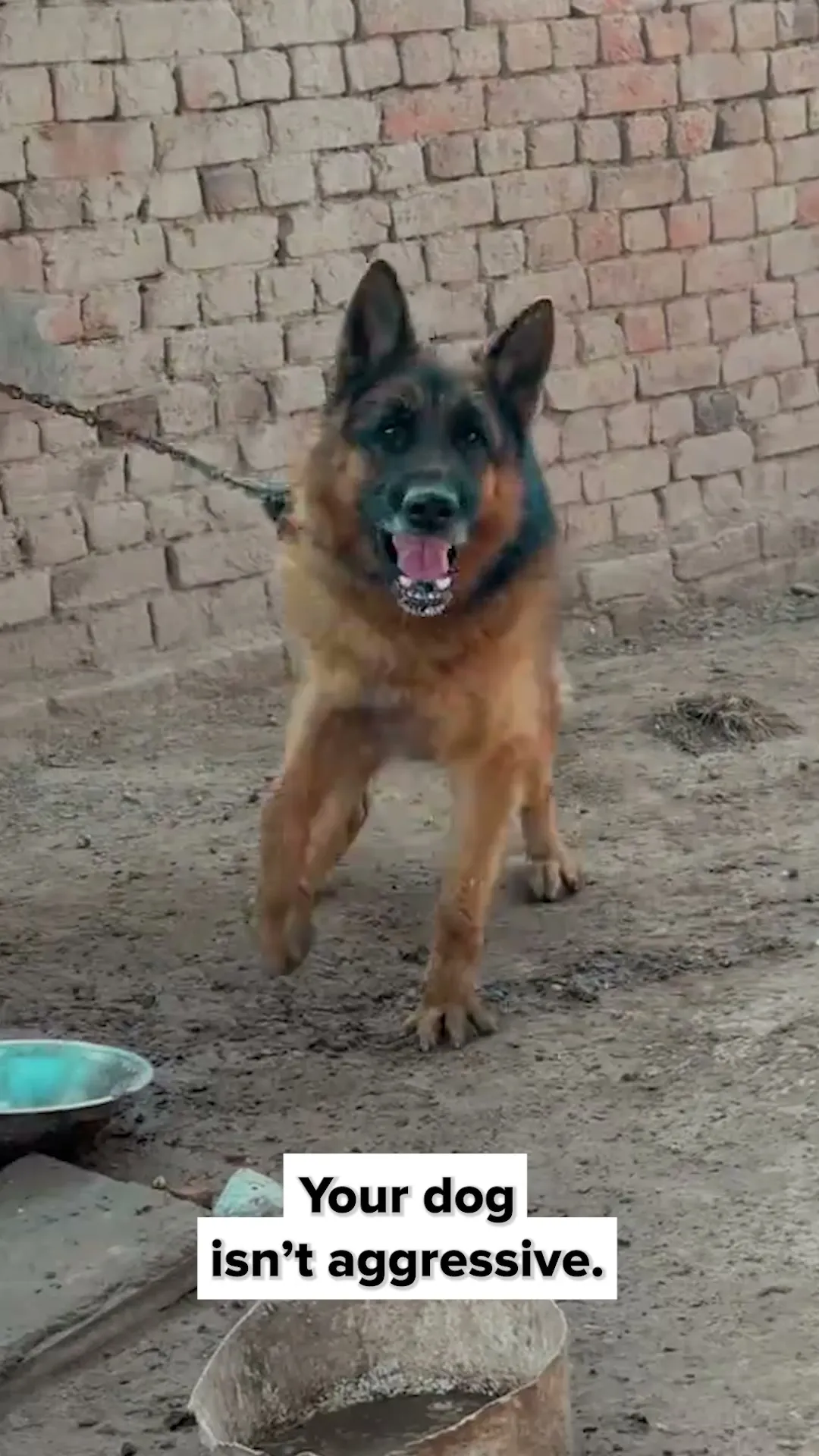
Your dog isn't aggressive. He's over a line.
Canine Stress Research Institute
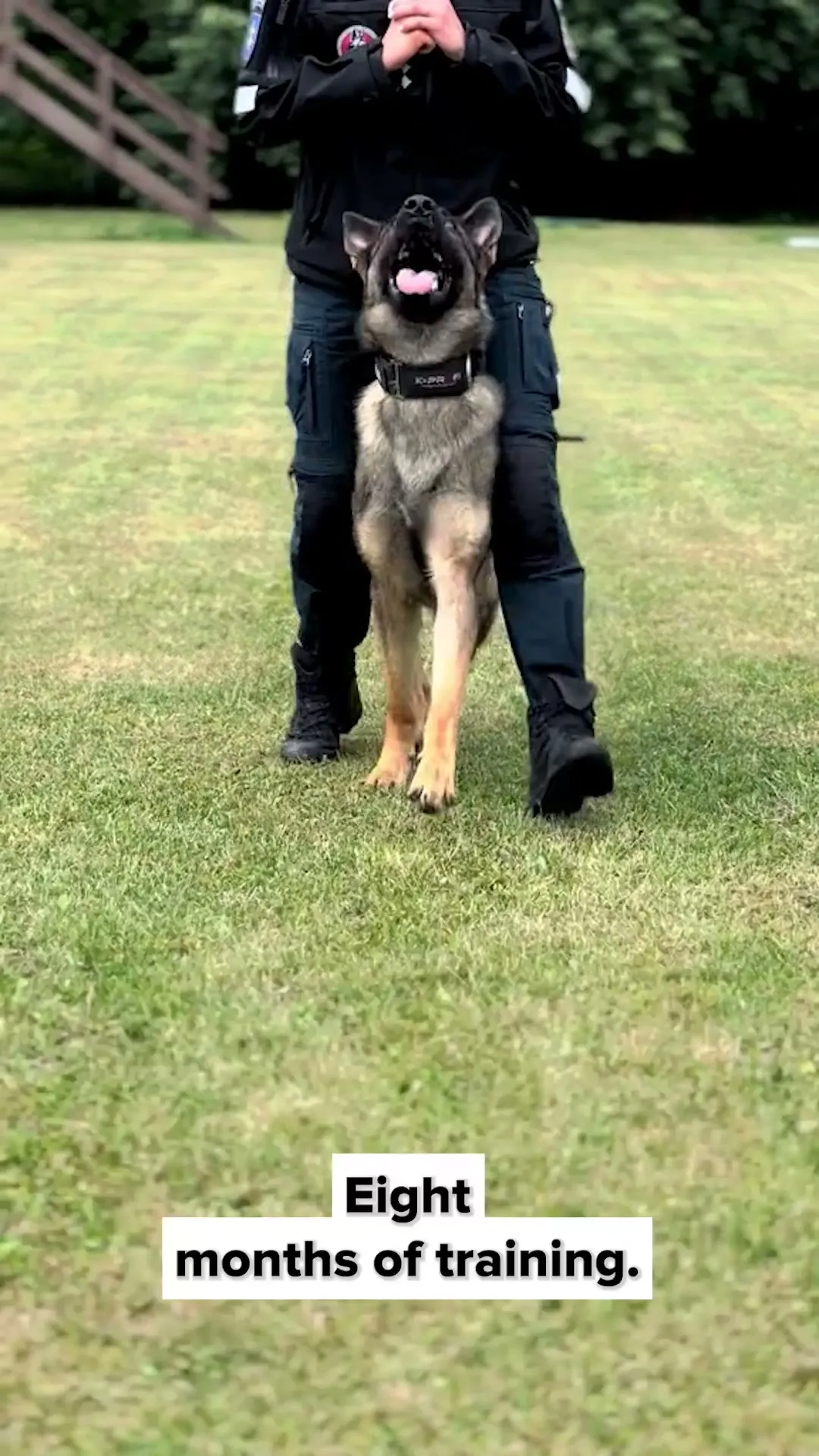
Your dog isn't aggressive. He's over a line.
Canine Stress Research Institute
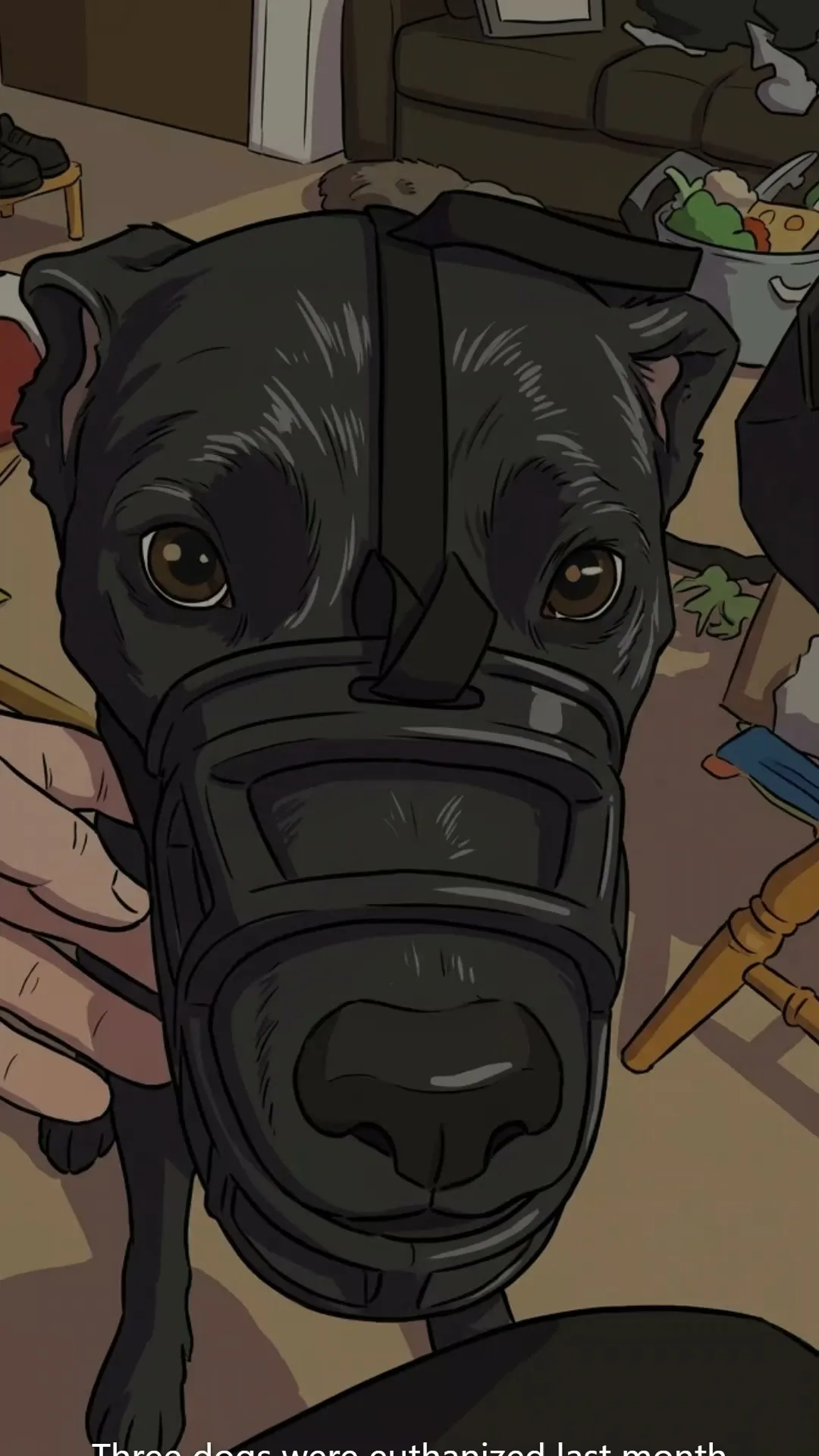
79% of reactive dogs in training had this gut issue. Three veterinarians discovered what the pet supplement industry has been hiding from dog owners..
Canine Stress Research Institute
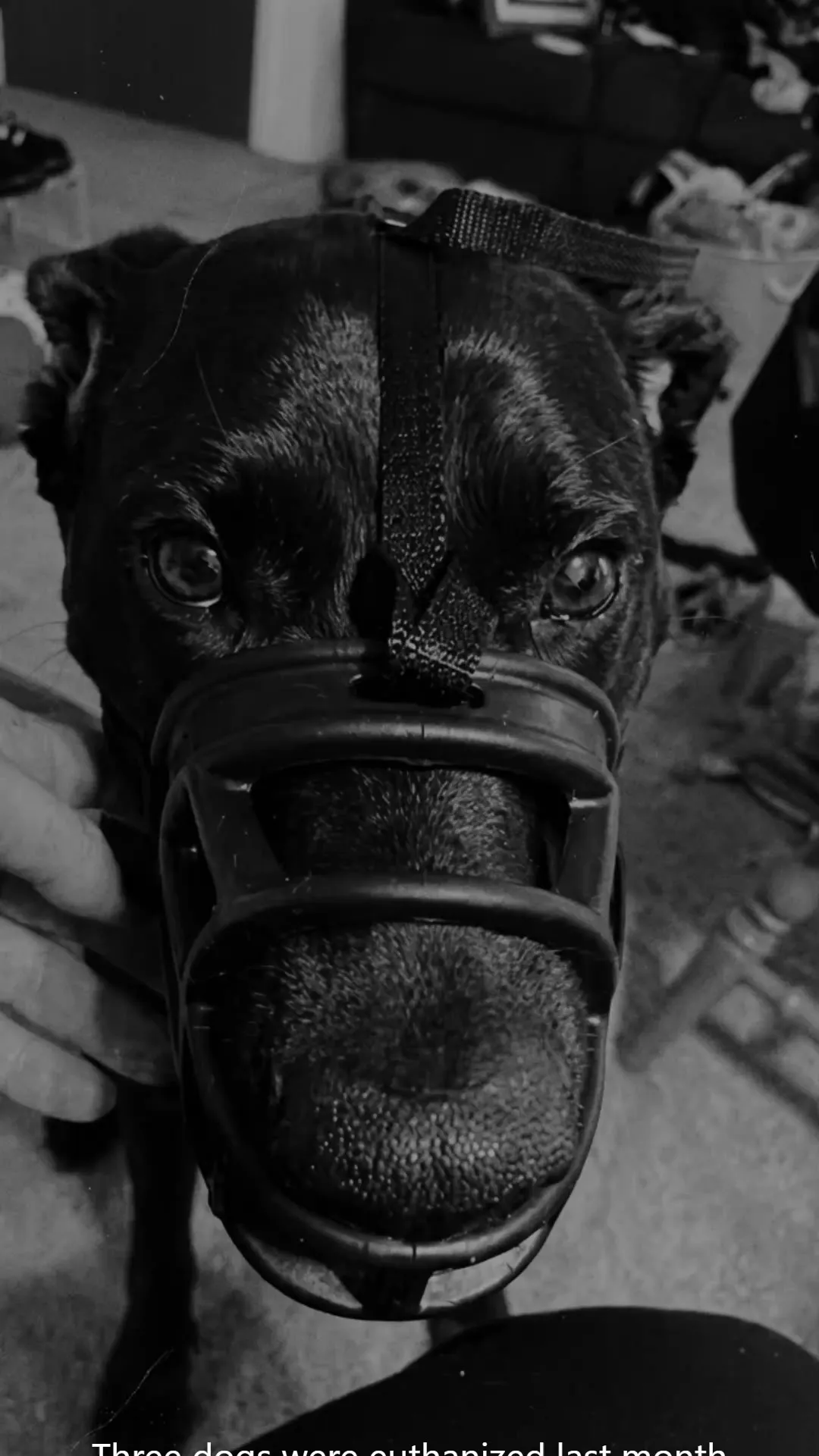
79% of reactive dogs in training had this gut issue. Three veterinarians discovered what the pet supplement industry has been hiding from dog owners..
Canine Stress Research Institute
79% of reactive dogs in training had this gut issue. Three veterinarians discovered what the pet supplement industry has been hiding from dog owners..
Canine Stress Research Institute

 Add to Chrome