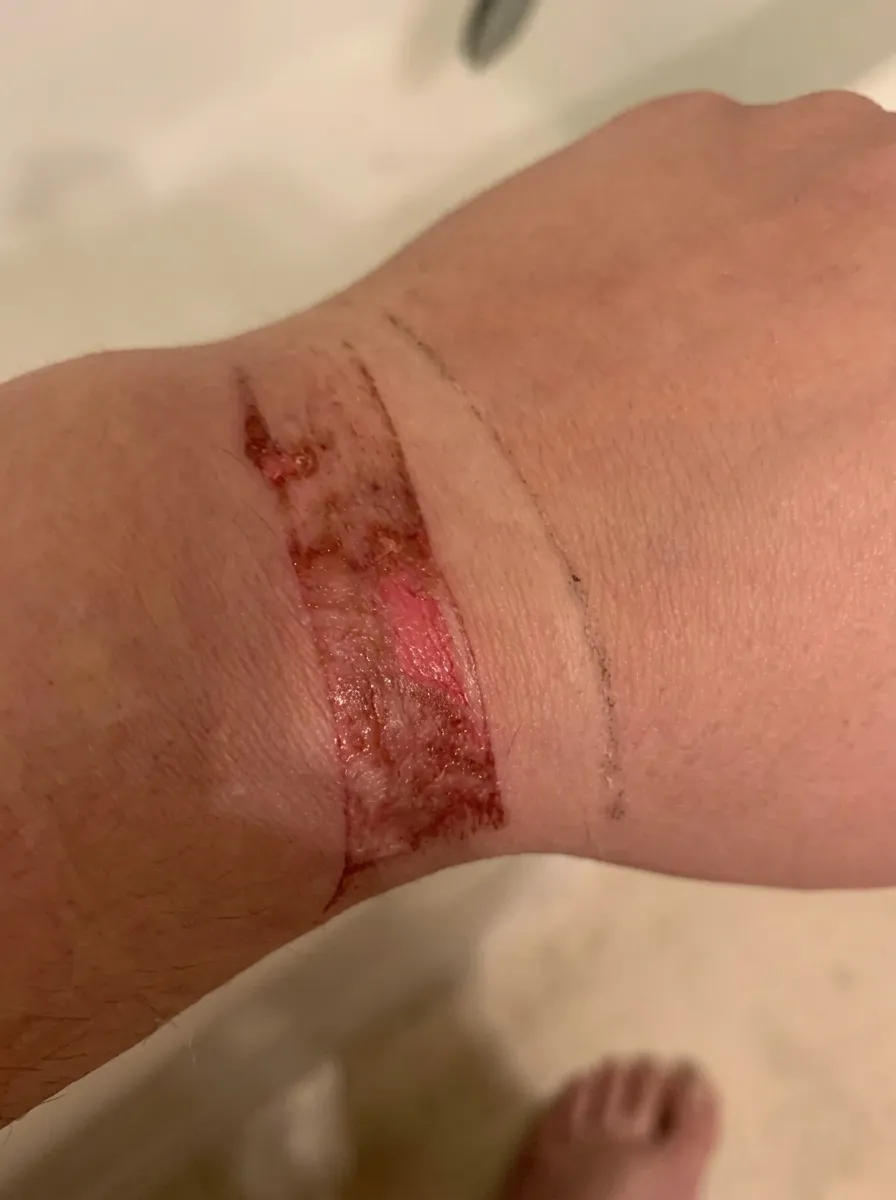
There is something living in your dog's gut that drinks serotonin. It uses the same pump antidepressants block...
Ad Copy
There is an organism living in your dog's gut that pulls serotonin out of circulation. It does it using a protein that looks structurally like the human serotonin transporter — the same pump that antidepressants exist to block. Feed it fluoxetine and the uptake stops. Last year it turned up in two separate studies of dogs. Both times it was elevated in the same group. The dogs that lunge. My name is Dr. Adaeze Okonkwo. I run the behaviour service at the Canine Stress Research Institute. Thirteen years, roughly nine hundred reactive dogs, and until eighteen months ago I had never heard of this organism either. It is called Turicibacter, and I want to be careful about what I am and am not claiming, because this is the part where most people selling you something stops being careful. The pump has been described in laboratory animals. The association with reactive behaviour has been found in dogs. Nobody has yet proven the one causes the other. But I stopped being able to ignore it after a dog named Wren. Wren was five. A collie cross out of a rescue in the north, adopted at fourteen months by a woman named Delia who had waited eleven years to be in a position to have a dog at all. By the time she reached me, Delia had spent $4,100. Two trainers. A twelve-week reactivity course. A head collar, a front-clip harness, and a basket muzzle she cried in the car park about buying. CBD oil for five months. Calming chews for another four. Prozac for a year, dose raised once. Full bloodwork. Thyroid panel. Urine. Stool for parasites. Every single result came back normal. Delia asked me the question I have been asked more times than any other in this job. "If everything is normal, what is making her do this?" And for most of my career I did not have an answer that was worth anything. Here is the answer I have now. There is a nerve that runs from the gut directly to the brain. It is not a small piece of plumbing — it is the main line, and the traffic on it runs mostly upward. From gut to brain, not the other way round. The message it carries more than any other is a very simple one. You are safe. You can stand down. Researchers tested how much that message matters by taking it away. They cut that nerve in lab animals, then ran the same gut treatment that had previously calmed them. The effect disappeared completely. Not weakened. Gone. That is what I want you to hold on to. The gut is not commenting on your dog's mood. It is issuing the instruction. And when the gut cannot produce what that nerve needs to carry, the brain does not get a weaker signal. It gets no signal at all. At that point fight-or-flight is no longer a reaction to anything. It is where your dog lives. Which brings me back to the organism. If something in the gut is actively removing the very compound the calming pathway depends on — and if that something is measurably more abundant in dogs who lunge — then you have a dog whose brain is not receiving a stand-down message, and no amount of work at the other end of the leash is going to put one there. That is not a criticism of training. I want to be exact about this, because I have sat in enough consultations to know how it lands. Training works. Counter-conditioning works. Desensitisation works. The people who taught Delia those protocols were competent and they were not wasting her money. Training just cannot reach a dog whose system is already at capacity. A brain in survival mode deprioritises learning — that is not a motivation problem, it is a resource-allocation problem. Delia was doing everything right, into a dog who had no capacity left to receive it. So for six months I did something I should have done a decade earlier. Every dog that came through my door for reactivity, leash aggression or fear-based behaviour, I looked at the gut. One hundred and fourteen dogs. I am not going to give you a headline percentage, because a number like that from a single practice is not a study and I will not dress it up as one. What I will tell you is that the pattern was consistent enough that I changed my protocol permanently, and that the dogs with the most disrupted gut profiles were — almost without exception — the dogs who had been on the most training and the most medication for the longest. That was the part that kept me awake. Not that these dogs were untreated. That they were the most treated dogs in my caseload. There is a number that goes with this and it is the one I now open every consultation with. In dogs placed into a stressful new environment, stress hormone has been measured at three times normal — and it stayed there for three days. Three days, from a single event. Wren was going up most days, and twice on the days Delia had to walk her past the school. She had not been back to zero in three years. Each walk began wherever the last one had abandoned her. And there is now measurable work showing that dogs living under chronic stress carry both higher stress hormone and a measurably shifted gut population, while one bad afternoon changes nothing at all. It is not the incident. It is the accumulation. That is what I want you to take away. Not that she is deteriorating. That every walk is costing her something she is not getting back. Then I ran into the next problem. If the gut was the target, the obvious move was a supplement. So I bought twelve of them. Amazon bestsellers, veterinarian-recommended labels, thousands of five-star reviews. Products I had recommended myself. I sent all twelve to an independent laboratory. One claimed five billion CFU and tested at 1.2 billion. Another had its active blend cut with forty percent rice flour. A third came back with the bacterial cultures already dead — not dying in the dog, dead in the tub, before the seal was broken. And here is the deeper issue, which applies even to the honest ones. Probiotics are live bacteria. Live bacteria have to survive stomach acid, reach the gut wall, and colonise. In a dog whose lining has been under stress hormones for two years, that lining is not in a state where anything settles. It is seed thrown onto ground that has been walked hard for two years. Some of it blows away and the rest sits on the surface. Nothing roots. Postbiotics skip that entirely. They are the compounds the bacteria produce — the metabolites the gut lining actually uses and the nerve actually reads. Nothing has to survive the journey, because the work is already done before it arrives. CalmAxis was the only one that came back matching its own label. 500 mg of postbiotic blend per chew. Certificate of Analysis in under an hour, batch-specific, from an accredited lab. I started Wren on it and I told Delia the same thing I tell everyone now, because it is the single most useful thing I know and almost nobody says it. The first thing that changes is not on the lead. It is in the garden. Somewhere between day eight and day twelve, the gut visibly comes back online. Colour, form, smell — all of it shifts. You will see it in the garden before you see anything on a walk. That is not a side effect. That is the evidence that the lining is repairing and the metabolites are arriving. If you do not know to look for it, you will spend three weeks watching a leash for a change that has not reached the leash yet, and you will quit in week four believing it failed. Delia messaged me on day nine. About the garden. Wren, five years old, three years reactive: Delia kept a note on her phone. She started it the day she ordered, and she has given me permission to quote it exactly as she typed it. Sun — nothing. Obviously. Thurs — I don't know how to write this in a way that isn't disgusting but something has changed and it is not her behaviour. Sat wk3 — spaniel, opposite pavement. She locked on. Then she just stopped. I had to stand still for a minute. Didn't tell anyone. wk5 — did the whole towpath. 3 dogs. Nothing. wk6 — terrier came out of a gateway and she went up like it was March. Deleted this app off my phone that night. wk8 — Saturday. Eleven in the morning. The towpath. On purpose. That is the entire arc, in her words, and I would not improve it by rewriting it. Week 6 — a bad one. A terrier came out of a gateway with no warning and Wren went up completely. Delia emailed me that night convinced we were back where we started. Week 8 — the canal path again, on a Saturday, at eleven in the morning. She still has days. Any dog with three years of this behind her has days, and I would not believe anyone who told you otherwise. One last thing, because it is the fear I hear most often and the one owners are least likely to say out loud. Delia had already turned down a dose increase before she ever met me, and when I asked why she said something I have quoted to other owners since. "I don't want her switched off. I want her switched down." This does not sedate. There is nothing in it that turns an animal down. It does not produce calm by producing less dog. What changes is how hard the body spikes when something happens, and how quickly it comes back down afterwards. Wren still notices. She is still the dog who screams at the postman through the letterbox. She is simply not carrying Tuesday into Wednesday any more. Delia said it in one line and I have quoted her ever since. "She hasn't changed. She's just allowed to stop now." If your dog is reactive, if you have done the training, if every test came back normal and somebody told you some dogs just have a ceiling — you are not missing a technique. Buy it direct. There are counterfeit listings on Amazon and I have no idea what is in them. → trycanislabs.com/products/calmaxis-chews P.S. There is a real test for this and almost nobody knows to ask for it. Your vet can order a canine Dysbiosis Index — a PCR panel run on a stool sample. Above 2 is significant dysbiosis. Below 0 is normal. Ask for it by name. If you are told reactivity is behavioural, ask when they last ran one on a reactive dog. Most will not have an answer, and that is not a failing on their part. It is simply not taught. P.P.S. I am not paid by CalmAxis and I do not sell it in my practice. I recommend it because it was the only one of twelve that came back from the lab as advertised, and because of a five-year-old collie cross who walks the canal path on Saturday mornings now. If your dog is young and you have started noticing small things — a stare that holds a second too long, stiffening at the far end of the street — that is the cheapest this problem will ever be.
More from Canine Stress Research Institute
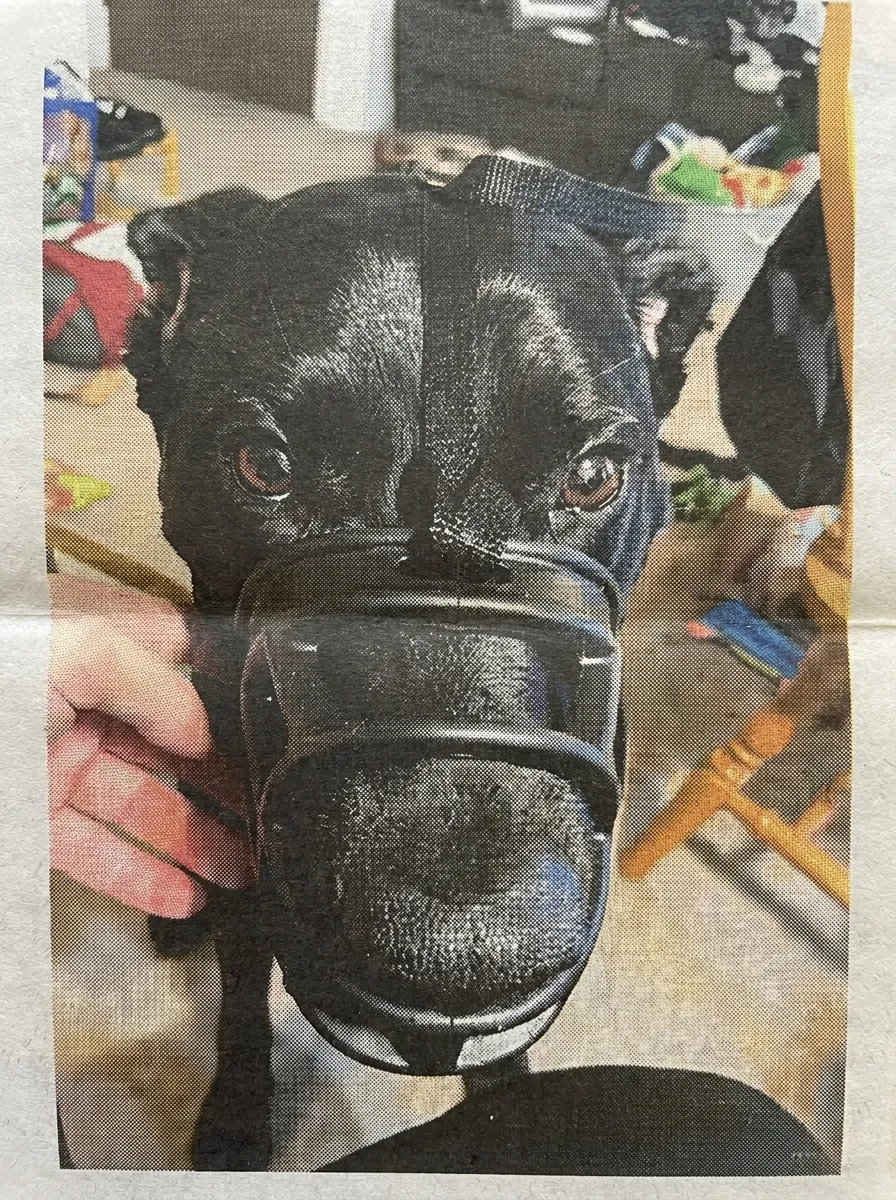
79% of reactive dogs in training had this gut dysfunction
Canine Stress Research Institute
79% of reactive dogs in training had this gut dysfunction
Canine Stress Research Institute
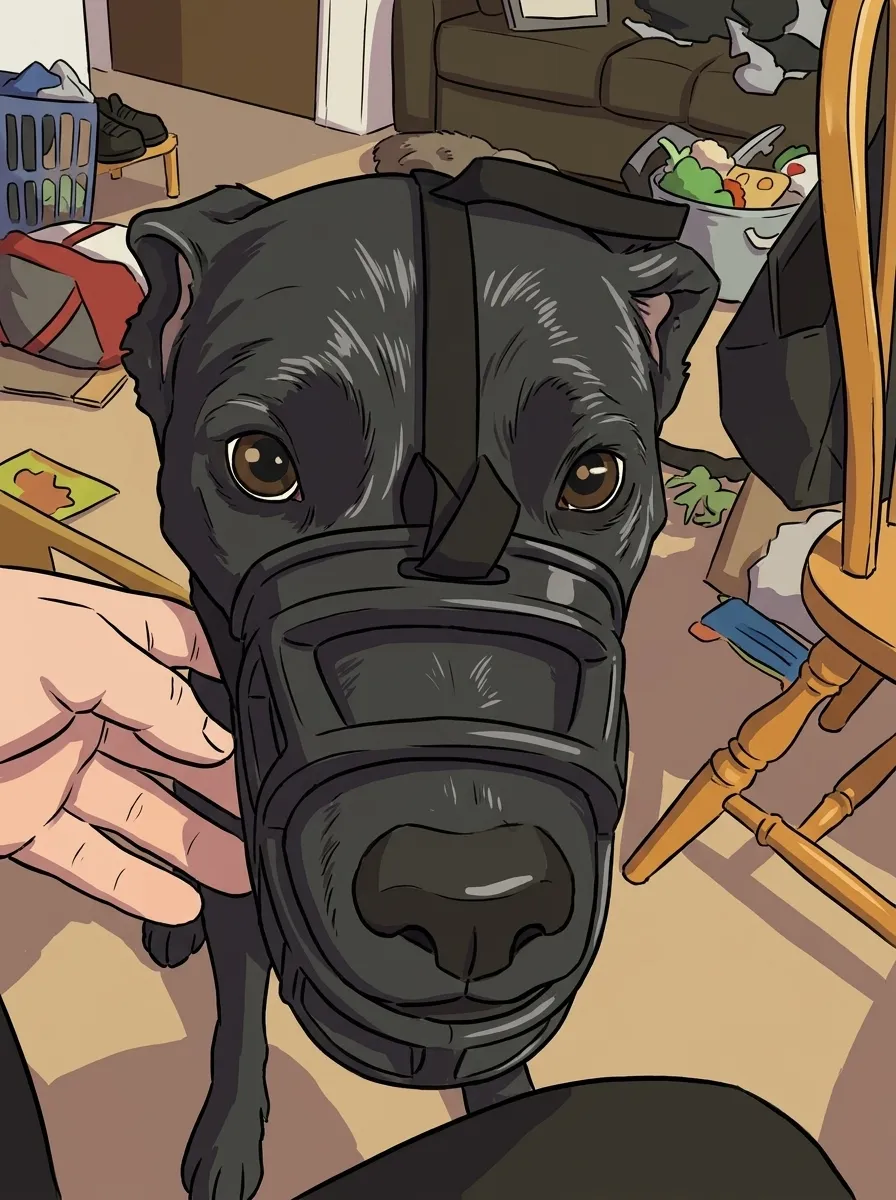
79% of reactive dogs in training had this gut dysfunction
Canine Stress Research Institute
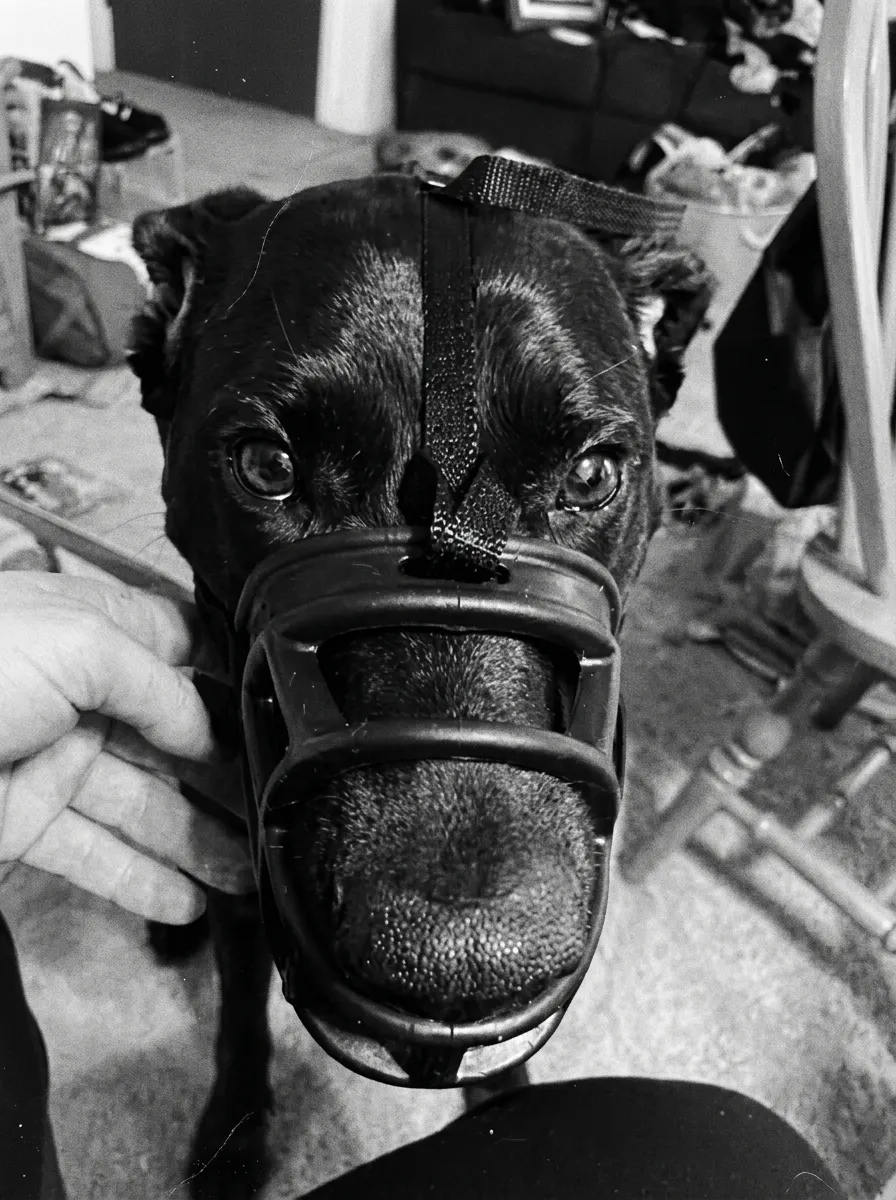
79% of reactive dogs in training had this gut dysfunction
Canine Stress Research Institute
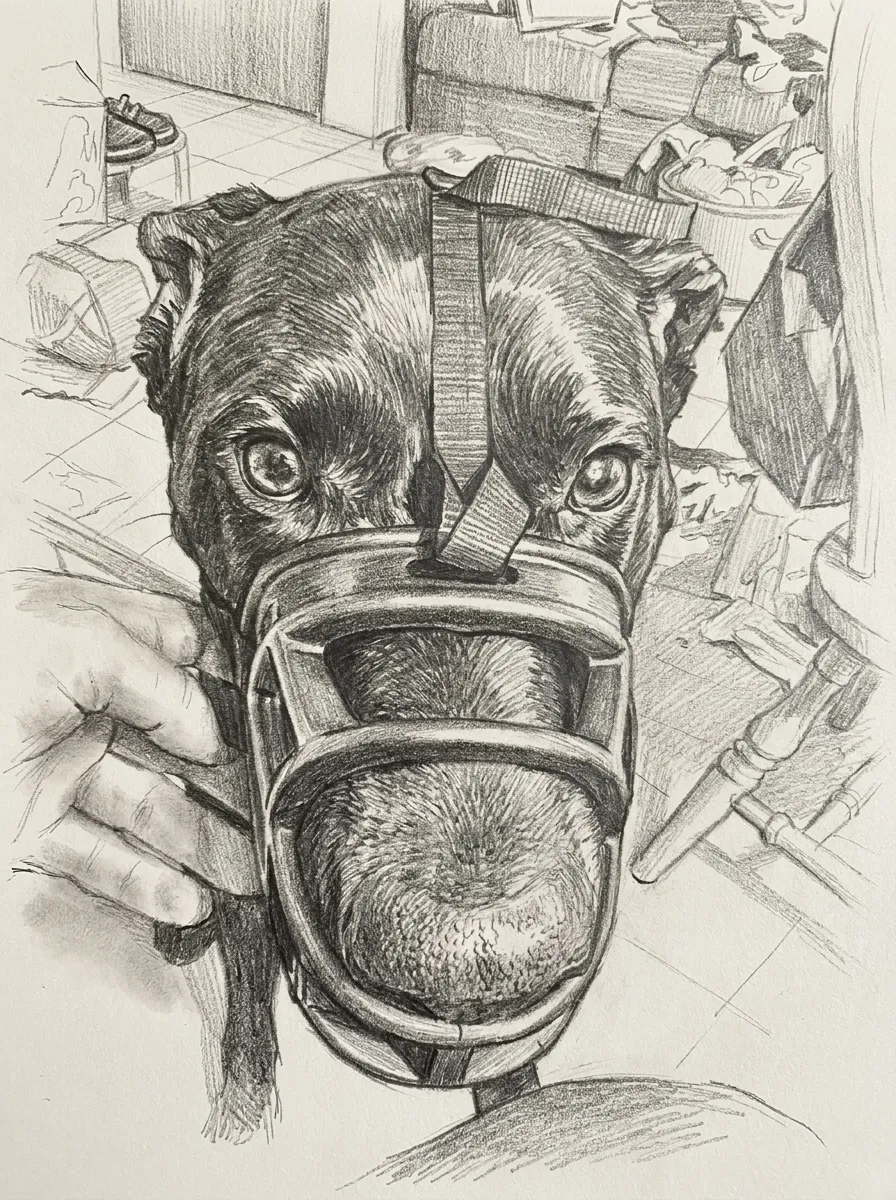
79% of reactive dogs in training had this gut dysfunction
Canine Stress Research Institute
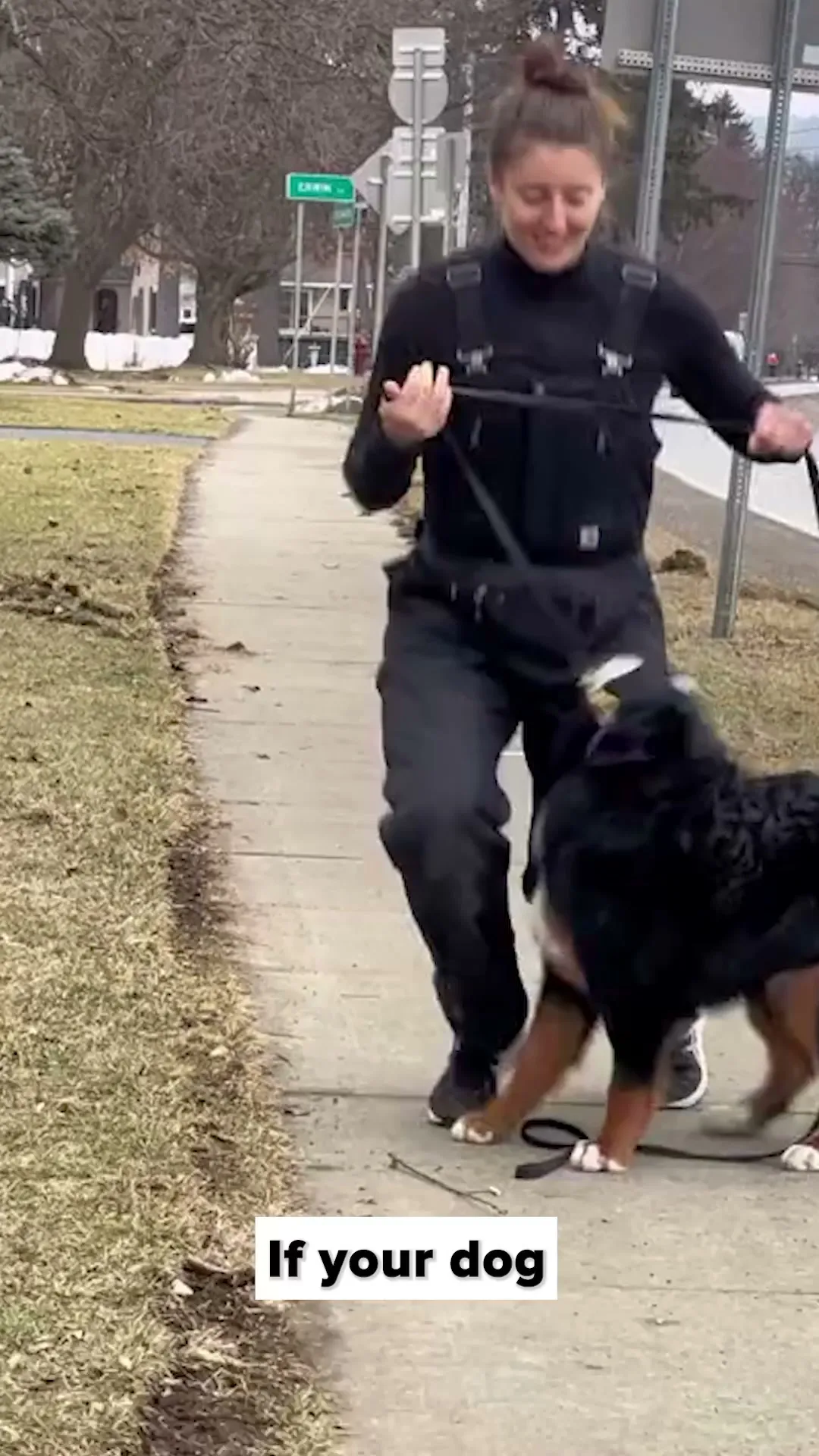
Your dog isn't aggressive. He's over a line.
Canine Stress Research Institute
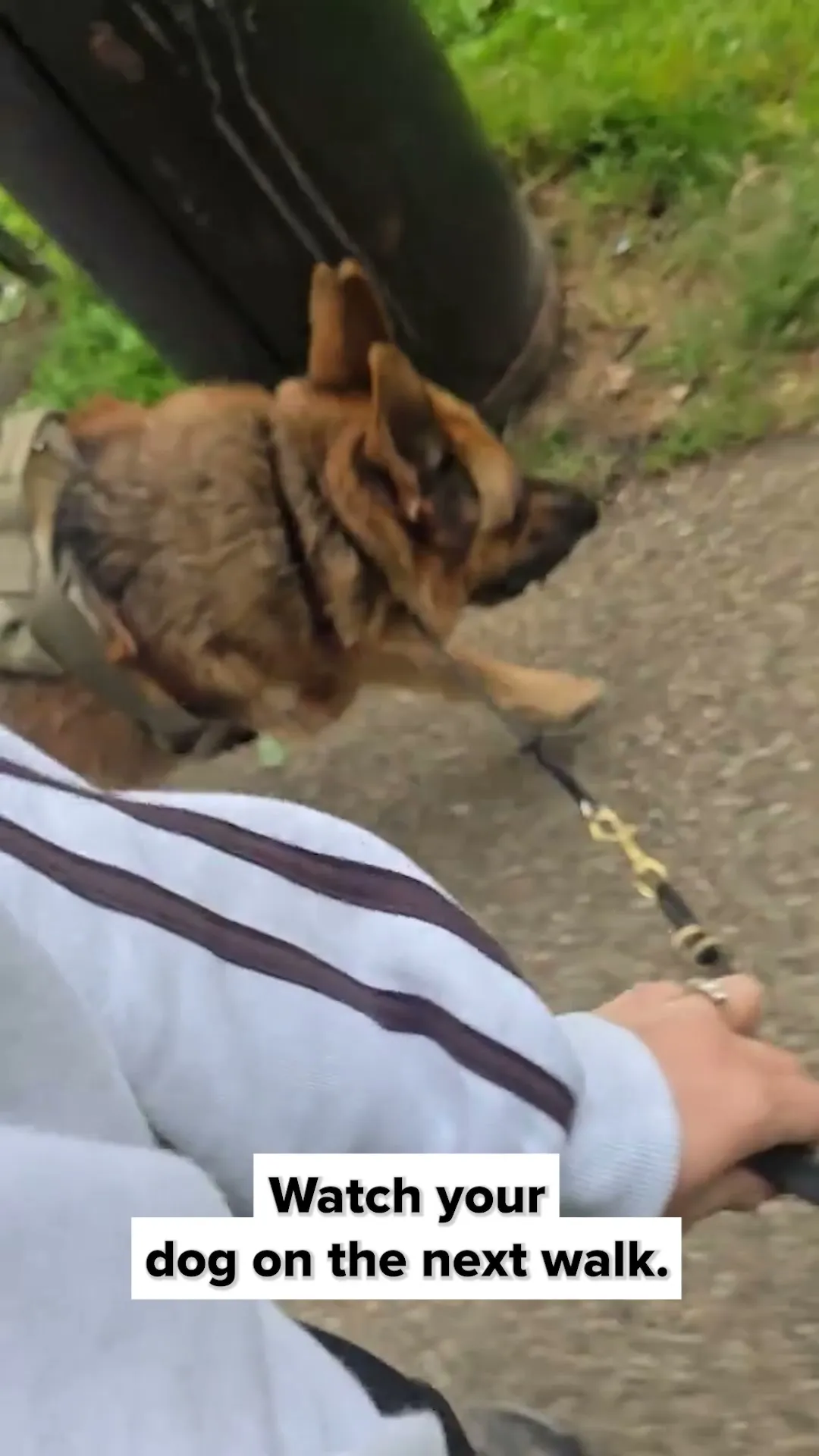
Your dog isn't aggressive. He's over a line.
Canine Stress Research Institute
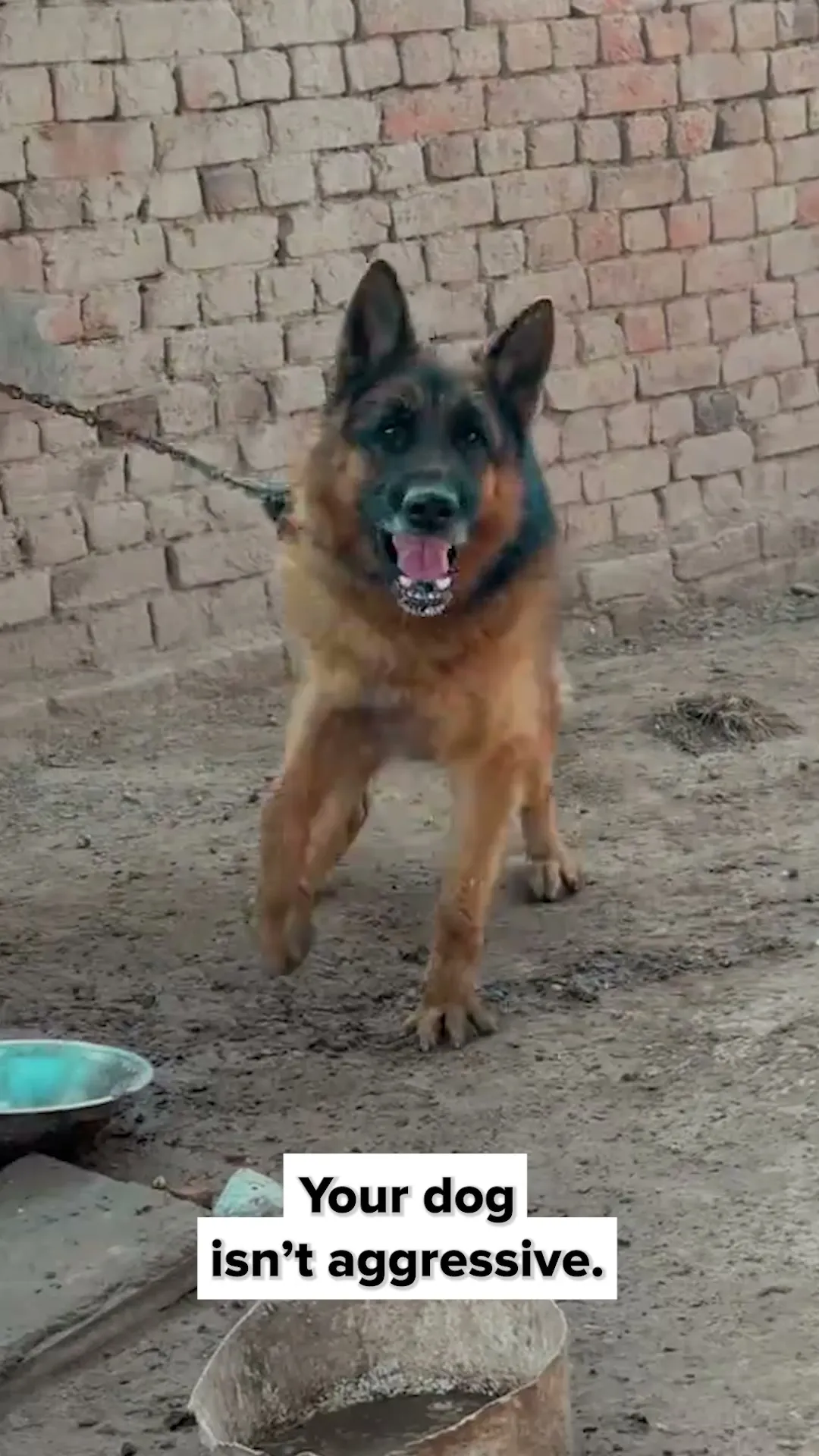
Your dog isn't aggressive. He's over a line.
Canine Stress Research Institute
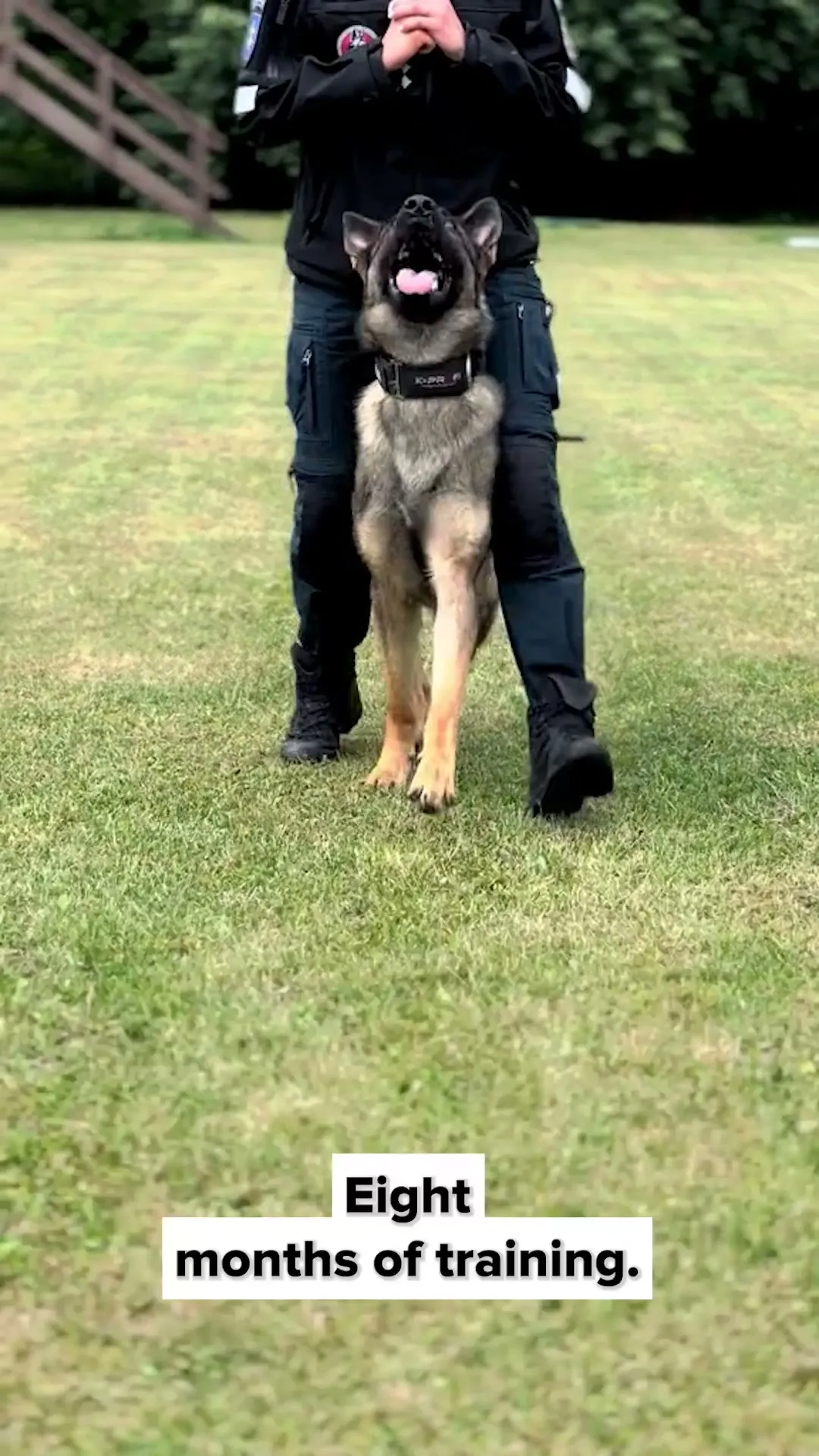
Your dog isn't aggressive. He's over a line.
Canine Stress Research Institute
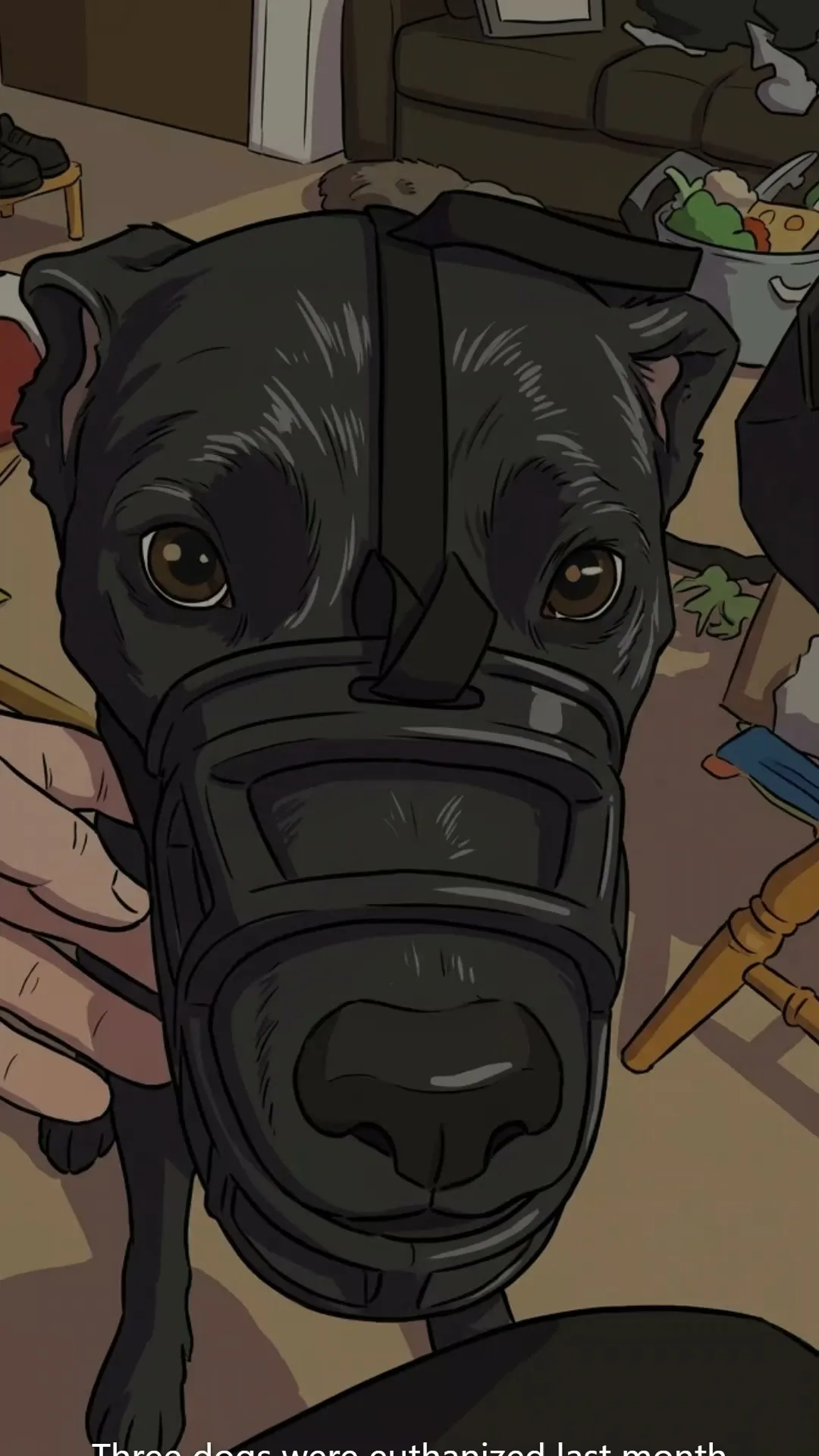
79% of reactive dogs in training had this gut issue. Three veterinarians discovered what the pet supplement industry has been hiding from dog owners..
Canine Stress Research Institute
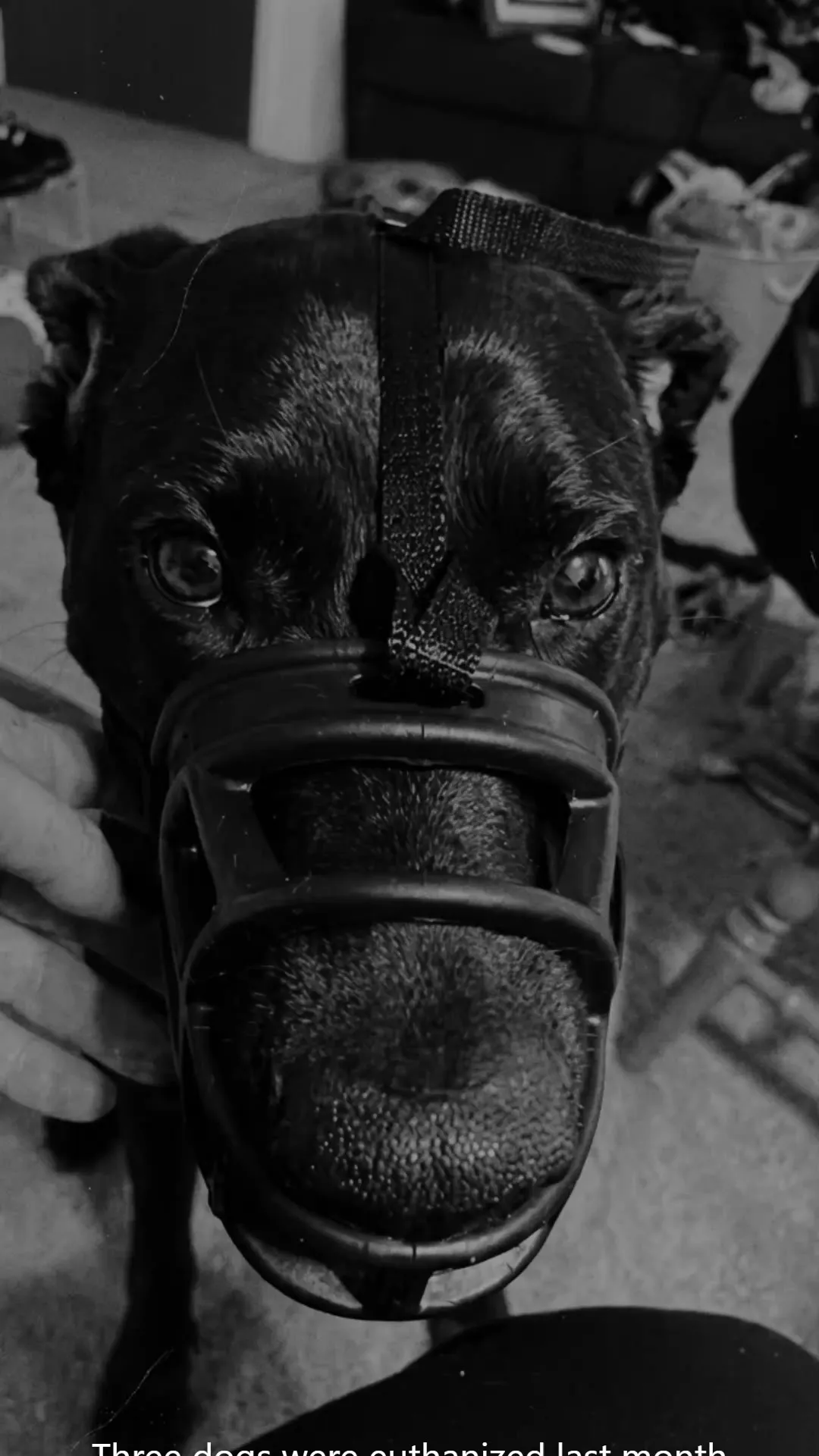
79% of reactive dogs in training had this gut issue. Three veterinarians discovered what the pet supplement industry has been hiding from dog owners..
Canine Stress Research Institute
79% of reactive dogs in training had this gut issue. Three veterinarians discovered what the pet supplement industry has been hiding from dog owners..
Canine Stress Research Institute

 Add to Chrome