Menopause Changes a Lot. Your Hair Care Should Adapt Too.
Ad Copy
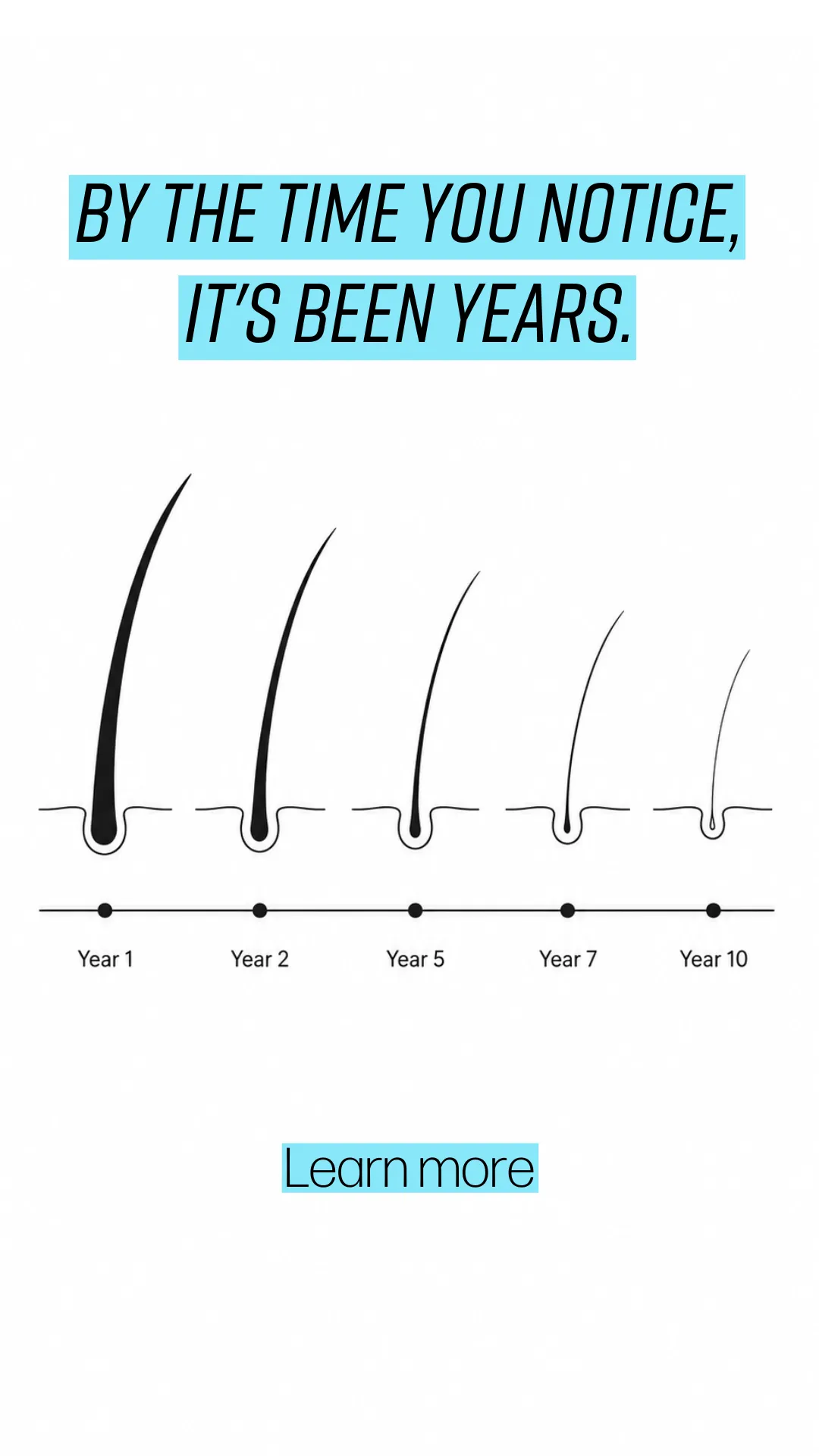
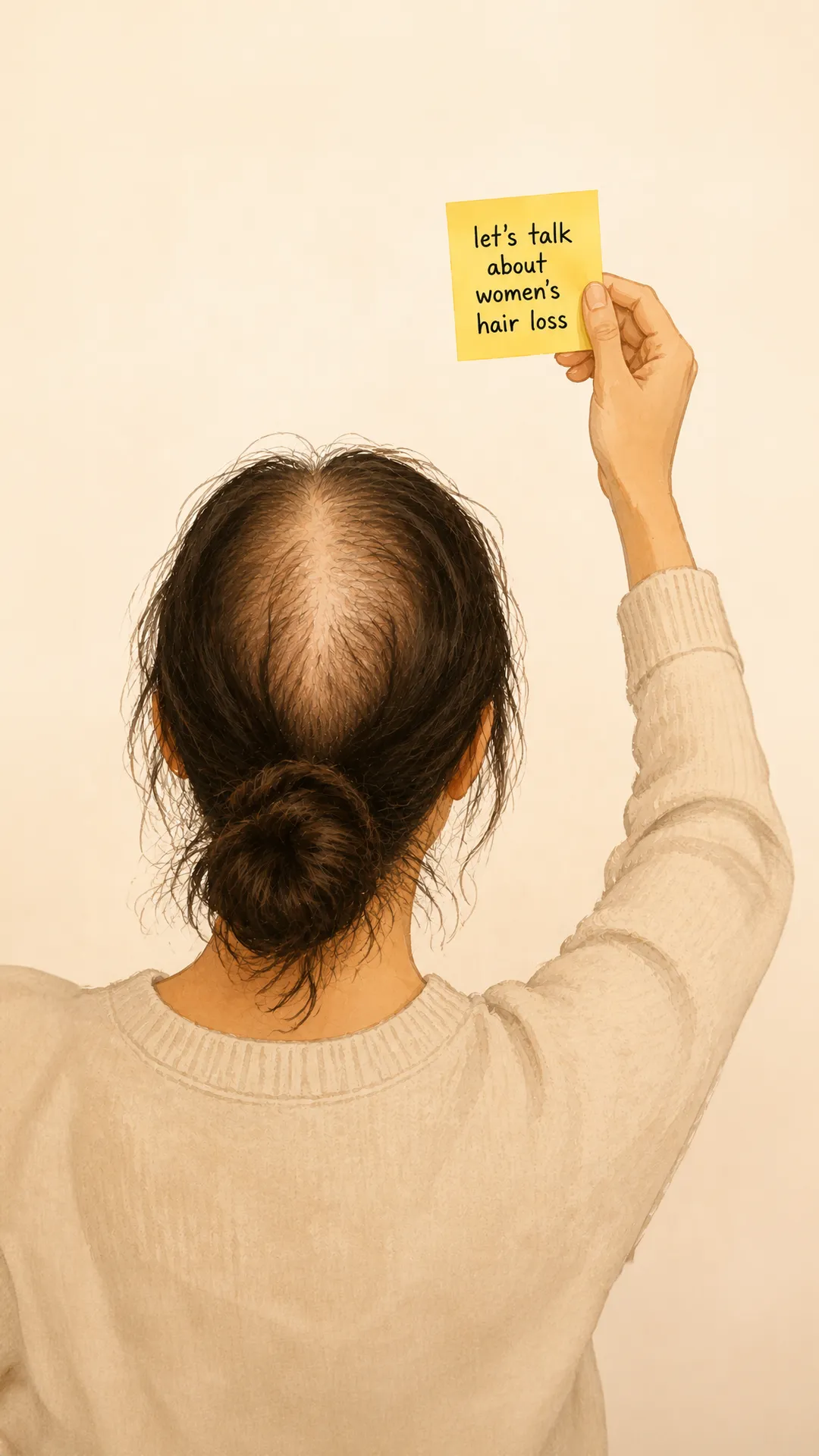
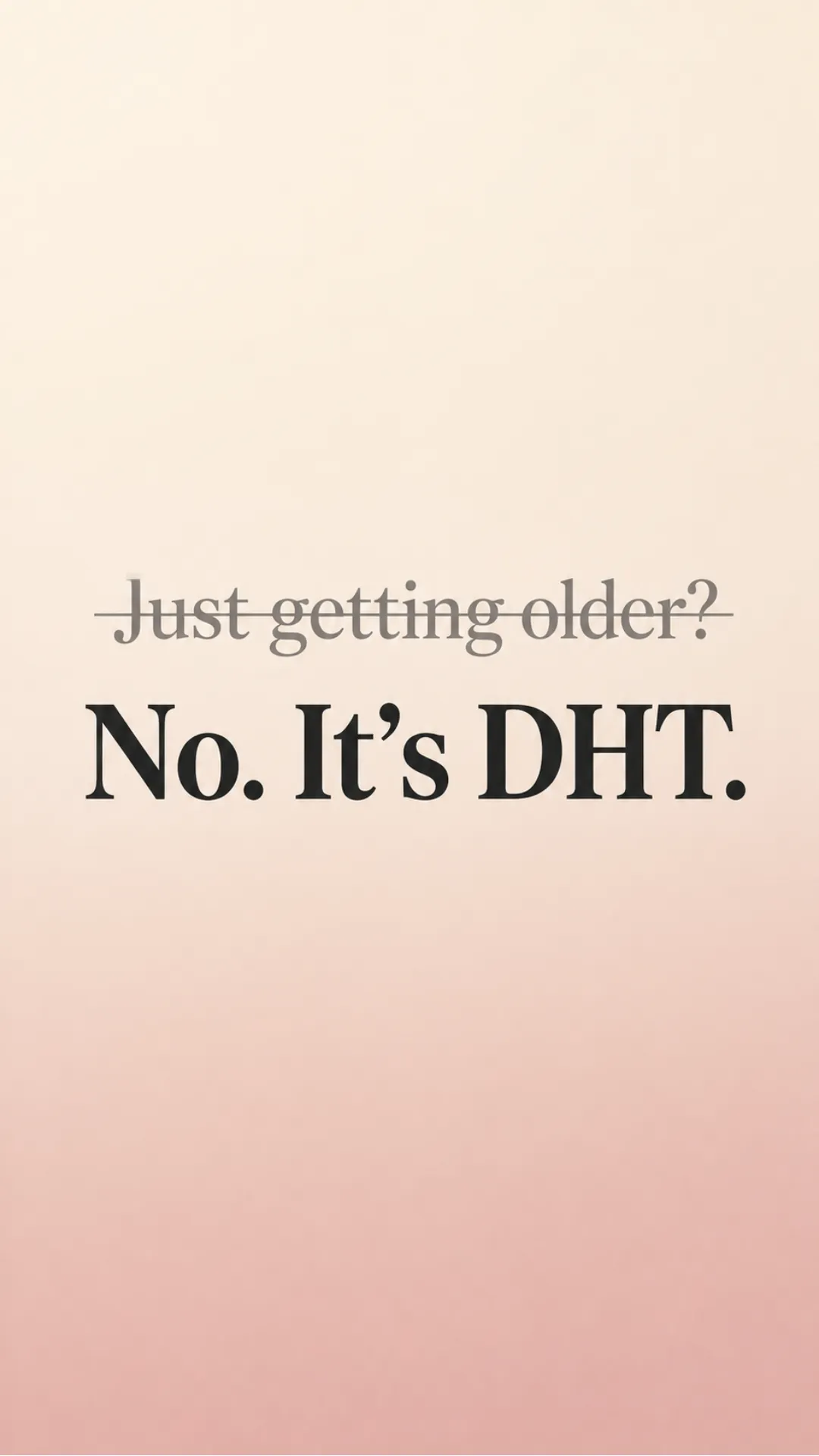
Menopausal hair loss has a specific cause. It's not "just getting older." Here's what actually happens: as estrogen drops in perimenopause and menopause, testosterone becomes proportionally dominant. Your scalp has an enzyme called 5α-reductase that converts a small amount of that testosterone into dihydrotestosterone (DHT), a hormone that binds to receptors on your hair follicles and slowly shrinks them. Every growth cycle, the follicle produces a slightly thinner, shorter hair. Over 5-10 years, follicles that used to produce thick strands produce nothing at all. This is female pattern hair loss. It affects roughly 40% of women by age 50. The industry answer is minoxidil: a topical drug with side effects (scalp itching, unwanted facial hair, dependency) that stops working the moment you stop applying it. Here's what almost no one tells you: certain plants inhibit 5α-reductase directly. 🎃 Pumpkin seed oil — in a 24-week randomized, placebo-controlled trial, produced a 40% increase in hair count vs placebo, working through 5α-reductase inhibition (Cho et al. Evid Based Complement Alternat Med 2014). 🌿 Rosemary essential oil — in a 6-month randomized trial vs 2% minoxidil, produced equivalent hair regrowth, with less scalp itching (Panahi et al. Skinmed 2015). Frøya's Hair System combines both, in a sulfate-free and parabens-free formula built for menopausal scalps. Zero synthetics. Zero harsh detergents. The mechanism your dermatologist would recognize, from the plants that produced the science. Learn more 👉🏼 Sources: Grymowicz et al. Int J Mol Sci 2020 · Herskovitz & Tosti Int J Endocrinol Metab 2013 · Cho et al. Evid Based Complement Alternat Med 2014 · Panahi et al. Skinmed 2015
More from Anne's Skincare Blog
Menopause Changes a Lot. Your Hair Care Should Adapt Too.
Anne's Skincare Blog
Menopause Changes a Lot. Your Hair Care Should Adapt Too.
Anne's Skincare Blog
Summer Skin Relief, Simplified
Anne's Skincare Blog
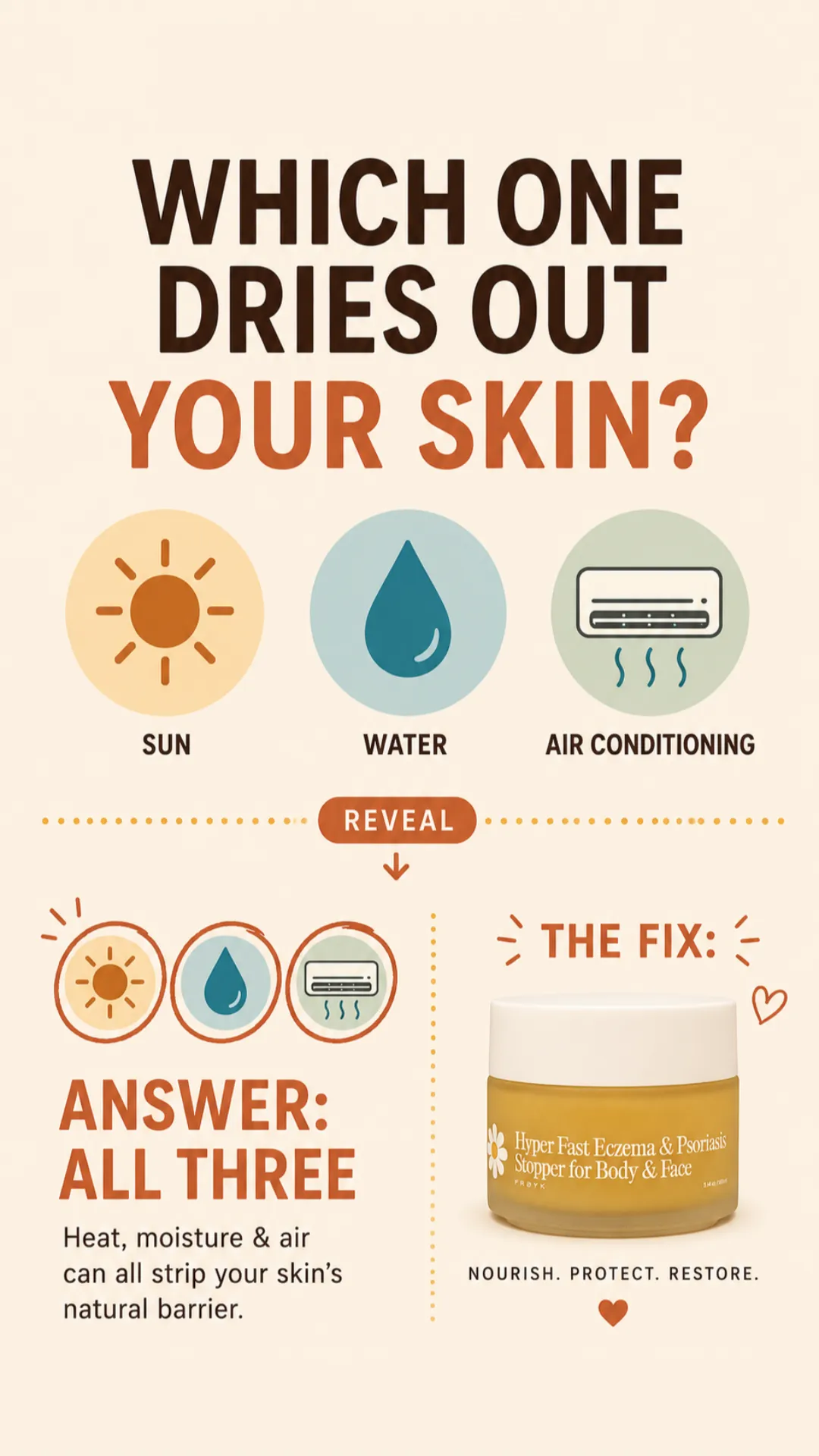
Summer Skin Relief, Simplified
Anne's Skincare Blog
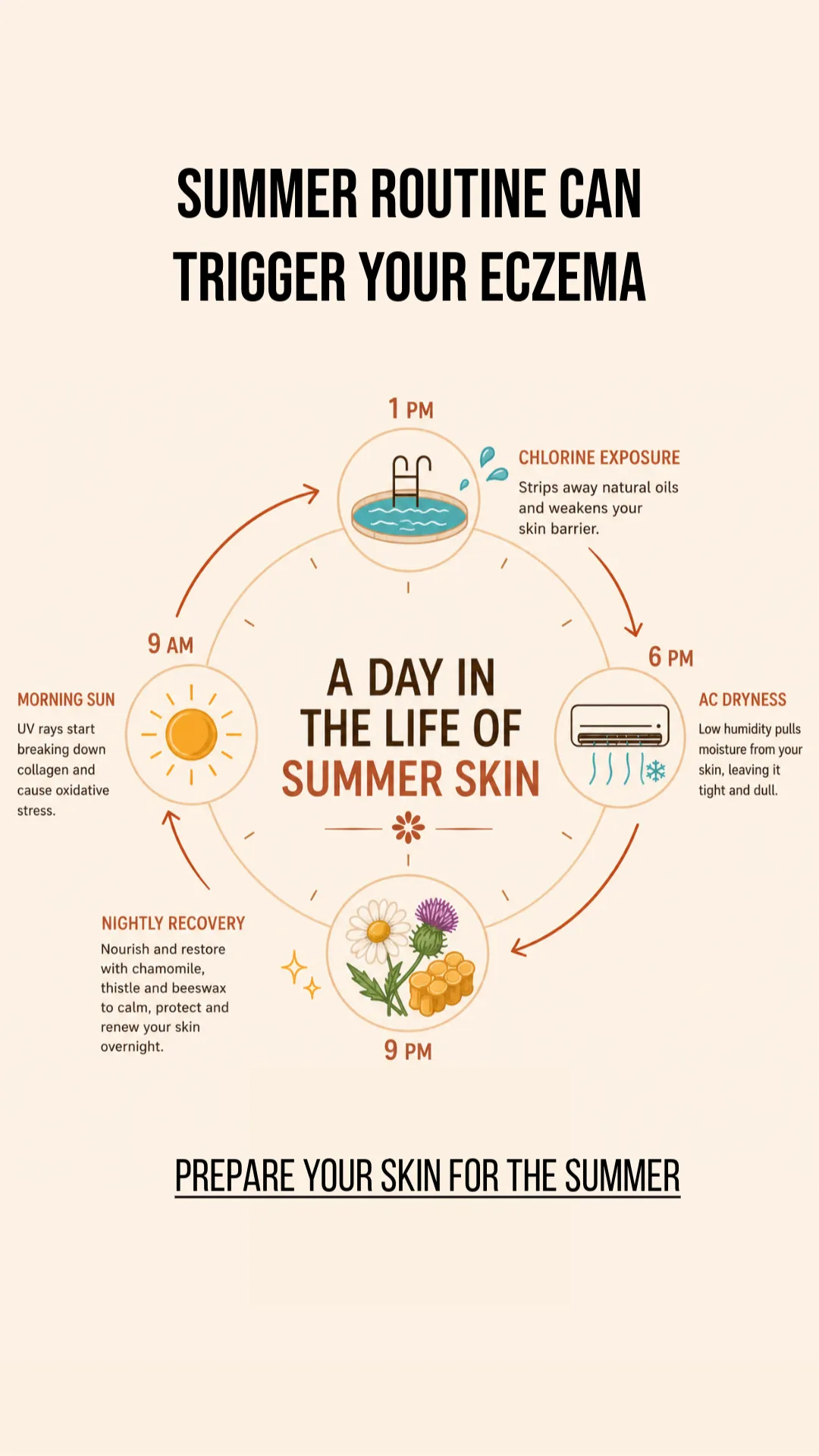
Summer Skin Relief, Simplified
Anne's Skincare Blog
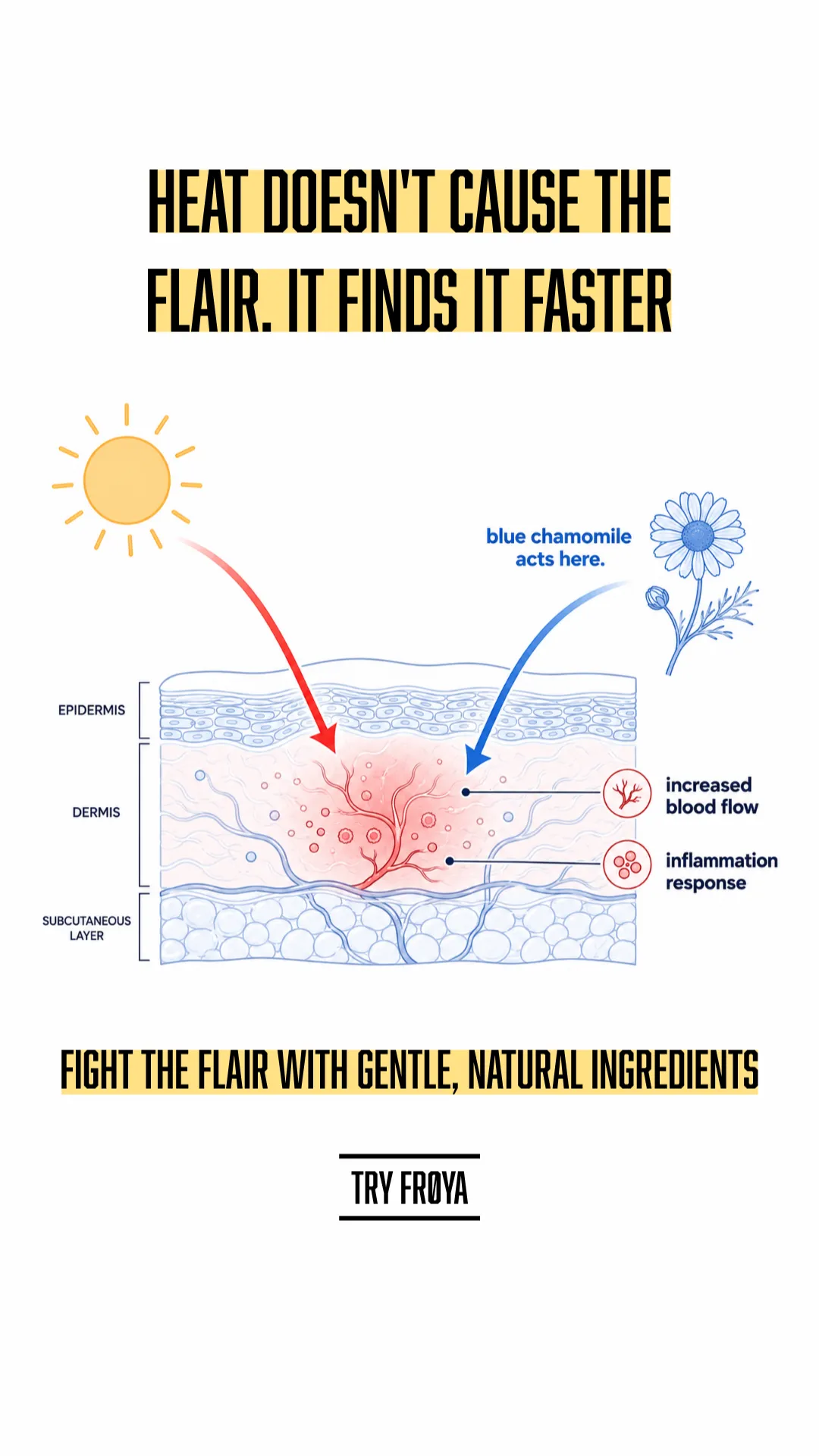
Summer Skin Relief, Simplified
Anne's Skincare Blog
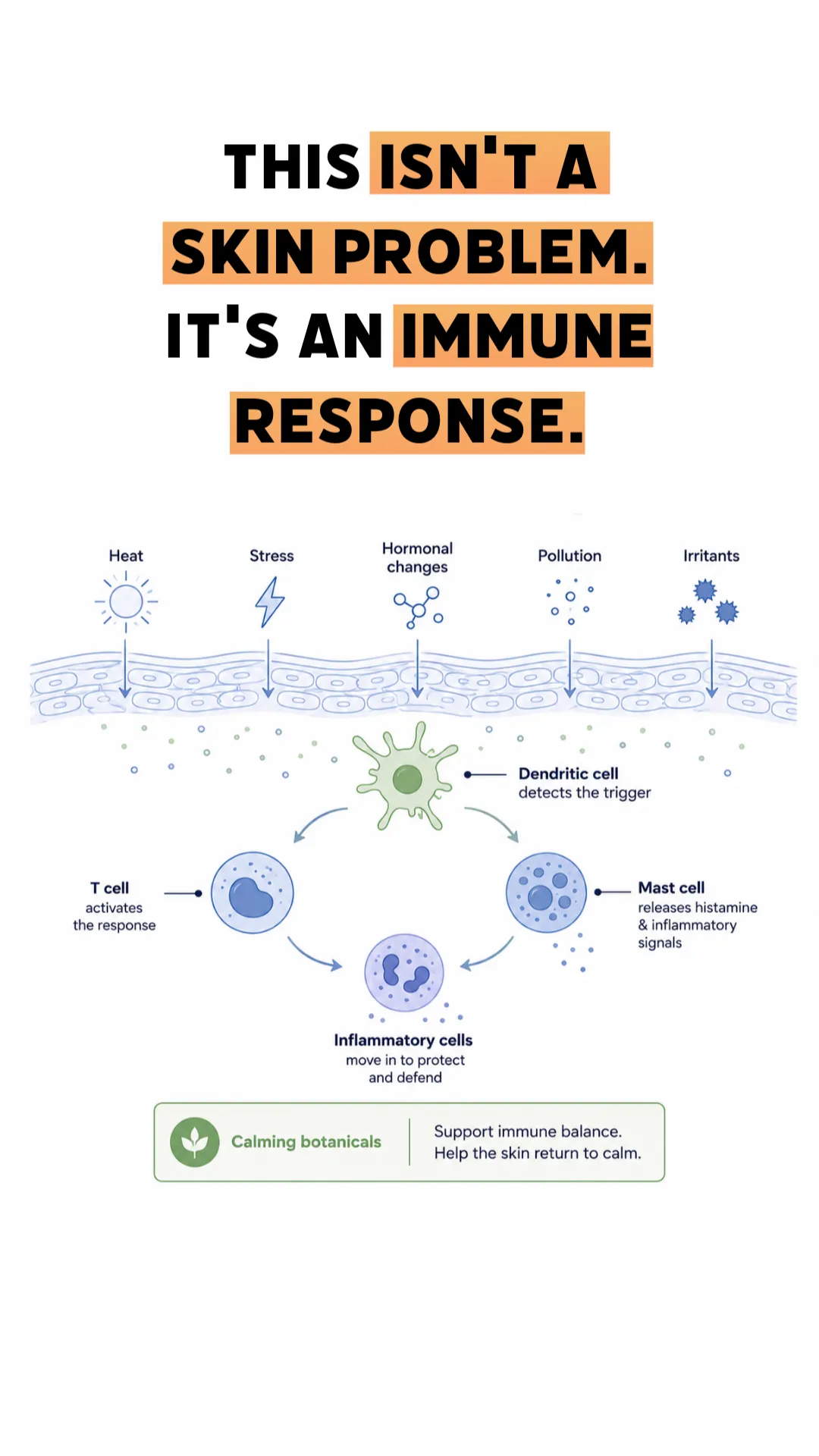
Summer Skin Relief, Simplified
Anne's Skincare Blog
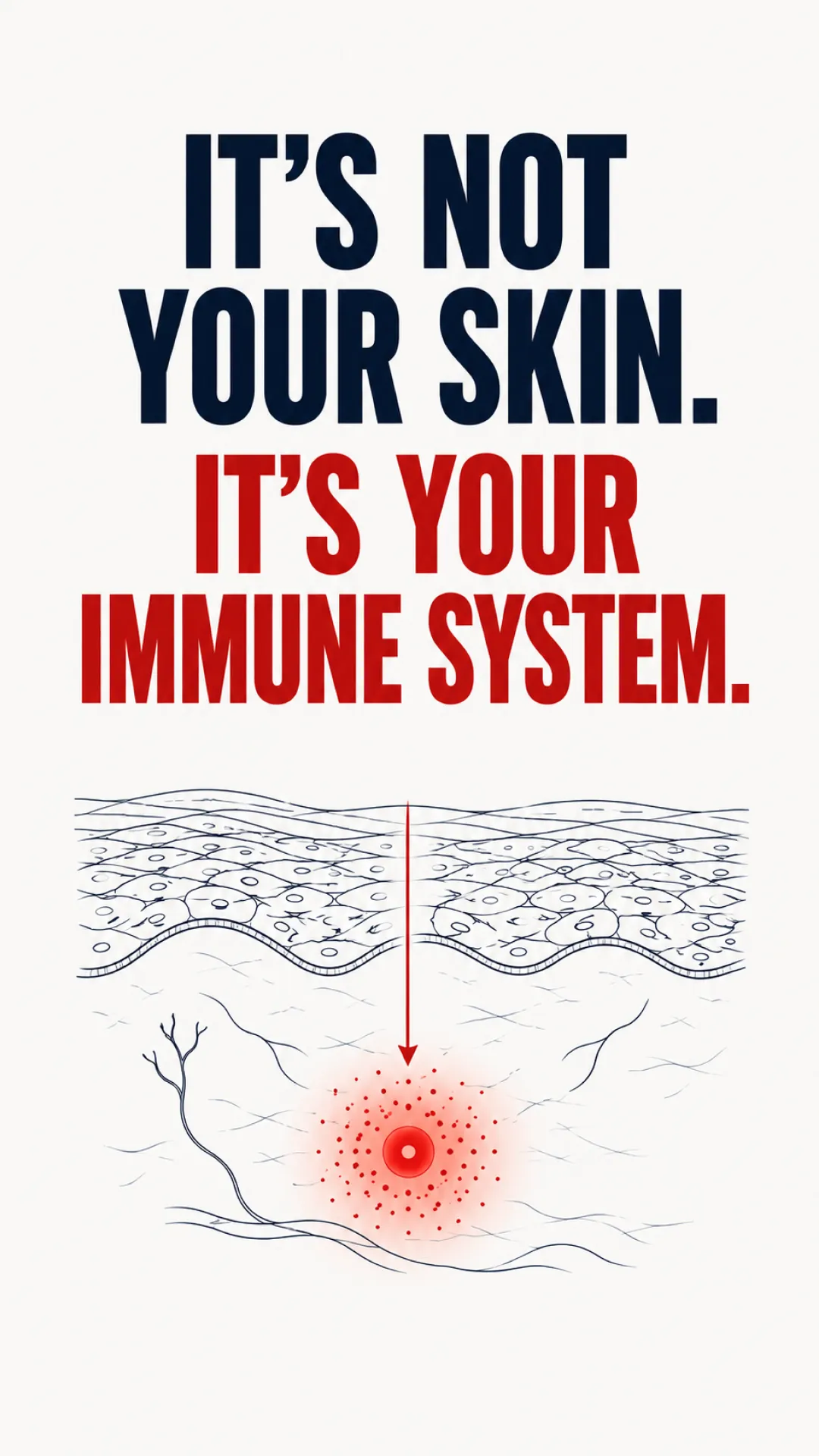
Summer Skin Relief, Simplified
Anne's Skincare Blog
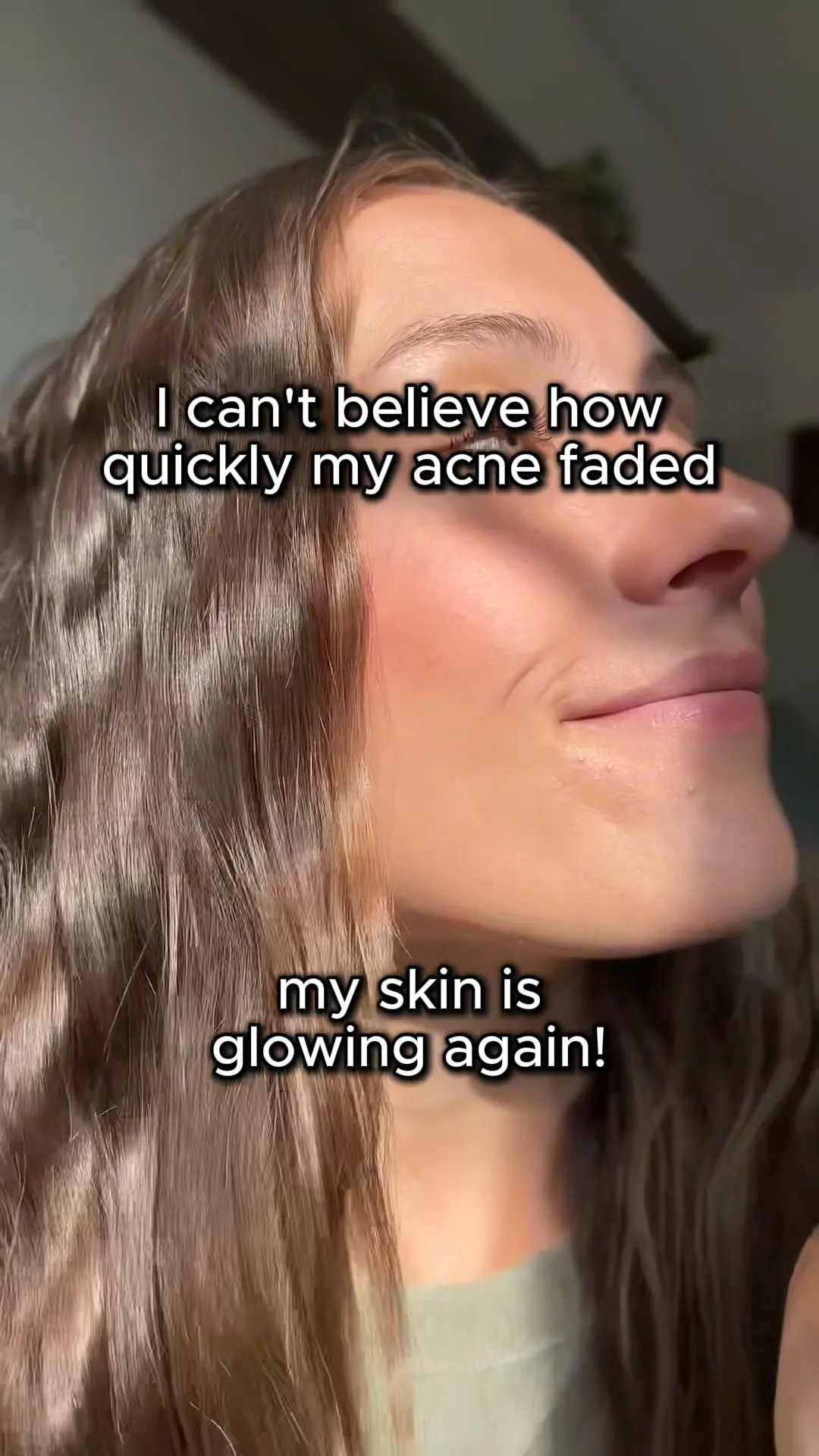
Simple Skincare that Actually Works
Anne's Skincare Blog
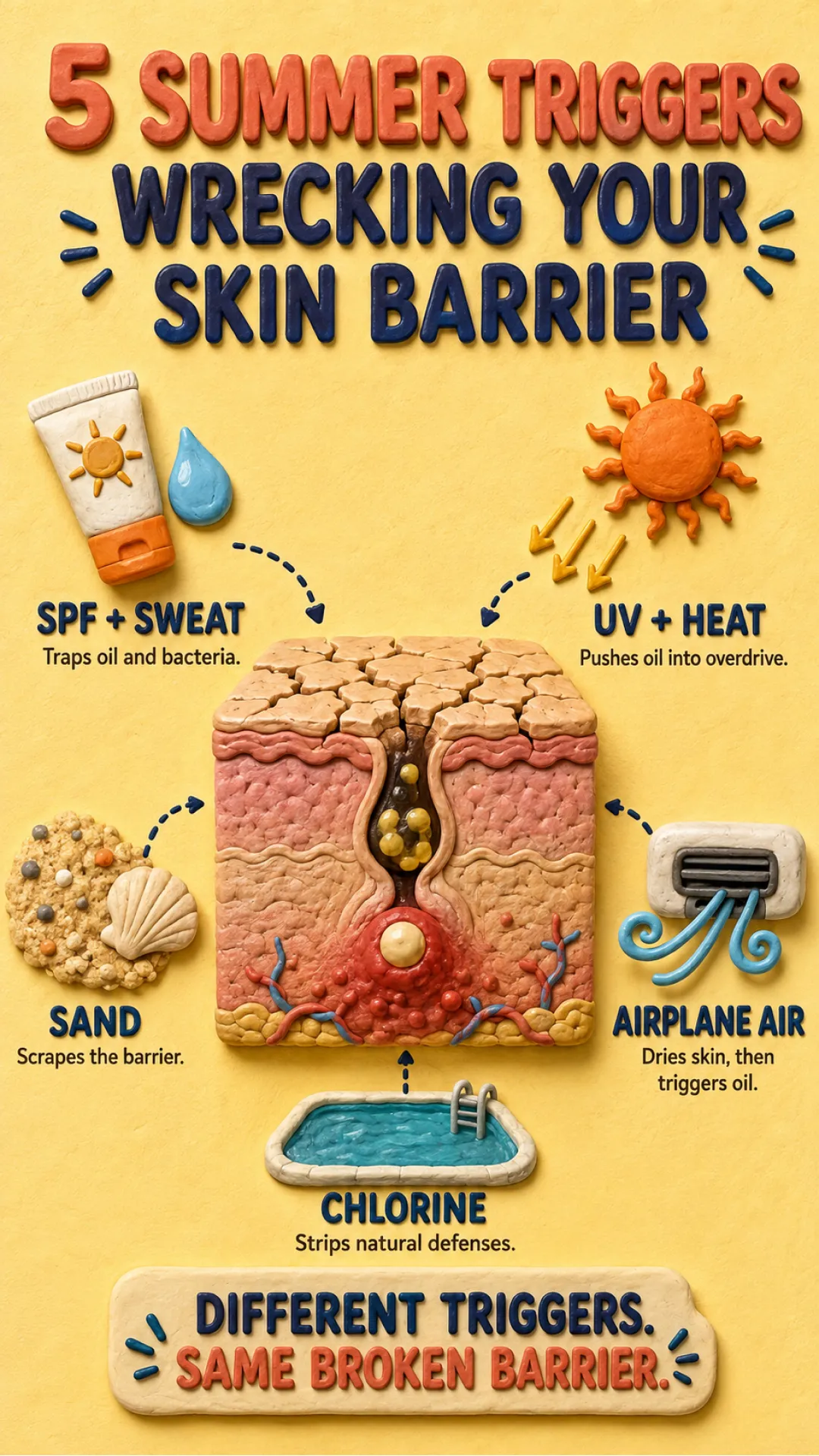
🚨S.O.S SUMMER SKIN🚨
Anne's Skincare Blog
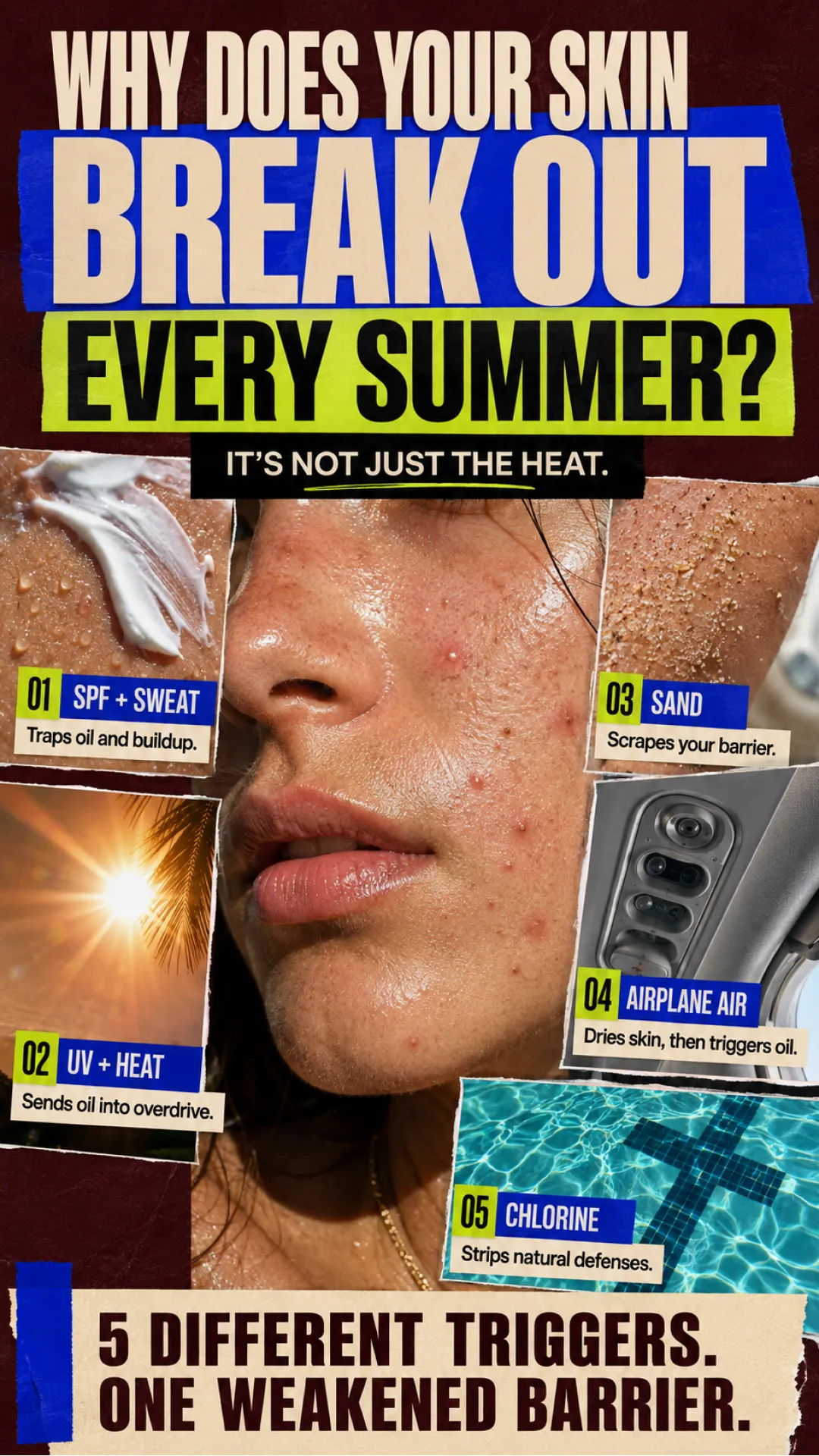
🚨S.O.S SUMMER SKIN🚨
Anne's Skincare Blog
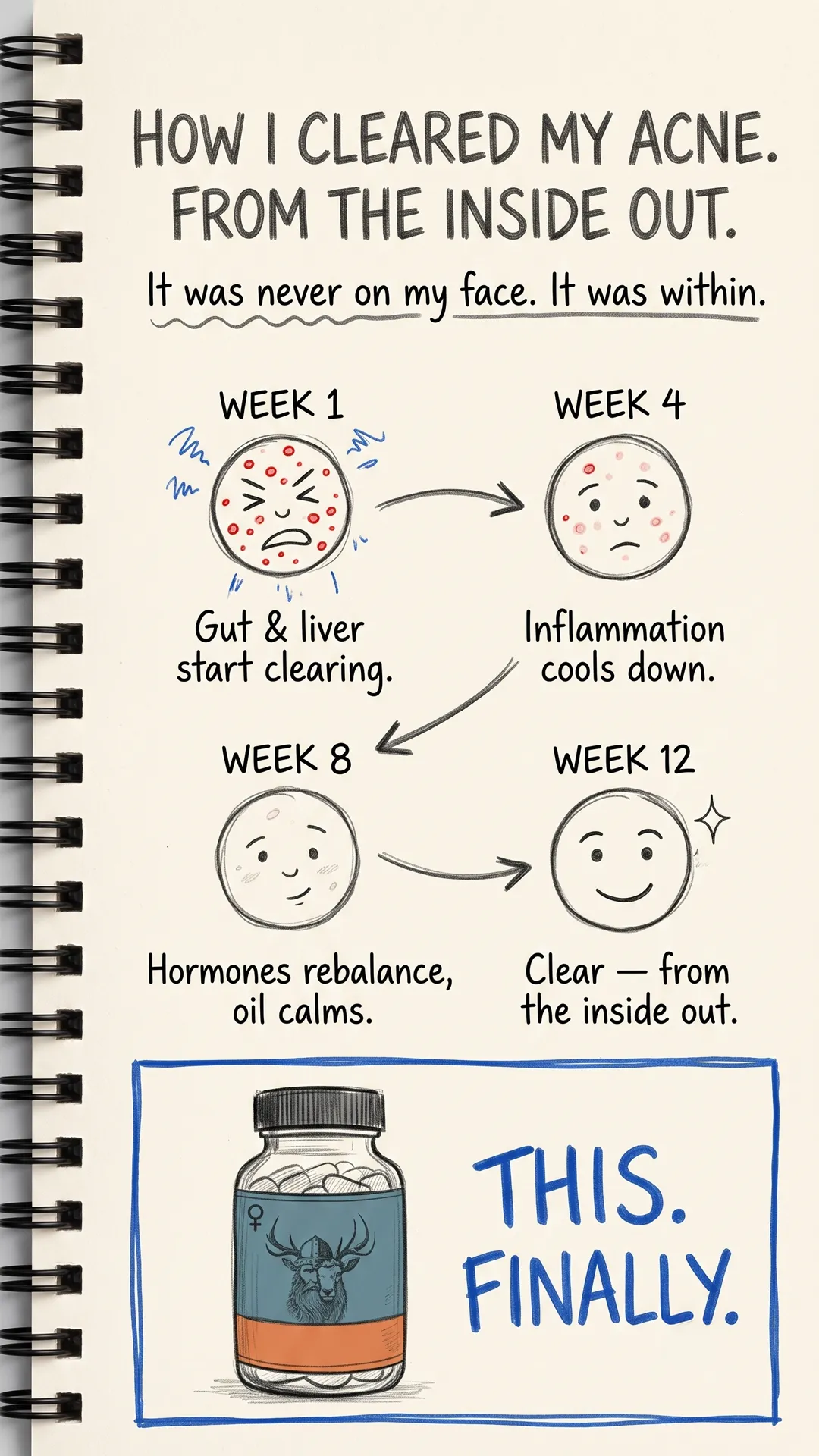
week 1 vs. week 12: what's actually happening ✨
Anne's Skincare Blog

 Add to Chrome