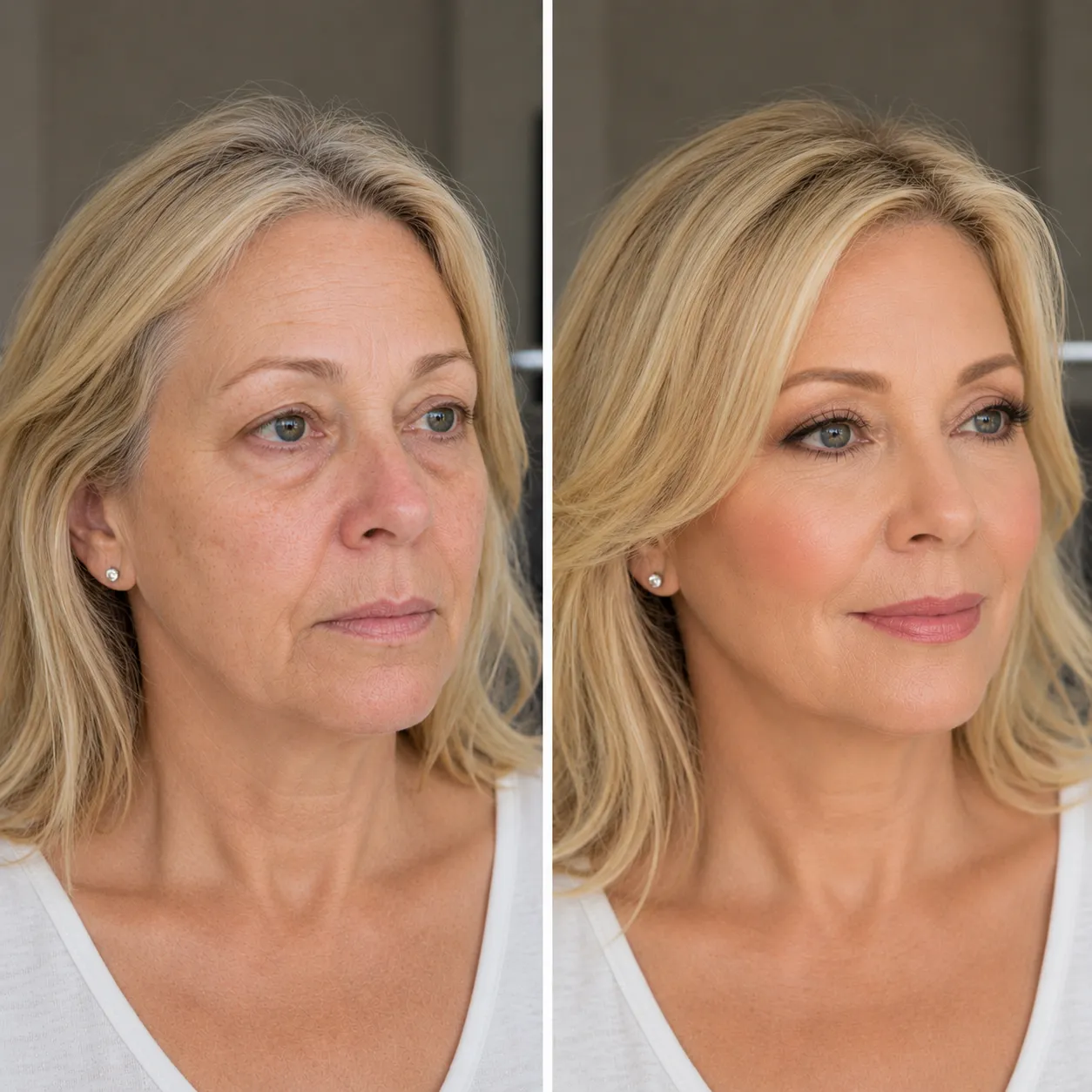
The Under-Eye Fix You've Been Missing
Ad Copy
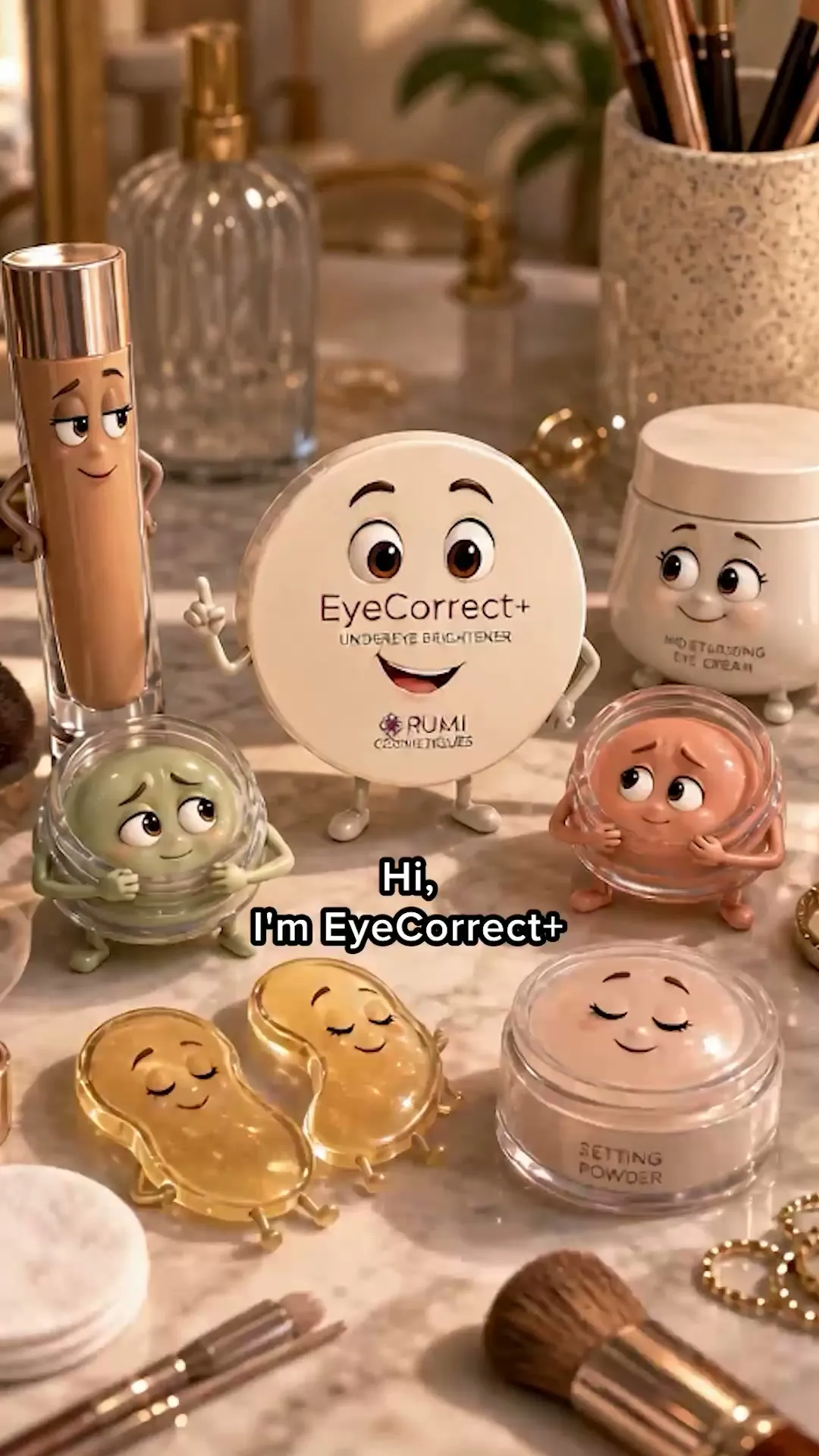
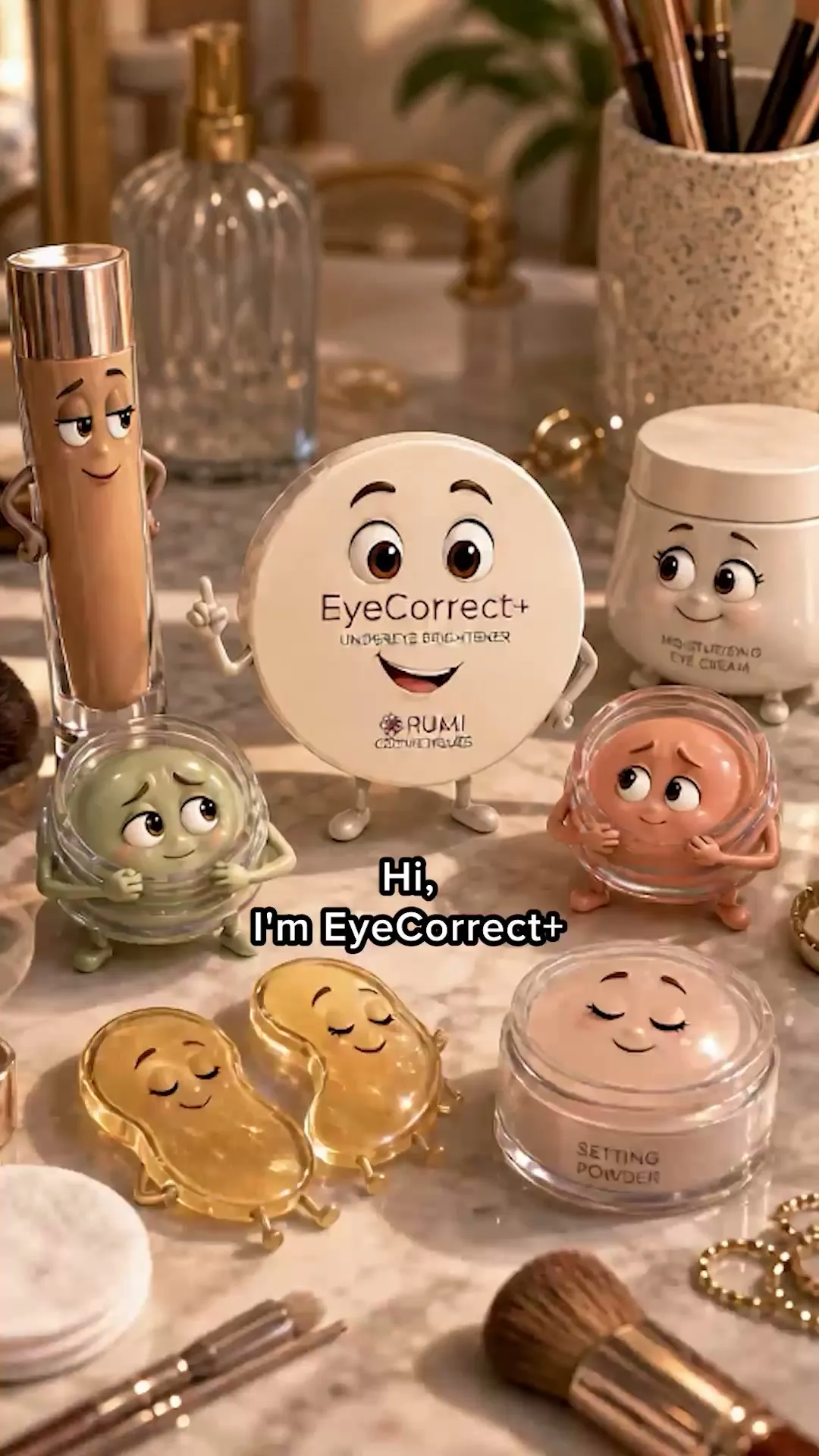
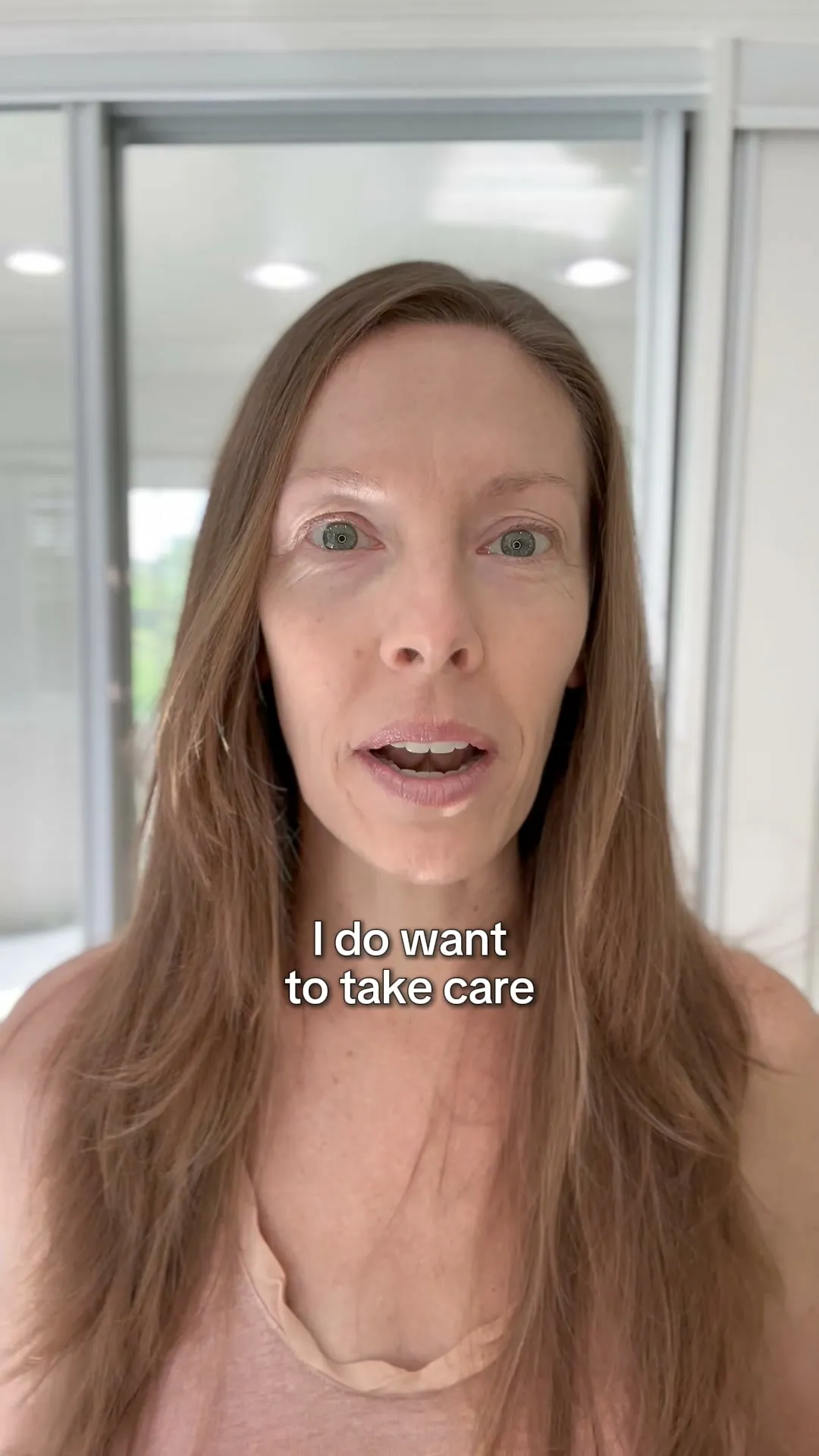
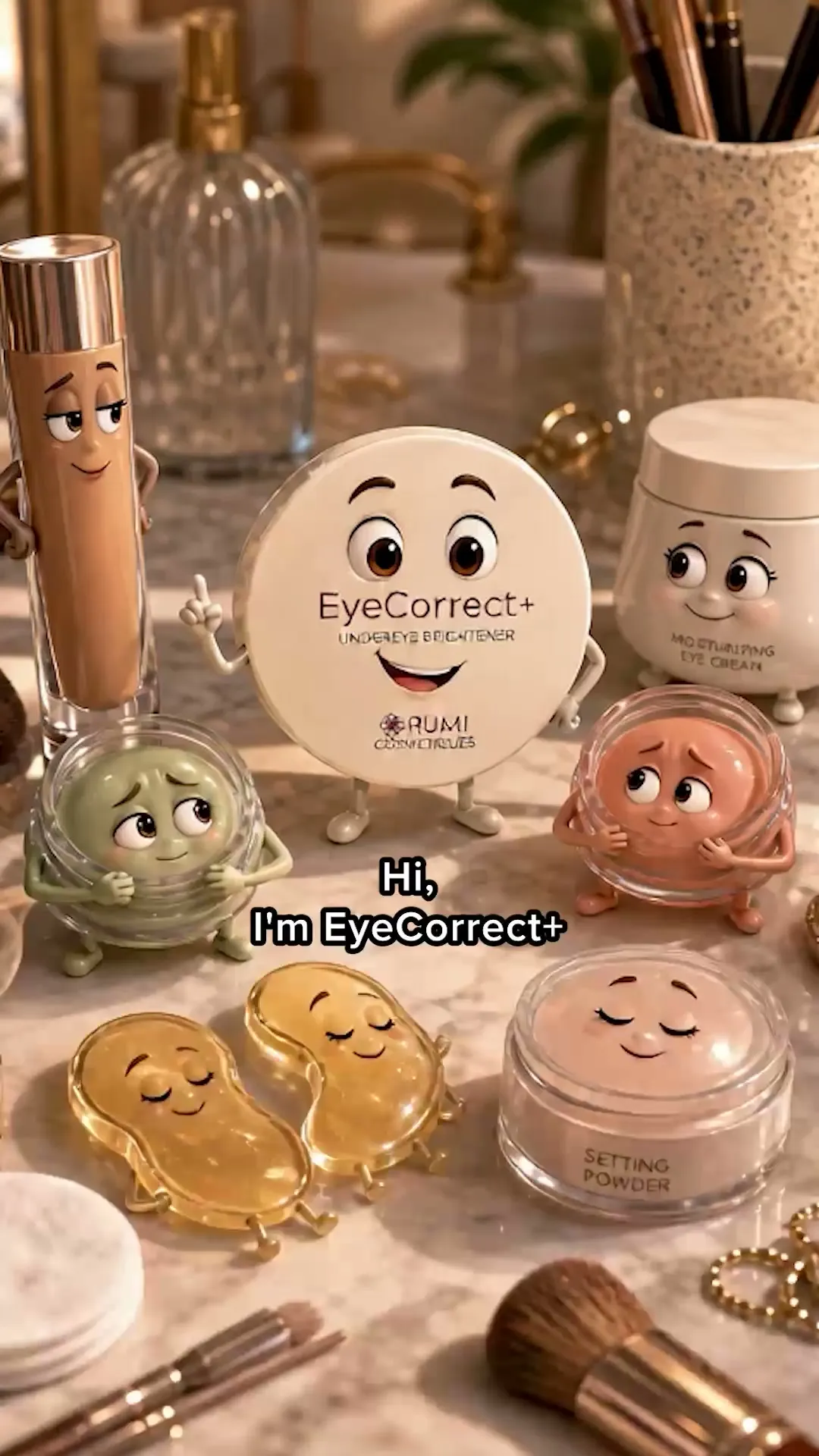
Please STOP layering more concealer under your tired-looking eyes after 50. I know that sounds insane — concealer is supposed to be the answer — but every time you swipe on another "full coverage" formula, dab on another "anti-aging" stick, or set it with another translucent powder, you're making the exact problem you're trying to hide look worse. And it has nothing to do with the concealer. It has nothing to do with your technique. It has nothing to do with your age. It has to do with something happening underneath the skin that no concealer in the world was ever designed to fix. I didn't know that for two and a half years. So I did what every woman I knew was doing. I tried harder. I stood in front of beauty counters letting twenty-somethings with flawless skin shade-match me under perfect store lights. I walked out with $45 concealers that looked beautiful in the mirror for twelve minutes before settling into every fine line I had. I bought the full-coverage "anti-aging" concealer everyone said would solve everything. It oxidized into a gray-orange cast by lunch and creased into wrinkles I didn't even know I had until concealer pooled into them. I tried the viral one every makeup influencer on Instagram swore was the holy grail. It might be — if you're 28. On me, it sat on top of my skin like dried clay. I looked like I'd taped beige construction paper under my eyes. I tried colored correctors. Peach ones that turned orange on my skin. Green ones that made me look ill. Yellow ones that did nothing. I tried a prestige corrector stick that's supposed to be a classic — it dragged across my under-eye skin and pulled at every fine line. I tried eye creams. Retinol. Caffeine. Vitamin K. Patches I wore overnight that I'd find stuck to my pillow in the morning. Cold spoons. Cucumber slices. A jade roller my sister gave me for my birthday. I tried more expensive products. The "magic" prestige corrector. The one with the cooling metal tip. The luxury eye concentrate that cost more than my weekly grocery bill. And my under-eyes kept looking worse. Not better. Worse. The shadows got deeper. The fine lines got more obvious every time I put concealer on. By 2pm my crow's feet were filling with product. I'd touch up midday and somehow look even more tired. I'd take it all off at night and stare at my face wondering when this happened — and why nothing I was doing was working. Here's what made it unbearable: I was 57 years old. I felt good. I was sleeping well. I'd just gotten back from a holiday. I was in a good place. But when I looked in the mirror, all I saw was exhaustion. Heavy under-eyes. Shadows I couldn't cover. Lines my makeup was making worse, not better. I started doing things I'd never done before. Angling my face away from overhead lights. Sitting on specific sides of restaurant tables. Asking people to retake photos and pretending it was the lighting. Avoiding the front-facing camera at all costs. I stopped going out to lunch with my old friends for four months because I couldn't bear the way the sunlight hit my face by the window. I told them I was busy. I wasn't busy. I was hiding. The worst part? My husband would say, "You look beautiful," and I'd want to scream. Because he genuinely couldn't see what I saw every single morning. And every photo my daughter posted of us, I'd zoom in on my own face and feel my stomach drop. "Mum, you look great," she'd say. "Why do you always hate the photos?" Because I didn't look great. I looked tired. Tired in a way that no amount of sleep, no amount of water, no amount of expensive concealer could fix. Tired in a way that made strangers ask if I was okay. Tired in a way that didn't match how I actually felt inside. The breaking point was a Saturday at a beauty counter. The girl matched me to three different concealers. They all looked terrible. She kept saying, "It just needs to settle." I knew what "settle" meant. It meant crease. It meant cake. It meant another $50 down the drain. I drove home and cried for half an hour in my driveway before I could go inside. That night I went to dinner at Helen's house. Helen Marsh has been one of my closest friends for thirty years. She's also a dermatologist. She's spent her entire career looking at women's skin under bright clinical lights and explaining things their beauty counter never bothered to. I'd been hiding the worst of it from her for months. But that night, after two glasses of wine, I just broke. The concealers. The money. The hiding from photos. The driveway crying. Helen put her wine down. "Love," she said, "you're not solving a makeup problem. You're trying to use makeup to fix something that's happening underneath the skin." I stared at her. She walked me into her kitchen, sat me under the overhead light, and tilted my chin up. "Look at the shadow under your eye," she said. "What color is it?" "It's... dark? Bluish?" "Blue. With some purple. Now look at the rest of your face. Anywhere else have that tone? No. Because that color isn't pigment. It isn't a stain on the surface. It's not something a skin-coloured concealer can ever cover. That color is the blood vessels and muscle underneath your skin showing through." She pulled out her tablet and showed me a cross-section diagram of under-eye anatomy. "The skin under your eyes is already the thinnest skin on your entire body. Roughly half a millimeter. Less in some women. Underneath it sits a network of small blood vessels and the orbicularis muscle, which has a natural blue-purple tone." She zoomed in. "After 40, two things happen. First, collagen production naturally slows — your skin is producing roughly 1% less every year. And second, for most women, perimenopause and menopause accelerate that decline because estrogen plays a major role in maintaining skin thickness. Skin that was already thin becomes thinner. More translucent. And what's underneath — those blood vessels, that muscle — starts showing through more clearly." I sat there with my wine going warm in my hand. "So the darkness under my eyes…" "…isn't darker pigment. It's the same vascular tone you've always had. You're just seeing more of it through thinner skin. That's why your concealer has stopped working. You're not trying to cover a dark patch on the surface. You're trying to cover something that's visible from underneath the surface. No skin-colored concealer in the world is designed for that. It's an anatomy problem, not a makeup problem." For the first time in two and a half years, something in my chest unclenched. Because if the problem was a visibility issue caused by skin that had genuinely changed — not a covering issue caused by me picking the wrong concealer — then everything I'd been blaming myself for finally made sense. That's why every concealer I'd ever tried had failed. Drugstore, mid-range, prestige — every one of them was a skin-tone pigment trying to disguise something behind the skin. It was like trying to paint over a damp patch on a wall. The damp always comes through, because the damp isn't on the wall. It's behind it. I asked Helen what could actually help. She said the only approach that makes a visible difference for vascular under-eye shadow is color neutralisation — and you have to do it before you ever reach for concealer. "Blue and purple sit directly opposite pink on the colour wheel," she said, pulling it up on her phone. "So the way to make blue stop being so visible isn't to bury it under beige. It's to lay a thin pink layer over it that visually cancels the tone at the surface. Once you've neutralised it, the under-eye looks brighter — and you barely need concealer at all. Often you don't need any." She told me this is the step makeup artists working on mature skin have been doing for decades. The reason almost no woman over 40 has ever heard of it is simple: concealer brands don't make money telling you you need less concealer. "Most pink correctors on the market are either too dry for thinning skin or need too much technique," she said. "I've been waiting for somebody to make one specifically for the kind of skin women actually have after 45. Thinner. Drier. More delicate. Less forgiving." A few weeks later she texted me a photo. A small white compact with a soft pink cream inside. "My daughter sent me this," she said. "It's a pink under-eye brightener made specifically for mature skin. Try it before you buy another concealer." The brand was Rumi Cosmetiques. I'd never heard of them. When I looked them up, I found they'd been making cosmetics specifically for women over 40 for years. 170,000+ customers. 4.8 stars. Their whole positioning was that they make makeup for the skin women actually have now — not the skin they had at 25. The product was called EyeCorrect+ Undereye Brightener. It wasn't a concealer. It was a pink-tinted color-correcting brightener designed to neutralize the blue and purple tones in thinning mature under-eye skin — exactly what Helen had described that night. Pink tint to neutralise the blue at the source. Creamy, skin-like texture made specifically for thinner, drier under-eye skin that doesn't tolerate heavy product. Could be worn alone for a natural look, or under a tiny amount of concealer for fuller cover. Fragrance-free. Dermatologist-tested. Tailored for mature women. The reviews stopped me cold. Real women in their 50s, 60s, 70s. One said, "I always look like I haven't slept in days but this is the only thing that makes me look human again." Another said her daughter thought she'd gotten fillers. A 77-year-old wrote, "I'm 77 years old and I needed this." I read every review. There were "I've tried so many concealers" reviews that read like they'd been written about me. I was skeptical. God, was I skeptical. I'd spent hundreds on concealers, correctors, eye creams, and patches that promised the world and delivered another disappointment. The idea of trying one more thing genuinely made me feel sick. But there was a deal running that made the decision easier: Buy 2, Save 32% — about $21 per compact in the 2-Pack. Less than a single drugstore concealer that didn't work. And they had a 30-day money-back guarantee. If it didn't work, I'd get my money back. For the first time, I wasn't actually risking anything. I went for the 2-Pack. Not because I was confident — but because Helen had said something else that stuck with me: "If it works, you'll want one in your bathroom and one in your bag. Trust me. You won't want to be without it." I ordered it on a Tuesday. It arrived Friday. The first thing I noticed was how different it felt from concealer. It was creamy — actually creamy, not "creamy" in the way concealer brands lie about. It glided. No tugging. No dragging at the delicate skin Helen had spent half an hour explaining to me was already too thin to take any more abuse. I tapped it on with my ring finger the way Helen had shown me. It looked pink for about three seconds. Then I blended it. And the pink just… disappeared. What was left was a soft, brightened under-eye area that looked like skin. Not makeup. Skin. Just fresher. I stared at myself in the bathroom mirror. The blue-purple tint Helen had pointed out in her kitchen — the one I hadn't even consciously seen until she'd named it — was gone. Not covered. Gone. Neutralised. The shadow that had made me look exhausted for two and a half years had simply… stopped looking like a shadow. I went downstairs. My husband looked up from his coffee and said, "Did you do something different? You look really well." He'd never said that about any concealer I'd ever worn. Not once. Because every concealer I'd ever worn made me look like I was wearing concealer. This made me look like me. Just rested. The second week, I stopped wearing foundation on most days. I just didn't need it the way I used to. The under-eye brightness changed the whole feel of my face. The third week, I went to lunch with my old friends — the ones I'd been hiding from for months. Sarah grabbed my arm and said, "What are you doing? You look amazing. Did you have something done?" I laughed and pulled the little white compact out of my bag. By the fourth week, I'd run out of the first compact and started on the second. (Helen was right. I never wanted to be without it. The first one lived in my bathroom. The second one lived in my bag.) By the end of the second month, I started getting compliments from people I barely knew. The receptionist at my dentist's office. The woman at the coffee shop. "You look so well lately." "Have you been on holiday?" "What are you doing differently?" I was doing one thing differently. One forty-five second step in the morning. That was it. It's been four months now. I'm not going to lie and tell you my under-eyes look like they did at 32. They don't. I'm 57. My skin is the skin of a 57-year-old — and Helen has spent enough dinners reminding me that thinning skin is a normal, healthy part of being a grown woman. But I don't look tired anymore. I don't look worn down. I don't avoid photos. I don't dread overhead lighting at restaurants. I don't cry in beauty counter parking lots. The face I see in the mirror finally matches the woman I feel like inside. And I haven't bought a single new concealer since. I still keep one — a simple drugstore one, of all things — in a drawer for occasional days when I want a bit more cover for a special event. But here's the kicker: when I do use it now, it goes on smooth. It doesn't crease. It doesn't cake. Because the vascular shadow underneath has already been neutralised, the concealer doesn't have to work nearly as hard. I need a fraction of what I used to. The pink tint does the real work first. If you're reading this and you see yourself in my story — if you've spent years trying every concealer on every shelf and watching them all fail you by lunchtime — I need you to hear something. It's not your skin. It's not your technique. It's not your age. It's the approach. You've been trying to cover something that lives underneath your skin with a product designed to sit on top of it. That has never worked and it will never work, no matter how expensive the concealer is or how skilled you are at applying it. The problem isn't coverage. The problem is that your under-eye skin has naturally become thinner with time — like every woman's does — and the blue-purple tone of the blood vessels underneath has become more visible. You can't cover that. You can only neutralise it. And the moment you neutralise the color first — with the right pink tint, in a formula designed for skin that's actually changed — you stop needing to hide anything. You just look brighter. Fresher. More like yourself. I wasted hundreds of dollars and two and a half years of avoiding photos trying to solve the wrong problem. The actual answer was a 45-second pink-tint step that no beauty counter ever bothered to tell me about — because they're not in the business of telling you you need less concealer. Right now, EyeCorrect+ is running the 2-Pack offer at 32% off — about $21 per compact. Two compacts. One for your bathroom. One for your bag. (Trust me. You'll want both.) To put that in perspective: I spent more on a single prestige concealer that creased than the entire 2-Pack of EyeCorrect+ costs per compact. I spent over $40 on the viral one that turned to dried clay on my face. I spent more on one disappointing concealer than I'm spending on each of these — and the EyeCorrect+ actually works. And it comes with a 30-day money-back guarantee. Use it for a full month. If it doesn't make your under-eyes look brighter and fresher, you get your money back. No questions. Not another tube of disappointment sitting in your makeup drawer. I'm not a dermatologist. I'm not Helen. I can't promise it'll work for your specific under-eyes. But I can tell you what happened to me. And I can tell you that if you've spent years buying concealer after concealer and they all keep failing you in the same way, maybe the issue isn't which concealer to try next. Maybe the question is: am I trying to cover something that's actually living underneath my skin? For me, answering that question changed everything. Click below to see EyeCorrect+ and the pink-tint method that finally made the difference. You don't have to accept tired-looking eyes as "just part of getting older." You just have to stop covering, and start correcting.
More from Tricia Jenner
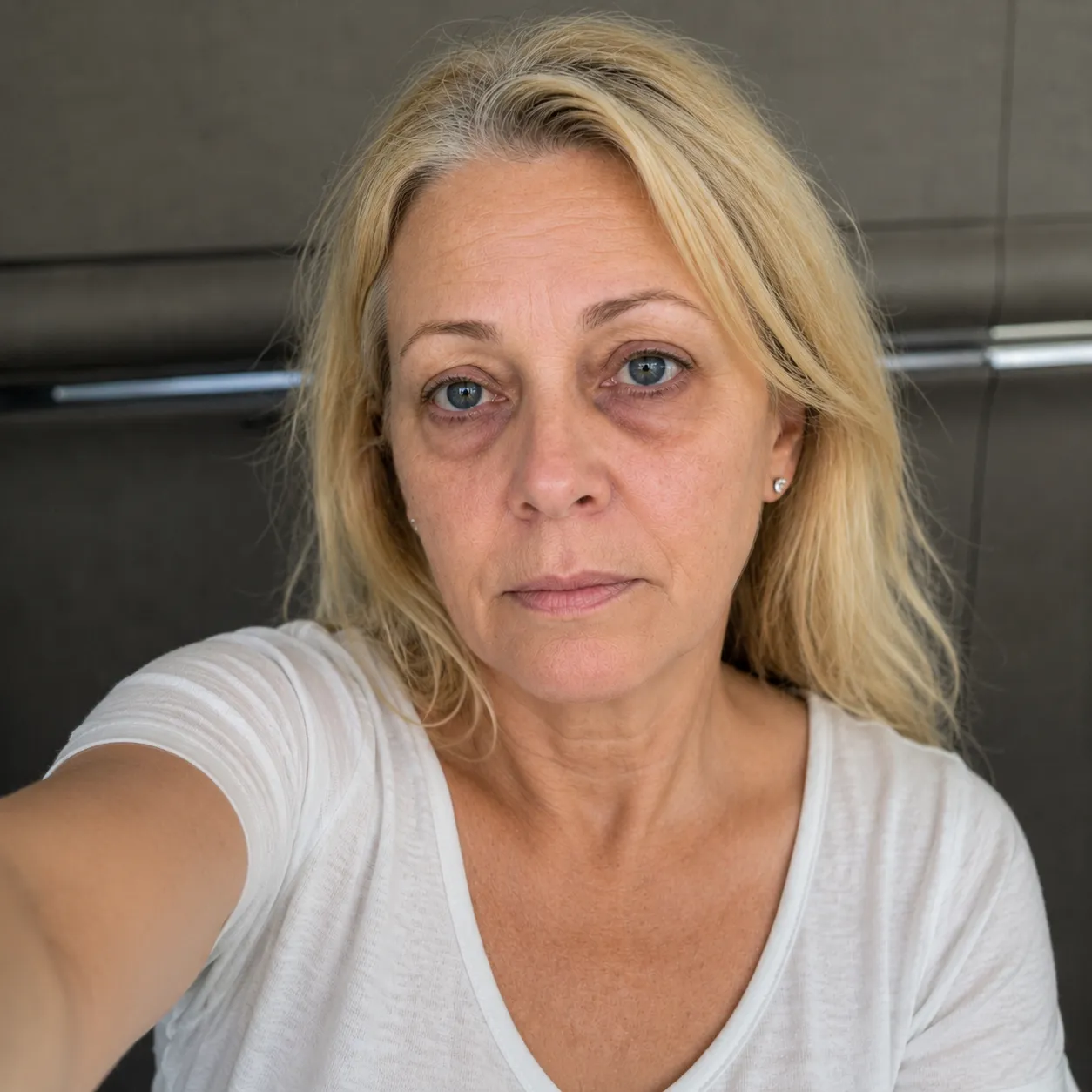
The Under-Eye Fix You've Been Missing
Tricia Jenner
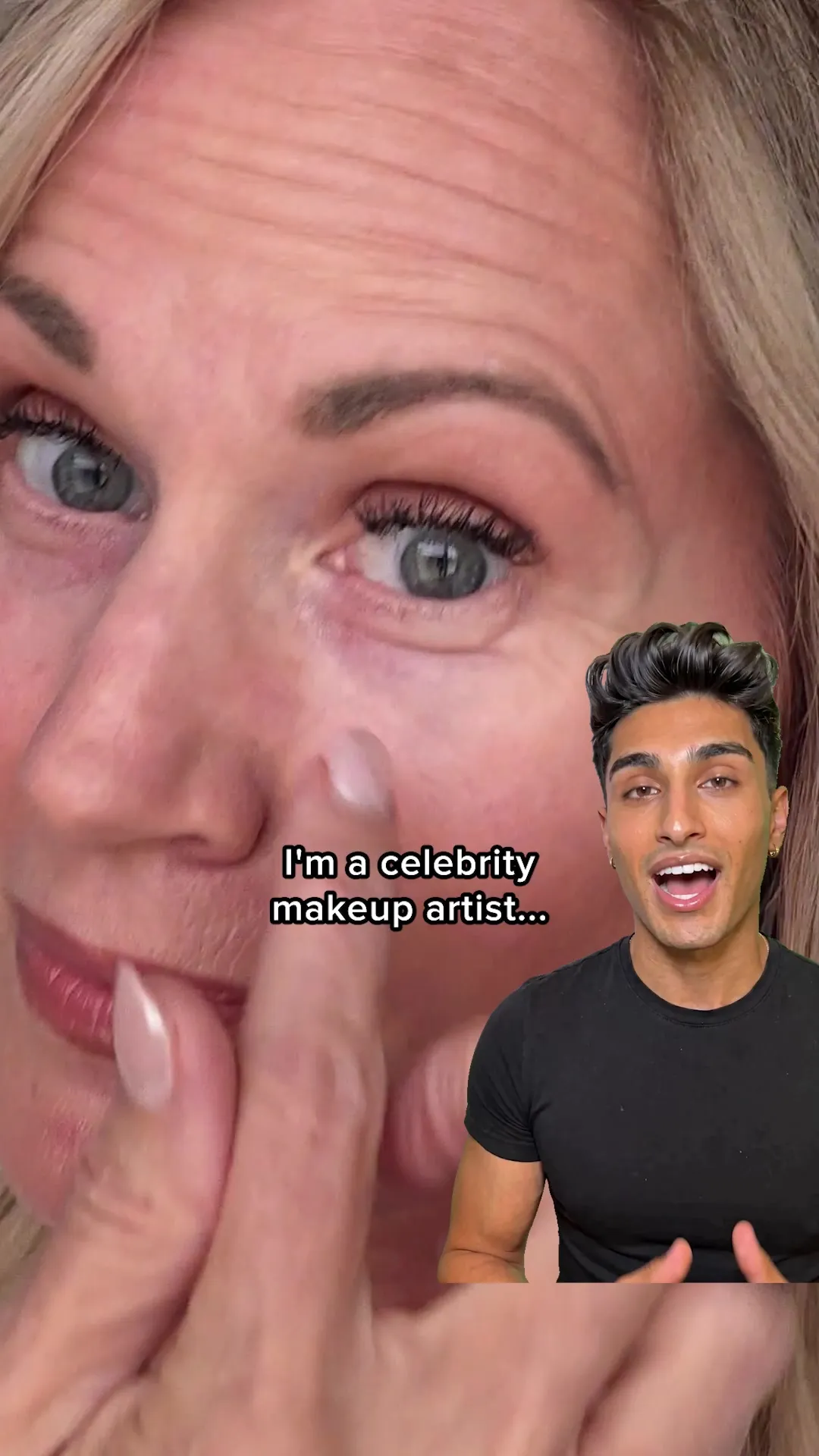
The Under-Eye Fix You've Been Missing
Tricia Jenner
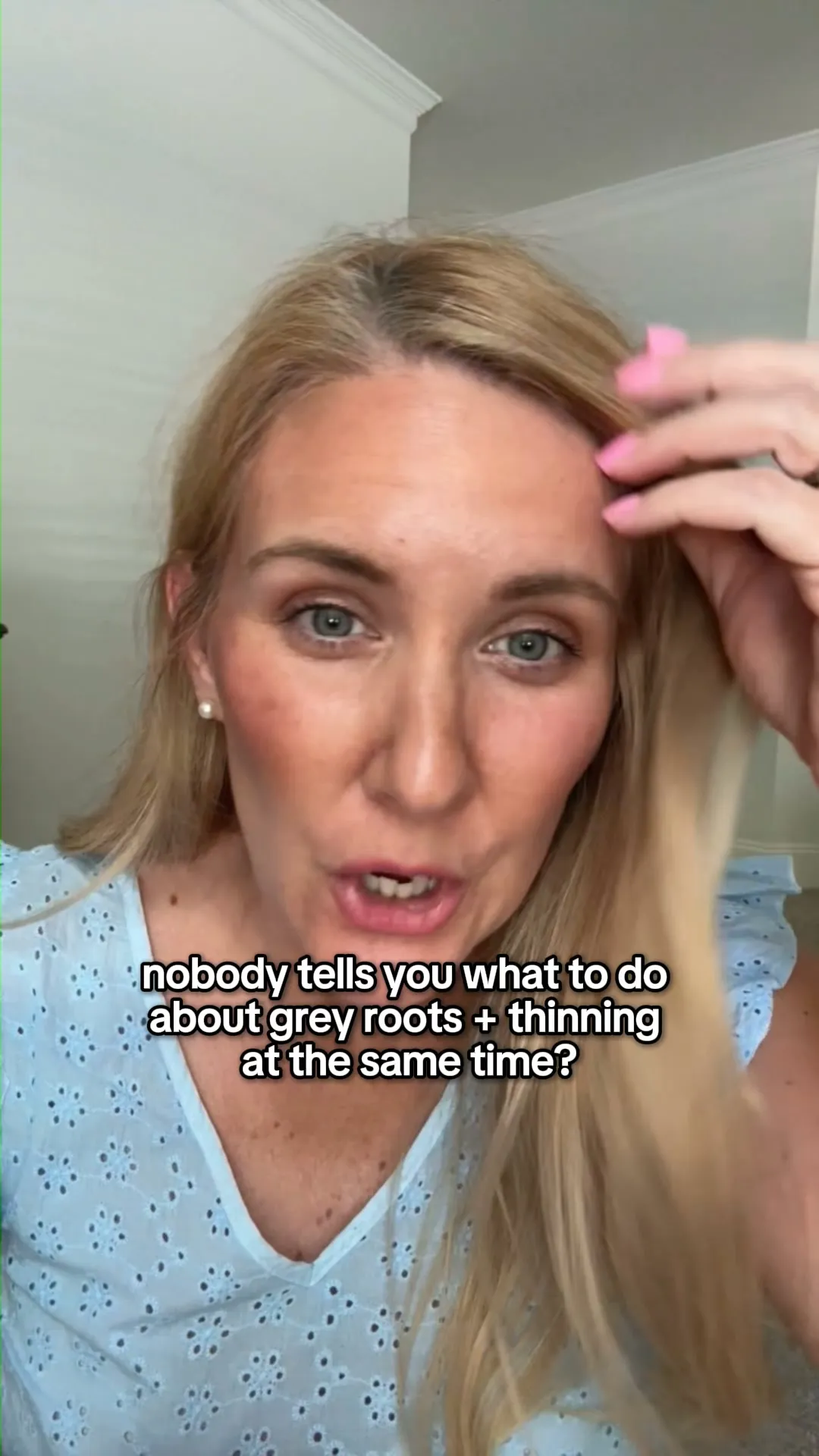
Hairline Powder For Gray Root Coverage
Tricia Jenner
The Under-Eye Fix You've Been Missing
Tricia Jenner
The Under-Eye Fix You've Been Missing
Tricia Jenner
The Under-Eye Fix You've Been Missing
Tricia Jenner

Hairline Powder For Gray Root Coverage
Tricia Jenner
The Under-Eye Fix You've Been Missing
Tricia Jenner
Hairline Powder For Gray Root Coverage
Tricia Jenner
The Under-Eye Fix You've Been Missing
Tricia Jenner
The Under-Eye Fix You've Been Missing
Tricia Jenner
The Under-Eye Fix You've Been Missing
Tricia Jenner

 Add to Chrome