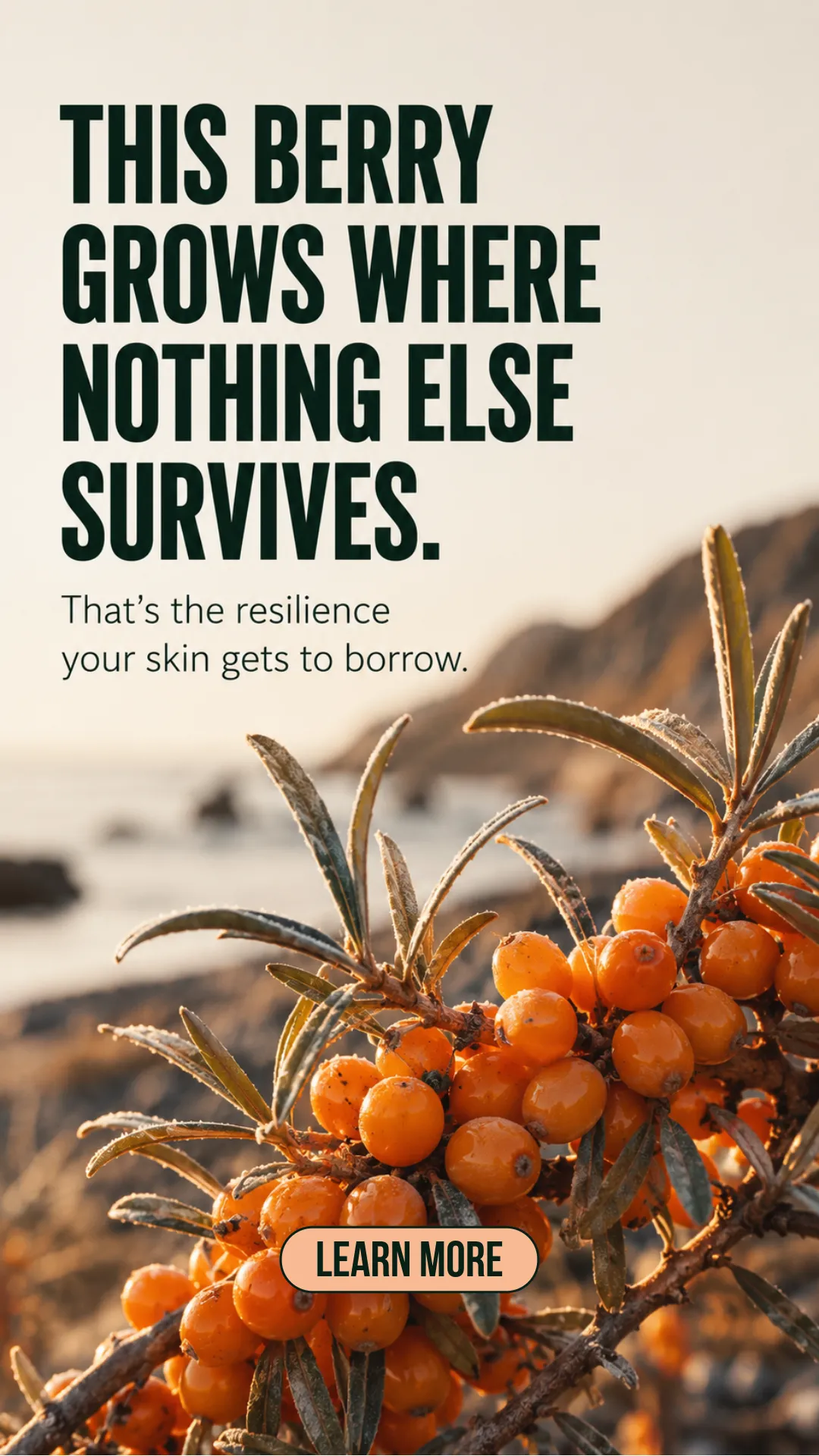
Stop sun spots at the source.
Ad Copy
Every summer, the same spots come back darker. The serums don't fade them because they were never designed for this. Most brightening actives target the surface. They bleach. They irritate. And irritation triggers the exact signal that tells your skin to produce more melanin, the opposite of what's needed. Here's what's actually happening: sun spots are melanin, skin's natural UV defense. In mature skin, melanin production doesn't switch off efficiently after sun exposure. It stays elevated, accumulates under the surface, and deepens over time. The problem isn't the pigment you can see. It's the biological instruction that keeps producing it. Targeting the surface without addressing that instruction is why the spots return every summer, often darker than before. Melanin production runs on a biological signal. That signal has an on-switch, and in mature skin, it rarely gets turned off. Most serums target the pigment you can already see. None of them address the instruction that keeps producing it. That chain is what needs to be interrupted, not the pigment itself. *Wild Arctic sea buckthorn works at that level. * Its omega-7 fatty acid inhibits the enzymes that control melanin synthesis, including tyrosinase, the protein that drives pigment production. When those are reduced, the instruction stops. Unlike synthetic brighteners, it showed no irritating effect on human skin cells in testing. Up to 16× the natural Vitamin C of an orange, in a form mature skin actually absorbs. The signal has a switch. This is it. See how it actually works → *Source: Yoon W.J. et al. (2010). Effect of palmitoleic acid on melanogenic protein expression in murine B16 melanoma. Journal of Oleo Science, 59(6): 315-319. PMID 20484837.*
More from Nordic Wellness Secrets
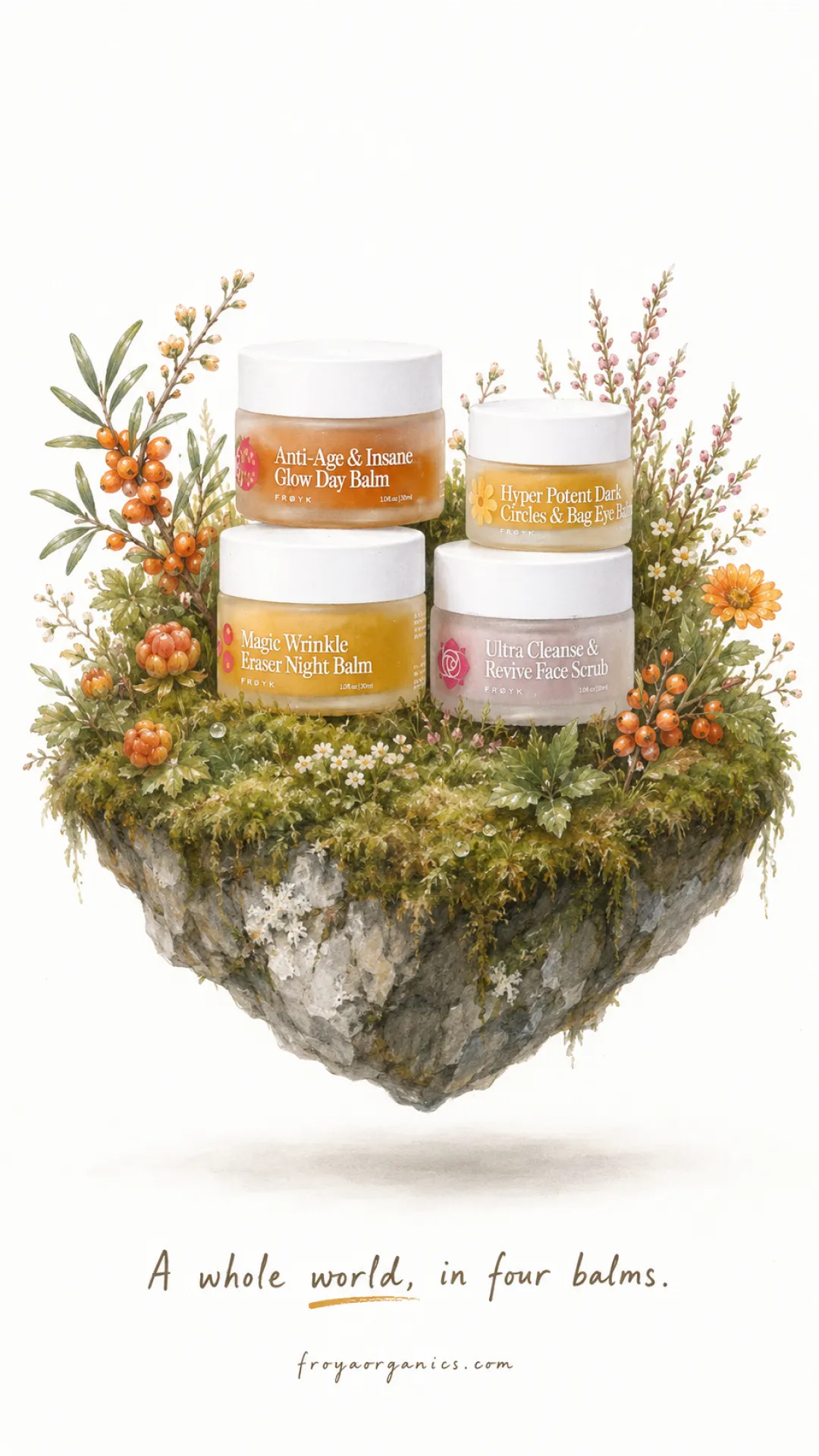
Perimenopause, menopause, or after, Frøya works for all three.
Nordic Wellness Secrets
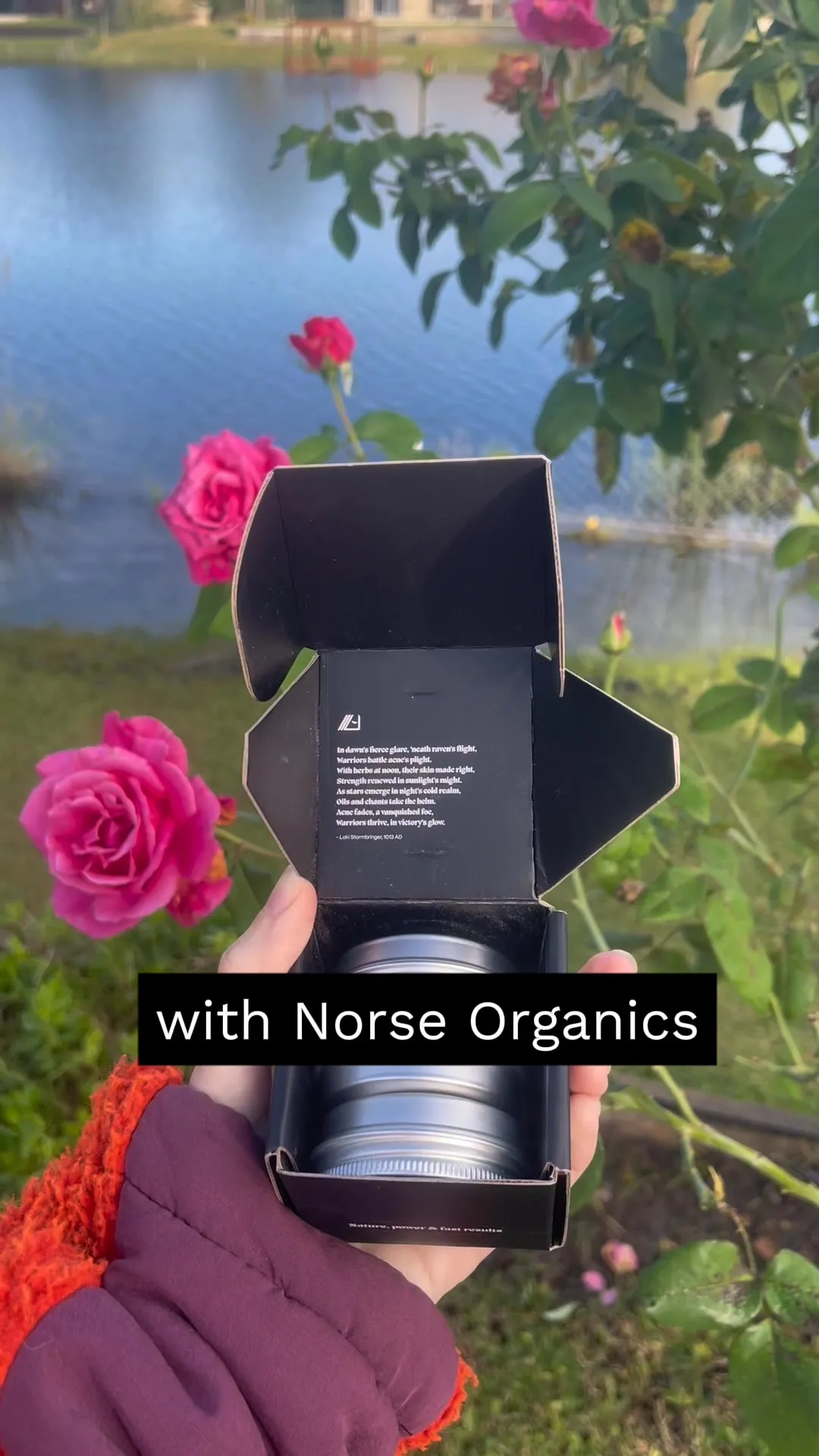
NOW: SAVE 40%🛍️
Nordic Wellness Secrets
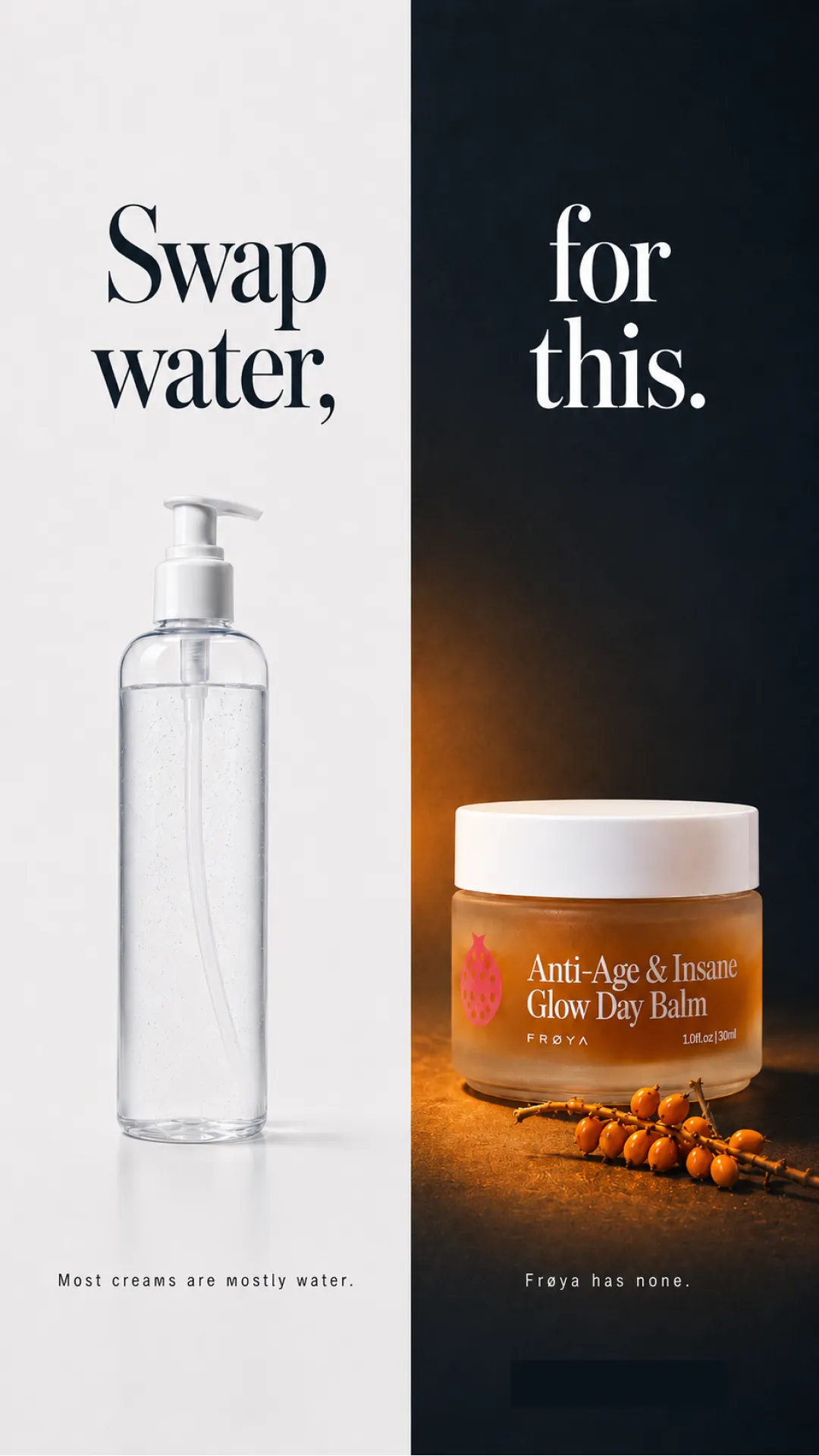
Stress is Aging You
Nordic Wellness Secrets
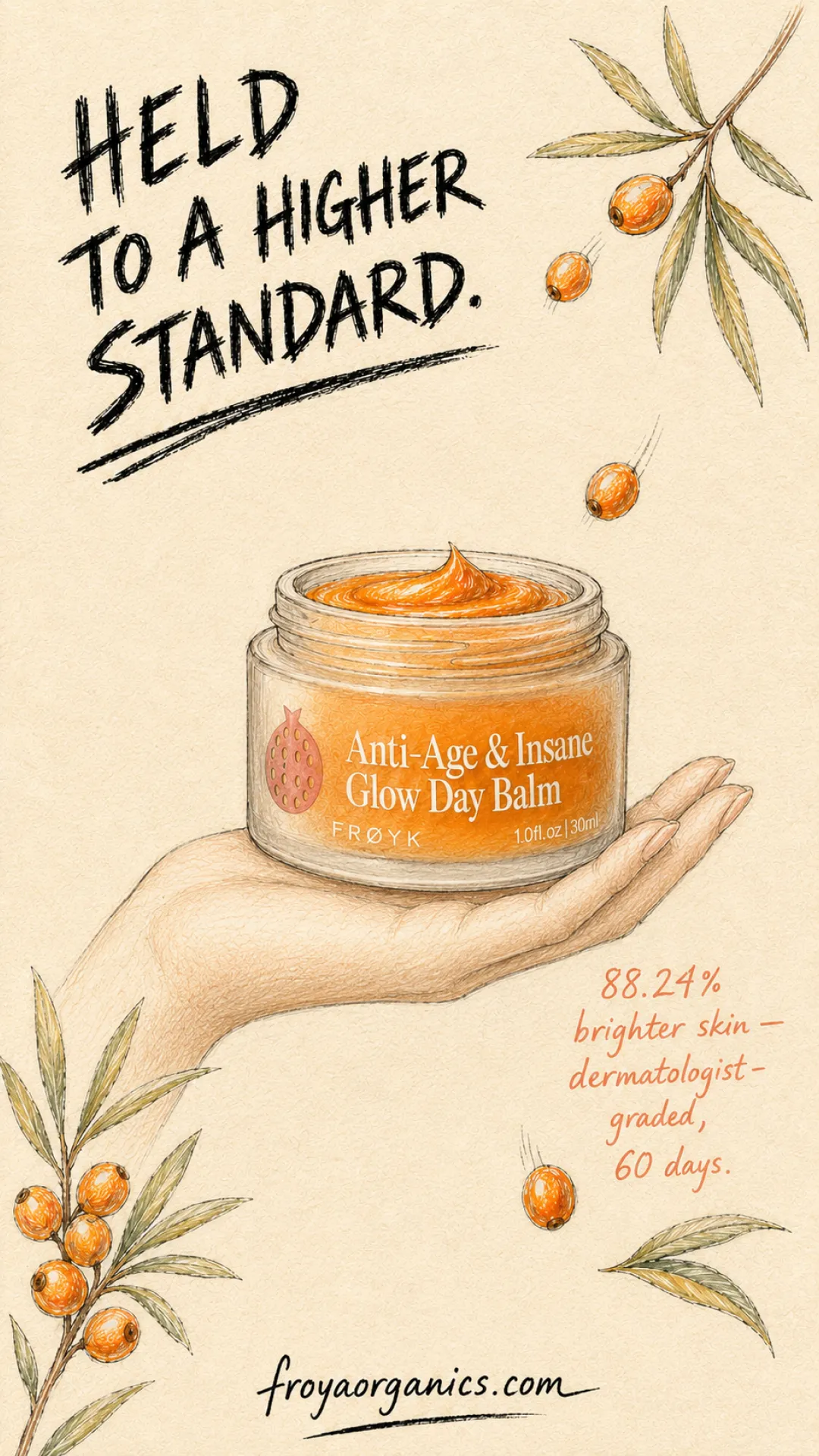
Arctic Formula, Clinical Proof 🔬
Nordic Wellness Secrets
Norway's Best-Kept Skincare Secret
Nordic Wellness Secrets
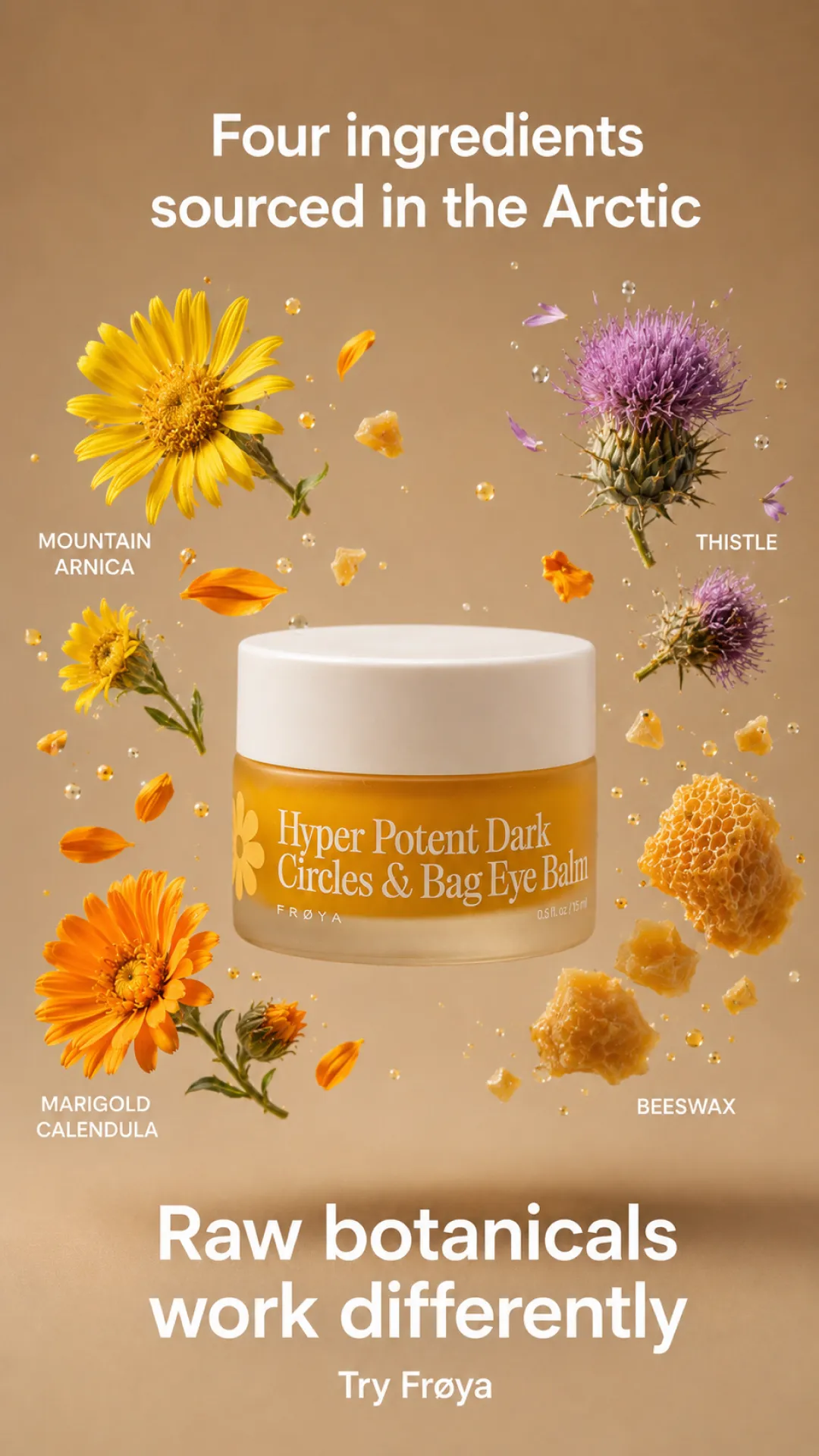
Arctic Formula, Clinical Proof 🔬
Nordic Wellness Secrets
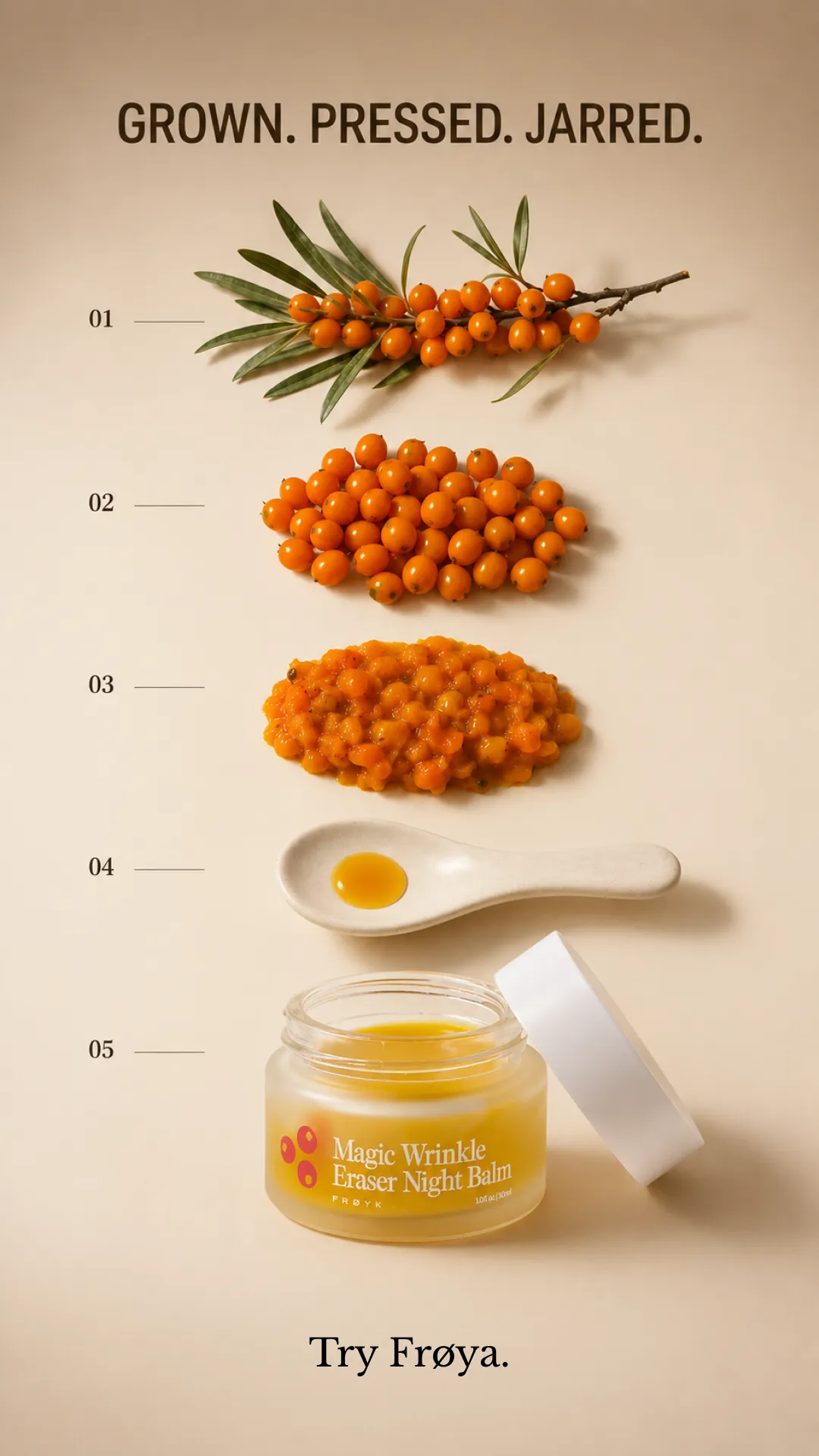
Perimenopause, menopause, or after, Frøya works for all three.
Nordic Wellness Secrets
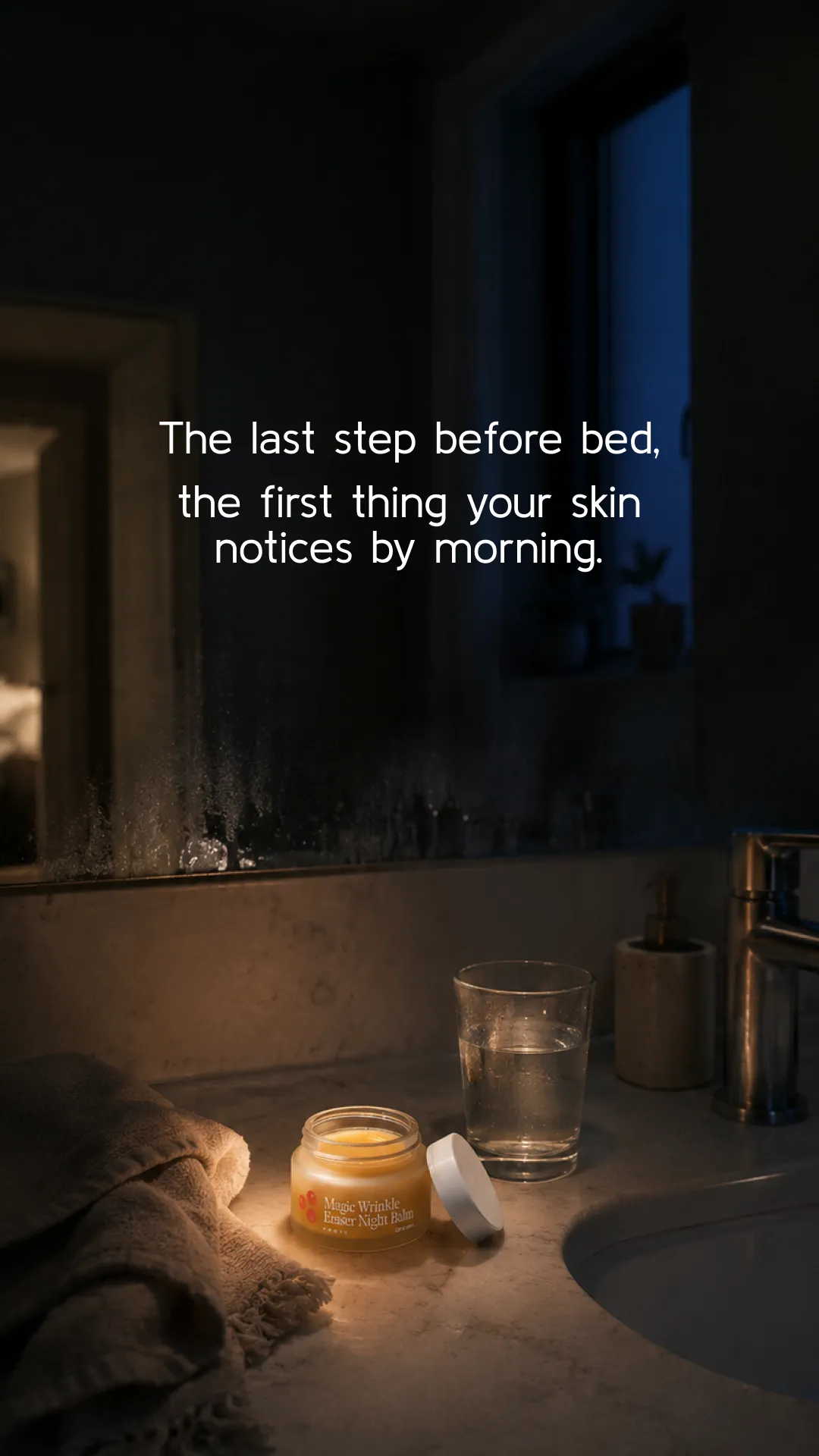
Perimenopause, menopause, or after, Frøya works for all three.
Nordic Wellness Secrets
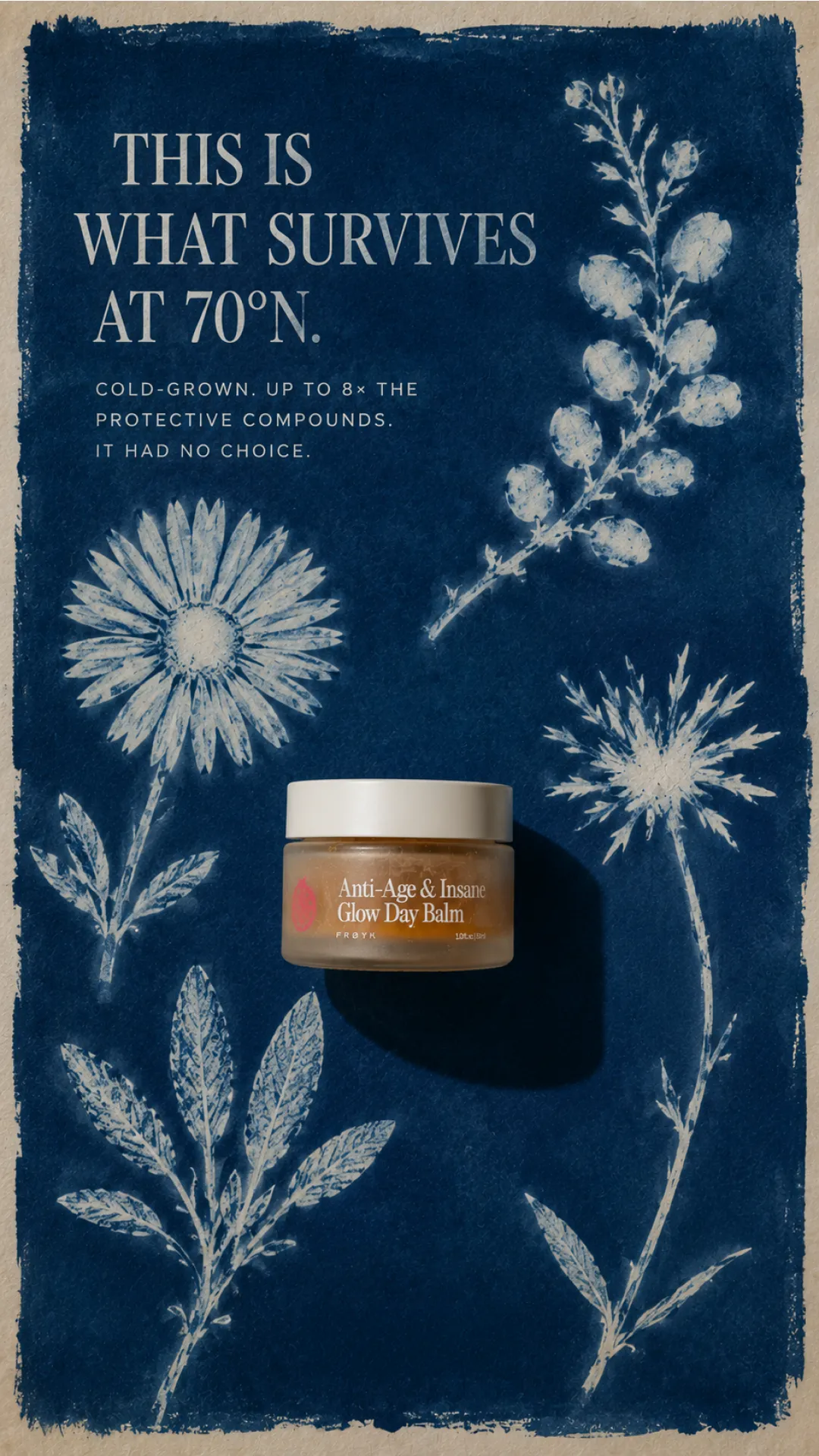
Perimenopause, menopause, or after, Frøya works for all three.
Nordic Wellness Secrets
Wild arctic plants. Nothing else.
Nordic Wellness Secrets
Redness & Itching GONE immediately
Nordic Wellness Secrets
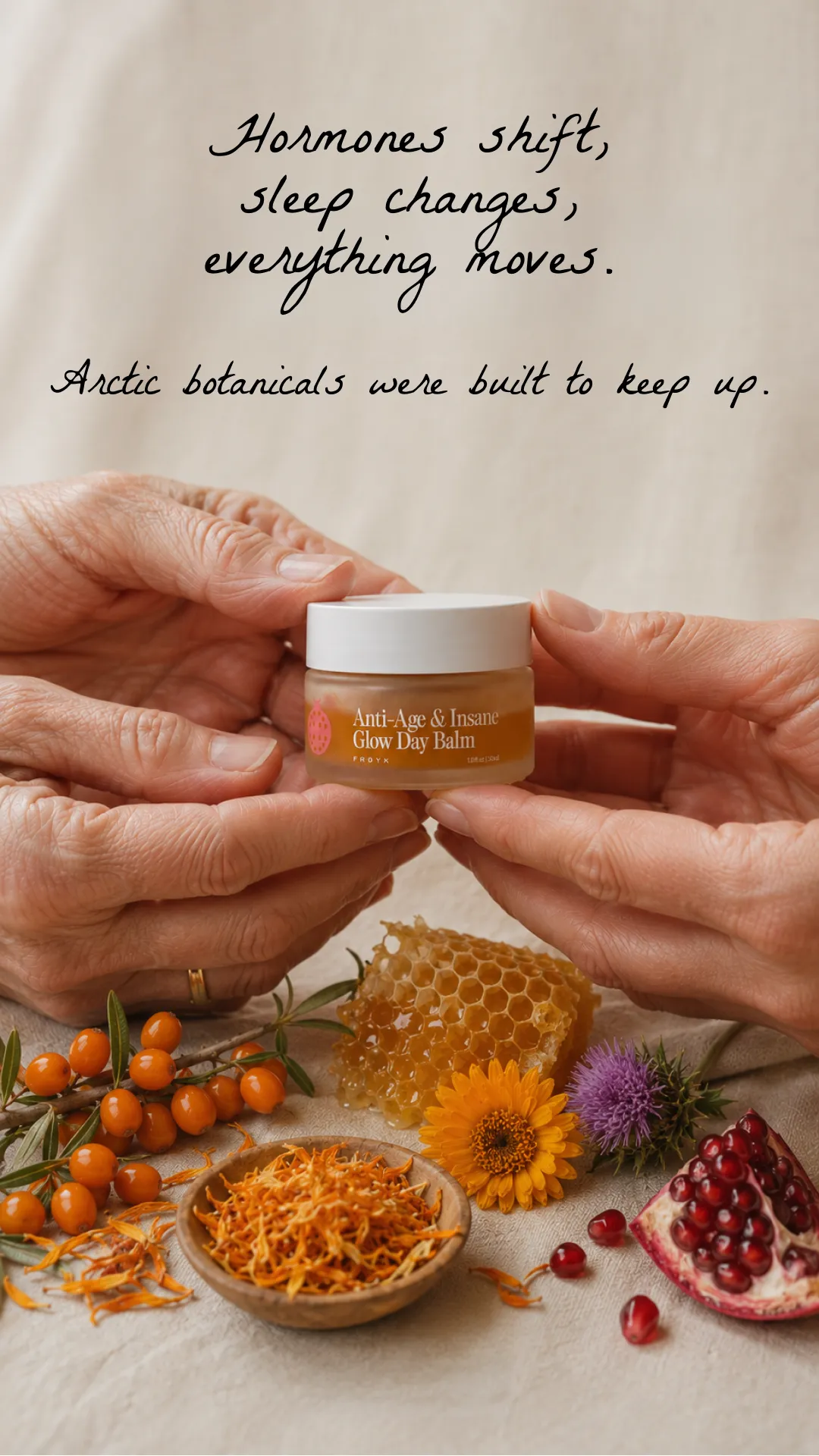
Perimenopause, menopause, or after, Frøya works for all three.
Nordic Wellness Secrets

 Add to Chrome