ADHD Support That Works
Ad Copy
“Dad… my teacher says I’m the problem.” My son said it in the car, staring straight ahead. No tears. No anger. I kept driving. My hands tightened on the wheel. “What do you mean?” I asked carefully. He shrugged. “She says I don’t listen. That I distract everyone. That I’m always doing something wrong.” He paused. “She said maybe I should try harder to be like the other kids.” I felt something drop in my chest. I’d known school was hard for him. Notes home. Meetings. “Concerns.” But I hadn’t realized it had crossed into something else. He started getting stomach aches in the mornings. Asked to stay home “just this once.” One day, I found a worksheet crumpled in the trash. On the top, in red pen, it said: “INCOMPLETE. AGAIN.” My child was shrinking. Here’s the part I didn’t want to admit: I was starting to see him the way his teacher did. As a problem to manage. A behavior to correct. The breaking point came a week later. He came home with a note saying he’d been moved to a desk by himself “to reduce distractions.” I asked how it felt. He looked at the floor and said, “Like I’m bad. Like everyone can see it.” That night, I didn’t look up discipline strategies. I didn’t search for study hacks. I searched: “Why is my kid not like others?” That’s how I found stories from other parents. Kids are labeled lazy. Kids are punished for symptoms. Kids who stopped believing in themselves. One sentence stopped me cold: “ADHD kids don’t fail school. School fails to understand ADHD kids.” Someone mentioned a short assessment. Not for kids, for parents. To understand how ADHD shows up in learning environments, and how to advocate instead of blame. The results explained everything. Why was being called out in front of the class so upsetting to him? Why did long instructions make him freeze? Why isolation felt like punishment, not help. He wasn’t misbehaving. He was being overwhelmed and misunderstood. I stopped defending the system and started defending my child. I asked for a meeting. I brought clarity instead of apology. Specific supports instead of vague promises to “work on it.” At home, I changed too. We stopped equating school struggles with effort. We talked about how his brain works: fast, creative, sensitive to pressure. I told him, “There’s nothing wrong with you. Some adults just don’t understand yet.” Week by week, things shifted. Not perfectly. But noticeably. A month later, his teacher emailed. “He’s participating more,” she wrote. “He seems more confident.” What helped us wasn’t fighting the teacher. It wasn’t forcing my child to adapt. It was understanding ADHD deeply and changing the environment around it. The thing that guided me is an ADHD Challenge. Short daily guidance. Clear explanations. Real advocacy tools. Fifteen minutes a day. My child isn’t “fixed.” But he knows now that his brain isn’t the problem. And that knowledge changed everything. Take the quiz. Three minutes. It might be the moment your child stops surviving school and starts feeling safe enough to learn again.
More from Rachel Williams
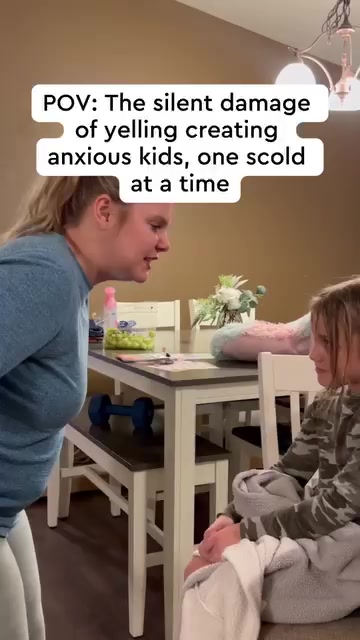
Join the 28-Day No-Yelling Challenge now!
Rachel Williams
Feel Like Giving Up? Try This First.
Rachel Williams

Potty Training Without the Pain 😌
Rachel Williams
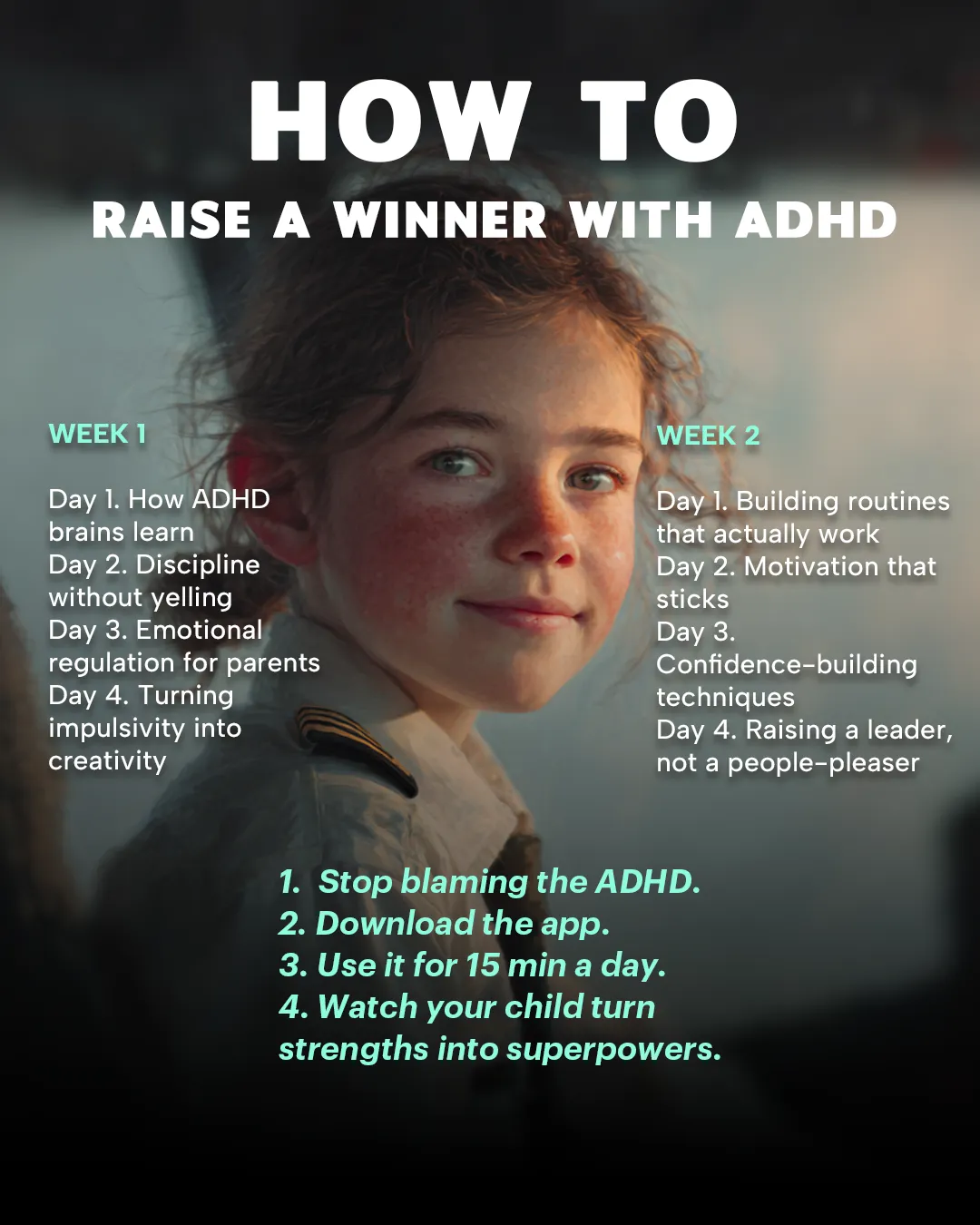
ADHD Support That Works
Rachel Williams

Feel Like Giving Up? Try This First.
Rachel Williams
Feel Like Giving Up? Try This First.
Rachel Williams
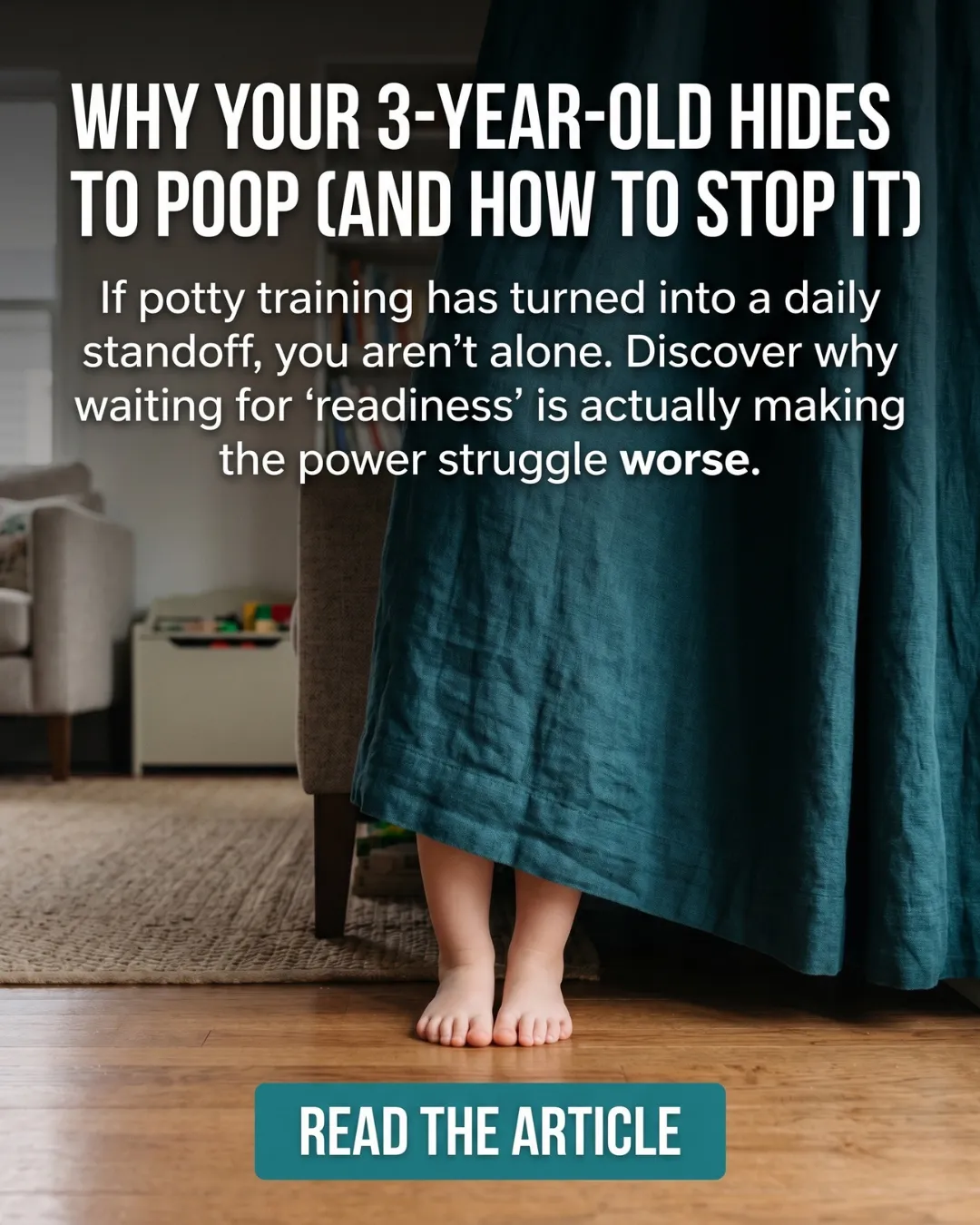
Potty Training Without the Pain 😌
Rachel Williams
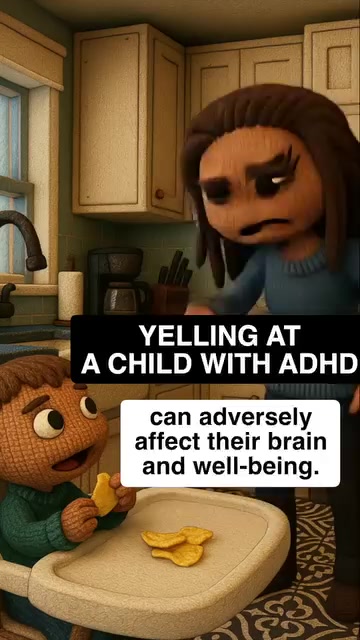
Join the 28-Day No-Yelling Challenge now!
Rachel Williams
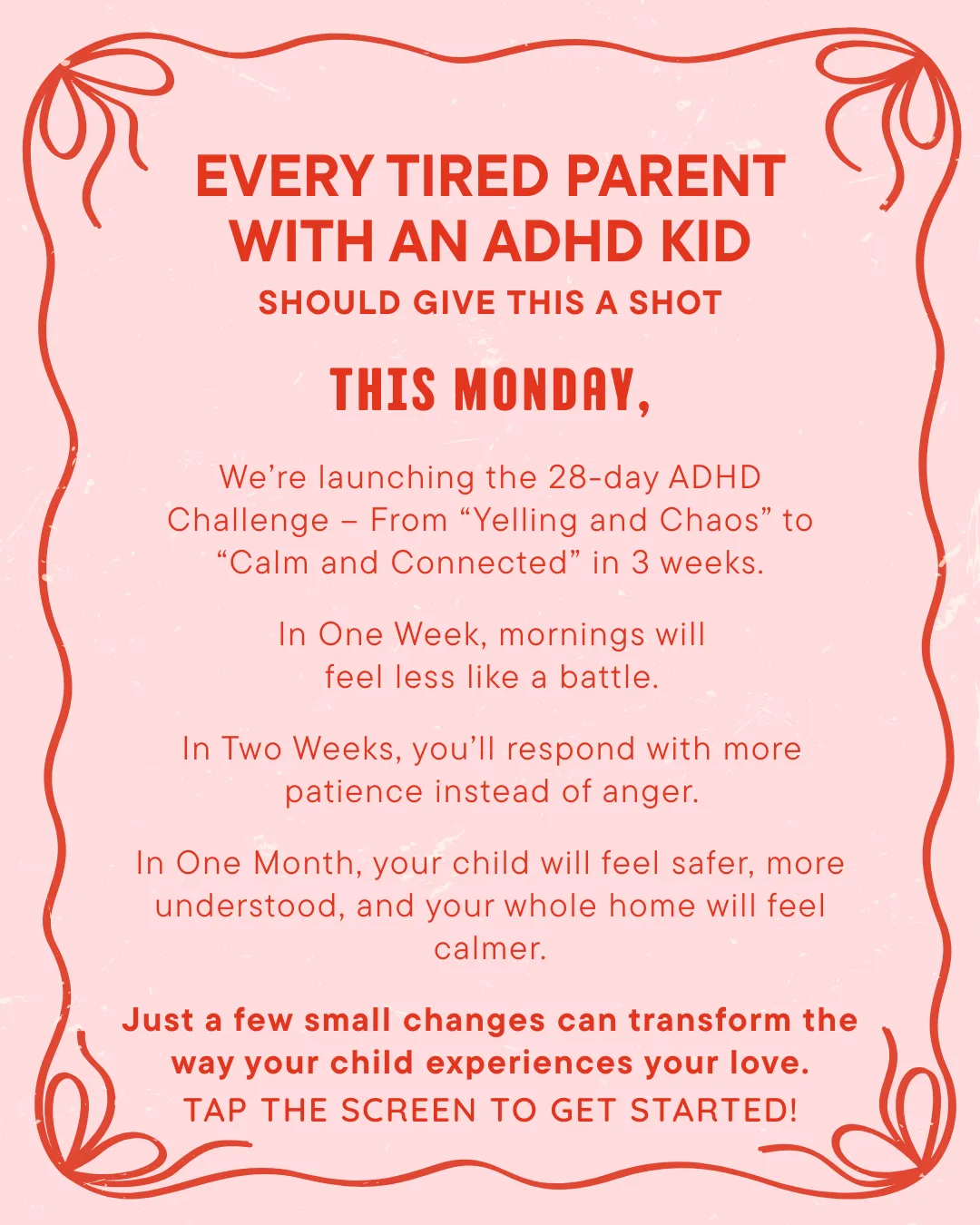
ADHD Support That Works
Rachel Williams

Feel Like Giving Up? Try This First.
Rachel Williams
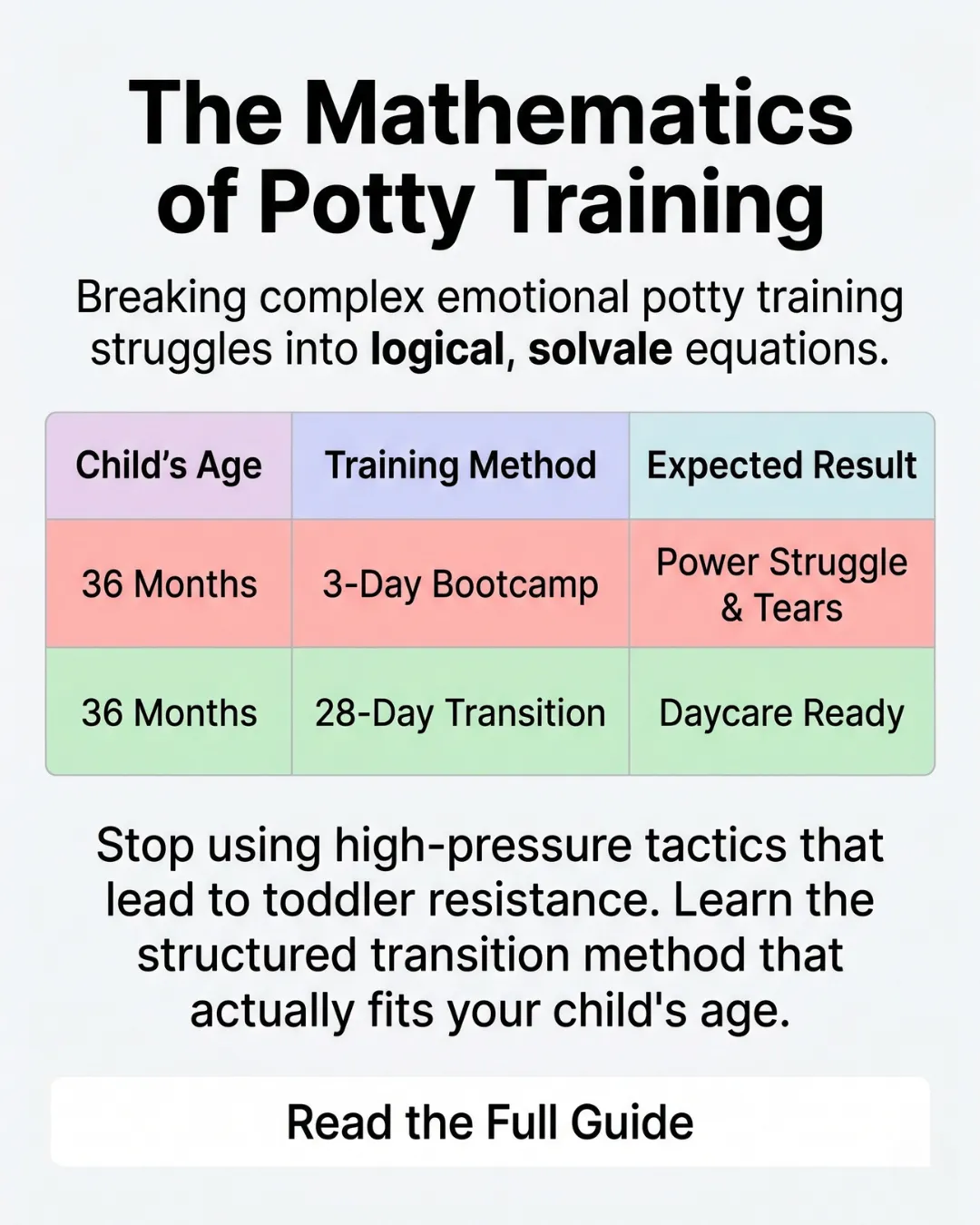
Potty Training Without the Pain ✅
Rachel Williams
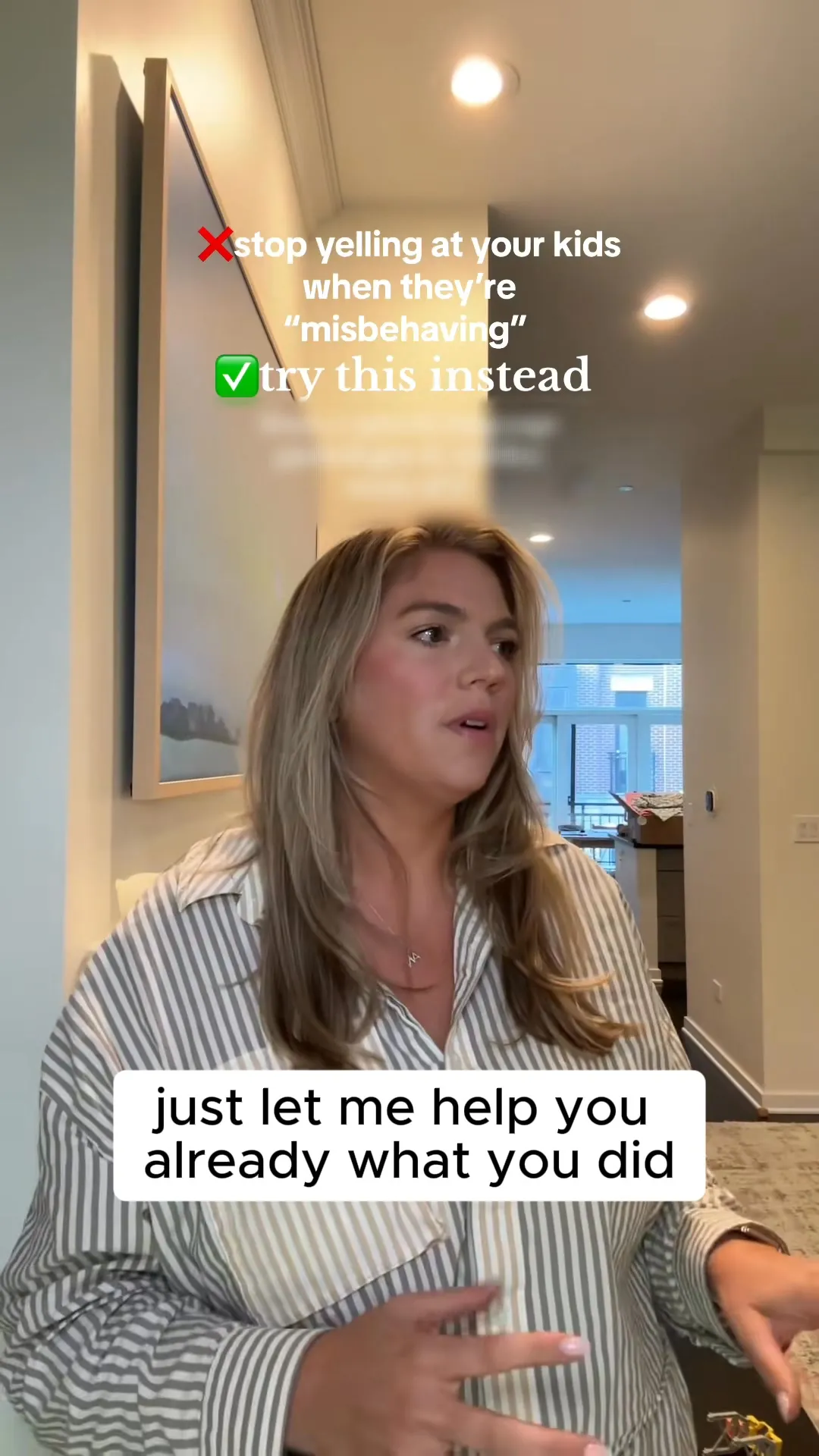
Join the 28-Day No-Yelling Challenge now!
Rachel Williams

 Add to Chrome