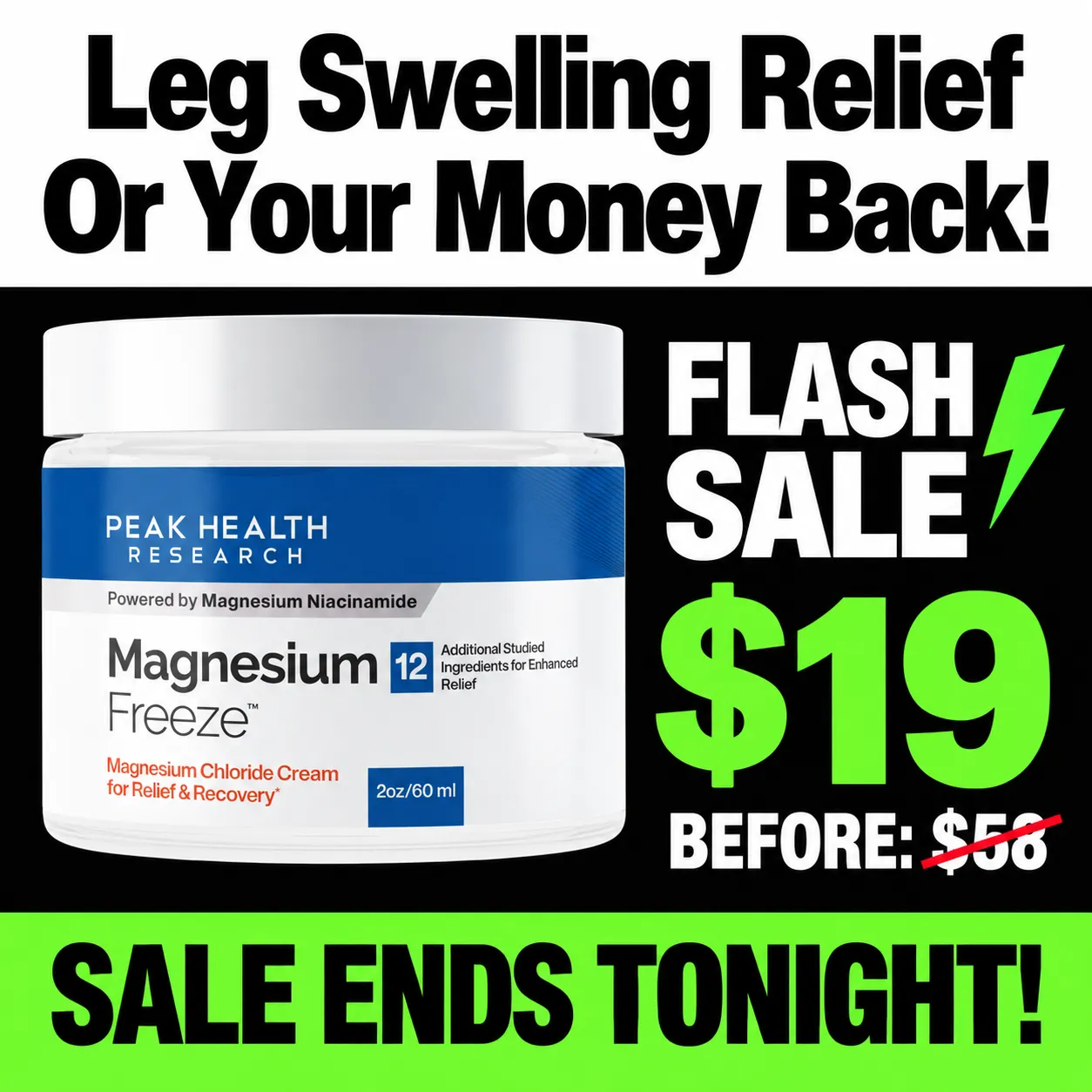
1 mineral for edema swelling "in a league of its own"
Ad Copy
What happens if someone over 60 with with edema swelling rubs MagnesiumFreeze cream on their feet, legs, or ankles? Day 1. You look down at your ankles at the end of the day. Puffy. Heavy. Your socks have left deep rings around your skin. Maybe your shoes barely fit. For years, you've probably been told the same things: Wear compression socks. Put your feet up. Cut back on salt. Maybe even take a water pill. But here's the part almost nobody explains: Fluid retention is a symptom. Not necessarily the root cause. The real question is... Why isn't your body clearing that fluid before it becomes trapped in your feet and ankles? Day 3. You start supporting the system responsible for moving fluid through your lower legs. Not just squeezing the swelling out after it's already there. Because swelling isn't simply "too much water." As we age, damaged cells can begin accumulating inside tissue. Researchers call them senescent cells. I call them zombie cells. They're cells that should've been cleared away... But instead, they stick around and continuously release inflammatory signals. And when those signals build up around tiny blood vessels and lymphatic channels... The tissue can become chronically inflamed. That's when the fluid-clearing system can start struggling. Day 7. You notice something small. Your socks aren't digging quite as deeply into your ankles by evening. Your feet don't feel quite as tight inside your shoes. And suddenly you understand why temporarily pushing fluid out was never the full answer. Compression socks squeeze the fluid. Elevation uses gravity to move it temporarily. Water pills make you urinate more. But none of those explain why the fluid keeps coming back. It's like bailing water out of a flooded basement... While ignoring the damaged pipe inside the wall. You're treating the flood. Not what's allowing the water to escape. Day 10. Your legs feel a little lighter when you stand up. The heaviness that normally builds through the afternoon doesn't seem as intense. That's because healthy fluid balance depends on more than simply removing water. Tiny blood vessels need to help keep fluid where it belongs. The lymphatic system needs to move excess fluid away. And the tissue surrounding both needs a healthy inflammatory environment. When zombie-cell inflammation interferes with those systems... Fluid can begin leaking into the surrounding tissue. Then gravity pulls it down. Feet. Ankles. Lower legs. That's why the swelling often gets worse the longer you're standing. Day 15. You take your shoes off at the end of the day. Normally, your ankles look like rising dough. Today, they're not nearly as puffy. The deep sock marks aren't as dramatic. Your legs don't feel like they're carrying an extra ten pounds of water. For many people, this is when the bigger idea finally clicks. Fluid retention wasn't the original problem. It was the visible symptom. The deeper issue was supporting the body's ability to keep fluid where it belongs... And clear excess fluid naturally. Day 20. Walking around the house feels easier. You don't immediately feel the urge to put your feet up. That tight, stretched feeling around the ankles is quieter. And instead of trying to force fluid out after it's already trapped... You're supporting the systems that manage fluid in the first place. Healthy circulation. Healthy lymphatic flow. A healthier inflammatory response. And the tiny vessels responsible for maintaining normal fluid balance. This matters more as you get older. Because when you're young, your body is generally better at clearing damaged cells. But after 60, those zombie cells can accumulate faster. And as more build up around blood vessels, muscles, and lymphatic tissue... Inflammation becomes harder for the body to shut off. Day 30. You look down at your feet at the end of the day. They're lighter. Less puffy. Your shoes fit more comfortably. Your socks aren't carving deep grooves into your ankles. Your legs don't feel as heavy when you stand. And maybe most importantly... You're no longer treating swelling like some mysterious punishment that just happens because you're getting older. You finally understand what's happening. Fluid retention is a symptom. The real goal is supporting the system responsible for moving and clearing that fluid. That's where one little-known mineral comes in. It's the mineral I wish someone had explained to me after nineteen years of treating chronic inflammation and persistent leg swelling. Because instead of working downstream like compression socks, elevation, or water pills... This mineral helps support the tissue surrounding your blood vessels and lymphatic system. It helps support healthy circulation through the lower legs. It helps support a healthy inflammatory response. And ultimately, it helps support your body's natural ability to maintain healthy fluid balance. For years, I treated the trapped fluid. I squeezed it with stockings. Raised the feet. Prescribed pills to flush more water out. But I wasn't asking the most important question: Why was the fluid becoming trapped in the first place? Once I understood the connection between aging cells, inflammation, circulation, and lymphatic flow... Swollen feet and ankles finally started making sense. And if your shoes barely fit by the end of the day... If your socks leave deep rings around your ankles... If your feet feel heavy, tight, puffy, or uncomfortable... You should understand this mechanism too. Researchers have put together a short article explaining the little-known mineral being studied for inflammation, circulation, and healthy aging... And why it's becoming part of the swelling conversation for adults over 60. Because temporarily pushing fluid out isn't the same thing as supporting a healthy fluid-clearing system. Tap below to discover the mineral. And see how supporting your circulation, lymphatic system, inflammatory response, and natural fluid balance help your feet and ankles feel lighter again.
More from Dr. Schilling - Pain Management
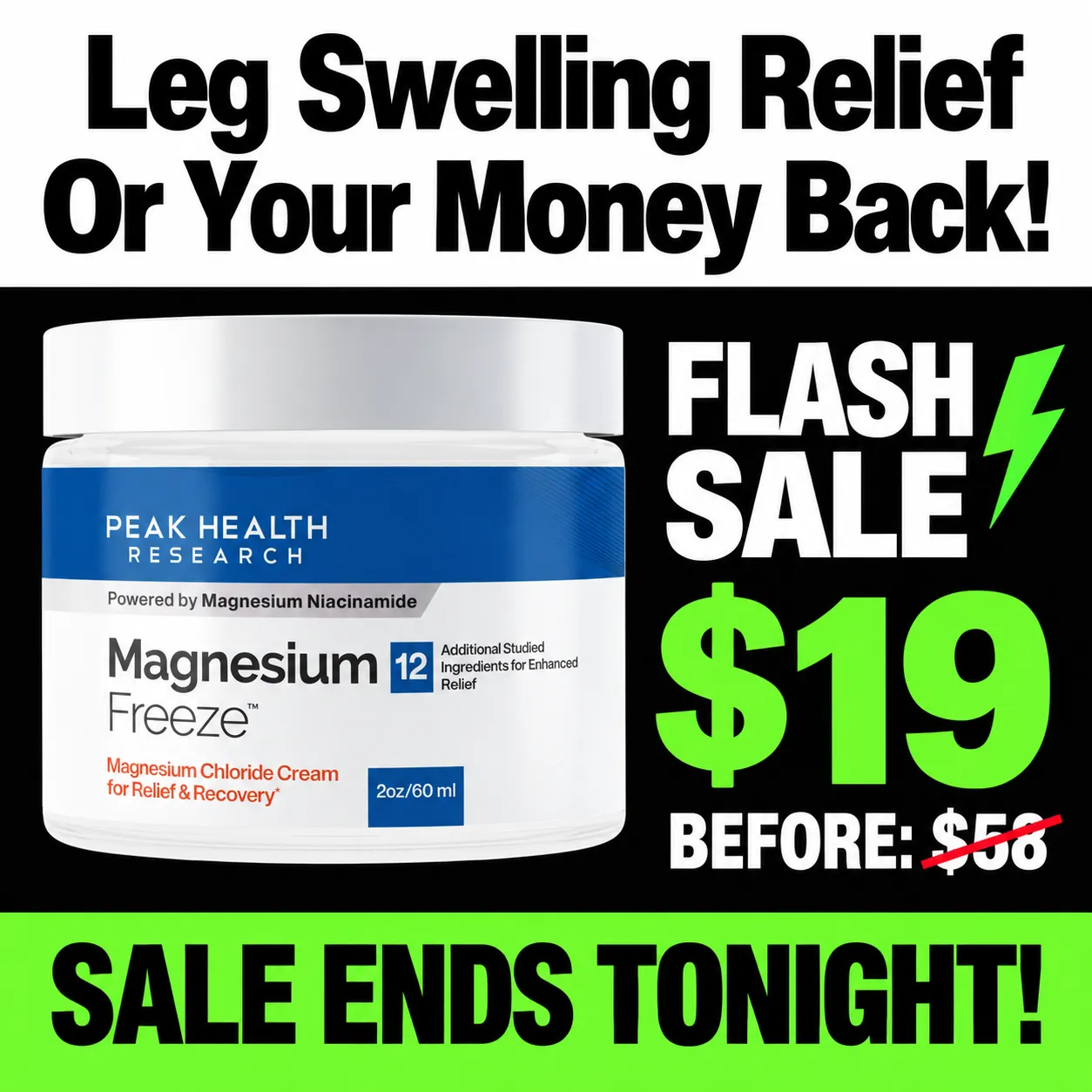
1 mineral for edema swelling "in a league of its own"
Dr. Schilling - Pain Management

Here's what nobody explains to patients.
Dr. Schilling - Pain Management
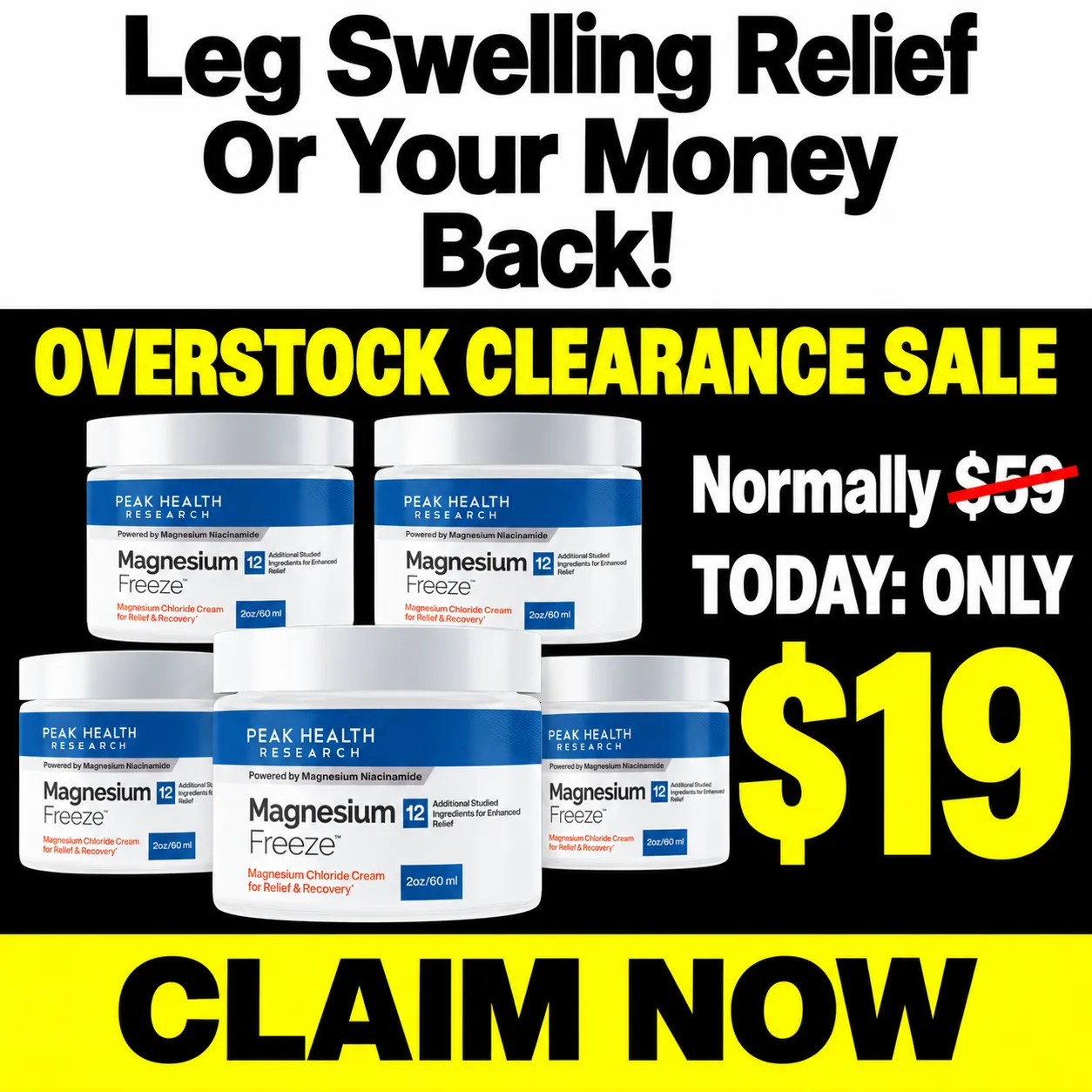
1 mineral for edema swelling "in a league of its own"
Dr. Schilling - Pain Management
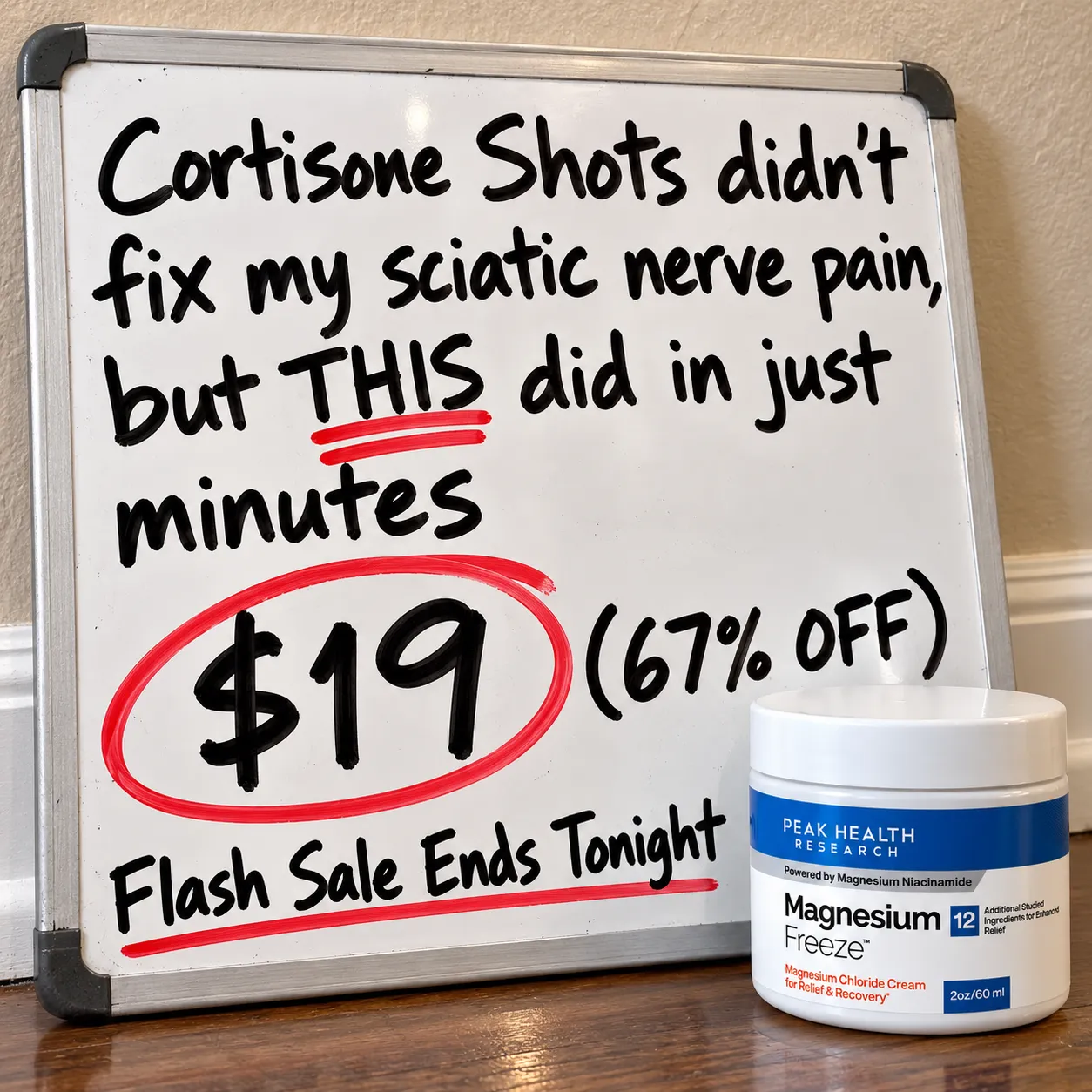
Put an End to Sciatic Nerve Pain for Good?
Dr. Schilling - Pain Management

Here's what nobody explains to patients.
Dr. Schilling - Pain Management

Here's what nobody explains to patients.
Dr. Schilling - Pain Management
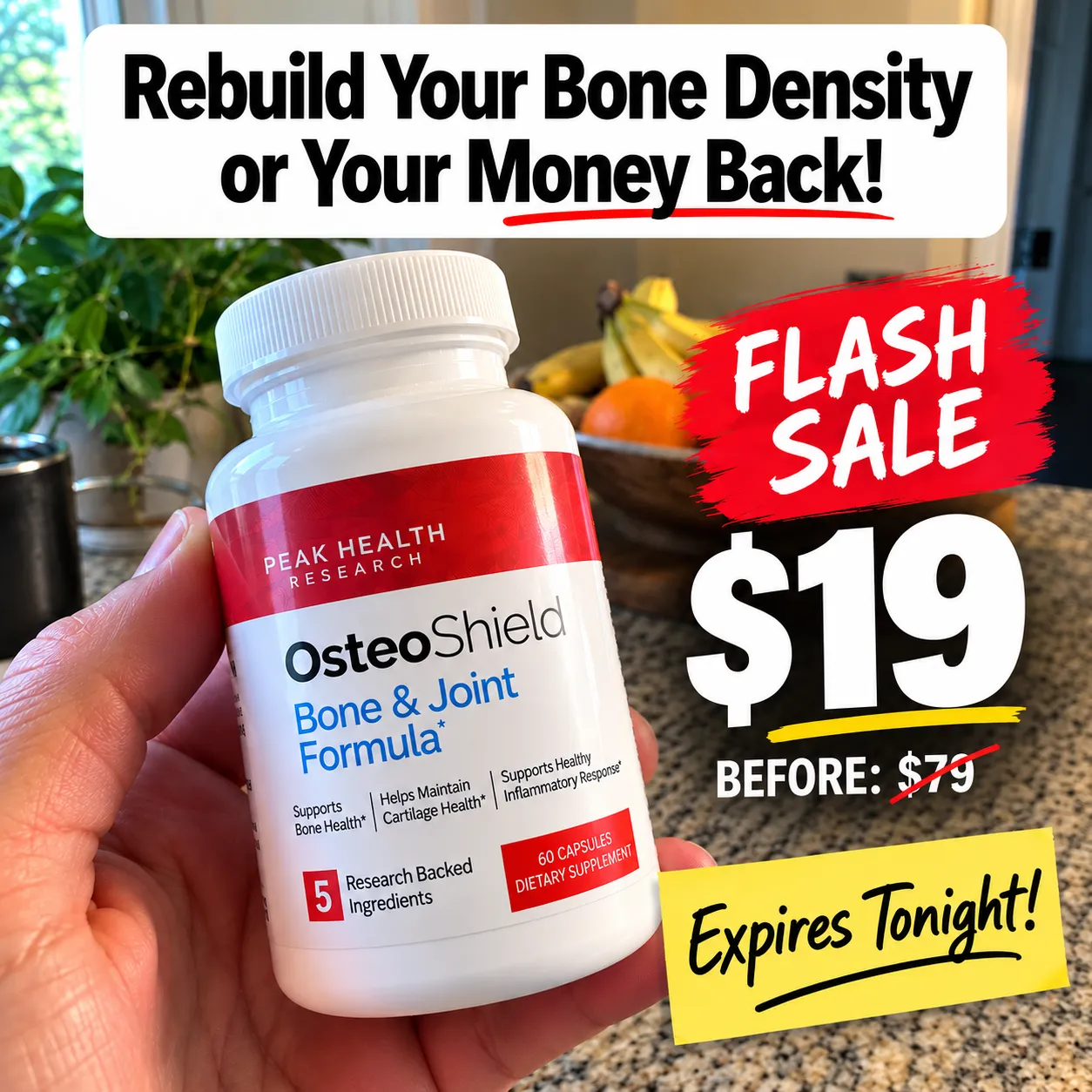
Here's what nobody explains to patients.
Dr. Schilling - Pain Management
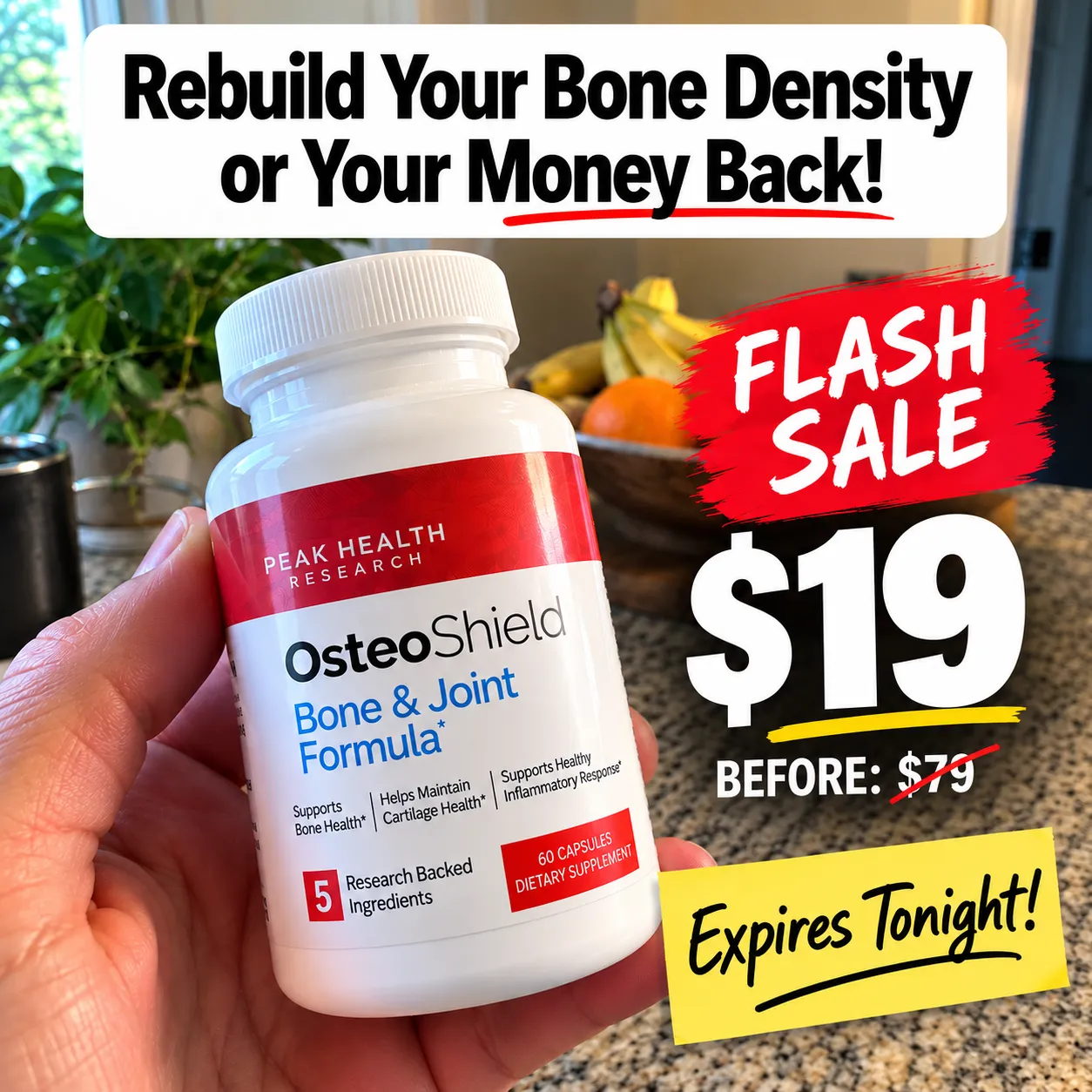
Here's what nobody explains to patients.
Dr. Schilling - Pain Management
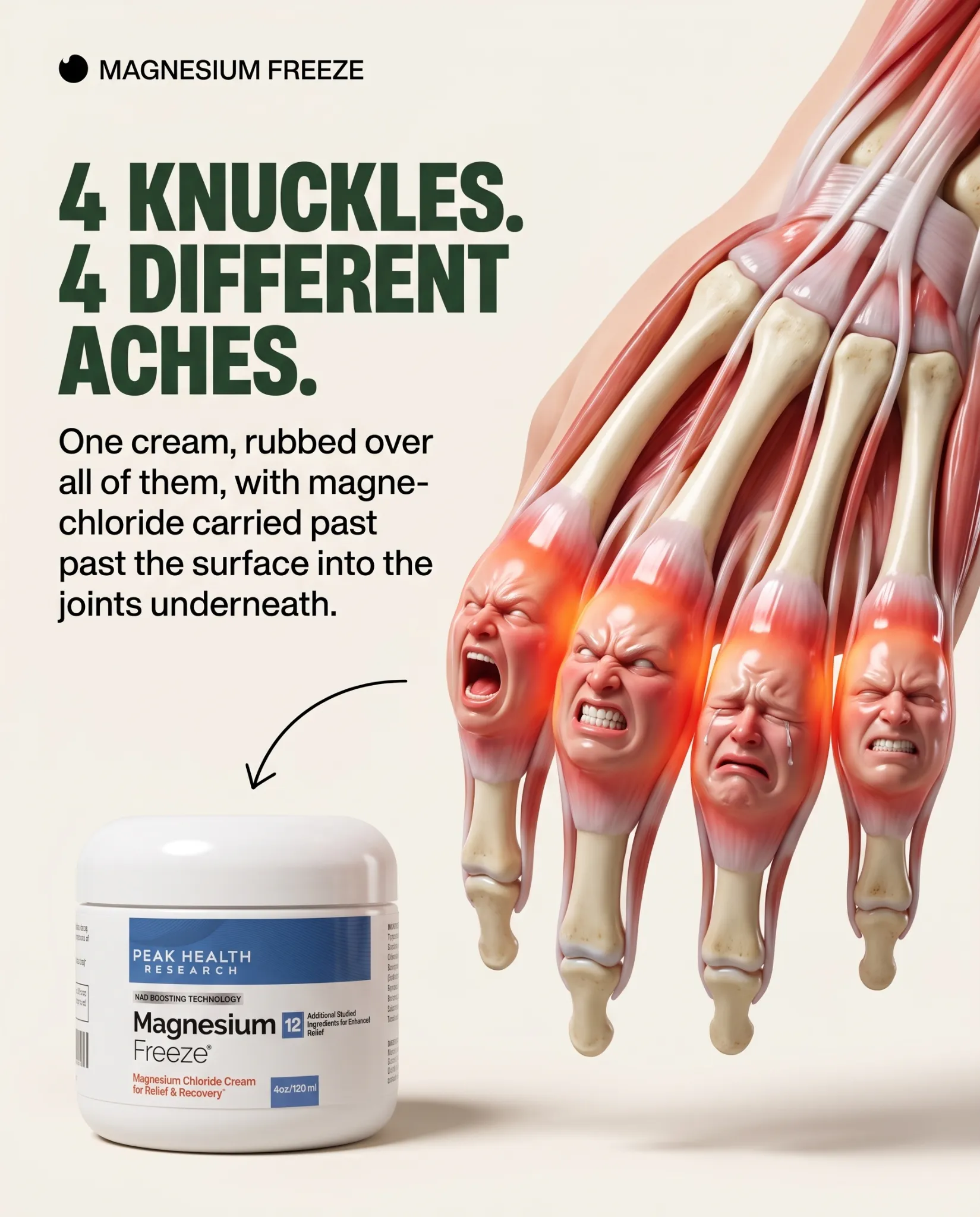
Best Mineral to "Reduce" Arthritis Hand Pain?
Dr. Schilling - Pain Management
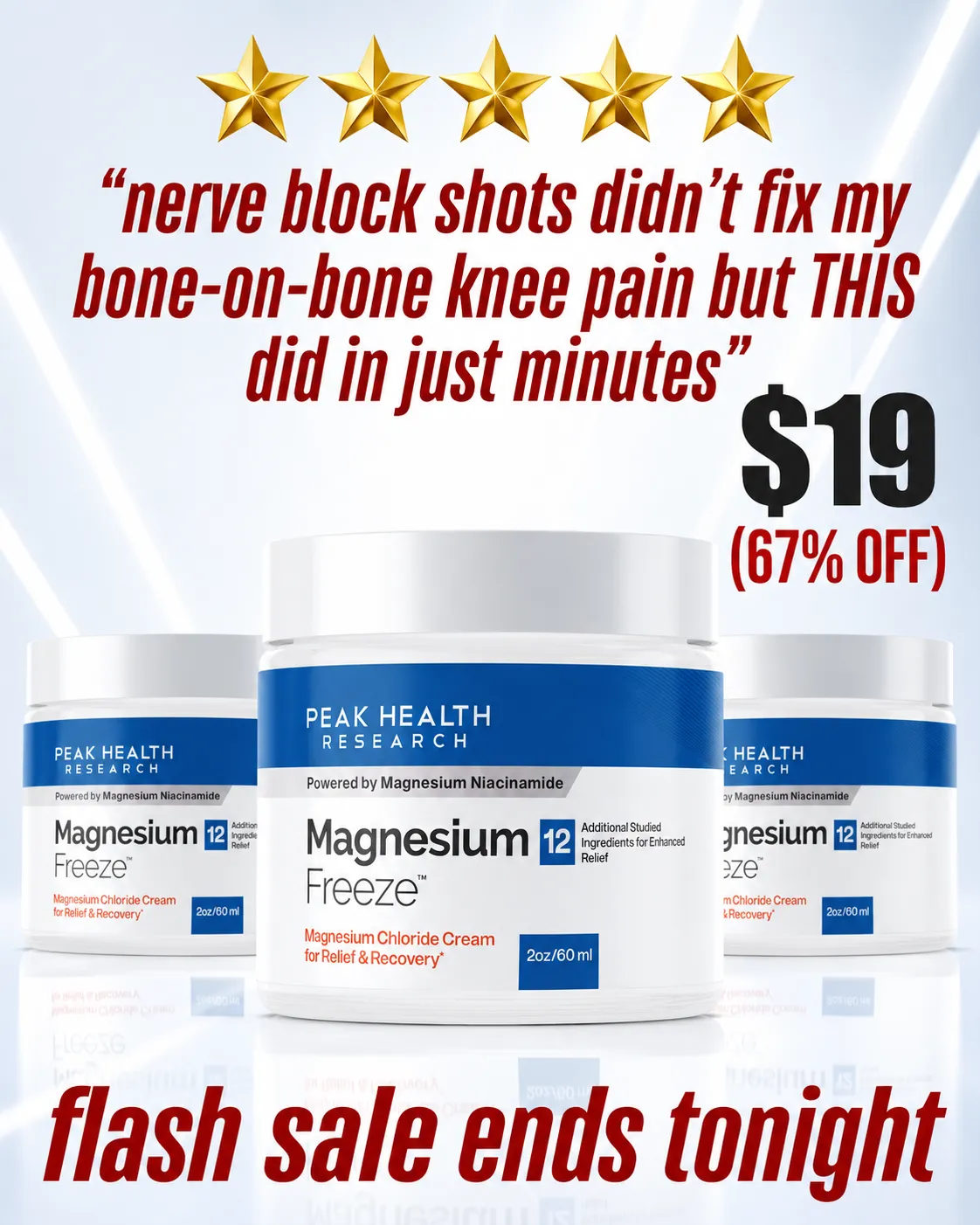
Put an End to Osteoarthritis Knee Pain for Good?
Dr. Schilling - Pain Management
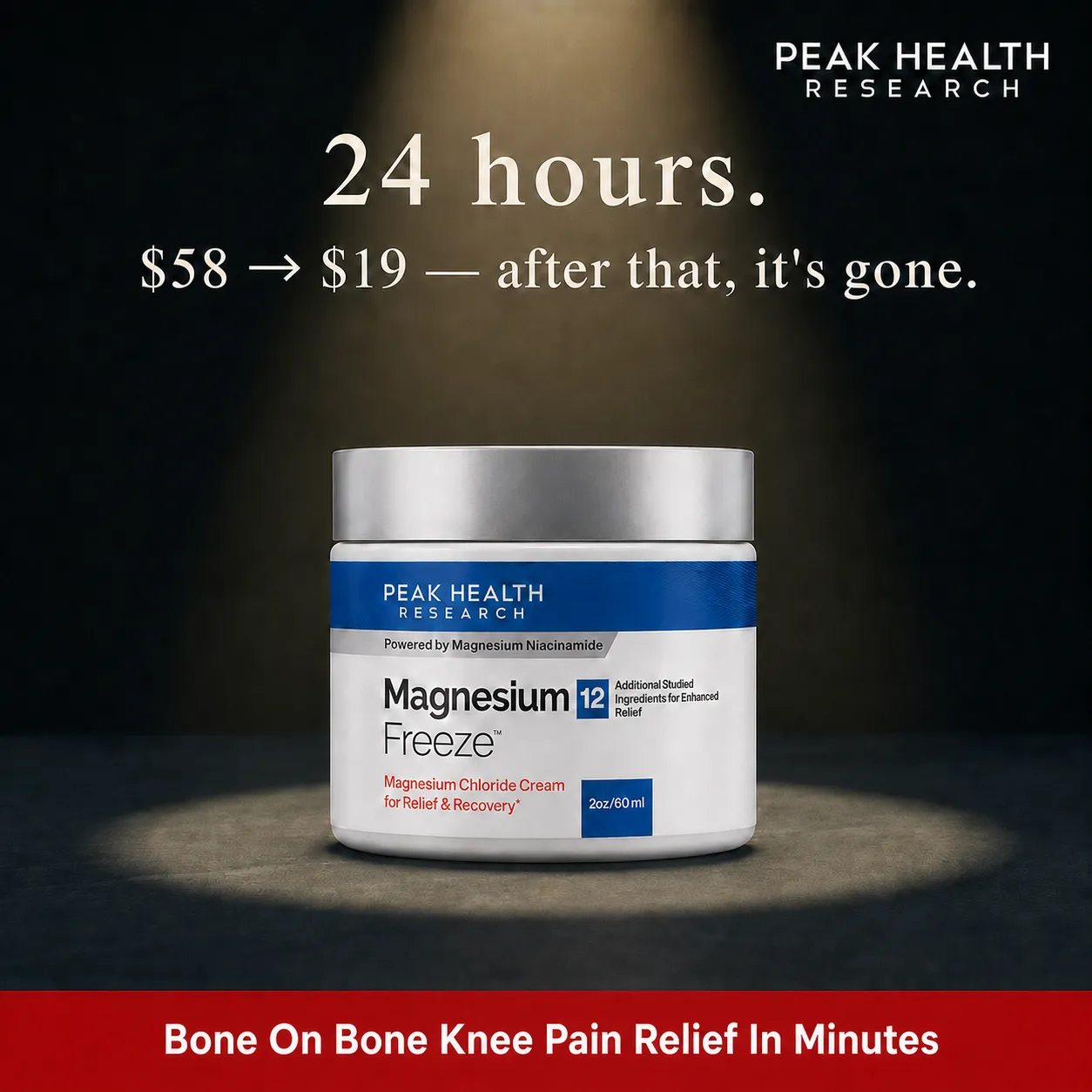
Put an End to Osteoarthritis Knee Pain for Good?
Dr. Schilling - Pain Management
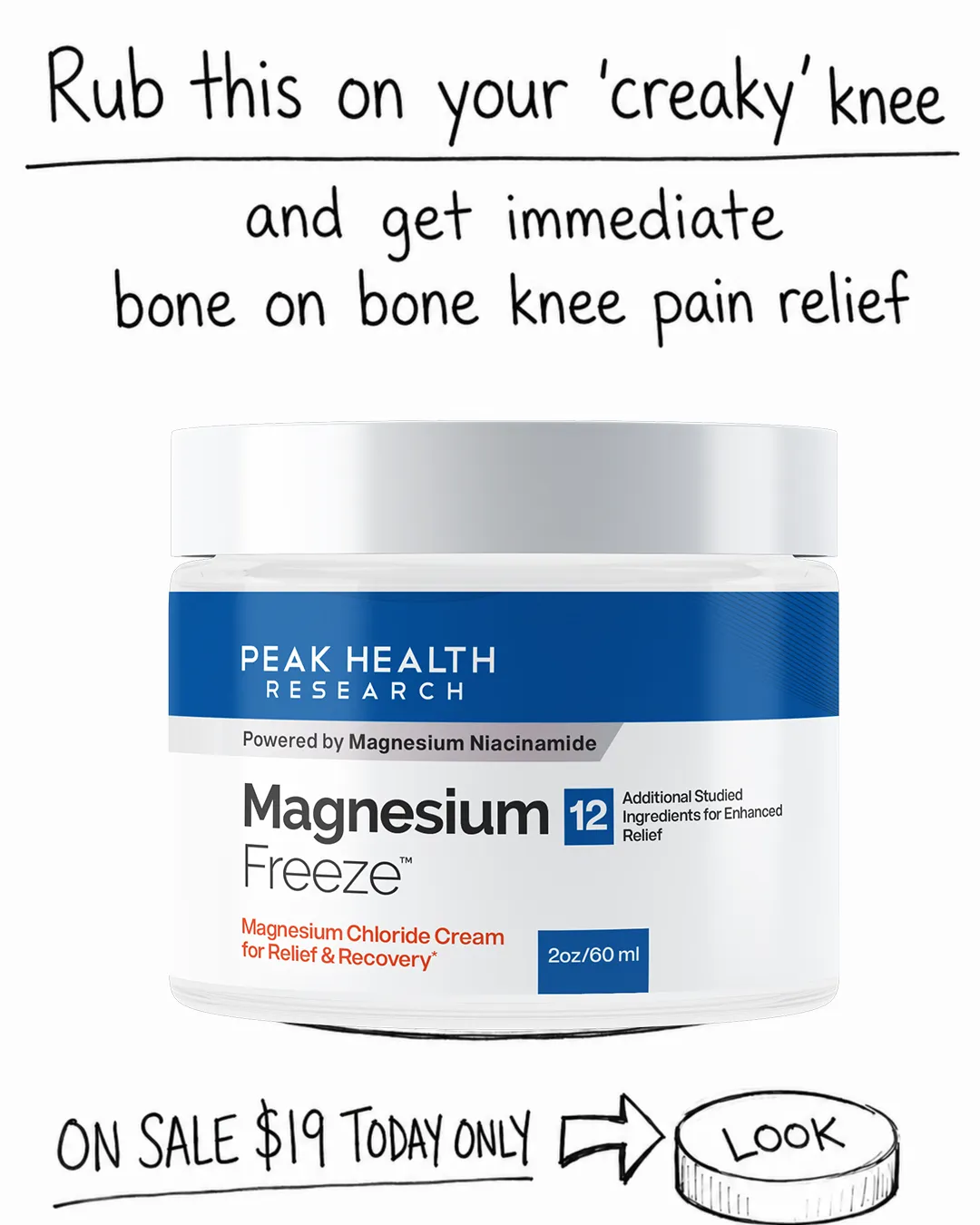
Put an End to Osteoarthritis Knee Pain for Good?
Dr. Schilling - Pain Management

 Add to Chrome