You'll want to change your laundry detergent after reading this
Ad Copy
I didn’t want to share this because it’s pretty personal... but maybe this can help one of you. Last month, I started waking up almost every morning with skin irritation that made no sense. Redness across my face and neck. Persistent itching. A burning sensation around areas that had been in direct contact with my pillow for hours. At first, I did what most doctors do when something seems straightforward: I looked for the obvious explanation. As a dermatologist, I assumed it had to be a product reaction, an environmental trigger, or stress. I changed skincare. I eliminated products. I checked ingredients. I made sure to change my pillowcase and sheets almost every night. But nothing changed. What made me take it seriously was when I realized the pattern was strongest exactly where my skin stayed pressed against fabric for long periods of time — my pillowcase, sheets, and bedding. I eventually brought it up to another Dermatologist at work, wondering if she had any ideas. What she said shocked me: she asked what laundry detergent I was using. It turns out, most traditional laundry detergents leave behind residues made up of harsh fragrance compounds, preservatives, surfactants, and chemical byproducts that stay in direct contact with skin night after night. And some of those ingredients are more concerning than most people realize. One of the biggest shocks for me was learning how often 1,4-dioxane shows up in conventional detergent manufacturing. It is classified as a potential carcinogen, yet it does not have to appear on the label. That means many consumers have no idea it may be present. What also concerned me is that skin is not the only issue. Patients with sensitive skin, eczema, chronic irritation, or respiratory sensitivity can all react to residues left behind in fabrics… especially bedding, where exposure happens for hours at a time in close contact with both skin and airways. As a doctor, that bothered me enough that I stopped assuming labels like “gentle” or “safer” actually meant anything meaningful. I started reviewing ingredient disclosures, comparing detergent formulations, and looking closely at which products were actually being made without harsh irritants, hidden contaminants, or unnecessary chemical additives. After trying far more products than I expected, I put together one simple list: The Top 5 Laundry Detergents Made Without Cancer-Causing Chemicals The article is linked below if you want to read it.
More from Dr. Rose, MD
You won’t look at laundry detergent the same after reading this
Dr. Rose, MD
You'll want to change your laundry detergent after reading this
Dr. Rose, MD
My top 5 Laundry Detergents WITHOUT cancer-causing chemicals
Dr. Rose, MD
See Which Brands Were Ranked Safest
Dr. Rose, MD
My top 5 Laundry Detergents WITHOUT cancer-causing chemicals
Dr. Rose, MD
My top 5 Laundry Detergents WITHOUT cancer-causing chemicals
Dr. Rose, MD

You'll want to change your laundry detergent after reading this
Dr. Rose, MD
You'll want to change your laundry detergent after reading this
Dr. Rose, MD

My top 5 Laundry Detergents WITHOUT cancer-causing chemicals
Dr. Rose, MD
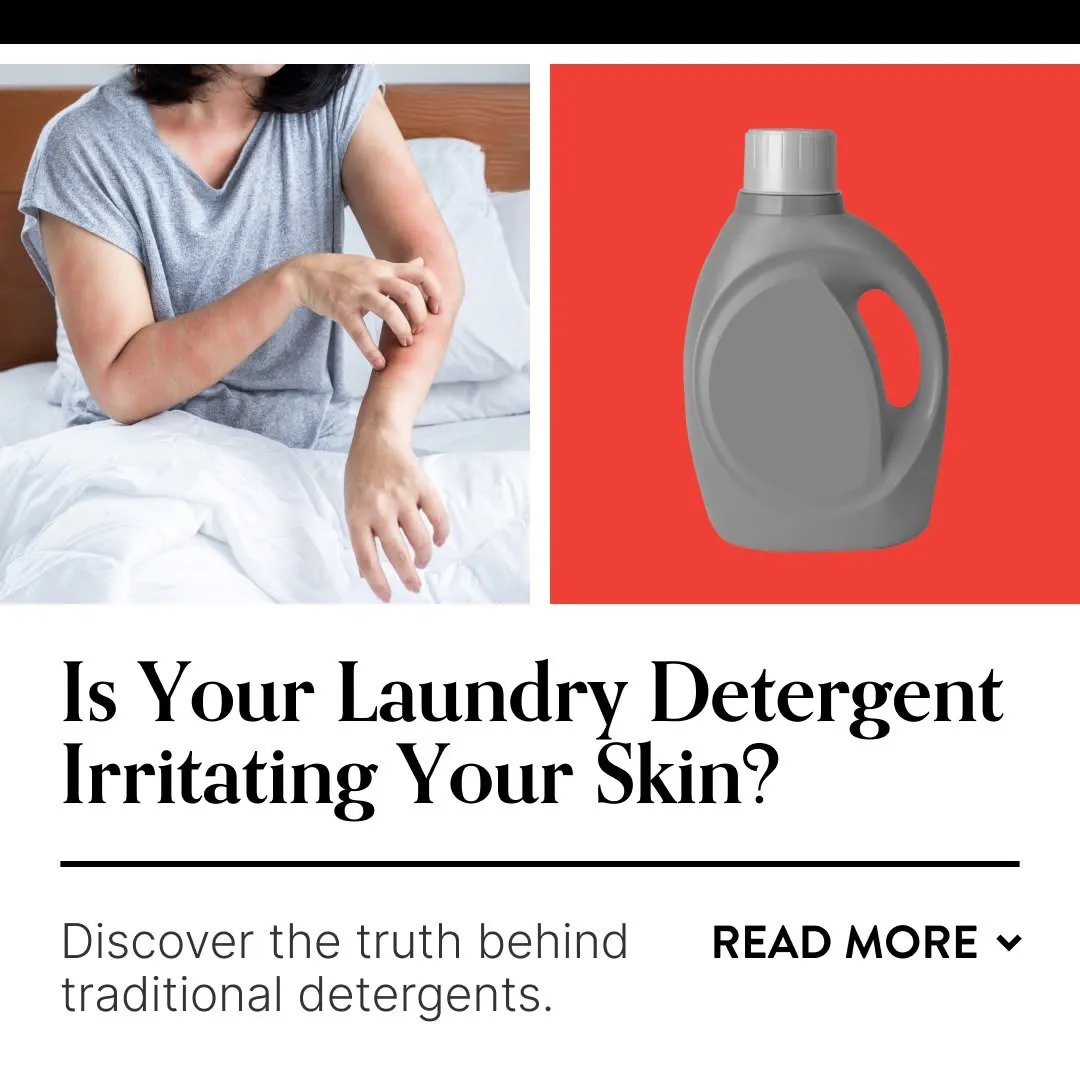
My top 5 Laundry Detergents WITHOUT cancer-causing chemicals
Dr. Rose, MD

My top 5 Laundry Detergents WITHOUT cancer-causing chemicals
Dr. Rose, MD

My top 5 Laundry Detergents WITHOUT cancer-causing chemicals
Dr. Rose, MD

 Add to Chrome