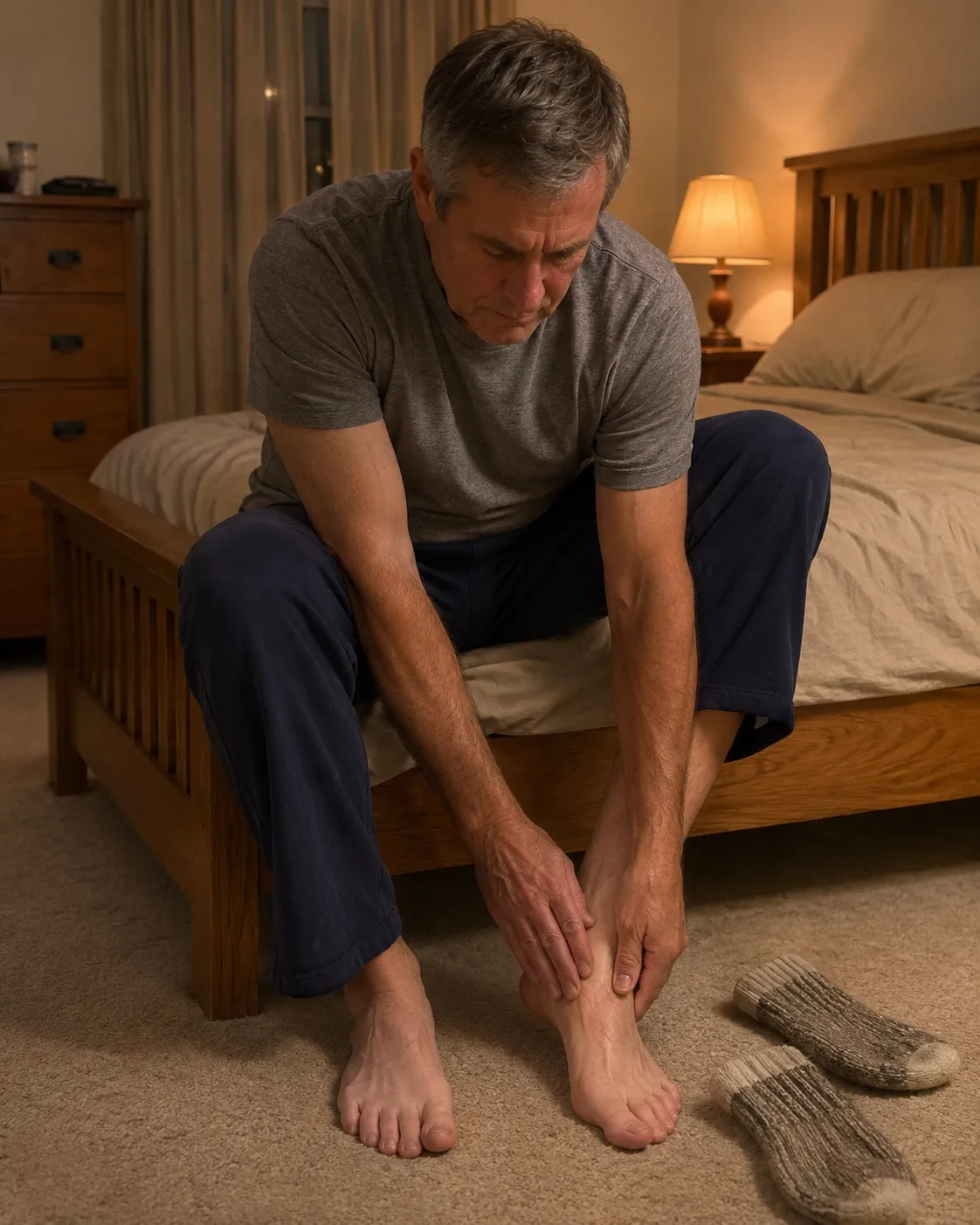
Warm Feet From the Inside Out
Ad Copy
My feet were ice-cold, tingling, and numb for 14 years. Turns out it wasn't my nerves. Warm blood wasn't reaching them. For fourteen years, I "managed" freezing, tingling feet I didn't actually understand. Fourteen years of gabapentin that made me so foggy and off balance I stopped trusting myself on the stairs. Fourteen years of Lyrica that put 25 pounds on me and nobody warned me it would. Fourteen years of iron pills, B12, and beetroot powders that I swallowed every morning while my feet stayed ice-cold and burning anyway. Fourteen years of wool socks, heated slippers, and compression socks that dug into my swollen calves and hurt to peel off, only for the cold and tingling to come roaring right back through both feet like nothing ever changed. Fourteen years of being told "it's your thyroid, it's low iron, it's Raynaud's, it's just what happens after 45." I did everything they asked. I saw three separate specialists. I did every test they ordered. Every blood panel. Every thyroid and ferritin check. I took every pill exactly as prescribed, every single day, like my life depended on it. Gabapentin. Lyrica. And the metformin I'd been on for nine years for my blood sugar, which I never once thought of as part of this. Why would I have. I spent over $200 a month on circulation supplements, heated insoles, foot soaks, infrared lamps, and every "blood flow" formula that promised to warm my toes and stop the pins and needles. When the pills didn't work, they sent me for a Doppler and a nerve study. "Reduced peripheral flow and moderate sensory neuropathy, both lower extremities," they said. My doctor looked at the report and said, "That's your circulation and neuropathy. Very common after 45." He increased my gabapentin dose and told me to come back in three months if it got worse. I stopped taking my shoes off at other people's houses. I'd sit on the edge of the bed at night and rub my own freezing feet like they belonged to someone else, and when my wife came in I'd stop, because I didn't want her to see me doing it — or feel my deathly cold toes brushing her legs under the covers and making her jump. Every morning, I woke up with my feet already icy and buzzing. My nail beds looked pale, almost bluish. Before my heels even touched the floor, I knew what kind of day it was going to be. Standing up was a negotiation. Sit up first. Drop both feet slowly. Wait for the electric wave to pass. Then put weight on them. Some mornings it was just freezing cold and tingling. Other mornings it felt like walking barefoot on broken glass, from two numb toes all the way back through the arch. By mid morning, the dead numbness would set in. Heavy calves, frozen toes, that hollow tingling across the bottom of both feet. Like they weren't fully mine anymore. Nighttime was the worst. I'd climb under two blankets wearing thick wool socks and my feet still felt like ice blocks — and within twenty minutes the burning and pins and needles would start building underneath the cold. At my brother's house I'd wake up shivering at 2 a.m. and hang my feet off the side of the guest bed hoping something would calm them down. At home I kept a heating pad and a space heater by the foot of the bed year round. Walking became a nightmare. Fifteen minutes on a hard floor and I'd have to sit down. I stopped going to the farmer's market. Stopped walking the trail behind our house. Stopped saying yes to anything that meant being on my feet for an hour. I stopped going to dinner with friends because I couldn't sit through a meal without shifting and rubbing my ankles under the table and making everyone uncomfortable. I stopped walking the dog. Stopped going to the grocery store without leaning on the cart like a crutch. Stopped carrying the dishes to the table, because one night I couldn't feel where the floor was under my numb toes, and I caught the edge of the rug and went down on one knee with two plates in my hands. I stopped getting on the floor with my grandkids. Stopped standing barefoot in the grass with them. Stopped chasing them around the yard. I just sat on a chair and watched. And that was the part that broke me the most. Some nights, I couldn't find a position that didn't freeze and burn at the same time. I'd pull socks on, kick them off, pull the blanket up, kick it back. Then I'd wake up at 2 a.m. shivering with icy soles on fire and my toes completely numb. And every doctor just nodded sympathetically. "Poor circulation and neuropathy. Wear warm socks and we'll manage the symptoms as best we can." I went in for the nerve block. Twice. The one where they put the needle behind your ankle and flood the nerve with anesthetic. The first one gave me about five weeks of relief. Almost felt normal again. Then the cold and burning crept back, slowly at first, then all at once. Worse than before. The second block barely lasted two weeks. I tried acupuncture. Paraffin baths. Vibration plates. Massage therapy. A $300 pair of orthotics that was supposed to take pressure off the nerve. Lidocaine patches that numbed the skin while the freezing ache underneath never budged. My doctor started talking about a spinal cord stimulator. "We implant a device near your spine that interrupts the pain signals before they reach your brain." But I'd read the forums. I'd talked to people who had it done. Some got better. Some didn't change at all. Some got worse. And a lot of them ended up right back where they started two or three years later, with hardware in their back — and the quiet fear nobody says out loud: that two numb toes keep creeping up to your ankles, then your knees, until the word amputation is sitting in the room. I couldn't gamble on those odds. I started to believe this was just my life now. That I'd spend the rest of my days in thick wool socks in July, sitting down halfway through the grocery store, and watching my grandkids play from a chair instead of playing with them. Then a nurse asked me a question no doctor ever had. She was different from the others I'd seen. Mid 40s. She ran the infusion suite where my wife was getting iron treatments, and I'd been sitting in that room every three weeks for months. But there was something about the way she moved. Barefoot in clogs. Steady. Like someone who'd been through something and come out the other side. We were talking about nothing while she changed my wife's line. It was our seventh or eighth visit, and that morning was a bad one. I'd been shifting in the chair for twenty minutes and I finally gave up and reached down and pressed my thumb hard into the freezing arch of my foot right in front of her. She'd watched me do some version of that a dozen times without saying a word. This time she stopped mid sentence. "Can I tell you something?" she said. "I see myself in you. Every single thing you're doing right now, I did. Same symptoms. Same age, too. I was 43 when my feet went ice-cold and numb and they told me it was neuropathy." I stared at her. She didn't move like someone who couldn't feel her feet. "What happened?" She sat down on the stool across from me. "I almost left nursing. Twelve hour shifts on my feet, and by hour four my calves blew up so tight inside compression socks it hurt to peel them off, and I couldn't feel the floor. I was taking gabapentin and Lyrica around the clock just to finish a shift. The icy cold, the burning across both soles, the numb toes, same as you." "What did you do?" "I went down every rabbit hole you've probably already been down. Every circulation pill. Every wool sock. Every block. Nothing worked long term. Then I found out why warm blood wasn't reaching the ends of my feet in the first place. And once I fixed that, everything changed. I'm still on my feet twelve hours a day. Four years now." "What was it?" She leaned forward. "Has anyone ever checked whether your blood vessels are still finishing their own rinse cycle?" I looked at her blankly. "Nobody does," she said. "Doctors check your thyroid, your iron, your nerve speed. They almost never check why your blood has grown too thick to reach the tiniest vessels in your toes." "Your blood vessels," she said. "Think of them like a dishwasher running a self-cleaning rinse cycle every single day. Normal blood flow puts microscopic wear on the lining of your vessels. Your body seals those tiny nicks with a sticky patching protein — the exact same protein that scabs a cut on your finger — called fibrin. It's meant to be rinsed out the very same day." She pulled out her phone and showed me a diagram. "When that rinse cycle is working, your vessel lining releases its own natural fibrin-dissolver and washes that sticky patch clean out of the pipes. Your blood stays fluid and light. Warm, oxygen-rich blood reaches every millimeter of your body, all the way out to the tips of your fingers and toes. Your nerves stay fed, warm, and quiet. Everything works." "But after 45, that rinse cycle stalls halfway. Your vessel lining releases a third less dissolver — and trips the off switch more often. Add years of blood sugar swings — which act like hard water, pushing that off switch even harder and leaving a denser film — and unrinsed fibrin stays behind, coating the walls and thickening your blood." I was listening now. "When your blood thickens with sticky fibrin, where does it stall first? Not in your main arteries. In the narrowest pipes in your entire body — the microscopic vessels in your hands and feet. Your toes are the furthest point from your heart. They're the very last stop on the supply line. Thick, fibrin-heavy blood crawls to a halt before it ever reaches them. So your feet turn to ice, your nail beds go pale, and the nerve endings at the end of the line starve for warm blood and oxygen. They can't calm down. They stay stuck in this loop of freezing cold, burning, and numbness no matter how many pairs of wool socks you pull over them from the outside." "And the heavy, swollen feeling in my calves?" "Same stalled flow backing up behind those coated micro-vessels. Compression socks squeeze from the outside. Heating pads warm the skin for twenty minutes. Neither one touches the sticky fibrin film thickening the blood inside the pipe." "That's why two people can have the exact same nerve study," she said. "Same age. Same blood sugar. Same label. But one person sleeps soundly with warm feet and the other is awake at 2 a.m. shivering in wool socks. The difference isn't the label. It's whether their rinse cycle is actually clearing the fibrin so warm blood reaches the toes." "What about the numbness?" I asked. "The dead feeling in my toes that never fully goes away?" "That's the end of the supply line running dry. Those tiny nerve endings aren't getting the warm, steady blood flow they need to send clean signals. So you get dead numbness. Pins and needles. That feeling like you can't find the floor. It's not because your nerves are permanently dead. It's because thick blood is stalling before it reaches them." "And why does it get so much worse at night?" I asked. Because that was the part that was ruining me. Not the day. The night. "Same thing. All day your feet get a little help from gravity and walking — your calf muscles pump blood down the line. The second you lie flat, the movement stops, and thick, fibrin-coated blood barely moves through those narrow foot vessels at all. That's when starved nerve endings misfire hardest. That's why everybody with this wakes up shivering and burning at 2 a.m." I stared at her. Everything she was describing — the icy cold under blankets, the pale nail beds, the heavy calves, the numbness creeping up from two toes, the way it turned unbearable the second I lay down — it all matched. "You're telling me my feet aren't permanently ruined?" "I'm telling you cold, tingling, numb feet are what happens when the narrowest pipes at the end of the supply line get choked by a stalled rinse cycle. Until you clear that sticky fibrin film and let warm blood flow all the way to your toes again, nothing else is going to hold. The gabapentin, the nerve blocks, the wool socks, the beetroot — they're all working around the edges while the film stays right where it is. I know. I tried every single one of them before I figured it out." I left that room and couldn't stop thinking about it. That night, I fell into a research rabbit hole. Fibrinolysis. Microvascular blood flow. Nattokinase. I found clinical studies on a fermented Japanese soy enzyme called nattokinase — an enzyme cardiologists and vascular researchers in Japan have studied for decades because it dissolves sticky fibrin directly. One human trial even timed how fast cold hands rewarmed after cold-water immersion and found measurable faster rewarming from a single dose. Another 12-month study of 1,062 adults showed high-dose nattokinase cleared 36.0% of arterial buildup — and in a head-to-head trial, it cleared 36.6% versus just 11.5% on simvastatin. And then I found the part that made me sit back in my chair. Nothing I'd taken for fourteen years was ever built to dissolve fibrin. Wool socks and heating pads only warmed the outside of my skin while thick blood stayed stalled underneath. Beetroot powders widened the pipes for an hour while sticky, fibrin-heavy blood still dragged through them. And that metformin I'd been taking every morning for nine years was managing my sugar on paper while dense fibrin film kept coating my smallest vessels. And here's what took me a second to see. The gabapentin and the Lyrica were never trying to restore blood flow in the first place. They were built to mute the alarm signal, nothing more. So I'd spent fourteen years with two prescriptions that muted my brain, a drawer full of wool and compression socks that squeezed from the outside, and a shelf of circulation bottles that never touched the sticky film choking my toes. I had to put the laptop down for a minute. Fourteen years. Two hundred dollars a month. And the answer might have been that my rinse cycle had stalled halfway while nobody ever looked at the fibrin. I found forum posts from people who sounded exactly like me. Cold feet and calves chronically for seven years. Tingling toes that wouldn't let them sleep. Tried every sock, every iron pill, every circulation formula. Then they restarted their rinse cycle with clinical-dose nattokinase. And within days their legs and feet were warm in a way they had forgotten they could feel. I texted the nurse the next morning: "Okay. Let's say you're right. What do I actually do?" She called me during her lunch break. "Here's the catch," she said. "Almost every nattokinase bottle on a pharmacy shelf or Amazon is severely underdosed. Most give you 2,000 FU. In that 1,062-person clinical study, 3,600 FU barely moved the needle — just 3.5%. At the full clinical threshold of 10,800 FU, results jumped tenfold to 36.0%. And the few online brands that print 10,000 FU on the front hide it behind two or three capsules a day while leaving out the vessel-lining partners your smallest capillaries need. If the dose doesn't cross 10,000 FU, the rinse cycle never flips back on." "So what actually works?" "One full-cycle capsule that puts all 10,000 FU into a single daily serving — plus the partners that back up your smallest vessels. The one I take is called Noxtee Max Potency Nattokinase 10,000 FU. It's what fixed me. Serving Size: 1 Capsule = 10,000 FU — 500 mg of pure nattokinase — paired with seven cycle-supporting actives in the exact same capsule. It stays active in your blood from hour 2 to hour 24, running all four fibrin-clearing pathways at once while reinforcing the tiny micro-vessels in your hands and feet." I looked it up immediately. Nattokinase at 10,000 FU runs your vessels' rinse cycle four ways at once: it cuts sticky fibrin directly, switches on a second dissolver waiting in your blood, boosts your vessel lining's own dissolver, and breaks down the off switch that stalled the cycle after 45. Bromelain works right beside it as a second fibrin-cutting enzyme. Garlic lifts your blood's own fibrin-dissolving activity. CoQ10 refuels your heart and vessel lining. Grape seed and pine bark reinforce the walls and tone of the smallest micro-vessels in your fingers and toes. Turmeric supports the inner lining, and dandelion root supports the liver where fibrin's raw material is made. Not numbing signals like gabapentin. Not flooding an ankle nerve with anesthetic for five weeks. Actually rinsing out the sticky film so warm blood flows freely from your heart all the way to your toes. And the coverage was the whole point. Active in human blood from hour 2 to hour 24 on one single daily capsule — keeping the rinse cycle running all day AND all night, during the exact 2 a.m. window when my feet used to freeze and burn the worst. Noxtee puts the entire 10,000 FU clinical strength plus all seven cycle partners into ONE single capsule — printed right on the Supplement Facts panel: Serving Size, 1 Capsule = 10,000 FU. Third-party tested in a USA GMP-certified facility. No 2,000 FU drugstore dead zone. No swallowing three horse pills a day just to reach the real dose. Simple 90-day money-back guarantee. No hoops, no games. After fourteen years of wool socks and pills that didn't work, what was one more try? I started taking one Noxtee Full-Cycle Capsule every morning with a glass of water. On night three, I slept until 5:40 a.m. Straight through. I kicked my wool socks off halfway through the night because my feet were actually warm under the covers. I didn't hang my feet off the side of the bed once. I didn't reach for the heating pad. I lay there for a minute in the dark just checking, waiting for the freezing ache and burning to show up. It didn't. Not perfect. My toes still felt a little faint at the tips. But for the first time in years, lying down didn't feel like a punishment. By the end of week one, I noticed I'd walked the dog around the block and back without sitting down. Fifteen minutes. Warm legs, steady steps, no burning building up through the arch. No hunting for a bench. No counting the driveways until I could get back inside. That hadn't happened since I was 47. Then came day twelve. I got down on the floor to build a track with my grandson. Barefoot. On the carpet. We ran the trains around it for twenty minutes and I could feel the warm carpet fibers under my heels and toes the whole time. Twenty minutes later, I stood up. Without bracing myself on the couch. Without waiting out that electric wave. Without needing a hand to pull me up. I stood up like a normal person. My wife was watching from the doorway. Her eyes were wet. "When's the last time you did that?" she asked. I couldn't remember. Years. Maybe five years. Over the next two weeks, more things changed. The morning buzzing and icy chill in my feet went from an hour to twenty minutes. Then to ten. Then it was just... gone. By week three, I woke up and my feet were warm and quiet. No tingling in my toes. No electric wave when I put weight down. No negotiating with my body just to stand up. My toes still feel a touch stiff after a ten-hour day on concrete, and honestly that's fine by me. Because the freezing cold and 2 a.m. burning that used to own my nights are gone. I dropped both feet to the floor and stood up. Like it was nothing. No broken glass. No pins and needles. No reaching for wool socks before my feet hit the tile. For the first time in fourteen years, I went a full evening barefoot on the living room rug without a heating pad plugged in. Then two nights. Then a week. I put the space heater in the garage. I don't need it anymore. I started walking the dog again. Around the block. Then two blocks. Then a mile. My calves didn't swell. My toes stayed warm. I carried the dishes to the table again. Both hands full, across the same rug, and I knew where the floor was the whole way. Then we drove out to my brother's house, the one where I used to wake up shivering at 2 a.m. hanging my feet off the guest bed. I walked in from the car without stopping, took my shoes off by the door without thinking twice, and after dinner I stood in his kitchen talking for the better part of an hour. He looked at me like he'd seen a ghost. "What happened to you?" I walked the trail behind our house. Two miles, uneven ground, roots and gravel the whole way. And I could feel every bit of it under my shoes. I stood barefoot in the grass with my grandkids on the Fourth of July. For an hour and fifteen minutes. Warm toes on summer grass. And I didn't sit down once. My feet weren't permanently ruined the way I thought they were. My nerves weren't dead. Warm blood simply wasn't reaching them through a stalled rinse cycle. Once I cleared the sticky fibrin film and got real blood flowing all the way to the end of the line again, my feet started feeling the way they were always supposed to feel. I still see that nurse when my wife has her infusions. We don't talk about managing freezing feet anymore. Now we talk about the trail, and how far I got, and what my feet felt like on the gravel. And every morning, I take one Noxtee Max Potency Nattokinase 10,000 FU capsule with my glass of water. That's my insurance. That's what keeps my vessels' rinse cycle running from hour 2 to hour 24, so warm blood reaches my toes all day and all night the way it's supposed to. If your hands and feet stay ice-cold even under thick wool socks and blankets... If you've tried compression socks, iron pills, beetroot, creams, and blocks and nothing has held long term... If your toes go numb and tingle at 2 a.m. while nobody explains why warm blood isn't reaching them... If you're taking gabapentin or Lyrica every day just to function, and you hate the fog it puts you in... If you quietly worry that two numb toes are the start of losing feeling in your feet for good... If you've been told it's just your thyroid, low iron, Raynaud's, or getting older and shown the door... I'm not saying every case of cold, tingling feet comes down to one thing. But I spent fourteen years piling on wool socks and swallowing pills that never touched my blood flow, while the real problem — sticky fibrin stalling warm blood at the end of the supply line — went completely ignored. 👉 https://get.noxtee.com/natto-g Noxtee Max Potency Nattokinase delivers a full clinical 10,000 FU (500 mg) plus 7 cycle-supporting actives — bromelain, garlic, CoQ10, grape seed, pine bark, turmeric, and dandelion root — in ONE single daily capsule. Third-party tested in a USA GMP-certified facility. Active from hour 2 to hour 24. That's the difference between a 2,000 FU store-shelf bottle that never flips the switch and a full-cycle formula that clears the film so warm blood actually reaches your toes. Right now, they're running a bundle offer with significant savings — and when you grab the 3-bottle bundle, they include their Vitamin D3 + K2 softgels free. Simple 90-day money-back guarantee. If your feet don't feel warmer or nothing changes, reach out for a full refund. No hoops, no questions asked. But if it works? If you sleep through night three with warm feet, socks kicked off, without waking up at 2 a.m.? If by week two you're walking the dog around the block again without sitting down? If a month from now you're getting down barefoot on the floor with your grandkids and standing back up without help? If you're walking the trail, taking your shoes off at friends' houses, and living without planning your entire day around cold, numb feet? You'll wish you started fourteen years ago. I know I do. 👉 https://get.noxtee.com/natto-g You don't have to keep living with freezing, numb feet while sticky fibrin stalls warm blood at the end of the line.
More from Gary Dalton
Warm Feet From the Inside Out
Gary Dalton
Warm Feet From the Inside Out
Gary Dalton
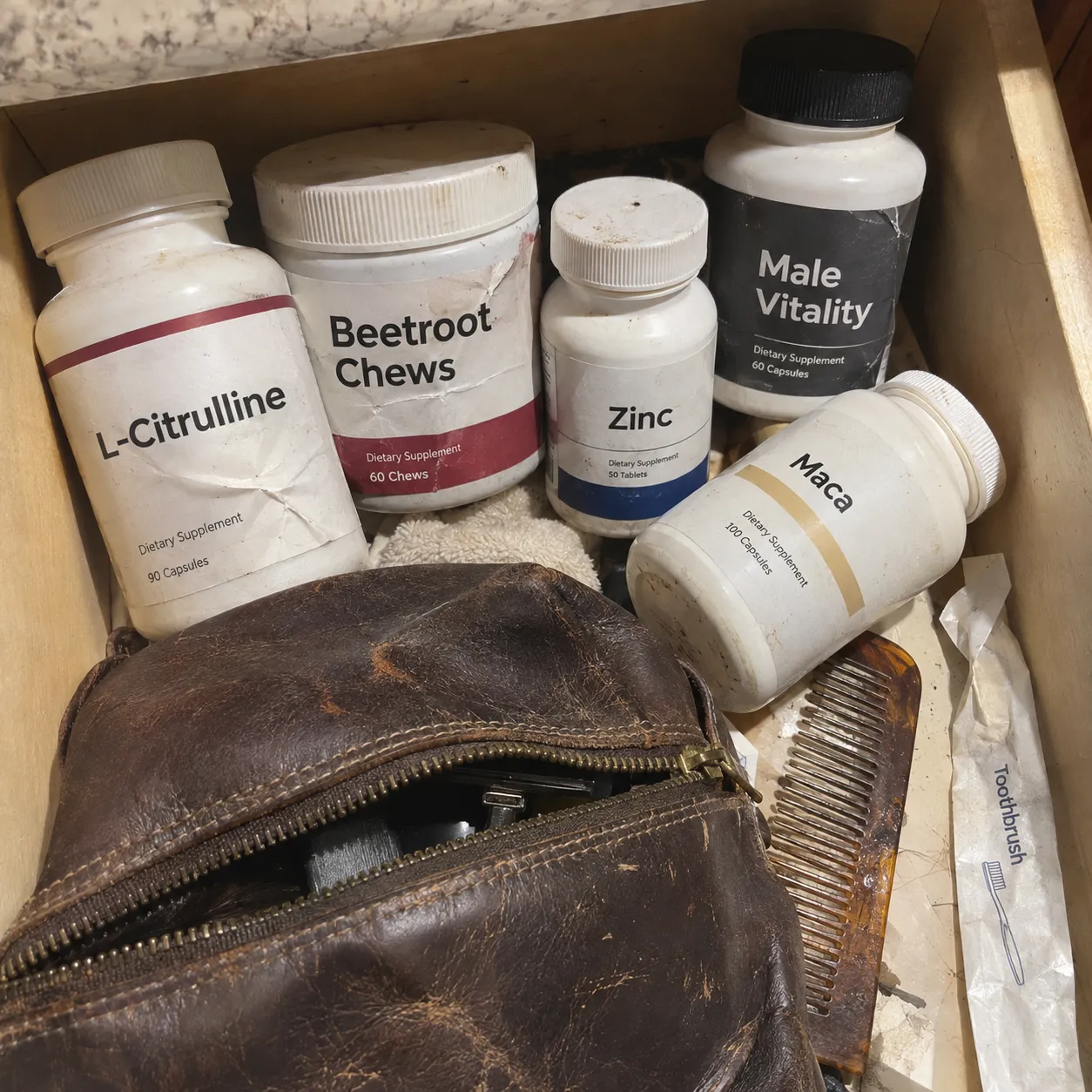
My Testosterone Was Normal. The Pills Still Stopped Working.
Gary Dalton
My Testosterone Was Normal. The Pills Still Stopped Working.
Gary Dalton
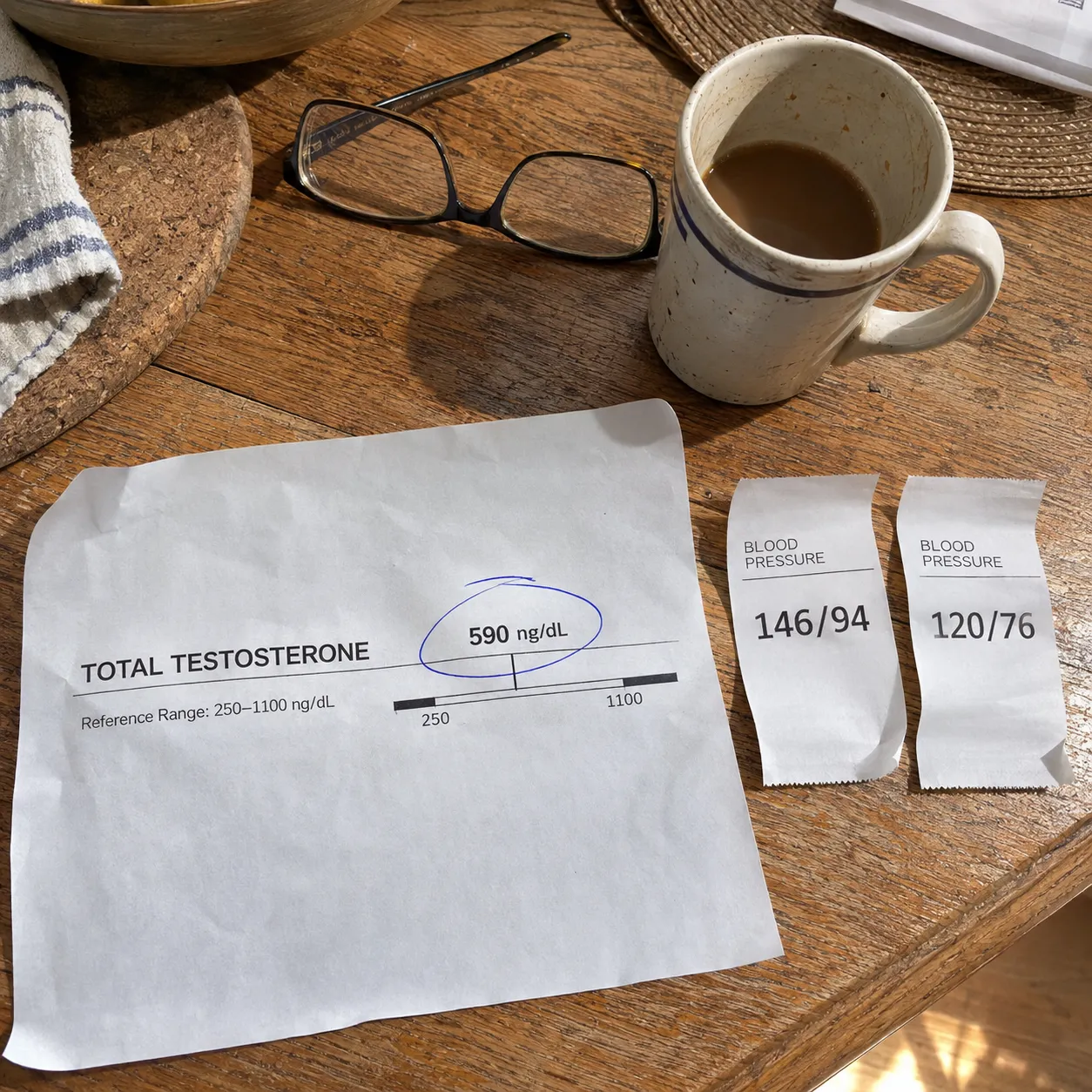
My Testosterone Was Normal. The Pills Still Stopped Working.
Gary Dalton
She Stopped Asking Because She Was Protecting Me.
Gary Dalton
66-Year-Old Plumber: "Stop Buying Beetroot & Blue Pills"
Gary Dalton

Get 40% off week 1 + 20% off next 2
Frive
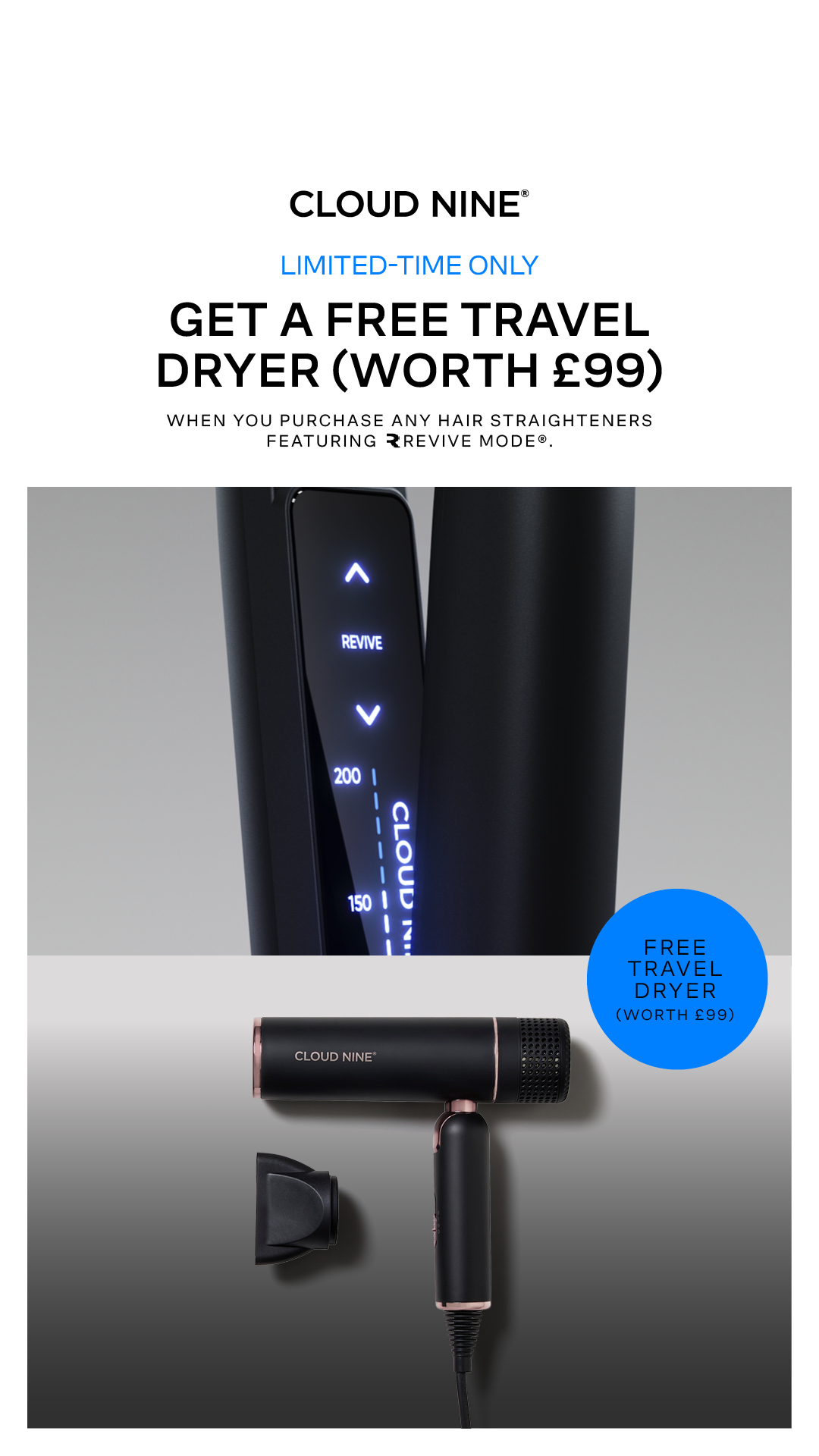
Exclusive deals on hair straighteners
CLOUD NINE
SCAMMED BY A FRAUDULENT COMPANY?
Erastus gumlom Leon
The dance routine we didn't know we all needed 🔥
Just Eat UK

Dog Advent Calendar, Only £8!
Scrumbles

 Add to Chrome