Explore the Power of Astaxanthin Today!
Ad Copy
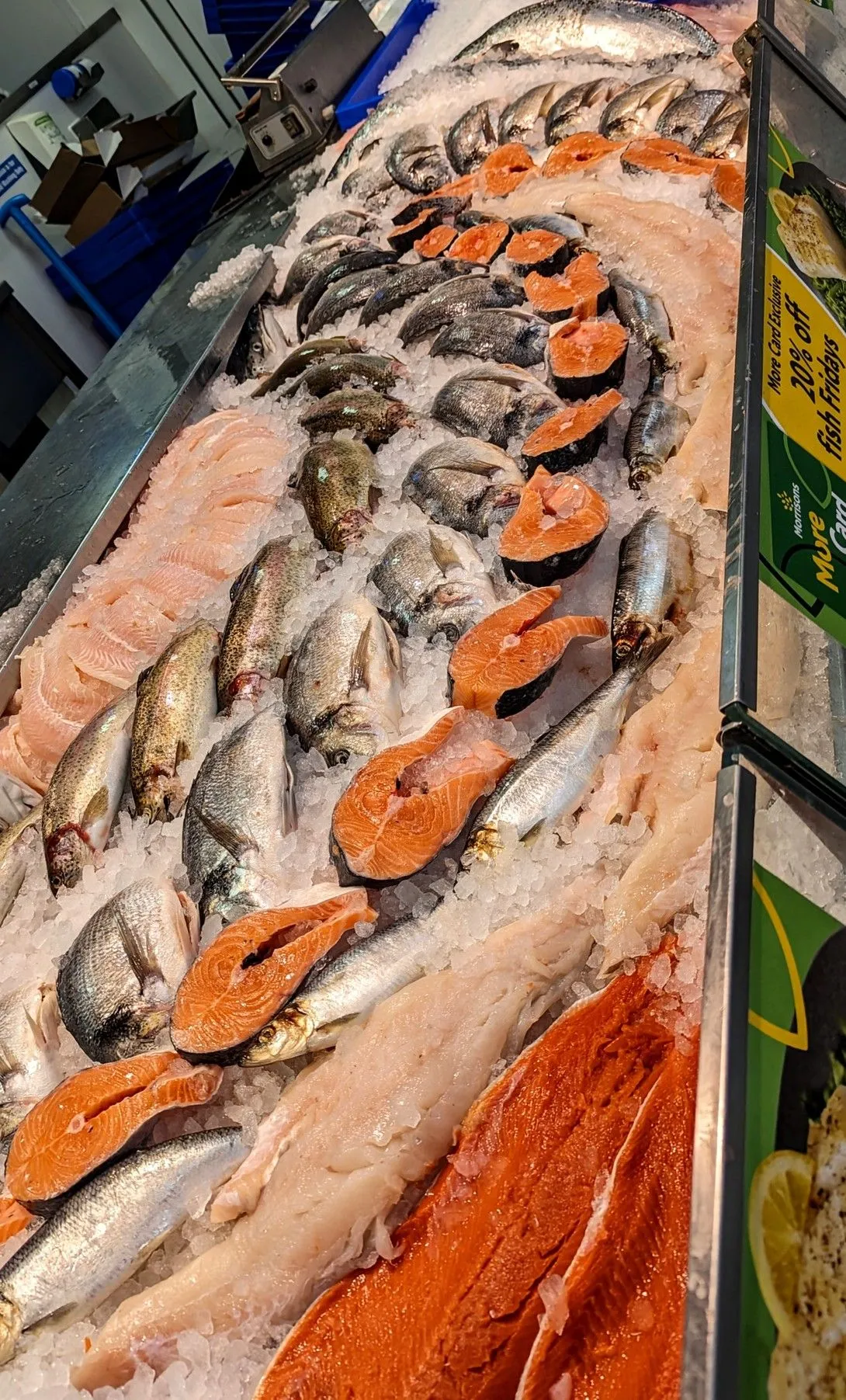
I found a woman standing alone in the skincare aisle of a 24-hour drugstore at 11 PM last Tuesday. She wasn't shopping. She didn't have a basket. She was just standing in front of the anti-aging wall, looking at it the way you look at a photo of somebody you used to know. And what she told me in that aisle, and then in the parking lot, is something I need to say out loud. Because she told me it was already happening to me. And she was right. My daughter had a fever. That's the only reason I was there. Ava is five. She'd gone to bed fine and woke up at 10:30 hot and crying, and we were out of the children's Tylenol. My husband had an early shift, so I threw a hoodie on over my pajamas and drove to the 24-hour pharmacy on Route 9. I've been going to that drugstore for nine years. Same one. I could walk it with my eyes closed. Pharmacy in the back. Snacks on the left. Cold medicine, aisle seven. And to get from the front door to aisle seven, you walk past the skincare wall. You stop seeing it after a while. Forty feet of jars and serums and eye creams under fluorescent lights. After a few years it's wallpaper. You walk past. You grab what you came for. You go home. I've walked past that wall a thousand times. Never once stopped to actually read it. Not until last Tuesday. I had the Tylenol in my hand and I was cutting back up toward the register. The store was empty. One cashier. Music playing quietly from the ceiling. And there was a woman standing in the middle of the skincare aisle. Facing the wall. No basket. No phone. Hands in the pockets of a long camel coat. Not moving. You see people at a drugstore at 11 PM. Somebody waiting on a prescription. Somebody buying ice cream after a breakup. You don't think about it. This wasn't that. She wasn't shopping. She was standing there the way you stand in front of a grave. I noticed her face before anything else. I found out later she was 64. I would have guessed 48. Gray hair cut sharp at the jaw. No makeup that I could see. And her skin under those fluorescent lights, the worst light on earth, was smooth. Even. Not stretched. Not frozen. Not "done." Just good. I needed a night cream anyway. I'd been telling myself that for months. So I stopped next to her and grabbed a jar off the shelf in front of me. Forty-two dollars. Gold lid. "Visibly firmer skin in 4 weeks." She didn't look at me. "That one won't do what you want it to," she said. I laughed a little. The polite kind. "Okay. Thanks." "It's a good moisturizer. It just won't do what it says on the front." I put it back. I didn't know what to say. Honestly, I thought she was a little off. It was 11 at night. My kid was sick. I just wanted to go home. So I walked away. Down to the end of the aisle, around the corner, past the greeting cards. And then I stopped. Because there was one of those little tester mirrors on the endcap. And I caught my face in it. No makeup. Fluorescent light straight down. 11 PM. The skin under my eyes was purple and hollow. There was a line between my eyebrows I didn't remember agreeing to. When I squinted at myself, the skin on my cheeks bunched up into these thin, crepey little folds. I'd never seen them before. I'd never looked at myself in that light without makeup. I stood there for a second too long. Then I walked back around the end of the aisle. She was still there. Same spot. Same wall. "What did you mean," I said. "That it won't do what it says." She didn't turn around. "Have you ever actually read this wall?" "What?" "Not the jars. The wall. Have you ever stood here and read how it's arranged?" "I walk past it," I said. "But you've never read it." "No. I haven't." She took one hand out of her pocket and pointed at the top left corner. "Twenty-five plus." Light pink packaging. "Prevent." "Protect." "Hydrate." She moved her finger down one shelf. "Thirty-five plus." Gold lids. "Firm." "Lift." "Visibly reduce fine lines." Down one more. "Forty-five plus." Darker. Heavier jars. "Restore." "Rebuild." And the bottom. "Fifty-five plus." "Renew." "Replenish." She dropped her hand. "They don't sell it as a slope. Look at it. They sell it as steps. Twenty-five. Thirty-five. Forty-five. Fifty-five. Because the people who make these know. Aging doesn't happen a little bit every year. You stand on one step for years. Then you fall down to the next one all at once." I looked at the wall. Then back at her. "Okay. So they make creams for different ages. That's marketing. Why are you standing in a drugstore at 11 o'clock at night telling me this?" She didn't answer right away. She just looked at me. Then she said: "Because there's a second pattern on this wall that nobody notices." "What pattern?" She picked up the jar I'd put back. Turned it so I could read the front. "Visibly firmer in four weeks." She picked up the one next to it. "Results in 28 days." Next one. "Clinically shown in 2 weeks." She put them back one by one. "Every jar on this wall promises it'll take you back. Four weeks. Two weeks. Twenty-eight days." She looked at me. "So tell me. In your whole life, have you ever known one woman who started on the thirty-five-plus shelf and went back up to the twenty-five?" I opened my mouth and then closed it. "That's what I thought," she said. "Every jar says it reverses something. And every woman who buys them only ever moves one direction on this wall. Down. One shelf at a time. Spending more at every step." "Okay," I said. "So expensive creams are mostly hype. That's not exactly breaking news either." "You're right. It's not." She looked at the wall. "But what if I told you you're standing at the top of a step right now. And you haven't noticed." I laughed. I didn't mean to. "How old are you?" she said. "Thirty-four. As of March." She didn't say anything. She just looked at the shelf in front of me. Thirty-five plus. "There's a study," she said. "Stanford. They measured thousands of proteins in the blood of more than four thousand people, ages 18 to 95. They expected aging to be a straight line. It wasn't. It came in waves. The first big wave hit around thirty-four." "Thirty-four," I said. "It was in Nature Medicine. Stanford put out a press release. It was in the news for about a day. Nobody heard it because everybody was busy arguing about which retinol to buy." "Come on," I said. "That's blood. That's not my face." "Your face is where you see it first." I didn't have an answer for that. "Who are you?" I said. "Why do you care?" She looked at me like she was deciding something. Then she looked away. "Forget it. Go home to your kid." She nodded at the Tylenol in my hand and started walking toward the front of the store. "No. Hold on." She stopped. "You're standing in a drugstore at 11 at night with no basket. You're reading a wall you've clearly read a hundred times before. You just told me I'm about to fall down a step. So either you're a little crazy or you know something. Which one is it?" She stood there for a long time. I could see her working through it. Her jaw was tight. "Thirty-one years in research and development," she said finally. "Skincare. Formulation. I've made products that are on this wall right now. I'm not going to tell you which ones. I retired four years ago. But the women I worked with are still inside. And I still have dinner with them every month." "So you made the creams." "I made a lot of the creams." She was quiet for a second. "I come here sometimes when I can't sleep. Look at the wall. Old habit." "And the women you still have dinner with. What are they saying?" She turned back to the shelves. "The public version is on the front of the jar. Use this every night and your skin will look younger in four weeks." "And the real version?" She tapped the thirty-five-plus shelf. "Nothing on this wall stops what happens between thirty-four and thirty-five." I looked at the shelves. Then around the store. The fluorescent hum. The music from the ceiling. The cashier on her phone. "Okay. But I gotta be honest with you. I look fine. I'm tired. I've got a sick kid and a job. I've got a line here." I touched between my eyebrows. "My concealer does its job. Life's basically the same. So what am I supposed to be worried about?" She nodded. Slowly. Like she'd heard it before. "That's the most dangerous thing you could think right now." "Why?" "Because you're right. You look basically the same. You're a little more tired. The concealer still works. Somebody still tells you every once in a while you don't look your age." She paused. "That's the top of the step." She looked at the wall. "You know what a year from now looks like?" "No." "Nobody does. Because everybody assumes it's a phase. Bad sleep. Stress. Being a mom. A rough winter." She tapped the thirty-five-plus shelf. "The wall says it isn't." She started talking slowly. "Right now you put on concealer and it covers. That's where you are. That's why you think it's fine." "Six months from now, the concealer stops covering. You put your makeup on at seven and by lunch it's settled into every line under your eyes like a dried-out riverbed. You start pressing it back in with your ring finger in a work bathroom. You switch to a 'dewy' foundation and tell everybody you like the look better." "A year from now, you smile at yourself in a mirror and the skin on your cheeks bunches up into thin little folds. Like you just did in that mirror on the endcap." I didn't say anything. I didn't know she'd seen. "You tilt your rearview mirror down at a red light in the afternoon sun and see your jawline for the first time in a year. You start untagging yourself in photos." "And then there's the morning." She said it quietly. "It doesn't come gradually. It doesn't warn you. One bad year. Another baby. A breakup. Two weeks sick in bed. A summer at the pool. And something that's been bending for a year snaps, and you wake up with somebody else's face." She looked at me. "Every woman over thirty on the internet uses the same word. Overnight. 'I aged overnight.' It was never overnight. It's months of not feeling it, and not feeling it, and not feeling it. And then you feel all of it at once." She let that sit in the empty aisle. "And while you're not feeling it, the industry is building. Botox memberships. Filler 'maintenance plans.' Subscribe and save. They call it a touch-up. They call it maintenance. They call it 'just a little something to freshen up.'" "You think any of that ever stops once you start?" She didn't wait for an answer. "Read the wall." I looked at the shelves. Twenty-five. Thirty-five. Forty-five. Fifty-five. Every one of them more expensive than the one above it. "Okay," I said. "So what am I supposed to do about it? I'm a mom with a sick kid. I'm not getting a facelift. What does any of this mean for me?" "You want to know what the women I have dinner with are doing? Not what they put on the jars. What they're doing." "Sure." "The woman who ran our anti-aging serum line for twenty years. She's 58. Every new hire assumes she's in her forties. Three years ago she stopped using the serums she developed. At home. Her own products. She uses sunscreen and a plain moisturizer. And she keeps a bottle of small red softgels in her desk drawer." "Okay." "A formulator I trained. She did a three-year posting at our lab in Tokyo. Came back and changed how her whole family eats. Salmon twice a week. Shrimp. Fish roe on her rice. Things she wouldn't touch before she went. And she started ordering those same red softgels, a few bottles at a time." "Maybe she just got into Japanese food." "Then why the softgels?" I didn't push that. "And a dermatologist we used to consult with. Very well known. I won't say her name. She had filler booked for her under-eyes last year. Cancelled it. Didn't tell anybody. Didn't post about it. Just stopped." She stopped. "You notice what those three have in common?" I thought about it. Red softgels in a desk. Salmon and shrimp and roe. Red softgels again. "Red," I said. "It's all red." "Red." She said it like a door closing. "Every one of them. Salmon is red. Shrimp turns red. Roe is red. The softgels are red. They're not buying new creams. They're not buying devices. They're getting more of one red pigment into their bodies. Every day." "Why red?" She looked up at the fluorescent lights. "What keeps a face holding together on the twenty-five-plus shelf?" "I don't know. Collagen?" "Collagen. Elastin. A mesh under the surface that holds water and snaps back when you smile. And what's tearing it down?" I didn't answer. "Sun. Through your car window. Through the window at work. On the walk to the mailbox. Stress. Bad sleep. Up at 11 at night with a sick kid. Every one of those creates oxidative stress. Free radicals. They chew through the collagen you already have, and they damage the cells that are supposed to make new collagen." "When you're 22, your body handles most of that on its own. Your own antioxidant defenses. As you get older, those defenses drop. The damage keeps coming at the same rate. The defense doesn't." "That's the step. The day the damage finally gets ahead of the defense." She waved a hand at the wall. "Every jar on this wall works on the surface. The top layer. The part you can touch." She shook her head. "The women I have dinner with aren't worried about the surface. They're worried about the defense." "The defense," I repeated. "There's a microalgae in the ocean. When it gets hit with harsh sun, it turns blood red. That red is a pigment called astaxanthin. It's how the algae survives sun that would otherwise kill it. Shrimp and krill eat the algae. Salmon eat the shrimp and krill. That's why salmon is red. It's the same pigment, passed up the food chain, settling into the tissue." "And when you swallow it, it settles into yours. Into your skin." "That can't really make a difference," I said. "Something you swallow." "Japan. A sixteen-week study. August to December. Right through the end of summer." She said it and waited. "Women took astaxanthin or a placebo. In the placebo group, wrinkles and skin moisture got measurably worse. In sixteen weeks. One summer into fall. In the astaxanthin groups, they held. And an inflammation marker in the skin went up in the placebo group and in the lower-dose group. The only group where it stayed flat was twelve milligrams." She pointed at the thirty-five-plus shelf. "That's one season. You've got thirty more of them coming." I didn't say anything. The aisle was completely quiet. "Concealer can hide a month. Filler can hide a year. Nothing on this wall hides a step." She paused. "That's what my people figured out before everyone else. That's why the salmon. That's why the roe. That's why the woman who invented half the serums on this wall won't leave her office without those softgels in her drawer." She looked at the Tylenol in my hand. "How old's your little one?" "Five." "Someday she's going to find your wedding pictures in a drawer. And she's going to hold one up and ask you, 'Mommy, is that you?'" The music had stopped. I don't know when. Just the two of us under the fluorescent lights with forty feet of jars behind her. "That's what nobody's telling you," she said. "Not on the jars. Not in the commercials. Not at the counter. The people who know are already doing something. Everyone else is buying the next shelf down and waiting for it to work." She turned like she was done. I should have let her walk. She'd already said more than she probably meant to. But I couldn't. "So what do I do?" She stopped. "You just told me I'm at the top of a step. That it's coming whether I see it or not. So what do I do? Move to Tokyo? Eat salmon every night?" She didn't turn around right away. "You can't eat your way there." "Then what?" She was quiet for a few seconds. Then she said, "Pay for your Tylenol. Meet me outside." I paid. I walked out into the parking lot. She was standing by an old silver Volvo under one of those tall orange lights. She opened the passenger door, reached into the glove box, and pulled out a small dark bottle. It fit in her palm. She held it up under the light. "Most women have never heard of what I'm about to show you. And it's not because it's new." "What is it?" She looked at it for a second like she was deciding whether to keep going. "Astaxanthin. And I don't mean the kind you'd find in there." She nodded back at the store. "Or the gummies with the cartoon fruit on the label online. Most of what's out there is one of three things. Synthetic, made from petrochemicals. Underdosed, four or six milligrams, so they can print the word on the label. Or a dry capsule. And astaxanthin is fat-soluble. Without fat, most of it goes right through you." She turned the bottle in her hand. "This one is natural. From the actual red algae, Haematococcus pluvialis. The full twelve milligrams, the dose from that study, the only group where the inflammation held. Carried in organic coconut oil inside the softgel so it's already in the fat it needs to absorb. Third-party tested, every batch, for purity and heavy metals. If something comes out of the ocean, you want to know what else came out with it." She shook two into her palm and held them under the orange light. Small. Deep red. The same color as the salmon at the fish counter. "Two in the morning. Two at night. With food. That's it." "That's it? Just take them?" "That's it. No device. No appointment. No needle. Nothing to plug in." "How long does it take?" "It has to build up in your skin first. The first couple weeks, you won't see a thing. Don't expect to. Most women start to notice around week three or four. The study ran sixteen weeks. Give it the full window." She dropped one in my hand. It weighed nothing. "So why haven't I heard of it? If it does what you're saying, why isn't it on that wall?" She almost smiled. "Because I spent thirty-one years inside the industry that decides what goes on that wall. A bottle like this costs less than one jar on the forty-five-plus shelf. It doesn't need a refill appointment every three months. Nobody in my old building was ever going to put it in a commercial." She let that sit. "It's called Rovina. Small company. You won't find it in that store. You won't find it on Amazon. They sell direct, and that's it." "Why?" "Because real algae astaxanthin doesn't come off an assembly line. They grow the algae and harvest it in batches. When a batch is gone, it's gone, and you wait for the next one. You can't do that and also stock every drugstore in the country." "And your people. The serum woman. The formulator. The dermatologist. That's how they found it?" "They found it the way you're finding it right now. From somebody who already takes it." She reached into the glove box again and pulled out a second bottle. Then showed me a third in her purse. "One at home. One in the car. One in my bag. I don't skip. If I run low and they're between batches, I'm stuck." She put them back. I held out the softgel to give it back to her. "Keep it," she said. She pressed the full bottle into my hand. "Keep the bottle. Start tonight. I've got more at home." She said it the way you'd hand someone an umbrella before a storm they can't see coming yet. She got in her car. Before she closed the door she looked at me once. "Week three or four," she said. "Don't quit before then." Then she was gone. I stood in that parking lot with a bottle of children's Tylenol in one hand and a bottle of red softgels in the other. A bottle I'd never heard of twenty minutes earlier. I drove home. Didn't turn the radio on. At the stoplight on Route 9, I tilted the rearview mirror down. Streetlight, not sun. I looked anyway. I gave Ava her Tylenol. Sat with her till she fell back asleep. My husband was out cold. Then I went into the bathroom. Took off what little was left on my face. Turned on the vanity light. And smiled at myself. There they were. The folds. Faint. But there. I had never once noticed them, because I had never once smiled at myself without makeup under a bright light. I sat on the edge of the tub and opened my phone. Scrolled back in my photos. Me at 31, at my friend's wedding. Me at 33, at the beach with Ava. Me last month at my nephew's birthday party. Twenty-five-plus shelf. Thirty-five-plus shelf. I looked up the Stanford study. It was real. Nature Medicine, 2019. Waves of change in the blood. The first big one around 34. I looked up the Japan study. Real too. Sixteen weeks. August to December. Six milligrams and twelve. Then I went to the kitchen, ate a spoonful of peanut butter because she'd said with food, with fat, and took two of the red softgels standing at the counter at 12:40 in the morning. The next morning my husband came downstairs and found me at the kitchen table with my laptop open. "How's Ava?" "Fever broke around four." "What are you doing?" "Ordering more of these." I told him about the woman. The wall. The parking lot. I showed him the bottle. Then I showed him two pictures of me on my phone. Thirty-one and now. Side by side. He looked at them for a long time. He didn't say anything about my face. He's a smart man. Then he said, "If it's what you think it is, get one for your sister too. She's been calling you about her neck for a month." That was eleven weeks ago. Since then my sister turned 34 in July and called me the week after her birthday. "I swear to God I woke up and my neck was different." Word for word what that woman said would happen. Since then a girl at my work, 36, signed up for a Botox membership. Every three months. Forever. She showed me the app. Since then I've walked past that wall every time I'm in that store. I read it now. I can't stop reading it. And me. Week one, nothing. Week two, nothing. Exactly like she said. Twice I almost decided it didn't work. Then I remembered her face in that car. Week three or four. Don't quit before then. Week three, my skin stopped feeling tight after I washed it. Week four, I noticed my concealer was still under my eyes at 4 PM instead of sitting in the lines. I hadn't changed concealer. Week six, I stopped putting on two layers under my eyes. One was enough. Week eight, I did the smile in the bathroom mirror. No makeup. Vanity light. The folds were still there. But softer. Not gone. I'm not going to lie to you and tell you they're gone. Softer. Week ten, my husband said I looked rested. Ava had been up three nights that week with a cough. I'm not going to tell you I look 25. I don't. I'm 34. But I'm not standing at the top of that step anymore with nothing between me and it. I keep thinking about that wall. Twenty-five. Thirty-five. Forty-five. Fifty-five. How every jar on it says it'll take you back up, and nobody I've ever known has gone back up a single shelf. And how the people who understood that were already doing something about it years ago. If you've been looking in the mirror and the story everybody keeps telling you, it's stress, drink more water, try this new serum, doesn't match what your gut is saying, trust your gut. The wall proves it. The Stanford study proves it. The study from Japan proves it. The word every woman over thirty uses, overnight, proves it. The people who understand what that means are already doing something. Quietly. Without waiting for the next jar to work. The softgels are made by a small company called Rovina. You won't find them in stores. You won't find them on Amazon. They sell direct. Natural astaxanthin from Haematococcus pluvialis microalgae, harvested in batches. The full 12 milligrams. In organic coconut oil softgels so it actually absorbs. Third-party tested every batch for purity and heavy metals. When I ordered, they were running buy one, get one free, with a 90-day money-back guarantee. I don't know how long that offer lasts, and when a batch sells out, it sells out. Last I checked they still had some. https://tryrovina.com/products/rovina-sunglow-astaxanthin-12mg One for you. One for your sister. At minimum. P.S. Since I wrote this, a woman in my building stopped me by the mailboxes. She's 33. She asked me, out of nowhere, if I'd "done something." I told her about the wall. She went quiet and said, "So I'm on the twenty-five-plus shelf for maybe one more year." The woman in the parking lot told me the worst part is how comfortable you are right before the step. I think a lot of us are standing right there. Check if they still have the current batch: https://tryrovina.com/products/rovina-sunglow-astaxanthin-12mg P.P.S. I told my older sister about this. She's 39. Thought I'd lost it. So I took her into her own bathroom, turned on the vanity light, had her take her makeup off and smile at the mirror. Then I showed her my week-one photo and my week-ten photo. Same bathroom. Same light. She didn't say anything for about thirty seconds. She ordered two that night. Her wife ordered one the next morning. Nobody's laughing anymore. P.P.P.S. For the people who want the specs. Natural astaxanthin from Haematococcus pluvialis microalgae, not synthetic. 12 milligrams a day, the higher dose from the 16-week Japanese study. Four softgels a day, two in the morning and two at night, with food. Organic coconut oil carrier because astaxanthin is fat-soluble. Third-party tested every batch for purity and heavy metals. Non-GMO. Gluten-free. Soy-free. Not sold in stores or on Amazon. 90-day money-back guarantee. Most women notice the first changes around week three or four. Give it the full window. P.P.P.P.S. Somebody's going to say, "I'll just eat more salmon." Fine. Eat the salmon. It's good for you. But most grocery store salmon is farmed, and farmed salmon gets its color from astaxanthin added to the feed, almost all of it synthetic. Even wild sockeye only gives you a few milligrams a serving. To get twelve, you'd be eating close to a pound of wild salmon every single day. Forever. That's not a plan. That's a countdown. The softgels don't count down. Two in the morning, two at night, whatever's in your fridge. That's not a diet. That's a defense. https://tryrovina.com/products/rovina-sunglow-astaxanthin-12mg
More from Wellness Together Daily
Explore the Power of Astaxanthin Today!
Wellness Together Daily
Explore the Power of Astaxanthin Today!
Wellness Together Daily
Explore the Power of Astaxanthin Today!
Wellness Together Daily
Explore the Power of Astaxanthin Today!
Wellness Together Daily
Explore the Power of Astaxanthin Today!
Wellness Together Daily
Explore the Power of Astaxanthin Today!
Wellness Together Daily
Explore the Power of Astaxanthin Today!
Wellness Together Daily

Explore the Power of Astaxanthin Today!
Wellness Together Daily

Explore the Power of Astaxanthin Today!
Wellness Together Daily
Explore the Power of Astaxanthin Today!
Wellness Together Daily
Explore the Power of Astaxanthin Today!
Wellness Together Daily
Explore the Power of Astaxanthin Today!
Wellness Together Daily

 Add to Chrome