I thought my heart and cholesterol were healthy but nobody told me this
Ad Copy
My doctor said my high cholesterol was genetic. My sister has the exact same genes. Hers is fine. It took me almost a year to find out why. Let me back up because I need to share all of this. I'm 61. My father had his bypass at 63. I've done that subtraction more times than I'd like to admit. Always felt like I did everything right. But two summers ago I sat in my doctor's office and listened to her read my numbers off a screen like a weather report. Total up. LDL up. Triglycerides up, again. All these numbers going silently up inside of me for months and I had no idea until now. That would have made sense if I'd spent the year eating like a teenager with a junk food addiction. I hadn't. I'd spent it doing everything she told me to do the year before. Eggs gone. Cheese gone. Butter swapped for olive oil. Red meat twice a month, if that. Oatmeal every morning. Two miles every day with the dog, rain or shine. I'd worked harder on that year than any year of my life. And the numbers went the wrong way. "Some of this is just genetic, Alice. Your mother, your grandmother. Let's recheck in three months, and if it hasn't moved, we'll talk about a low dose statin." Genetic. Recheck in three months. So I went home and did it harder. I don't know what else you're supposed to do with that. Cut the last of the fat. No more nuts, no more avocado, no more dark chocolate after dinner. Three miles instead of two. Felt like I was being asked to turn my life upside down. Three months later, my triglycerides were higher than before. My doctor started me on the statin that day. Low dose. "This is the standard of care, and with your family history I'd rather not wait." I took it. I still take it. I want to be clear about that up front, because I know where some of you think this is going, and it isn't. But here's what happened after. Two weeks later, Ron fell off a ladder cleaning the gutters and broke his hip, and I became a full time nurse, driver, cook and pharmacist for a man who does not like being told what to do. And somewhere in all that, my body started doing things it had never done. It started with my legs. Not right away. Over a few weeks. They felt heavy in the mornings. I'd sit on the edge of the bed rubbing my calves before I stood up, which I'd never done in my life. Then the cramps came back, the kind that throw you out of bed at 2am. I'd had them on and off for years, which is why I already took magnesium every night, the drugstore kind, and it had mostly kept them away. Now it didn't. Then the jar. I have opened every jar in this house for 35 years. One night I couldn't get the lid off the pasta sauce, and I handed it to Ron without looking up. Ron, two weeks out of surgery, on a walker, opened it. Neither of us said anything. Then the stairs. I started resting my hand on the rail halfway up from the basement with the laundry. I'm 61, not 91. Then the tiredness. I've never sat still in my life. Suddenly I was asleep in front of Jeopardy and waking up like I hadn't slept at all. Then my sleep fell apart for real. I'd fall asleep fine and wake at 3am with my heart doing something I could feel. Not pounding. Fluttering. Fast for no reason, lying in the dark over nothing, with my hand flat on my chest before I'd even decided to put it there. My watch kept flagging it. Elevated heart rate, sleep score in the gutter. And I started losing words. Calling the dog by our old dog's name. Standing in the pantry with no idea what I'd come in for. And the blood pressure machine at the pharmacy, which I'd started sitting in every Saturday like a ritual, kept creeping. 128. Then 134. Then 141 over 88 on a morning I'd done nothing but drink decaf. Three months on the statin, my LDL came down a little. My triglycerides didn't move. "Give it time," she said. That's when my doctor sent me to a cardiologist. He was lovely. Thorough. Stress test, echocardiogram, the monitor you wear for 48 hours, the works. Everything came back fine. "Your heart's structurally fine, Alice. Good news. But your blood pressure is running high and honestly, your stress is a big part of that. You need to find a way to reduce your stress." I actually laughed. I said, how? "Walks. Meditation. Maybe cut back on caffeine. Some patients find yoga helps." “This'll take care of the number. The stress part is up to you." And he wrote me a prescription for a water pill. The doctor had an explanation for it all. Here’s what he said. The heavy legs were probably my age, and the statin settling in. The tiredness was probably the stress. The fluttering was probably the stress. The hand on my chest was probably reflux, and he gave me a sample pack of an acid blocker for it. I walk three miles a day. I'd cut the caffeine. And I was being told to meditate my way through Ron's rehab and my mother's phone calls and a triglyceride number that went up while I ate oatmeal. Two doctors. Two answers. Genetic. And reduce your stress. Neither one was a lie. But neither one was an answer either. They were the words you say when the investigating stops or you’re out of ideas. So I did what you do. I posted my numbers in my group. Forty answers. I'm sure you can imagine. "Psyllium husk every morning." I'd been on it for a year. "Fish oil." Two grams a day since spring. "Red yeast rice, it's a natural statin." I was already on the real one. "Berberine." "Niacin, but only the flush kind." "Bergamot." "Cut the oatmeal, oats are carbs." Now the oats were the problem. "Statins drain your CoQ10, that's the leg thing, you have to be on CoQ10." That one I hadn't heard. "Your numbers aren't even that bad, my husband's are worse." Fine. His heart wasn't fluttering at 3am. "Cholesterol is a scam, statins are poison, throw them away." No. My father had a bypass at 63. I'm not throwing anything away. And then the one I still think about. "If you're doing everything right and it's still going up, that's just your genes. Take the statin and accept it." I read that at my kitchen table with Ron's pill organizer in front of me and my own new one next to it, and I thought, this is it. This is the rest of my life. A number I can't control, a pill for it, a pill for the pressure, and a doctor telling me to relax. One night at 1am I googled "cholesterol goes up after menopause even with diet." There's a whole vocabulary for it, it turns out. Familial hypercholesterolemia. Estrogen and lipid metabolism. Long articles about how your body "decides" after 55. I read all of it, doing my best to understand all the medical jargon, my heart pounding and thought, that's me. My body decided. My mother's body decided. The door shut. So I tried the two things everyone suggests. CoQ10, because the woman in my group was so sure, and every heart supplement on the shelf seems to have it. 200 milligrams a day. And I doubled my fish oil, because every doctor I've ever had has mentioned it at some point. Six weeks. I took both of them every morning with the statin, faithfully. My legs still ached. Ron still opened the jars. I was still awake at 3am with my hand on my chest. And the pharmacy machine said 138 over 86. I sat at the kitchen table one morning with three bottles lined up on the windowsill and understood I was guessing. Then I asked my sister the question that changed everything. Fourth of July. Jan is three years younger than me. Same mother. Same grandmother. Same everything, genetically. She's on a blood pressure pill too, has been for two years. And she was standing at my grill flipping burgers she was actually going to eat, telling me her last panel was "boring." "I need the truth," I said. "Same genes. What are you doing that I'm not?" She put the spatula down. "You're going to be mad." "Why would I be mad?" "Because it's something my cardiologist made me start the same day he wrote me the blood pressure prescription. It costs about $30. And I assumed yours had you on it too, because mine acted like it was standard." Her cardiologist had told her something Jan wrote down in her phone. She pulled it up at the grill and handed it to me. "Every patient I put on these medications starts magnesium first. Blood pressure pills, water pills, statins, acid blockers, a lot of them pull magnesium out of you. And the stress that sent you to me burns through it faster than any of them. I'm not going to hand you a prescription with one hand and drain the tank with the other." I read it twice. Magnesium? I TAKE magnesium. Every night. For years. For the cramps. The bottle from the drugstore was on my nightstand at that exact moment. "What kind?" The drugstore kind. I had no idea there were kinds. "That's the problem. Wrong form. Now let him explain it the way he explained it to me, because it explains your whole year." So here it is, the way Jan gave it to me, standing at my grill. Your stress response works like a thermostat. Turns up under pressure, turns back down after. Magnesium is the fuel that lets it turn back down. When you're depleted, the thermostat sticks on high, and your body reads that as an emergency. Now here's what an emergency looks like in your heart. The muscle in the walls of your blood vessels needs calcium to tighten and magnesium to let go. When you're low, everything stays a little bit clenched. All day. All night. That's the pressure. That's the fluttering at 3am. Your heart isn't broken. It's running like something's chasing it. "And it's the same rule for every muscle you've got," Jan said. "Your calves at 2am. Your hand on a jar lid. Your legs on the basement stairs. Calcium clenches. Magnesium releases. Run low and nothing ever fully lets go. That's not age, Alice. That's a tank." “When Walt had his bypass," Jan said, "I sat by that bed for four days. There was a bag on the pole I kept reading because I had nothing else to do. Magnesium. I asked the nurse why. She said after heart surgery they almost always give it, to keep the rhythm steady. Nobody in that hospital thought it was woo. And not one person ever mentioned it again once we were back in an office." Now here's the part about your cholesterol," Jan said. "I asked him the same thing you're about to ask me." Cholesterol isn't mostly something you eat. Your liver makes most of it, every night while you sleep, and your body has to package it, move it, and clear it every single day. And one of the biggest things that decides how well your body does that isn't butter. It's stress. When that thermostat is stuck on high, your cells stop listening to insulin properly. And when that happens, your liver starts sending out more triglycerides. Your liver is responding to the emergency, not the oatmeal. "That's why your triglycerides went UP while you ate less," Jan said. "You spent a year fixing the food. But he says it was never only a food problem. It's a processing problem. And magnesium is part of the machinery your body uses to process it." "Same with the statin. It works on an enzyme in your liver that makes cholesterol. It's a good drug. Keep taking it. But he says magnesium is part of how your body regulates that same system on its own, and you had none to spare. So the drug was doing its job on a body that was fighting it." "His words, not mine: 'You can't out-oatmeal a stress response.' Then she told me where the magnesium went. Almost all of it comes from food. Most women over 50 are already running low. Stress burns it. The pills drain it. Even the soil our food grows in has less than it used to. "And Alice, look at what you cut. Almonds. Cashews. Pumpkin seeds. Avocado. Dark chocolate. Those are some of the richest magnesium foods there are. You cut them because they were fat. Every clean month, less coming in." "Then Ron fell. Stress through the roof. Then the statin. Then the blood pressure pill. Then the acid blocker, which doesn't just pull from the tank, it blocks the magnesium in your food from getting in at all. Every one of those drew from a tank that was already low. You weren't empty two summers ago. You were empty by the time you got to the cardiologist." "And the CoQ10 wasn't a bad guess. Fish oil's fine too. They just weren't what you were out of.” I pushed back. Obviously. "They ran everything. Full panel. The cardiologist ran more." "They ran everything that comes back normal. Magnesium isn't on a lipid panel. It isn't on a metabolic panel. And if they'd added it, a standard test measures the magnesium in your blood. Almost all of it lives inside your cells and your bones, and no routine test looks there. You can be starving at the cellular level and pass every test. Nobody checked mine either. Nobody checks anyone's." Everything they tested was fine. The thing that wouldn't have been fine, nobody tested. They had a word for it instead. Two words. Genetic. Stress. And a word is where the investigating stops. I said what you're probably thinking right now. "Jan, you sound like the throw-away-your-statin people in my group. The Facebook doctors. 'What Big Pharma doesn't want you to know.' If a mineral did any of this, my cardiologist would have said so." "Mine did," Jan said. "That's the whole point. And I said the exact same thing to him, and he said, I'm not telling you to stop anything. I wrote the prescription. Take it. But you're on two medications and a diet that all draw from the same tank, and you're caring for a man with a broken hip. Refill the tank or your body fights the drugs. That's not a miracle cure. That's arithmetic." "But I've been taking magnesium this whole time," I said. "Wrong form. Go read the back of your bottle when you get home. I'll bet you it says magnesium oxide. It's the cheapest kind there is, which is why it's the kind at the drugstore. Your body absorbs maybe four percent of it. The rest sits in your gut and passes straight through. That's why it helps with regularity a lot and with cramps a little. Hardly any of it gets into your blood, let alone your muscle or the wall of a vessel." She went to her purse and came back with a light blue bag. SPNutrition. Magnesium bisglycinate gummies. "This is the kind he specifically told me to take. Bisglycinate. The magnesium is bound to glycine, an amino acid, so your body pulls it in the way it pulls in protein instead of fighting it. Absorption is up to 90%. Same word on the front of the bottle. Completely different thing inside it." And the gummy is the other half. A hard pressed tablet needs a strong stomach to break it down, and after 60 most of us don't have one, and the acid blocker samples in my cabinet weren't helping. You chew a gummy. It breaks down like food, so your body treats it like food. And they're sugar free. I checked, because I'm now the woman who checks everything. Two sugar-free gummies before bed. Jan said her cardiologist checked her kidney numbers first, because that's the one thing that matters with magnesium. Mine were on the panel I already had. Fine. That was the whole protocol. A year of oatmeal. Two doctors. A statin. A blood pressure pill in the mail. And the difference between me and my own sister was a $30 bag her cardiologist told her about the same day he wrote the prescription. I still half didn't believe her, so here's what I did next. I went home and researched for three hours. The studies on magnesium and blood pressure. The ones on magnesium and the stress response. The lists of common medications that deplete it. The research on how the body handles fats when it's under strain. It all checked out. I'd scrolled past this stuff for a year assuming it was scammy. Some of it is. The arithmetic isn't. I ordered that night. 60 day money back guarantee. After a year of doing everything right for nothing, $35 was not the risk in my life. Day one, nothing. I want to be honest about that. End of week one, I was falling asleep faster. The forty minutes of ceiling staring shrank to ten. And no cramps. Not one. Week two is when it happened. I slept through the night. Straight through. No 3am. No fluttering. First time since Ron's fall. My watch noticed before I did. And that Saturday, I sat down in the pharmacy machine like always. 133 over 84. Down from 138 over 86. I sat there and did it again because I didn't trust it. 132 over 83. And here's the part I need to be precise about, because it matters. Nothing about my medication changed. Same statin, same dose, every morning with breakfast. Same blood pressure pill. Same oatmeal. The same everything that had done nothing for a year. The medication didn't suddenly start working. It never stopped working. My body finally had the fuel to stop fighting it. Week three, I opened the pasta sauce without thinking about it and then stood there at the counter holding the lid. Ron looked up. Neither of us said anything, but he was smiling. Weeks three and four, the pharmacy number stayed down. A hard week hit with Ron's physical therapy and, for the first time, my heart stayed quiet through it. That's when I actually believed it. Week five, I carried the laundry up from the basement and realized at the top I hadn't touched the rail. The heaviness in the mornings was just gone. And somewhere in there the words came back. I stopped calling the dog by the wrong name. Three months later I had my recheck. Triglycerides down 38 points. LDL down. Not perfect. Not "boring" like Jan's. But the first panel in two years that went the right direction. And I'm not going to tell you the magnesium did that by itself. I was on the statin. I was still eating clean. I'm not a doctor and I'm not going to pretend I know exactly how much of it was which. But I'd eaten clean for a year and it did nothing. I'd been on the statin for three months and it did less than my doctor hoped. And the one thing I changed was the thing neither doctor had ever mentioned. My doctor looked at the screen and said, "Whatever you're doing, keep doing it." So I told her. She was quiet for a second. Then she typed it into my chart. Two years of appointments, and it was the first thing I'd ever told her that she wrote down. For a year I thought it was my genes. My mother's number, my grandmother's number, the door shut. Then I thought it was my stress, like stress was a switch I'd forgotten to flip. It was neither. I'd run out of fuel. And every clean month, every new pill, every hard week with Ron dug the hole deeper, because the harder I tried, the less magnesium was coming in and the more was going out. And not one person in a white coat thought to look for it. I still take my statin. Every morning, with breakfast. Same dose. I still take the blood pressure pill. I still walk the dog. I still have Ron and my mother and the phone calls. Nothing changed except that I stopped running on empty. Every night before bed, two gummies. Thirty seconds to chew and they contain no sugar, which was important to me. My magnesium replenishes, my thermostat turns back down, and the medications I was already paying for finally get to finish the job they started. Honestly, that should be standard care for every woman who walks out of a doctor's office with a new prescription and the word "genetic." Jan's cardiologist treats it that way. Mine told me to meditate. If your numbers went up while you ate cleaner than you ever have. If your doctor said "genetic" and "recheck in three months." If you started the statin like you were told and your legs got heavy and somebody else opens the jars now. If your heart flutters at 3am with your hand on your chest and every test says it's fine. If a cardiologist told you to reduce your stress and didn't tell you how. If you tried the CoQ10 and the fish oil like everyone said and nothing moved. If you already take magnesium, the drugstore kind, every single night, and none of this is getting better... I'm not saying you definitely have a magnesium deficiency. But I spent a year and two doctors being told it was my genes and my nerves, when nobody had ever once checked the tank. SPNutrition is a small company. They make their gummies in limited batches using pure magnesium bisglycinate, the specific form Jan's cardiologist put her on from the beginning. Right now they're running a sale. I checked the site this morning and ordered a second bag for a woman from my church whose cardiologist told her last week to reduce her stress. She starts hers this weekend. To be honest, I panicked a little when I saw the sale banner, because every time they run one of these, they sell out fast. They have a 60 day money back guarantee too. Two full months. That's longer than it took me to feel the difference. If nothing changes, you get every penny back, no questions asked. But if it works? If by the end of week one you're falling asleep without the ceiling staring? If by week two the 3am wake ups stop and the number on the pharmacy machine moves for the first time in months? You'll wish you'd started it the same day as your first prescription. I know I do. Anyway, I'm linking an article below that explains the magnesium link better than I can. Just take 2 minutes to read it. 👇 https://spnutrition-us.com/pages/advertorial-magnesium
More from Alice Williams
The $2,800 clinic secret that has nothing to do with meditation or pills
Alice Williams

They still don't believe
Alice Williams

The Mozart concert secret that was buried for 78 years.
Alice Williams
I was shocked by the findings.
Alice Williams

For a Year, Everyone Decided I Was Being Dramatic. Including My Doctor. I Was the One Telling the Truth
Alice Williams
I thought my heart and cholesterol were healthy but nobody told me this
Alice Williams
I thought my heart and cholesterol were healthy but nobody told me this
Alice Williams
I thought my heart and cholesterol were healthy but nobody told me this
Alice Williams
I thought my heart and cholesterol were healthy but nobody told me this
Alice Williams
I thought my heart and cholesterol were healthy but nobody told me this
Alice Williams
I thought my heart and cholesterol were healthy but nobody told me this
Alice Williams
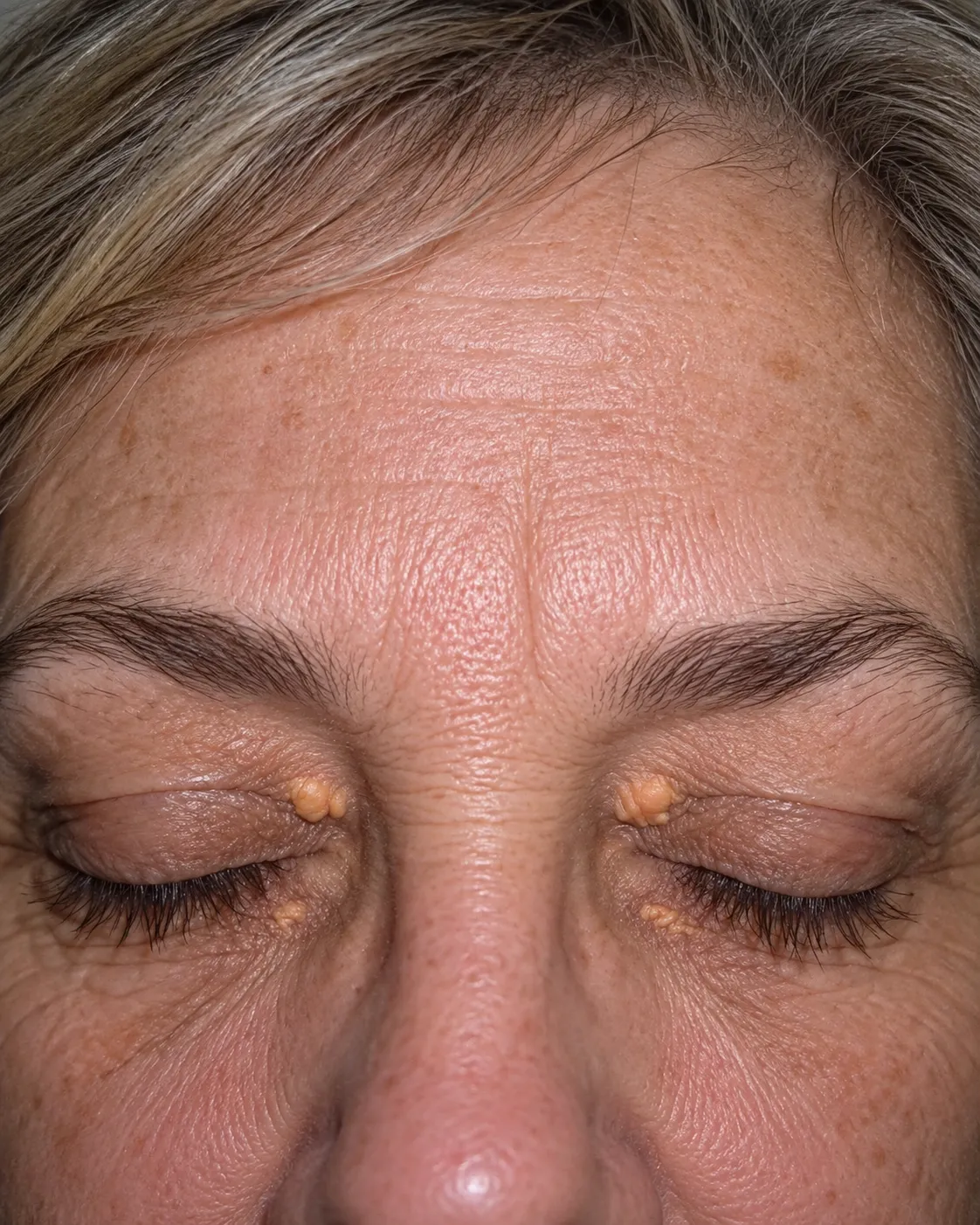
I thought my heart and cholesterol were healthy but nobody told me this
Alice Williams

 Add to Chrome