Discover The Power of Natto Today!
Ad Copy
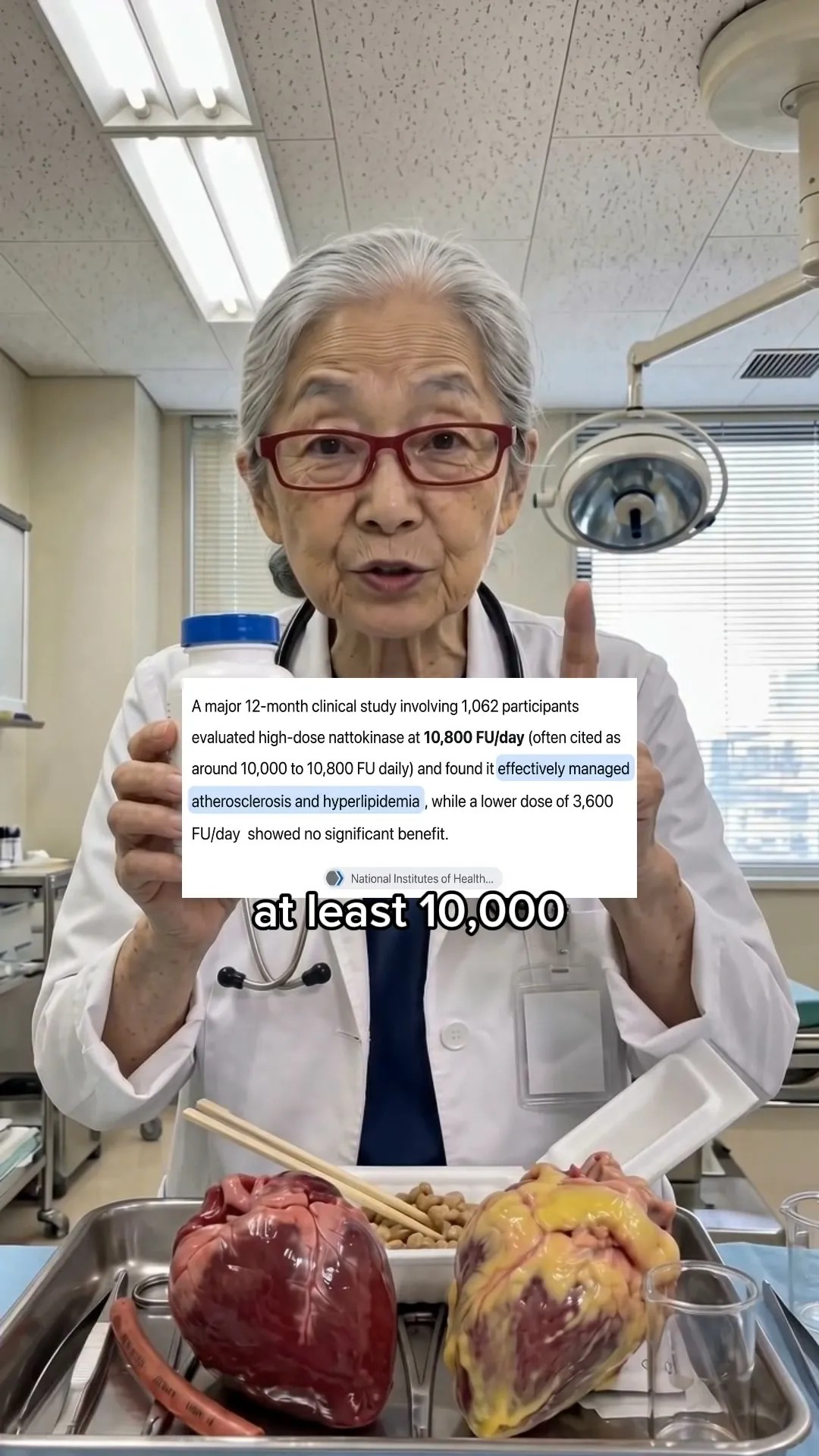
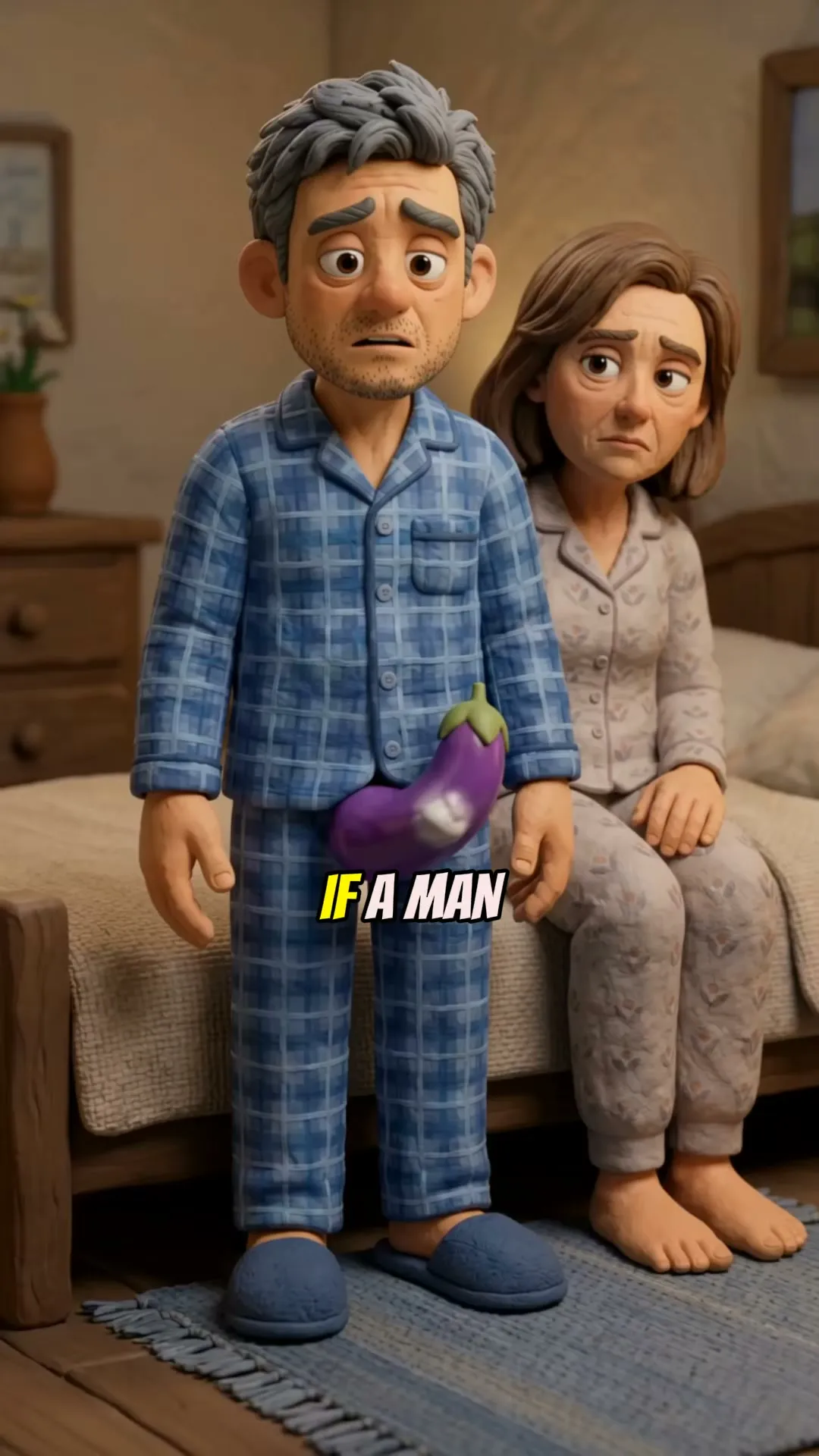
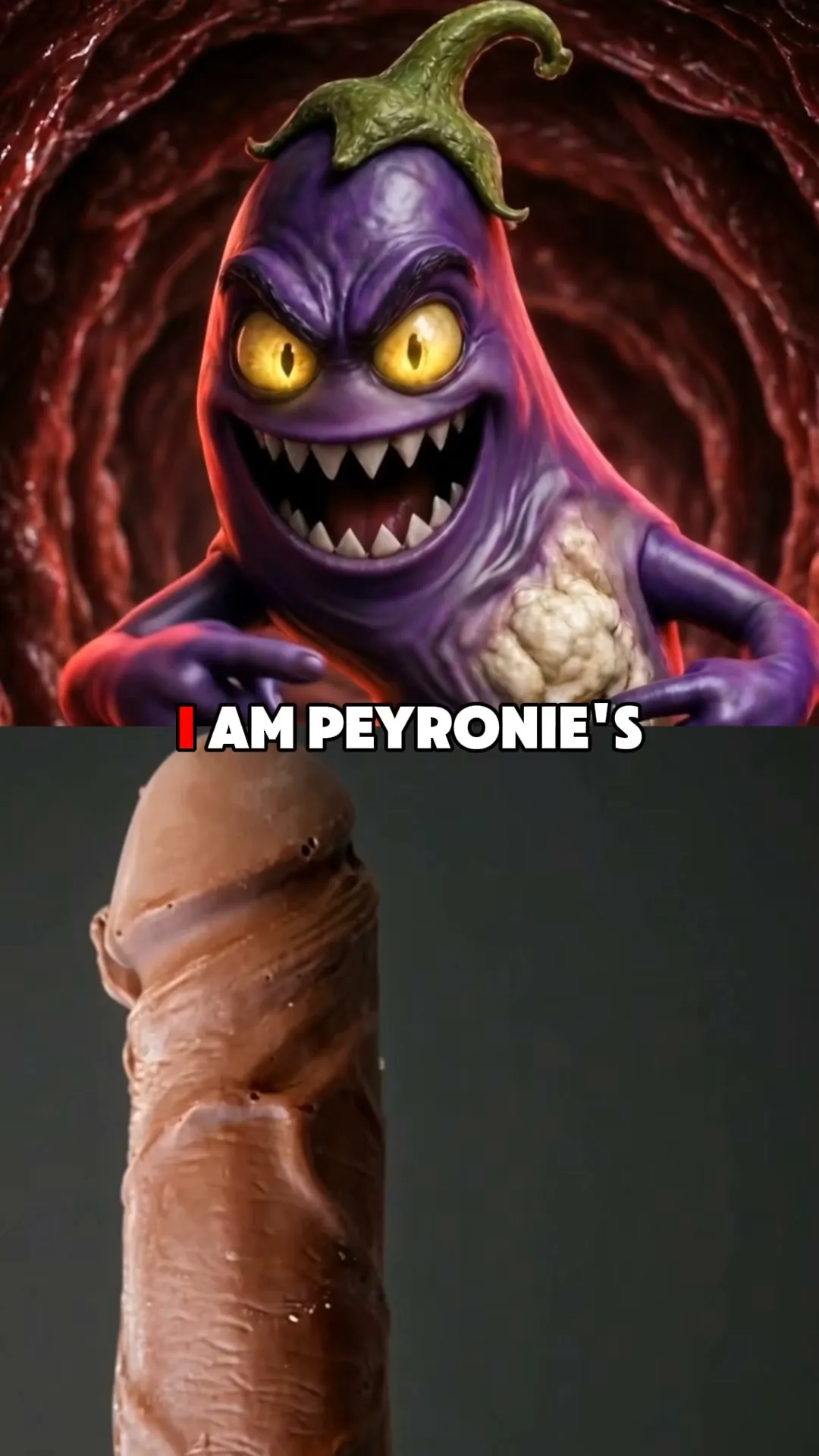
Every morning I look down and check if it got worse. That's my life now. I'm 54 years old and the first thing I do when I wake up is examine my own penis to see if the bend moved overnight. It started about 2 years ago. Just a slight curve that wasn't there before. I told myself it was nothing. Maybe I slept on it wrong. Maybe it's just aging. Then I felt the lump. A hard spot under the skin, like a pebble. And the curve kept getting worse. Sex went from uncomfortable to painful — for her. Then we just... stopped. I didn't tell anyone. Not my wife. Not my doctor. Not my friends. I just Googled "why is my penis bending" at 2am on my phone like a man who lost the instruction manual to his own body. That's when I learned the word. Peyronie's disease. Affects up to 9% of men. Peaks in your 50s. And almost nobody talks about it because what are you gonna say? "Hey buddy, my dick is curving to the left"? So I went to the urologist. Finally. Took me 8 months to make the appointment. He told me to "wait and see." Wait and see WHAT? It bend more? Because I looked it up — 48% of men who do nothing get WORSE. Only 12% improve on their own. The rest are stuck. He also told me to take Vitamin E. I took Vitamin E for 5 months. You know what changed? Nothing. And it turns out the American Urological Association's own guidelines say there's "no convincing evidence" it works. My own doctor prescribed me something his own medical association says doesn't work. So I started digging. That's what men like me do when nobody helps us. We research. We read medical papers at midnight. We join forums where strangers are more honest than our doctors. And that's where I found something that stopped me cold. The bend isn't caused by the scar tissue itself. Not directly. Here's what actually happens: During sex, the sheath around the erectile chambers gets tiny injuries. Normal. Happens to everyone. Your body patches it with fibrin — a protein mesh, like biological scaffolding. Then your body is supposed to DISSOLVE that fibrin and replace it with normal tissue. But in men with Peyronie's, that second part fails. There's an enzyme called PAI-1 that blocks your body's ability to break down fibrin. So the scaffolding stays. And it traps growth signals that turn normal cells into scar-producing machines. The collagen piles up. The plaque hardens. One side shortens. And your shaft bends. The problem was never the collagen. The problem was the FIBRIN that should've been cleared and wasn't. 283 years. This condition was first described in 1743. And nobody told me fibrin was the root of it. Then I found something else. Japan's Peyronie's rate is 0.6%. America's is up to 9%. Japan is also the country that's been eating natto — a fermented soybean food — for over 1,000 years. And the enzyme extracted from natto, called nattokinase, has been shown in published research to directly break down fibrin AND inactivate PAI-1, the very enzyme that blocks fibrin clearance. No, there's no study on nattokinase specifically for Peyronie's. I'm not going to lie to you. But the fibrin→PAI-1→nattokinase connection is published science. Real papers. Real researchers. And the dose matters. Most nattokinase supplements on Amazon are 2,000 FU. The clinical studies use 10,000 FU. I found one that actually delivers that dose — Noverly Nattokinase 10,000 FU. One capsule. Clinical strength. Not the watered-down stuff. I'm not telling you it's a cure. Nobody has that. 283 years and nobody has that. But I am telling you this: I spent 5 months on vitamin E that my own doctor's guidelines say doesn't work. I'm not doing that again. I'd rather target the fibrin nobody told me about. If your penis has started to bend, or you can feel that lump — you already know nobody is coming to save you. The urologist will tell you to wait. Or hand you a $33,000 bill for injections with a 65% hematoma rate. Or you can look at the same research I did and make your own call. 🔗 https://noverly.shop/products/nattokinase-10-000-fu-clinical-strength-heart-circulation-complex
More from Sandra Keller, RN
Discover The Power of Natto Today!
Sandra Keller, RN (1449243044946090)
Discover The Power of Natto Today!
Sandra Keller, RN (1449243044946090)
Discover The Power of Natto Today!
Sandra Keller, RN (1449243044946090)
Discover The Power of Natto Today!
Sandra Keller, RN (1449243044946090)
Discover The Power of Natto Today!
Sandra Keller, RN (1449243044946090)
Discover The Power of Natto Today!
Sandra Keller, RN (1449243044946090)
Discover The Power of Natto Today!
Sandra Keller, RN (1449243044946090)

Discover The Power of Natto Today!
Sandra Keller, RN (1449243044946090)
Discover The Power of Natto Today!
Sandra Keller, RN (1449243044946090)
Discover The Power of Natto Today!
Sandra Keller, RN (1449243044946090)
Discover The Power of Natto Today!
Sandra Keller, RN (1449243044946090)

Discover The Power of Natto Today!
Sandra Keller, RN (1449243044946090)

 Add to Chrome