Fix Yourself at the Cellular Level
Ad Copy
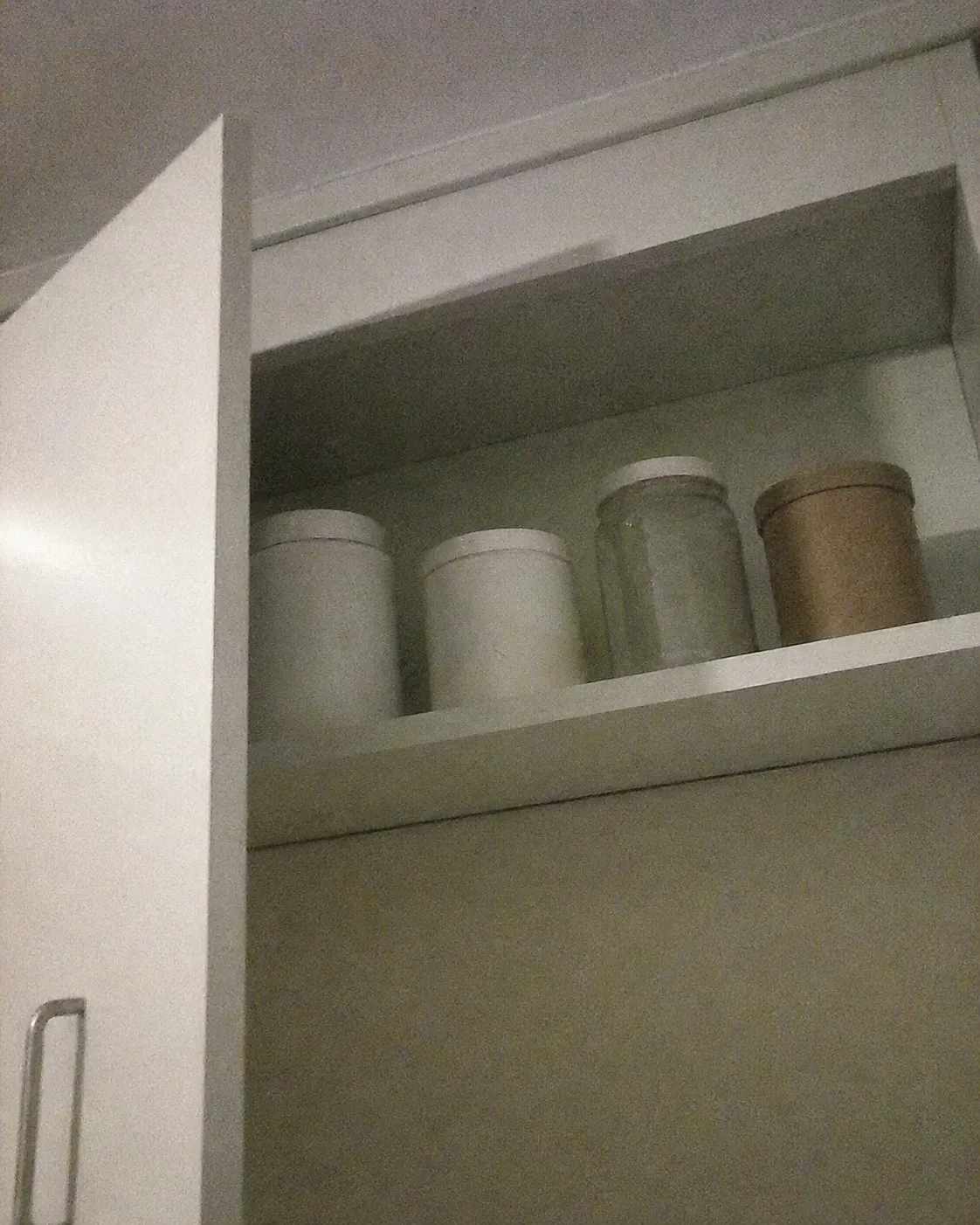
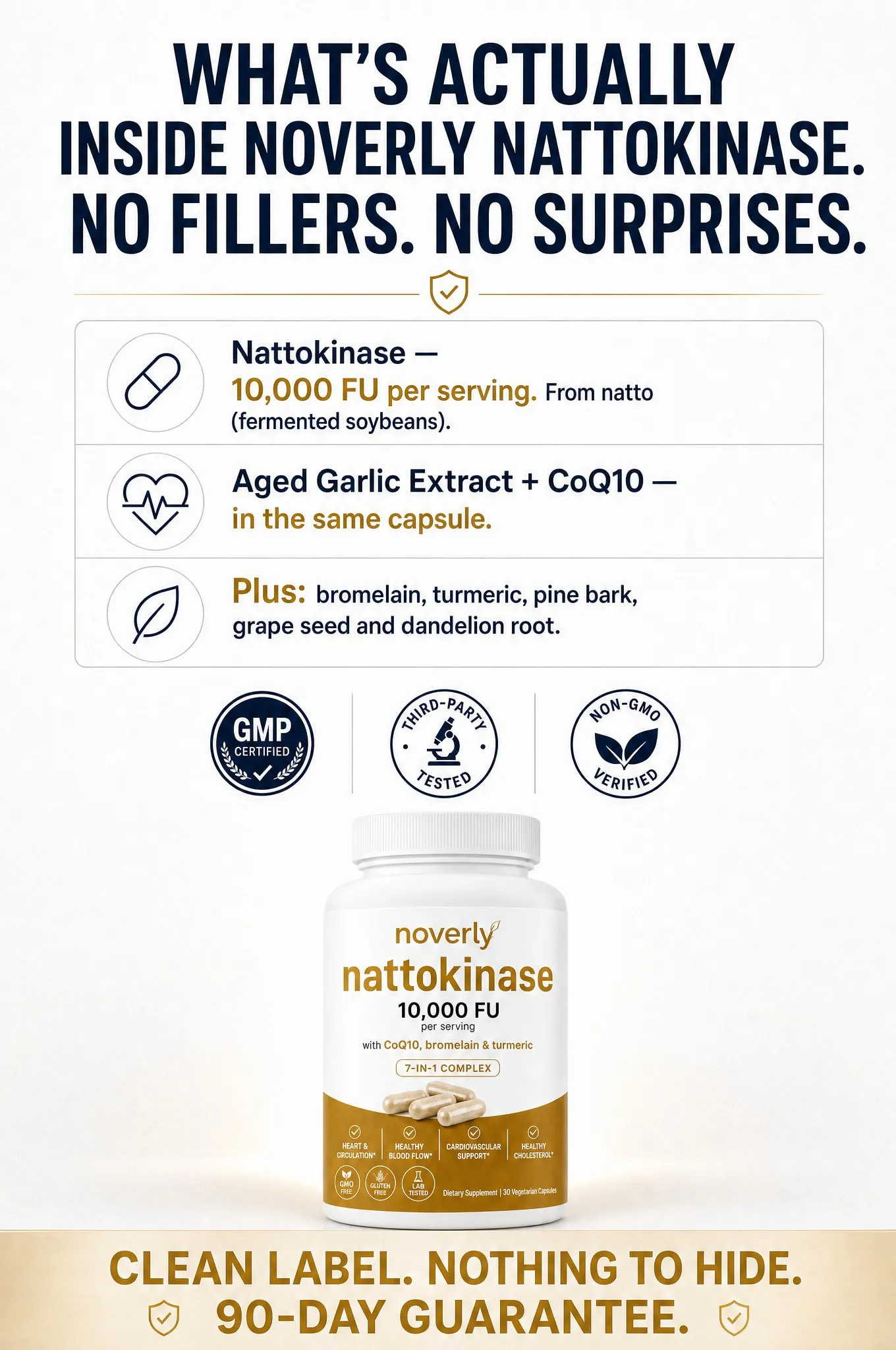
THE BACK OF THE CUPBOARD The bottle at the back of the cupboard is often still partly full. Not empty. Empty would mean it got finished. Partly full means it got started, and then something else happened. There is a familiar kind of kitchen shelf. It is rarely the one at eye level. It is the one above, or the one behind the door that sticks, and it holds a small museum of things that were going to be part of the week. A tub with the seal broken and most of the scoop still in it. A jar bought on a good day. Something from a shop that is no longer there. The labels face inward, mostly, because at some point they were turned to face inward. Nobody remembers doing that either. It is a very quiet shelf. Nothing on it is asking for anything anymore, which is more or less how it ended up there. None of it was a mistake. That is the first thing to say about the shelf, and the thing people tend to get wrong when they open the door. Every item up there was bought by somebody who meant it, on a day when meaning it seemed like enough. They read about it. They thought about it. They took it home and started, and for a while it was part of the day. That part is worth holding onto, because it is the part the shelf hides. Every jar up there was, for a stretch, simply a thing that got done, and then one day was not. Then the week did what weeks do. Not dramatically. Weeks rarely do anything dramatically. They just fill up from the edges. There was a stretch where things were busy. There was a trip. The routine moved, and when it settled again the tub had migrated one shelf up, and then one more, and then it was part of the museum. Nobody decides to stop. That is the important part. There is no day on which a person looks at the tub and thinks, I am done with this. There is only a day on which they do not reach for it, and then another, and the not-reaching becomes the habit instead. Which means the museum is not a verdict on anybody. It is what friction looks like after a while. Every jar up there lost to something small. Not to doubt. Not to a change of mind. To a step that was one step too many on an ordinary Tuesday. The step is usually embarrassingly minor when it is looked at afterwards. A lid that was stiff. A spoon that was in the dishwasher. A glass that was not where the glasses go. None of those would stop anybody on a good day. The shelf is not made of good days. It is made of the other kind, which are more numerous and arrive without warning. Look at what the survivors have in common, the things that are still at eye level after all this time. They are not the ones that promised the most. They are not the ones people were most excited about. They are the ones that asked the least. The eye-level shelf is not impressive to look at. It holds the plain things, the things with one step, the things that got used because using them cost almost nothing. The thing that lives by the sink and is easier to reach because of where it sits. The thing that fits inside something already happening, so there is less for the routine to depend on. The survivors did not win on merit so much as on position. That is a slightly humbling thing to notice about a kitchen, and once noticed it is difficult to un-notice. It also explains the shelf better than any story about willpower does. Willpower is the wrong instrument for measuring a cupboard. Position is the right one. Because it means the question about anything new is not really whether it is good. Plenty of good things are in the museum. The question is whether it can be kept by a person having an ordinary week — a week with a bad Wednesday in it, and a late Thursday, and a weekend that was supposed to be quiet and was not. A routine that depends on an unusually easy week may be asking a lot of the week. Easy weeks are seldom the ones that settle anything. Ordinary weeks tend to settle things. Ordinary weeks are most of the test. So the shelf, read correctly, is not a shelf of bad choices. It is a shelf of things that needed more than an ordinary week could give. A scoop to level. A timing to hit. A second thing to have on hand. A step that lived in a different room. Or simply a place that was slightly wrong — a shelf that was a reach, a drawer that was in the way, a spot that made sense on the day it was chosen and on no other day since. None of these are difficult. All of them are one thing too many on the wrong day, and there are a lot of wrong days. The people who keep things — and there are people who keep things, quietly, for a long time — tend not to be more disciplined than anybody else. One difference may simply be that they notice, before they buy, whether the thing can be folded into something that already happens. And they tend to be unsentimental about the shelf. They do not keep much of a museum. The tub gets given away or thrown out, because a shelf of half-finished things has a way of making the next thing harder to start. The cupboard gets simpler. That is not a sacrifice. It is what makes the eye-level shelf possible. And a simpler cupboard has a second property that is easy to miss: there is less in it that is waiting on anybody. The museum has a weight, and the weight is not in the jars. And that is the essay. So — before any description of the product, the part we refuse. We are not going to tell you how Noverly Nattokinase feels to take. We are not going to name a day, a week, or a season for anything. What we can describe is a bottle, a label, and a procedure. That is the whole of it. Two standing notes while we are here. This goes alongside the rest of a routine — the meals, the walks, the sleep — not in place of any of it. And talk to your doctor or pharmacist before adding any supplement, especially if you take any medication. Now the description. Noverly Nattokinase is a vegetarian capsule. Two capsules, one glass of water, once a day, with food. Swallow two capsules with a glass of water — with a meal. One capsule is a 10,000 FU serving. Two a day is the recommended dose. The bottle holds 60 capsules, a 30-day supply. On the label: GMO free, gluten free, lab tested. Zero caffeine, zero stimulants. No added sugar. Non-GMO and vegetarian. Third-party tested for purity, and tested for heavy metals and contaminants. Manufactured in the USA from globally sourced ingredients. Those are verified product facts. The directions are stated plainly on the label. That is the bottle in plain terms. There is no scoop. The directions call for two capsules with a glass of water and a meal. Whether that is small enough to fold into an ordinary week is not a thing anybody can promise from the outside. It depends on the week. The science, in one place. Nattokinase is an enzyme from natto, fermented soybeans, and it digests fibrin, the sticky protein mesh that thickens blood. Oxidative stress is a natural part of how the body responds to daily life; the body maintains its own antioxidant defenses to keep things in balance. The CoQ10, pine bark and grape seed in the same capsule are antioxidants. Which is the other half of why the museum shelf is worth reading properly. None of it was ever the point. The point was the ordinary week, and what could be carried through one without being noticed. Something that needs the week to bend around it tends to end up in the museum. Something that bends around the week has a chance. Noverly Nattokinase supports the body's natural antioxidant balance during daily activity.* So, the arrangement, plainly. Two capsules, one glass of water, once a day, with food. For this routine, the bottle can sit beside the glasses on the kitchen counter. — Noverly P.S. The guarantee, plainly: If you're not satisfied with Noverly Nattokinase, return your order within 90 days of delivery for a full refund. P.P.S. For the label-readers: each bottle is 60 capsules, a 30-day supply. Free of dairy, gluten, GMO, caffeine and artificial additives. Contains soy — it is made from fermented soybeans. Individual experiences vary. These statements have not been evaluated by the Food and Drug Administration. This product is not intended to diagnose, treat, cure, or prevent any disease.
More from Taylor Brown
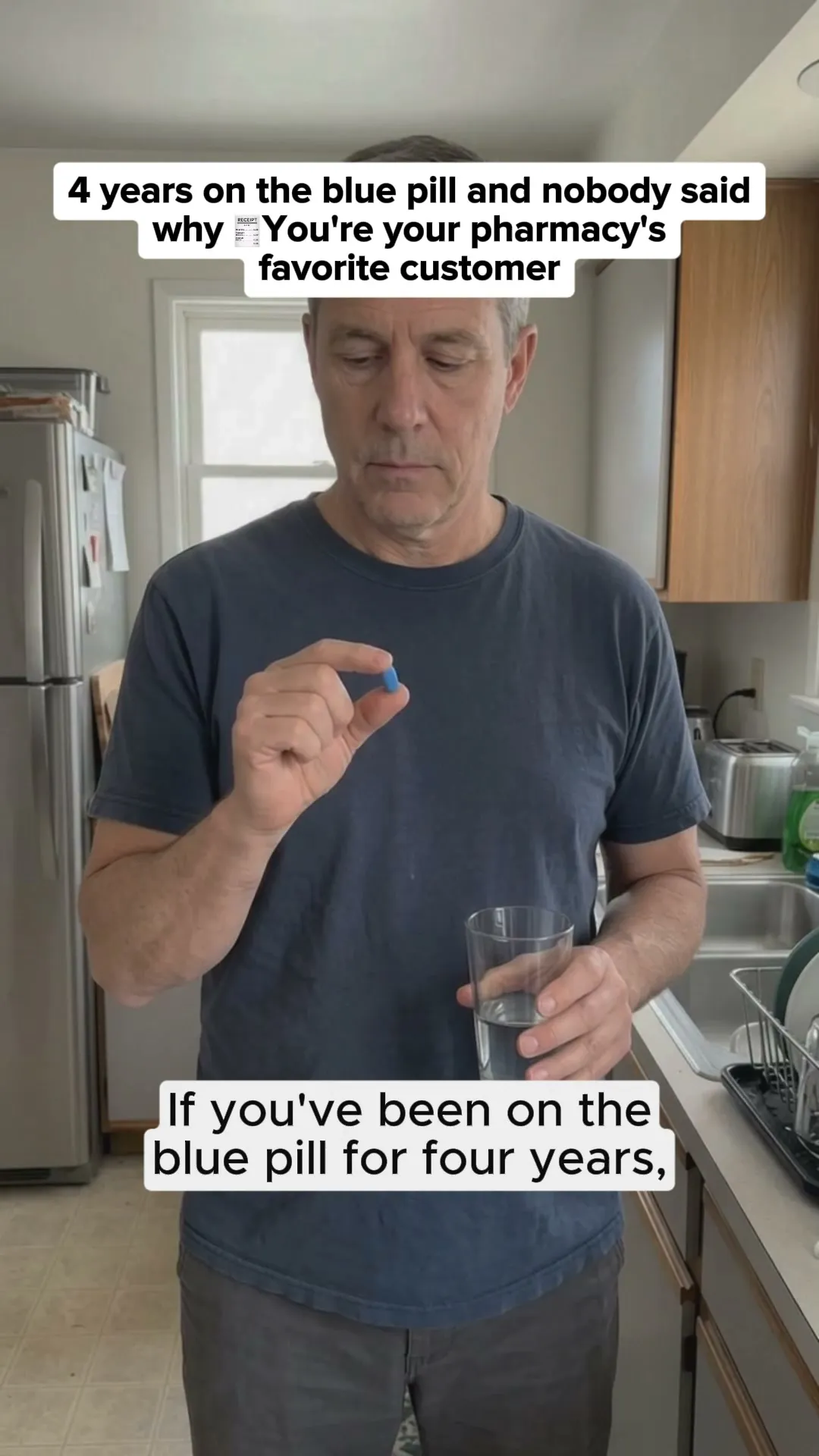
Discover The Power of Natto Today!
Taylor Brown (666956099826597)
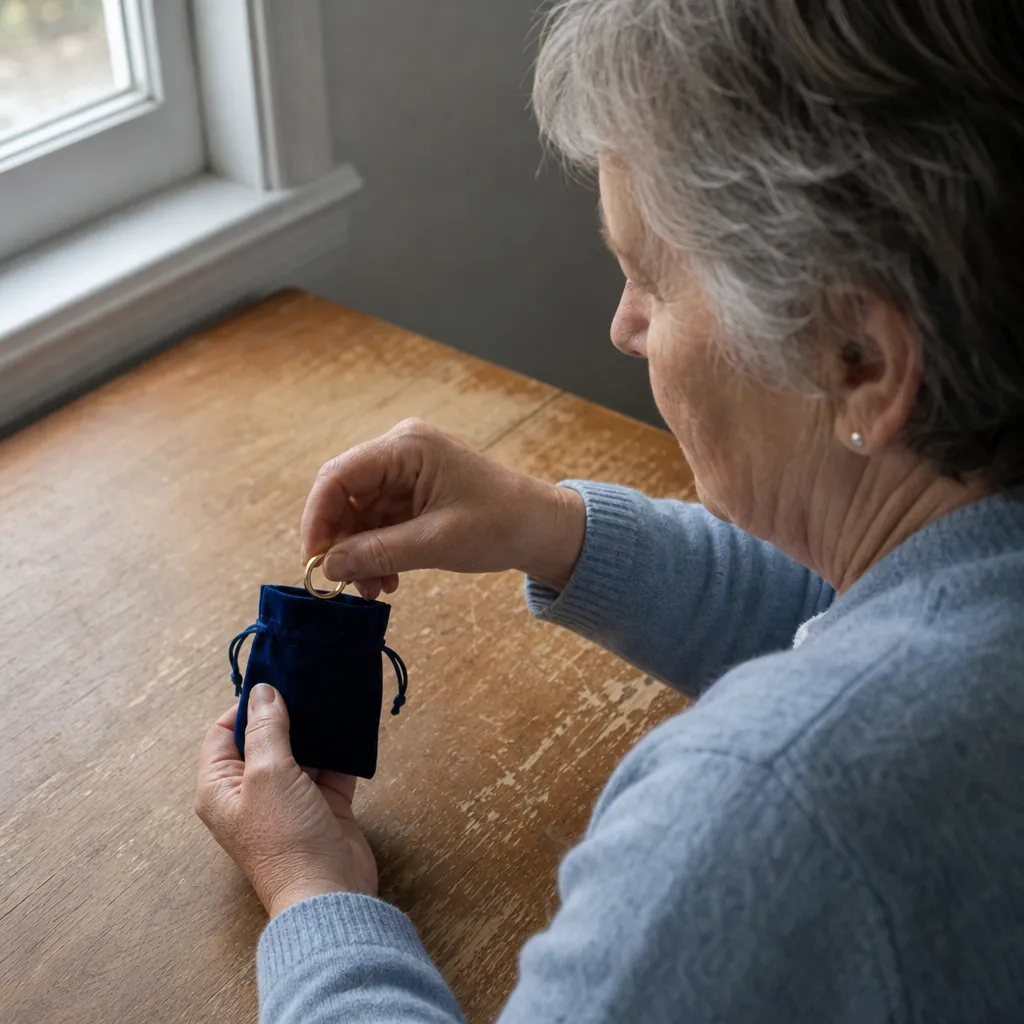
Natural Circulation In Weeks
Taylor Brown (666956099826597)
Natural Circulation In Weeks
Taylor Brown (666956099826597)

Discover The Power of Natto Today!
Taylor Brown (666956099826597)

Discover The Power of Natto Today!
Taylor Brown (666956099826597)

Discover The Power of Natto Today!
Taylor Brown (666956099826597)

The Average Over-55 Supplement Routine Is Seven Capsules a Day. Noverly Nattokinase Is Two.
Taylor Brown (666956099826597)
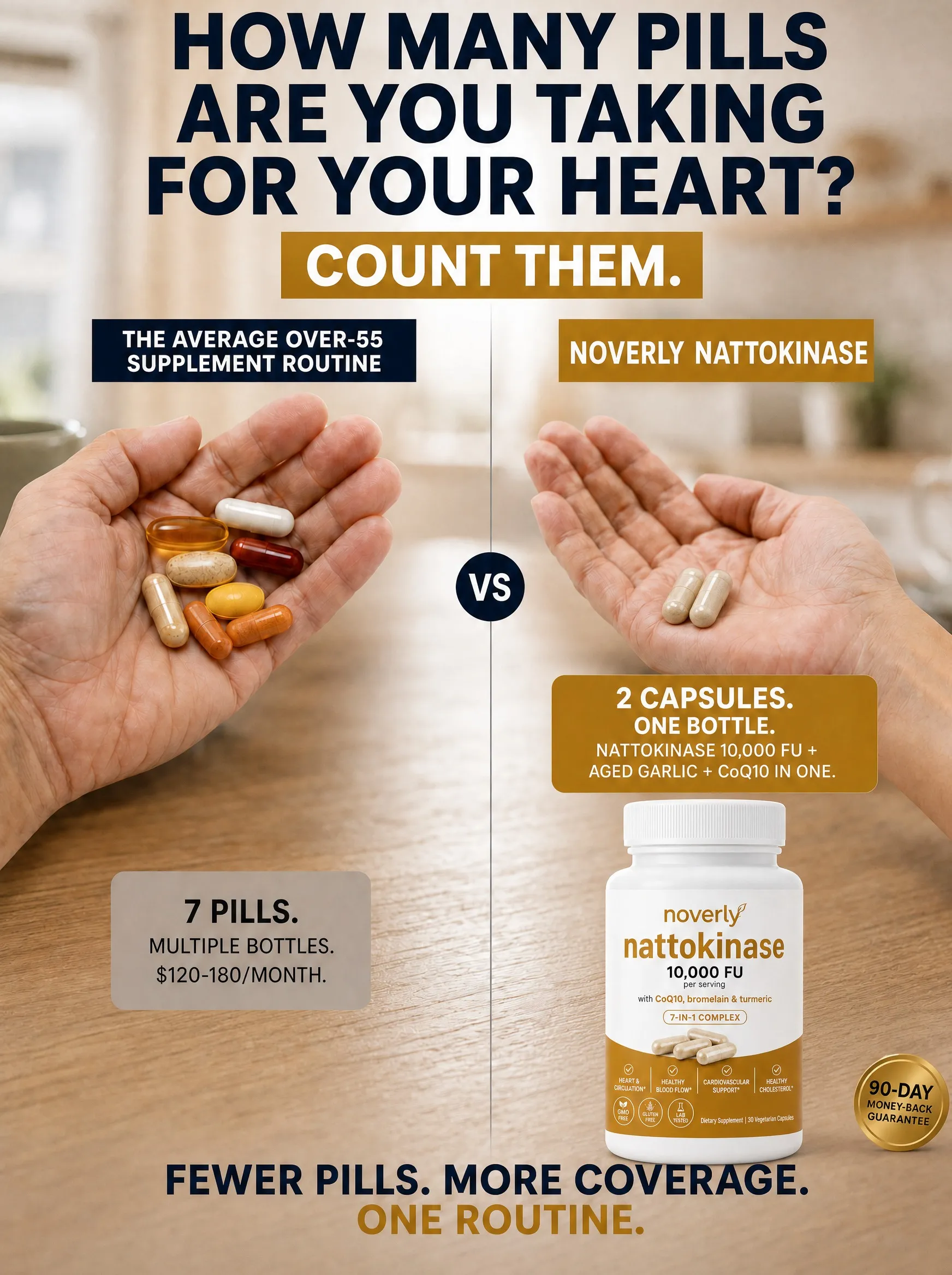
The Average Over-55 Supplement Routine Is Seven Capsules a Day. Noverly Nattokinase Is Two.
Taylor Brown (666956099826597)
The Average Over-55 Supplement Routine Is Seven Capsules a Day. Noverly Nattokinase Is Two.
Taylor Brown (666956099826597)

Discover The Power of Natto Today!
Taylor Brown (666956099826597)

Discover The Power of Natto Today!
Taylor Brown (666956099826597)

Discover The Power of Natto Today!
Taylor Brown (666956099826597)

 Add to Chrome