
Ad Copy
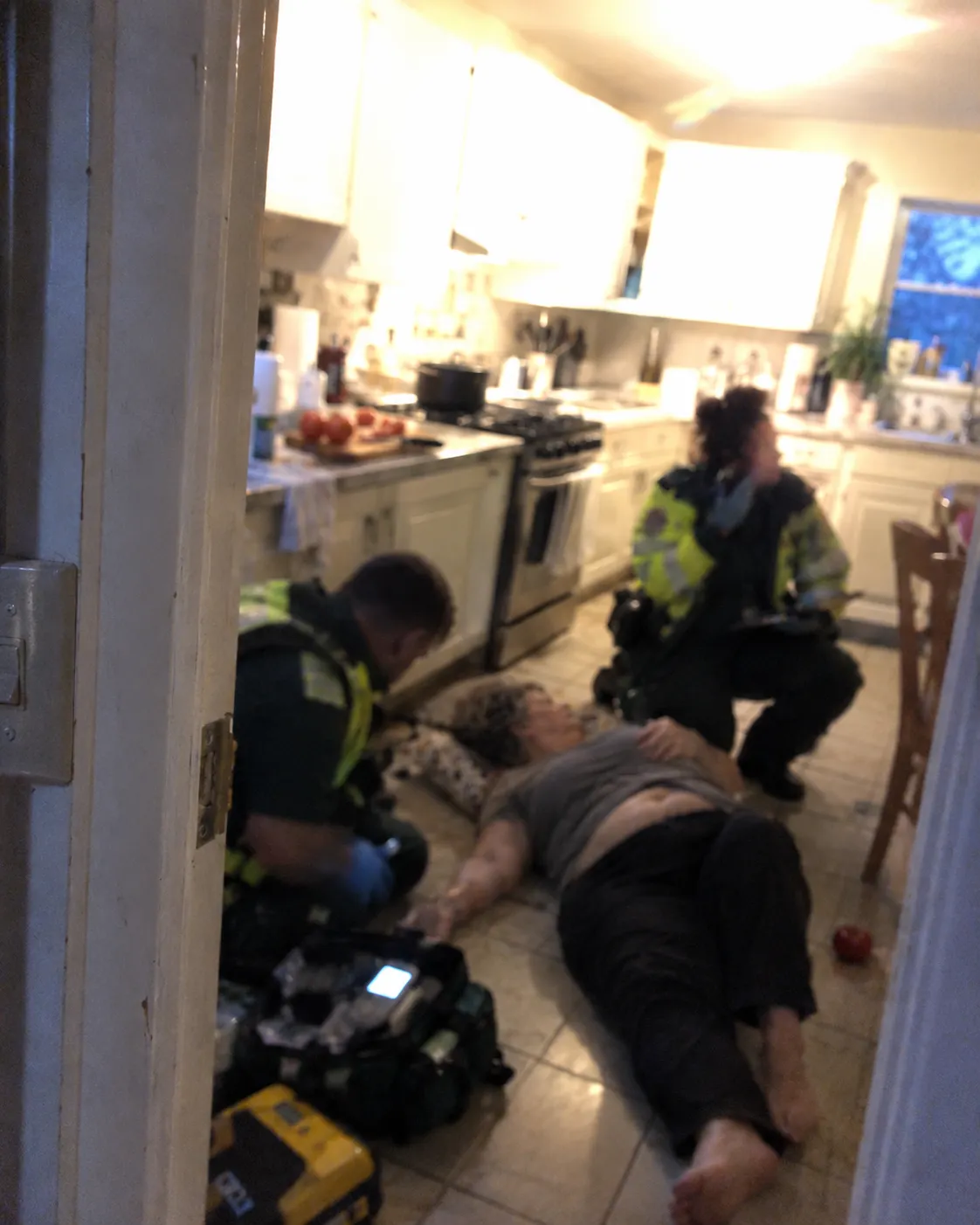
I'm fucking furious writing this. But my husband said if it stops even one person going through what we went through, it's worth it. So here we are. Eight weeks ago I was sitting in a hospital corridor at 2 in the morning still in my dressing gown, waiting while doctors ran test after test on my husband after he collapsed in our back garden. And I keep thinking about that row of prescription bottles on our bathroom shelf. The ones we trusted for eleven years. The ones nobody ever told us were not doing what we thought they were doing. Let me back up. My husband is 74. He has been on blood sugar medication for eleven years. And for eleven years he did everything right. Everything the endocrinologist told him. Everything the pharmacist said. Metformin every morning. Then Glipizide when the Metformin stopped being enough. Never missed once. About two years ago things started changing. He was exhausted all the time. Brain fog so thick he would stand in the kitchen and forget what he came in for. Tingling in his feet that he mentioned once and then stopped mentioning, because it just became normal. A heaviness after every meal like his body was shutting down. I took him to our GP. A1C came back 7.8. "He is managed. He is in good shape for his age." So he kept walking every morning. Took the fish oil. The chromium. The berberine for three weeks until it destroyed his stomach. Nothing changed. I told myself: this is just what getting older looks like. I actually felt guilty for pushing him to do more. Thought maybe I was expecting too much from a 74 year old body. Then one afternoon he was out in the garden and I heard him call my name. Not loudly. Just once. Flat. Wrong. I went outside and he was on one knee in the dirt, grey in the face, hand pressed against the raised bed like the ground had tilted under him. He told me later the whole garden had gone swimmy and his legs just stopped holding him. I called 911. My hands were shaking the entire time. At the hospital they went through everything. Blood pressure. Heart rhythm. Kidneys. All clear. He did not fit any profile. Every serious thing they checked for, he did not have. Just a 74 year old man who was completely, bone-deep run down, and nobody could say why. His blood sugar in the ER was three twelve. On two medications. Taken that morning. And then a young doctor doing the evening round stopped at his bed, looked at his chart, looked at his medication list, and asked a question that nobody else had thought to ask in eleven years. "Has anyone ever explained to him why his medications keep stopping working." Metformin for six years. Glipizide added at year six. Dose increased twice. Numbers still climbing. She came back later and sat down with us. And what she told me made me want to put my fist through the wall. Your cells have receptors on them. Think of them like doors. Insulin is the key. When insulin arrives at the receptor, the door opens, sugar goes into the cell, and blood sugar goes down. Normal. That is how it is supposed to work. After years of high blood sugar and high insulin, the receptors stop responding. The doors get stuck shut. Not because there is no insulin. There is plenty of insulin. His pancreas had been screaming it out for over a decade. The problem is the doors stopped answering. And here is the part that made my blood boil. The Metformin tells the liver to release less sugar. It works on the supply side. It cannot do anything to the receptors that have stopped responding. The Glipizide forces the pancreas to produce more insulin. More keys. Pounding on doors that are stuck shut. You can take those medications every single morning for eleven years and never once fix what is actually broken. That receptor resistance sits there every single day. Sugar sitting in the blood because the cells will not take it in. Grinding through every vessel. Every nerve. Every organ. There is even a name for it. Insulin resistance. And most people who have it have no idea how bad it actually is, because the A1C comes back and the doctor says managed. They just know they wake up tired. They just know their feet tingle at night. They just know they are exhausted in a way that sleep does not fix, and they blame it on their age, because what else is there to blame. Your body fighting a constant, never-ending blood sugar assault on every blood vessel every single day is exhausting. It wears you down in a way that does not show up as a single emergency. It just shows up as a man who is not himself anymore. A man who quietly stops doing the things he used to do. Until he is on one knee in the garden calling your name in a voice that does not sound like his. I sat there in that hospital room and I thought about eleven years. Eleven years of doing everything right. Everything the endocrinologist said. Everything the prescription said. And not one part of it was reaching the actual problem. "Why did nobody tell us this when he was diagnosed," I said. The young doctor looked at me. She did not have a good answer. Because there is not one. I went home that night and I could not sleep. I sat at the kitchen table at two in the morning and I started reading everything I could find. And the more I read the angrier I got. The research was not new. Studies showing that blood sugar medications manage the number without reversing receptor resistance. Studies on how common it is for patients on two or three medications to still have blood sugar high enough to cause organ damage. Studies showing that Glipizide accelerates pancreatic burnout by forcing overproduction of insulin that the receptors cannot use. Forums full of people with the same story. Constant tiredness nobody could explain. Brain fog every afternoon. Tingling that kept spreading. Doctors running every test and saying managed. Until someone finally asked about the receptors. And I thought about that row of prescription bottles on our bathroom shelf. The ones we had been filling month after month for eleven years. Metformin forty-five dollars a month. Glipizide sixty dollars a month. Never questioning it. Because the endocrinologist said so. Because the prescription said so. Because nobody ever told us it was not working. You want to know what really made me furious. If they told us about the receptors upfront. The actual reason his blood sugar stayed high. We could have addressed it years ago. So instead we kept filling prescriptions. Month after month. Year after year. While the receptor resistance built. While the nerve damage built. While the exhaustion built. While a man slowly disappeared into what everyone kept calling old age. And nobody said a word. I kept reading until I found what actually works. The compound researchers have been studying for over twenty years. Cinnamaldehyde. Not the cinnamon on the shelf at the grocery store. Not cassia from China that barely contains the active compound and damages your liver at daily doses. A specific species. Ceylon. Cinnamomum verum from Sri Lanka. Two compounds that work together. Cinnamaldehyde acts directly on the insulin receptors. Does not add more insulin. Does not force the pancreas. Makes the existing receptors start responding again. Opens the doors. MHCP slows the glucose spike after meals so there is less sugar flooding the blood while the doors are reopening. Not a medication forcing the number down from the outside. Something that reaches where the problem actually lives. But I almost missed it. Because I had already tried cinnamon. Two bottles of capsules from Walmart. Eight dollars each. Nothing happened. And I would have walked right past it again if the young doctor had not explained why those capsules never had a chance. Three reasons. Wrong species. Wrong delivery. Wrong dose. The capsules were cassia. Not Ceylon. Different tree. Different compound profile. The active compound barely present. Cinnamaldehyde is fat-soluble. A dry powder capsule has no fat carrier. The compound passes straight through the digestive system without being absorbed. It needs to be suspended in fat. MCT oil works. A dry capsule does not. The oil is the boat. And dose. The shelf capsules are five hundred milligrams. Maybe a thousand. The research that showed receptor activation used the equivalent of seventy-two hundred milligrams. We were taking a fraction of what the studies used. I found the one formulation that gets all three right. I ordered it at three in the morning. It is called Resia. Ceylon cinnamon. DNA-verified Cinnamomum verum from Sri Lanka. Seventy-two hundred milligram equivalent as a twelve-to-one concentrate. Suspended in organic MCT oil. Two softgels with breakfast. When it arrived I gave him two softgels the next morning. He looked at me like I was crazy. Another supplement. Another bottle. Another promise. I told him ninety days. Give me ninety days. If nothing changes I will never bring it up again. He took them. That was two months ago. Week one. His fasting glucose had been sitting between one sixty and one seventy-five for over a year. One sixty-one. One fifty-eight. One sixty-three. One fifty-five. One fifty-nine. One fifty-two. The one fifty-two caught my eye. He had not seen one fifty-two in over a year. Week two. One forty-eight. One fifty-one. One forty-seven. One forty-four. One forty-nine. I checked the glucometer batteries. Week three. He told me the brain fog was different. Not gone. Different. Lighter. The 2pm shutdown where he would sit in his chair and just stop, that had eased. I asked him how long he had been shutting down every afternoon. He thought about it. He could not remember when he had not been. Week four. Fasting glucose one thirty-eight. One thirty-five. One thirty-nine. One thirty-two. One thirty-two. He sat at the kitchen table staring at the number on the screen. He had not seen one thirty-two since before the Glipizide was added. I walked in. "What's wrong?" "Nothing," he said. "That's the problem. Nothing is wrong." Week six. He slept through the night. First time in months. No bathroom trips at 2am. No 3am. No 4am. The tingling in his feet that he had stopped mentioning because it had become normal. Fading. Week eight. He walked into the kitchen one morning, dressed, keys in hand, and told me he was driving to the nursery to pick up soil. On his own. Something he had not offered to do in over a year. I said go on then. And I stood at the window and watched him back the car out like it was nothing. Like it had always been nothing. His A1C at the eight-week draw came back 7.1. Down from 8.9. His endocrinologist called us personally. Asked what changed. "We addressed the receptors," I said. "Instead of just managing the sugar." She was quiet for a moment. "Whatever you're doing, keep doing it." Now. Before you go looking for a cinnamon supplement I need to tell you something important. Because I spent that whole night going through every option and I know what is out there. Most supplements sold as cinnamon are not built for this problem. They are built for a label. And the difference matters more than you would think. They tend to use cassia, the cheap species from China, which barely contains cinnamaldehyde and is loaded with coumarin that damages your liver at daily doses. The European Food Safety Authority documented this. And the delivery is where most of them fall apart completely. A dry powder capsule with no fat carrier looks like a cinnamon supplement and does nothing. Cinnamaldehyde is fat-soluble. Without a fat carrier it passes through your digestive system without being absorbed. A dry capsule sitting in your stomach is not the same thing as a compound reaching your insulin receptors, no matter how good the label looks sitting on the shelf. And dose. The shelf capsules are five hundred milligrams. Maybe a thousand. The research used seventy-two hundred milligram equivalent. Most people are taking a fraction of what actually works. Resia does all three properly. DNA-verified Ceylon cinnamon from Sri Lanka. The real species. Seventy-two hundred milligram equivalent as a twelve-to-one concentrate. Suspended in organic MCT oil so the compounds actually absorb. That is what the research used. That is what was missing from every bathroom shelf for years. I ordered one for my sister a month after my husband came home. Her husband has been on Metformin for nine years. She rang me after his first two weeks. She said: "The fasting numbers." I said: "I know." She said: "Nine years." I said: "I know." She called me three weeks later. "I didn't realise how bad he felt," she said. "Until he started feeling better." That is what a slow, constant assault on every blood vessel does. It builds so gradually you stop remembering what normal feels like. I think about all the other people out there right now. Trusting the Metformin. Trusting the prescription. Watching their husband or their wife slow down and telling themselves it is just age. When the thing wearing them down is the receptor resistance that nobody told them their medication was never designed to fix. And nobody is telling them. I am not a doctor. I am just someone who happened to be in a hospital corridor at two in the morning when the right doctor finally asked the right question. If your husband or your wife or your parent is on blood sugar medication and has been doing everything right and still feels wrong. The tiredness that sleep does not fix. The brain fog every afternoon. The tingling in the feet that keeps spreading. The A1C the doctor calls managed while the body keeps getting worse. Do not wait for an afternoon in the garden. Do not wait for a hospital corridor at two in the morning. Do not wait for the conversation about why nobody told you this for eleven years. Resia. Ceylon Cinnamon seventy-two hundred milligram equivalent with MCT oil. Two softgels with breakfast. Single bottle: $29.99 Buy 2 Get 1 Free: $54.99 (save $65) Buy 3 Get 2 Free: $79.99 (save $90) One-time purchase. No subscription. 60-day money-back guarantee. Third-party tested. No fillers. Made in USA. 👉 https://tryresia.com/products/ceylon-cinnamon-7200mg-equivalent-with-mct-oil Read it today. Do not wait for the garden
More from Melissa Burkens
Ceylon Cinnamon 7200mg Equivalent with MCT Oil
Melissa Burkens
Ceylon Cinnamon 7200mg Equivalent with MCT Oil
Melissa Burkens

Ceylon Cinnamon 7200mg Equivalent with MCT Oil
Melissa Burkens
If you were told your A1C is managed... and your feet tingle every night and you can't stay awake past 2pm... stop assuming managed means the damage stopped. My mom's A1C was 7.8. Her endocrinologist called it managed. Her body called it something else entirely. That's why none of us questioned it for years. For almost six years, the word managed made us feel safe. Then came the tingling. The brain fog. The 2pm shutdowns. The three bathroom trips every night. We blamed age. Until one of my coworkers told me her father was dealing with almost the exact same thing. Same A1C range. Same medications. Same doctor saying managed. Same tingling. Same fog. Same exhaustion that sleep couldn't fix. Two people. Two different lives. Same word on their chart. Same body falling apart underneath it. That's when I stopped trusting the word managed. My mom was diagnosed with Type 2 at 56. Her doctor put her on Metformin immediately. She took it every morning. Never missed once. Her A1C came down from 9.2 to 8.4 in the first year. Her doctor said she was doing great. She went back to work. Kept walking every morning. Watched what she ate. Lived normally. And for years, the word managed made everything feel under control. Then things started changing. Slowly. So slowly that nobody noticed the pattern at first. She started feeling heavy after lunch. Then exhausted by 2pm every afternoon. Then foggy in a way that coffee couldn't touch. She started saying no to afternoon walks. No to long drives with my dad because she'd need a bathroom every thirty minutes. No to things she used to do without thinking twice. Then the Metformin stopped being enough. Her endocrinologist added Glipizide. Her A1C came down from 8.4 to 7.8. "Managed," the doctor said. "We're in a good range." But her feet started tingling at night. She started waking up at 2am. Then 3am. Then 4am. The brain fog got thicker. She couldn't stay awake past 8pm. And every time she mentioned it, she heard the same thing. "Your A1C is 7.8. That's managed." "This is common at your age." "Do more walking." "Watch your carbs." "We may need to add another medication." Managed. My mom was losing feeling in her feet. Her brain stopped working every afternoon. She couldn't sleep through the night. She was on two medications and her numbers had stopped improving. And calling it managed because the doctor did. She tried the diet. Strict. For months. Cut the bread. Cut the pasta. Cut the rice. Logged every meal. Her A1C moved from 7.8 to 7.6. Months of discipline. For 0.2 points. She did the exercise. Walking every morning. Gym three days a week. She got stronger. Lost eleven pounds. Her fasting glucose was still sitting at 164 every morning. She tried supplements. Cinnamon capsules from Walmart. Berberine that destroyed her stomach. Chromium picolinate. Apple cider vinegar. A blood sugar formula with fifteen ingredients. Nothing moved. Then her doctor suggested Ozempic. $340 a month. Nausea for the first three weeks. Hair thinning by month two. Her A1C dropped to 7.4. Still managed. Still tingling. Still foggy. Still exhausted. Three medications and her doctor was talking about adding insulin. That's when I started asking questions. Why didn't the diet fix it if it was a sugar problem? Why did Metformin stop being enough? Why was she on three medications and her doctor still calling it managed while her body was getting worse? And most importantly: Why was my coworker's father living the exact same story? Same medications. Same managed. Same body falling apart underneath the number. If managed means the damage stopped... Why were they both still getting worse? So I went down a rabbit hole. Insulin resistance. Receptor biology. Cellular signaling. Pancreatic function. And what I found finally explained why managed doesn't mean what we thought it meant. When your doctor says your blood sugar is managed, they mean the number on the chart is in an acceptable range. But the number is not the disease. The disease is in the receptors. Every cell in your body has receptors on the surface. Think of them like doors. Insulin is the key. When insulin arrives at the receptor, the door opens, sugar goes in, blood sugar goes down. After years of high blood sugar and high insulin, the receptors stop responding. The doors get stuck shut. Not because there's no insulin. There's plenty. The pancreas has been screaming it out for years. The problem is the doors stopped answering. And here is what nobody told us. Managed means the medications forced the number down. It does not mean the doors opened. The Metformin tells the liver to release less sugar. Less sugar in the blood. Number goes down. But the doors are still stuck. The Glipizide forces the pancreas to produce more insulin. More keys pounding on stuck doors. Some sugar gets pushed through by sheer volume. Number goes down a little more. But the doors are still stuck. The Ozempic slows digestion so less sugar hits the blood at once. Number goes down a little more. But the doors are still stuck. And the sugar that can't get through the stuck doors? It sits in the blood. Grinding through every vessel. Every nerve. Every organ. At 7.8, the number is managed. The damage hasn't stopped. That's why her feet tingled. That's why her brain fogged every afternoon. That's why she couldn't sleep through the night. That's why she was exhausted in a way that sleep couldn't fix. Her A1C was in a range her doctor called acceptable. Her blood sugar was still high enough to be destroying her body from the inside. Managed didn't mean safe. Managed meant the number looked acceptable on a chart while the receptor problem underneath kept grinding. And this is the part that made me furious. The medications were never designed to fix the receptors. They were designed to manage the number. Metformin manages supply. Glipizide forces production. Ozempic slows intake. Insulin floods the system. Not one of them opens the doors. And the longer the doors stay stuck, the harder the pancreas works, the faster it burns out, the more medications get added, and the more damage gets done while the chart says managed. That's not treatment. That's managed decline. And my mom spent six years in it thinking she was doing fine because the doctor kept using that word. I kept reading until I found what actually addresses the receptors. Not the number. The receptors. The compound researchers have been studying for over twenty years. Cinnamaldehyde. Not the cinnamon on the shelf at the grocery store. Not cassia from China that barely contains the active compound and damages your liver at daily doses. A specific species. Ceylon. Cinnamomum verum from Sri Lanka. Two compounds that work together. Cinnamaldehyde acts directly on insulin receptors. Does not add more insulin. Does not force the pancreas. Makes the existing receptors start responding again. Opens the doors. So the insulin she already produces can do its job. MHCP slows the glucose spike after meals so there's less sugar flooding the blood while the doors are reopening. Takes the emergency pressure off the pancreas so the beta cells can recover instead of burning out. Not managing the number. Fixing the reason the number was high. But I almost missed it. Because I had already bought her cinnamon capsules. Two bottles from Walmart. $8 each. Nothing happened. And I would have walked right past it again if the research hadn't explained why those capsules never had a chance. Three reasons. Wrong species. Cassia, not Ceylon. Different tree. Different compound profile. Active compound barely present. Wrong delivery. Cinnamaldehyde is fat-soluble. A dry powder capsule has no fat carrier. Passes straight through without being absorbed. Needs to be suspended in fat. MCT oil works. A dry capsule doesn't. The oil is the boat. Wrong dose. Shelf capsules are 500mg. Maybe 1000. The research used 7200mg equivalent. She was taking a fraction of what the studies used. I found the one formulation that gets all three right. Resia. Ceylon cinnamon. DNA-verified Cinnamomum verum from Sri Lanka. 7200mg equivalent as a 12-to-1 concentrate. Suspended in organic MCT oil. Two softgels with breakfast. My mom started taking them alongside her existing medications. The first two weeks weren't dramatic. She still felt tired. She still had the fog. She still checked her fasting glucose and saw numbers in the 160s. Then the numbers started shifting. 164 had been her floor for over a year. Then 158. Then 155. Then 152. The 152 caught my eye. She hadn't seen 152 in over a year. I assumed it was noise. Next week. 148. 151. 147. 144. 149. I checked the glucometer batteries. Week three. Average fasting glucose 141. Down from 164 three weeks earlier. Twenty-three points. The 2pm shutdown started easing. She was still awake at 3pm. Standing. In the kitchen. Making dinner. I asked her how long the shutdowns had been happening. She thought about it. She couldn't remember when they hadn't been. Week four. 138. 135. 139. 132. She sat at the kitchen table staring at the number on the screen. She hadn't seen 132 since before the Glipizide was added. My dad walked in. "What's wrong?" "Nothing," she said. "That's the problem. Nothing is wrong." Week six. Average fasting glucose 126. She slept through the night. First time in months. No 2am. No 3am. No 4am. The tingling in her feet that she'd stopped mentioning because it had become normal. Fading. Week eight. Average fasting glucose 118. Lab results came back. A1C: 7.1. Down from 8.9 from before the medications started working, and down from 7.8 where it had been stuck for years while the doctor called it managed. Her endocrinologist called us personally. "What did she change?" "We addressed the receptors," I said. "Instead of just managing the sugar." She was quiet. "Whatever she's doing, keep doing it." Six-week follow-up. A1C: 6.4. Her endocrinologist reduced her Glipizide. Said her pancreas didn't need to be pushed that hard anymore. And if the next draw held, they'd talk about the Ozempic. My mom is now eight months in. A1C 6.1. Glipizide gone. Ozempic gone. She takes Metformin and Resia. That's it. Her fasting glucose this morning was 104. And for years, she thought managed meant she was okay. It didn't. Managed meant the number on the chart looked acceptable while the receptor problem underneath kept doing damage. The doctor kept using the word. Her body kept getting worse. Those were happening at the same time. And nobody connected them. If your A1C is in a range your doctor calls managed... And you're dealing with: Tingling in your feet that keeps spreading. Brain fog every afternoon. Exhaustion that sleep doesn't fix. Waking up two or three times every night. Medications that keep going up. Fasting glucose that won't come down no matter what you eat. A doctor pushing insulin. And the quiet feeling that your body is getting worse while your chart says you're fine... Stop assuming managed means the damage stopped. It doesn't. Managed means the number is medicated. It does not mean the receptors are working. That's the difference. My mom spent six years believing one meant the other. It cost her feeling in her feet. Energy she'll never calculate. Afternoons with her grandchildren she can't get back. The medications were doing what they were designed to do. They were never designed to fix the receptors. Resia is. Ceylon Cinnamon 7200mg equivalent with MCT oil. Two softgels with breakfast. DNA-verified Cinnamomum verum from Sri Lanka. 12-to-1 concentrate. Suspended in organic MCT oil. Third-party tested per batch. No fillers. Made in USA. Single bottle: $29.99 Buy 2 Get 1 Free: $54.99 (save $65) Buy 3 Get 2 Free: $79.99 (save $90) One-time purchase. No subscription. 60-day money-back guarantee. 👉 https://tryresia.com/products/ceylon-cinnamon-7200mg-equivalent-with-mct-oil So you don't have to spend another year watching your body get worse while your chart says managed. Read the mechanism. Look at your own numbers. Then decide. Because my mom spent six years thinking managed meant safe. It didn't. Her A1C was managed. Her receptors were stuck. Those are not the same thing. And now she knows the difference. The number was managed. The damage wasn't.
Melissa Burkens
I started dreading every doctor's appointment because my blood sugar numbers kept getting worse no matter what I did Every single visit, I'd sit there while she frowned at my chart thinking "here comes the insulin lecture again." We went from me being confident about my health to me lying awake at night feeling my feet tingle and my vision blur. ☝☝☝ This was consuming my life 6 months ago. And it turned out I was completely wrong about what was actually causing my blood sugar to stay high… So for almost three years, every time I checked my fasting glucose in the morning, I'd see numbers that made my stomach drop. Not because I felt sick. Because I knew what those numbers meant for my future. And I'd do everything right. Cut the carbs, walked every day, lost 15 pounds, took my meds exactly as prescribed. But every reading, every appointment, those same high numbers stared back at me. So I started Googling at 2am asking "why is my blood sugar still high on Metformin." And everyone online said it's genetics, it's stress, you need a higher dose. So I felt hopeless, like my body was broken and pills were my only option forever. And I started accepting whatever my doctor prescribed. I tried Metformin first, then they added Glipizide, then Ozempic at $340 a month. Got blood work every 3 months, cut out foods I loved, stopped eating anything white entirely. Took every supplement the internet recommended. Cinnamon capsules from Walmart. Berberine. Chromium picolinate. Apple cider vinegar. A blood sugar support formula with fifteen ingredients I couldn't pronounce. I even bought a continuous glucose monitor because maybe I was measuring wrong. Like I was researching "how to lower A1C naturally at 56" at midnight while my husband slept next to me, probably worried I'd end up on dialysis like my dad did. But nothing changed. So then I went to an endocrinologist my friend recommended. And she looked at my chart and said "some people are just insulin resistant, it's genetic." Like she's telling me this body that terrifies me is just... my genes? So she increased my Glipizide dose anyway. And I felt shaky and nauseous for weeks. Then I checked my A1C two months later and it had barely moved. So I tried bitter melon extract, fenugreek capsules, gymnema tea, everything "natural health" people promised. Got a massage for stress. Tried meditation apps. Changed my entire diet to keto. Like between supplements and devices and organic food, I probably spent $5,000 in three years trying to get my numbers down. And my husband kept saying "you're doing everything right." But I could see the fear in his eyes because his father-in-law went on dialysis at 63. Like we'd be watching TV and I'd catch him glancing at me when I rubbed my feet. And when I mentioned any symptom. Tingling, fatigue, blurred vision. His face would go pale for a second. Not with annoyance. With something worse. Dread. Like he was watching his future flash before his eyes every time I didn't feel well. So I started hiding my readings from him. And I was becoming the "ticking time bomb" in my own marriage. So last year at my annual physical, my doctor pulled up my chart. Three years of readings. All high. Despite three different medications. And she looked at me and said "we need to start insulin injections." And I sat there thinking: I'm 56 years old and I'm going to be injecting a needle into my stomach every night for the rest of my life. Like I wasn't even a person anymore. Just a patient. A collection of bad numbers. So I drove home that day and sat in my driveway and thought "this is it, this is who I am now, and I'm going to watch my health decline no matter what I do." So after that appointment I decided I'd rather try everything than accept this. And I started looking for someone who actually understands why some people's blood sugar won't respond to meds. Like not someone who's gonna write another prescription that makes me feel like a zombie. But someone who's actually helped people get their numbers down when nothing else worked. So I found this naturopathic doctor who had patients in her reviews saying "I finally got off my diabetes meds." And I booked a consultation thinking this is my last attempt before I just accept I'm medicated for life. So on the video call she asked about everything I'd tried. And I listed it all. Every medication, every supplement, every diet change, every lifestyle modification. So she said "right, that's what I thought" and I'm thinking here comes another lecture about losing more weight or reducing stress. But then she said something that made me realize I'd been attacking the wrong problem for three years. And it explained why my blood sugar stayed high no matter what I took. So she explained that blood sugar medications manage the sugar in the blood, but they don't fix WHY the sugar is in the blood in the first place. Like she said, imagine your cells have doors. Insulin is the key. When insulin arrives at the door, the door opens, sugar goes in, blood sugar goes down. That's how it's supposed to work. But after years of high blood sugar and high insulin, the doors stop opening. So your pancreas makes more insulin. More keys. Louder knocking. But the doors are stuck shut. And that's what's happening in your body. The medications reduce the sugar reading, but your receptors are still stuck. The doors are still shut. So that's why your numbers barely budge and you need more and more pills. And no amount of medication can fix a receptor problem with sugar management. So she sent me published research about insulin receptor resistance and cellular signaling. And it explained that people with damaged receptors have blood sugar that resists medication. Like the people whose blood sugar responds to one pill? Working receptors, open doors. The people who need 3-4 medications and still run high? Damaged receptors, stuck doors. But of course no one tells you this because they'd rather keep adding prescriptions. So I asked her, "Why didn't any doctor mention this in three years?" And she said because they're trained to treat numbers, not root causes. Like she told me the entire diabetes management system depends on doctors never actually fixing the underlying problem. If they told you about receptor damage, you'd ask why you're taking pills that don't address it. So they keep you on the medication ladder, adding more every year, feeling worse and more hopeless. But researchers have known for decades that receptor resistance drives persistent high blood sugar. So we're still popping pills while the science moved on years ago. So she explained that actually lowering blood sugar long-term requires solving the root cause. Fix the receptors so the doors open again, and the insulin you already produce can actually do its job. Like you need the doors working or the sugar stays high no matter what else you take. But she said most cinnamon supplements are worthless because they use the wrong species. So 90% of cinnamon on shelves is cassia from China. Not Ceylon. The active compounds are barely present. And it contains coumarin, which damages your liver at daily doses. The European Food Safety Authority documented that. She said you need true Ceylon cinnamon. Cinnamomum verum from Sri Lanka. Two compounds. Cinnamaldehyde acts directly on the insulin receptors. Opens the doors. MHCP slows the glucose spike after meals so there's less sugar flooding the blood while the doors are reopening. But raw cinnamon in a dry capsule doesn't work either. Cinnamaldehyde is fat-soluble. A dry powder capsule has no fat carrier. It passes through your digestive system without being absorbed. It needs to be suspended in a fat. MCT oil works. A dry capsule doesn't. The oil is the boat. And dose matters. The capsules on the shelf are 500mg. Maybe 1000. The research used the equivalent of 7200mg. Most people are taking a fraction of what the studies used. Because supplement companies know you'll blame your genetics, not their garbage product. So you need true Ceylon in MCT oil at clinical dose to actually reach the receptors. And I'm sitting there thinking... that's it? Like I've wasted three years and thousands of dollars and the answer was fixing the receptors? So she gave me the name of the only supplement formulated correctly. And I ordered it thinking "sure, another miracle cure" but I was out of options. So the first week I noticed I wasn't getting that 2pm crash where I couldn't keep my eyes open, like not huge, but something shifted. Maybe placebo? I don't know. But week two, I checked my fasting glucose and it was 144. Like I stared at the monitor thinking it was broken. And I thought I was seeing things because I've stared at high readings for three years. So I checked again the next morning. 141. And that weekend my husband saw the monitor on the counter and asked how my numbers were. I just showed him the screen. He didn't say anything. But his shoulders dropped like he'd been holding tension for years. But I kept waiting for it to stop working like everything else had. Like I'd tried enough "solutions" to know week three is when they fail. But week four came and my fasting average was consistently under 135. My doctor actually said "whatever you're doing, keep doing it." And week eight, I had my quarterly blood work. My A1C was better than it had been in four years. Like I'd gone from "medication resistant" to "maybe we can reduce your dose." And last month, my doctor and I agreed to drop the Glipizide. We haven't reduced anything in three years because my numbers only went up. So she said "let's see how you do" when she updated my chart. And I'm not lying awake anymore or hiding readings or feeling like a time bomb. Like I'm just... living my life without that constant dread in my chest. So if you've been on medications that don't seem to work... And you're watching your numbers stay high and feeling like your body is failing you. It's not about more pills. It's about the receptors. And there's actual science behind this. So hope this helps someone who's where I was 6 months ago. 📢EDIT: Getting tons of DMs asking what I took. It's called Resia. Ceylon Cinnamon 7200mg equivalent with MCT oil. Two softgels with breakfast. Here's their link: https://tryresia.com/products/ceylon-cinnamon-7200mg-equivalent-with-mct-oil
Melissa Burkens
If you were told your A1C is managed... and your feet tingle every night and you can't stay awake past 2pm... stop assuming managed means the damage stopped. My mom's A1C was 7.8. Her endocrinologist called it managed. Her body called it something else entirely. That's why none of us questioned it for years. For almost six years, the word managed made us feel safe. Then came the tingling. The brain fog. The 2pm shutdowns. The three bathroom trips every night. We blamed age. Until one of my coworkers told me her father was dealing with almost the exact same thing. Same A1C range. Same medications. Same doctor saying managed. Same tingling. Same fog. Same exhaustion that sleep couldn't fix. Two people. Two different lives. Same word on their chart. Same body falling apart underneath it. That's when I stopped trusting the word managed. My mom was diagnosed with Type 2 at 56. Her doctor put her on Metformin immediately. She took it every morning. Never missed once. Her A1C came down from 9.2 to 8.4 in the first year. Her doctor said she was doing great. She went back to work. Kept walking every morning. Watched what she ate. Lived normally. And for years, the word managed made everything feel under control. Then things started changing. Slowly. So slowly that nobody noticed the pattern at first. She started feeling heavy after lunch. Then exhausted by 2pm every afternoon. Then foggy in a way that coffee couldn't touch. She started saying no to afternoon walks. No to long drives with my dad because she'd need a bathroom every thirty minutes. No to things she used to do without thinking twice. Then the Metformin stopped being enough. Her endocrinologist added Glipizide. Her A1C came down from 8.4 to 7.8. "Managed," the doctor said. "We're in a good range." But her feet started tingling at night. She started waking up at 2am. Then 3am. Then 4am. The brain fog got thicker. She couldn't stay awake past 8pm. And every time she mentioned it, she heard the same thing. "Your A1C is 7.8. That's managed." "This is common at your age." "Do more walking." "Watch your carbs." "We may need to add another medication." Managed. My mom was losing feeling in her feet. Her brain stopped working every afternoon. She couldn't sleep through the night. She was on two medications and her numbers had stopped improving. And calling it managed because the doctor did. She tried the diet. Strict. For months. Cut the bread. Cut the pasta. Cut the rice. Logged every meal. Her A1C moved from 7.8 to 7.6. Months of discipline. For 0.2 points. She did the exercise. Walking every morning. Gym three days a week. She got stronger. Lost eleven pounds. Her fasting glucose was still sitting at 164 every morning. She tried supplements. Cinnamon capsules from Walmart. Berberine that destroyed her stomach. Chromium picolinate. Apple cider vinegar. A blood sugar formula with fifteen ingredients. Nothing moved. Then her doctor suggested Ozempic. $340 a month. Nausea for the first three weeks. Hair thinning by month two. Her A1C dropped to 7.4. Still managed. Still tingling. Still foggy. Still exhausted. Three medications and her doctor was talking about adding insulin. That's when I started asking questions. Why didn't the diet fix it if it was a sugar problem? Why did Metformin stop being enough? Why was she on three medications and her doctor still calling it managed while her body was getting worse? And most importantly: Why was my coworker's father living the exact same story? Same medications. Same managed. Same body falling apart underneath the number. If managed means the damage stopped... Why were they both still getting worse? So I went down a rabbit hole. Insulin resistance. Receptor biology. Cellular signaling. Pancreatic function. And what I found finally explained why managed doesn't mean what we thought it meant. When your doctor says your blood sugar is managed, they mean the number on the chart is in an acceptable range. But the number is not the disease. The disease is in the receptors. Every cell in your body has receptors on the surface. Think of them like doors. Insulin is the key. When insulin arrives at the receptor, the door opens, sugar goes in, blood sugar goes down. After years of high blood sugar and high insulin, the receptors stop responding. The doors get stuck shut. Not because there's no insulin. There's plenty. The pancreas has been screaming it out for years. The problem is the doors stopped answering. And here is what nobody told us. Managed means the medications forced the number down. It does not mean the doors opened. The Metformin tells the liver to release less sugar. Less sugar in the blood. Number goes down. But the doors are still stuck. The Glipizide forces the pancreas to produce more insulin. More keys pounding on stuck doors. Some sugar gets pushed through by sheer volume. Number goes down a little more. But the doors are still stuck. The Ozempic slows digestion so less sugar hits the blood at once. Number goes down a little more. But the doors are still stuck. And the sugar that can't get through the stuck doors? It sits in the blood. Grinding through every vessel. Every nerve. Every organ. At 7.8, the number is managed. The damage hasn't stopped. That's why her feet tingled. That's why her brain fogged every afternoon. That's why she couldn't sleep through the night. That's why she was exhausted in a way that sleep couldn't fix. Her A1C was in a range her doctor called acceptable. Her blood sugar was still high enough to be destroying her body from the inside. Managed didn't mean safe. Managed meant the number looked acceptable on a chart while the receptor problem underneath kept grinding. And this is the part that made me furious. The medications were never designed to fix the receptors. They were designed to manage the number. Metformin manages supply. Glipizide forces production. Ozempic slows intake. Insulin floods the system. Not one of them opens the doors. And the longer the doors stay stuck, the harder the pancreas works, the faster it burns out, the more medications get added, and the more damage gets done while the chart says managed. That's not treatment. That's managed decline. And my mom spent six years in it thinking she was doing fine because the doctor kept using that word. I kept reading until I found what actually addresses the receptors. Not the number. The receptors. The compound researchers have been studying for over twenty years. Cinnamaldehyde. Not the cinnamon on the shelf at the grocery store. Not cassia from China that barely contains the active compound and damages your liver at daily doses. A specific species. Ceylon. Cinnamomum verum from Sri Lanka. Two compounds that work together. Cinnamaldehyde acts directly on insulin receptors. Does not add more insulin. Does not force the pancreas. Makes the existing receptors start responding again. Opens the doors. So the insulin she already produces can do its job. MHCP slows the glucose spike after meals so there's less sugar flooding the blood while the doors are reopening. Takes the emergency pressure off the pancreas so the beta cells can recover instead of burning out. Not managing the number. Fixing the reason the number was high. But I almost missed it. Because I had already bought her cinnamon capsules. Two bottles from Walmart. $8 each. Nothing happened. And I would have walked right past it again if the research hadn't explained why those capsules never had a chance. Three reasons. Wrong species. Cassia, not Ceylon. Different tree. Different compound profile. Active compound barely present. Wrong delivery. Cinnamaldehyde is fat-soluble. A dry powder capsule has no fat carrier. Passes straight through without being absorbed. Needs to be suspended in fat. MCT oil works. A dry capsule doesn't. The oil is the boat. Wrong dose. Shelf capsules are 500mg. Maybe 1000. The research used 7200mg equivalent. She was taking a fraction of what the studies used. I found the one formulation that gets all three right. Resia. Ceylon cinnamon. DNA-verified Cinnamomum verum from Sri Lanka. 7200mg equivalent as a 12-to-1 concentrate. Suspended in organic MCT oil. Two softgels with breakfast. My mom started taking them alongside her existing medications. The first two weeks weren't dramatic. She still felt tired. She still had the fog. She still checked her fasting glucose and saw numbers in the 160s. Then the numbers started shifting. 164 had been her floor for over a year. Then 158. Then 155. Then 152. The 152 caught my eye. She hadn't seen 152 in over a year. I assumed it was noise. Next week. 148. 151. 147. 144. 149. I checked the glucometer batteries. Week three. Average fasting glucose 141. Down from 164 three weeks earlier. Twenty-three points. The 2pm shutdown started easing. She was still awake at 3pm. Standing. In the kitchen. Making dinner. I asked her how long the shutdowns had been happening. She thought about it. She couldn't remember when they hadn't been. Week four. 138. 135. 139. 132. She sat at the kitchen table staring at the number on the screen. She hadn't seen 132 since before the Glipizide was added. My dad walked in. "What's wrong?" "Nothing," she said. "That's the problem. Nothing is wrong." Week six. Average fasting glucose 126. She slept through the night. First time in months. No 2am. No 3am. No 4am. The tingling in her feet that she'd stopped mentioning because it had become normal. Fading. Week eight. Average fasting glucose 118. Lab results came back. A1C: 7.1. Down from 8.9 from before the medications started working, and down from 7.8 where it had been stuck for years while the doctor called it managed. Her endocrinologist called us personally. "What did she change?" "We addressed the receptors," I said. "Instead of just managing the sugar." She was quiet. "Whatever she's doing, keep doing it." Six-week follow-up. A1C: 6.4. Her endocrinologist reduced her Glipizide. Said her pancreas didn't need to be pushed that hard anymore. And if the next draw held, they'd talk about the Ozempic. My mom is now eight months in. A1C 6.1. Glipizide gone. Ozempic gone. She takes Metformin and Resia. That's it. Her fasting glucose this morning was 104. And for years, she thought managed meant she was okay. It didn't. Managed meant the number on the chart looked acceptable while the receptor problem underneath kept doing damage. The doctor kept using the word. Her body kept getting worse. Those were happening at the same time. And nobody connected them. If your A1C is in a range your doctor calls managed... And you're dealing with: Tingling in your feet that keeps spreading. Brain fog every afternoon. Exhaustion that sleep doesn't fix. Waking up two or three times every night. Medications that keep going up. Fasting glucose that won't come down no matter what you eat. A doctor pushing insulin. And the quiet feeling that your body is getting worse while your chart says you're fine... Stop assuming managed means the damage stopped. It doesn't. Managed means the number is medicated. It does not mean the receptors are working. That's the difference. My mom spent six years believing one meant the other. It cost her feeling in her feet. Energy she'll never calculate. Afternoons with her grandchildren she can't get back. The medications were doing what they were designed to do. They were never designed to fix the receptors. Resia is. Ceylon Cinnamon 7200mg equivalent with MCT oil. Two softgels with breakfast. DNA-verified Cinnamomum verum from Sri Lanka. 12-to-1 concentrate. Suspended in organic MCT oil. Third-party tested per batch. No fillers. Made in USA. Single bottle: $29.99 Buy 2 Get 1 Free: $54.99 (save $65) Buy 3 Get 2 Free: $79.99 (save $90) One-time purchase. No subscription. 60-day money-back guarantee. 👉 https://tryresia.com/products/ceylon-cinnamon-7200mg-equivalent-with-mct-oil So you don't have to spend another year watching your body get worse while your chart says managed. Read the mechanism. Look at your own numbers. Then decide. Because my mom spent six years thinking managed meant safe. It didn't. Her A1C was managed. Her receptors were stuck. Those are not the same thing. And now she knows the difference. The number was managed. The damage wasn't.
Melissa Burkens
My blood sugar still kept climbing after fourteen different supplements and I am done pretending that is a coincidence. I kept every one of them. Drugstore cinnamon capsules. Amazon berberine. The expensive blood sugar formula my daughter ordered me for Christmas. The one with the gold label that cost more than my electric bill. Every single one made me feel like I was doing something for about a week. Then the same high fasting glucose was sitting there every morning like I had done nothing. Same number. Same brain fog. Same reason I dread every lab draw. I used the Walmart cinnamon capsules for four months straight. Two capsules a day, just like the label said. I read the ingredients. I took them every morning with breakfast. The pharmacist said "just keep taking them, cinnamon is good for blood sugar." So I did. And every single morning, there was the same high number sitting on the glucometer like I had done nothing. Those capsules passed the shelf test. They said "cinnamon" on the label. They were cheap. They felt responsible. That was apparently the only test they were ever designed to pass. Then came the berberine. The one with "Nature's Metformin" right there on the bottle. I took it four times a day for three weeks. My stomach cramped so badly I had to stop. And my fasting glucose looked exactly the same. Someone told me "these things take time." I gave it time. Still nothing. Then I tried the blood sugar support formula because at least it had fifteen ingredients that sounded clinical. Chromium picolinate. Alpha lipoic acid. Gymnema. Bitter melon. Fenugreek. Banaba leaf. My fasting glucose did not care how many ingredients were in the capsule. The number barely moved. "Comprehensive support" that supported nothing. That was the promise. I want to say something about this category. Because I spent a long time blaming myself. Thinking I was picking the wrong products. Thinking I needed to be more consistent, more patient, more disciplined. But here is what I finally figured out. The blood sugar supplement category makes more money selling ingredient lists than selling results. Because ingredient lists are easy. You can read them on the label in the store and think "that looks thorough." That is the shelf test. And every supplement on that shelf is built to pass it. There is no incentive to make a supplement that actually fixes the underlying problem when a supplement that looks impressive on the label sells just as well. The category optimized for the label. Not for the number. That is why fourteen supplements all looked promising and none of them moved my fasting glucose. I was not doing it wrong. The category was built to look right and do nothing. It was my annual physical last September. My endocrinologist pulled up my chart. Three years of A1C readings. All high. Despite Metformin. Despite Glipizide. Despite Ozempic at $340 a month. Despite every supplement I tried. And she looked at me and said "we need to start insulin injections." I sat there thinking: I'm 56 years old and I'm going to be injecting a needle into my stomach every night for the rest of my life. I had spent thousands on supplements. I had read every label. I had followed every instruction on every bottle. And there was my A1C on the chart, looking like I had done nothing. That is when the anger stopped being background noise. Not sadness. Fury. Here's what I didn't know yet. I did not have a sugar problem. I had a receptor problem. And no one in the supplement category had ever told me those were two different things. I used to think high blood sugar was just too much sugar in the blood. Like, okay, my A1C is 8.9. My fasting glucose is 164 every morning. So obviously I need something to lower the sugar, right? But here's the thing. If high blood sugar was just a sugar problem, then Metformin would fix it. And not just for a few years before it stops being enough. It would actually fix it. But that's not what happens. You take the medication. Your number drops a little. Maybe even looks decent for a while. And then the next quarter, there it is again. The same high A1C sitting there like you had done nothing. Same number. Same brain fog. Same tingling feet. Same dread. So at some point you have to ask yourself. If managing the sugar is the answer, why does the number keep climbing back? And that's when this whole thing finally clicked for me. High blood sugar isn't just blood that has too much sugar in it. It's cells that have lost the ability to take sugar in. Think of it like doors. Every cell in your body has receptors on the surface. Think of them like doors. Insulin is the key. When insulin arrives at the door, it opens, sugar goes in, blood sugar goes down. That's how it's supposed to work. But after years of high blood sugar and high insulin, the doors stop opening. Your pancreas makes more insulin. More keys. Louder knocking. But the doors are stuck shut. Some sugar gets forced through by sheer volume. Your A1C drops a little. Your doctor calls it managed. But the doors are still stuck. The sugar is still sitting in the blood. Grinding through every vessel. Every nerve. Every organ. That's the brain fog. That's the tingling. That's the fatigue that sleep can't fix. That's what I call stuck-door syndrome. And once you see it, every failed supplement makes sense. The Walmart cinnamon failed because it was the wrong species. Cassia from China. Not Ceylon. Different tree. Different compound profile. The active compound that acts on receptors was barely present. And it contained coumarin, which damages your liver at daily doses. The berberine failed because it didn't address the receptors either. It works similarly to Metformin. Tells the liver to release less sugar. Good. But it doesn't open the doors. The fifteen-ingredient formula failed because fifteen ingredients at tiny doses is not a mechanism. It's a label. None of them at those doses did anything to the receptors. The Metformin reduced how much sugar the liver released. But the doors stayed stuck. The Glipizide forced the pancreas to make more insulin. More keys pounding on stuck doors. The pancreas burning out faster. The Ozempic slowed digestion so less sugar hit the blood at once. $340 a month. But it didn't open a single door. So no, I wasn't crazy. And I wasn't doing it wrong. I was just treating stuck-door syndrome like it was a sugar problem. I almost didn't try Resia. I had a shelf full of evidence that blood sugar supplements were a category that didn't actually work. But Resia was not positioned as another supplement with a long ingredient list. It was built for the receptor problem. Not the sugar problem. It uses what I think of as the three-lock fix. The first lock is species. Not cassia from China. Ceylon cinnamon. Cinnamomum verum from Sri Lanka. DNA-verified. The species that actually contains the two compounds that act on insulin receptors. The second lock is delivery. Cinnamaldehyde is fat-soluble. A dry powder capsule has no fat carrier. The compound passes through your digestive system without being absorbed. Resia suspends it in organic MCT oil. The oil is the boat. Without the boat, it never reaches the receptors. The third lock is dose. The capsules on the shelf are 500mg. Maybe 1000. The research that showed receptor activation used the equivalent of 7200mg. Resia delivers 7200mg equivalent as a 12-to-1 concentrate. Right species. Right delivery. Right dose. Not one of those supplements that looks thorough on the label and does nothing in the body. Built for the reason the blood sugar was high in the first place. The receptors. I ordered it. I was still angry when the bottle arrived. Week 1: Fasting glucose 161. 158. 163. 155. 159. 152. The 152 caught my eye. I hadn't seen 152 in over a year. Week 2: 148. 151. 147. 144. 149. I checked the glucometer batteries. Week 3: Average fasting glucose 141. Down from 164 three weeks earlier. Twenty-three points. The 2pm brain fog started lifting. I was alert after lunch for the first time in years. Week 4: 138. 135. 139. 132. I sat at the kitchen table staring at 132. I hadn't seen that number since before the Glipizide was added. My husband came in. "What's wrong?" "Nothing," I said. "That's the problem. Nothing is wrong." Week 6: Average fasting glucose 126. I slept through the night without getting up to use the bathroom three times. The tingling in my feet was fading. Week 8: Average fasting glucose 118. Lab results came back. A1C: 7.1. Down from 8.9 eight weeks earlier. My endocrinologist called me personally. "Sarah, what did you change?" Week 12: A1C: 6.4. My endocrinologist reduced my Glipizide. Said my pancreas didn't need to be pushed that hard anymore. I'm now six months in. My A1C is 6.1. Glipizide gone. Ozempic gone. I take Metformin and Resia. That's it. My fasting glucose this morning was 104. I am not managed. I am actually getting better. If you have a shelf full of supplements that all looked promising and none of them moved your fasting glucose. If you have spent hundreds on cinnamon capsules, berberine, chromium, and blood sugar formulas that did nothing. If you have read the labels, followed the instructions, taken the capsules every morning, and still watched the same high number stare back at you. If you are starting to wonder whether blood sugar supplements are just a category that does not actually work. Listen to me. The problem was never you. The problem was that every supplement you tried was built to pass a label test. Not to fix stuck-door syndrome. You were buying ingredient lists when you needed receptor support. Those are not the same thing. And now you know the difference. It has been six months and my A1C looks like my A1C again. Resia Ceylon Cinnamon 7200mg equivalent with MCT Oil is available right now. Single bottle: $29.99 Buy 2 Get 1 Free: $54.99 (save $65) Buy 3 Get 2 Free: $79.99 (save $90) One-time purchase. No subscription. Every order comes with a 60-day money-back guarantee. 👉 https://tryresia.com/products/ceylon-cinnamon-7200mg-equivalent-with-mct-oil DNA-verified Ceylon cinnamon from Sri Lanka. 12-to-1 concentrate. Suspended in organic MCT oil. Two softgels with breakfast. Third-party tested per batch. No fillers. Made in USA. There is a 60-day money-back guarantee. If your fasting glucose doesn't drop and your A1C doesn't move in 60 days, you get your money back. That is the deal. 👉 https://tryresia.com/products/ceylon-cinnamon-7200mg-equivalent-with-mct-oil P.S. If you have already tried the expensive supplements, Resia is the one I would test before calling your blood sugar hopeless. Six months from now one of two things will be true. Either you are still taking the same supplements that made you feel responsible for a week and left the same high number on your glucometer every morning. Or you tried the one thing that was actually built for the receptor problem instead of the sugar problem. The only difference is the decision you make today.
Melissa Burkens
Ceylon Cinnamon 7200mg Equivalent with MCT Oil
Melissa Burkens
If you were told your A1C is managed... and your feet tingle every night and you can't stay awake past 2pm... stop assuming managed means the damage stopped. My mom's A1C was 7.8. Her endocrinologist called it managed. Her body called it something else entirely. That's why none of us questioned it for years. For almost six years, the word managed made us feel safe. Then came the tingling. The brain fog. The 2pm shutdowns. The three bathroom trips every night. We blamed age. Until one of my coworkers told me her father was dealing with almost the exact same thing. Same A1C range. Same medications. Same doctor saying managed. Same tingling. Same fog. Same exhaustion that sleep couldn't fix. Two people. Two different lives. Same word on their chart. Same body falling apart underneath it. That's when I stopped trusting the word managed. My mom was diagnosed with Type 2 at 56. Her doctor put her on Metformin immediately. She took it every morning. Never missed once. Her A1C came down from 9.2 to 8.4 in the first year. Her doctor said she was doing great. She went back to work. Kept walking every morning. Watched what she ate. Lived normally. And for years, the word managed made everything feel under control. Then things started changing. Slowly. So slowly that nobody noticed the pattern at first. She started feeling heavy after lunch. Then exhausted by 2pm every afternoon. Then foggy in a way that coffee couldn't touch. She started saying no to afternoon walks. No to long drives with my dad because she'd need a bathroom every thirty minutes. No to things she used to do without thinking twice. Then the Metformin stopped being enough. Her endocrinologist added Glipizide. Her A1C came down from 8.4 to 7.8. "Managed," the doctor said. "We're in a good range." But her feet started tingling at night. She started waking up at 2am. Then 3am. Then 4am. The brain fog got thicker. She couldn't stay awake past 8pm. And every time she mentioned it, she heard the same thing. "Your A1C is 7.8. That's managed." "This is common at your age." "Do more walking." "Watch your carbs." "We may need to add another medication." Managed. My mom was losing feeling in her feet. Her brain stopped working every afternoon. She couldn't sleep through the night. She was on two medications and her numbers had stopped improving. And calling it managed because the doctor did. She tried the diet. Strict. For months. Cut the bread. Cut the pasta. Cut the rice. Logged every meal. Her A1C moved from 7.8 to 7.6. Months of discipline. For 0.2 points. She did the exercise. Walking every morning. Gym three days a week. She got stronger. Lost eleven pounds. Her fasting glucose was still sitting at 164 every morning. She tried supplements. Cinnamon capsules from Walmart. Berberine that destroyed her stomach. Chromium picolinate. Apple cider vinegar. A blood sugar formula with fifteen ingredients. Nothing moved. Then her doctor suggested Ozempic. $340 a month. Nausea for the first three weeks. Hair thinning by month two. Her A1C dropped to 7.4. Still managed. Still tingling. Still foggy. Still exhausted. Three medications and her doctor was talking about adding insulin. That's when I started asking questions. Why didn't the diet fix it if it was a sugar problem? Why did Metformin stop being enough? Why was she on three medications and her doctor still calling it managed while her body was getting worse? And most importantly: Why was my coworker's father living the exact same story? Same medications. Same managed. Same body falling apart underneath the number. If managed means the damage stopped... Why were they both still getting worse? So I went down a rabbit hole. Insulin resistance. Receptor biology. Cellular signaling. Pancreatic function. And what I found finally explained why managed doesn't mean what we thought it meant. When your doctor says your blood sugar is managed, they mean the number on the chart is in an acceptable range. But the number is not the disease. The disease is in the receptors. Every cell in your body has receptors on the surface. Think of them like doors. Insulin is the key. When insulin arrives at the receptor, the door opens, sugar goes in, blood sugar goes down. After years of high blood sugar and high insulin, the receptors stop responding. The doors get stuck shut. Not because there's no insulin. There's plenty. The pancreas has been screaming it out for years. The problem is the doors stopped answering. And here is what nobody told us. Managed means the medications forced the number down. It does not mean the doors opened. The Metformin tells the liver to release less sugar. Less sugar in the blood. Number goes down. But the doors are still stuck. The Glipizide forces the pancreas to produce more insulin. More keys pounding on stuck doors. Some sugar gets pushed through by sheer volume. Number goes down a little more. But the doors are still stuck. The Ozempic slows digestion so less sugar hits the blood at once. Number goes down a little more. But the doors are still stuck. And the sugar that can't get through the stuck doors? It sits in the blood. Grinding through every vessel. Every nerve. Every organ. At 7.8, the number is managed. The damage hasn't stopped. That's why her feet tingled. That's why her brain fogged every afternoon. That's why she couldn't sleep through the night. That's why she was exhausted in a way that sleep couldn't fix. Her A1C was in a range her doctor called acceptable. Her blood sugar was still high enough to be destroying her body from the inside. Managed didn't mean safe. Managed meant the number looked acceptable on a chart while the receptor problem underneath kept grinding. And this is the part that made me furious. The medications were never designed to fix the receptors. They were designed to manage the number. Metformin manages supply. Glipizide forces production. Ozempic slows intake. Insulin floods the system. Not one of them opens the doors. And the longer the doors stay stuck, the harder the pancreas works, the faster it burns out, the more medications get added, and the more damage gets done while the chart says managed. That's not treatment. That's managed decline. And my mom spent six years in it thinking she was doing fine because the doctor kept using that word. I kept reading until I found what actually addresses the receptors. Not the number. The receptors. The compound researchers have been studying for over twenty years. Cinnamaldehyde. Not the cinnamon on the shelf at the grocery store. Not cassia from China that barely contains the active compound and damages your liver at daily doses. A specific species. Ceylon. Cinnamomum verum from Sri Lanka. Two compounds that work together. Cinnamaldehyde acts directly on insulin receptors. Does not add more insulin. Does not force the pancreas. Makes the existing receptors start responding again. Opens the doors. So the insulin she already produces can do its job. MHCP slows the glucose spike after meals so there's less sugar flooding the blood while the doors are reopening. Takes the emergency pressure off the pancreas so the beta cells can recover instead of burning out. Not managing the number. Fixing the reason the number was high. But I almost missed it. Because I had already bought her cinnamon capsules. Two bottles from Walmart. $8 each. Nothing happened. And I would have walked right past it again if the research hadn't explained why those capsules never had a chance. Three reasons. Wrong species. Cassia, not Ceylon. Different tree. Different compound profile. Active compound barely present. Wrong delivery. Cinnamaldehyde is fat-soluble. A dry powder capsule has no fat carrier. Passes straight through without being absorbed. Needs to be suspended in fat. MCT oil works. A dry capsule doesn't. The oil is the boat. Wrong dose. Shelf capsules are 500mg. Maybe 1000. The research used 7200mg equivalent. She was taking a fraction of what the studies used. I found the one formulation that gets all three right. Resia. Ceylon cinnamon. DNA-verified Cinnamomum verum from Sri Lanka. 7200mg equivalent as a 12-to-1 concentrate. Suspended in organic MCT oil. Two softgels with breakfast. My mom started taking them alongside her existing medications. The first two weeks weren't dramatic. She still felt tired. She still had the fog. She still checked her fasting glucose and saw numbers in the 160s. Then the numbers started shifting. 164 had been her floor for over a year. Then 158. Then 155. Then 152. The 152 caught my eye. She hadn't seen 152 in over a year. I assumed it was noise. Next week. 148. 151. 147. 144. 149. I checked the glucometer batteries. Week three. Average fasting glucose 141. Down from 164 three weeks earlier. Twenty-three points. The 2pm shutdown started easing. She was still awake at 3pm. Standing. In the kitchen. Making dinner. I asked her how long the shutdowns had been happening. She thought about it. She couldn't remember when they hadn't been. Week four. 138. 135. 139. 132. She sat at the kitchen table staring at the number on the screen. She hadn't seen 132 since before the Glipizide was added. My dad walked in. "What's wrong?" "Nothing," she said. "That's the problem. Nothing is wrong." Week six. Average fasting glucose 126. She slept through the night. First time in months. No 2am. No 3am. No 4am. The tingling in her feet that she'd stopped mentioning because it had become normal. Fading. Week eight. Average fasting glucose 118. Lab results came back. A1C: 7.1. Down from 8.9 from before the medications started working, and down from 7.8 where it had been stuck for years while the doctor called it managed. Her endocrinologist called us personally. "What did she change?" "We addressed the receptors," I said. "Instead of just managing the sugar." She was quiet. "Whatever she's doing, keep doing it." Six-week follow-up. A1C: 6.4. Her endocrinologist reduced her Glipizide. Said her pancreas didn't need to be pushed that hard anymore. And if the next draw held, they'd talk about the Ozempic. My mom is now eight months in. A1C 6.1. Glipizide gone. Ozempic gone. She takes Metformin and Resia. That's it. Her fasting glucose this morning was 104. And for years, she thought managed meant she was okay. It didn't. Managed meant the number on the chart looked acceptable while the receptor problem underneath kept doing damage. The doctor kept using the word. Her body kept getting worse. Those were happening at the same time. And nobody connected them. If your A1C is in a range your doctor calls managed... And you're dealing with: Tingling in your feet that keeps spreading. Brain fog every afternoon. Exhaustion that sleep doesn't fix. Waking up two or three times every night. Medications that keep going up. Fasting glucose that won't come down no matter what you eat. A doctor pushing insulin. And the quiet feeling that your body is getting worse while your chart says you're fine... Stop assuming managed means the damage stopped. It doesn't. Managed means the number is medicated. It does not mean the receptors are working. That's the difference. My mom spent six years believing one meant the other. It cost her feeling in her feet. Energy she'll never calculate. Afternoons with her grandchildren she can't get back. The medications were doing what they were designed to do. They were never designed to fix the receptors. Resia is. Ceylon Cinnamon 7200mg equivalent with MCT oil. Two softgels with breakfast. DNA-verified Cinnamomum verum from Sri Lanka. 12-to-1 concentrate. Suspended in organic MCT oil. Third-party tested per batch. No fillers. Made in USA. Single bottle: $29.99 Buy 2 Get 1 Free: $54.99 (save $65) Buy 3 Get 2 Free: $79.99 (save $90) One-time purchase. No subscription. 60-day money-back guarantee. 👉 https://tryresia.com/products/ceylon-cinnamon-7200mg-equivalent-with-mct-oil So you don't have to spend another year watching your body get worse while your chart says managed. Read the mechanism. Look at your own numbers. Then decide. Because my mom spent six years thinking managed meant safe. It didn't. Her A1C was managed. Her receptors were stuck. Those are not the same thing. And now she knows the difference. The number was managed. The damage wasn't.
Melissa Burkens
I refused insulin injections. My endocrinologist said I'd regret it. Here's what actually happened. The endocrinologist pulled up my labs and set them on the desk between us. "Your A1C is 9.2," she said. "Fasting glucose 187. You've been on Metformin for six years. We added Glipizide two years ago. Your numbers are still climbing." She folded her hands. "It's time to start insulin," she said. "We'll begin with a long-acting injection once a day at bedtime. You'll need to monitor your blood sugar more frequently and we'll adjust the dose over the first few weeks until we find what works." I heard the pitch before. I also read the forums. Weight gain. 20, 30, 40 pounds. Hypoglycemic episodes at 3am where you wake up drenched in sweat with your hands shaking. The bruised injection sites across your stomach. The sharps container under the bathroom sink. The refrigerator shelf that now belongs to your medication. "I gained 35 pounds in six months." "My blood sugar crashes in the middle of the night." "I'm on twice the dose I started with and my numbers are worse." "Once you start, you never stop." I looked at her. "What are my other options?" She shook her head. "You've been on two oral medications for years. Your A1C has gone up every visit for the last eighteen months. We could try an SGLT2 inhibitor, but at this point, I really think insulin is the next step." I didn't take the next step. I walked out of that office and made a decision. I would try everything before I let someone put a needle in my stomach every night for the rest of my life. My endocrinologist said I'd regret it. I was determined to prove her wrong. I threw myself into everything I could find. I already knew the basics. I understood what A1C meant. I knew what insulin resistance looked like on paper. I knew what fasting glucose was supposed to be. I started with the diet. Not casually. Strict. I cut the bread. Cut the pasta. Cut the rice. Measured every portion. Logged every meal on an app. Ate the same five meals on rotation for three months because I knew exactly what they did to my blood sugar. The number didn't care. My fasting glucose dropped from 187 to 171. Three months of absolute discipline. Sixteen points. My A1C barely moved. 9.2 to 8.9. I added exercise. Walking first. Then a gym membership. Three days a week. Forty-five minutes on the treadmill. Then weights because someone on a forum said muscle mass improves insulin sensitivity. I lost eleven pounds. My knees ached. My fasting glucose went to 164. Still diabetic. Still on two medications. Still getting worse. I tried supplements. Cinnamon capsules from Walmart. Two bottles. $8 each. The label said 1000mg. I took them every morning with breakfast for two months. Nothing changed. Berberine. $22 on Amazon. "Nature's Metformin." Four capsules a day. My stomach cramped so badly I had to stop after three weeks. Chromium picolinate. Apple cider vinegar capsules. A blood sugar support formula with fifteen ingredients I couldn't pronounce. Nothing moved the number in any direction that mattered. Then my doctor suggested Ozempic. "It's not insulin," she said. "It's a GLP-1 receptor agonist. Helps with blood sugar and weight loss." $900 a month. Insurance covered part of it. My copay was $340. The nausea hit immediately. I couldn't eat for the first two weeks without feeling like I was about to throw up. I lost weight. Eight pounds the first month. My A1C dropped to 8.1. Then the side effects settled in. The nausea faded but my hair started thinning. My face looked gaunt. People at work asked if I was sick. And $340 every month. $4,080 a year. For a medication I would need to stay on forever because the moment I stopped, the weight and the numbers would come back. Every doctor confirmed that. I stayed on it for five months. My A1C got to 7.8. Still diabetic. Still on Metformin. Still on Glipizide. Now on Ozempic too. Three medications. And my endocrinologist still wanted to add insulin. "You're managing it," she said. "But 7.8 is still high. And the trajectory before the Ozempic was going in the wrong direction. I'd feel more comfortable if we added a basal insulin." Three medications and she wanted a fourth. Meanwhile, my pharmacy bill looked like a car payment. Metformin $45 a month. Glipizide $60 a month. Ozempic $340 a month. Test strips. Lancets. The monitor itself every two years when it stops working. I did the math one night. Over $14,000 on diabetes in the last three years. And my numbers were still not where they were supposed to be. The endocrinologist's office kept calling. "We have your insulin prescription ready. You can pick it up at your pharmacy whenever you're ready to start." I ignored them. But privately, I was starting to wonder. Maybe she was right. Maybe I was delaying the inevitable. Maybe I would end up on insulin anyway. Just with more damage done in the meantime. The fear crept in at night. What if I was wrong? What if refusing insulin was the mistake she said it would be? And the other fear. The one nobody talks about. Once you start insulin, the dose goes up. Not down. Up. Your body adjusts. Your pancreas produces less because the injection is doing its job now. You start with 10 units at bedtime. Within a year it's 20. Then 30. Then mealtime insulin on top of the basal. Then you're injecting four times a day and your life revolves around a needle and a number. I wasn't ready to start that clock. But I was running out of options. That was two weeks before I went to pick up my Metformin refill. The pharmacist's name was George. He had been filling my prescriptions for four years. He knew every medication. Every dose change. Every addition. I expected the usual. The bag across the counter. "Any questions about your medications?" The receipt. But this time, he looked at the bag and then looked at me. "Sarah, can I talk to you for a minute?" he said. He waved me to the consultation window at the end of the counter. The one nobody ever uses. "I'm going to be honest with you," he said. "I've been watching your prescriptions for four years. You started with Metformin. Then we added Glipizide. Then the Ozempic. Now there's an insulin prescription waiting in the system that you haven't picked up." I stiffened. I didn't know he could see that. "I'm not telling you what to do," he said. "But I fill prescriptions for about three hundred diabetic patients. And I see the same pattern over and over. The medications go up. The doses go up. The A1C comes down a little, then goes back up, then they add another drug. And nobody ever asks why the drugs keep stopping working." I stared at him. A pharmacist. Saying out loud what I had been thinking for three years. "So why do they stop working?" He leaned on the counter. "There's something most doctors don't explain because it doesn't fit the standard treatment protocol," he said. He grabbed a pen and drew two circles on the back of a prescription bag. "This is a cell," he said, pointing to the first circle. He drew a small rectangle on its surface. "This is a receptor. Think of it like a door. Insulin is the key. When insulin arrives at the receptor, the door opens, sugar goes into the cell, blood sugar goes down. That's how it's supposed to work." He drew an X through the rectangle on the second circle. "After years of high blood sugar, high insulin, inflammatory diet, the receptors stop responding," he said. "The doors don't open anymore. Not because you don't have enough insulin. You have plenty of insulin. Your pancreas has been screaming it out for years. The problem is the doors stopped answering." He tapped the pen on the second circle. "So what does the medication do? Metformin tells your liver to release less sugar. That's good. But it doesn't fix the doors. Glipizide forces your pancreas to make more insulin. More keys. But the doors are still stuck. Ozempic slows your digestion so less sugar hits the blood at once. Also good. Also doesn't fix the doors." He looked at me. "And insulin injections? That's just more keys. A lot more keys. Pounding on doors that don't open. Your blood sugar comes down because you're flooding the system with so much insulin that some sugar gets pushed through. But the doors are still stuck. Which is why the dose keeps going up." I put the Metformin bag down on the counter. "Every medication you've been prescribed manages the sugar in the blood," he said. "None of them fix the reason the sugar is in the blood in the first place. The receptors are damaged. They don't respond. And until something makes them respond again, you will keep adding drugs and the drugs will keep working less." "So what fixes the receptors?" He reached under the counter and pulled out a small amber bottle. "This is going to sound strange," he said. "But the answer has been in the research for twenty years. It's a compound called cinnamaldehyde." I almost laughed. "Cinnamon?" He held up his hand. "I know. I had the same reaction when I first came across it. But listen. Cinnamaldehyde is one of two active compounds in a specific species of cinnamon. Not the cinnamon on the shelf at Walmart. That's cassia. Cinnamomum cassia. Mostly from China. The cinnamaldehyde content is low and it contains coumarin, which damages your liver at daily doses. The European Food Safety Authority documented that." He set the bottle on the counter. "The species that works is Ceylon. Cinnamomum verum. From Sri Lanka. Two compounds. Cinnamaldehyde acts directly on the insulin receptors. It doesn't add more insulin. It makes the existing receptors start responding again. Opens the doors. The second compound, MHCP, slows the glucose spike after meals so there's less sugar flooding the blood while the doors are reopening." "I tried cinnamon capsules," I said. "Two bottles from Walmart. Nothing happened." He nodded. "Three reasons. Wrong species. Wrong delivery. Wrong dose." He counted on his fingers. "First. That was cassia, not Ceylon. Different tree. Different compound profile. Same shelf, completely different chemistry." "Second. Cinnamaldehyde is fat-soluble. A dry powder capsule has no fat carrier. The compound passes through your digestive system without being absorbed. It needs to be suspended in a fat to cross into the bloodstream. MCT oil works. A dry capsule doesn't. The oil is the boat." "Third. Dose. The capsules on the shelf are 500 milligrams. Maybe 1000. The research that showed receptor activation used the equivalent of 7200 milligrams. You were taking a fraction of what the studies used." He pushed the bottle toward me. "This is Resia. Ceylon cinnamon. DNA-verified Cinnamomum verum from Sri Lanka. 7200 milligram equivalent as a 12-to-1 concentrate. Suspended in organic MCT oil. Two softgels with breakfast." "How do you know about this?" He picked up the bag with my Metformin. "Because I fill three hundred prescriptions a month for people whose medications keep going up," he said. "And about eight months ago, one of my regular patients came in and told me to cancel her Glipizide refill. I asked why. She said her doctor took her off it because her A1C dropped from 8.4 to 6.1 in ninety days." He paused. "I asked her what changed. She showed me this bottle. I looked up the research. Then I looked up the species. Then I looked up the delivery mechanism. And every question I had, the science answered." "I've now recommended it to eleven patients who were in the same position as you. On two or three medications. Numbers still climbing. Doctors pushing insulin. Nine of them came back to fill fewer prescriptions than they were on before. Three came off everything except Metformin. One came off everything." I picked up the bottle. "I'm not saying throw away your medications," he said. "I'm saying try this alongside what you're already on. Give it ninety days. Track your fasting glucose every morning the way you already do. Let your numbers tell you what's working." I took it home. That night I sat at the kitchen table and looked at the bottle and looked at the Metformin and looked at the unfilled insulin prescription notice on my phone. I was still skeptical. I tried supplements before. Cinnamon from Walmart that did nothing. Berberine that destroyed my stomach. Chromium. ACV. A blood sugar formula with fifteen ingredients. None of it worked. But George's explanation stayed with me. The doors. The receptors. The fact that every medication I had been on managed the sugar without fixing the reason the sugar was there. I started thinking through everything I tried. The Metformin reduced how much sugar my liver released. That brought the number down. But the receptors on my cells were still stuck. Sugar still sitting in my blood because it had nowhere to go. Which is why the Metformin stopped being enough after three years. The Glipizide forced my pancreas to produce more insulin. More keys pounding on doors that were stuck shut. Some sugar got pushed through by sheer volume. But the doors were still stuck. And my exhausted pancreas was being whipped harder to produce something that wasn't working. The diet reduced how much sugar entered the blood. Good. But the sugar that did enter still had nowhere to go because the doors were still stuck. I could eat perfectly and my fasting glucose was still 164 because the problem was not what I was eating. It was what my cells could not take in. The exercise burned some sugar directly. Also good. But I can't exercise twenty-four hours a day. The moment I stopped moving, the sugar backed up again because the doors were still stuck. The Ozempic slowed my digestion so less sugar hit the blood at once. Helped the number. $340 a month. But it didn't open a single door. The moment I stopped taking it, every number would come back because nothing underneath had changed. The cinnamon from Walmart was the wrong species with the wrong compound profile in a dry capsule with no fat carrier at a fraction of the dose the research used. It never had a chance. And the insulin my doctor wanted me to inject? More keys. Louder knocking. On doors that were stuck shut. My blood sugar would come down because you're flooding the system. But the doors stay stuck. Which is why the dose goes up every year. 10 units. Then 20. Then 30. Then mealtime insulin. Then you're injecting four times a day and your pancreas has given up entirely because the injection took over its job. I had been managing the sugar without fixing the receptors. Reducing the flood without opening the doors. Adding more keys without fixing the locks. No wonder nothing lasted. I took two softgels the next morning with breakfast. Nothing dramatic happened. I didn't expect it to. George said ninety days. I checked my fasting glucose the next morning out of habit. 161. Normal. No different from any other day. First week. I took two softgels every morning. Checked my fasting glucose every day. 161. 158. 163. 155. 159. 152. The 152 caught my eye. I had not seen 152 in over a year. Could be noise. Could be anything. I kept going. Week two. 148. 151. 147. 144. 149. I checked the glucometer batteries. Week three. My fasting glucose averaged 141 for the week. Down from 164 three weeks earlier. Twenty-three points. I still didn't trust it. Cortisone gives you five good weeks before it quits. Ozempic gave me a good first month before the side effects settled in. I had been fooled before. Week four. 138. 135. 139. 132. 132. I sat at the kitchen table staring at the number on the screen. I had not seen 132 since before the Glipizide was added. My husband came in. "What's wrong?" "Nothing," I said. "That's the problem. Nothing is wrong." Week six. My fasting glucose averaged 126. I felt different in a way I couldn't describe at first. Then I realized what it was. The brain fog. The heaviness at 2pm every afternoon where I couldn't think clearly and just wanted to close my eyes. Gone. I was alert after lunch. Alert after dinner. I slept through the night without waking up to use the bathroom three times. Week eight. Average fasting glucose 118. I called my endocrinologist's office and scheduled a lab draw. The results came back four days later. 7.1. Down from 8.9 eight weeks earlier. My endocrinologist called me personally. "Sarah, what did you change?" "I addressed the receptors," I said. "Instead of just managing the sugar." She was quiet for a moment. "Well, whatever you're doing, keep doing it. I want to see you in six weeks for another draw." Week twelve. Fasting glucose averaging 108. The post-meal spikes that used to send me to 220 after pasta were topping out at 155. My energy was steady from morning to evening. The numbness in my feet that I had been ignoring for two years was fading. I went in for the six-week follow-up. A1C: 6.4. My endocrinologist sat across from me and looked at the chart. "9.2 in January," she said. "8.9 after diet and exercise. 7.8 on Ozempic. 7.1 eight weeks into whatever you changed. 6.4 now." She put the chart down. "I want to reduce your Glipizide," she said. "Your pancreas doesn't need to be pushed this hard anymore. And if the next draw holds, we'll talk about the Ozempic." I walked out of that office without an insulin prescription. Without a fourth medication. With fewer drugs than I had been on in two years. Six months in. My A1C is 6.1. I take Metformin and Resia. That's it. Glipizide gone. Ozempic gone. The insulin prescription was never filled. My fasting glucose this morning was 104. I spend $29.99 on Resia instead of $445 a month on Glipizide and Ozempic. I saved $4,980 in six months. Last month, I went back to the pharmacy. George was behind the counter. "How's the blood sugar?" he asked. "6.1," I said. "Off two medications. Metformin and the Ceylon." He smiled. "That's what happens when you fix the receptors instead of just managing the number." I nodded. A few weeks later, I had my regular appointment with my endocrinologist. She pulled up my chart. Looked at the trend line. "I have to be honest," she said. "When you refused insulin, I thought you were making a mistake. I've seen too many patients wait too long and end up in worse shape." She paused. "Your numbers say otherwise." I walked out of that office the same way I walked in. On two feet I could feel. With a blood sugar I could trust. Without a needle in my pocket. She said I'd regret refusing the insulin injections she recommended. I don't. If you've been where I was. The endocrinologist pushing insulin. The Metformin that stopped being enough. The Glipizide that forces your tired pancreas to work harder. The Ozempic at $340 a month that helped the number but thinned your hair and hollowed your face. The diet you followed perfectly that still couldn't get your A1C below 8. The exercise that dropped the number during the workout and let it climb right back up by dinner. The cinnamon capsules from Walmart that did nothing. The berberine that destroyed your stomach. The blood sugar support formula with fifteen ingredients you couldn't pronounce. The finger pricks. The log books. The pharmacy runs. The insulin prescription sitting in the system waiting for you to accept it. The adult children Googling "signs your parent needs to start insulin" on their phones when they think you aren't looking. The voice in your head asking what if she's right and I'm wrong. You're not crazy. You're not in denial. You're not "non-compliant." You're right to be skeptical. Your body doesn't need more insulin if you can fix the reason the insulin isn't working. The problem is everything you've tried only manages the sugar. Reducing the sugar without fixing the receptors. Forcing the pancreas without opening the doors. Slowing the digestion without addressing why the cells won't take the sugar in. Adding more keys without fixing the locks. Temporary numbers that slide back because the receptors underneath are still stuck. But here's what I learned. There's another way. Resia is Ceylon cinnamon. The real species. Cinnamomum verum. DNA-verified from Sri Lanka. 7200mg equivalent as a 12-to-1 concentrate suspended in organic MCT oil. Right species. Right delivery. Right dose. Two softgels with breakfast. It doesn't add more insulin. It doesn't force your pancreas. It doesn't slow your digestion. It doesn't mask the number. It fixes the doors. Cinnamaldehyde acts directly on insulin receptors that stopped responding. Opens the doors so the insulin you already produce can do its job. MHCP slows the glucose spike after meals so there's less sugar flooding the blood while the doors are reopening. This is receptor support for a receptor problem. No needles. No $340 monthly copays. No hair loss. No nausea. No forcing your pancreas to failure. No starting the insulin clock that only runs in one direction. $29.99. Two softgels. Breakfast. Resia offers a 60-day money-back guarantee. Two full months to test it yourself. Because real results take time to trust. And they know it works. Track it yourself. The way you already track everything. Does your fasting glucose drop in the first two weeks? Is the brain fog clearing by week four? Is your A1C lower at your next draw? Are your feet less numb? Are you sleeping through the night? Is your doctor talking about reducing medications instead of adding them? You'll see the fasting numbers shift within two weeks. You'll feel the difference within the first month. You'll know at your next lab draw. Right now, Resia is offering their best pricing. Single bottle: $29.99 Buy 2 Get 1 Free: $54.99 (save $65) Buy 3 Get 2 Free: $79.99 (save $90) One-time purchase. No subscription. https\://tryresia.com/products/ceylon-cinnamon-7200mg-equivalent-with-mct-oil You've done the research. You've read the side effect lists. You've refused to accept "insulin is your only option." You were right to refuse. Now prove them wrong. Your body doesn't need more insulin if you fix the receptors that stopped responding to the insulin you already have. You deserve your numbers back. Without the needle. Without the side effects. Without the $4,000 a year. Without the regret. Just the right support for the right problem. P.S. Every bottle is third-party tested. No fillers. Made in USA. If it doesn't work, you get your money back. You've spent more on supplements that did nothing. P.P.S. The insulin prescription is still sitting in the system. It will be there tomorrow. And the day after. This doesn't require you to stop anything or change anything your doctor prescribed. Two softgels with breakfast alongside whatever you're already taking. Let the numbers decide. P.P.P.S. Metformin $45/month. Glipizide $60/month. Ozempic $340/month. Insulin $400/month plus needles plus sharps container plus refrigerator space plus the bruises. That's $10,140 a year. In ten years, that's $101,400 spent managing a number. Resia is $29.99.
Melissa Burkens
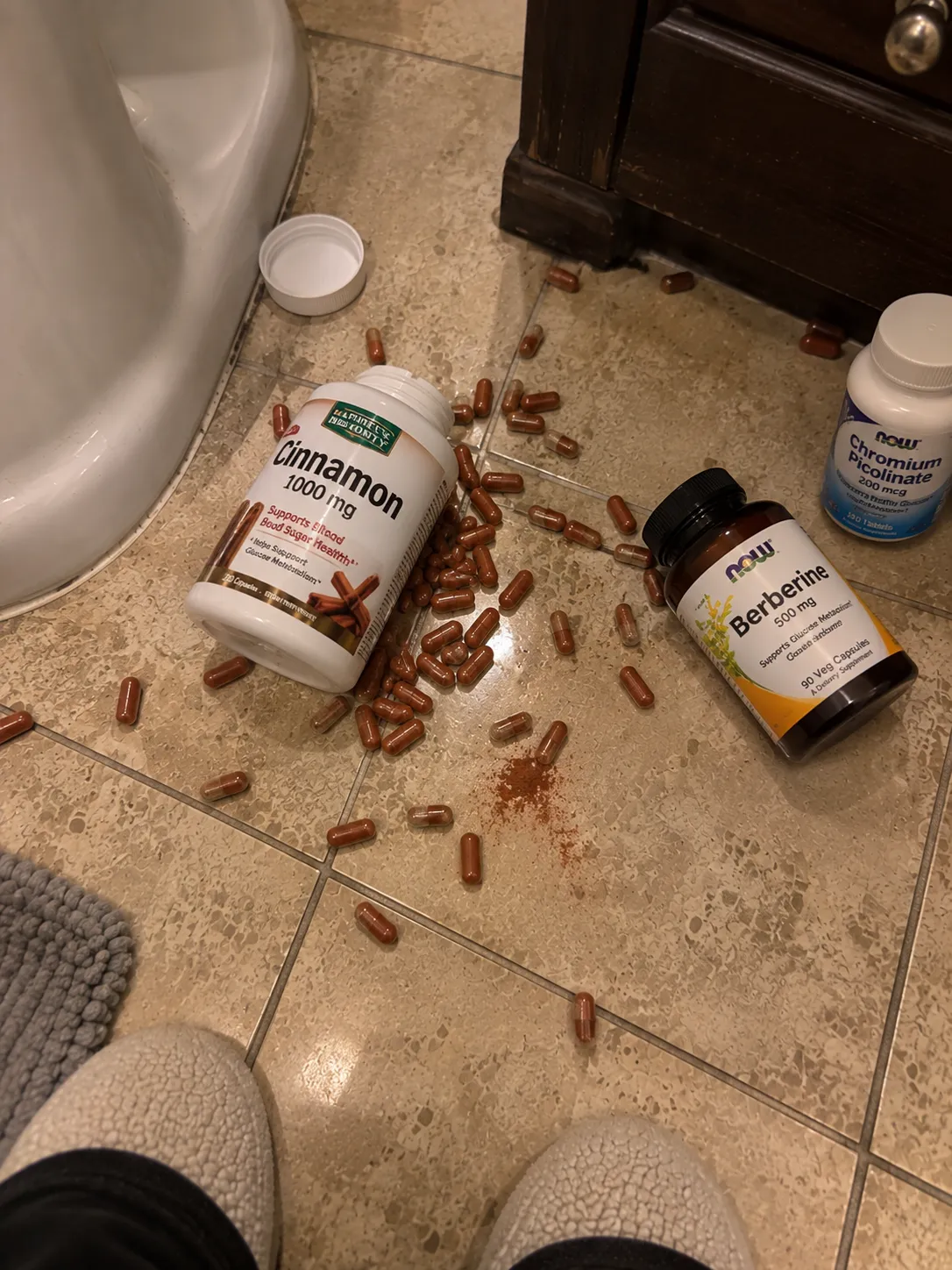
Ceylon Cinnamon 7200mg Equivalent with MCT Oil
Melissa Burkens

 Add to Chrome