If you’ve been looking for a lost ancestor, read this 👇
Ad Copy
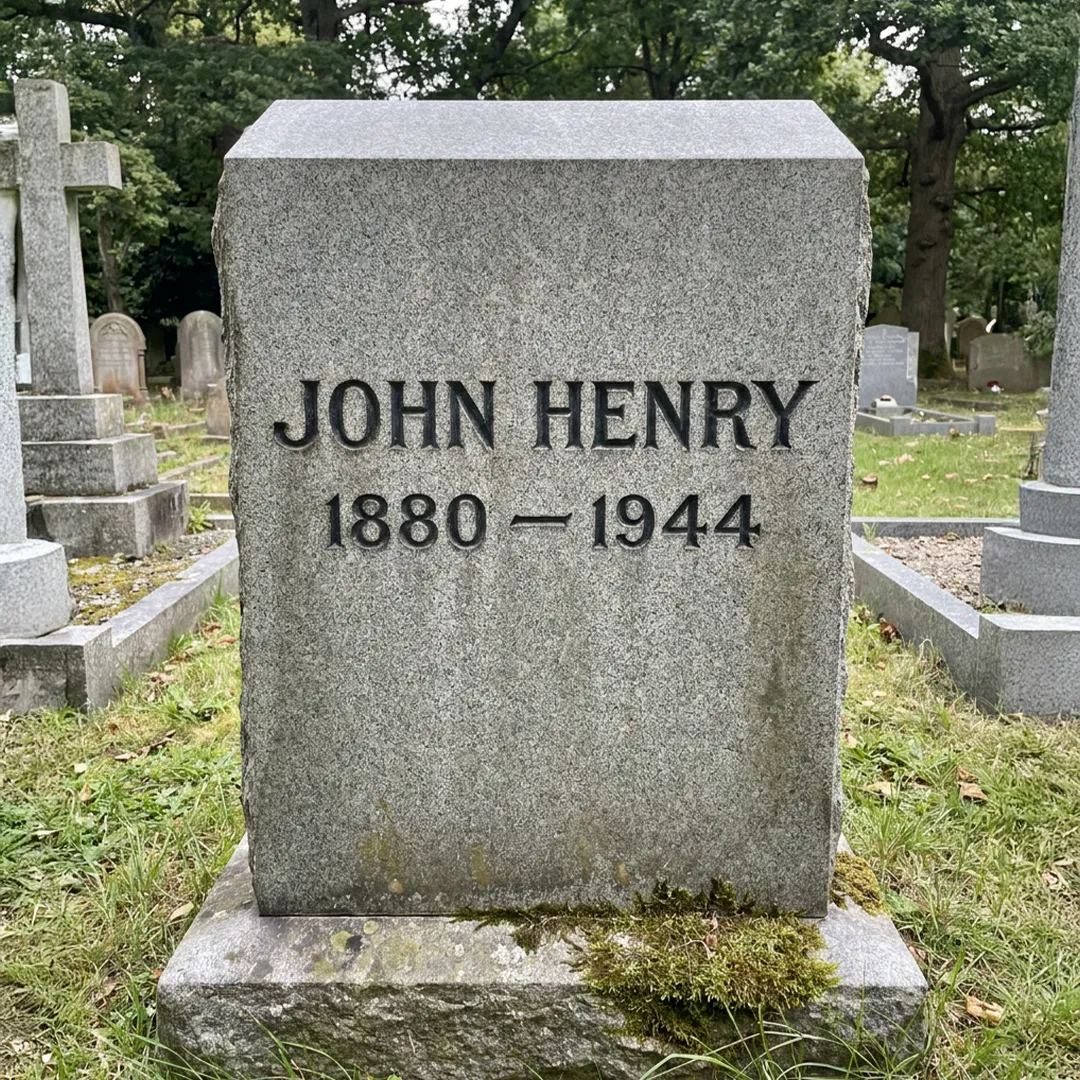
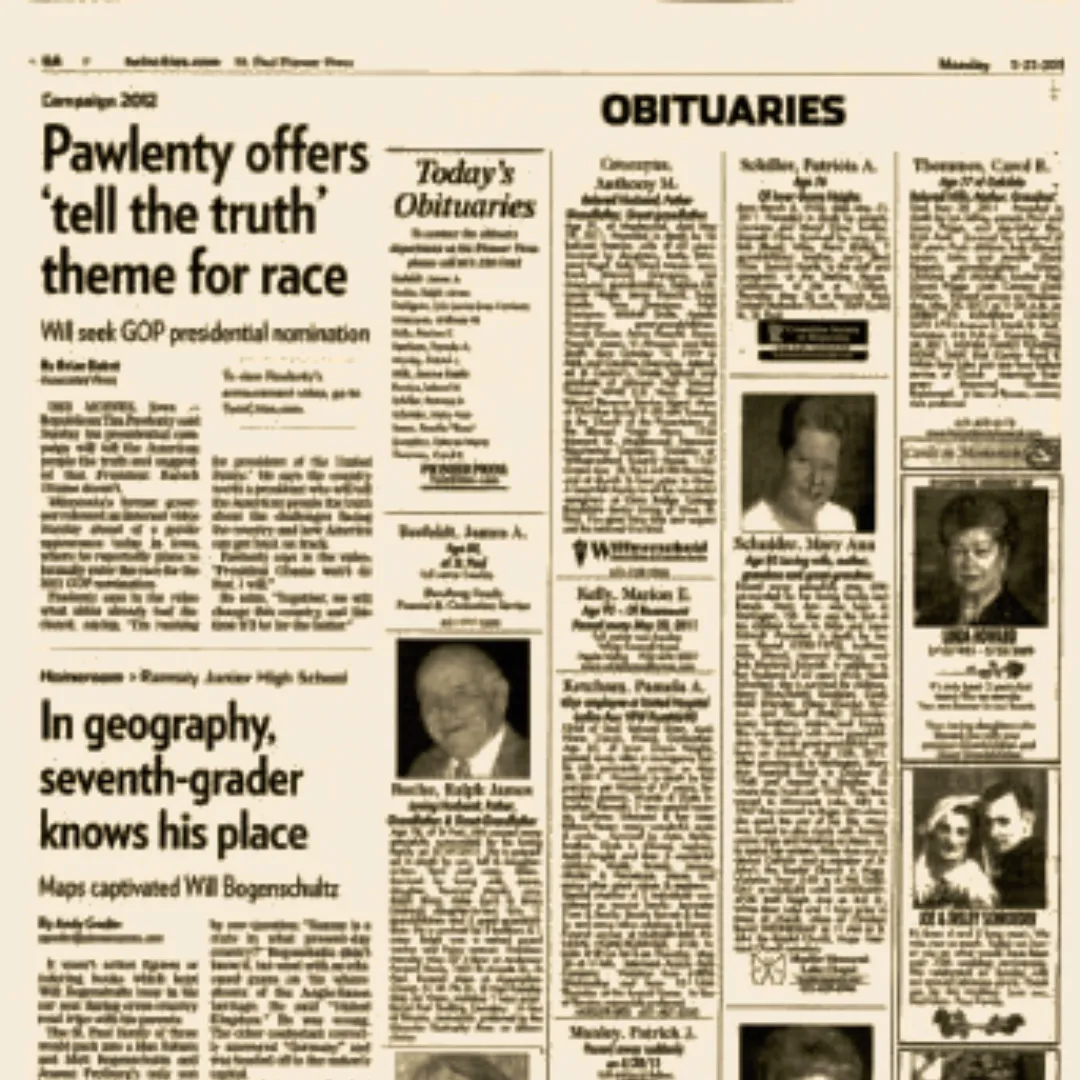
I found his gravestone four years ago and I still didn’t know a single thing about him. John Henry. 1880 to 1944. That’s what’s carved on the stone in a little cemetery outside Cambridge, Ohio, and it’s all I had. I knew he was my mother’s father. That was the whole of it. I took the photo on my phone the week we buried my mother, standing in the wet grass in my funeral shoes, because I couldn’t stand the thought of leaving without a picture of the one man in the family nobody would talk about. Four years of trying after that, and I got nowhere. You’d think a name like John Henry would be easy to find. It’s the opposite. I typed John Henry, born 1880, Ohio into Ancestry and got back fourteen hundred results. Fourteen hundred men. I scrolled for three weekends straight. At one point I found a tree that matched him perfectly. Right birth year, right county, a wife named Ruth. I copied the whole branch into my own tree and felt like I’d won something. Then I found out that John Henry died in Kentucky in 1951. Wrong man entirely. I spent a full Saturday pulling out every parent and cousin I’d attached to him, one at a time, feeling sick. After that I stopped trusting any tree I hadn’t built myself, which meant I had nothing to trust. The family wasn’t any help either. My mother always said he was a glassblower. My Aunt Dot, her older sister, swore he was a preacher. My cousin Ray told me at a barbecue that he got “run out of Belmont County,” and then changed the subject so fast I never got a follow-up question in. Three stories, and none of them could be true at once. I went to Aunt Dot herself, last one left who knew him. She’s ninety-four. I sat on her porch with a legal pad and she patted my hand and said, “Some things stay put away, honey.” That was the end of that conversation, every time I tried it. Then her daughter called in March to say Dot was moving into memory care. She’d started calling the nurses by her sisters’ names. I hung up and sat in my car in the Kroger parking lot with the engine off. It hit me that the only living person who ever stood in a room with John Henry was losing him a little more every week, and I’d spent four years scrolling through the wrong men. I’d already tried the library. Forty minutes each way, microfilm reader that jammed, closing at four. I tried the free sites and went page by page until my eyes burned. Nothing. I’d just read that the 1890 census was mostly burned in a fire, which would have shown him as a ten-year-old boy. Another door shut. I posted in a genealogy group that night, mostly to vent. A woman answered within the hour and said, “Have you tried the newspapers on GenealogyBank? About 95% of their papers aren’t on the big sites, that’s what they say anyway.” I almost scrolled past. I’d heard “billions of records” from every site I’d paid for. But I checked their newspaper list first. Not the sales page. The actual list. Guernsey County, Ohio. Belmont County, too. Papers running back well before 1900. I started the 7 day free trial at my kitchen table, still half expecting to waste another night. I typed in John Henry, Ruth, Cambridge, 1944. And there he was, in a newspaper from the week he died. “John Henry, 64, died Tuesday at his home after a short illness. Born in Belmont County, son of the late Thomas and Eliza Henry. Employed at the glass works for thirty-one years. Superintendent of the Methodist Sunday school. Survived by his wife Ruth, three daughters, and a brother, Walter.” I read it four times. A glassblower. A preacher, close enough. And a brother named Walter I’d never heard of in my life. Every story in my family had a piece of him in it, and nobody had the whole man. I searched Thomas and Eliza Henry in Belmont County and a notice came up about the sale of their farm in 1899, after Thomas died, which explained why two teenage boys left for the glass works. Nobody ran anyone out. They went to find work. I clipped everything, downloaded each page, and printed them at the library the next morning, in color, without a jammed reader in sight. The following Sunday I drove to the memory care facility with a folder. Aunt Dot didn’t know my name when I sat down. I read her the obituary out loud anyway. When I got to “a brother, Walter,” she looked up and said, “Uncle Walt. He had the bad hand.” Then she talked for an hour. About the church. About her father’s work boots by the door. About a Christmas I’d never heard of. She was calling me by my name before I left. I wasn’t crying yet, I was writing as fast as I could. If you’ve got a John Henry of your own, a name on a stone you can’t get past, do this before you give up on him. Go check GenealogyBank’s newspaper list for your county. It takes five minutes and it’s free to look. If his paper is on there, start the 7 day free trial and search his name with the town and the decade. And if it turns out your county isn’t well covered, annual memberships come with a 30-day money-back guarantee, so you’re not stuck. I wish I’d checked four years sooner, while Dot could still hear every line. Some brick walls aren’t walls. They’re just papers nobody’s opened yet.
More from GenealogyBank
Sign up to solve your own family history mysteries
GenealogyBank
Uncover Your Family's Story
GenealogyBank
Exclusive Archives
GenealogyBank
Exclusive Archives
GenealogyBank
Exclusive Archives
GenealogyBank
Exclusive Archives
GenealogyBank
Exclusive Archives
GenealogyBank

Exclusive Archives
GenealogyBank
Exclusive Archives
GenealogyBank
Exclusive Archives
GenealogyBank
Exclusive Archives
GenealogyBank
Exclusive Archives
GenealogyBank

 Add to Chrome