Reactivate Your Body
Ad Copy
If perimenopause has you swinging between rage and tears, eating everything in sight, and watching the weight pile on no matter what you do — even Bryan Johnson knows how to fix the thing driving it. So why is your doctor still telling you it's "just your age"? I'm about to tell you exactly what they're not telling you and why they'll NEVER give you the real answer. And by the end of this, you're gonna be furious. Because there are three things happening right now: One — Your entire system is being thrown into chaos by a mechanism that no standard hormone panel is built to catch. Two — The medical system is managing the outputs of that mechanism with HRT, antidepressants, and "eat less, move more" while the upstream cause runs completely undisturbed. And three — There's a women's-health industry built around "this is just what your forties feel like" that has a real financial interest in you never finding out that the chaos isn't your hormones dying — it's your cortisol running unchecked. So let me tell you what happened to me, because my story is gonna open your eyes to how broken this really is. For a couple of years I watched myself turn into a person I didn't recognize. The mood swings that came out of nowhere. Rage over a coffee cup left on the counter, then crying in the pantry twenty minutes later, then flat and numb by dinner. My family started walking on eggshells and I couldn't blame them. I couldn't predict me either. The depression that settled in like fog and wouldn't lift. Not sad about anything specific. Just heavy, gray, no motivation, no joy in things I used to love — the low mood that made me feel like the color had drained out of my life. The eating. God, the eating. Not hunger — a pull. Standing at the fridge at 9pm inhaling whatever I could find, needing the sugar, the carbs, the something. And the more stressed the day, the worse the pull. And the weight. Piling on around my middle no matter what I did. I was eating like I'd always eaten — less, honestly — and training, and the scale climbed anyway. Clothes I'd owned for years stopped buttoning. The belly especially, showing up like it belonged to someone else's body. Total chaos. Every part of me at once. And every doctor told me the same thing. "That's just perimenopause. It's normal for your age." "We can start you on HRT." "Have you considered an antidepressant?" "Some weight gain is expected in your forties — try cutting calories." Normal. As if losing my mood, my body, and my mind all at once was something to file under normal and send me home. Not one of them ever asked why it had all fallen apart at the same time — or why every stressful week made every single symptom dramatically worse. So at this point I'm angry. Not frustrated. Angry. Because I'm doing everything right — eating clean, training, taking the magnesium and the black cohosh and the evening primrose — and I'm still watching my body and my mind spin out while every specialist confirms the symptoms are real and then hands me HRT, an SSRI, or a diet sheet that never touches the chaos. And that's when I started asking the questions nobody in women's health wants you to ask. Why does perimenopause hit some women like a freight train and barely graze others? Why does every symptom — the mood, the eating, the weight — get so much worse during high-stress stretches if stress isn't the mechanism? Why does HRT smooth some of it while the weight gain and the emotional eating and the crashes keep running? And why the FUCK does nobody connect chronic cortisol elevation to what's happening to your progesterone, your serotonin, and your fat storage as your hormones start to swing? So I went down a rabbit hole. A deep one. I wasn't searching for a better HRT dose or a stricter diet. I was searching for what had changed inside me all at once — because on paper, "perimenopause" was the answer, and it explained nothing about why it was this violent. And I found something that changed the question entirely. Perimenopause this brutal isn't just your hormones declining. The decline is normal. The chaos on top of it has an upstream driver — and that driver runs through your stress system, to the cortisol signal that's been left completely unchecked. Here's what most people — and most doctors — don't know. In perimenopause, your ovarian hormones don't glide down. They swing, and progesterone drops first, years before estrogen does. And here's the part nobody explains: estrogen used to be your cortisol's brake. Estrogen helped keep your stress response in check. As estrogen becomes erratic and starts falling, that brake comes off — and chronic cortisol, which used to be buffered, now runs wild. That's the "chaos." And it hits three points at once. One. Progesterone is your calm. It converts into allopregnanolone, which works on your GABA receptors — your brain's brake pedal. In perimenopause progesterone is already dropping, and chronic cortisol steals the raw material (pregnenolone) your body would use to make more of it. Less progesterone, less allopregnanolone, a softer brake. That's the rage-then-tears mood swings, the 3am wake-ups, the anxiety that came from nowhere. Two. Estrogen stabilizes serotonin. As estrogen swings and falls, serotonin destabilizes with it — and cortisol suppresses serotonin further on top of that. That's the depression, the gray heaviness, the loss of joy, and the carb-and-sugar cravings, because a serotonin-starved brain screams for exactly those foods. Three. Cortisol is a fat-storage hormone, and it specifically parks fat around your middle. Combine unchecked cortisol with declining estrogen and you get visceral belly fat, insulin resistance, and cravings that override any diet. You're not gaining weight because you're eating too much. A hormonal instruction to store fat and crave sugar is running by default — and willpower doesn't beat endocrinology. Three hits, all firing from the same cortisol signal that estrogen is no longer holding back. That's why it all broke at once. That's why it's chaos. That's why every stressful month was worse — more cortisol, harder crash. That's why HRT helped the hot flashes but not the weight or the emotional eating — it topped up hormones without touching the cortisol running unchecked underneath. That's why the diets failed — they fought a fat-storage instruction with a calorie count and lost. Managing perimenopause symptoms while cortisol runs the mechanism is bailing a boat with the hole still open. And this is where Bryan Johnson comes in. The longevity guy — the Blueprint guy who runs his entire life on data — built a protocol for women, and his go-to for the cortisol-and-stress side of the female hormonal picture is Rhodiola Rosea, 200 to 400mg, for exactly this: stress, fatigue, and the mood crash. His protocol even lays out how to adjust through perimenopause. Not a period product. Because of what it does to cortisol in the exact window where cortisol does the most damage. When the guy who optimizes everything by the numbers lands on the same compound the mechanism points at, you pay attention. And here's the part that made my blood boil. The connection between chronic cortisol and low progesterone is in the endocrinology literature. The role of estrogen in regulating the cortisol stress response is documented. The effect of cortisol on serotonin and on visceral fat storage is published and replicated. The link between HPA-axis dysregulation and severe perimenopausal symptoms is in peer-reviewed research. But the clinical pathway for perimenopause doesn't include a cortisol assessment. Doesn't evaluate your stress axis. Doesn't ask whether unchecked cortisol is the thing turning a normal hormonal transition into a two-year demolition. Because there's no pharmaceutical for a cortisol-driven perimenopausal crash. Because HRT is a renewable prescription. Because antidepressants generate follow-up appointments. Because GLP-1 shots at hundreds a month for the weight are the new upsell. Because "it's just your age" keeps you coming back forever and never has a reason to end. See how that works? Manage the outputs indefinitely. Never touch the cortisol producing them. So I kept digging. And that one compound — the same one Bryan Johnson had flagged — addressed the mechanism at the source, from the top, where all three hits fire from. Rhodiola Rosea. Not marketed for menopause. Researched for cortisol. The rosavins in Rhodiola reset the cortisol signal at the hypothalamic level — dialing down the output that had been stealing your progesterone, crushing your serotonin, and driving fat to your middle. As cortisol normalizes, the pregnenolone stops getting diverted, progesterone and allopregnanolone recover, the GABA brake firms up, and the fat-storage-and-craving instruction loses its driver. With estrogen no longer able to hold cortisol back, resetting the cortisol at the source is the brake your body lost. And salidroside supports mitochondrial energy production and serotonin signaling directly — which is why the fog and the flat depression and the bone-deep tiredness start lifting even as the cortisol resets. The self-reinforcing loop — where the chaos raises cortisol that fuels more chaos — starts running in reverse. Not managing the symptoms. Removing the cortisol running them. But I needed a Rhodiola actually dosed for the mechanism. Not the 100mg unstandardized extract that slaps "Rhodiola" on the label because adaptogens are trending. And that's exactly the trap I fell into first. I bought the highest-rated Rhodiola on Amazon. Two solid months. Nothing. Same swings, same eating, same climbing scale. Then a "well-known" adaptogen brand. Another month. Marginally calmer, everything else unbothered. So I went back and read the actual research instead of the labels. The studies where Rhodiola normalizes cortisol used a specific standardization — 3% rosavins and 1% salidroside. That's the ratio where the mechanism was measured. I flipped over both bottles. Neither listed a standardization at all. Just "Rhodiola Rosea extract." No ratio. No guarantee the compounds that do the work were even in there. Two months of ground plant powder that never had a shot at my cortisol. There was also an absorption problem. The active compounds are fat-soluble — without BioPerine (black pepper extract) they barely cross into your bloodstream. Most brands skip it because it costs more. So even a correctly standardized one loses most of its potency before it lands. Wrong standardization. No absorption support. That's why "trying Rhodiola" had done nothing. So I went hunting for a company that did it right — standardization, clinical dose, third-party testing. And scrolling my phone one night, still angry, still researching, I saw a woman in a perimenopause forum mention Soluma. Same story as mine. Same chaos in her forties. Same HRT and diets that didn't touch the weight or the mood. Same unstandardized Rhodiola that flopped. She'd found the cortisol mechanism, tried Soluma, and got herself back. So I went to their site, ready to be disappointed like I had been with everything else. And I almost dropped my phone. Rhodiola Rosea standardized to exactly 3% rosavins and 1% salidroside. The exact ratio from the studies. At clinical dose — not a sprinkle to make the label look credible. BioPerine included for absorption. Third-party tested. Certificate of analysis published. Made in the USA. No proprietary blends. Every amount listed on the bottle. Whoever formulated this understood that brutal perimenopause isn't just your hormones dying. It's a cortisol problem — unchecked because estrogen stopped holding it back — expressing itself through your mood, your appetite, and your waistline. And they built it for the women who've been handed HRT, an SSRI, and a diet sheet while the cortisol running the chaos went completely unnamed. I started taking Soluma. Two capsules with my coffee. I changed nothing else — same food, same training, same life. Here's what happened. First few weeks — the swings had give in them. The rage didn't come from nowhere and take me over; I'd feel it rise and it would pass. The 9pm pull to the fridge got quieter. I texted a friend: "I didn't raid the kitchen last night. First time in months." By six weeks — the fog lifted. The gray depression that had sat on me for two years started clearing, and my asshole brain stopped feeding me negative garbage to chew on all day. I had energy past 2pm. I wanted to do things again. By a couple of months — the scale moved. Not diet weight loss. It felt like something releasing — like my body finally stopped clamping down and holding on. The belly started coming down. I hadn't changed a thing I was eating. By a few months in — I had myself back. More focused, more creative at work, more active, plans on the calendar again. I still get an off day — but the bad shit feels farther away now, like I can watch the wave coming and let it pass instead of it drowning me. I feel in control again. Not "managing" perimenopause. In control. Because the cortisol wasn't running unchecked anymore. With it reset at the source, my body could ride the hormonal swings the way it was always supposed to. The declining hormones were never the whole story. The unbraked cortisol amplifying every bit of it was. At my next appointment my doctor asked what had changed — the weight was down, I wasn't there asking about an antidepressant. "I reset the cortisol that perimenopause had let off the leash," I said. "As my estrogen dropped, it stopped keeping my stress hormone in check — so cortisol was stealing my progesterone, crushing my serotonin, and storing fat on my middle all at once. I fixed the cortisol. My body handles the transition now." She was quiet for a second. "The estrogen-cortisol relationship is real," she said. "It's just not how we're trained to treat perimenopause. We reach for HRT or an SSRI." "There's no pharmaceutical for it," I said. "There's a botanical one. And it gave me my life back." This is what they don't want you to know. Because the second you reset the cortisol running your perimenopausal chaos — the second your progesterone stops getting stolen, your GABA brake firms up, your serotonin lifts, and the fat-storage instruction loses its driver — you don't need their HRT to paper over a stress problem. You don't need their SSRI. You don't need their GLP-1 shot for weight that was never about food. You don't need a life spent white-knuckling your own forties. Perimenopause doesn't have to be chaos. Not managed. Actually livable. Now here's what I need you to understand. Every month cortisol keeps running unchecked is another month of the swings, the eating, the weight, the gray. And the longer that loop runs — the more entrenched the fat storage and the mood dysregulation become, and the more of these years you hand over to a chaos that was never inevitable. So if you're dealing with ANY of this — mood swings that whipsaw you between rage and tears, a depression that won't lift, emotional eating you can't white-knuckle your way out of, weight piling on your middle no matter what you do, everything spinning out at once while every doctor calls it "just your age" — this is the time. Not next month. Not after you cave to HRT you're not sure about. Not when the GLP-1 conversation comes up. Right now. Soluma. Rhodiola Rosea standardized to 3% rosavins and 1% salidroside. Clinical dose. BioPerine for absorption. Third-party tested. Made in the USA. No proprietary blends. Every amount listed. I went from swinging between rage and tears, raiding the fridge at 9pm, and watching the weight climb no matter what — to steady moods, a quiet kitchen at night, the belly coming down, and feeling in control again. In a few months. No HRT. No SSRI. No smaller life. There's a 90-day money-back guarantee. Notice when the swings soften. Notice when the 9pm pull goes quiet. Notice when the scale finally moves and the fog finally lifts. If nothing shifts, you pay nothing. I risked nothing. And I got myself back.
More from Claire Whitmore
Its not just getting older
Claire Whitmore
Its not just getting older
Claire Whitmore
Why does weight get harder to lose after menopause?
Claire Whitmore
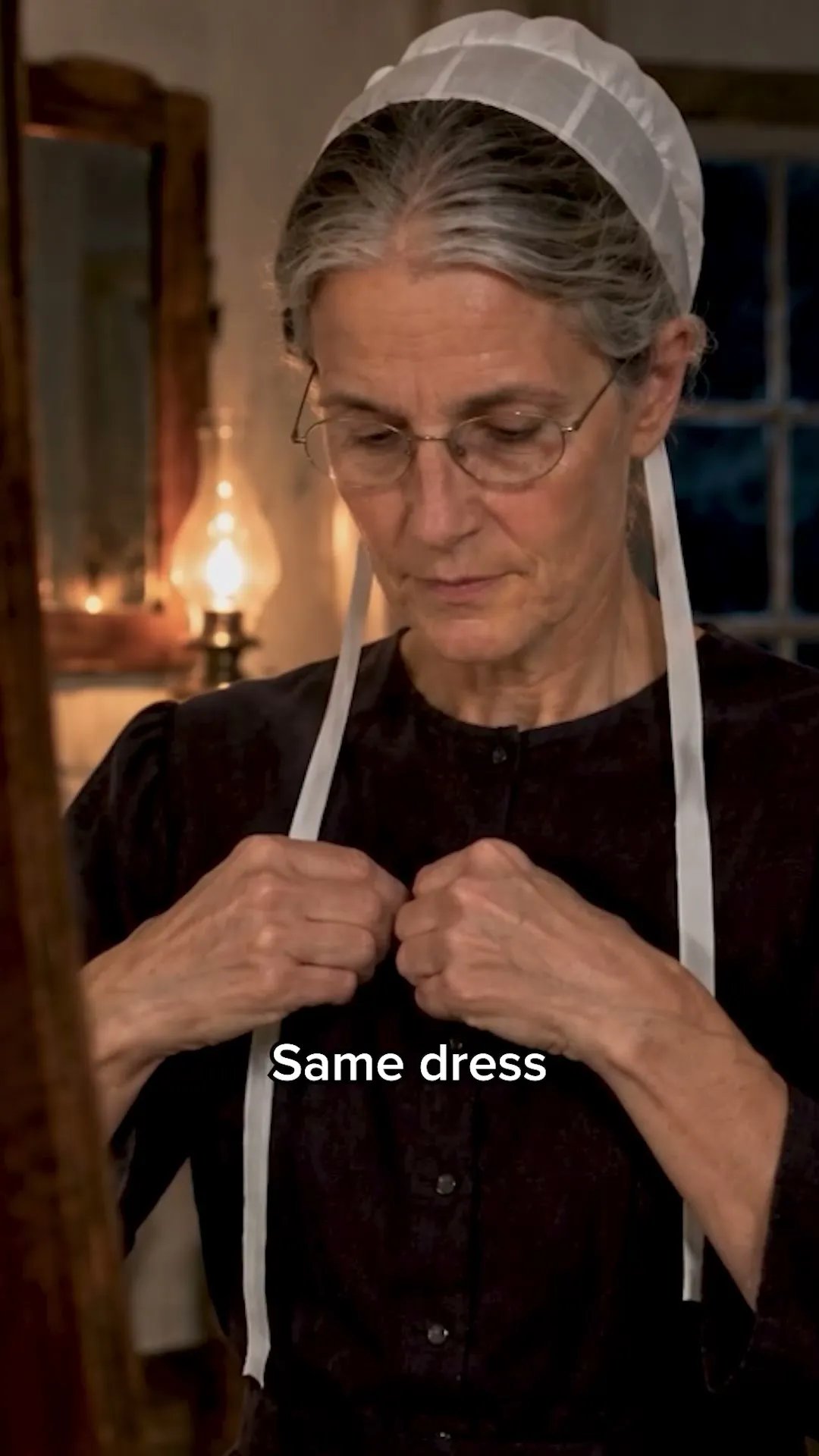
Why does weight get harder to lose after menopause?
Claire Whitmore
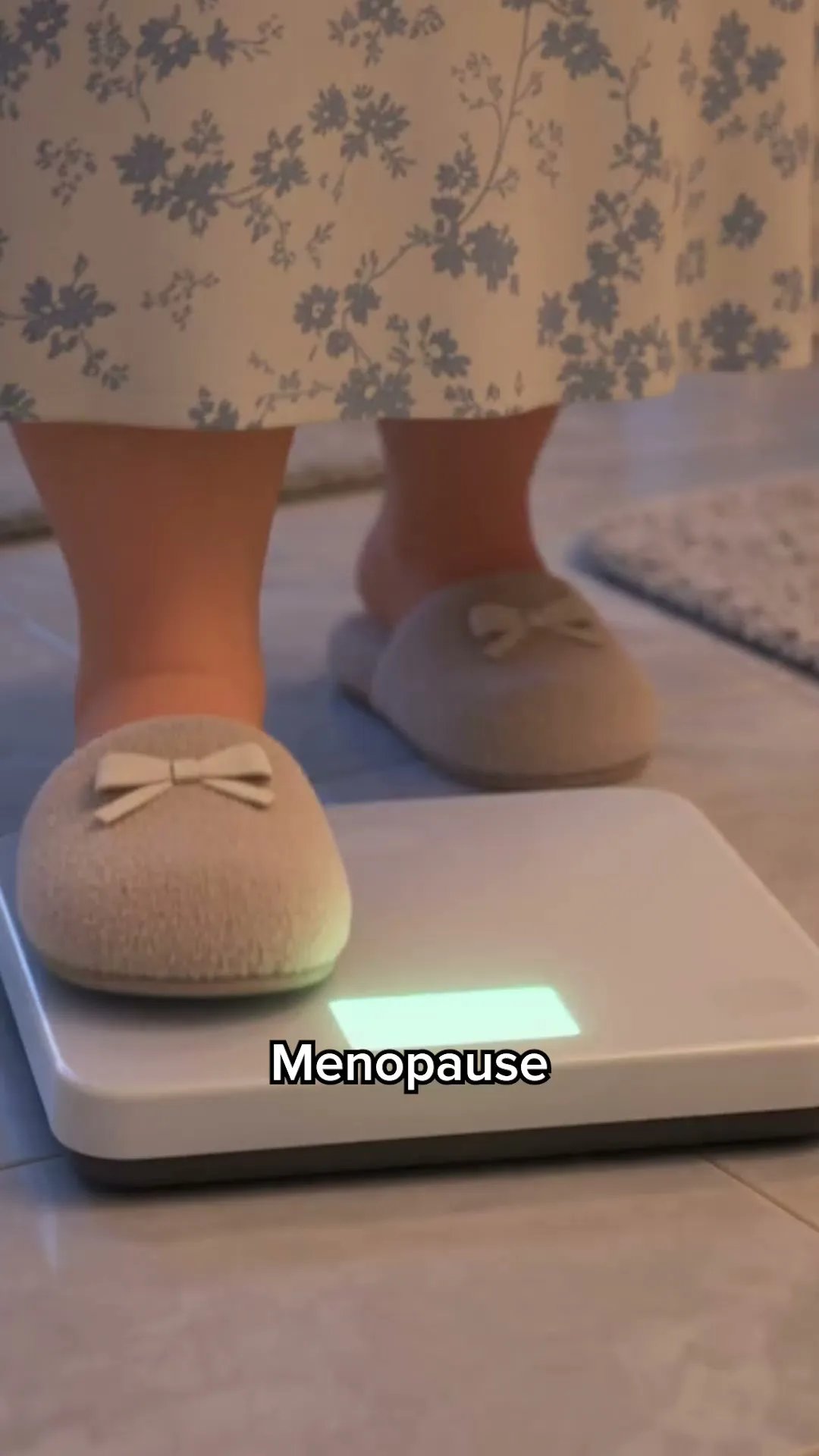
Why does weight get harder to lose after menopause?
Claire Whitmore
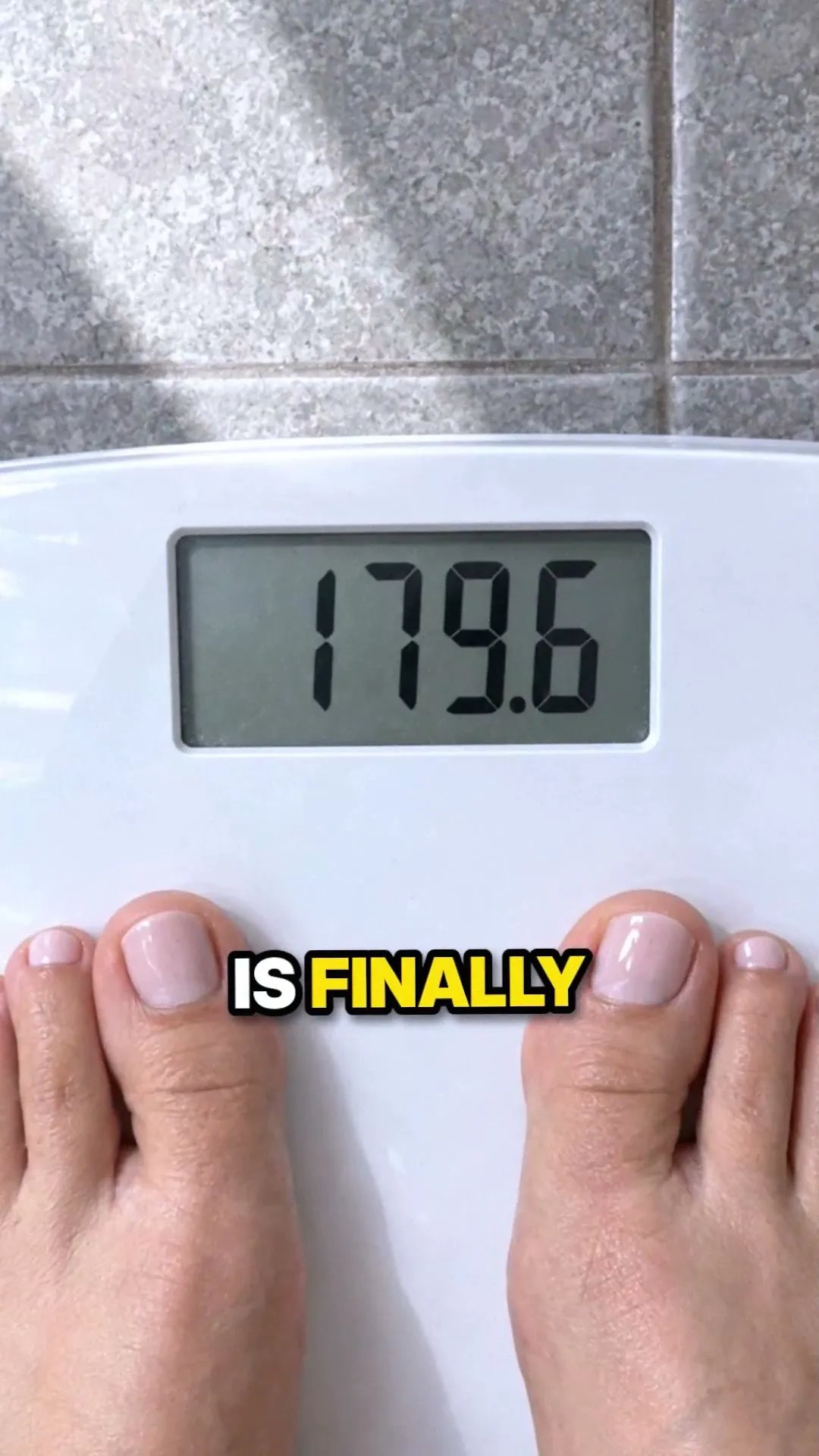
Why does weight get harder to lose after menopause?
Claire Whitmore
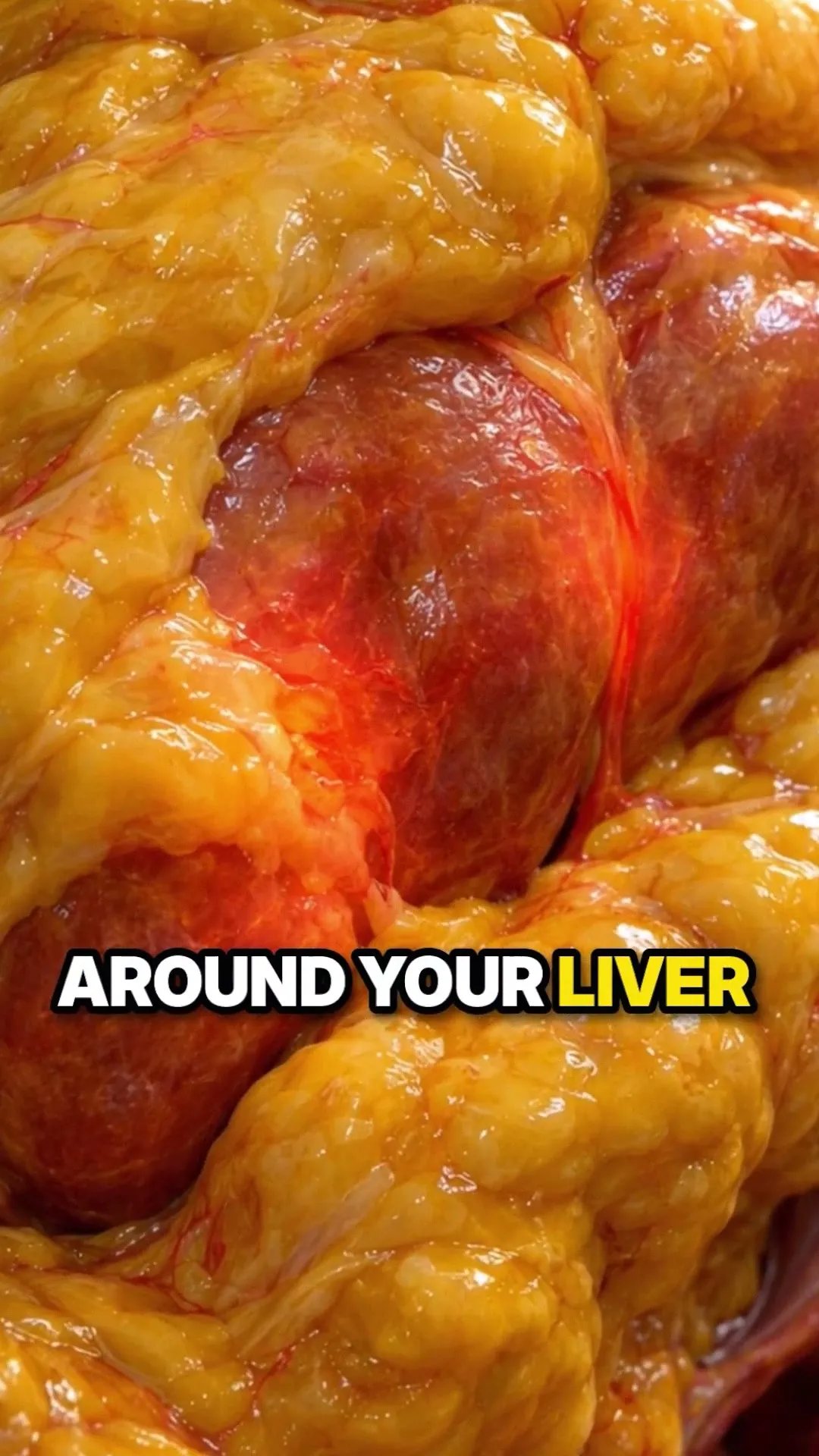
Why does weight get harder to lose after menopause?
Claire Whitmore

Why does weight get harder to lose after menopause?
Claire Whitmore

Its not just getting older
Claire Whitmore

Why does weight get harder to lose after menopause?
Claire Whitmore
Reactivate Your Body
Claire Whitmore
Reactivate Your Body
Claire Whitmore

 Add to Chrome